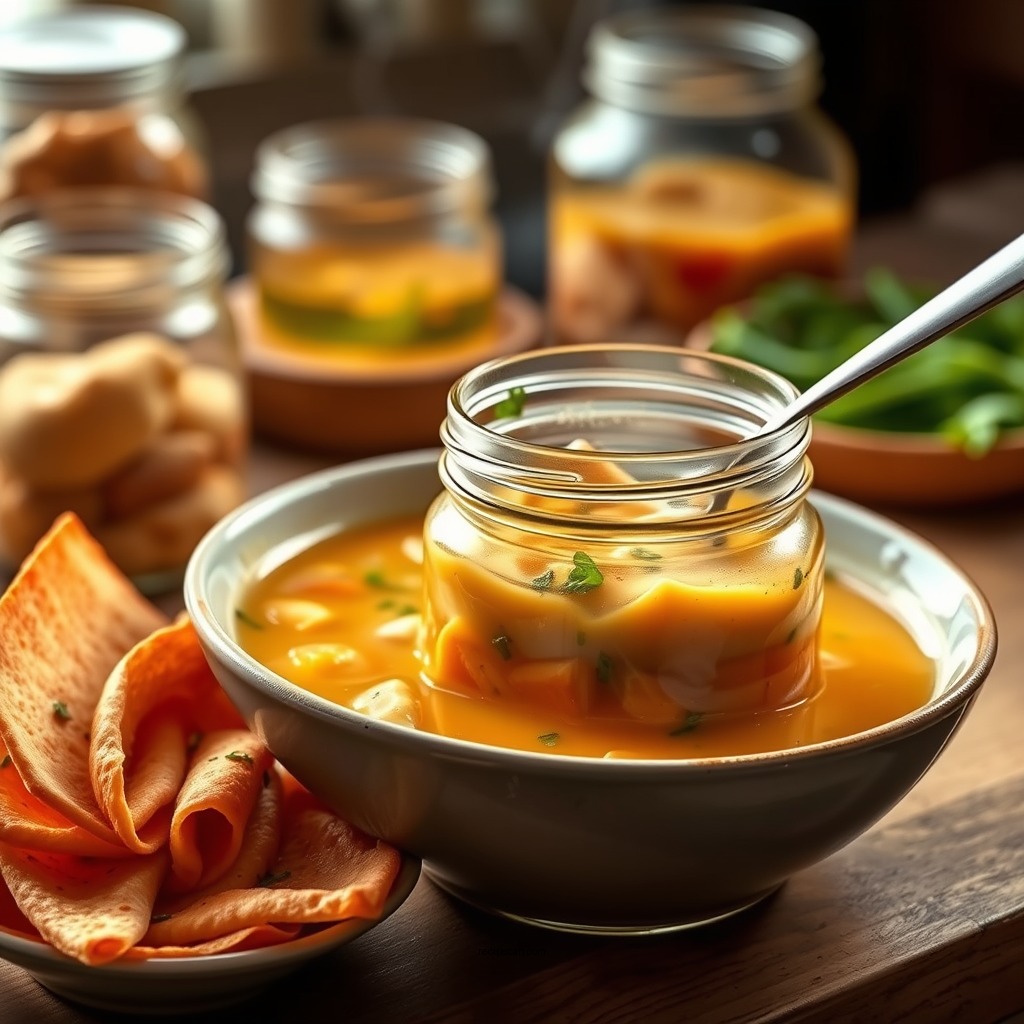
Canning chicken soup is a straightforward process that allows you to preserve delicious homemade soup for future meals. This guide will provide you with essential recipes, tips for safe canning practices, and effective methods for storing your soup. By following these guidelines, you can enjoy the convenience and satisfaction of home-canned chicken soup, tailored to your taste preferences.
Essential Ingredients for Canning Chicken Soup
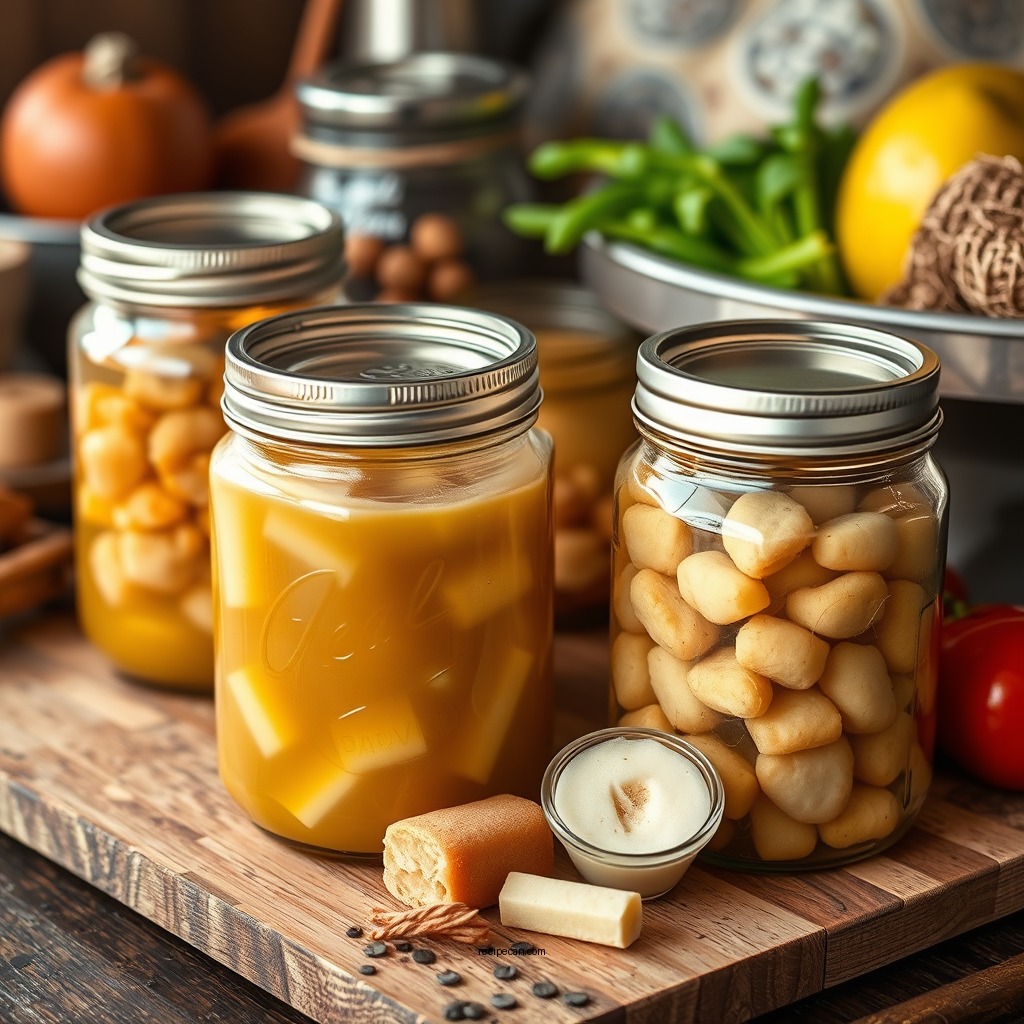
To create a flavorful chicken soup for canning, selecting high-quality ingredients is paramount. Fresh chicken serves as the core component, with cuts like breasts or thighs being the most popular choices due to their tender texture and rich flavor. When sourcing chicken, opt for organic or free-range options whenever possible, as these typically yield better taste and nutritional value.
Vegetables are another crucial aspect of your chicken soup. Classic additions include carrots, celery, and onions, which contribute a robust base flavor. Feel free to customize your soup with seasonal vegetables such as green beans, zucchini, or bell peppers, depending on what you have available. Don’t forget to add herbs and spices; bay leaves, thyme, and black pepper can significantly enhance the soup’s overall profile.
Lastly, broth plays a vital role in enriching your chicken soup. Homemade stock provides a deeper flavor, while store-bought varieties can save time. Consider making a large batch of stock and freezing it in portions for future use.
Preparing Your Chicken Soup
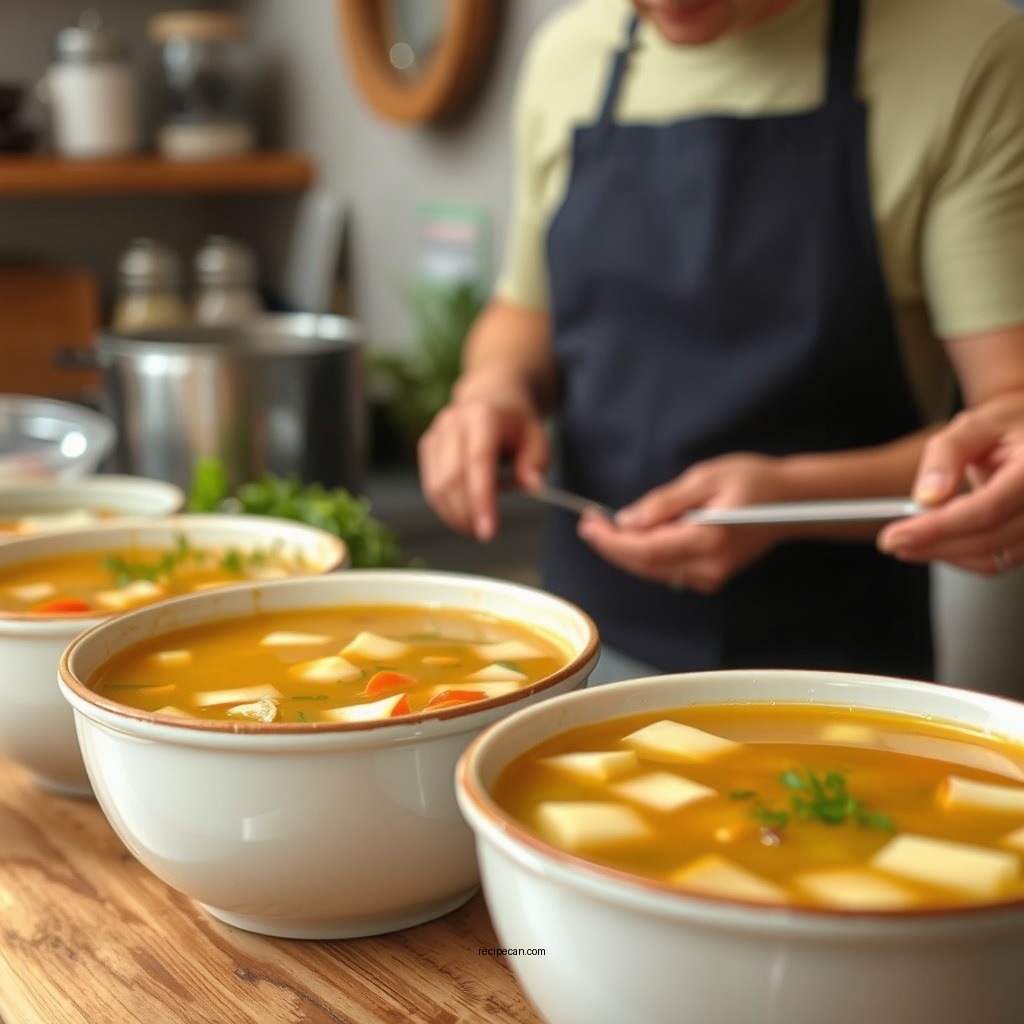
Preparation is key to achieving a delicious chicken soup that is safe for canning. Start by cooking the chicken thoroughly. You can either sauté the chicken pieces in a bit of olive oil until golden brown or boil them in water until fully cooked. Once done, shred or cube the chicken into bite-sized pieces.
Next, add your chosen vegetables to the pot. Sautéing the vegetables for a few minutes can enhance their flavors before adding them to the soup. Afterward, mix in your seasonings and any broth you might be using. It is essential to simmer the soup for at least 30 minutes. This step allows the flavors to meld together beautifully, resulting in a rich, hearty soup.
During the simmering process, taste the soup and adjust the seasoning as necessary. If you prefer a thicker consistency, you can blend a portion of the soup and return it to the pot, or add a small amount of cornstarch mixed with cold water.
Canning Supplies You’ll Need
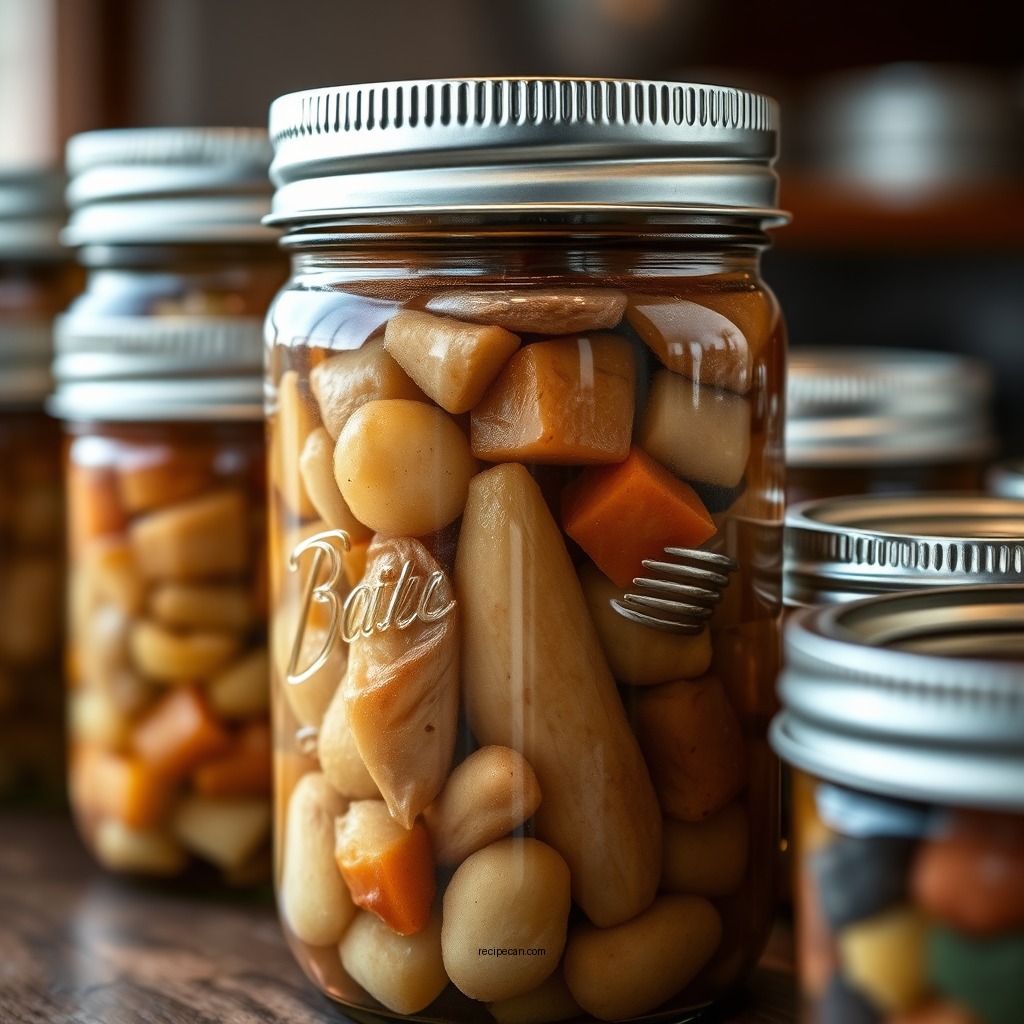
To safely can your chicken soup, having the right supplies is essential. Here’s a list of must-have items:
– Canning jars: Choose pint or quart-sized jars, ensuring they are glass and suitable for pressure canning. It is important to sterilize the jars prior to filling them to eliminate any bacteria.
– Pressure canner: This is a crucial tool for safely canning meat-based soups. Unlike water bath canning, pressure canning achieves the high temperatures necessary to kill harmful bacteria that can survive in meat.
– Lids and rings: Always use new lids to ensure a proper seal. Reusing old lids can lead to spoilage.
– Ladle and funnel: These tools help in transferring the hot soup into jars without making a mess.
– Non-metallic spatula: This is useful for removing air bubbles from the jars after filling.
Canning Process Step-by-Step
Canning chicken soup involves several steps, and following them carefully ensures safety and quality.
1. Fill jars: Start by ladling the hot soup into your sterilized jars. Leave about 1 inch of headspace at the top, as this will allow for expansion during the canning process.
2. Remove air bubbles: Use a non-metallic spatula to slide down the sides of the jar and release any trapped air bubbles. This helps prevent spoilage and ensures a proper seal.
3. Seal and process: Wipe the rims of the jars with a clean cloth to remove any residue. Place the lids on the jars, securing them with the rings. Process the jars in a pressure canner according to the USDA guidelines, which generally recommend processing for 75-90 minutes at 10-15 PSI, depending on your altitude.
4. Cooling: After processing, remove the jars from the canner and allow them to cool undisturbed for 12-24 hours. Check the seals afterward; if the lid is concave and does not flex when pressed, the jar has sealed properly. If a lid pops up, the jar did not seal and should be refrigerated and used within a few days.
Top 7 Chicken Soup Ingredients for Canning
| # | Ingredient | Flavor Rating (out of 5) | Nutritional Value (per cup) | Common Usage |
|---|---|---|---|---|
| 1 | Chicken Breast | 5 | 165 cal | Main protein source |
| 2 | Carrots | 4 | 52 cal | Adds sweetness and color |
| 3 | Celery | 4 | 16 cal | Provides crunch and flavor |
| 4 | Onions | 5 | 64 cal | Base flavor enhancer |
| 5 | Garlic | 5 | 4 cal | Flavor booster |
| 6 | Thyme | 4 | 1 cal | Herb for aroma |
| 7 | Bay Leaves | 3 | 2 cal | Adds depth |
Safety Tips for Canning Chicken Soup
Safety should always be a priority when canning chicken soup. Following USDA guidelines is vital, as they provide specific processing times and pressures based on your altitude. For instance, if you are at higher elevations, you may need to increase the pressure to ensure the safety of your canned goods.
After the canning process, checking the seals on your jars is crucial. A properly sealed jar will have a concave lid that does not flex when pressed down. If the lid pops back, the jar has not sealed correctly and should be refrigerated and consumed within a few days.
Additionally, labeling your jars with the date and contents can help you keep track of your supplies. This simple practice ensures that you use older jars first, minimizing waste and keeping your pantry organized.
Storing and Using Canned Chicken Soup
Once your chicken soup is canned, proper storage is essential for maximizing shelf life. Store your jars in a cool, dark place, away from direct sunlight and temperature fluctuations. A pantry or cellar is ideal for this purpose.
For best quality and flavor, use your canned chicken soup within one year. While properly canned soup can last longer, the taste and texture may decline over time. Always inspect jars for any signs of spoilage before consuming. If you notice any bulging lids, off smells, or discoloration, it’s best to err on the side of caution and discard the jar.
When it comes to using your canned chicken soup, simply heat it on the stovetop or in the microwave. To enhance the soup, consider adding fresh herbs, a splash of lemon juice, or additional vegetables just before serving. This will elevate the flavors and provide a homemade touch to your convenience meal.
Canning Chicken Soup Flavor Profiles
Canning chicken soup is not only a practical way to preserve tasty meals but also an excellent method to save time and reduce waste. By following the steps outlined above, you can enjoy delicious homemade soup whenever you want. Try these recipes and tips today to start your canning journey!
Frequently Asked Questions
What are the best chicken soup recipes for canning?
Some of the best chicken soup recipes for canning include classic chicken noodle soup, creamy chicken and wild rice soup, and a hearty vegetable chicken soup. These recipes typically feature tender chicken pieces, flavorful broth, and a variety of vegetables, all of which can be safely canned when prepared correctly. Ensure you follow a tested recipe to maintain safety and flavor during the canning process.
How do I safely can chicken soup at home?
To safely can chicken soup at home, use a pressure canner to ensure that the soup reaches the necessary temperature to kill harmful bacteria. Begin by preparing your soup with fresh ingredients, then fill sterilized jars with the hot soup, leaving appropriate headspace. Process the jars according to the pressure canner’s guidelines, typically for 75-90 minutes depending on the recipe and jar size.
Why is it important to use a pressure canner for chicken soup?
It is important to use a pressure canner for chicken soup because soups that contain meat or low-acid ingredients require higher temperatures to eliminate bacteria and prevent foodborne illnesses. A pressure canner achieves these temperatures, ensuring your canned soup is safe to consume. Using a water bath canner is not sufficient for low-acid foods like chicken soup.
Which ingredients should I avoid when canning chicken soup?
When canning chicken soup, avoid using thickeners like flour or cornstarch, as they can alter the safety and texture of the soup during the canning process. Additionally, avoid adding dairy products, such as cream or milk, which can spoil and compromise the soup’s safety. Stick to fresh vegetables, herbs, and spices for the best results.
What are some tips for improving the flavor of canned chicken soup?
To improve the flavor of canned chicken soup, consider using homemade broth instead of store-bought for a richer taste. Adding fresh herbs like thyme or rosemary during the cooking process can enhance flavor complexity. Additionally, seasoning the soup with salt, pepper, and garlic before canning will ensure that each jar is packed with deliciousness when opened.
References
- Canning
https://en.wikipedia.org/wiki/Canning - https://www.extension.purdue.edu/extmedia/FNR/FNR-332-W.pdf
https://www.extension.purdue.edu/extmedia/FNR/FNR-332-W.pdf - https://www.nchfp.uga.edu/how/can_04/chicken_soup.html
https://www.nchfp.uga.edu/how/can_04/chicken_soup.html - https://www.ars.usda.gov/ARSUserFiles/oc/np/CanChicken.pdf
https://www.ars.usda.gov/ARSUserFiles/oc/np/CanChicken.pdf - https://www.fsis.usda.gov/wps/portal/fsis/topics/food-safety-education/get-answers/food-safety-fact-sheets
https://www.fsis.usda.gov/wps/portal/fsis/topics/food-safety-education/get-answers/food-safety-fact-sheets - https://www.cdc.gov/foodsafety/communication/canning.html
https://www.cdc.gov/foodsafety/communication/canning.html - Google Scholar Google Scholar
https://scholar.google.com/scholar?q=canning+chicken+soup+recipes - Google Scholar Google Scholar
https://scholar.google.com/scholar?q=preserving+chicken+soup - Google Scholar Google Scholar
https://scholar.google.com/scholar?q=home+canning+chicken+recipes - https://www.foodsafety.gov/blog/canning-soup-101.html
https://www.foodsafety.gov/blog/canning-soup-101.html
