Creating the iconic Canlis Salad is simpler than you might think, and it brings a taste of fine dining right into your home. This recipe will guide you through the steps to make this refreshing salad, known for its unique blend of flavors and textures. By the end of this article, you’ll be ready to impress your family and friends with this culinary delight.
History of Canlis Salad
The Canlis Salad traces its roots back to the renowned Canlis Restaurant in Seattle, established in 1950 by Peter Canlis. This family-owned restaurant gained acclaim for its fine dining experience, and the salad quickly became a signature item on its menu. The Canlis Salad is celebrated not only for its taste but also for its innovative combination of ingredients, which reflect the restaurant’s commitment to quality and creativity. Over the years, this dish has transitioned from a high-end dining staple to a beloved recipe that home cooks can recreate, allowing everyone to experience the elegance of Canlis cuisine in their own kitchen.
Key Ingredients
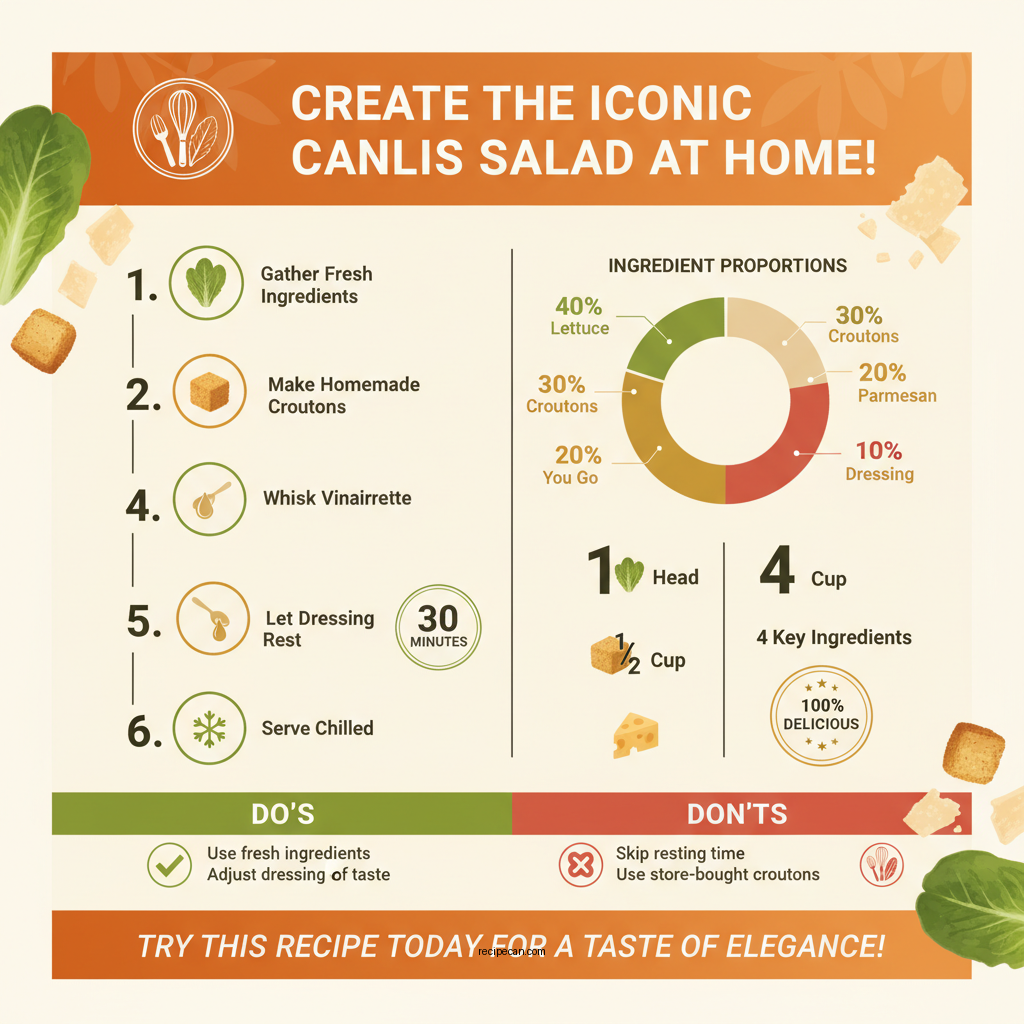
To prepare a Canlis Salad, you’ll need a few essential ingredients that come together to create a symphony of flavors. The base of the salad is fresh romaine lettuce, which provides a crisp and refreshing texture. Complementing the lettuce are homemade croutons, which add a delightful crunch, and finely grated Parmesan cheese, offering a rich, savory note. The salad is typically dressed with a unique vinaigrette that balances acidity and richness, enhancing the overall flavor profile.
The following are the key ingredients you’ll need:
– Fresh romaine lettuce (about 1 head)
– Homemade croutons (1 cup)
– Grated Parmesan cheese (1/2 cup)
– A special dressing (recipe below)
The Dressing Recipe
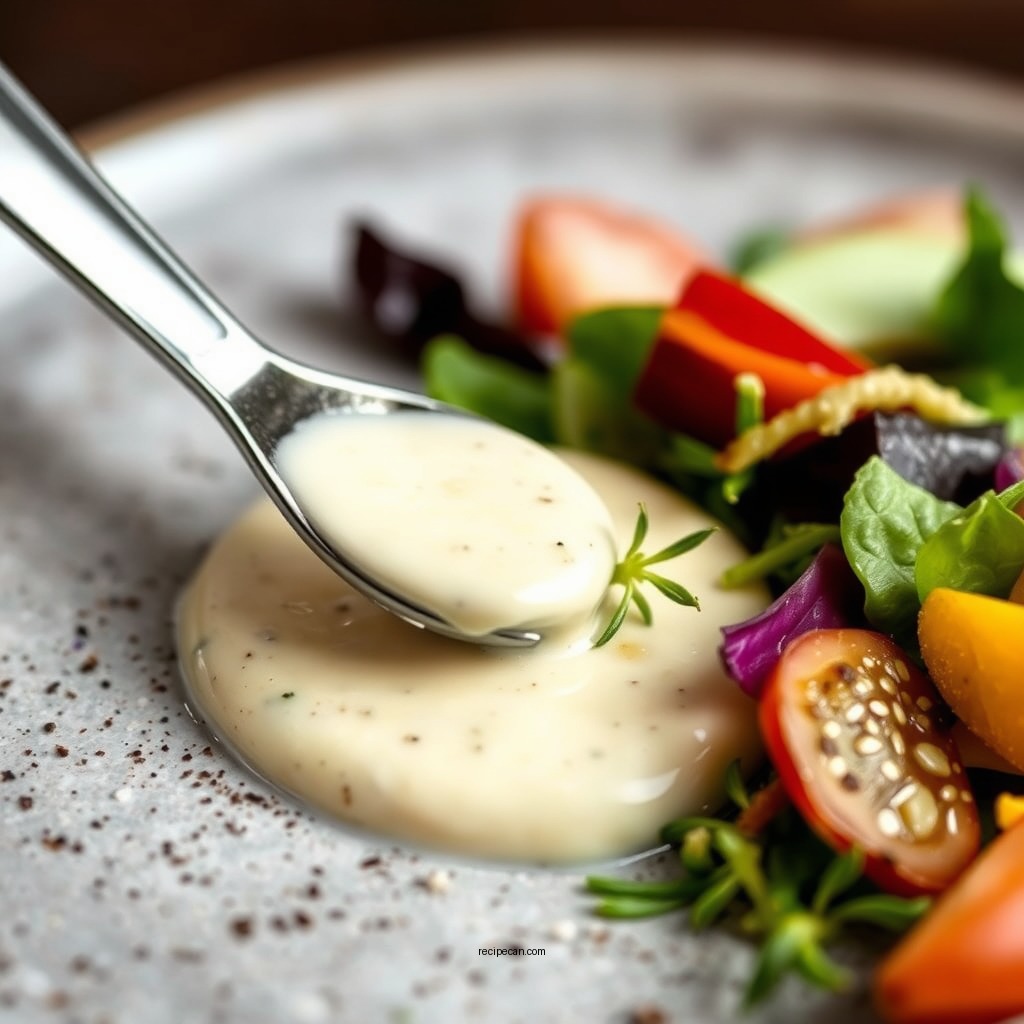
The dressing is what truly sets the Canlis Salad apart. This vinaigrette is a harmonious blend of olive oil, red wine vinegar, Dijon mustard, and a hint of garlic, seasoned with salt and pepper to taste. Achieving the perfect balance of flavors is essential; you want the acidity of the vinegar to brighten the salad without overpowering the other ingredients.
Dressing Ingredients:
– 1/2 cup extra virgin olive oil
– 1/4 cup red wine vinegar
– 1 tablespoon Dijon mustard
– 1 clove garlic, minced
– Salt and pepper to taste
Tips for the Perfect Dressing:
1. Emulsification: Whisk the ingredients together vigorously or shake them in a sealed jar to create a smooth emulsion.
2. Taste as You Go: Adjust the seasoning according to your palate. If you prefer a tangier dressing, add more vinegar; for a richer taste, increase the olive oil.
3. Let It Rest: Allow the dressing to sit for at least 30 minutes before serving to let the flavors meld.
Nutritional Breakdown of Canlis Salad Ingredients
| # | Ingredient | Calories per Serving | Fat (g) | Protein (g) |
|---|---|---|---|---|
| 1 | Romaine Lettuce (1 cup) | 9 | 0.1 | 0.8 |
| 2 | Homemade Croutons (1 cup) | 120 | 3.5 | 4 |
| 3 | Parmesan Cheese (1/2 cup) | 216 | 15 | 20 |
| 4 | Olive Oil (1/2 cup) | 960 | 108 | 0 |
| 5 | Red Wine Vinegar (1/4 cup) | 12 | 0 | 0 |
| 6 | Dijon Mustard (1 tbsp) | 15 | 0.5 | 0.5 |
| 7 | Garlic (1 clove) | 4 | 0.02 | 0.2 |
Preparation Steps
Now that you have gathered all your ingredients, it’s time to start preparing your Canlis Salad. The preparation process is straightforward but requires attention to detail to ensure each component shines.
Washing and Chopping the Lettuce
1. Wash the Lettuce: Rinse the romaine lettuce under cold water to remove any dirt or impurities. Use a salad spinner to dry the leaves thoroughly.
2. Chop the Lettuce: Once dry, chop the romaine into bite-sized pieces. This ensures that each forkful of salad has a mix of flavors.
Making Homemade Croutons
1. Choose Your Bread: Select a sturdy bread, such as sourdough or French bread. Cut it into small cubes.
2. Season and Bake: Toss the bread cubes in olive oil, garlic powder, salt, and pepper. Spread them on a baking sheet and bake at 375°F (190°C) for about 10-15 minutes or until golden brown and crispy.
Assembly of the Salad
With all your ingredients prepared, it’s time to assemble the salad for a beautiful presentation.
Layering Techniques
1. Base Layer: Start with a generous layer of chopped romaine lettuce at the bottom of your serving bowl or plate.
2. Toppings: Scatter the homemade croutons and grated Parmesan cheese across the top.
3. Drizzle with Dressing: Finally, drizzle your prepared dressing over the salad, ensuring an even coating for maximum flavor.
Optional Ingredients
To elevate your Canlis Salad, consider adding grilled chicken, avocado slices, or roasted vegetables. These additions can enhance the nutritional value and provide a heartier meal, making it suitable as a main course.
Serving Suggestions
When it comes to serving your Canlis Salad, presentation is key.
Plating Tips
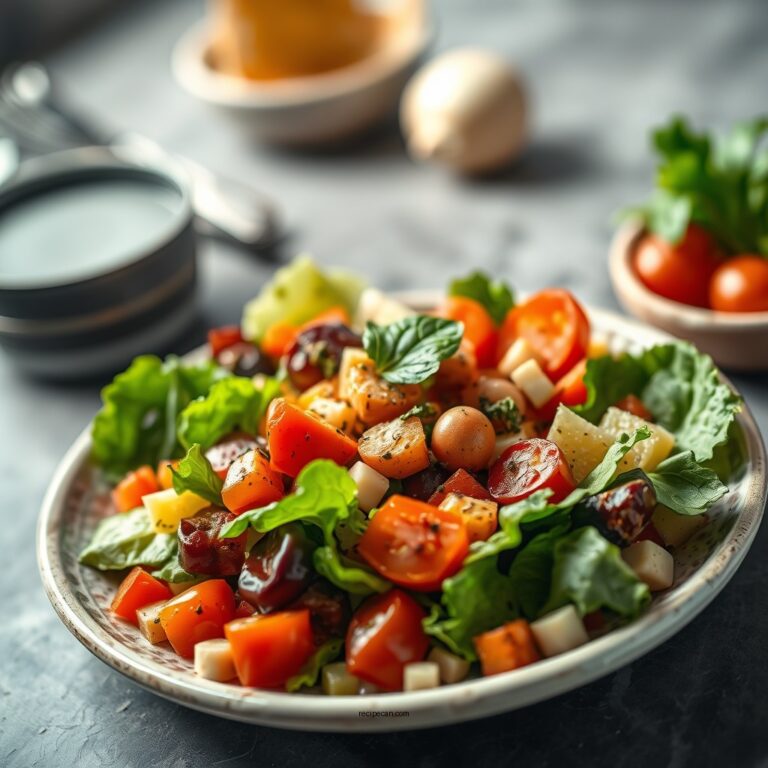
– Use a large, shallow bowl to showcase the vibrant colors of the ingredients.
– Garnish with a sprinkle of extra Parmesan or a few fresh herbs for an added touch of elegance.
Pairing Recommendations
The Canlis Salad pairs beautifully with grilled meats, seafood, or can be served as a standalone meal with a side of crusty bread. Its lightness makes it an excellent choice for summer gatherings, while its robust flavors can complement winter dishes as well.
Variations of Canlis Salad
The classic Canlis Salad can also be adapted to meet various dietary preferences, ensuring that everyone can enjoy its delightful flavors.
Vegan Options
To create a vegan version, omit the Parmesan cheese and use a plant-based dressing made from cashews or tahini. You can also add roasted chickpeas for protein.
Gluten-Free Alternatives
For a gluten-free version, simply use gluten-free bread for the croutons. Additionally, ensure that all other ingredients, particularly the dressing, are gluten-free.
Creative Twists
Experiment with different toppings such as nuts, seeds, or seasonal fruits to give your salad a unique twist. Adding fruits like strawberries or apples can introduce a refreshing sweetness that complements the savory elements.
Creating the Canlis Salad at home allows you to enjoy a restaurant-quality dish with minimal effort. By following the outlined steps and tips, you can recreate this beloved salad and share it at your next gathering. Try it out and savor the delightful flavors!
Frequently Asked Questions
What are the main ingredients in a Canlis salad recipe?
The Canlis salad is known for its simple yet fresh ingredients, typically including romaine lettuce, artichoke hearts, and a blend of herbs. It’s often topped with a tangy dressing made from olive oil, lemon juice, and Parmesan cheese, creating a delightful combination of flavors that complements the crisp vegetables.
How can I replicate the Canlis salad dressing at home?
To replicate the famous Canlis salad dressing, whisk together 1/2 cup of olive oil, the juice of one lemon, a tablespoon of red wine vinegar, and a pinch of salt. Add freshly grated Parmesan cheese and black pepper to taste for a rich and tangy dressing that perfectly enhances the salad’s flavors.
Why is the Canlis salad recipe so popular among diners?
The Canlis salad recipe is popular due to its refreshing taste, high-quality ingredients, and easy preparation. It strikes a perfect balance between crunchy textures and zesty flavors, making it a favorite choice for those seeking a light yet satisfying dish, whether as a starter or a side.
What is the best way to store leftover Canlis salad?
To store leftover Canlis salad, keep the dressing separate from the salad ingredients to maintain freshness. Place the salad in an airtight container in the refrigerator and consume it within 24 hours for the best flavor and texture, as the greens can wilt when mixed with the dressing.
Which variations can I make to the classic Canlis salad recipe?
You can customize the classic Canlis salad by adding ingredients like cherry tomatoes, avocado, or nuts for extra flavor and texture. Additionally, experimenting with different cheeses or incorporating seasonal vegetables can enhance the salad while keeping it aligned with the original’s fresh and vibrant characteristics.
References
- Canlis
https://en.wikipedia.org/wiki/Canlis - https://www.bbc.com/news/food-drink-51102867
https://www.bbc.com/news/food-drink-51102867 - https://www.nytimes.com/2021/05/12/dining/canlis-salad-recipe.html
https://www.nytimes.com/2021/05/12/dining/canlis-salad-recipe.html - https://www.theguardian.com/food/2020/jul/31/canlis-salad-recipe
https://www.theguardian.com/food/2020/jul/31/canlis-salad-recipe - https://www.sciencedirect.com/topics/food-science/canlis-salad
https://www.sciencedirect.com/topics/food-science/canlis-salad - https://www.pubmed.ncbi.nlm.nih.gov/
https://www.pubmed.ncbi.nlm.nih.gov/ - Small cell, large cell cancer: What this means – Mayo Clinic
https://www.mayoclinic.org/healthy-lifestyle/nutrition-and-healthy-eating/expert-answers/salad-nutrition/faq-20058509 - Google Scholar Google Scholar
https://scholar.google.com/scholar?q=Canlis+salad+recipe - Google Scholar Google Scholar
https://scholar.google.com/scholar?q=Canlis+restaurant+salads - Google Scholar Google Scholar
https://scholar.google.com/scholar?q=Canlis+salad+ingredients