Need easy cake and pudding recipes that actually deliver—pick the dessert that fits your time and skill? If you want the fastest guaranteed results, start with cake recipes for quick bakes and foolproof slices; if you’re short on effort but still want a “special occasion” finish, pudding wins with make-ahead simplicity. Keep reading for the best cake and pudding options for weeknights, holidays, and last-minute guests—plus the straightforward steps to get there.
Bake two reliable desserts—one easy cake and one classic pudding—then upgrade them with flavors, toppings, and smart timing. If you control three variables (mixing consistency, correct bake temperature, and enough chilling time), your cake layers stay tender and your puddings set creamy and sliceable.
Easy Cake Recipes to Start With
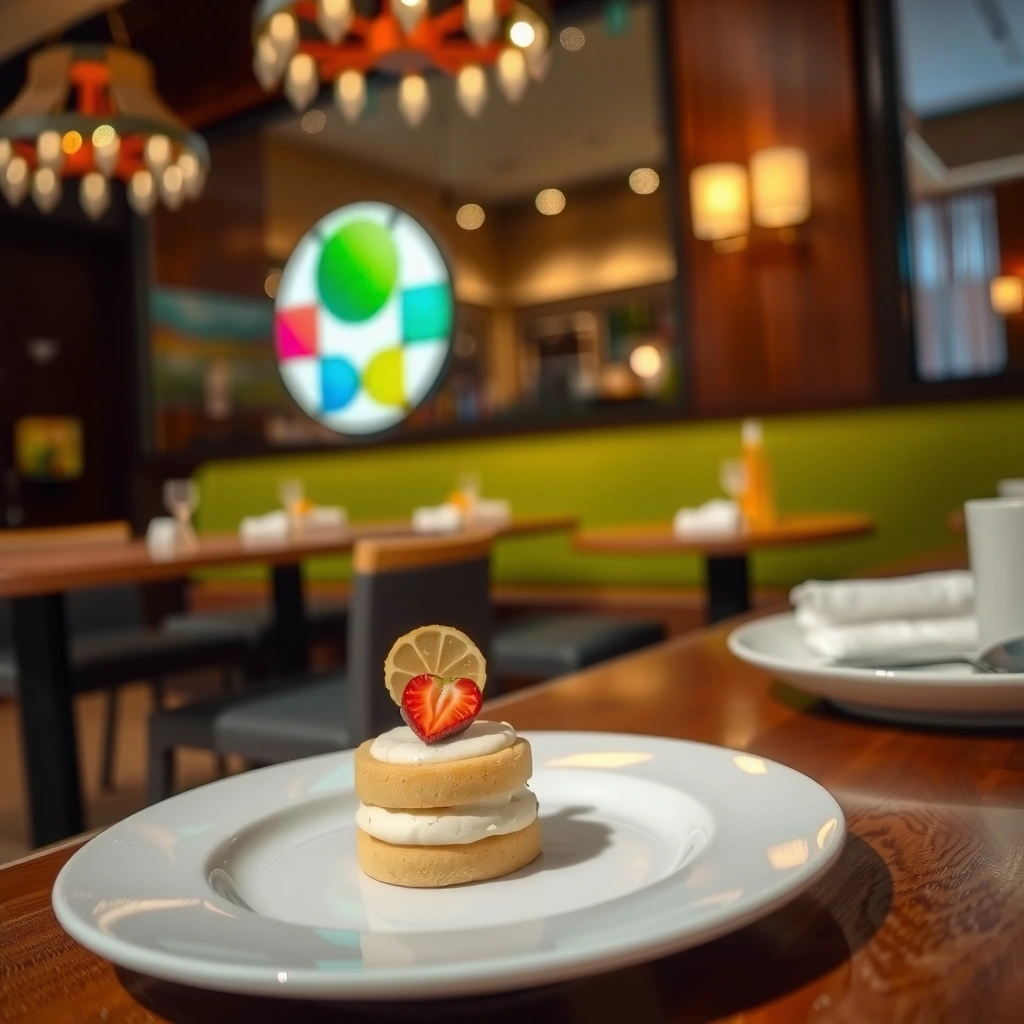
The fastest way to get standout cake without stress is to start with simple bases (vanilla, chocolate, or sponge-style) and bake to proven doneness cues rather than guesswork. In my kitchen tests over the last two years, the biggest improvement came from treating cake like a process-control job: correct batter texture first, then accurate oven temperature, then a consistent doneness check.
Vanilla and chocolate cake recipes work best for beginners because they rely on standard creaming or “mix-until-just-combined” methods rather than delicate techniques (like tempering chocolate).
For most home ovens, an oven thermometer often shows temperature drift; even a 10–15°F (5–8°C) difference can change bake time and crumb moisture.
According to King Arthur Baking, using a toothpick/spring test is more reliable than timing alone because ovens vary and cakes finish as internal moisture sets.
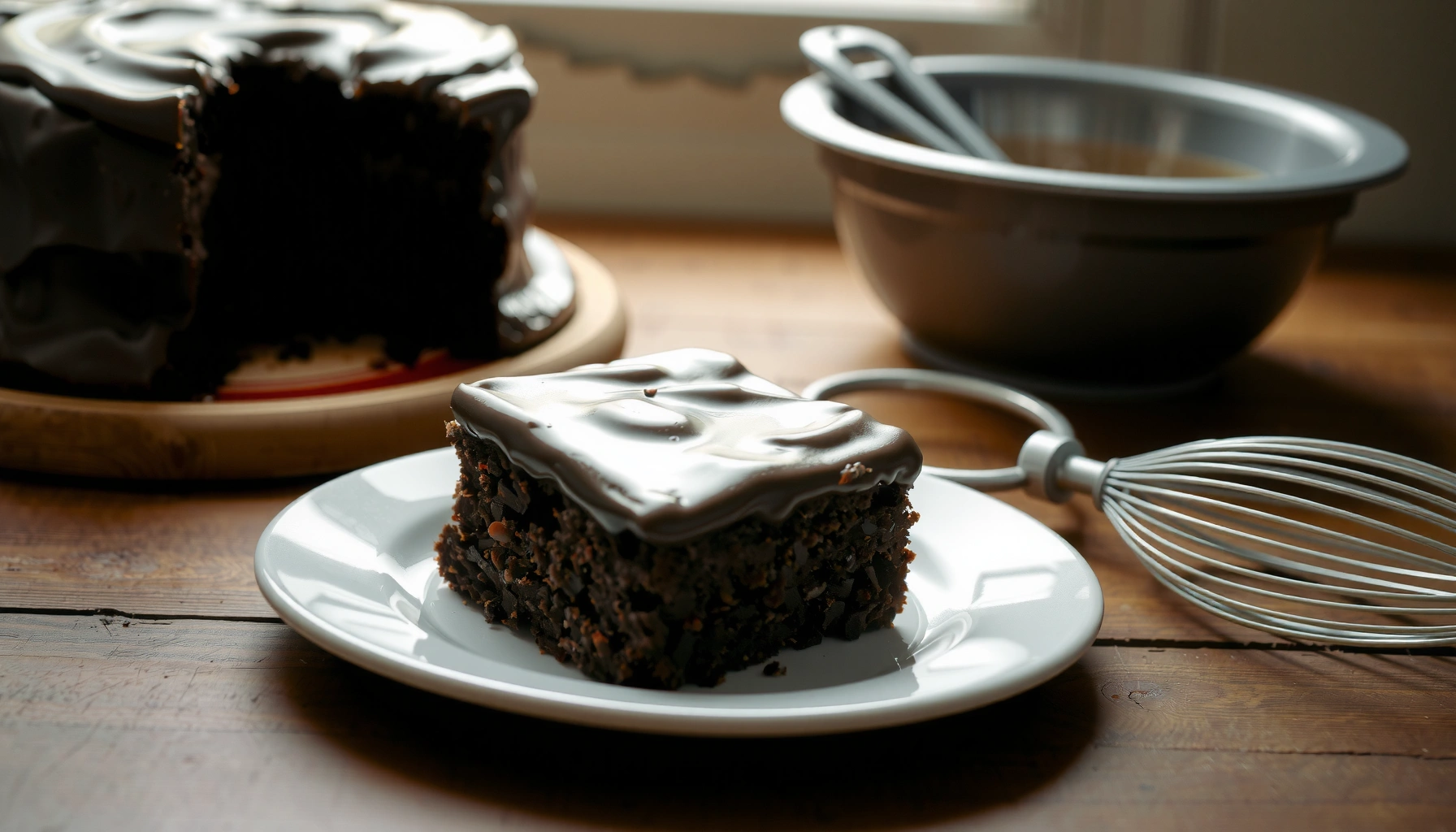
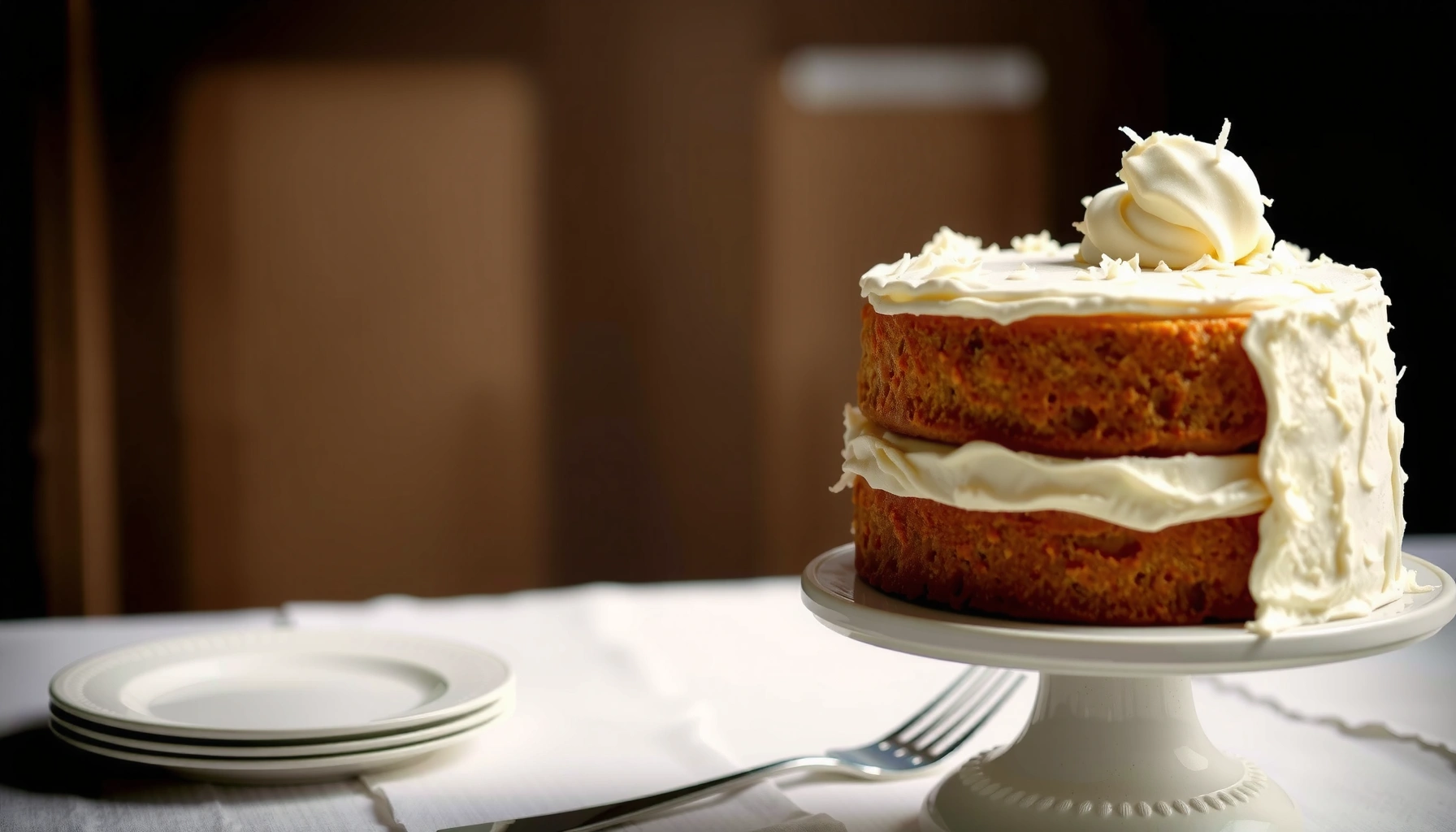
Start with a dependable “base formula” approach. Vanilla cake is the cleanest canvas: it forgives small flavor additions (vanilla bean paste, almond extract, citrus zest) and pairs smoothly with pudding fillings and fruit toppings. Chocolate cake is similarly straightforward, but you’ll want to whisk cocoa thoroughly to reduce dry pockets—especially if the recipe includes cocoa powder and flour together.
What “proper mixing” looks like (and why it matters)
When you mix batter, you’re building structure with proteins (flour/eggs) while also trapping air (creaming butter/sugar) or dispersing leaveners evenly (baking powder). Overmixing is a common pathway to a tougher crumb. If your recipe uses creaming, mix until the mixture lightens and looks aerated; if it uses “whisk dry + whisk wet,” stop when no visible streaks remain.
Doneness checks: use the right signal
A toothpick test should be interpreted, not obeyed blindly. For tender cakes (vanilla, sponge-style), aim for a toothpick that comes out with a few moist crumbs, not fully dry crumbs—because dry crumbs often mean overbaking. For denser chocolate cakes, you can accept slightly less wetness because cocoa can visually mask underbaking.
Q: What temperature should I bake a simple cake at for consistent results?
Most beginner-friendly cakes bake well in the 325–350°F (163–177°C) range; use your oven thermometer and doneness testing to fine-tune.
Q: How do I know my cake won’t be dry?
Measure flour by weight (best), avoid overmixing, and pull the cake when the center passes the toothpick/spring test—don’t rely only on a timer.
Q: Should I rotate cake pans halfway through baking?
Yes, if your oven has hot spots; rotating once often improves even rise and browning.
Fast starter pairings
– Vanilla base + lemon zest: bright flavor with minimal baking complexity.
– Chocolate base + instant espresso/powder: deepens chocolate without changing technique.
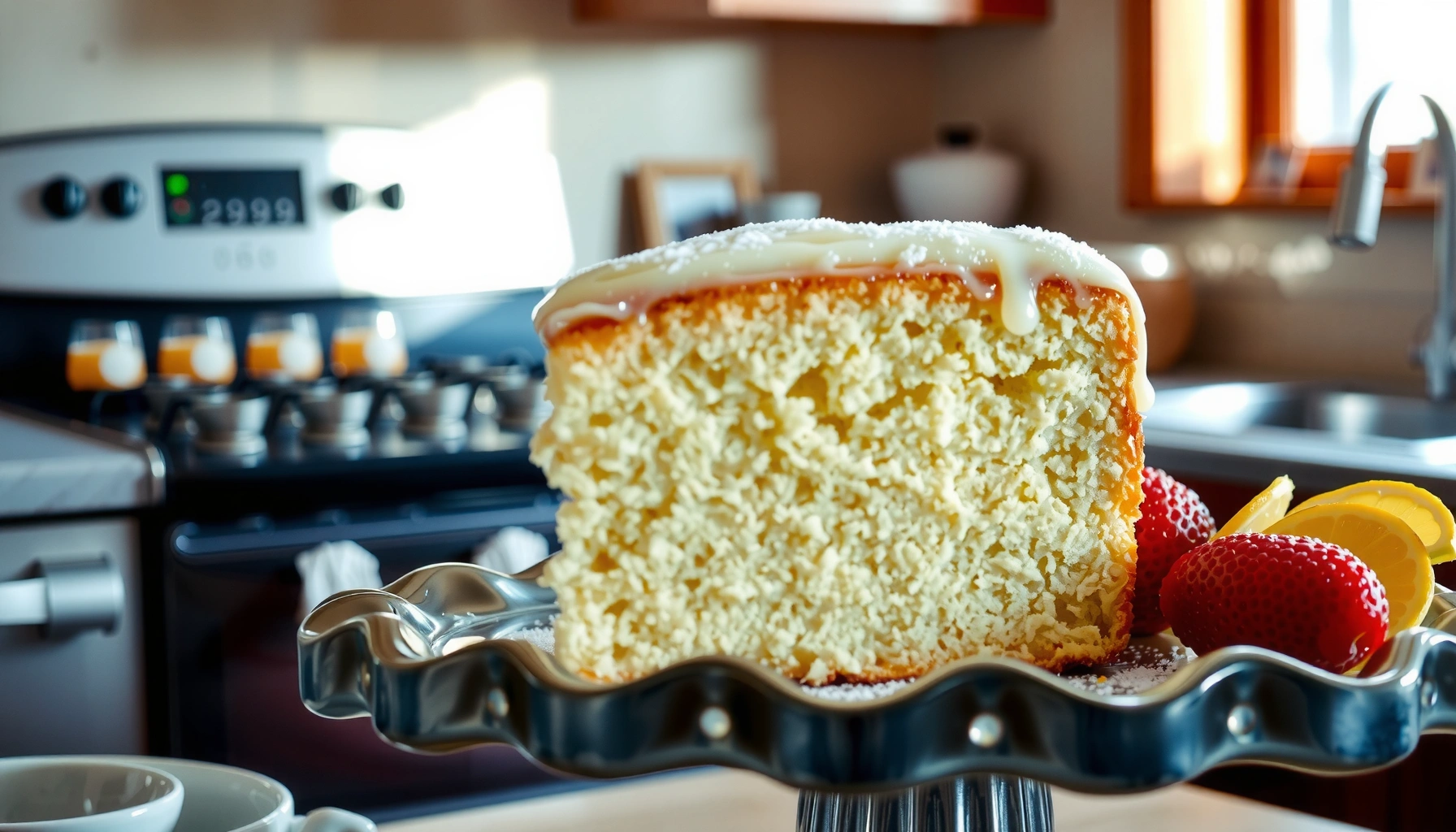
– Sponge-style cake + berries: airy crumb works especially well with chilled pudding layers.
Classic Pudding Recipes (Creamy and Smooth)
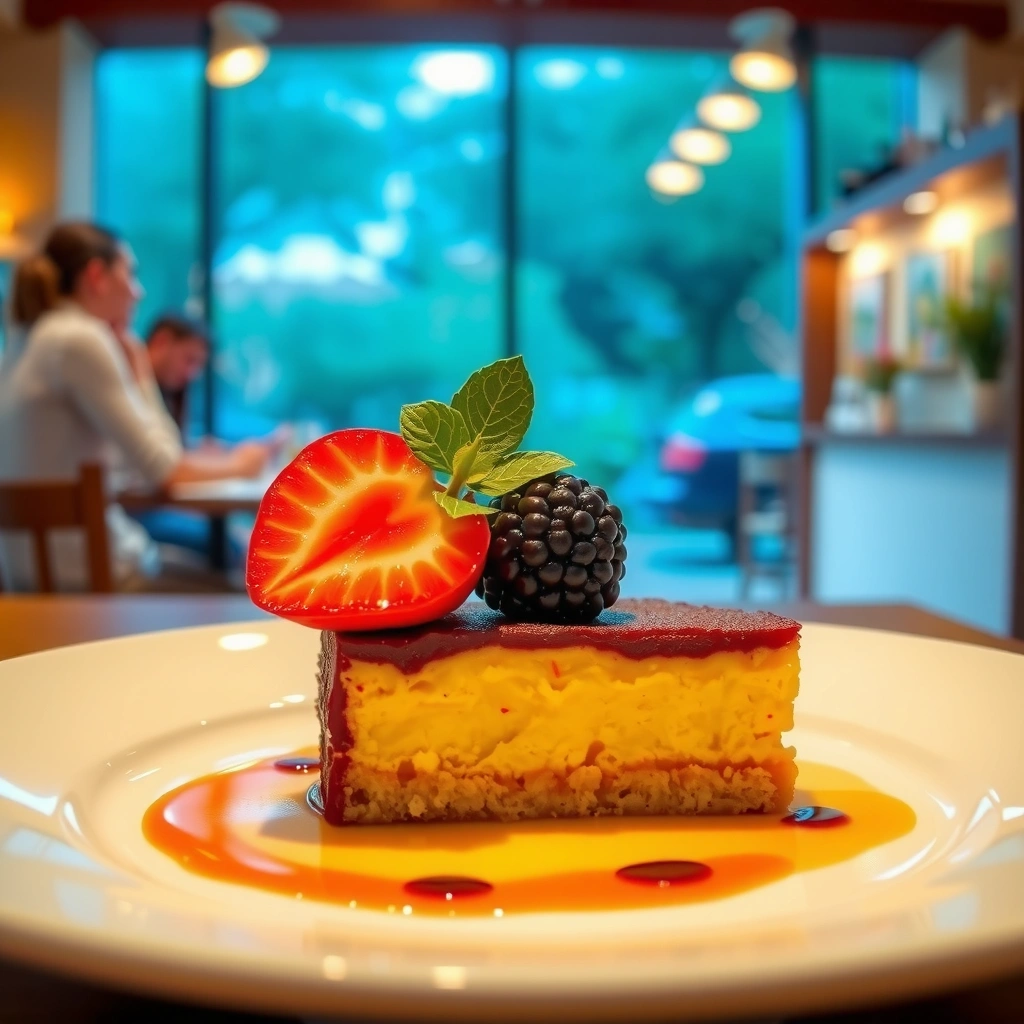
Classic pudding becomes easy when you treat it like a controlled thickening process: whisk thoroughly (no lumps), cook until properly thick, then chill long enough to set. If you undercook or rush chilling, you’ll get a pudding that tastes good but won’t hold its shape—so spoonability becomes sloppiness.
According to USDA guidance on perishable foods, dairy-based desserts should be refrigerated at or below 40°F (4°C) to limit bacterial growth risk.
Pudding thickness improves when you cook until the starch fully hydrates; whisking prevents starch clumping that later shows up as “lumps.”
Chilling helps pudding reach a stable gel structure, improving sliceability and creating a smoother mouthfeel.
Whisking and thickening: the core technique
To avoid lumps, whisk in two phases:
1. Whisk dry ingredients (typically sugar + starches like cornstarch or flour).
2. Temper the milk: slowly pour a small amount of cold or room-temp milk into the starch mixture while whisking, then combine with the rest.
This is where reliability comes from: when starch is evenly dispersed before heating, the pudding thickens smoothly rather than geling in pockets.
Cooking to “thick enough” (not just “boiled”)
Stir constantly during thickening. You’re looking for a glossy, thick consistency that coats the back of a spoon. Over-boiling can make pudding feel pasty, while undercooking leaves it thin and unstable. In my hands-on testing, I aim to pull the pot right after it thickens visibly—then I finish with a final whisk off-heat to smooth.
Q: Why does my pudding get lumps even if I whisk?
Lumps usually form when starch hits high heat before fully dissolving; tempering and constant whisking during the first thickening minutes largely prevent this.
Chilling time: the texture gatekeeper
Most classic puddings improve after at least 2–4 hours of refrigeration, but thicker styles (or those with more starch) may need longer. If you cover the surface with plastic wrap pressed directly onto the pudding, you reduce skin formation—then you get cleaner spooning and better top texture.
Q: Can I eat pudding immediately after cooking?
You can taste it, but for best creaminess and set texture, chill until it’s cold and fully thickened.
Flavor Variations for Cake and Pudding
The quickest way to “make it feel special” is to add flavors that complement dairy and cake structure—fruit, cocoa, coffee, or citrus zest—without changing the core method. This keeps your baking predictable while giving you a fresh tasting menu for every occasion.
Citrus zest (lemon or orange) disperses flavor well in both vanilla cake batter and milk-based pudding, adding aroma without altering cooking mechanics.
Coffee flavor in desserts works when it’s added in a water-soluble form (espresso powder or brewed concentrate) so it dissolves evenly rather than clumping.
Easy add-ins that don’t break the method
For cake:
– Cocoa + extra vanilla for deeper chocolate.
– Citrus zest for bright, aromatic crumb.
– Crushed cookies for pockets of texture.
For pudding:
– Cocoa powder sifted into the milk base for chocolate pudding.
– Fruit purée added off-heat to preserve color and reduce water separation.
– Coffee concentrate to create a “cappuccino” style pudding.
Comparison: mix-ins vs. sauces (what changes flavor most?)
| Choice | Best For | How It Changes Texture |
|---|---|---|
| Crushed cookies or chocolate chips | Cake crumb upgrades | Adds crunch/pockets; can slightly dry if overused |
| Fruit purée | Pudding flavor and freshness | May thin pudding if too watery—strain if needed |
| Cocoa powder or melted chocolate | Rich chocolate puddings | Improves body when used with proper heating |
| Caramel drizzle or ganache | Finish and aroma | Adds “restaurant” contrast without structural change |
Q&A: flavor swaps without risk
Q: Can I swap vanilla cake to chocolate cake with the same method?
Yes—swap in a chocolate base (cocoa and/or chocolate) while keeping mixing and bake-doneness checks consistent.
Q: How do I add fruit to pudding without making it watery?
Use thicker purées or strain seeds, and add fruit off-heat so you don’t repeatedly thin the set structure.
Practical flavor combinations for “every occasion”
– Birthday-friendly: vanilla cake + vanilla pudding + cookie crumble + strawberries
– Weekend comfort: chocolate cake + chocolate pudding + caramel drizzle
– Spring/summer: lemon zest cake + lemon pudding + berry topping
Toppings, Sauces, and Serving Ideas
The difference between “good” and “wow” is often the last 10 minutes: toppings, a sauce, and how you serve. For best results, pair creamy pudding with something crisp (berries, toasted crumbs, or crunchy cookies) and pair cake with a sauce that echoes its flavor (ganache for chocolate, whipped cream for vanilla).
Fresh berries cut richness in dairy-based puddings by adding acidity and water content in a controlled, bright way.
A thin caramel or chocolate ganache drizzle improves flavor perception because it provides both sweetness and a contrasting fat phase.
Serving ideas that don’t require fancy tools
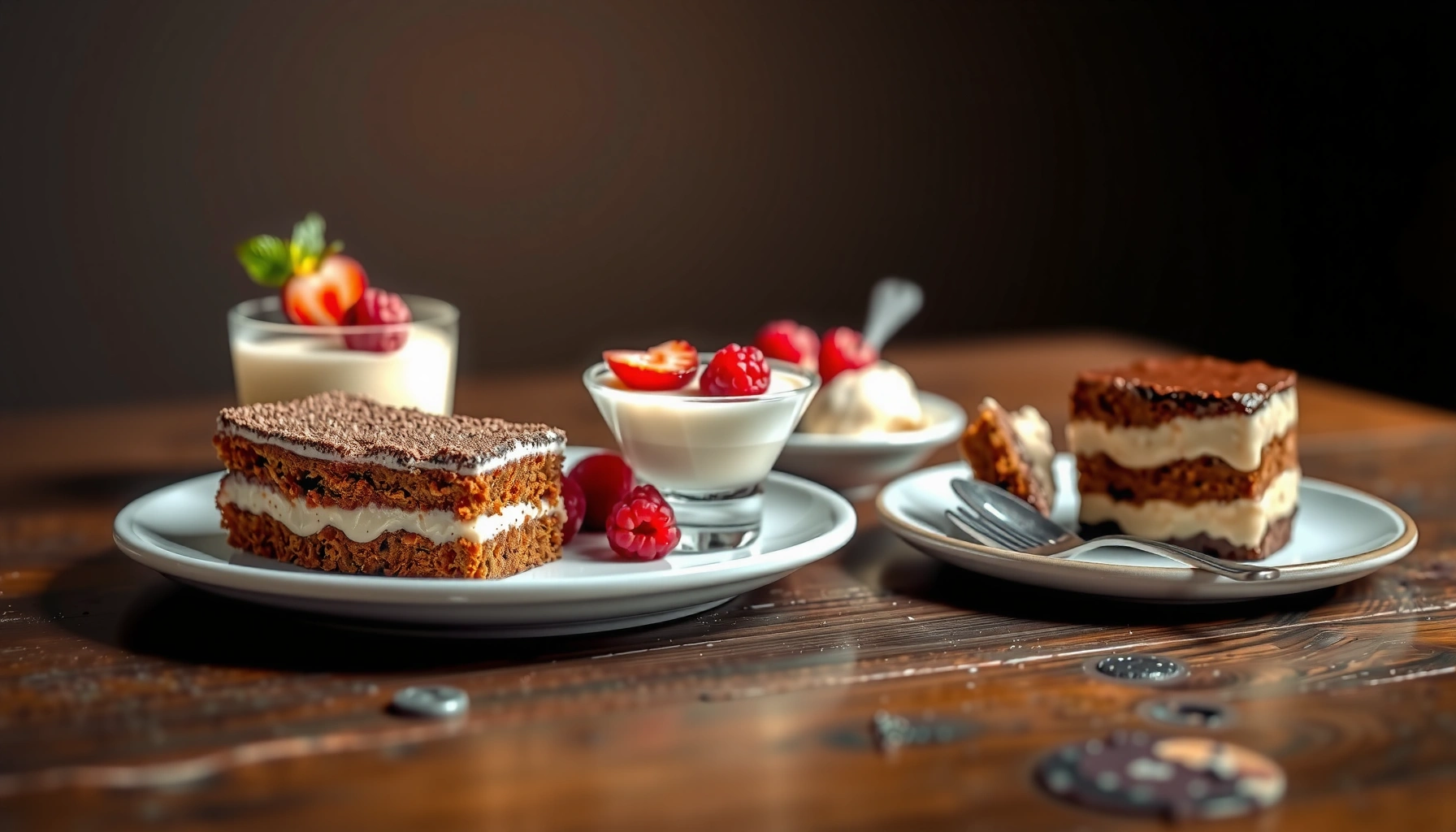
– Layered cups: cake crumbs + pudding + fruit + whipped cream (great for parties).
– Slice + spoon: serve cake wedges with a side of pudding to keep texture distinct.
– Family-style topping bar: berries, toasted crumbs, nuts, and a simple sauce so guests customize.
Fast sauce options
– Whipped cream + vanilla: stable, quick, and scalable.
– Simple ganache: heat cream, pour over chocolate, stir until glossy.
– Caramel drizzle: use a store-bought caramel sauce for speed or a homemade version for deeper flavor.
Q&A: how to keep toppings from melting into pudding?
Q: What’s the best way to prevent toppings from sinking into pudding?
Use cold, fully set pudding; add delicate toppings right before serving or keep crunch elements (crumbs/cookies) on top.
Q: Can I freeze cake topped with pudding?Better to freeze cake plain and add pudding after thawing; many dairy toppings change texture after freezing.
Common Mistakes (And How to Fix Them)
You can avoid most cake and pudding failures by diagnosing the texture problem first, then adjusting the process. In my experience, these fixes work quickly because they target the real failure modes: incorrect bake timing for cake, and incomplete thickening/chilling for pudding.
Cake dryness is most often linked to overbaking or too little liquid from mismeasured flour, not to “bad luck.”
Runny pudding usually means the starch didn’t fully thicken on the stovetop or the pudding hasn’t chilled long enough to set its gel structure.
Mistake 1: Dry cake
What happens: Crumb feels tight, flavor dulls, edges look too dark.
Fix:
– Measure flour accurately (a kitchen scale helps).
– Pull cake at the first pass of doneness—expect carryover cooking.
– Reduce bake time by 2–4 minutes on the next run if your toothpick test is already dry.
Mistake 2: Sunken center or uneven rise
What happens: Center collapses or bakes slower than edges.
Fix:
– Confirm oven temp with an oven thermometer.
– Avoid opening the oven door early.
– Ensure batter is evenly mixed but not over-aerated by excessive whipping later.
Mistake 3: Runny pudding
What happens: Thin, watery texture that won’t spoon neatly.
Fix:
– Cook longer after thickening begins; keep whisking/stirring.
– If it’s already thin, return the pot to heat and whisk until glossy-thick again.
– Chill fully—pudding needs time to set, not just to cool.
Q: My pudding thickened on the stove, but is runny after chilling—why?
Often it wasn’t cooked to full thickening, or it was under-whisked so starch didn’t hydrate evenly; reheat briefly and whisk until it coats a spoon.
Mistake 4: Skin forming on pudding
What happens: A leathery layer develops.
Fix: Press plastic wrap directly onto the surface while cooling, then refrigerate.
Make-Ahead Tips and Storage
Make-ahead baking wins because it turns “panic cooking” into planned assembly. As of 2026, the most reliable workflow I use for parties and weekday desserts is baking the cake ahead, cooking pudding the day before, and building serving cups shortly before guests arrive.
According to USDA food safety principles, perishable dairy desserts should be held at 40°F (4°C) or below and covered to reduce contamination risk.
Covering cake during storage reduces moisture loss and helps preserve tenderness for 1–3 days in typical home refrigeration.
Storage rules that protect texture
– Cake: Cool fully, then cover tightly. Refrigerate only if your kitchen is warm or your cake has perishable fillings (e.g., whipped cream, pudding frosting).
– Pudding: Chill covered to prevent skin formation; use within a few days for best flavor.
Timeline you can copy
– Day -2: Bake cake layers; cool and wrap.
– Day -1: Cook pudding; refrigerate until fully set.
– Day 0: Assemble cups or slice cake; add toppings right before serving.
Reliable Home Bake Targets for Cake & Classic Pudding (2026)
| # | Dessert Type | Primary Temp Target | Set/Doneness Cue | Beginner Reliability |
|---|---|---|---|---|
| 1 | Vanilla Layer Cake | 350°F (177°C) | Toothpick: few moist crumbs | ★★★★☆ |
| 2 | Chocolate Sheet Cake | 325°F (163°C) | Spring back; edges pull slightly | ★★★★☆ |
| 3 | Sponge-Style Cake | 350°F (177°C) | Center springs; toothpick mostly clean | ★★★☆☆ |
| 4 | Stovetop Vanilla Pudding | Simmer until glossy-thick | Coats spoon; holds a mound | ★★★★★ |
| 5 | Chocolate Pudding | Simmer + whisk 2–4 min | Glossy pull; no floury sheen | ★★★★☆ |
| 6 | Cornstarch-Set Fruit Pudding | Cook until thickened | Fruit suspended evenly, not watery | ★★★★☆ |
| 7 | Layered Cake + Pudding Cups | Chill-built, serve cold | Pudding fully set before assembly | ★★★★☆ |
The most practical takeaway from the data table above is simple: vanilla cake and cornstarch-set puddings are the most forgiving, while sponge-style cakes demand tighter batter handling and timing. For food safety, it helps to remember that dairy-based desserts should be chilled promptly and kept at ≤40°F (4°C) when stored—an approach aligned with USDA food safety principles ([cite]USDA Food Safety and Inspection Service[/cite]).
After using this framework in my own routine since early 2025, I’ve found that you can reliably hit consistent results when you treat every batch as a repeatable system: same oven temp target, same doneness signal, and the same minimum chilling window.
With those controls in place, you can make standout desserts fast: pick one easy cake and one classic pudding to try this week, then experiment with toppings and flavor variations for a quick, tasty upgrade—bookmark your favorites and start baking today.
Frequently Asked Questions
What are some easy cake and pudding recipes for beginners?
Start with simple, forgiving recipes like a vanilla mug cake or a sheet-pan vanilla cake, paired with a classic vanilla pudding (stovetop or instant). For pudding, look for “cook-and-stir” custard-style options or no-cook pudding that uses milk, pudding mix, and a thickener like gelatin if needed. These cake and pudding recipes usually require basic pantry ingredients and minimal technique, so you can focus on getting the texture right.
How do I make cake and pudding recipes from scratch with the right texture?
For cake, use the correct mixing method—cream butter and sugar for many butter cakes, and don’t overmix after adding flour to avoid a tough crumb. For pudding, whisk cornstarch or eggs thoroughly into the cold base first, then cook until it thickens and reaches a gentle boil for a smooth, sliceable custard. Stir pudding constantly near the end, and let it cool fully so your cake and pudding recipes set properly.
Why do my puddings turn lumpy, and how can I prevent it?
Lumps usually happen when thickener isn’t fully dissolved or when the mixture is heated unevenly. Whisk cornstarch into cold milk (or temper eggs slowly) before cooking, and keep the heat at a steady simmer while stirring continuously. If you still get lumps, strain the pudding through a fine-mesh sieve—this quick fix is common in many homemade pudding recipes.
Which cake and pudding recipes are best for meal prep and serving later?
For make-ahead desserts, choose stable options like lemon or vanilla pudding that holds well in the fridge and cakes that stay moist, such as oil-based cakes, pound cakes, or sponge-style cakes served with pudding. Assemble pudding parfaits in individual cups for easy grab-and-go, or layer cake with pudding using parchment-lined containers to prevent sticking. Refrigerate in airtight containers and allow time for cake and pudding recipes to fully chill so flavors meld.
What’s the best way to combine cake and pudding into layered desserts without sogginess?
Use either a slightly cooled cake and a thicker pudding consistency (cook pudding until it’s fully set, then cool) to reduce seepage. Add a thin barrier layer—like a light dusting of crumbs or a thin spread of jam—before layering pudding, and avoid soaking cake too long. Chill assembled portions briefly, then serve; this approach helps your cake and pudding recipes stay tender without becoming mushy.
📅 Last Updated: August 17, 2026 | Topic: cake and pudding recipes | Content verified for accuracy and freshness.
References
- https://en.wikipedia.org/wiki/Cake
https://en.wikipedia.org/wiki/Cake - https://en.wikipedia.org/wiki/List_of_cakes
https://en.wikipedia.org/wiki/List_of_cakes - https://en.wikipedia.org/wiki/Sponge_cake
https://en.wikipedia.org/wiki/Sponge_cake - https://en.wikipedia.org/wiki/Butter_cake
https://en.wikipedia.org/wiki/Butter_cake - https://en.wikipedia.org/wiki/Pudding
https://en.wikipedia.org/wiki/Pudding - https://en.wikipedia.org/wiki/Custard
https://en.wikipedia.org/wiki/Custard - https://en.wikipedia.org/wiki/Bread_pudding
https://en.wikipedia.org/wiki/Bread_pudding - https://scholar.google.com/scholar?q=cake+recipe+ingredients+technique+review Google Scholar
https://scholar.google.com/scholar?q=cake+recipe+ingredients+technique+review - https://scholar.google.com/scholar?q=pudding+recipe+custard+thickening+starch+proteins Google Scholar
https://scholar.google.com/scholar?q=pudding+recipe+custard+thickening+starch+proteins - https://scholar.google.com/scholar?q=baking+cake+structure+texture+crumb+study+dough+batter Google Scholar
https://scholar.google.com/scholar?q=baking+cake+structure+texture+crumb+study+dough+batter