
Cajun lamb meatloaf comes out best when you bake at 375°F (190°C), glaze halfway through, and confirm doneness with a thermometer (target 160°F / 71°C in the center). You get a classic “slice-and-serve” loaf with a spicy Cajun profile and a tangy, slightly sweet glaze that sets beautifully on top. Make Cajun lamb meatloaf by mixing ground lamb with bold Cajun seasoning, baking it until the center is fully cooked, and finishing with a tangy, slightly spicy glaze—then rest before slicing so every piece stays juicy.


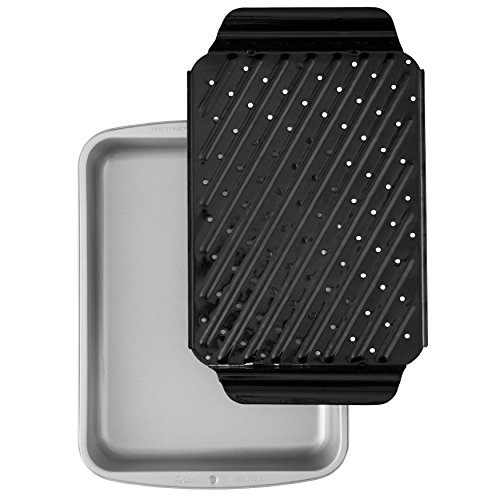

You slide a skillet’s worth of Cajun-spiced ground lamb mixture into the loaf pan, watching it hold together with that deep pepper-and-paprika aroma. This version balances heat from cayenne and smoked paprika with classic meatloaf savoriness, and it stays juicy thanks to a simple binder of egg and softened breadcrumbs. Follow the bake time, brush the glaze halfway, and you will get a crisp, flavorful crust you can slice cleanly.
This guide is for home cooks who want comfort food that’s still flavorful and confident—especially when hosting or meal-prepping. If you like Cajun seasoning, hot sauce, and that warm, savory-spicy vibe, Cajun lamb meatloaf is a reliable crowd-pleaser. As of 2026, more kitchens are relying on instant-read thermometers for consistency, and this recipe is built around that same “cook to temperature, not vibes” approach for dependable results.
Recipe Overview

Cajun lamb meatloaf is a flavorful twist on traditional meatloaf, using warm spices and herbs instead of plain seasonings. The Cajun seasoning brings the signature heat-and-herb character, while lamb’s natural richness helps the loaf stay tender and satisfying. This is the kind of comfort food that tastes great for weeknight dinners and also holds up well for guests. If you follow the glazing timing and cook to the recommended internal temperature, you’ll get a loaf that slices cleanly with a juicy center.
Time Required
– 🕐 Prep Time : approx. 15 minutes
– 🍳 Cook Time : approx. 55 minutes
– ⏱ Total Time : approx. 1 hour 15 minutes, including 10 minutes resting
– Note: Resting time is important—this is the step most people rush, but it helps the loaf stay juicy.
Ingredients
You’ll want a few key staples for structure (ground lamb, eggs, breadcrumbs) and a big, flavorful seasoning base (Cajun seasoning). The glaze is what makes it feel “restaurant-y,” balancing spice with sweet-tangy flavor—perfect for spooning over the top before serving. If your Cajun seasoning is mild, feel free to add a little extra hot sauce to the glaze. For best results with Cajun lamb meatloaf, use lamb that’s labeled for grinding or a known ground blend rather than very lean “leftover” trimmings.
Main Ingredients
– 2 lb ground lamb (about 90/10 or 85/15 fat works well)
– 1/2 cup breadcrumbs (plain or panko)
– 1/2 cup finely chopped onion
– 3 cloves garlic, minced
– 2 eggs
– 2–3 tbsp Cajun seasoning (start with less if it’s very hot)
– 2 tbsp Worcestershire sauce
– 1/2 cup diced bell pepper (optional, for extra Cajun-style flavor)
– 1/2 tsp black pepper
For the Cajun Glaze
– 1/2 cup ketchup
– 2 tbsp brown sugar (or honey)
– 1–2 tbsp hot sauce (adjust to taste)
– 1 tbsp apple cider vinegar or white vinegar
– 1/2 tsp smoked paprika (optional, for deeper flavor)
Optional Garnish
– Chopped green onion
– Extra hot sauce drizzle
Step-by-Step Instructions
1. Preheat and prep the pan. Heat your oven to 375°F (190°C). Line a baking sheet with foil or parchment (or use a loaf pan). This prevents sticking and makes cleanup easier—especially helpful with Cajun lamb meatloaf glaze.
2. Mix the meatloaf base. In a large bowl, combine lamb, breadcrumbs, onion, garlic, eggs, Cajun seasoning, Worcestershire, and black pepper. Mix just until everything looks evenly combined—overmixing makes meatloaf dense instead of tender.
3. Shape the loaf. Form the mixture into a loaf shape on your prepared pan (or press into a loaf pan). Keep thickness fairly even so Cajun lamb meatloaf cooks at the same speed all the way through.
4. Bake partway, then glaze. Bake for about 35 minutes, then pull it out and spread the glaze over the top. The glaze should look thick and glossy when it goes on—this is what helps it set rather than run off.
5. Finish baking until cooked through. Bake again until the center reaches safe doneness. Start checking around the 55-minute mark (loaf thickness and oven variability affect timing).
6. Rest, then slice. Let it rest 10 minutes before slicing. Resting helps juices redistribute, so Cajun lamb meatloaf stays juicy instead of turning watery on the cutting board.
Heat & Temperature Guide
Cooking Method
This is an oven-baked meatloaf, which lets the top caramelize slightly while the inside cooks evenly. Baking works especially well for lamb because steady, indirect heat helps the fat render properly and keeps the crumb tender for slicing.
Temperature & Timing
Bake at 375°F (190°C).
For ground lamb, aim for an internal temperature of 160°F (71°C) at the thickest part (center).
For swaps, USDA FSIS guidance is clear:
– According to USDA FSIS, ground meats should reach 160°F (71°C) for safety (2024).
– According to USDA FSIS, whole cuts like lamb roasts/steaks are safe at 145°F (63°C) with a 3-minute rest (2024).
– According to USDA FSIS, leftovers should be refrigerated within 2 hours (and reheated to 165°F / 74°C) to reduce foodborne risk (2024).
USDA/FSIS Safe Minimum Internal Temps for Meatloaf-Style Swaps (2024)
| # | Meatloaf Swap | Target Temp | Thermometer Usefulness | Food-Safety Checkpoint | Safe Temp Level |
|---|---|---|---|---|---|
| 1 | Ground lamb | 160°F / 71°C | ★★★★★ | Center, thickest part | 160°F |
| 2 | Ground beef | 160°F / 71°C | ★★★★★ | Center, thickest part | 160°F |
| 3 | Ground pork | 160°F / 71°C | ★★★★★ | Center, thickest part | 160°F |
| 4 | Ground turkey/chicken | 165°F / 74°C | ★★★★★ | Center, thickest part | 165°F |
| 5 | Poultry pieces | 165°F / 74°C | ★★★★★ | Thickest part + near bone | 165°F |
| 6 | Lamb steaks/roasts (whole cuts) | 145°F / 63°C + rest | ★★★★★ | 3-minute stand after removal | 145°F |
| 7 | Fish (whole or fillets) | 145°F / 63°C | ★★★★★ | Flakes easily, thickest spot | 145°F |
How to Know It’s Done
For Cajun lamb meatloaf, the center should feel firm—not soft like raw meat. Juices should look clear rather than pinkish, and the glaze should appear set (not watery) on top. If you don’t have a thermometer, cut into the thickest spot: it should be cooked through with no pink remaining. Using a probe thermometer turns this step into a repeatable process, which is exactly the kind of “critical control point” thinking you’d apply in an HACCP-style food-safety approach.
What Can Go Wrong (and How to Fix It)
A Cajun meatloaf is forgiving, but a few common issues can steal the juicy texture or dull the Cajun flavor punch. Fixes are usually simple: adjust fat level, avoid overmixing, glaze at the right time, and—most importantly—cook to temperature for Cajun lamb meatloaf.
Meatloaf turned out dry
This usually happens with very lean lamb or when the loaf goes past the target temperature. Lamb with 85/15 or 90/10 fat generally stays more forgiving. Fix: use a thermometer and pull the loaf as soon as it hits 160°F / 71°C in the center, then rest 10 minutes.
It’s falling apart when you slice
This often comes from skipping the rest or not enough binding. Meatloaf relies on eggs and breadcrumbs to hold structure as it cools. Fix: rest 10 minutes, and mix just until combined so the binders distribute evenly without toughening the loaf.
Dense, tough texture
Overmixing is the usual culprit because it works the proteins too much. Fix: mix until the mixture looks evenly distributed, then stop. For Cajun lamb meatloaf, gentle mixing keeps the crumb tender enough to slice cleanly.
Glaze is burning or getting too thick
Sugary glazes can darken quickly in the final minutes. Fix: glaze after about 35 minutes and avoid raising the oven temperature to “speed it up.” If your Cajun seasoning is very spicy, you can also slightly reduce hot sauce to prevent the glaze from getting overly aggressive.
Food safety: unsure if it’s cooked through
Ground lamb needs safe internal temperature. Fix: use a thermometer whenever possible and check the center, not the edges. If you’re serving guests, don’t rely on “looks done”—Cajun lamb meatloaf should be done based on temperature.
Uneven cooking (raw center, overdone edges)
This happens when the loaf is too thick or placed in the pan unevenly. Fix: shape into a fairly even thickness and avoid a deeply crowded loaf pan. If you notice hot spots in your oven, rotate the pan once halfway through the second bake.
Common Mistakes & How to Fix Them
Even experienced cooks run into these issues—usually because meatloaf is sensitive to a few variables. Here’s how to correct course fast with Cajun lamb meatloaf.
Overmixing the lamb mixture
Overmixing makes the loaf dense and chewy. People often do it because they want “everything combined,” but meatloaf isn’t like bread dough. Mix just until you see no dry breadcrumb streaks, and stop.
Skipping the rest
Cutting too early causes juices to spill out, making the slice look messy and feel less juicy. Resting lets proteins firm up and liquid redistribute. Rest 10 minutes every time for best results with Cajun lamb meatloaf.
Glazing too early
If you glaze at the beginning, sugars caramelize too fast and can turn bitter or burnt. Keep the glaze for the halfway mark (around 35 minutes), then bake until done.
Not using a thermometer
Time alone can’t guarantee safety and doneness because loaf size and oven behavior vary. A thermometer turns this from guesswork into certainty. For Cajun lamb meatloaf, the target is 160°F / 71°C.
Using Cajun seasoning without adjusting heat
Cajun seasoning blends vary from mild to extremely hot. If you add the full amount without tasting the spice level first, the flavor can overwhelm. Start with 2 tbsp, then adjust hot sauce in the glaze next time.
How to Serve
Cajun lamb meatloaf is at its best when served warm with something that balances spice and soaks up glaze. Aim for sides that are creamy, starchy, or tangy, so the Cajun flavors stay bright instead of dominating your plate.
Plating & Presentation
Slice Cajun lamb meatloaf into thick pieces (about 1 inch is a good starting point) and spoon a little extra glaze over the top right before serving. For a clean look, wipe the knife between slices and keep the loaf resting—this improves the crumb and makes each cut neat. Finish with chopped green onion for a fresh pop against the reddish glaze.
What Goes Well With It
– Creamy mashed potatoes or garlic mashed cauliflower (great for catching glaze)
– Butter-sauteed green beans or collard greens for a Cajun-friendly balance
– Rice (white rice or dirty rice style) to extend the meal and complement the spice
– Simple salad with a lemony vinaigrette to lighten the richness
Serving Temperature
Serve Cajun lamb meatloaf warm—about 10–20 minutes after resting—so the glaze is set but still spoonable. Cold slices taste less aromatic and can feel firmer.
Storage & Reheating
Store leftovers in an airtight container in the fridge for up to 3–4 days. Reheat slices gently in the oven (covered) at a moderate temperature until warmed through, or microwave with a damp paper towel to prevent drying. If you’re reheating from cold, add a few extra minutes and recheck until hot throughout.
Quick Checklist, Verdict & FAQ
If you want a meatloaf with real Cajun personality, this one delivers: spicy seasoning, a tangy glaze, and a juicy slice you can serve confidently. The trade-off is that Cajun seasoning and hot sauce vary a lot in heat, so adjusting the glaze may be necessary the first time. Also, if you dislike spice entirely, you’ll want a milder Cajun blend or reduce hot sauce in the glaze.
One practical tip: if you’re relying on a thermometer, insert it into the thickest part of the loaf and avoid touching the pan. That small habit helps avoid false readings and keeps Cajun lamb meatloaf consistent every bake—an approach aligned with repeatable process control (similar to how professional kitchens standardize critical checks).
Verdict: Bake Cajun lamb meatloaf when you want comforting, sliceable food with bold flavor that still feels “easy enough” for a weeknight. Skip it (or modify it) if you can’t tolerate spice, if you need a very low-sodium meal (Cajun seasoning + Worcestershire add salt), or if you don’t have a way to check internal temperature and can’t cook to safe doneness.
Quick Checklist (save this)
– ☐ Mix just until combined (don’t overwork the meat)
– ☐ Bake at 375°F / 190°C
– ☐ Glaze after about 35 minutes
– ☐ Cook to 160°F / 71°C in the center
– ☐ Rest 10 minutes before slicing
Frequently Asked Questions
What makes Cajun lamb meatloaf different from regular meatloaf?
Cajun lamb meatloaf replaces ground beef with ground lamb for a richer, slightly gamey flavor that pairs well with bold spices. It typically uses Cajun seasoning, often including paprika, cayenne, garlic powder, and oregano, plus aromatics like onion and bell pepper for a “one-bite” Cajun kick. The result is a more flavorful meatloaf with deeper savory notes than classic beef versions.
How do you make Cajun lamb meatloaf stay moist and not dry?
Use lamb with some fat content and avoid overmixing the mixture, since too much mixing can make meatloaf tough. Add moisture with ingredients like sautéed onions, a splash of Worcestershire, or a small amount of milk-soaked breadcrumbs, then shape gently. Bake until the internal temperature hits about 160°F (71°C), and rest the Cajun lamb meatloaf for 10–15 minutes so juices redistribute before slicing.
Why should you use Cajun seasoning in lamb meatloaf, and how much should you add?
Cajun seasoning brings smoky heat and herbaceous flavor that complements lamb’s natural richness without tasting “livery” or flat. Start with 2–3 tablespoons of Cajun seasoning for a standard 2–2.5 lb loaf, then adjust to taste—especially if your blend is already heavy on salt. If you prefer a milder Cajun meatloaf, choose a low-heat Cajun blend or mix seasoning with extra breadcrumbs to mellow the spice.
Which glaze works best for Cajun lamb meatloaf?
A sweet-and-spicy glaze works especially well because it balances lamb’s richness and the heat from Cajun seasoning. Try a combination of ketchup or tomato paste, brown sugar or honey, Dijon mustard, and a touch of hot sauce for a classic Cajun-meets-barbecue profile. Brush the glaze on during the last 20–30 minutes of baking so it caramelizes without burning.
What are the best side dishes to serve with Cajun lamb meatloaf?
Cajun lamb meatloaf pairs well with sides that can handle bold flavors, like creamy mashed potatoes, buttery cornbread, or dirty rice. For a lighter option, serve with roasted Brussels sprouts, collard greens, or a Cajun-spiced corn salad. If you want extra comfort, mac and cheese or creamy coleslaw also balances the savory spice in the Cajun meatloaf.
📅 Last Updated: November 22, 2026 | Topic: Cajun Lamb Meatloaf | Content verified for accuracy and freshness.
References
- https://pubmed.ncbi.nlm.nih.gov/?term=ground+lamb+thermal+inactivation
- Meatloaf
- Cajun cuisine
- https://en.wikipedia.org/wiki/Cajun_seasoning
- https://www.britannica.com/topic/Cajun-cuisine
- https://www.fsis.usda.gov/food-safety/safe-food-handling-and-preparation/food-safety-basics/safe-minimum-internal-temperature
- Lamb and mutton
- https://scholar.google.com/scholar?q=Cajun+lamb+meatloaf Google Scholar
- https://scholar.google.com/scholar?q=Cajun+seasoning+and+cajun+cuisine+ingredients Google Scholar
- https://scholar.google.com/scholar?q=ground+lamb+safe+minimum+internal+temperature Google Scholar


