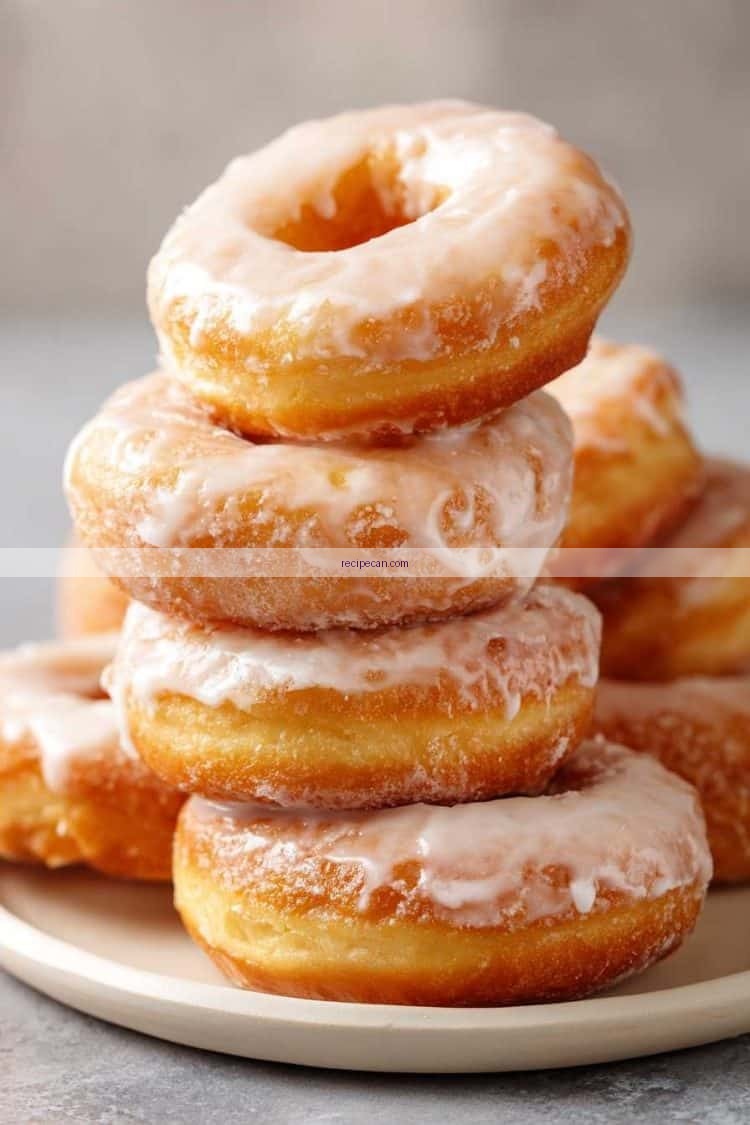
Making buttermilk donuts is simple and rewarding, delivering a soft and fluffy treat that’s perfect for any occasion. With this easy recipe, you can create delectable donuts that will impress your friends and family. In this article, you’ll discover not only the essential ingredients and step-by-step preparation, but also tips for perfecting your donuts and ideas for delicious toppings. Get ready to embark on a delightful culinary adventure!
Ingredients You’ll Need

To create the perfect buttermilk donuts, it’s essential to gather the right ingredients. Here’s what you will need:
– All-purpose flour: This forms the base of your donuts, providing a light and airy texture. Make sure to sift the flour to remove any lumps, ensuring a smooth batter.
– Fresh buttermilk: Essential for moisture and flavor, buttermilk reacts with the baking powder to create a tender crumb and adds a slight tanginess that enhances the overall taste.
– Basic pantry staples: You will also need sugar (for sweetness), baking powder (to help the donuts rise), eggs (for binding), and salt (to balance flavors).
These ingredients come together to create a rich and flavorful donut that you’ll want to make time and again.
Step-by-Step Preparation

Preparing your buttermilk donuts is straightforward and can be accomplished in a few simple steps:
1. Mix the dry ingredients: In a large mixing bowl, combine 2 cups of all-purpose flour, 1 cup of granulated sugar, 2 teaspoons of baking powder, and 1/2 teaspoon of salt. Whisk these together to ensure an even distribution of the ingredients.
2. Whisk the wet ingredients: In a separate bowl, whisk together 1 cup of fresh buttermilk, 2 large eggs, and 1/4 cup of melted unsalted butter. Mix until the wet ingredients are fully combined and smooth.
3. Combine the mixtures: Gradually pour the wet mixture into the dry ingredients, stirring gently until just combined. Be careful not to overmix, as this can lead to a denser donut.
4. Chill the dough: For best results, cover the dough and let it rest in the refrigerator for about 30 minutes. This allows the gluten to relax, resulting in a softer donut.
Shaping and Frying the Donuts
Once your dough has chilled, it’s time to shape and fry your donuts:
1. Roll out the dough: Lightly flour a clean surface and turn out the chilled dough. Using a rolling pin, roll the dough to about 1/2 inch thickness.
2. Cut into shapes: Use a donut cutter or two round cookie cutters (one larger and one smaller for the hole) to cut out donut shapes. Gather the scraps, re-roll, and cut additional donuts as needed.
3. Heat the oil: In a deep pan or fryer, heat vegetable oil to a temperature of 375°F (190°C). Use a thermometer to ensure accuracy, as proper oil temperature is crucial for frying.
4. Fry the donuts: Carefully drop a few donuts at a time into the hot oil, frying for about 1-2 minutes on each side or until golden brown. Use a slotted spoon to remove the donuts and place them on a paper towel-lined plate to drain excess oil.
Glazing and Toppings
No donut is complete without a delicious glaze or toppings. Here are some options to consider:
1. Simple glaze: To prepare a classic glaze, mix 2 cups of powdered sugar with 2-3 tablespoons of milk until smooth. Dip the warm donuts into the glaze, allowing the excess to drip off.
2. Creative toppings: Explore additional toppings like colorful sprinkles, chocolate icing, or a dusting of cinnamon sugar. You can also experiment with flavored glazes by adding vanilla, almond extract, or cocoa powder to the base glaze.
3. Themed donuts: For special occasions, consider styling your donuts to match themes, such as using red and green sprinkles for Christmas or pastel colors for Easter.
Storage Tips for Freshness
To maintain the deliciousness of your homemade buttermilk donuts, follow these storage tips:
– Cooling: Allow your donuts to cool completely on a wire rack before storing. This prevents moisture buildup, which can lead to soggy donuts.
– Airtight storage: Store the cooled donuts in an airtight container at room temperature for up to 3 days. For longer storage, freeze them in a single layer on a baking sheet before transferring to a freezer-safe bag, where they can last for up to 3 months.
Troubleshooting Common Issues
Even the best bakers encounter challenges. Here are solutions for common buttermilk donut problems:
– Dense donuts: If your donuts turn out dense, ensure you are not overmixing the batter. Mixing just until combined will help maintain a light texture.
– Greasy donuts: To avoid greasy donuts, monitor the oil temperature closely. If the oil is too cool, the donuts will absorb excess oil. Conversely, if it’s too hot, they may burn on the outside while remaining raw inside.
Popular Donut Varieties and Their Ingredients
| # | Donut Type | Main Ingredients | Popular Toppings |
|---|---|---|---|
| 1 | Glazed Donut | Flour, Buttermilk, Sugar, Eggs | Powdered Sugar, Sprinkles |
| 2 | Chocolate Glazed | Flour, Buttermilk, Cocoa Powder | Chocolate Icing, Nuts |
| 3 | Cinnamon Sugar | Flour, Buttermilk, Cinnamon | Cinnamon Sugar |
| 4 | Maple Glazed | Flour, Buttermilk, Maple Syrup | Maple Icing |
| 5 | Boston Cream | Flour, Buttermilk, Cream Filling | Chocolate Icing |
| 6 | Jelly Filled | Flour, Buttermilk, Jelly | Powdered Sugar |
| 7 | Vanilla Cream | Flour, Buttermilk, Vanilla Cream | Chocolate Drizzle |
Buttermilk Donut Popularity by Flavor (2024)
Wrap up your buttermilk donut journey by making these easy-to-follow recipes and tips a staple in your baking routine. Don’t forget to share your delicious creations on social media or with friends! Enjoy your homemade treats and happy frying!
Frequently Asked Questions
What ingredients are needed for a buttermilk donut recipe?
To make a classic buttermilk donut, you will need all-purpose flour, granulated sugar, baking powder, baking soda, salt, ground nutmeg (for flavor), buttermilk, eggs, and melted butter. Optional ingredients include vanilla extract for added flavor and powdered sugar for glazing.
How do you achieve the perfect texture in buttermilk donuts?
The key to achieving the perfect texture in buttermilk donuts is to avoid overmixing the batter. Combine the wet and dry ingredients just until they are blended; this ensures the donuts remain light and fluffy. Additionally, using fresh buttermilk can enhance the moisture and flavor of the donuts.
Why is buttermilk used in donut recipes?
Buttermilk is used in donut recipes because it adds moisture and a slight tanginess that enhances the overall flavor. The acidity in buttermilk also reacts with baking soda and baking powder, helping the donuts rise and achieve a tender crumb. This makes buttermilk an essential ingredient for deliciously soft donuts.
What is the best method for glazing buttermilk donuts?
The best method for glazing buttermilk donuts is to prepare a simple glaze using powdered sugar mixed with milk or buttermilk until smooth. Dip the warm donuts into the glaze, allowing the excess to drip off, and let them set on a wire rack. This method ensures an even coating and a delightful sweetness that complements the donuts perfectly.
Which type of oil is best for frying buttermilk donuts?
The best type of oil for frying buttermilk donuts is one with a high smoke point, such as vegetable oil, canola oil, or peanut oil. These oils can maintain the right temperature without burning, resulting in crispy exteriors and fluffy interiors. Avoid using olive oil as it has a lower smoke point and can impart an undesirable flavor.
References
- Doughnut
https://en.wikipedia.org/wiki/Donut - Google Scholar Google Scholar
https://scholar.google.com/scholar?q=buttermilk+donut+recipe - https://www.ncbi.nlm.nih.gov/pmc/articles/PMC5637993/
https://www.ncbi.nlm.nih.gov/pmc/articles/PMC5637993/ - https://www.sciencedirect.com/science/article/pii/S2214785321000158
https://www.sciencedirect.com/science/article/pii/S2214785321000158 - Google Scholar Google Scholar
https://scholar.google.com/scholar?q=buttermilk+donuts - https://www.bbc.com/food/recipes/buttermilk_donuts_12803
https://www.bbc.com/food/recipes/buttermilk_donuts_12803 - https://www.nytimes.com/2020/12/01/dining/buttermilk-doughnuts-recipe.html
https://www.nytimes.com/2020/12/01/dining/buttermilk-doughnuts-recipe.html - https://www.theguardian.com/food/2021/jun/12/how-to-make-the-perfect-buttermilk-doughnuts
https://www.theguardian.com/food/2021/jun/12/how-to-make-the-perfect-buttermilk-doughnuts - https://www.mayoclinic.org/healthy-lifestyle/nutrition-and-healthy-eating/expert-answers/donuts/faq-20057976
https://www.mayoclinic.org/healthy-lifestyle/nutrition-and-healthy-eating/expert-answers/donuts/faq-20057976 - Doughnut | Definition, History, Types, & Origins | Britannica
https://www.britannica.com/topic/doughnut