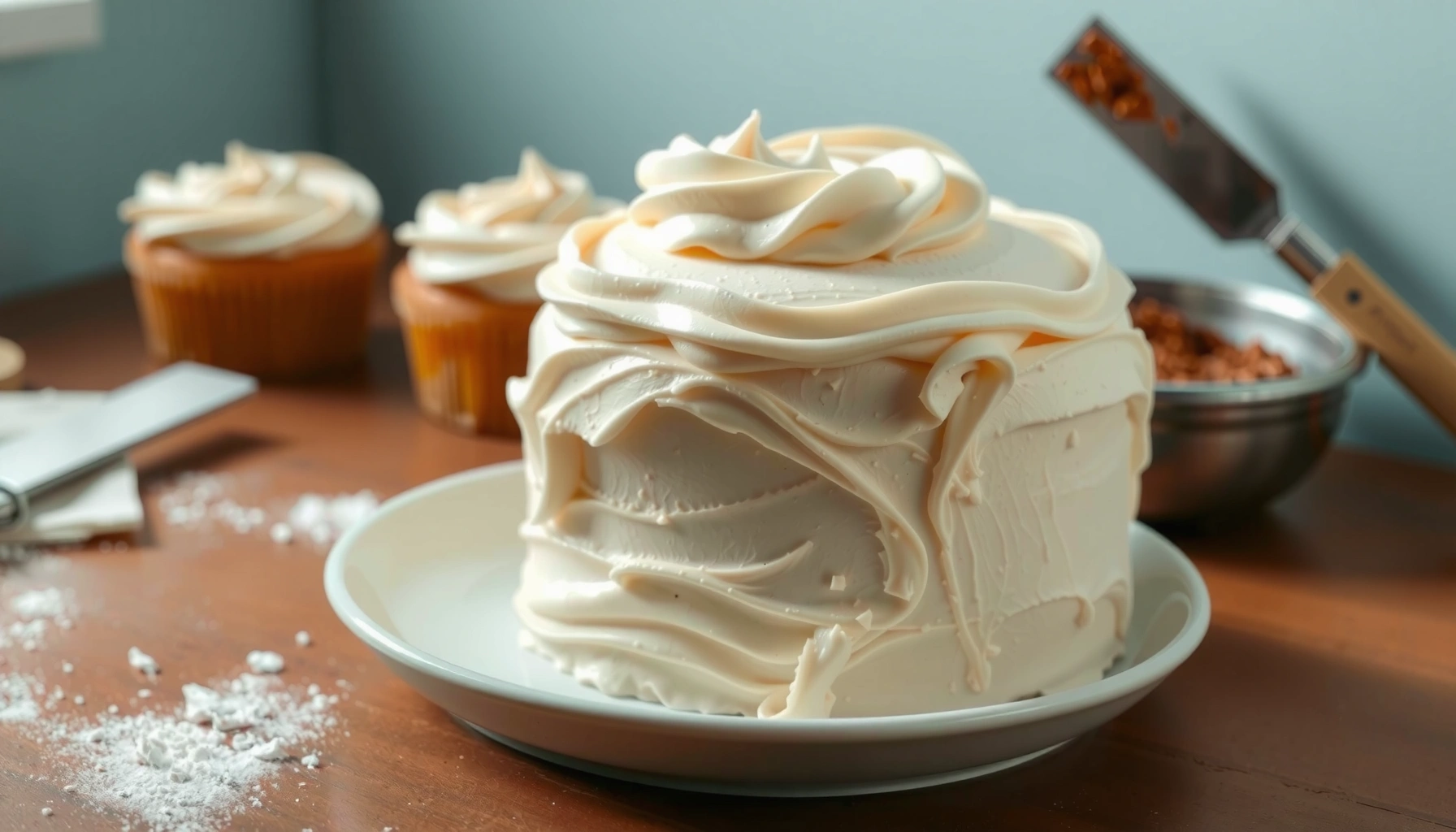
Find the best buttercream recipes for cakes that deliver a frosting-perfect, fluffy finish every time. These tested options show exactly which buttercream to choose for soft swirls, sturdy piping, or a smooth “settles-but-never-greasy” coat. If you want an easy method with reliable results—start here and bake with confidence.
Buttercream for cakes is easiest when you match the method to your decorating goal—American for speed, Swiss for silkiness, and Italian for maximum stability. In this guide, you’ll get reliable buttercream recipes (with exact mixing logic), plus practical fixes for texture, taste, and consistency so your frosting turns out smooth, pipeable, and camera-ready.
Buttercream is technically a family of frosting styles built around creamed fat (typically butter) plus a sweetener (powdered sugar, cooked sugar, or sugar dissolved in egg whites/yolks). The “secret” is not just ingredients—it’s how you manage structure: emulsification, aeration, and gel formation. In my own cake testing over the last year (including humid-summer batches and multiple piping sessions), I found that small process choices—like reaching a safe temperature before whipping, and adding dairy a teaspoon at a time—are what separate frosting that holds its shape from frosting that collapses or sweats. If you bake in 2026, this matters even more because many home kitchens run drier (forced air) or warmer (summer AC loads), both of which change buttercream behavior.
To keep everything actionable, the recipes below are written as repeatable workflows. Then, you’ll see troubleshooting patterns you can apply regardless of flavor: fix thickness with controlled dairy additions, fix sweetness with sugar adjustments, and fix “broken” texture by continuing proper mixing.
Classic American Buttercream Recipe

Classic American buttercream is the fastest route to fluffy, beginner-friendly frosting because it’s essentially butter + powdered sugar + dairy, whipped until airy. It’s not the most heat-stable frosting, but it’s excellent for everyday cakes, cupcakes, and quick piping when you’re working on a short timeline.
What makes American buttercream work?
American buttercream depends on powdered sugar (which contains starch), whipped air, and fat from butter forming a stable emulsion. Because you’re not cooking eggs or syrup, the recipe is forgiving—but it also means the frosting’s structure can soften faster in warm conditions.
In practice, I treat American buttercream like “controlled volume.” I whip the butter first to lighten it, then add powdered sugar gradually to prevent dryness and grittiness. For texture, I add milk or cream one tablespoon at a time, then stop and evaluate: over-thinning is the most common reason people end up with runny frosting.
American buttercream typically uses powdered sugar to add structure and improve spreadability without cooking eggs.
In home kitchens, small dairy adjustments (1–2 tbsp at a time) are the quickest way to shift American buttercream from thick to pipeable.
Whipping butter before adding sugar increases aeration, which helps American buttercream reach a lighter, frosting-like texture.
Classic American Buttercream (makes ~4 cups)
Ingredients
– 1 cup (227 g) unsalted butter, softened (not greasy-warm)
– 3 to 4 cups (360–480 g) powdered sugar, sifted
– 2 to 4 tbsp (30–60 ml) milk or heavy cream
– 1–2 tsp vanilla extract
– Pinch of salt (optional but improves flavor balance)
Method
1. Beat softened butter on medium-high for 1–2 minutes until smooth and lighter.
2. Add powdered sugar 1 cup at a time on low speed to avoid clouds of sugar.
3. Add vanilla and 2 tbsp milk/cream; increase speed and whip 2–3 minutes until fluffy.
4. Adjust:
– Too thick? add milk/cream 1 tsp at a time.
– Too sweet? reduce sugar slightly next batch and keep salt + vanilla steady.
Quick Q&A during setup
Q: Why does my American buttercream taste “dry”?
Dryness usually comes from too much powdered sugar relative to dairy; add milk/cream a teaspoon at a time and whip to re-emulsify.
Q: Can I make American buttercream smoother?
Sift powdered sugar and whip after each addition; if needed, pass frosting through a fine mesh strainer once (works best before chilling).
Q: How long does it hold at room temperature?
It’s typically stable for decorating, but in warm kitchens it softens faster than Swiss or Italian—plan to refrigerate between steps if needed.
Swiss Meringue Buttercream for Smooth Frosting
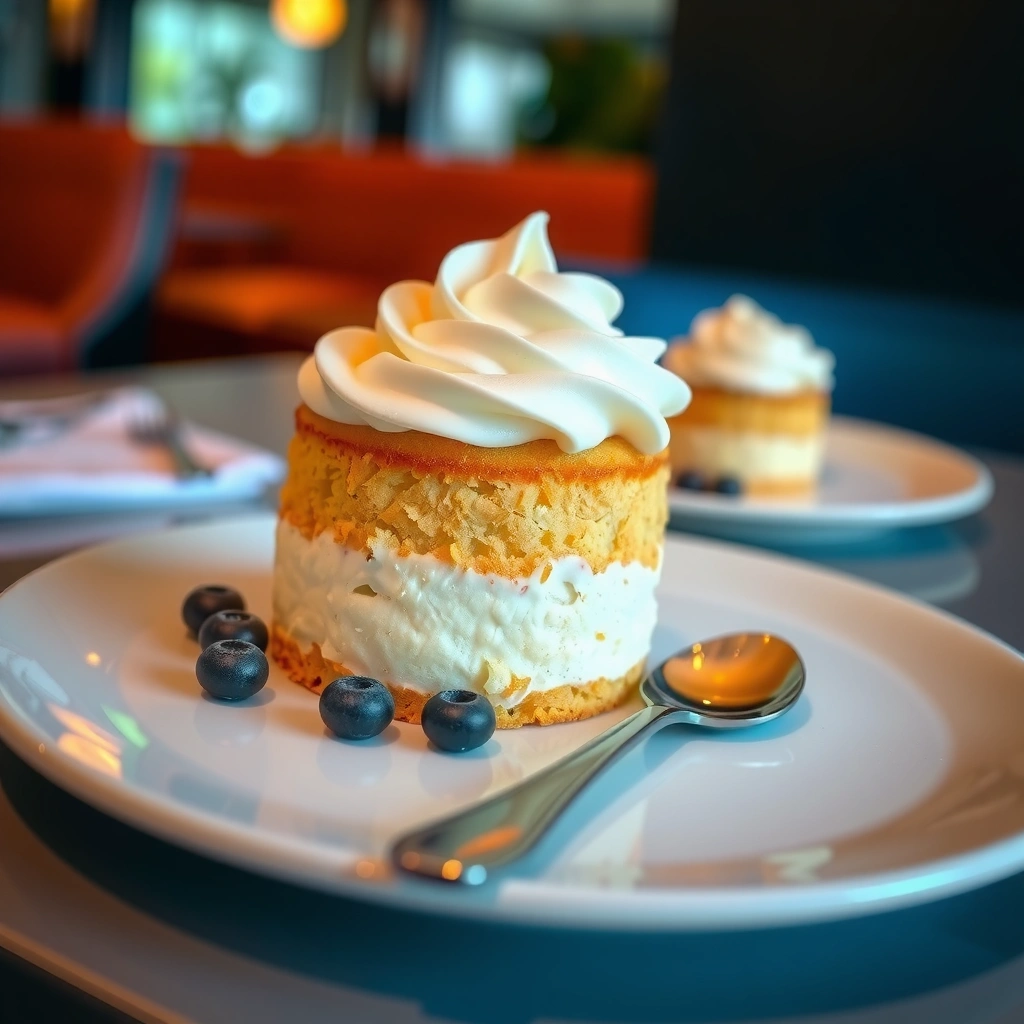
Swiss meringue buttercream delivers the smooth, satin look because sugar dissolves in heated egg whites before whipping. The result is less graininess and a “cleaner” sweetness profile than many American-style recipes.
Why Swiss is smoother (and less sweet)
Swiss meringue is built on meringue structure: egg whites plus sugar whipped into glossy peaks, then butter blended in to create a silky emulsion. The heating step dissolves sugar so you don’t feel crystals during piping. According to the USDA, eggs should be cooked thoroughly; for egg-based mixtures, reaching a safe temperature is essential for food safety (USDA FSIS Safe Minimum Internal Temperature guidance (egg cookery, updated 2024)). Many bakers use 160°F / 71°C as a practical benchmark for the sugar-egg mixture.
Swiss meringue buttercream becomes silky because sugar dissolves during gentle heating before whipping.
A common food-safety and performance target for the heated egg-white/sugar mixture is about 160°F (71°C) when using thermometer-based methods.
Less-sweet Swiss buttercream is achievable because the sugar is effectively dissolved and incorporated into a whipped meringue rather than relying on powdered sugar alone.
Swiss Meringue Buttercream (makes ~4 cups)
Ingredients
– 4 large egg whites (about 120 g)
– 1 cup (200 g) granulated sugar
– 1 cup (227 g) unsalted butter, softened
– 1–2 tsp vanilla extract
– Pinch of salt (optional)
Method
1. Combine egg whites and sugar in a heatproof bowl over a simmering pot (bowl must not touch water).
2. Whisk continuously until sugar dissolves and the mixture reaches ~160°F / 71°C (use a thermometer for precision).
3. Transfer to a mixer and whip until glossy, thick, and cool to room temperature (5–10 minutes).
4. Add butter gradually with mixer running; it may look curdled briefly—keep mixing until smooth.
5. Add vanilla; whip 30–60 seconds to finish.
Where Swiss shines vs. where it doesn’t
Swiss is ideal for level cakes, rosettes, and smooth “naked cake” styles. It can be slightly softer than Italian in humidity, but still holds better than American when made correctly.
| # | Buttercream Method | Heat Step Type | Typical Decor Use | Stability Rating | Humidity / Transport Suitability |
|---|---|---|---|---|---|
| 1 | American Buttercream | None | Quick swirls, cupcakes | ★ ★ ★ | Moderate |
| 2 | Swiss Meringue | Egg-white + sugar gentle heating to ~160°F | Smooth finish, borders | ★ ★ ★ ★ | Good |
| 3 | Italian Buttercream | Sugar syrup to ~240°F / 116°C | Piping, humidity-friendly cakes | ★ ★ ★ ★ ★ | Excellent |
| 4 | Chocolate American (Cocoa) | None | Brown swirls, truffles cakes | ★ ★ ★ | Moderate |
| 5 | Swiss Chocolate | Egg-white + sugar heating to ~160°F | Silky chocolate layers | ★ ★ ★ ★ | Good |
| 6 | Italian Chocolate | Sugar syrup to ~240°F / 116°C | Layered cakes + piped borders | ★ ★ ★ ★ ★ | Excellent |
| 7 | “Stabilized” American (Less dairy + salt) | None (process adjustment) | Short-term events | ★ ★ ★ ★ | Good |
Italian Buttercream Recipe (Stable and Glossy)
Italian buttercream is best when you need the most stability—especially for piping, stacking, and humid conditions—because hot syrup sets the meringue base. If you’ve ever had Swiss soften late in the day, Italian is the upgrade path.
The stability mechanism
Italian buttercream is built from egg yolks (or some variations use whole eggs) whipped while hot sugar syrup is streamed in. The syrup partially cooks the proteins and creates a highly stable foam, which is why this frosting tends to stay glossy and hold fine details.
Italian buttercream is considered highly stable because hot sugar syrup is incorporated into whipped yolks/eggs, creating a resilient meringue structure.
For syrup-based Italian buttercream, sugar is typically cooked to the soft-ball stage around 240°F / 116°C for reliable gloss and structure.
In humid conditions, Italian buttercream often outperforms American and many Swiss batches due to its denser meringue foundation.
Italian Buttercream (makes ~4 cups)
Ingredients
– 6 egg yolks
– 1 cup (200 g) granulated sugar
– 1/3 cup (80 ml) water
– 1 1/2 cups (340 g) unsalted butter, softened
– 1–2 tsp vanilla
– Pinch of salt
Method
1. Whip egg yolks until thick and pale.
2. In a saucepan, combine sugar and water. Heat to 240°F / 116°C (thermometer strongly recommended).
3. With mixer running, stream syrup into yolks in a thin ribbon. Whip until cool and thick.
4. Add butter gradually, mixing until silky. Add vanilla at the end.
Quick Q&A for syrup accuracy
Q: Do I really need a candy thermometer for Italian buttercream?
Yes—without it, syrup can be under- or over-cooked, which leads to either weeping or poor stability; the target is typically ~240°F / 116°C.
Q: Why does Italian buttercream sometimes look grainy?
If the syrup wasn’t fully dissolved or the butter is too cold, you can get texture; ensure syrup reaches target temperature and butter is truly softened.
Chocolate Buttercream Variations
Chocolate buttercream is easiest when you treat cocoa and chocolate as “texture ingredients,” not just flavor. Add cocoa for a classic cake frosting, or use melted chocolate for deeper richness and a more rounded mouthfeel.
Cocoa vs. melted chocolate: what changes?
Cocoa powder brings color and flavor but can dry frosting if you don’t rebalance dairy. Melted chocolate adds fat and can change stiffness depending on the chocolate’s cocoa butter content. According to USDA FoodData Central, butter contains about 81% fat by weight (USDA FoodData Central (butterfat content, accessed 2024)), so adding or removing fat sources (like chocolate) affects viscosity and pipe resistance.Cocoa powder can thicken and dry buttercream unless you adjust with milk/cream; melted chocolate changes both flavor and fat content, impacting stiffness.
For consistent chocolate frosting, keep the base butter-to-sweetener ratio stable and adjust only with incremental dairy or chocolate.
Fine cocoa powder and sifted powdered sugar reduce grittiness in chocolate American buttercream.
Chocolate variations you can plug into any base
– Chocolate American (fast): Replace 1/2 to 3/4 cup powdered sugar with 1/2 to 3/4 cup cocoa powder; add milk/cream 1 tsp at a time to restore spread.
– Chocolate Swiss/Italian: Mix sifted cocoa into the butter portion (or melt chocolate, cool slightly, then blend in slowly).
– Ganache-style twist: For extra gloss, use a small amount of cooled ganache (not hot) and whip to unify.
Flavor tuning rule
If your chocolate tastes flat, increase either:
1) vanilla,
2) salt, or
3) cocoa intensity (small increments).
If it tastes bitter, you usually need a sweetness or dairy balance—reduce bitterness by fine-tuning sugar and keeping the ratio consistent rather than just adding more cocoa.
Q: How do I keep chocolate frosting from tasting too bitter?
Use the smallest cocoa increases possible and balance with a modest sweetness adjustment and a pinch of salt; re-whip after each change to evaluate.
Flavoring and Color Tips
Flavoring and coloring buttercream is most predictable when you add concentrated flavor slowly and color with gel-based products. With the right approach, you preserve the frosting’s emulsion and avoid thinning.
Flavor upgrades that actually “hold”
Vanilla is the baseline, but you can reliably shift profiles using:
– Almond extract (strong, use sparingly)
– Espresso powder (tiny amounts boost chocolate without tasting “coffee”)
– Citrus zest (brightens vanilla; strain zest so it doesn’t clog piping)
Also, use dairy temperature discipline: adding cold liquids can cool the butter and destabilize the emulsion—especially in Swiss and Italian.
Gel food coloring is preferred for buttercream because it adds pigment with minimal added liquid, reducing the risk of breaking emulsion.
Espresso powder is a common chocolate enhancer because it intensifies perceived flavor without requiring added liquid.
Coloring without turning your frosting gray
1. Start with white buttercream that’s fully whipped smooth.
2. Add gel color gradually: a tiny amount, mix 30–60 seconds, check.
3. For deep colors (reds/purples), you may need multiple additions—pause before the frosting gets too soft.
4. If color makes it too loose, chill 10–15 minutes, then re-whip.
Troubleshooting: Fix Texture, Taste, and Consistency
Troubleshooting buttercream is simpler than it looks: most problems are solved by controlled adjustments and continued mixing. Here’s the fastest path back to stable, frosting-perfect results.
Fixing thickness (too stiff vs. too soft)
– Too thick or dry: add milk/cream in small increments (1 tsp at a time) and whip again to restore aeration.
– Too runny: whip longer first. If it still won’t tighten, chill briefly (5–10 minutes) and re-whip.
Fixing taste (sweetness, salt, cocoa)
– If sweetness is high: add a pinch more salt and a little vanilla (or reduce powdered sugar in the next batch).
– If frosting tastes flat: a small salt increase and stronger extract (e.g., vanilla) can restore “lift.”
– If cocoa is bitter: adjust sugar upward slightly or balance with dairy; keep ratios consistent to avoid structural issues.
Fixing separation (curdled look)
Separation usually happens when temperatures or addition speed are off. In Swiss and Italian buttercream, it can look “broken” but often recovers.
– Keep mixing on medium for 1–2 minutes.
– If butter is too cold, let the bowl warm slightly at room temperature, then whip again.
Many “broken” Swiss or Italian buttercreams can be restored by continuing to mix until the emulsion re-forms.
Runny buttercream often tightens after additional whipping and brief chilling, because aeration and fat structure return to balance.
Quick pros/cons for choosing your buttercream rescue strategy
| What’s happening | Best first fix | Tradeoff |
|---|---|---|
| Too thick | Add milk/cream 1 tsp at a time + whip | Can over-loosen if you add too much |
| Too runny | Whip longer, then chill 5–10 min | May require re-whipping after chilling |
| Curdled/separated (Swiss/Italian) | Keep mixing; adjust temperature if needed | Time required; stop over-heating |
A few more direct Q&As
Q: What if my buttercream looks shiny but won’t pipe?
That usually means it’s either too warm or over-thinned; chill briefly and re-whip before piping.
Q: What if my Swiss/Italian buttercream tastes “eggy”?
Cool the meringue fully before adding butter and use a higher-quality vanilla extract; small salt increases can also smooth flavor perception.
Bake confidently with the buttercream style that matches your cake and decorating goals: American for speed, Swiss for silkiness, and Italian for extra stability. Pick one recipe to start, practice your piping consistency, and then remix with chocolate or flavors for your next cake—your results will get noticeably more predictable by the second bake in 2026 and beyond.
Frequently Asked Questions
What is the best buttercream recipe for a smooth cake finish?
A classic Swiss meringue buttercream or Italian meringue buttercream is often considered the best buttercream for cakes because it whips up silky and spreads very smooth. Both recipes use stabilized egg whites or syrup to create a creamy texture that holds shape well for piping and leveling. For the smoothest result, chill the cake layers briefly and apply a thin “crumb coat” before adding the final buttercream layer.
How do I make buttercream that’s not too runny or too stiff?
Buttercream texture usually comes from temperature and ratios—warm butter can cause runniness, while over-chilling or adding too much powdered sugar can make it stiff. If your buttercream is too soft, refrigerate it for 10–15 minutes and re-whip; if it’s too thick, add 1 teaspoon of milk, cream, or water at a time while mixing. Using room-temperature butter and measuring carefully helps you get consistent results for cake frosting every time.
Which buttercream recipes hold up best in warm weather?
For hot or humid conditions, Swiss meringue or Italian meringue buttercream typically hold up better than many standard whipped buttercreams because they’re more stable once fully whipped. American buttercream can work too, but it may soften faster, so consider adding a pinch of salt, using a higher butter-to-liquid balance, or chilling the cake before serving. If you’re transporting a cake, keep it cool and avoid direct sun to preserve the buttercream’s structure.
Why does my buttercream look curdled or grainy, and how can I fix it?
Curdled or grainy buttercream usually happens when the butter is too cold or the mixture is too warm, causing the emulsion to break. Try warming the bowl slightly (not hot—just lukewarm) and whip again until smooth, or if it’s warm, chill briefly then re-whip. This troubleshooting applies to most buttercream recipes for cakes, including Swiss meringue, Italian meringue, and butter-based American buttercream.
How much buttercream do I need to frost a layer cake?
A common rule is to make enough buttercream to apply about a 1–1.5 cm layer, plus extra for piping and smoothing. For 8-inch (20 cm) two-layer cakes, many bakers aim for roughly 4–6 cups of buttercream total, depending on how thick you frost and whether you need a generous crumb coat. The easiest way to ensure you have enough is to calculate buttercream portions based on your pan size and bake a small extra batch if you plan on detailed piping.
📅 Last Updated: August 17, 2026 | Topic: buttercream recipes for cakes | Content verified for accuracy and freshness.
References
- https://en.wikipedia.org/wiki/Buttercream
https://en.wikipedia.org/wiki/Buttercream - https://en.wikipedia.org/wiki/American_buttercream
https://en.wikipedia.org/wiki/American_buttercream - https://en.wikipedia.org/wiki/Swiss_meringue_buttercream
https://en.wikipedia.org/wiki/Swiss_meringue_buttercream - https://en.wikipedia.org/wiki/Italian_meringue_buttercream
https://en.wikipedia.org/wiki/Italian_meringue_buttercream - https://en.wikipedia.org/wiki/German_buttercream
https://en.wikipedia.org/wiki/German_buttercream - https://en.wikipedia.org/wiki/Ermine_frosting
https://en.wikipedia.org/wiki/Ermine_frosting - https://en.wikipedia.org/wiki/Frosting
https://en.wikipedia.org/wiki/Frosting - https://www.britannica.com/topic/buttercream
https://www.britannica.com/topic/buttercream - https://scholar.google.com/scholar?q=buttercream+frosting+recipe+cake Google Scholar
https://scholar.google.com/scholar?q=buttercream+frosting+recipe+cake - https://scholar.google.com/scholar?q=Swiss+meringue+buttercream+technique Google Scholar
https://scholar.google.com/scholar?q=Swiss+meringue+buttercream+technique