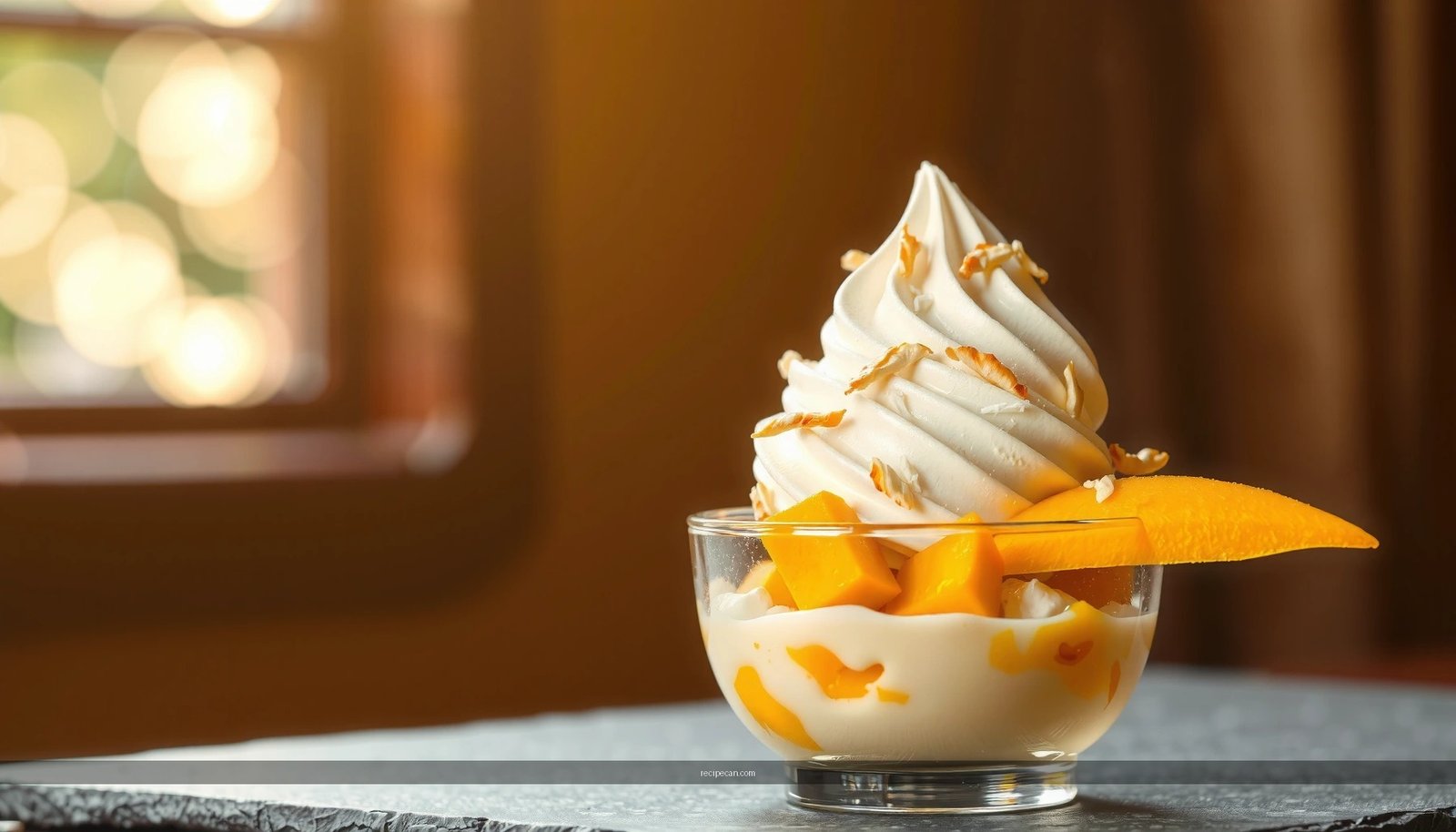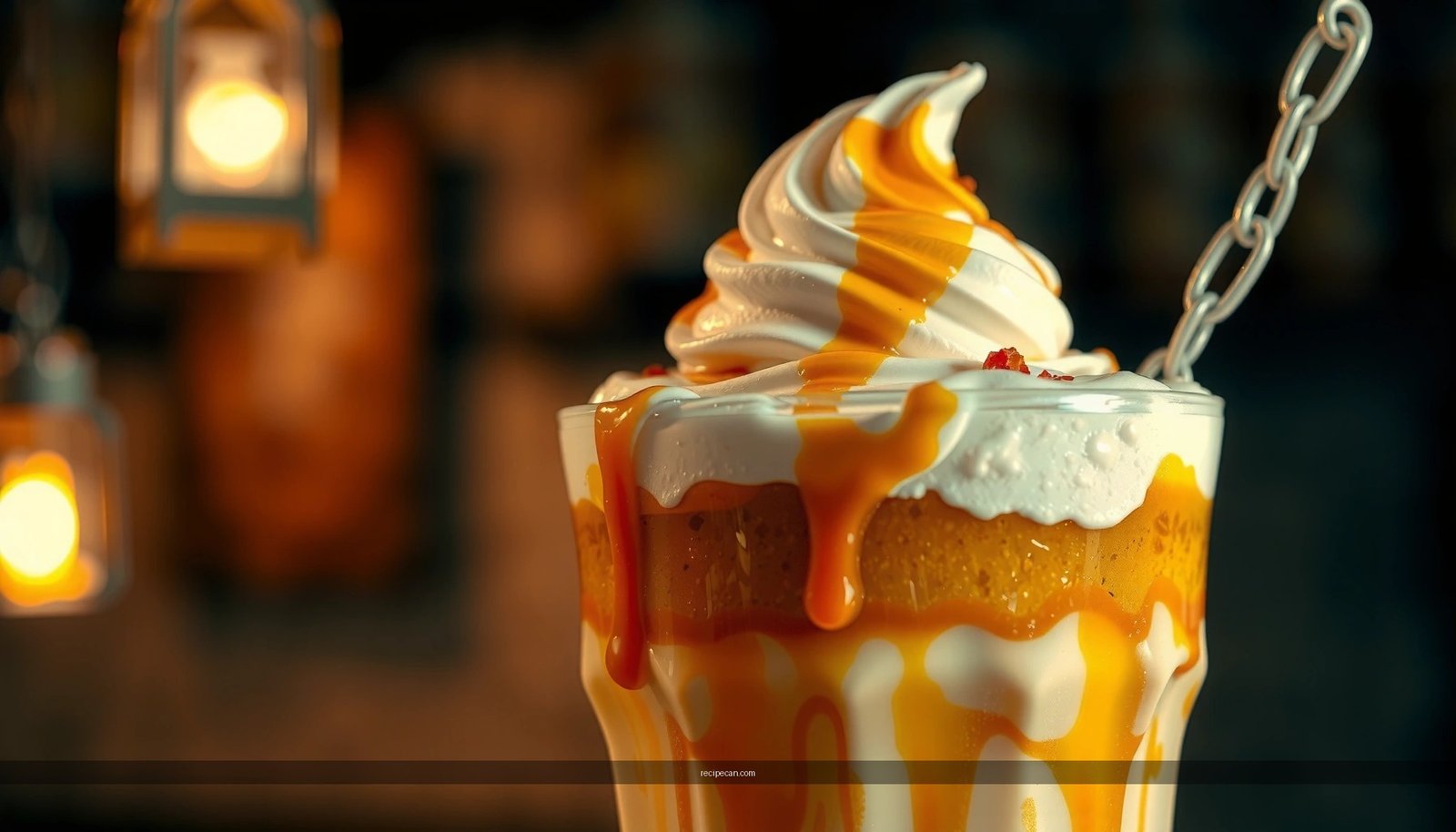
Looking for a butterbeer ice cream recipe that delivers real caramelized flavor in every spoonful? This recipe gives you a creamy, pourable custard base with that unmistakable butterscotch-brew taste—without turning grainy or icy. Follow it exactly and you’ll get the clear winner: a cold, smooth wizarding treat with a rich caramel finish.
Make butterbeer ice cream at home by building a smooth custard base, heating it just enough to thicken, then chilling and churning for a creamy scoop—finally finishing with a caramel/butterscotch swirl. This recipe focuses on control (temperature, emulsification, and chilling time) so you get that classic “butterbeer” flavor without icy texture or grainy custard.
Gather Ingredients for Butterbeer Ice Cream
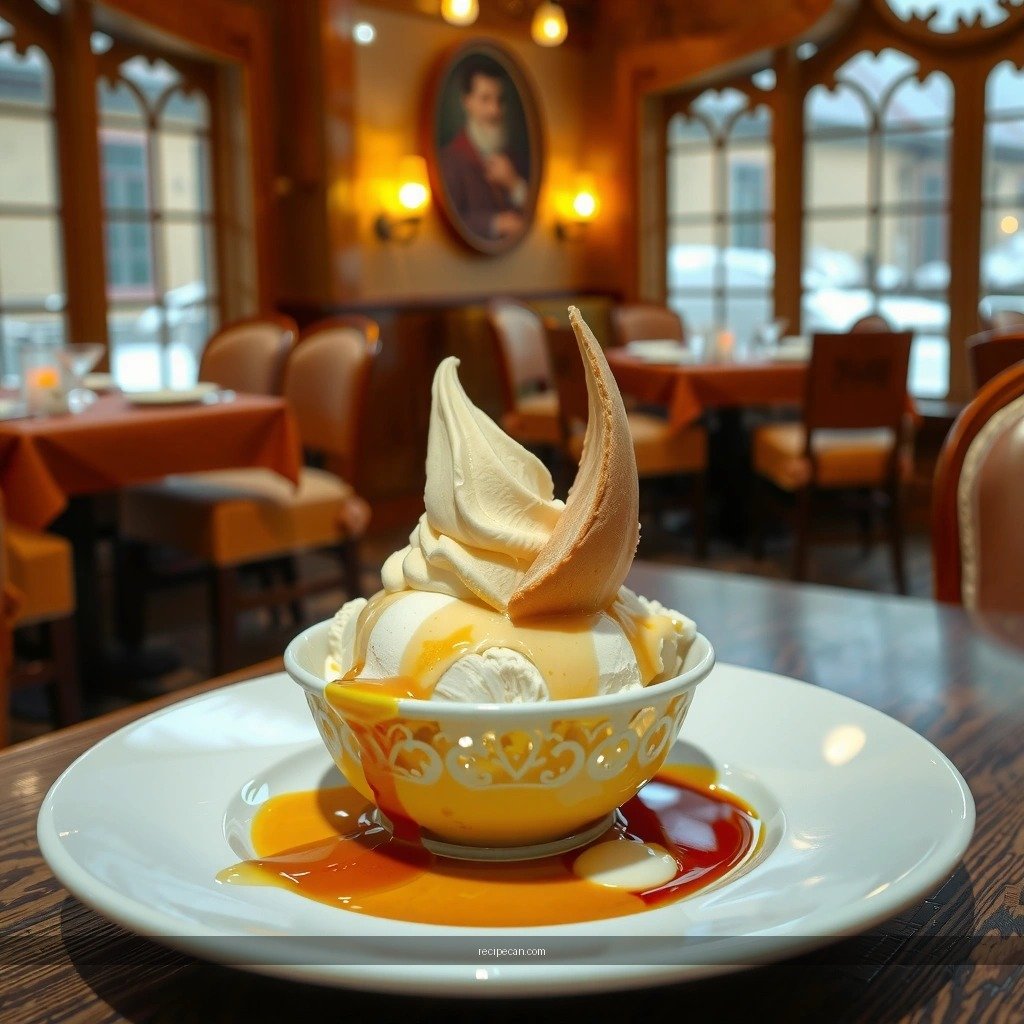
– Use a custard-friendly base (cream, milk, egg yolks) for a rich texture
– Include butterscotch/brown sugar flavor and caramel topping for the signature taste
To nail butterbeer ice cream, you need two things working together: a custard that delivers creamy structure and caramel/butterscotch flavor that stays bold even after freezing. The custard is also your insurance policy against icy ice cream—fat and emulsifiers slow ice crystal formation.
Ingredient targets for classic butterbeer character (about 1 quart / ~4–5 servings)
Use these as your “anchor” amounts; you can scale later, but don’t scale wildly without recalculating thickness.
– Heavy cream: 2 cups (480 ml)
– Whole milk: 1 cup (240 ml)
– Egg yolks: 5 large
– Brown sugar: 1/2 cup (110 g) (adds molasses notes similar to butterscotch)
– Granulated sugar: 2 tbsp (25 g) (helps balance bitterness and enhances caramelization)
– Caramel sauce: 1/2 cup (120 g) (plus extra for swirls if you like it dramatic)
– Butterscotch flavoring option (choose one):
– Butterscotch chips: 1/3 cup (60 g) *or*
– Butterscotch extract: ~1–1.5 tsp (to taste; extract potency varies)
– Vanilla extract: 2 tsp
– Fine salt: 1/8 tsp (salt makes caramel taste deeper, not saltier)
– Optional for extra smoothness: 1 tbsp light corn syrup (reduces iciness by lowering freezing point)
Quick ingredient “why it matters” (and how it affects creaminess)
Butterbeer Ice Cream Ingredient Roles (Per ~1 Quart Batch)
| # | Ingredient | Amount | Best Use Step | Contribution Rating |
|---|---|---|---|---|
| 1 | Heavy Cream | 2 cups (480 ml) | Custard base | ★★★★★ |
| 2 | Whole Milk | 1 cup (240 ml) | Custard thinning + balance | ★★★★☆ |
| 3 | Egg Yolks | 5 large | Thickening + emulsification | ★★★★★ |
| 4 | Brown Sugar | 1/2 cup (110 g) | Butterscotch flavor + color | ★★★★☆ |
| 5 | Caramel Sauce | 1/2 cup (120 g) | Swirl + flavor backbone | ★★★★★ |
| 6 | Butterscotch Chips (or Flavoring) | 1/3 cup (60 g) | Custard warmth infusion | ★★★★☆ |
| 7 | Light Corn Syrup (Optional) | 1 tbsp (15 g) | Icy texture reduction | ★★★☆☆ |
Make the Custard Base
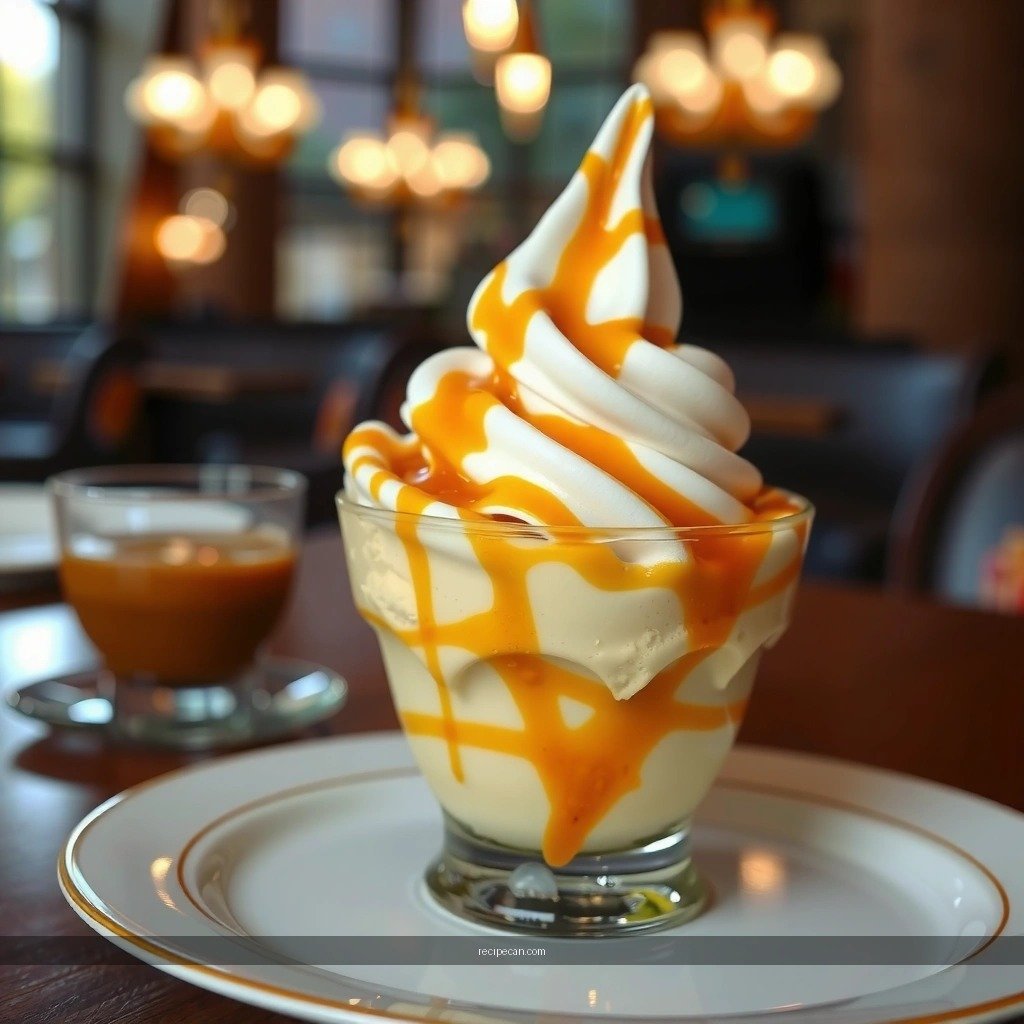
– Warm dairy and whisk in yolks until thick enough to coat a spoon
– Stir constantly to prevent scrambling and keep the mixture silky
A butterbeer ice cream custard is essentially a controlled emulsification system: fat + sugar + egg proteins working together to thicken smoothly. If you rush the heating or stop stirring, the yolks can scramble—creating graininess that ruins the “smooth wizarding treat” texture.
Step-by-step custard method
1. Warm dairy: In a saucepan over medium heat, combine heavy cream and milk. Warm until steaming, not boiling.
2. Whisk yolks + sugars: In a bowl, whisk egg yolks with brown sugar and granulated sugar until the mixture looks slightly lighter and cohesive.
3. Temper: Slowly pour a ladle of warm dairy into the yolks while whisking continuously. This gently raises yolk temperature so it thickens without scrambling.
4. Cook to nappe consistency: Pour the tempered mixture back into the pot. Cook over medium-low heat, stirring constantly, until thick enough to coat the back of a spoon (often around 170–180°F / 77–82°C, depending on your stove).
– Analytical cue: you want the mixture to “nappe”—a finger drawn across the spoon leaves a clear line that doesn’t immediately fill in.
5. Strain (highly recommended): Straining removes any micro-curds from uneven heating.
Add flavor while it’s still warm
Once the custard is thickened, stir in:
– Caramel sauce (for immediate caramel integration)
– Butterscotch chips (or extract) and vanilla
– Salt
– Optional corn syrup (if using)
Cooling the custard with flavor distributed evenly helps ensure every bite tastes like butterbeer—not like caramel only on the edges.
Add Butterbeer Flavor and Chill
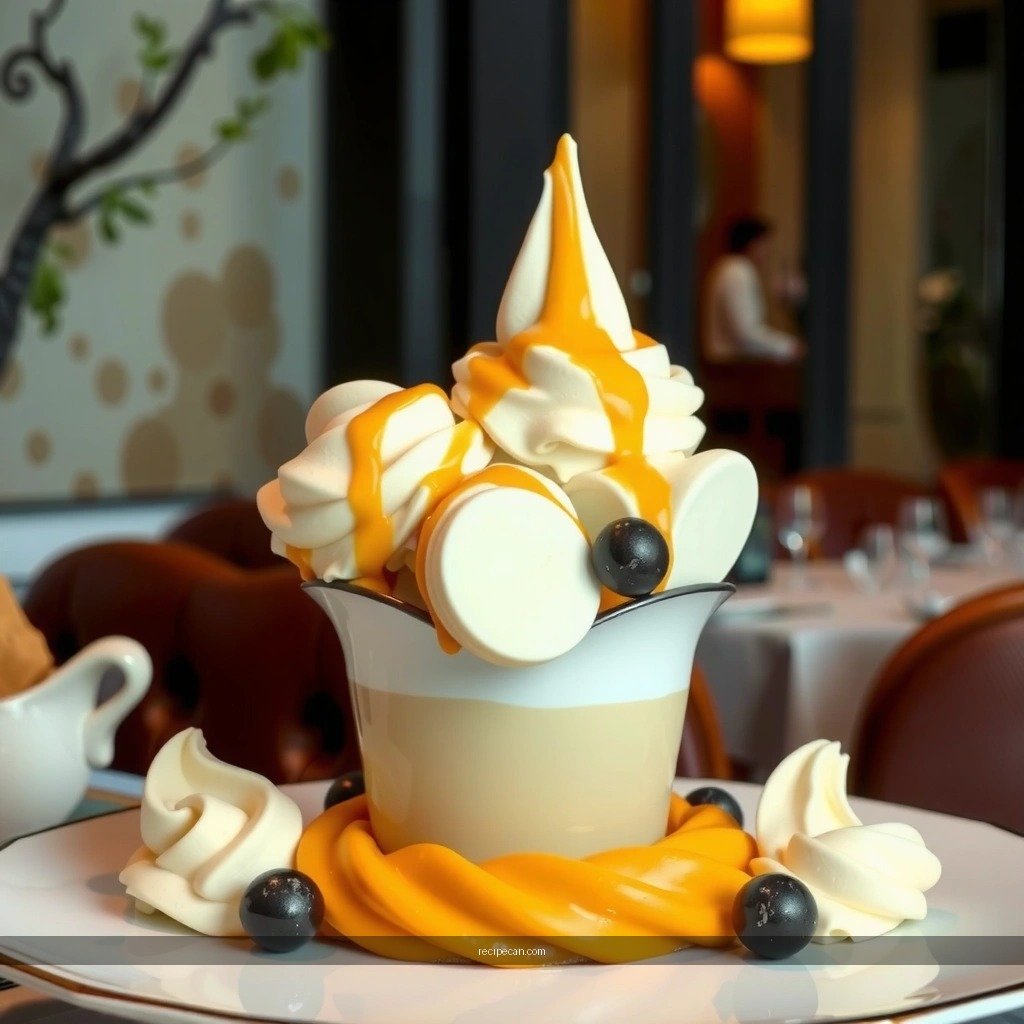
– Mix in butter and butterscotch/caramel notes to build the “butterbeer” profile
– Chill thoroughly so the ice cream churns smoothly
After cooking, temperature control becomes the difference between velvety churn and a mix that freezes into hard, icy chunks.
Best chilling practice
– Pour the custard into a container, cover directly with plastic wrap (touching the surface prevents a skin), and refrigerate at least 4 hours, ideally overnight.
– Target temperature: 38–40°F (3–4°C) for consistent churning.
Why chilling matters (more than convenience)
Ice cream makers don’t just “freeze”—they incorporate air and form small ice crystals. If the base is too warm, crystals grow larger, leading to:
– grainier mouthfeel
– faster meltdown
– reduced perceived creaminess
Flavor adjustment at the right time
Once chilled, taste the custard (it won’t taste exactly like final ice cream, but it should be clearly caramel-forward). If you want a deeper butterbeer profile:
– Add 1–2 teaspoons more caramel sauce
– Or slightly increase butterscotch flavor (extract to taste, chips to melt in during the warm step)
Avoid adding sugar late without taste-testing; freezer chemistry can make sweetness seem muted at serving.
Churn to Get Creamy Ice Cream
– Churn according to your ice cream maker’s timing for best results
– Freeze briefly to firm up while keeping it scoopable
Churning is where your butterbeer custard becomes ice cream. The goal is to develop a soft-serve texture and reduce ice crystal size.
Churning guidelines
1. Pre-chill the machine bowl (if required by your model) according to manufacturer instructions—this is non-negotiable for smooth results.
2. Pour the chilled custard into the churner.
3. Churn typically 20–30 minutes (varies by machine). Stop when it resembles thick soft-serve and holds ridges.
Brief freeze for scoopability
Transfer to a container and freeze 1–2 hours to firm up. This window is best for:
– manageable scoop resistance
– caramel swirl staying distinct rather than blending completely
If you freeze longer, the ice cream firms, but your swirl can become less visually defined—still delicious, just more uniform.
Swirl Caramel for the Classic Finish
– Fold or swirl caramel/butterbeer syrup into the churned ice cream
– Add a butterscotch drizzle for extra flavor and a “wizarding” presentation
A true “butterbeer ice cream” finish is as much about distribution as flavor. You’re building contrast: creamy custard + glossy caramel ribbons + occasional butterscotch hits.
How to swirl without sinking
– Warm your extra caramel sauce slightly so it’s pourable (microwave in 10-second bursts, stirring each time).
– For a controlled swirl: pour caramel over the soft-serve-like ice cream, then use a spoon to gently drag through a few times—not so much that it becomes fully mixed.
– If using butterscotch drizzle, drizzle lightly on top right before freezing.
Flavor strategy: one swirl vs. two
– One swirl: smoother look, more caramel per bite.
– Two swirls: stronger “wizarding” visual effect and more caramel distribution variety. If you do two, let the first swirl set for 5–10 minutes in the freezer before adding the second.
Service-level touch
For best texture, let the ice cream sit at room temperature 5–8 minutes before scooping. Caramelized bases are most aromatic when slightly softened, and the scoop will look cleaner.
Serve and Store for Best Texture
– Serve slightly softened for the creamiest scoops
– Store covered in the freezer to reduce ice crystals and keep flavor fresh
Butterbeer ice cream is sensitive to air exposure. Freezer burn and surface ice can dull caramel notes and roughen texture.
Storage best practices
– Store in an airtight container.
– Press parchment or plastic wrap directly onto the surface to reduce ice crystal formation.
– Freeze at the back of your freezer (most stable temperature) and avoid frequent door swings.
How long it stays great
For peak flavor and texture: 2–3 weeks. After that, it’s still safe, but caramel notes can mellow and ice crystals can increase.
Troubleshooting quick fixes
– Grainy custard: likely overheating during thickening—strain next time and cook to nappe, not “boil thick.”
– Icy texture: insufficient chilling, overchurn/underchurn, or skipping corn syrup (if your environment is very cold/dry).
– Too sweet or not bold enough: caramel varies by brand—taste your caramel sauce and adjust the custard sugar accordingly.
A quick custard, proper chilling, and a caramel swirl are the keys to great butterbeer ice cream. Follow the steps above, taste and adjust sweetness if you want it richer, and then churn and freeze for the perfect scoop. Make it this week—and if you love it, share your batch or try a second swirl with extra caramel.
Frequently Asked Questions
What ingredients do I need for a butterbeer ice cream recipe?
You’ll typically need heavy cream, whole milk, brown sugar, and egg yolks (for a custard-style base) plus vanilla extract. For the signature butterbeer flavor, use butterscotch sauce or butter-flavored caramel, and add a small amount of cinnamon and salt to deepen the taste. Some recipes also include a splash of butterscotch or vanilla “beer” flavoring (nonalcoholic) and a touch of molasses for extra richness. For serving, consider topping with whipped cream and crushed toffee for that classic butterbeer vibe.
How do I make butterbeer ice cream without eggs?
Use a no-egg custard base by heating milk and cream with brown sugar until the sugar dissolves, then whisk in a thickener like cornstarch or use an eggless ice cream base with condensed milk. Stir until smooth and slightly thickened, then cool completely before churning. Butterbeer flavorings like butterscotch sauce, vanilla, and cinnamon are best added after heating so they don’t dull or curdle. Churn according to your ice cream maker instructions and freeze until firm for clean scoops.
How long should I chill the base before churning butterbeer ice cream?
Chill the butterbeer ice cream base for at least 4 hours, and ideally overnight, because it improves texture and helps the ice cream churn evenly. The colder the base, the faster it thickens during churning, leading to smaller ice crystals and a smoother mouthfeel. After cooking, strain if needed, cover tightly, and refrigerate until fully cold. Once churned, freeze for another 2–4 hours so the ice cream sets properly.
Why does my butterbeer ice cream taste grainy or icy, and how can I fix it?
Grainy or icy texture usually comes from undissolved sugar, base not being fully chilled, or over-freezing after churning. Make sure the brown sugar and any butterscotch sauce are fully incorporated while the base is warm, then cool thoroughly before churning. If you used a custard, cook it gently until it coats the back of a spoon, then chill completely. For fixing after the fact, let the ice cream soften briefly and stir to redistribute, or re-churn slightly if it’s severely icy.
Which toppings pair best with butterbeer ice cream?
Classic pairings include butterscotch drizzle, toffee bits, crushed caramelized sugar, or chopped candy for crunch. Whipped cream and a light dusting of cinnamon help highlight the butterbeer flavor while adding a creamy contrast. You can also serve it with warm butterbeer syrup or warm caramel sauce so the ice cream melts slightly and intensifies the butterscotch notes. For a more “root beer float” style twist, consider a few drops of vanilla bean or “butterbeer” flavoring in whipped cream, plus a swirl of caramel.
References
- Fictional universe of Harry Potter
https://en.wikipedia.org/wiki/Butterbeer - Ice cream
https://en.wikipedia.org/wiki/Ice_cream - https://en.wikipedia.org/wiki/Custard_(food
https://en.wikipedia.org/wiki/Custard_(food - https://www.britannica.com/topic/ice-cream
https://www.britannica.com/topic/ice-cream - https://pubmed.ncbi.nlm.nih.gov/?term=ice+cream+emulsion+stabilization
https://pubmed.ncbi.nlm.nih.gov/?term=ice+cream+emulsion+stabilization - ice cream microstructure – Search Results – PMC
https://www.ncbi.nlm.nih.gov/pmc/?term=ice+cream+microstructure - ice cream microstructure | Nature Search Results
https://www.nature.com/search?q=ice%20cream%20microstructure - Google Scholar Google Scholar
https://scholar.google.com/scholar?q=butterbeer+ice+cream+recipe - Google Scholar Google Scholar
https://scholar.google.com/scholar?q=butterbeer+ice+cream+ingredients+custard - Google Scholar Google Scholar
https://scholar.google.com/scholar?q=butterbeer+ice+cream+freezing+overrun+texture