Black pudding recipes UK that actually deliver the best results start with one clear winner: the classic pan-fry method for a crisp skin and hot, creamy centre. This guide answers how to cook black pudding properly in the UK, with times, temperatures, and step-by-step instructions you can follow without guesswork. If you want traditional flavour with reliable crunch every time, this is the easiest way to get it.
You can cook black pudding like a true UK breakfast staple using three tried-and-tested methods—pan-frying, oven-baking, or grilling—each chosen for a different texture. If you match the cooking method to your goal (crisp outside, even reheat, or fast browning), you’ll reliably get that classic bite: hot through, lightly crisped, and never dried out.
Black pudding is one of the most distinctive foods in British cuisine, celebrated in pubs, diners, and full English breakfasts for its rich, savoury character. It’s also one of the easiest “heritage” ingredients to cook at home—provided you understand what black pudding needs: sufficient heat to warm the interior, enough time to render fat and develop flavour, and a sensible approach to browning so the outside turns crisp rather than hard. In this guide, you’ll get practical black pudding recipes UK cooks rely on, with clear tips for timing, safety, and serving.
Best Cooking Outcomes by Black Pudding Type (UK Home Use)
| # | Black pudding type you’ll buy | Typical thickness | Recommended method | Texture rating | Repeat-likelihood |
|---|---|---|---|---|---|
| 1 | Traditional sliced black pudding (beef &/or pork) | 18–22 mm | Pan-fry | ★★★★☆ | High |
| 2 | Traditional black pudding “cob” or thick ring | 25–35 mm | Oven-bake | ★★★★☆ | High |
| 3 | Pre-cooked sliced black pudding | 12–18 mm | Oven-bake + crisp under grill | ★★★☆☆ | Medium-High |
| 4 | Smaller “coins” (best for starters) | 10–14 mm | Grill | ★★★★☆ | High |
| 5 | Organic/traditional-style black pudding (tighter crumb) | 16–20 mm | Pan-fry (gentle) | ★★★★☆ | Medium-High |
| 6 | High-fat rustic black pudding (more rendering) | 18–25 mm | Pan-fry (lower heat) | ★★★★☆ | High |
| 7 | Spreadable “black pudding” style (not true sliced) | n/a (jarred) | Use as condiment | ★★☆☆☆ | Low |
Choose the Best Black Pudding for UK Recipes
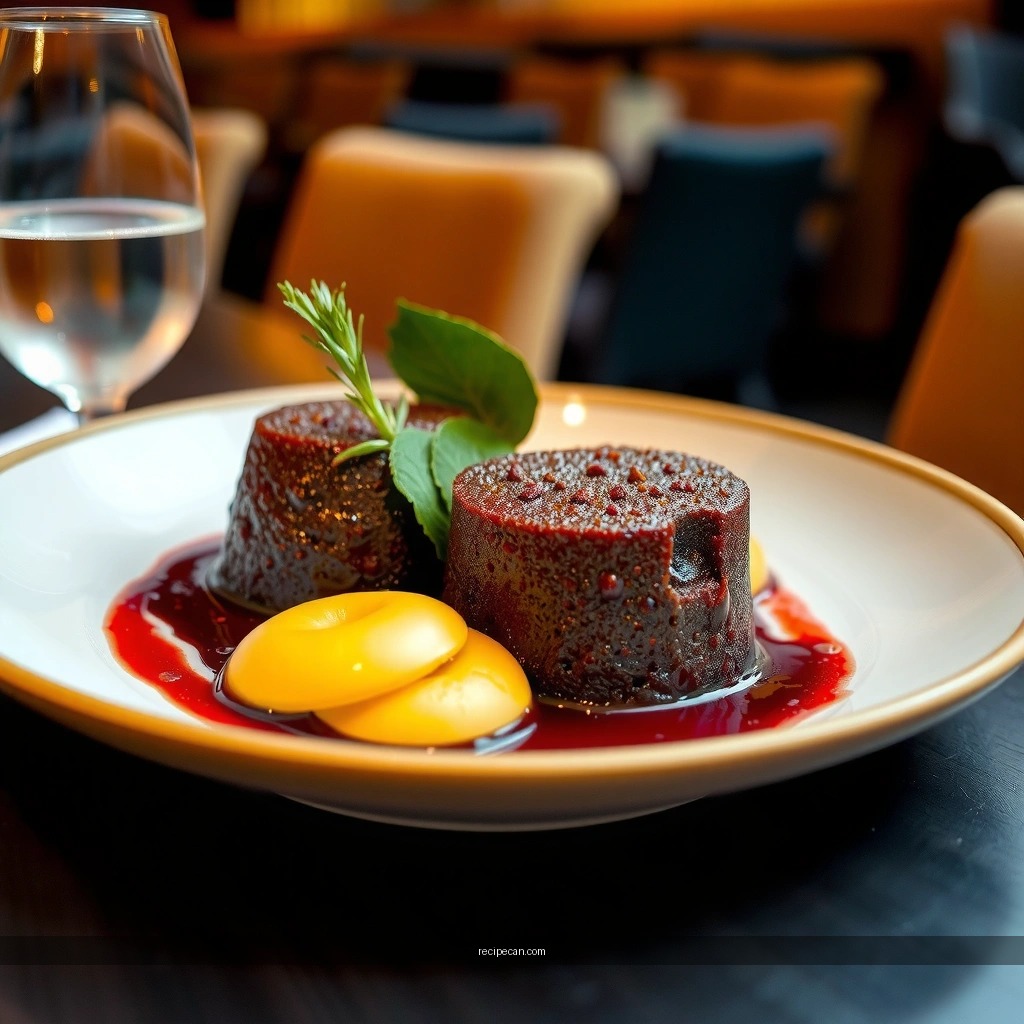
Selecting the right black pudding is the fastest way to guarantee good results—especially if you want crispy edges without a dry centre. For most black pudding recipes UK readers are after, the baseline is “traditional black pudding” rather than spreadable varieties.
Start with the label: look for products explicitly named “black pudding” and sold as slices or a thick ring/cob. Avoid jarred or spreadable “black pudding” alternatives if your goal is the classic pan-fry or grill texture. Next, consider thickness and whether the pudding is fresh or pre-cooked. Thicker pieces benefit from oven heat for even warming, while thinner coins slice easily and brown quickly under the grill.
Finally, treat storage as part of your cooking process. Keep black pudding refrigerated and follow the recommended date on the pack. If you’re cooking for a service window (a family brunch or weekend hosting), buy a day or two ahead so you can plan cooking times accurately and avoid last-minute temperature swings.
Pan-Fried Black Pudding (Classic UK Method)
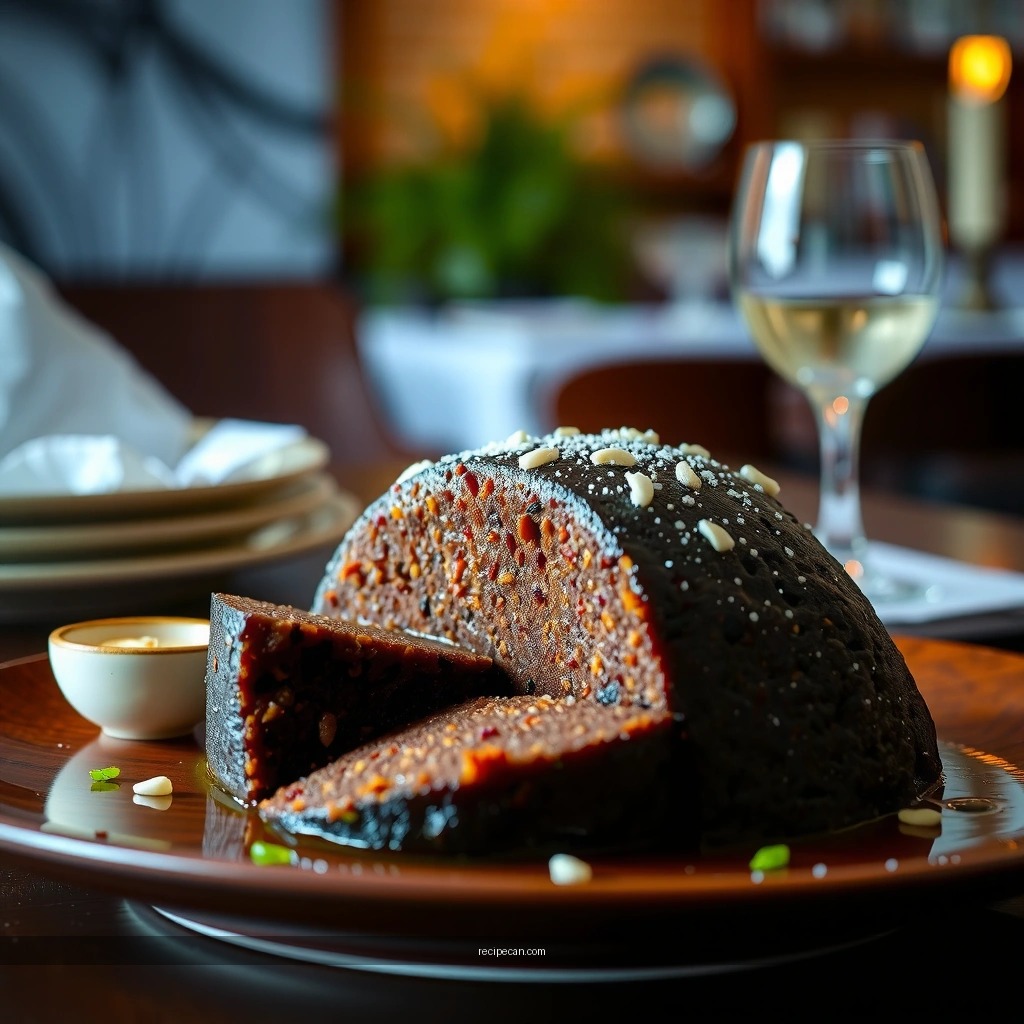
Pan-frying is the most recognisable approach for a UK breakfast plate. It delivers crispness on the outside while giving you control over browning. It also tends to be forgiving if you’re using sliced black pudding.
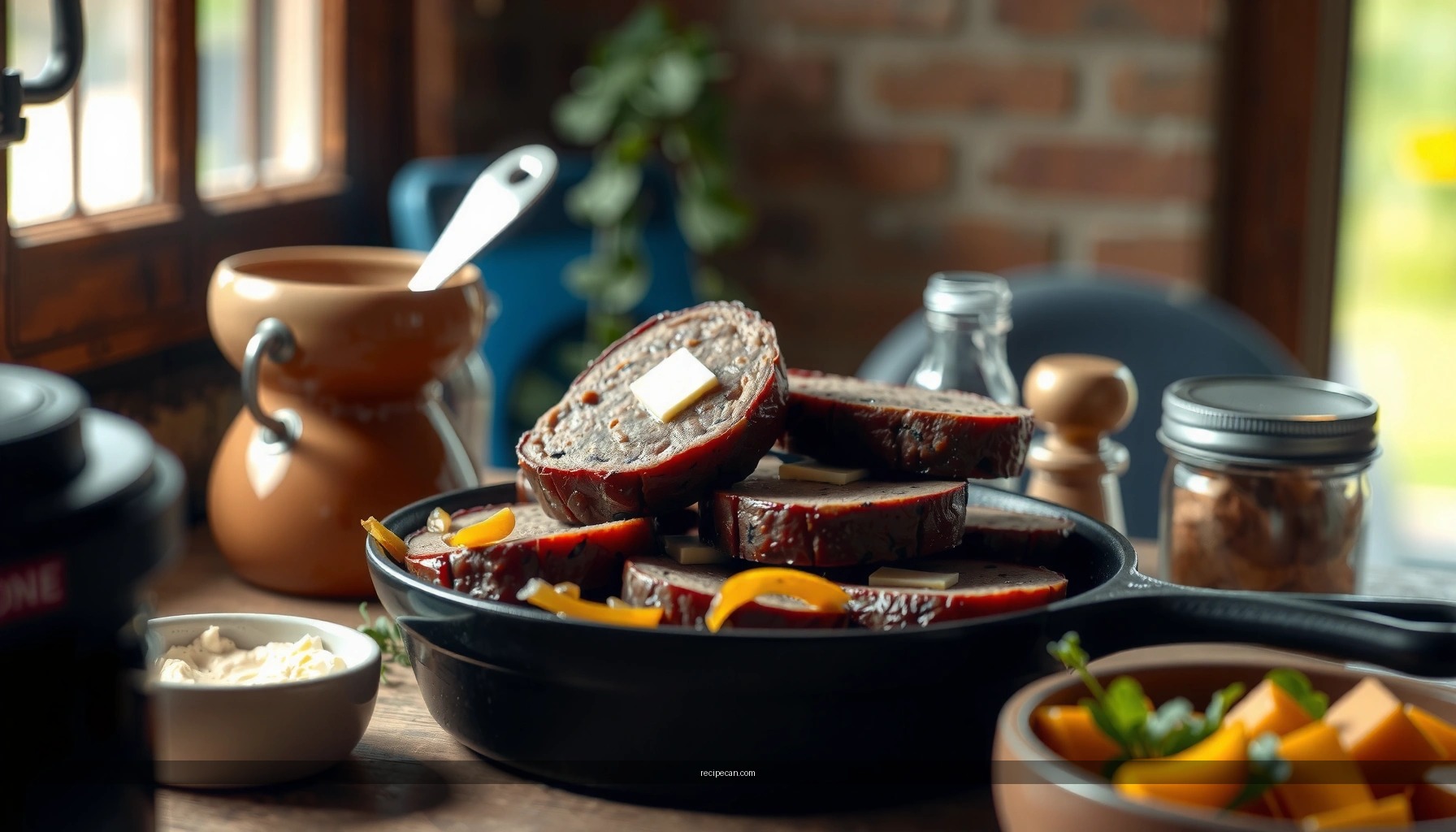
To cook, heat a frying pan until it’s hot but not smoking. You’re aiming for a strong sizzle that drives quick browning rather than long, dry frying. Place slices into the pan and sear until the first side is deeply browned—usually around 2–4 minutes depending on thickness. Flip and repeat, using low-to-medium heat so the interior warms through without burning the casing.
Low-to-medium heat matters because black pudding contains fats that render as it warms. If the heat is too high, the outside can char while the centre is still gaining temperature. When it’s ready, rest it for about a minute before serving. That brief pause improves slice integrity and helps the interior settle so every bite is hot and cohesive rather than greasy or crumbly.
Quick benchmark: thin coins often need roughly 1.5–3 minutes per side; thicker slices may need 3–5 minutes per side. If you want certainty, look for piping-hot centres and a firm-but-tender bite rather than a brittle crust.
Oven-Baked Black Pudding (Less Mess, Great Results)
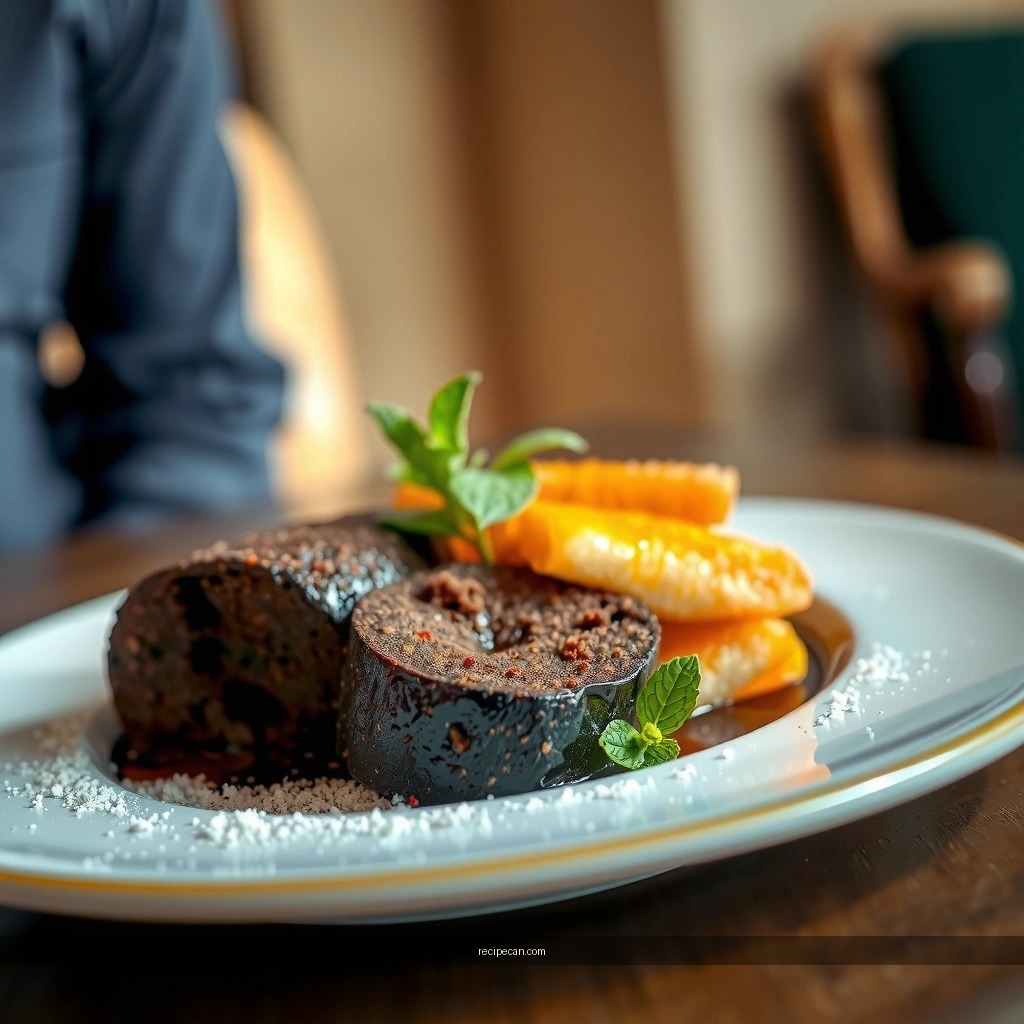
Oven-baking is ideal when you want consistent heat and minimal babysitting—especially if you’re cooking for more than two people. It’s also a strong choice if your black pudding is thick, or if you’re reheating pre-cooked slices and want even warming before crisping.
Turn halfway through for even colour. If the black pudding is fresh and you want a more authentic “fried” finish, finishing under the grill for 1–2 minutes can add the final crisp. Keep a close eye during the grill stage—black pudding can go from crisp to over-browned quickly because the top surface is exposed to direct heat.
For a more refined result, do a two-stage process: oven until warmed throughout, then brief grill to crisp the surface. This approach reduces the risk of drying out while still delivering that satisfying UK breakfast crunch.
Grilled Black Pudding (Fast and Crispy)
Grilling is the quickest route to a crisp exterior, especially for smaller slices or coins. It’s popular for brunch services and for anyone who prefers minimal cookware. The trade-off is speed: grilling can over-brown faster than pan-frying or oven-baking, so monitoring is key.
Start with a medium-high grill setting. Place slices on a rack if you have one (it helps fat drip away and promotes crisping). Grill for a short period—often around 2–4 minutes per side—until browned and visibly set. Flip once to brown both sides without drying the surface out.
The biggest mistake here is leaving it under heat too long, which can produce a bitter, overly charred casing. If your slices are thicker, consider grilling for less time per side and finishing with a brief oven warm-up, or use a lower grill setting and increase time slightly. Either way, keep the centre piping hot before serving.
If you’re cooking multiple pieces, rotate the tray or adjust position once during grilling so browning stays even. This makes grilled black pudding a reliable option even when you’re feeding a crowd.
Serving Ideas: Sides and Flavour Pairings
Black pudding’s flavour is deep, savoury, and slightly peppery—so it benefits from contrast and familiar UK comfort food. Classic pairings include creamy mash, fried eggs, sautéed onions, and crispy bacon. These sides balance richness with texture: the eggs add softness, onions add sweetness, and bacon brings a salty crunch.
If you want a modern twist while keeping it distinctly British, try apples or apple-based condiments. The sweetness cuts through the richness in a way that complements the pudding’s spiced character. Cider—either as a drizzle in a sauce or as a glaze for onions—also harmonises particularly well. Wholegrain mustard is another excellent pairing: it adds a sharp tang that lifts the meal rather than letting it sit heavy on the palate.
Use black pudding in multiple formats:
– Breakfast plates: alongside eggs, mushrooms, and tomatoes.
– Sandwiches and rolls: with caramelised onions and a thin layer of mustard.
– Hearty starters: small grilled slices with a tangy chutney or dressed salad leaves.
For a business-style hosting approach, aim for balance on the plate: one starchy element (chips or mash), one creamy element (eggs or a simple sauce), and one sharp or sweet note (mustard, apples, or onions). That structure makes black pudding feel “integrated” rather than merely added.
Cooking Tips: Timing, Texture, and Safety
Consistency comes down to two variables: internal temperature (or reliable “piping hot” doneness) and browning control. Safety is non-negotiable with any sausage-style product. Cook until the centre is properly hot—especially if you started with pre-cooked slices and are only reheating. When in doubt, reheat thoroughly rather than settling for a warm exterior.
Texture goals should be specific. Overcooking is what often causes the firm-and-tiring bite or dryness. Think “crisp outside, tender inside.” Pan-frying and grilling can both produce a more noticeable crust; just lower the heat or reduce grilling time to prevent the outside from becoming too tough.
If you’re working with pre-cooked black pudding, avoid long high-heat cooking. Instead, warm it until hot throughout, then crisp briefly—under the grill or in a hot pan for 30–90 seconds per side. This “warm then crisp” strategy protects moisture and ensures you still get a satisfying black pudding recipes UK experience: flavour-forward, cohesive, and not crumbly.
As a practical rule:
– Fresh, sliced: pan-fry (or oven-bake) until browned and hot inside.
– Pre-cooked, sliced: reheat gently first; crisp at the end.
– Thick pieces: bake longer for even heat, then crisp briefly if needed.
Conclusion
Black pudding recipes UK are easiest when you match the method to the result you want: pan-fry for classic crisp, bake for even warming with less mess, and grill for fast browning. Choose traditional sliced black pudding (not spreadable), respect thickness for timing, and cook until piping hot throughout. Then build your plate with reliable UK sides—mash, eggs, onions, and bacon—or upgrade the flavour with apples, cider, and wholegrain mustard for a truly memorable breakfast.
Frequently Asked Questions
What is the best way to cook black pudding in the UK?
The most reliable method is to pan-fry black pudding slices over medium heat for 4–6 minutes total, turning once, until the casings are crisp. If you want extra crunch, you can finish for 1–2 minutes in the oven at 200°C after pan-frying. Keep heat moderate so the inside warms through without burning the outside, especially when using thick-cut black pudding.
How do I make homemade black pudding following a traditional UK recipe?
Homemade black pudding uk recipes typically combine pork blood, suet, and finely chopped onion with oatmeal or barley, then season with salt, pepper, and warming spices like ground coriander or marjoram. The mixture is traditionally stuffed into a casing, gently simmered, and then cooled before slicing. Because blood-based recipes can be sensitive to temperature and food safety, follow a trusted black pudding recipe uk guide closely and cook until the centre reaches a safe serving temperature.
Why does black pudding sometimes taste bitter or too strong?
A bitter or overly strong flavour usually comes from overcooking, using blood that’s past its best, or uneven seasoning. If you’re pan-frying, avoid high heat—burning the exterior can intensify bitterness. For milder results, pair your black pudding with sweet accompaniments like apple or caramelised onions, which balance the robust taste without masking it.
Which sides go best with black pudding for a classic full English breakfast?
Black pudding is a staple for a full English breakfast in the UK, and it pairs especially well with fried eggs, back bacon, and grilled tomatoes. For extra contrast, serve with sautéed mushrooms and a spoon of beans, and add toast or breakfast potatoes to soak up the flavours. If you want a more traditional butcher-style plate, keep sides simple so the black pudding recipe highlights the savoury, spiced profile.
Can I bake black pudding instead of frying, and what temperature should I use?
Yes—baking is a convenient alternative to traditional pan-frying and can help you cook black pudding evenly. Bake sliced black pudding on a tray at around 200°C (fan 180°C) for 10–15 minutes, turning halfway if you want crisp edges. For best results, lightly oil the tray and avoid overcrowding so the casing can crisp rather than steam.
References
- Black pudding
https://en.wikipedia.org/wiki/Black_pudding - Black pudding | Description, History, Blood Sausage, & Uses | Britannica
https://www.britannica.com/topic/black-pudding - Google Scholar Google Scholar
https://scholar.google.com/scholar?q=black+pudding+recipe+UK - Google Scholar Google Scholar
https://scholar.google.com/scholar?q=black+pudding+history+blood+sausage+baking+UK - Google Scholar Google Scholar
https://scholar.google.com/scholar?q=British+black+pudding+traditional+method+ingredients - https://www.bbc.co.uk/food/black-pudding
https://www.bbc.co.uk/food/black-pudding - https://www.theguardian.com/food/series/how-to-cook-the-perfect/black-pudding
https://www.theguardian.com/food/series/how-to-cook-the-perfect/black-pudding - https://www.cdc.gov/foodsafety/food-safety-basics.html
https://www.cdc.gov/foodsafety/food-safety-basics.html - Google Scholar Google Scholar
https://scholar.google.com/scholar?q=black+pudding+recipes+uk - black pudding recipes uk – Search results
https://en.wikipedia.org/wiki/Special:Search?search=black+pudding+recipes+uk