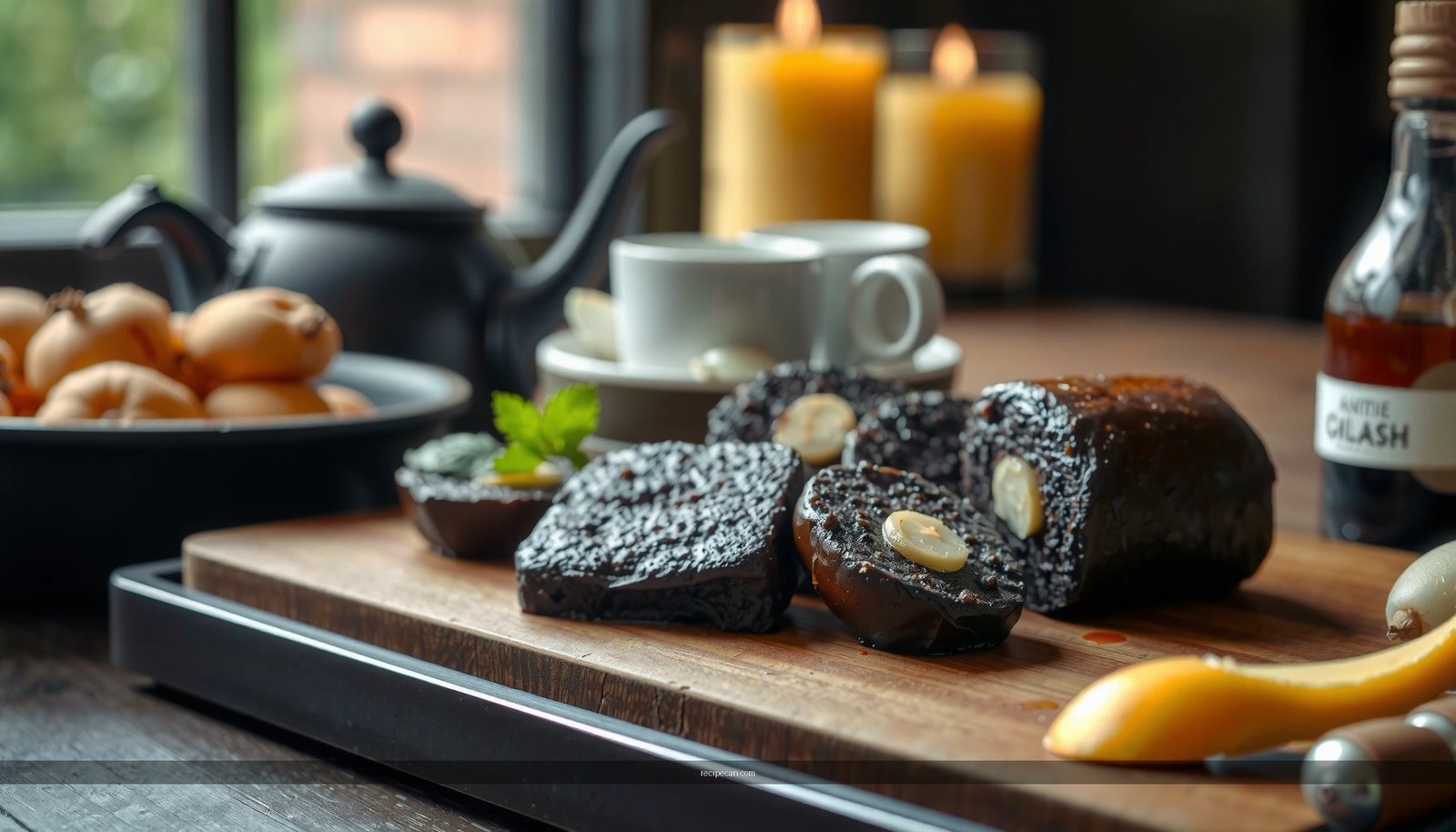
Find the best black pudding recipes by choosing the classic cooking method that delivers the ideal crisp-on-the-outside, creamy-on-the-inside texture. This guide tells you exactly how to pan-fry, bake, or grill black pudding for the outcomes that matter—golden color, clean slices, and no dry bite. Follow it and you’ll know what to serve with black pudding, whether you want a traditional breakfast or a hearty main.
Black pudding is easiest to get right when you match the heat method to the texture you want—crisp outside, warm inside—using consistent slicing and controlled temperatures. This guide walks you through reliable pan-frying, oven-baking, grilling, and air-frying approaches, then pairs black pudding with classic accompaniments so every batch tastes intentional, not accidental.
What Black Pudding Is and What You Need
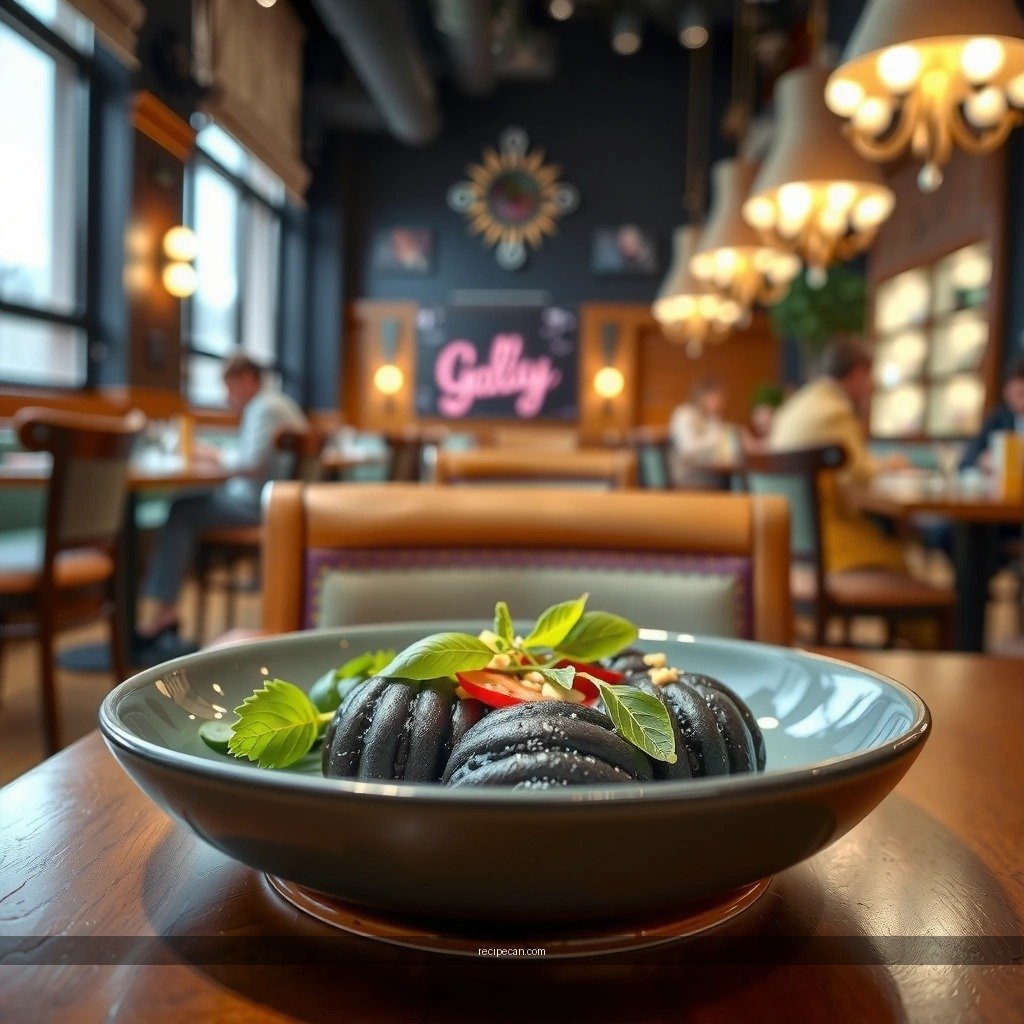
Black pudding is a traditional savory dish made from animal blood, fat, and oats or barley, seasoned and cooked into a dense, sliceable pudding. Because it’s typically sold in firm rounds or links, your job is largely to heat it evenly and develop flavor through browning—not to “cook it from scratch” unless the product explicitly states it’s raw.
1) Know the typical ingredients and expected texture
– Blood + fat provide richness and a velvety mouthfeel when warmed correctly.
– Oats/barley act like a binder and give a hearty bite.
– When cooked properly, black pudding should show crisp edges (from caramelization) while the center becomes hot and tender, not rubbery or dry.
2) Check whether your black pudding is raw or pre-cooked
Most black pudding sold in supermarkets and specialty butchers is fully cooked during manufacture and only needs reheating. However, some products may be labelled raw or uncooked.
– If it’s pre-cooked, you’re aiming for browning + internal warming.
– If it’s raw, use a method with more controlled, longer heat and follow packaging instructions closely for food safety.
3) Gather simple kitchen staples for safe, consistent cooking
You don’t need complicated equipment. For classic black pudding recipes, have:
– A sharp knife and a cutting board
– Non-stick pan or well-seasoned skillet
– Baking tray for oven methods
– Tongs/spatula for flipping
– Oil/butter (in small amounts)
– A thermometer if you want precision (optional, but helpful for raw product)
A practical quick-check before cooking: pat the surface dry with paper towel if it looks moist—this improves browning and reduces splatter.
Best Black Pudding Cooking Methods by Outcome (Pre-Cooked Rounds)
| # | Method | Temp/Heat Setting | Typical Time | Texture Goal | Rating |
|---|---|---|---|---|---|
| 1 | Pan-fry (sliced) | Medium (170–190°C pan surface) | 2–4 min/side | Crisp edges, hot center | ★★★★☆ |
| 2 | Oven-bake (thick slices) | 200°C / 400°F | 12–18 min | Even warming, firm slice | ★★★☆☆ |
| 3 | Grill (direct heat) | High (close to heat) | 2–4 min/side | Quick browning | ★★★☆☆ |
| 4 | Air-fry (sliced) | 190–200°C | 8–12 min | Crisp without extra oil | ★★★★☆ |
| 5 | Shallow reheat (lid on) | Low-medium | 6–10 min total | Gentle warming | ★★☆☆☆ |
| 6 | Steaming (soft reheat) | Gentle steam | 10–15 min | Moist but less crisp | ★☆☆☆☆ |
| 7 | Microwave (speed) | High, short bursts | 30–90 sec total | Fast heat, texture soft | ☆☆☆☆☆ |
Classic Pan-Fried Black Pudding Recipe
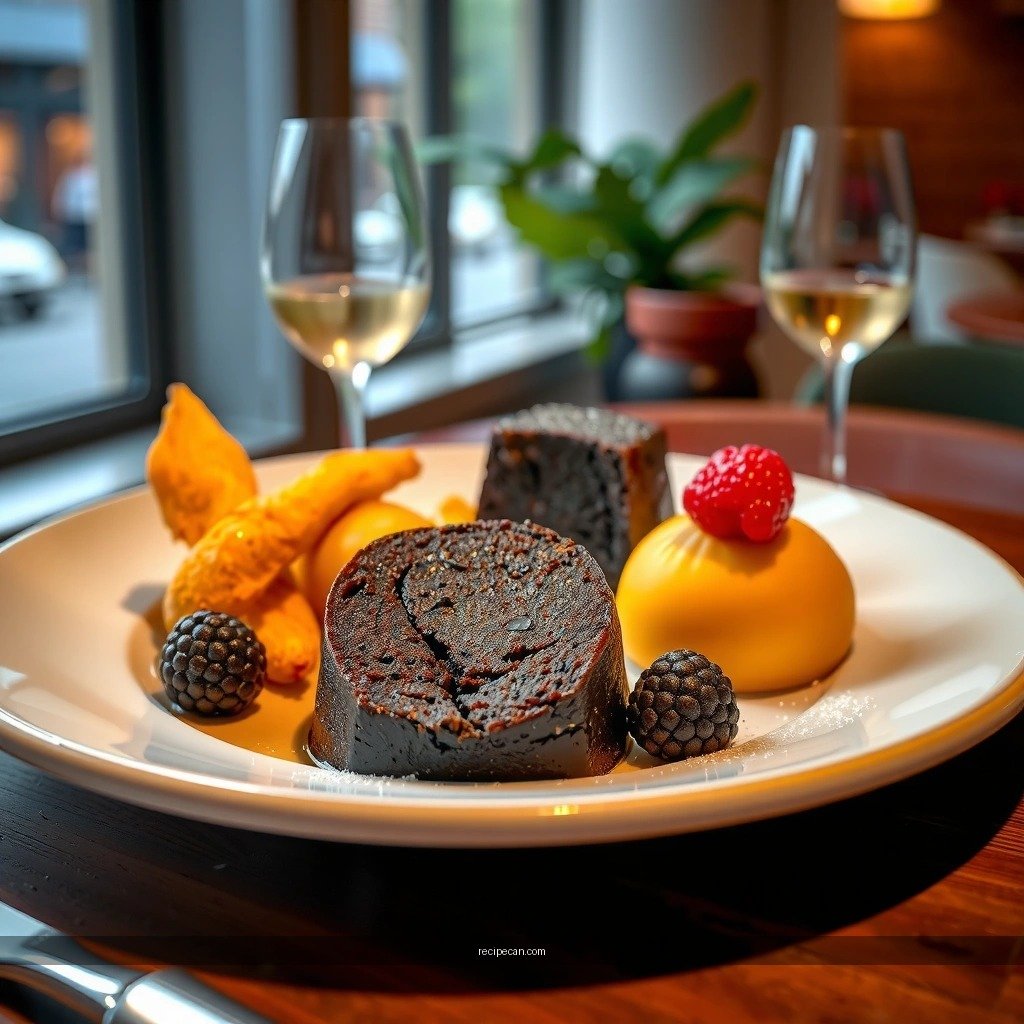
Pan-frying is the most reliable route to the signature crispy exterior that makes black pudding taste rich rather than heavy. It’s also ideal for breakfast services where you want portions ready quickly and consistently.
Ingredients (for 2–3 servings)
– Black pudding rounds or thick slices (pre-cooked preferred)
– 1–2 tsp butter or neutral oil (optional, depending on brand)
– Pinch of black pepper (optional)
Method
1. Slice evenly: aim for slices about 1 cm thick so the outside and center heat at the same rate.
2. Heat pan to medium: wait until the surface shimmers. Too hot burns the casing before the center warms.
3. Sear 2–4 minutes per side: place pudding in the pan and leave it undisturbed until you see browning at the edges.
4. Add butter for flavor: if using butter, add it once the slices are already sizzling so it doesn’t brown too fast.
5. Check doneness by feel: the center should be hot throughout; edges should look crisp rather than pale.
Professional serving tips
– Serve immediately, because crispness declines as slices cool.
– For large batches, pan-fry first, then hold on a warm plate briefly—avoid covering tightly, which steams the crust.
Classic pairings
– Eggs + black pudding: fried or poached eggs cut through the richness with acidity from yolk.
– Mash or roasted potatoes: starchy sides make the dish feel fully balanced.
– Apples or apple compote: sweetness and tartness counter the savory depth.
Oven-Baked Black Pudding Recipe
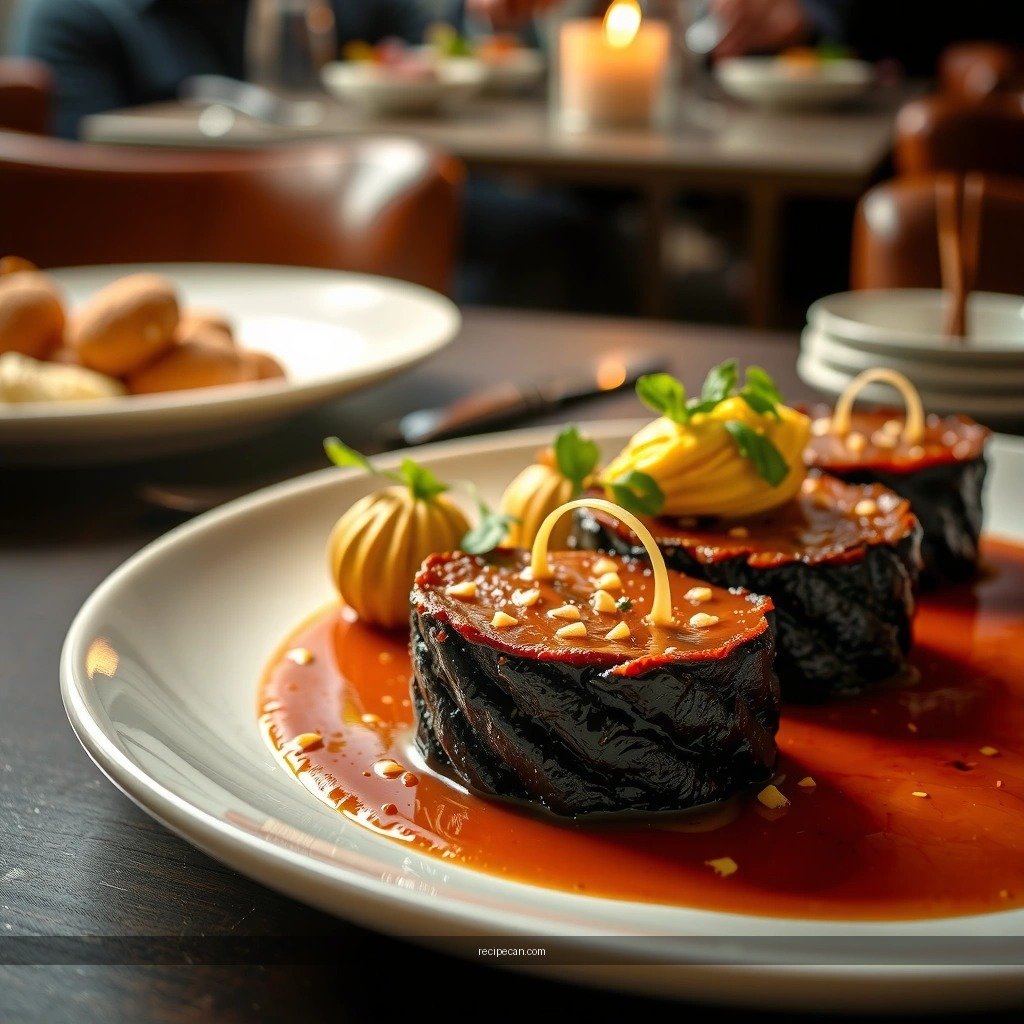
Oven-baking is excellent when you want hands-off cooking and even warming, especially for thicker slices or when making black pudding as part of a larger meal plan.
Method
1. Preheat to 200°C / 400°F. Consistent heat matters more than time guesswork.
2. Prep the tray: line a baking tray and lightly coat with a thin layer of oil or smear with butter.
3. Arrange with spacing: don’t stack slices—airflow helps surfaces brown.
4. Bake 12–18 minutes (depends on thickness and brand).
5. Rest briefly (2 minutes): this firms the interior so slices stay cohesive when plated.
Texture guidance
– Baking tends to create a firmer slice with less aggressive crisping than pan-frying.
– If you want more color, bake longer and finish with a quick 2–3 minute broil step (watch closely to prevent burning).
What to serve with baked black pudding
– Roasted potatoes + greens for a hearty, traditional plate.
– Cider or onion gravy for a restaurant-style finish.
Grilled or Air-Fryer Black Pudding Recipe
If you need speed without sacrificing quality, grilling and air-frying are your best tools. Both deliver a crisp surface faster than baking, while still warming the interior thoroughly.
Grilled black pudding (direct heat)
Method
1. Preheat grill to high and oil the grates lightly if needed.
2. Place slices on the grill and cook 2–4 minutes per side.
3. Flip once halfway to avoid tearing and uneven browning.
Avoid steaming: keep the slices spread out and don’t close the lid too long if your grill traps moisture.
Air-fryer black pudding (quick crisp finish)
Method
1. Preheat if your model recommends it.
2. Arrange slices in the basket with space between them.
3. Air-fry at 190–200°C for 8–12 minutes, flipping at about halfway.
Consistency tips
– If using thinner slices, reduce time—air fryers brown quickly once surfaces dry.
– Lightly coat with oil only if your product is particularly dry; many brands already release enough fat during cooking.
Serving ideas that work especially well
– Breakfast baps: tuck in a warm slice and top with a swipe of mustard or pickled onions.
– Salads with warm centers: black pudding brings depth to bitter leaves like rocket and adds satisfying texture.
Flavor Variations and Serving Ideas
Once you master the core cooking techniques, black pudding becomes a versatile ingredient—dark, savory, and highly compatible with sweet, tangy, and sharp flavors.
Toppings and sauces (high-impact options)
– Caramelized onions: long-simmered onions add sweetness and reduce bitterness, making the pudding taste less “metallic” and more rounded.
– Mustard (English or Dijon): a tangy kick lifts richness; use it as a thin layer to avoid overpowering.
– Cider sauce: adds fruity acidity that complements the natural savory depth.
Side combinations (balanced plates)
– Roasted potatoes: crisp potatoes mirror the crisp edges of pan-fried slices.
– Greens or cabbage: bitterness and crunch keep the meal from feeling heavy.
– Crusty bread: ideal for soaking up pan juices or gravy—especially for brunch-style service.
Creative serving formats
– Breakfast baps: black pudding + fried egg + caramelized onions is a classic “pub to plate” upgrade.
– Hearty salad topping: warm slices over mixed greens with a cider vinaigrette creates contrast between hot and cool elements.
Portioning guidance
For most adult servings, 1 thick slice (or 2 thinner slices) plus a robust side is enough. If serving as a starter, use smaller portions and focus on sauce quality.
Troubleshooting: Common Black Pudding Mistakes
Even experienced cooks run into issues—usually because the heat is mismanaged or timing is off. Here’s how to prevent the most common problems.
1) Burning on the outside
– Cause: pan too hot or slices too thin.
– Fix: reduce heat to medium and cook gradually. Crisping needs time, not high flame.
2) Dry or crumbly texture
– Cause: overcooking, especially in dry methods like microwaving or prolonged air-frying.
– Fix: warm gently. If already cooked, reheat briefly until just hot rather than trying to “re-crisp” every time.
3) Pale, unappetizing surface
– Cause: insufficient heat or a wet surface.
– Fix: pat slices dry and preheat the pan/air fryer thoroughly.
4) How to tell it’s ready (without guesswork)
– Look for crisp edges and a deep, appetizing browned color.
– The center should be piping hot and feel tender, not firm and cold.
When you use the right method—pan-frying for crispness, baking for even heating, or grilling/air-frying for speed—you’ll get great black pudding every time. Pick one recipe above, follow the timing and heat tips, and then try a serving variation to find your favorite combination.
If you’d like, tell me whether your black pudding is pre-cooked or raw and roughly how thick your slices are—and I’ll suggest exact timings for pan-fry, oven, and air-fryer to match your product.
Frequently Asked Questions
What is the best way to make black pudding at home without casing splitting?
To prevent black pudding recipes from splitting, keep the mixture at a uniform, warm temperature and avoid overmixing the offal and fat until it becomes paste-like. Use a sturdy hog casing (or equivalent) that’s been rinsed well, and fill it with a firm but not overly tight pressure. Poach gently (never a hard boil) until set, then cool slowly before slicing—rapid temperature changes can cause casing failure.
How do you cook black pudding so it doesn’t become dry or rubbery?
The best results come from gentle pan-frying or baking rather than high-heat boiling. If pan-frying, cook over medium heat with a little oil or butter and allow the pudding to brown gradually, turning occasionally. For baking, cook at moderate oven temperatures until warmed through, then rest briefly so the fat in your black pudding recipe re-emulsifies for a tender texture.
Why do black pudding recipes sometimes taste bitter, and how can you fix it?
Bitterness often comes from over-rendering the fat, using blood that’s not fresh, or using too much herb/seasoning like black pepper and herbs without balance. If your first batch tastes harsh, try adjusting the seasoning next time by adding a touch more salt, sweetness (traditionally apple or onion notes), or warming spices to round out flavors. Also ensure the mixture is cooked gently; aggressive heat can intensify off-notes in certain black pudding recipes.
Which ingredients are essential for traditional black pudding, and what substitutions can work?
Most authentic black pudding recipes rely on blood, fat (suet), oatmeal or grain filler, onions, and seasoning such as salt and spices. If you can’t source traditional cereal, you can use alternatives like finely ground oats or barley-based fillers, but keep the consistency similar so the pudding sets properly. For dietary or sourcing constraints, substitutions should focus on maintaining texture—replacing both the blood and filler often changes the set and taste significantly.
Can you freeze and reheat black pudding, and what’s the best method?
Yes—black pudding freezes well when cooled completely and stored in airtight portions, which makes it convenient for quick breakfasts. Reheat from chilled or frozen by pan-frying on medium-low or warming in the oven until heated through, avoiding aggressive boiling that can dry the texture. For best results with your black pudding recipes, reheat briefly and rest for a minute so slices stay juicy rather than crumbly.
References
- Black pudding
https://en.wikipedia.org/wiki/Black_pudding - Blood sausage
https://en.wikipedia.org/wiki/Blood_sausage - Black pudding | Description, History, Blood Sausage, & Uses | Britannica
https://www.britannica.com/topic/black-pudding - https://pubmed.ncbi.nlm.nih.gov/?term=black+pudding
https://pubmed.ncbi.nlm.nih.gov/?term=black+pudding - https://pubmed.ncbi.nlm.nih.gov/?term=blood+sausage+manufacturing
https://pubmed.ncbi.nlm.nih.gov/?term=blood+sausage+manufacturing - Google Scholar Google Scholar
https://scholar.google.com/scholar?q=black+pudding+recipe - Google Scholar Google Scholar
https://scholar.google.com/scholar?q=blood+sausage+traditional+recipe - Google Scholar Google Scholar
https://scholar.google.com/scholar?q=black+pudding+food+science - black pudding – Search Results – PMC
https://www.ncbi.nlm.nih.gov/pmc/?term=black+pudding - blood sausage processing – Search Results – PMC
https://www.ncbi.nlm.nih.gov/pmc/?term=blood+sausage+processing