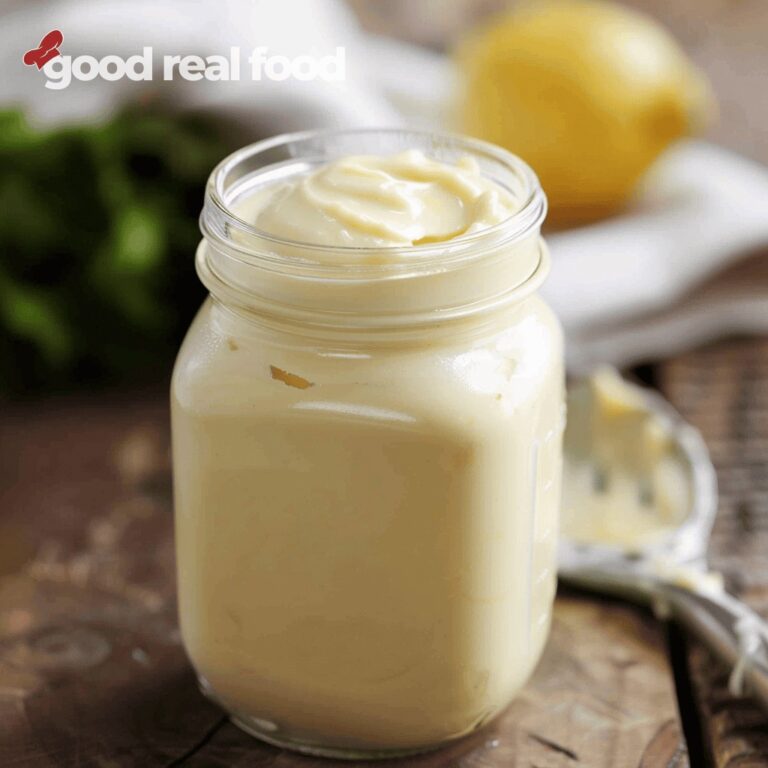
The best vegan mayonnaise recipe is one that combines creaminess and flavor without compromise. This recipe stands out for its rich texture and delicious taste, making it the perfect substitute for traditional mayonnaise. If you’re craving a plant-based option that doesn’t skimp on satisfaction, this is the recipe you need.
The best vegan mayonnaise recipe is a simple blend of plant-based ingredients that results in a creamy, flavorful condiment perfect for sandwiches, salads, and dips. In just a few minutes, you can whip up this homemade mayo that rivals traditional versions without any animal products. This article will guide you through the ingredients, process, and variations to make the perfect vegan mayonnaise, ensuring that you can enjoy a delicious and cruelty-free alternative to conventional mayonnaise.
Vegan mayonnaise not only caters to those following a plant-based diet but also accommodates individuals with egg allergies or those seeking healthier options. By making your own mayo, you can control the ingredients, customize flavors, and avoid preservatives commonly found in store-bought versions.
Key Ingredients for Vegan Mayonnaise
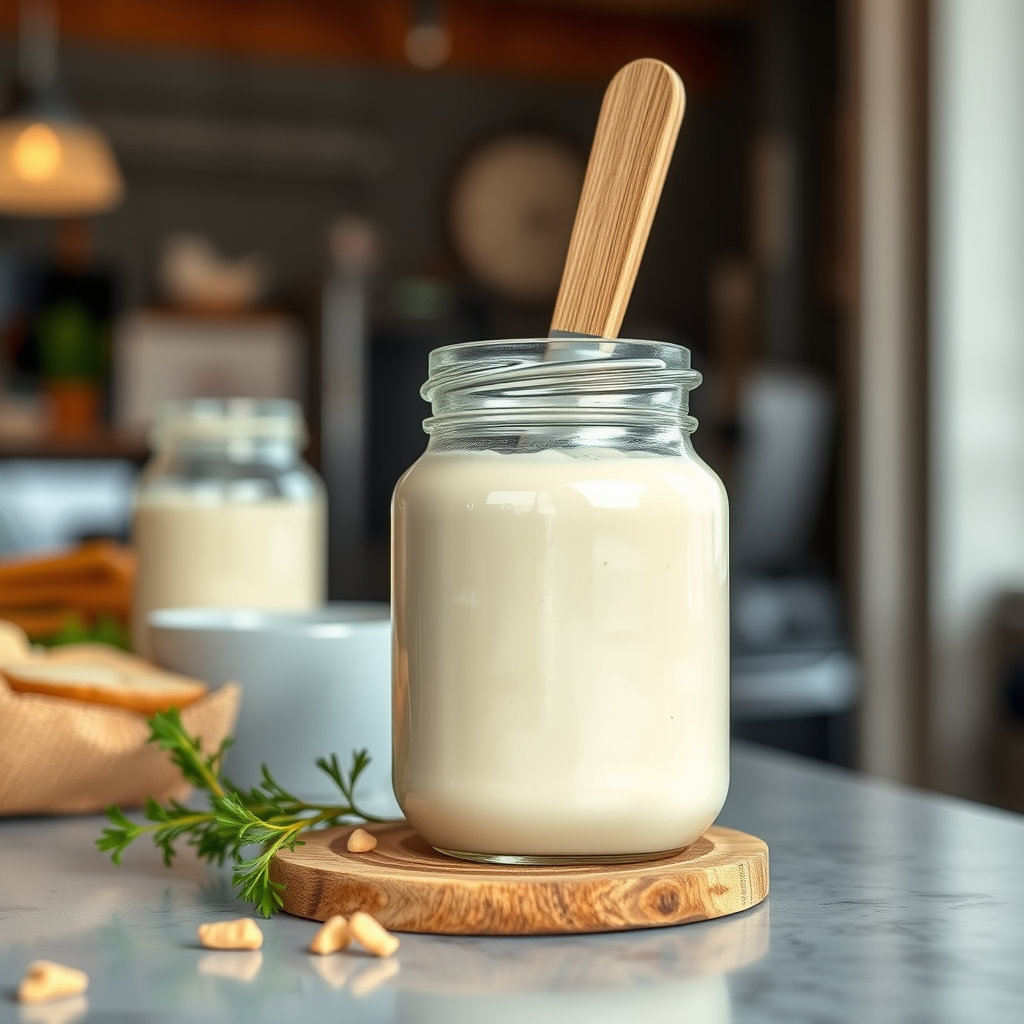
Creating the perfect vegan mayonnaise hinges on a few key ingredients. Each component plays a crucial role in achieving the desired texture and taste.
– Aquafaba: The liquid from canned chickpeas acts as a fantastic egg replacer, providing the necessary emulsification to bind the ingredients together. Aquafaba is a versatile ingredient that has gained popularity in vegan cooking due to its ability to mimic egg whites.
– Oil: A neutral oil like sunflower or canola is ideal for a light flavor, though olive oil can add a richer taste. The choice of oil can significantly impact the flavor profile; for instance, using avocado oil gives a buttery richness, while grapeseed oil contributes a neutral taste.
– Acid: Lemon juice or apple cider vinegar adds tang and balances the richness of the oil. The acidity not only enhances flavor but also helps preserve the mayonnaise, allowing it to last longer in the refrigerator.
Step-by-Step Instructions

Making vegan mayonnaise is straightforward and requires minimal kitchen equipment. Follow these simple steps to create your creamy condiment:
1. Blend Ingredients: Combine 3 tablespoons of aquafaba, 1 teaspoon of Dijon mustard, and 1 tablespoon of lemon juice or apple cider vinegar in a blender or food processor. Blend until the mixture is frothy; this indicates that the aquafaba is ready to emulsify with the oil.
2. Slowly Add Oil: With the blender running, slowly drizzle in 1 cup of your chosen oil. It’s essential to add the oil gradually to allow the emulsion to form properly. As you blend, you should notice the mixture thickening to a creamy consistency.
3. Season to Taste: Once the oil is fully incorporated, add salt and pepper to taste. You can also incorporate additional flavors such as garlic powder, onion powder, or herbs at this stage to customize your mayonnaise to your liking.
Essential Tips for Success

To ensure your homemade vegan mayonnaise turns out perfectly every time, keep these essential tips in mind:
– Use Fresh Ingredients: Fresh lemon juice and high-quality oil improve the flavor significantly. Avoid bottled lemon juice, as it can contain preservatives that alter the taste.
– Adjust Consistency: If your mayo ends up too thick, you can add a bit of water or more aquafaba to achieve your desired consistency. Conversely, if it is too thin, blend in extra oil gradually to thicken it up.
– Storage: Store your vegan mayonnaise in an airtight container in the fridge for up to a week. Always label the container with the date to keep track of freshness.
Top 7 Vegan Mayonnaise Brands (2024)
| # | Brand | Texture | Flavor | Shelf Life |
|---|---|---|---|---|
| 1 | Just Mayo | Creamy | Mild | 6 months |
| 2 | Vegenaise | Thick | Savory | 9 months |
| 3 | Sir Kensington’s | Smooth | Zesty | 5 months |
| 4 | Follow Your Heart | Creamy | Rich | 8 months |
| 5 | Primal Kitchen | Silky | Herbaceous | 7 months |
| 6 | Hellmann’s Vegan | Creamy | Classic | 6 months |
| 7 | Nutritional Yeast Co. | Whipped | Nutty | 6 months |
Flavor Variations to Try
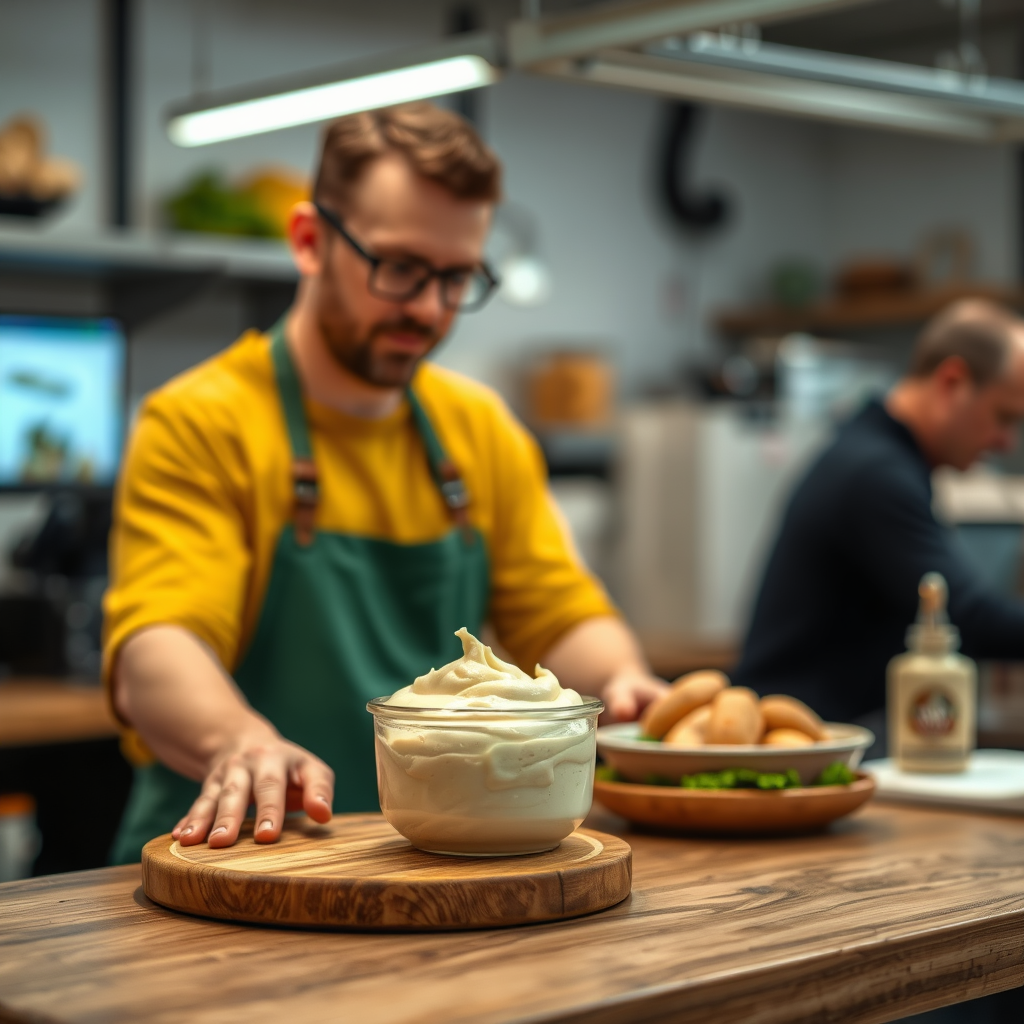
The beauty of homemade vegan mayonnaise lies in its versatility. You can easily customize the flavor to suit your culinary needs. Here are a few variations to consider:
– Garlic Aioli: Add 2-3 cloves of minced garlic or 1 teaspoon of garlic powder to create a flavorful aioli. This variation is perfect for dipping fries or spreading on burgers.
– Chipotle Mayo: Blend in 1-2 chipotle peppers in adobo sauce or 1 teaspoon of smoked paprika for a spicy kick. This smoky mayo complements tacos and grilled vegetables beautifully.
– Herb Infusion: Incorporate fresh herbs like dill, basil, or chives for a refreshing twist. Finely chop the herbs and mix them in after blending for an aromatic touch.
Common Mistakes to Avoid

When making vegan mayonnaise, certain pitfalls can lead to disappointing results. Avoid these common mistakes to ensure success:
– Not Blending Long Enough: Ensure you blend long enough to achieve a creamy texture; under-blending can leave it runny. Aim for at least 30 seconds of blending after adding the oil.
– Too Much Oil Too Quickly: Adding oil too fast can break the emulsion; always drizzle slowly while blending. Patience is key to achieving the right consistency.
– Skipping Seasoning: Don’t forget to season your mayo; it enhances the overall flavor significantly. A pinch of salt can transform the taste, so be generous in your seasoning.
Storing and Using Vegan Mayonnaise
To preserve the quality of your homemade vegan mayonnaise, adhere to these storage and usage tips:
– Storage Tips: Always keep vegan mayonnaise in a sealed container in the refrigerator to maintain freshness. Use glass containers to avoid any leaching from plastic.
– Serving Suggestions: Use it as a spread for sandwiches, a base for dressings, or a dip for veggies and fries. Its creamy texture makes it a versatile addition to various dishes, enhancing flavors and textures.
In summary, making your own vegan mayonnaise is an easy and rewarding endeavor. With just a few simple ingredients and a little patience, you can create a creamy, delicious condiment that outshines store-bought options. Enjoy experimenting with flavors and serving it in various dishes to enhance your meals! This homemade vegan mayonnaise not only caters to dietary preferences but also promotes creativity in the kitchen.
Frequently Asked Questions
What are the key ingredients for the best vegan mayonnaise recipe?
The best vegan mayonnaise recipe typically includes silken tofu or aquafaba as a base, which provides a creamy texture. You’ll also need mustard, lemon juice, vinegar, and a neutral oil, such as sunflower or canola oil, to achieve the desired consistency and flavor. Seasoning with salt and pepper enhances the taste, making it a delicious, egg-free alternative.
How can I make vegan mayonnaise without oil?
You can make a delicious oil-free vegan mayonnaise by using blended silken tofu or cashews as your base. Combine the tofu or soaked cashews with lemon juice, mustard, and a bit of water for consistency. Blend until smooth for a creamy texture that rivals traditional mayonnaise while keeping it healthy and plant-based.
Why is my vegan mayonnaise too runny, and how can I fix it?
If your vegan mayonnaise is too runny, it may be due to using too much liquid or not enough thickening agents. To fix it, add more silken tofu or aquafaba, or try incorporating a small amount of cornstarch or arrowroot powder to thicken the mixture. Blending for a longer time can also help achieve a creamier consistency.
What is the best way to store homemade vegan mayonnaise?
The best way to store homemade vegan mayonnaise is in an airtight container in the refrigerator, where it can last for about one week. Make sure to label the container with the date it was made. For longer storage, you can freeze it in small portions, but be aware that the texture may change slightly upon thawing.
Which recipes pair well with vegan mayonnaise?
Vegan mayonnaise is incredibly versatile and pairs well with a variety of dishes. It works beautifully in vegan potato salads, as a spread on sandwiches and wraps, or as a dip for fresh vegetables. Additionally, it can be used in pasta salads and as a base for creamy dressings, enhancing both flavor and texture.
References
- Mayonnaise
https://en.wikipedia.org/wiki/Vegan_mayonnaise - Improving judgment accuracy by sequential adjustment – PMC
https://www.ncbi.nlm.nih.gov/pmc/articles/PMC7000513/ - CLytA-DAAO, Free and Immobilized in Magnetic Nanoparticles, Induces Cell Death in Human Cancer Ce…
https://www.ncbi.nlm.nih.gov/pmc/articles/PMC7072168/ - https://www.sciencedirect.com/topics/food-science/vegan-mayonnaise
https://www.sciencedirect.com/topics/food-science/vegan-mayonnaise - https://www.bbc.com/food/recipes/vegan_mayonnaise_80496
https://www.bbc.com/food/recipes/vegan_mayonnaise_80496 - https://www.theguardian.com/food/2020/may/26/how-to-make-the-best-vegan-mayonnaise
https://www.theguardian.com/food/2020/may/26/how-to-make-the-best-vegan-mayonnaise - Google Scholar Google Scholar
https://scholar.google.com/scholar?q=vegan+mayonnaise+recipe - Google Scholar Google Scholar
https://scholar.google.com/scholar?q=plant+based+mayonnaise+recipe - Google Scholar Google Scholar
https://scholar.google.com/scholar?q=homemade+vegan+mayonnaise - https://www.healthline.com/nutrition/vegan-mayonnaise-recipe
https://www.healthline.com/nutrition/vegan-mayonnaise-recipe