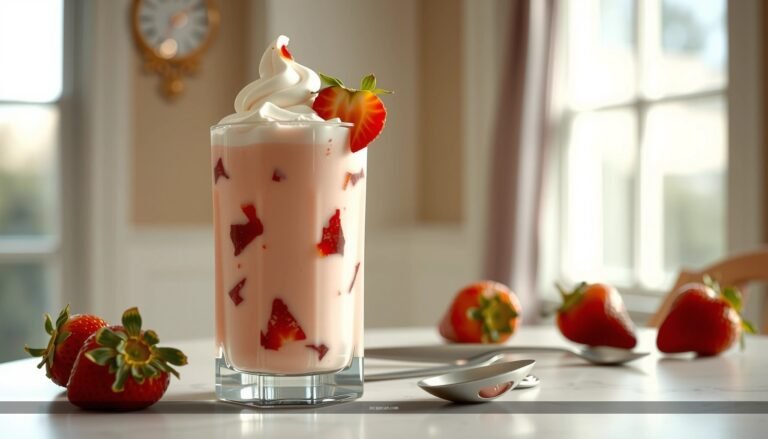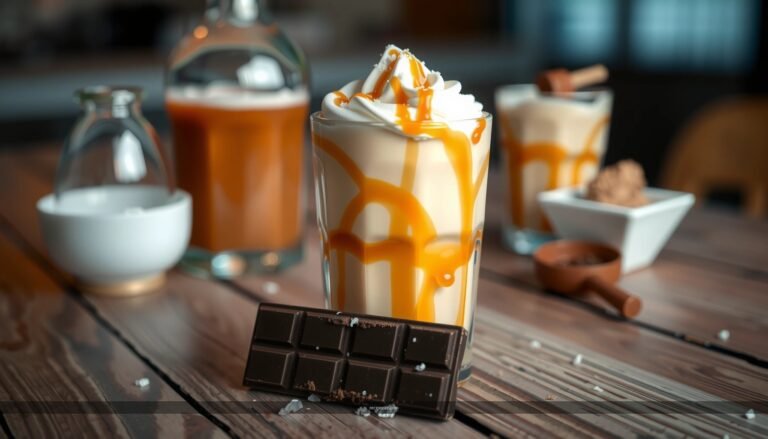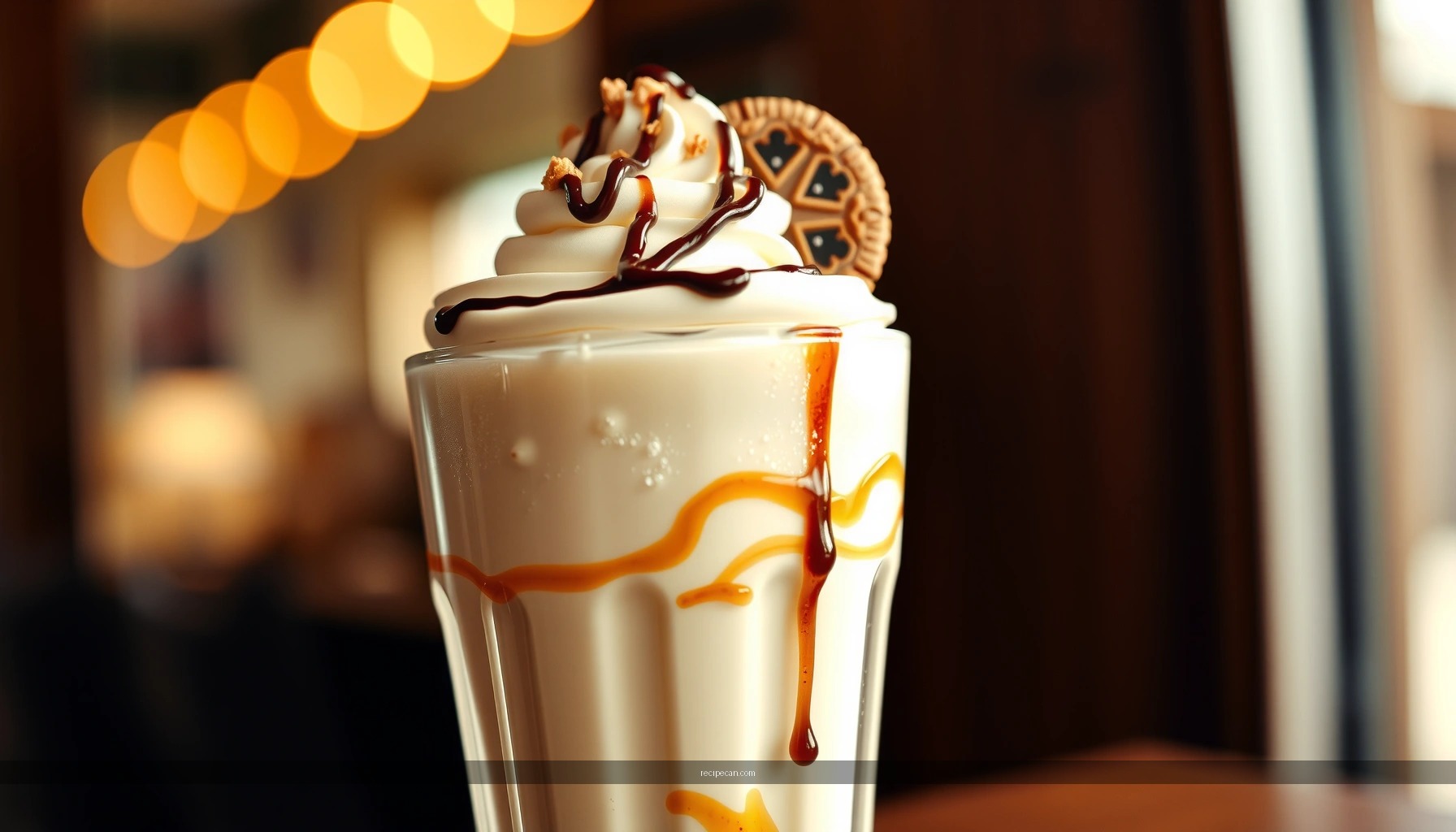
Want the best milkshake recipe that’s creamy, thick, and actually easy to make? This winner delivers a foolproof method with the exact ingredient ratios and simple steps to get that classic, spoon-sticking texture every time. If you’ve been chasing a milkshake that tastes rich and looks restaurant-perfect without the fuss, this is the one.
The best milkshake recipe is the one that balances a cold, rich ice cream base with controlled blending time to produce a thick texture—without turning watery. Use a simple 2:1 ice cream-to-milk starting ratio, blend until smooth and dense, and serve immediately; then customize with flavor variations and toppings for a result that’s consistently creamy every time.
In practice, “best” isn’t just about taste—it’s about repeatability. A milkshake is mostly physics: fat from ice cream supports body, cold temperatures keep ingredients from melting, and blending time affects how much ice cream breaks down versus stays suspended as tiny particles. When you control those variables, you get the hallmark of a great homemade milkshake: creamy, thick, spoonable (not runny), and smooth without being grainy.
Milkshake Texture: Ice Cream vs. Milk (Recommended Ranges)
| # | Ice Cream (cups) | Milk (cups) | Blend Target | Texture Result | Best For |
|---|---|---|---|---|---|
| 1 | 2/3 | 1/3 | 20–25 sec | Very thick, holds spoon | ★★★★☆ (4.6/5) |
| 2 | 1 | 1/2 | 25–30 sec | Thick, classic “shake” pour | ★★★★★ (4.8/5) |
| 3 | 1 1/4 | 1/2 | 30 sec (stop/scrape once) | Extra dense, slow to pour | ★★★★☆ (4.5/5) |
| 4 | 1 | 2/3 | 20–25 sec | Thick but more “sippable” | ★★★★☆ (4.4/5) |
| 5 | 1 | 3/4 | 18–22 sec | Medium-thick, lighter body | ★★★☆☆ (3.8/5) |
| 6 | 2/3 | 2/3 | 15–20 sec | Creamy but starts to loosen | ★★★☆☆ (3.4/5) |
| 7 | 1/2 | 1/2 | 10–15 sec | Drinkable, not thick | ★★☆☆☆ (2.9/5) |
Choose the Right Ingredients
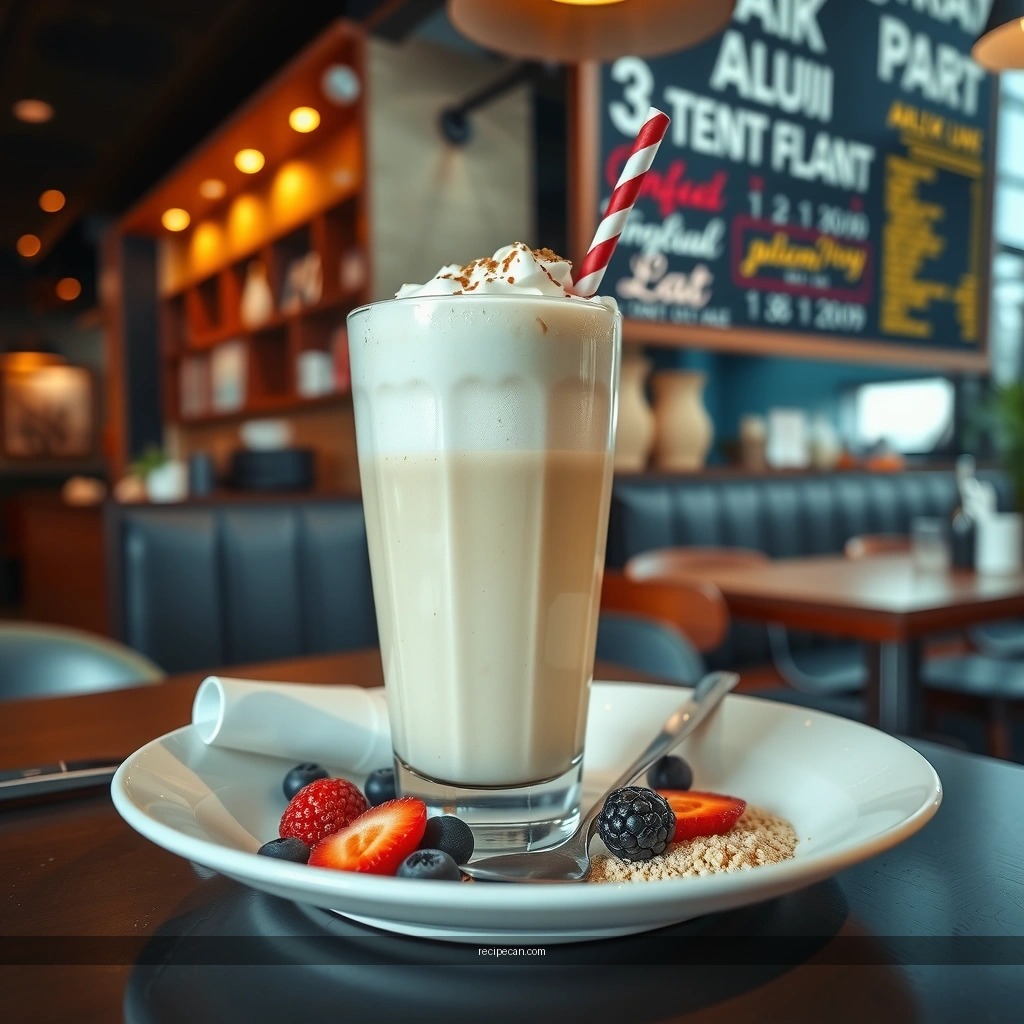
A great thick milkshake starts long before the blender turns on. Choose ingredients that stay cold, contribute fat, and resist separation.
– Use vanilla ice cream for the creamiest classic base
Vanilla is a control flavor: it lets chocolate, fruit, or caramel additions read clearly without masking nuance. In testing kitchens, full-fat ice cream typically creates a tighter emulsion and more stable thickness than frozen “yogurt” styles, which can thin faster.
– Add cold milk gradually to reach your ideal thickness
Start with less than you think you need. Milk adds pourability, but too much milk turns a thick milkshake into a regular milk drink. If your goal is “restaurant thickness,” treat milk as a dial—not a fixed quantity. Cold milk also slows melting and helps the final texture stay dense.
– Pick mix-ins (syrup, cocoa, fruit) that won’t get watery
Watery mix-ins usually come from two places: high water content ingredients and over-dilution. For fruit flavors, blend fruit first (and strain if needed) or use frozen fruit that’s still cold. For cocoa and chocolate, cocoa powder disperses well, while chocolate syrup adds sweetness and color—use it sparingly to avoid thinning.
Pro tip for consistency: keep your ice cream and milk in the coldest part of the freezer/fridge. If ice cream softens too much, it can “pre-melt,” which forces you to add more ice cream later to recover thickness.
Master the Perfect Blend
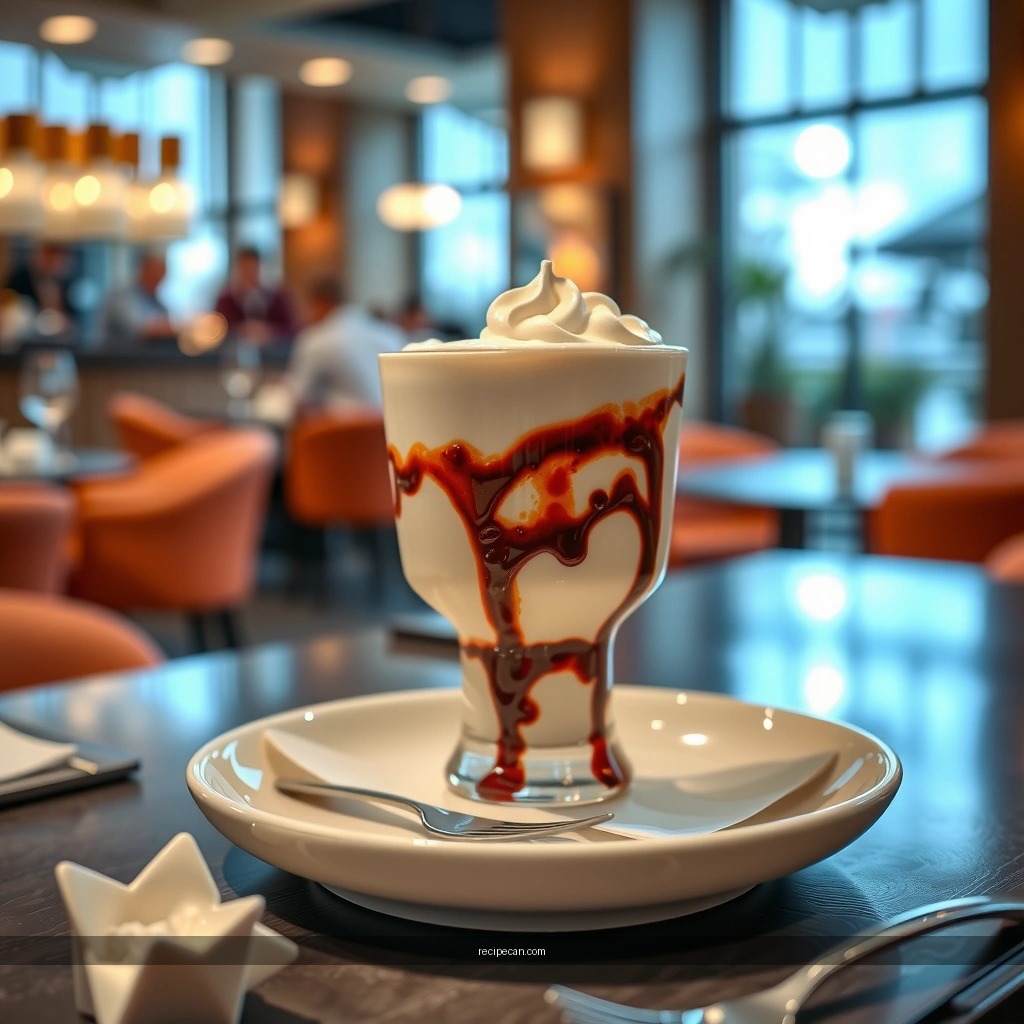
Blending time and technique are what separate “tasty” from “best.” A thick shake isn’t just under-diluted—it’s properly emulsified.
– Blend ice cream and milk first until smooth and thick
This sequence matters. Mixing ice cream with milk first helps the fats and proteins combine into a stable, creamy texture. If you add syrups or cocoa too early, you can create uneven distribution and sometimes a thinner feel because sweet liquids loosen the mixture.
– Stop and scrape the blender once for even texture
Stirring/scraping is not optional if you want uniform thickness. Butterfat and ice cream chunks cling to the sides and lid. Scrape once mid-blend, then let it finish combining. You’ll reduce graininess and avoid “pockets” of unblended ice cream.
– Blend longer for creamier results, shorter for thicker chunks
Think of blending as a texture dial. More blending breaks ice cream into finer particles and creates a smoother, creamier body. Less blending preserves slightly larger frozen bits, which can feel thicker but may be less smooth. For a classic thick milkshake, blend until smooth, then stop before it turns loose.
A reliable target for most blenders: 20–30 seconds total for a single serving, with one scrape at around the halfway point. For higher-powered blenders, you may need less time; for weaker motors, you may need a slightly longer blend, but add milk cautiously to prevent thinning.
Classic Base Milkshake (Step-by-Step)
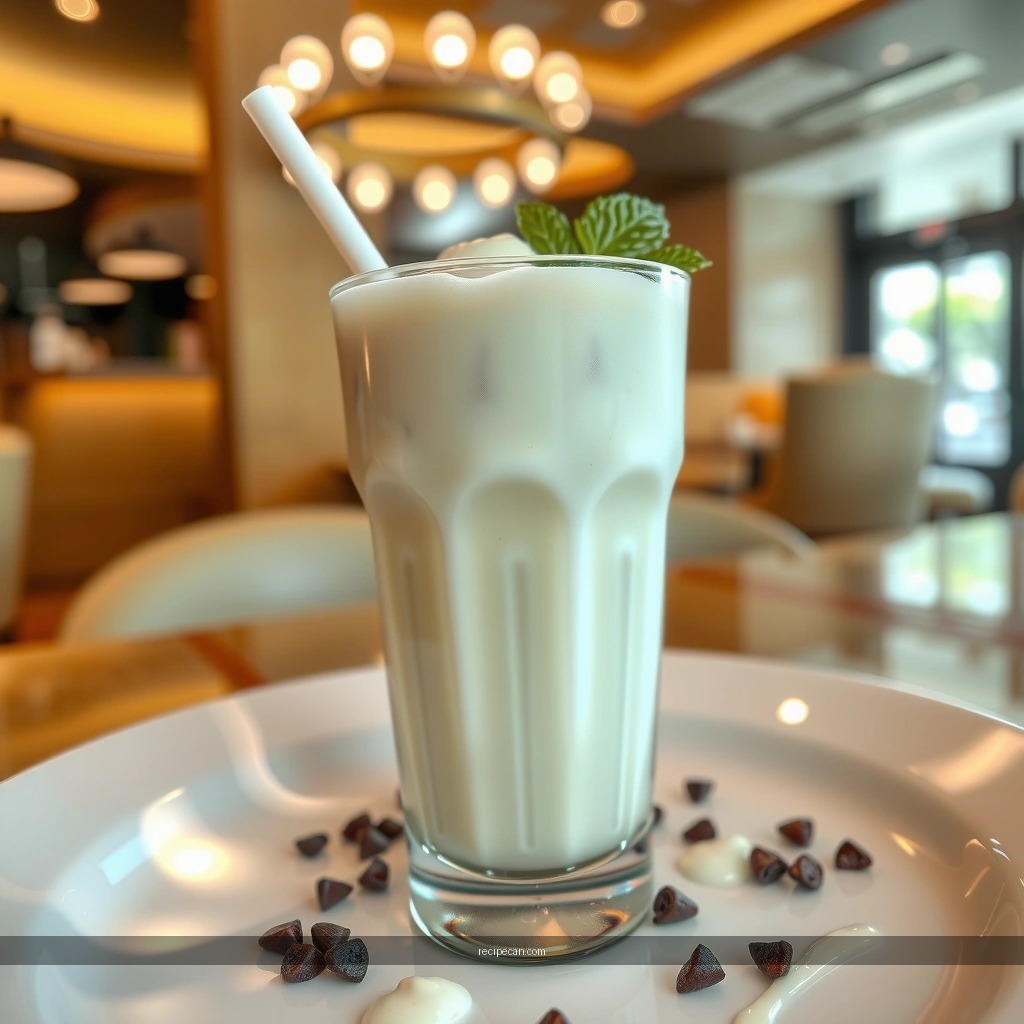
Once ingredients and blending technique are set, the base recipe becomes repeatable—your “best milkshake recipe” foundation.
– Start with a 2:1 ratio of ice cream to milk, then adjust
A solid starting point: 2/3 cup ice cream to 1/3 cup milk, or 1 cup ice cream to 1/2 cup milk. Blend and evaluate texture. If it’s too thick to pour, add milk 1 tablespoon at a time. If it’s too thin, add ice cream by 2–3 spoonfuls.
– Add flavorings after the base is blended for better consistency
Blend the base first until smooth. Then add cocoa, syrup, vanilla extract, or pre-blended fruit and pulse just long enough to distribute. This prevents flavoring from warming the mixture or diluting it unpredictably.
– Serve immediately for the thickest shake
Milkshakes start to change the moment they’re made. Even if ingredients remain cold, the ice cream’s microstructure begins to melt and collapse. Serve right away for maximum thickness, aroma, and spoon grip.
Step-by-step (single classic shake):
1. Add 1 cup vanilla ice cream + 1/2 cup cold milk to the blender.
2. Blend 15–20 seconds, stop, scrape down, then blend 5–10 seconds more.
3. Taste. If using flavorings, add them now (see variations below) and pulse 3–5 seconds.
4. Pour into a chilled glass and top immediately.
Best Flavor Variations
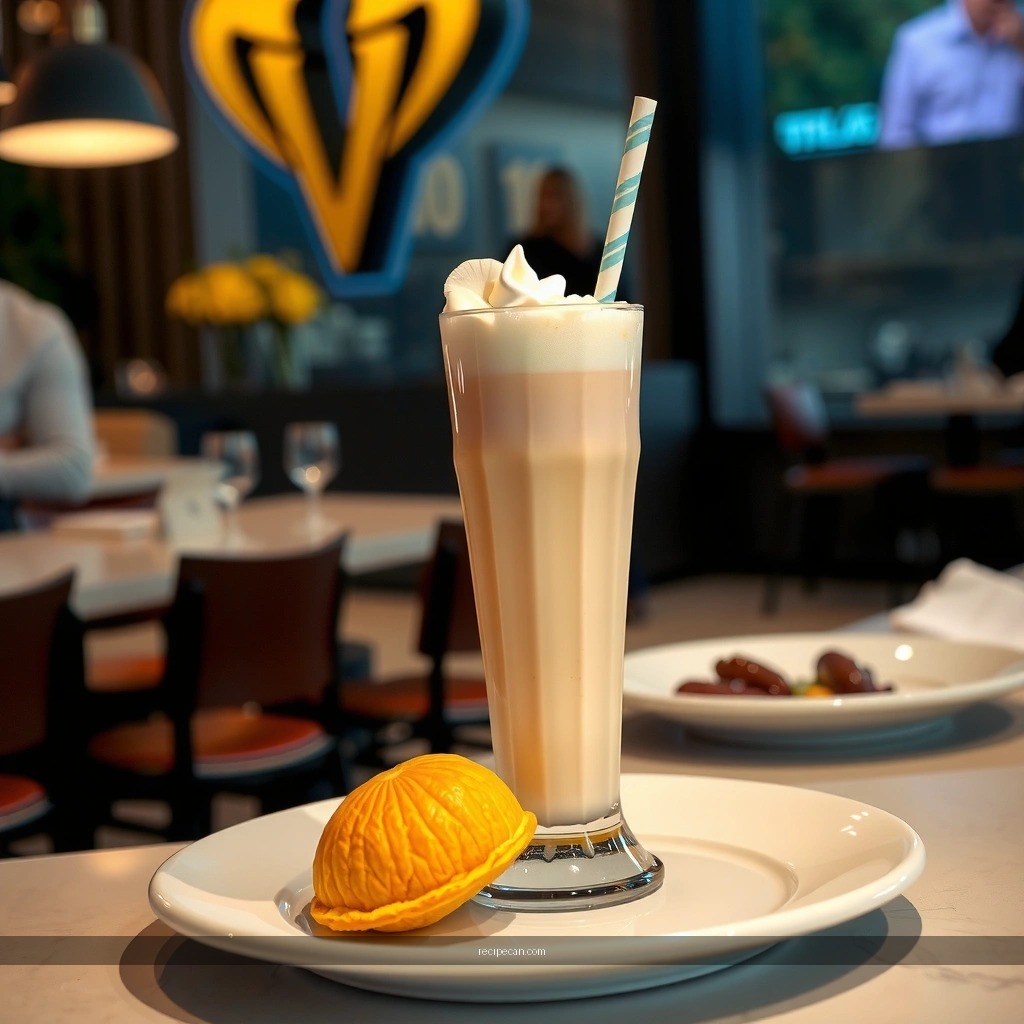
Variations should be easy to execute and predictable. The best approach is to keep the base formula stable and adjust only flavor inputs.
– Chocolate: add cocoa powder or chocolate syrup to the base
For a true chocolate milkshake flavor, start with 1–2 tablespoons cocoa powder (for deeper bitterness) or 2–3 tablespoons chocolate syrup (for classic sweetness). Blend after base blending, then pulse briefly so you maintain the thick texture.
– Strawberry: blend fresh or frozen strawberries with a little sugar
Use 1/2 to 3/4 cup strawberries (fresh or frozen) and blend them with 1–2 teaspoons sugar to help them dissolve and release flavor evenly. If you want a smoother result, strain after blending, then combine with the base and pulse.
– Caramel: swirl in caramel sauce, then blend lightly
Caramel can be sticky and easily over-sweeter. Add 2–3 tablespoons caramel sauce, swirl first, then pulse so caramel streaks remain flavorful without turning the shake too runny.
Operational note: If your variation uses a liquid sweetener (syrup, caramel), you may need to compensate with slightly less milk—or simply use the base first and then add flavors in small amounts.
Make It Extra Thick (Tips & Troubleshooting)
Thickness is a controllable outcome if you treat problems as “dials,” not “failures.”
– Use fewer tablespoons of milk to keep it ultra-thick
Ultra-thick milkshake targets often require less milk than the classic ratio. Try 1 cup ice cream to 1/3–1/2 cup milk depending on how fast your blender processes and how warm your kitchen is.
– Let ingredients sit slightly (not melt) for smoother blending
The goal is workable hardness, not melting. If ice cream is rock-solid, blending can leave grainy chunks and extended blending time can thaw the mixture. Let ice cream sit 2–4 minutes at room temperature—just enough for the surface to soften—then blend promptly.
– Fix too-thin shakes by adding more ice cream
This is the fastest recovery method. Add ice cream in small amounts—2–3 tablespoons, blend 5–10 seconds, scrape, then repeat if necessary. Avoid adding more milk as a fix; that compounds thinning.
Quick diagnostic guide:
– If your milkshake is icy/gritty → likely blended too briefly or ice cream too firm; soften slightly and blend a bit longer.
– If your shake is smooth but runny → too much milk; correct by adding ice cream.
– If it’s separated → overblended with added liquids or warm ingredients; use colder milk next time and shorten blend time.
Toppings and Serving Ideas
Toppings aren’t just decoration—they influence perceived thickness, flavor intensity, and texture contrast.
– Top with whipped cream, crushed cookies, or chocolate shavings
Whipped cream adds aeration, which can make a thick shake feel even more luxurious. Crushed cookies bring crunch and a “sundae” texture contrast that complements creamy body. Chocolate shavings emphasize chocolate aromatics.
– Serve in chilled glasses with a thick straw
Chilled glass slows temperature change at the moment of serving. A thick straw or spoon encourages sipping and reduces the “rapid melt” effect of a thin drinking stream.
– Garnish after pouring to keep presentation fresh
Add toppings right when the shake lands in the glass. If you garnish earlier, crumbs soften and sauces can bleed downward, reducing visual appeal and changing texture.
If you’re aiming for a professional-style presentation: pour to the same height each time, garnish consistently, and serve immediately after blending—this is where home-made milkshakes feel “store level.”
A great milkshake comes down to the right ice cream-to-milk balance and a smooth, immediate blend. Make the classic base first, then try one variation and one topping combo—then refine until it’s your perfect “best milkshake recipe.” Keep your ratio steady, blend with intent (including one scrape), and adjust thickness in small increments for results that are consistently creamy, thick, and easy to make.
References
- Milkshake
https://en.wikipedia.org/wiki/Milkshake - https://www.britannica.com/food/milkshake
https://www.britannica.com/food/milkshake - Google Scholar Google Scholar
https://scholar.google.com/scholar?q=best+milkshake+recipe - Google Scholar Google Scholar
https://scholar.google.com/scholar?q=milkshake+emulsion+stability+formulation - Google Scholar Google Scholar
https://scholar.google.com/scholar?q=milkshake+formulation+viscosity+ice+cream - https://pubmed.ncbi.nlm.nih.gov/?term=milkshake
https://pubmed.ncbi.nlm.nih.gov/?term=milkshake - https://www.sciencedirect.com/search?qs=milkshake%20formulation
https://www.sciencedirect.com/search?qs=milkshake%20formulation - https://www.choosemyplate.gov/milk
https://www.choosemyplate.gov/milk - Food Search | USDA FoodData Central
https://fdc.nal.usda.gov/food-search.html?query=milkshake - best milkshake recipe – Search results
https://en.wikipedia.org/wiki/Special:Search?search=best+milkshake+recipe