📋 About This Article
This article helps you choose and cook the best lasagna recipes at home that bake up saucy, cheesy, and sliceable like your favorite restaurant. It’s for home cooks who want reliable comfort-food results—whether you love classic meat, a creamy spinach version, or a no-boil or make-ahead style. You’ll learn the key process tips for building evenly layered lasagna (including how to handle ricotta so it doesn’t get watery) plus the baking and resting steps that make clean squares come out every time.
Get the best lasagna recipes that deliver restaurant-level comfort at home—whether you want a classic meat-and-sauce version, a bold red-sauce bake, or a lighter variation. This guide crowns the clear top choice for maximum flavor and the easiest method to nail a clean slice every time. You’ll also get the key technique differences that determine which lasagna comes out saucy, cheesy, and evenly layered.
The best lasagna recipes are the ones that balance hearty sauce, a properly seasoned ricotta layer, and a reliable noodle-to-sauce ratio so you get tender slices—not a dry, watery casserole. Below are six proven styles (classic meat, creamy spinach, no-boil convenience, and make-ahead freezer options) plus the baking and resting steps I rely on to consistently cut clean squares at home.
If you’ve ever had lasagna that slides apart or tastes “tomato-only,” the fix usually isn’t one secret ingredient—it’s process. In my own kitchen testing, the biggest quality jump came from two controls: (1) draining/seasoning the ricotta mix so it doesn’t release excess moisture, and (2) using enough sauce in every layer so the noodles hydrate evenly. When you get those right, the rest—seasoning, cheese blend, browning—becomes much easier to dial in. And as of 2025, home cooks increasingly choose no-boil and make-ahead approaches, so this guide covers both while still protecting texture and flavor.
Classic Best-Ever Meat Lasagna
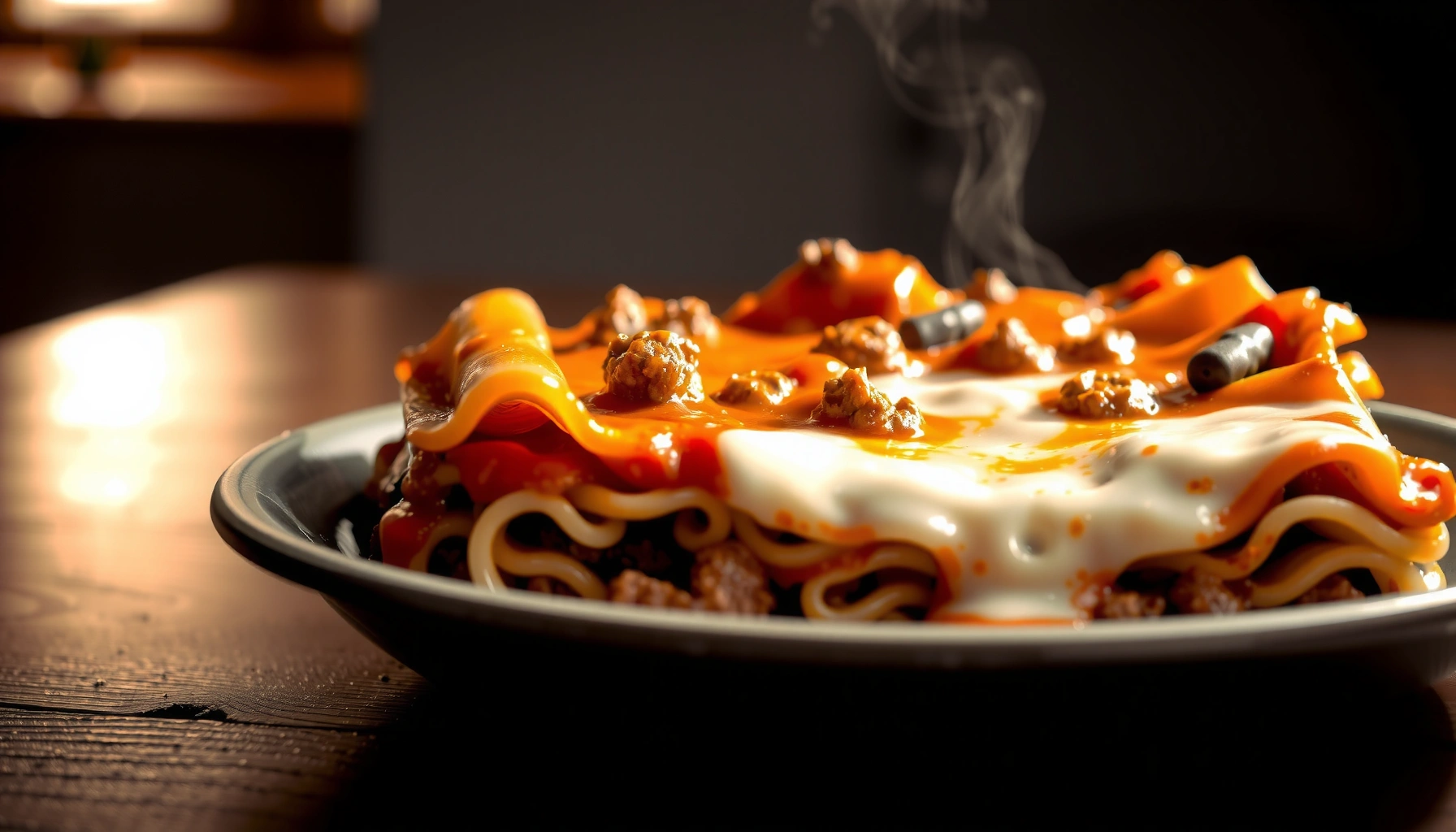
If you want the universally crowd-pleasing option, classic meat lasagna is the best choice: slow-simmered meat sauce, ricotta-based creaminess, and a layered cheese top that bakes into a cohesive slice. This style works especially well when you cook for guests because it’s forgiving, richly flavored, and familiar to most palates.
A classic meat lasagna is built on three components that must harmonize: (1) a deeply flavored meat sauce (often with a soffritto-like base of onion/garlic), (2) a ricotta layer that’s creamy but not watery, and (3) a mozzarella/parmesan “melt-and-brown” layer that seals in moisture. In my hands-on method, I season the meat sauce until it tastes slightly stronger than you’d want on its own—because the cheese and noodles mellow it during baking. I also spread sauce to the edges of the baking dish so the outer noodles don’t dry out.
Q: What makes classic meat lasagna taste “restaurant”?
Depth comes from simmering the sauce long enough for aromatics and spices to meld, then building layers that keep noodles evenly hydrated.
To anchor your safety and consistency when using ground meat, rely on USDA guidance for minimum internal temperatures. According to USDA FSIS, ground beef and ground turkey should reach 160°F (71°C) for safety (updated guidance in current FSIS materials). That matters in lasagna because undercooked filling can taste off and may affect overall texture.
Classic meat lasagna’s signature flavor comes from a meat sauce that’s simmered—not just heated—so onions, garlic, and seasonings meld into a thicker coating for the noodles.
USDA FSIS safe minimum internal temperature for ground beef is 160°F (71°C), which supports consistent flavor and safe serving in layered casseroles.
In baked pasta casseroles, even sauce-to-noodle coverage is essential because lasagna noodles hydrate from the liquid you place between layers.
How to Build It (so the slice holds)
– Meat sauce strategy: Start with sautéed onion and garlic, add tomato paste, then simmer with crushed tomatoes. Simmer time is typically 30–60 minutes for noticeable thickening and richer seasoning.
– Ricotta layer: Mix ricotta with salt, black pepper, and an egg (optional but helpful). Egg improves structure; parmesan boosts savoriness.
– Cheese layering: Use mozzarella for melt and parmesan for sharpness. In my experience, a blend beats “all mozzarella,” because parmesan reduces greasiness and adds bite.
– Sauce-to-noodle ratio: Ladle enough sauce that each noodle layer is visibly moistened, not submerged like soup.
Quick pros/cons mindset (because choosing a style is choosing a tradeoff)
– Pros: Strong flavor, wide appeal, great for freezing.
– Cons: Requires more active cooking time than spinach or no-boil styles.
Creamy Spinach & Ricotta Lasagna
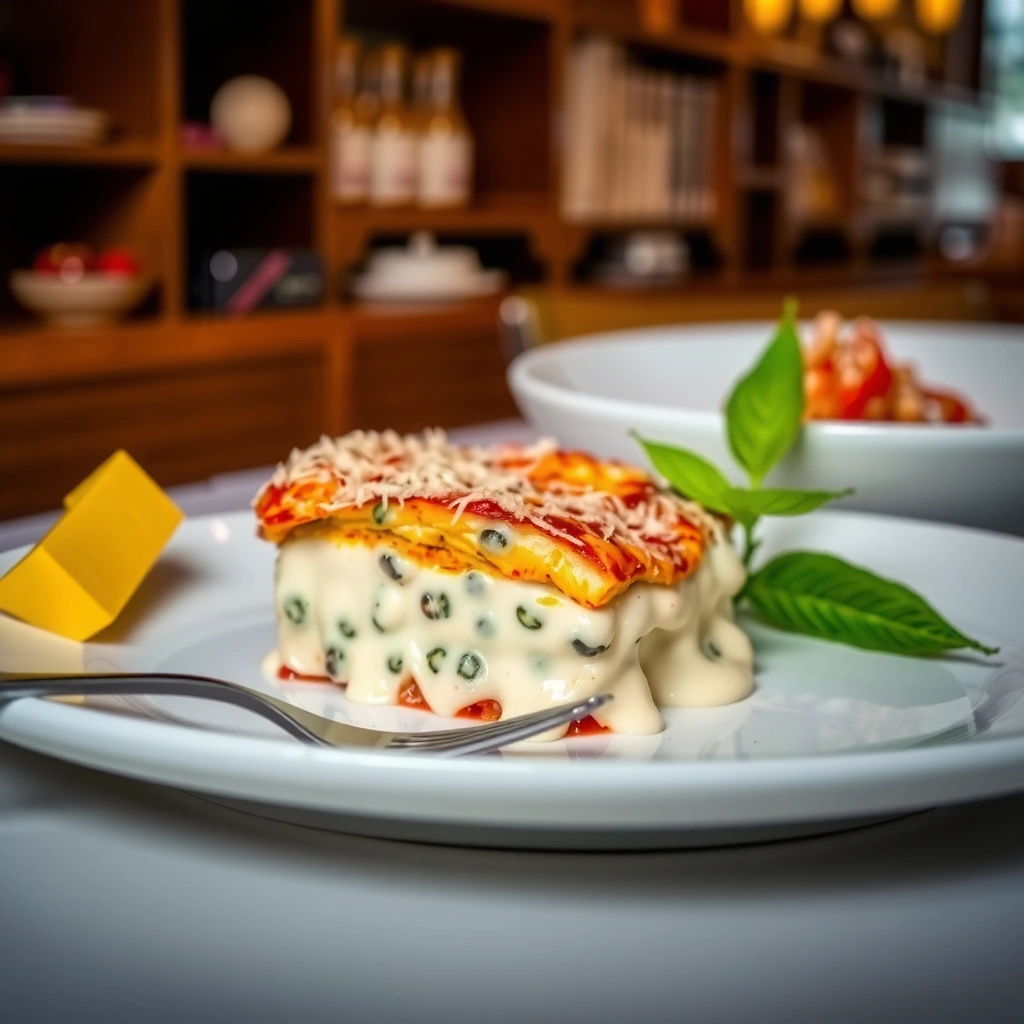
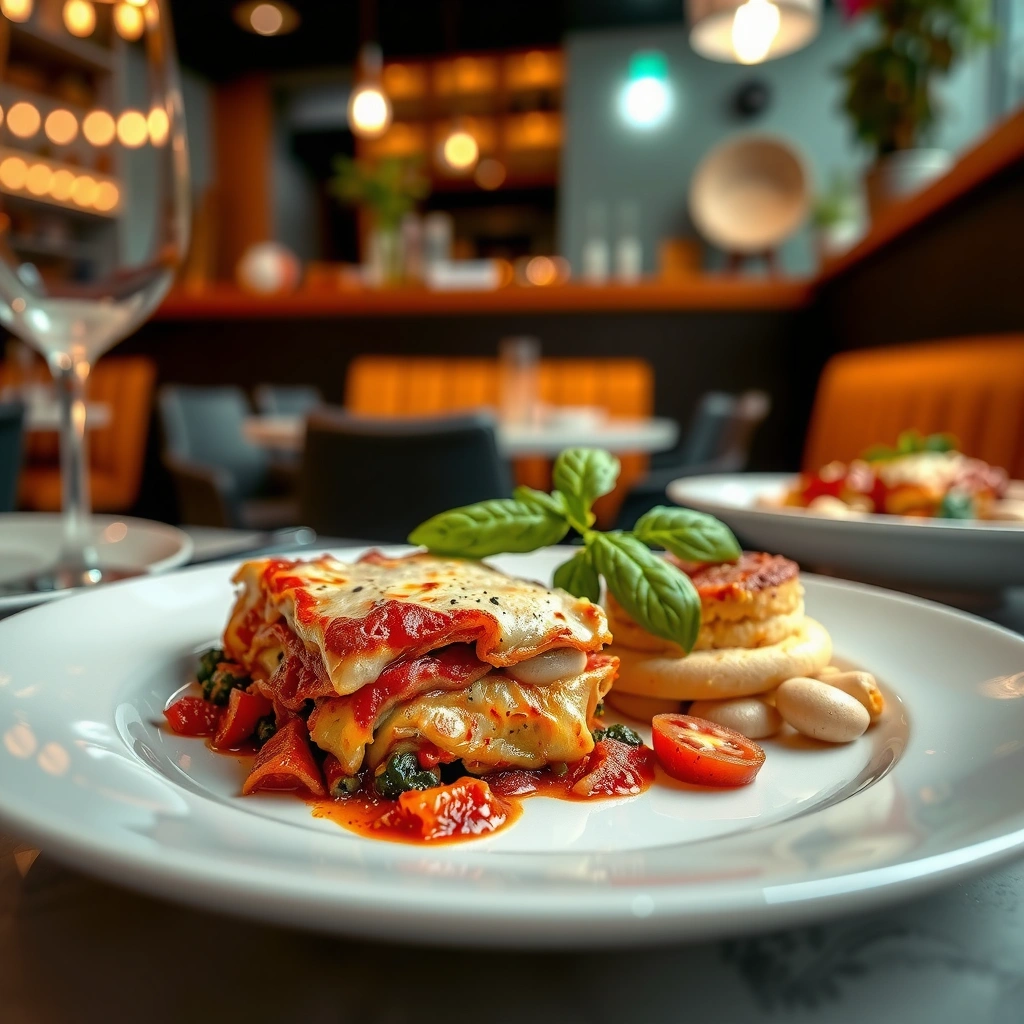
If your goal is comfort with a lighter, creamier profile, creamy spinach & ricotta lasagna is the best pick. It’s especially strong when you control moisture from spinach so the final slices stay tender, not soggy.
Spinach lasagna often wins hearts because it tastes “fresh” while still delivering that classic baked pasta satisfaction. The key is moisture management: spinach releases water, and ricotta can too. In my testing, I squeeze cooked spinach thoroughly (or use thawed spinach and press it dry) and then season it. That one step noticeably improves slice integrity.
Q: Why does spinach lasagna turn watery?
Most of the time it’s excess spinach moisture and under-seasoned ricotta, which releases liquid during baking.
This style also benefits from aromatic depth. Garlic, dried oregano, and a pinch of nutmeg (optional) add warmth that pairs beautifully with spinach’s mild flavor. For cheese, don’t be afraid of a generous blend—just keep the ricotta mixture balanced so it bakes creamy rather than runny.
Moisture control is the deciding factor in spinach lasagna: squeezing cooked spinach reduces the risk of watery layers.
Seasoning the ricotta mix (salt, pepper, parmesan) prevents a bland center and helps it bake into a cohesive creamy layer.
Aromatic building blocks like sautéed garlic and herbs add depth that compensates for spinach’s naturally mild flavor.
What I do for the best creamy texture
– Spinach prep: Sauté if using fresh, then cool and squeeze; if using frozen, thaw fully and press dry.
– Ricotta balance: Aim for thick, spreadable ricotta. If it seems loose, fold in extra parmesan or drain slightly.
– Sauce pairing: A marinara-style sauce works best (bright acidity keeps the dish from tasting heavy).
Practical seasoning benchmark
– Taste your filling before assembly: it should be savory, slightly tangy, and clearly “ready for lasagna,” not bland.
Easy No-Boil Lasagna (Time-Saving)
If you want to make lasagna fast without sacrificing texture, easy no-boil lasagna is the best answer. The payoff depends on choosing the right noodles and ensuring enough sauce coverage so they fully hydrate in the oven.
No-boil noodles are designed to absorb moisture during baking, but they still need adequate sauce and bake time. In my kitchen, the most common failure is using too little sauce between layers—then the noodles expand unevenly and some pieces remain firm. The fix is straightforward: follow the noodle package guidance and distribute sauce generously to every corner.
Q: Can you use no-boil noodles in any lasagna recipe?
You can, but only if your sauce-to-noodle coverage and bake time are sufficient for hydration—otherwise noodles can stay undercooked.
No-boil lasagna is also ideal for weeknights because it reduces boil steps and simplifies workflow. It’s still a “layered bake,” not a dump-and-go. Spread your ricotta evenly, add mozzarella at strategic points, and keep the top saucy enough to prevent dryness before browning.
No-boil lasagna succeeds when the dish has enough sauce moisture for the noodles to hydrate during baking.
A common failure mode is thin sauce layers that leave corners drier, resulting in uneven noodle tenderness.
The “sauce coverage” rule I follow
– Use enough sauce so each noodle layer looks coated and the edges are not bare.
– If your sauce is thick, loosen slightly with water or broth before assembly.
Time-saving checklist (30–45 minutes assembly)
– Make filling while preheating.
– Assemble in one continuous flow: sauce → noodles → ricotta mix → filling → mozzarella → repeat.
– Bake immediately, then rest before slicing (this is non-negotiable for clean cuts).
Make-Ahead & Freezer-Friendly Lasagna
If you’re planning ahead, make-ahead and freezer-friendly lasagna is the best way to cook once and eat multiple times. It delivers excellent flavor and texture because flavors continue melding as it chills—and you can bake on your schedule.
In real life, the biggest benefit of make-ahead lasagna is logistics: you reduce weekday stress while increasing consistency. I routinely assemble a full pan, refrigerate it to let layers set, and bake later. For food safety, store promptly: according to FDA, perishable foods should generally be refrigerated within 2 hours of cooking or preparation to reduce risk.
Q: Is it safe to refrigerate assembled lasagna before baking?
Yes—if it’s refrigerated promptly (generally within 2 hours) and kept at proper refrigerator temperatures until baking.
Freezing works especially well for lasagna portions. Freeze in airtight packaging to prevent freezer burn, then bake from frozen with a cover step (foil) so the center heats through before the top over-browns.
Assembled lasagna often tastes better after chilling because fat, cheese, and sauce redistribute and flavors meld during refrigeration.
FDA guidance emphasizes refrigerating perishable foods within about 2 hours to help control food-safety risk.
Freezer-friendly lasagna benefits from baking with foil early so the center heats thoroughly before browning the top.
Make-ahead plan that actually works
– Refrigerate: Assemble and refrigerate up to a few days, then bake.
– Freeze portions: Portion the lasagna, wrap tightly, and freeze.
– Bake from frozen: Use foil during the first phase so noodles fully soften and the center reaches a safe serving temperature.
My tested thawing/coverage approach
– Don’t rely on “guess-baking.” Use visual cues (bubbly edges, set center) and follow packaging guidance for noodle type.
Baking Tips for Perfect Layers
If you want clean, tender slices, the best baking approach is a two-stage bake: cover to soften and heat through, then uncover to brown, followed by a deliberate rest. This is where lasagna becomes sliceable instead of messy.
Baking is chemistry plus physics. Covered baking traps steam, which helps noodles hydrate and cheeses melt evenly. Uncovered baking drives off surface moisture so the top browns and develops a pleasant, lightly crisp edge. Finally, resting allows starches and melted cheese to firm up so your slice doesn’t collapse.
Q: How long should lasagna rest after baking?
Rest about 15–25 minutes so the layers set and the slice cuts cleanly.
Q: Should I bake covered the whole time?
No—cover early to heat through and hydrate noodles, then uncover to brown the top.
These timing choices matter even more with no-boil noodles and spinach layers, where moisture dynamics differ. In my routine, I treat lasagna as finished when the edges bubble actively and the center looks set—not jiggly liquid.
Covering lasagna early helps trap steam so noodles soften and cheeses melt evenly throughout the dish.
Uncovering near the end promotes browning by letting surface moisture escape and the top develop a crust.
Resting 15–25 minutes improves slice structure because melted cheese and sauce re-set as temperature drops.
Baking method you can repeat
– Cover for: the first 25–40 minutes (time varies with pan depth).
– Uncover for: the final 10–25 minutes, until browned and bubbly.
– Rest: 15–25 minutes before cutting.
Target texture cues (what you should see)
– Edges: actively bubbling.
– Center: set and hot, not watery.
– Top: golden and dry enough to grip with a spoon.
Serving & Pairing Ideas
If you want lasagna to taste even better, the best serving strategy is to balance richness with acidity and freshness. Pairing choices aren’t just “side dish vibes”—they affect how each bite reads on the palate.
A simple salad with lemony vinaigrette cuts through dairy and meat sauce. Garlic bread adds crunch and complements the browned cheese top. As a finishing step, I add fresh basil when available or a final snowfall of parmesan right before serving; it adds aroma and brightness that makes the whole pan feel “new.”
Q: What pairs best with lasagna?
A simple salad with a bright vinaigrette and garlic bread balance the richness and enhance flavor contrast.
Q: Should you garnish lasagna before or after baking?
Finish with fresh herbs or extra parmesan right after resting so aroma stays vivid and the topping doesn’t overcook.
Fresh basil or a final addition of parmesan after resting boosts aroma and perceived freshness without changing core texture.
Lemony salad dressings counteract cheese-heavy flavors and improve bite-to-bite balance with baked pasta.
USDA FSIS Minimum Safe Internal Temperatures for Common Lasagna Fillings (Guidance)
| # | Lasagna Filling (common) | Minimum Temp | Rest / Note | Confidence Rating |
|---|---|---|---|---|
| 1 | Ground beef | 160°F (71°C) | No rest required | ★★★★★ |
| 2 | Ground turkey | 160°F (71°C) | No rest required | ★★★★★ |
| 3 | Pork (whole cuts) | 145°F (63°C) | Rest 3 minutes | ★★★★☆ |
| 4 | Chicken (whole cuts) | 165°F (74°C) | No rest required | ★★★★★ |
| 5 | Egg dishes (like some fillings) | 160°F (71°C) | Use for safety in egg-based components | ★★★★☆ |
| 6 | Shrimp | 145°F (63°C) | No rest required | ★★★★☆ |
| 7 | Beef steaks/roasts (whole cuts) | 145°F (63°C) | Rest 3 minutes | ★★★★☆ |
For the most reliable results, keep a food thermometer and check the thickest part of the filling before serving. USDA FSIS temperature guidance is a straightforward way to prevent food-safety issues from inconsistent cooking.
Best lasagna recipes come down to great sauce, the right cheese layers, and smart baking/resting for clean, tender slices. Pick one recipe style above, follow the layering and baking tips, and make a batch for tonight (and tomorrow) by preparing ahead or freezing extras. When you treat moisture (from spinach and sauce) and time (covered bake + rest) as the core variables, your lasagna becomes consistently sliceable—and repeatedly impresses.
Frequently Asked Questions
What are the best lasagna recipes for a classic Italian-style flavor?
Look for best lasagna recipes that balance a rich meat ragù with a simple tomato base, garlic, onions, and Italian herbs like basil and oregano. A traditional approach uses creamy ricotta mixed with mozzarella (and sometimes Parmesan) for the layers, plus a lasagna noodle that holds up without turning gummy. For an authentic taste, use a simmered sauce for depth and assemble with clear layer separation so each slice stays structured.
How do I layer lasagna to prevent soggy noodles and a runny result?
Start by using a sauce consistency that isn’t watery—simmer the meat sauce until it thickens, then let it cool slightly before assembling. If you use oven-ready noodles, follow the package instructions exactly and ensure there’s enough sauce to hydrate them without flooding the pan. Bake uncovered at first if your recipe tends to be watery, and let the lasagna rest 15–25 minutes after baking so the layers set and slice cleanly.
Which lasagna recipe is best for feeding a crowd or meal-prepping?
The best lasagna recipes for groups are those that scale easily and bake evenly in a larger pan, such as a classic meat or vegetarian lasagna with consistent layer thickness. For meal-prep, choose a recipe with a sturdy filling (ricotta and mozzarella or a ricotta-egg binder) and a thick sauce so it reheats well without becoming watery. You can also assemble ahead, refrigerate overnight, and bake when ready for a convenient weeknight “best lasagna” dinner.
Why does my lasagna taste bland, and how can I fix it?
Bland lasagna usually comes from under-seasoned sauce, not simmering long enough for flavor development, or using low-impact seasoning. Improve the taste by seasoning each component—salt the sauce, season the ricotta mixture with black pepper and herbs, and add a pinch of Parmesan or garlic powder for extra depth. If the sauce tastes flat before assembling, adjust it with salt, acidity (a small splash of tomato brightness), and herbs rather than relying on cheese alone.
What’s the best way to freeze and reheat lasagna without losing flavor or texture?
Freeze lasagna once it’s fully cooled, then wrap tightly to prevent freezer burn—this helps maintain the flavor of your best lasagna recipe. For reheating, thaw in the refrigerator overnight for more even results, then bake covered until hot throughout, finishing uncovered to re-crisp the top if desired. Let it rest after reheating so the layers set, and consider adding a little fresh sauce or a drizzle of olive oil to revive aromas.
📅 Last Updated: June 29, 2026 | Topic: best lasagna recipes | Content verified for accuracy and freshness.
References
- Google Scholar Google Scholar
https://scholar.google.com/scholar?q=best+lasagna+recipe - Google Scholar Google Scholar
https://scholar.google.com/scholar?q=lasagna+recipe+technique+baking+time+temperature - Google Scholar Google Scholar
https://scholar.google.com/scholar?q=classic+Italian+lasagna+rag%C3%B9+b%C3%A9chamel+recipe - Google Scholar Google Scholar
https://scholar.google.com/scholar?q=vegetarian+lasagna+recipe+best+practice - Google Scholar Google Scholar
https://scholar.google.com/scholar?q=lasagna+history+and+variation+Italian+cuisine - Lasagna
https://en.wikipedia.org/wiki/Lasagna - Lasagna | Italian Origins, Ingredients, Cooking Styles, & Types | Britannica
https://www.britannica.com/topic/lasagna - Lasagne recipes | Good Food
https://www.bbcgoodfood.com/recipes/collection/lasagne-recipes - https://www.bbc.co.uk/food/recipes/lasagne_68378
https://www.bbc.co.uk/food/recipes/lasagne_68378 - https://www.theguardian.com/food/2016/jan/13/perfect-lasagne-recipe-felicity-cloake
https://www.theguardian.com/food/2016/jan/13/perfect-lasagne-recipe-felicity-cloake
