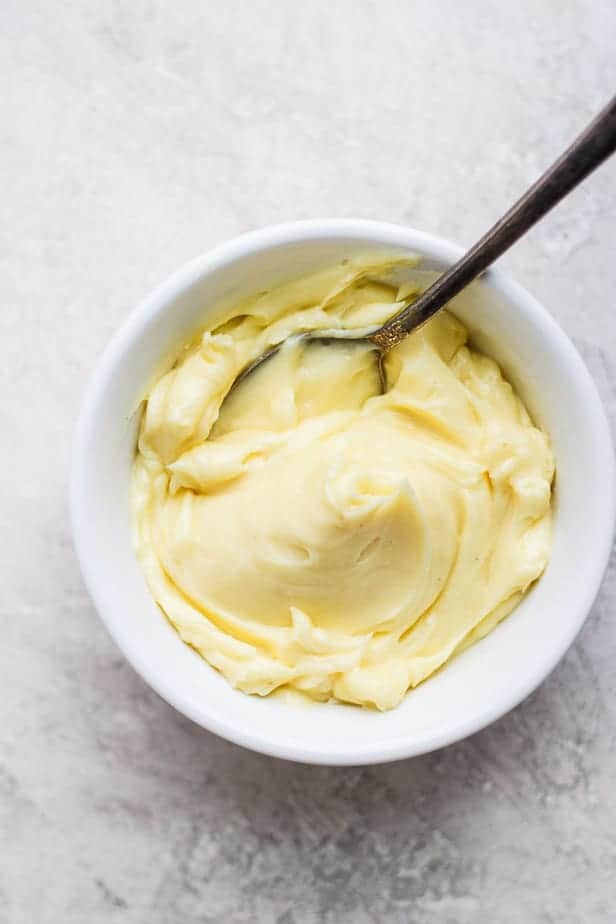
The best homemade mayonnaise recipe is not only simple but also delivers unmatched flavor and creaminess. With just a handful of ingredients and a few minutes of your time, you can create a condiment that outshines store-bought versions. This guide reveals the foolproof method to achieve the perfect balance of tanginess and richness, ensuring your sandwiches and salads are elevated to gourmet status. Say goodbye to preservative-laden options and discover how easy it is to make your own delicious mayonnaise at home.
Making homemade mayonnaise is incredibly easy and rewarding, and with this recipe, you’ll achieve a creamy, flavorful condiment in just a few minutes. This guide will walk you through the ingredients, techniques, and tips to create the best homemade mayonnaise that elevates any dish. By preparing mayonnaise from scratch, you not only control the flavors but also ensure the quality of ingredients, making it a healthier alternative to store-bought versions.
Essential Ingredients for Homemade Mayonnaise

To create the perfect homemade mayonnaise, you need a few essential ingredients that will contribute to its flavor and texture.
– Fresh eggs: Using room temperature eggs is crucial for a smoother emulsion. The yolk acts as a stabilizer and helps bind the oil with the other ingredients, yielding a rich and creamy consistency.
– Oil choice: The type of oil you choose significantly affects the flavor and texture of your mayonnaise. Light oils like canola or grapeseed are ideal for a neutral taste, while extra virgin olive oil can add a robust flavor. It’s important to avoid oils with strong flavors, as they can overpower the mayonnaise.
– Acid component: Adding an acid, such as vinegar or lemon juice, not only enhances the flavor but also helps stabilize the emulsion and extends the shelf life of the mayonnaise. Lemon juice is a popular choice for its bright flavor, while vinegar adds a tangy kick.
The Equipment You Need

Creating homemade mayonnaise requires minimal equipment, making it accessible for any home cook.
– Mixing bowl: A medium-sized bowl is best for whisking; it provides enough space for the ingredients to blend effectively without spilling.
– Whisk or immersion blender: You can use a traditional whisk for a more hands-on approach or an immersion blender for quicker results. Both methods yield excellent mayonnaise, but the immersion blender can be especially convenient if you’re making a larger batch.
– Measuring cups and spoons: Ensuring accurate measurements is crucial for successful emulsification. A precise balance of oil and acid will lead to perfect mayonnaise every time.
Step-by-Step Instructions
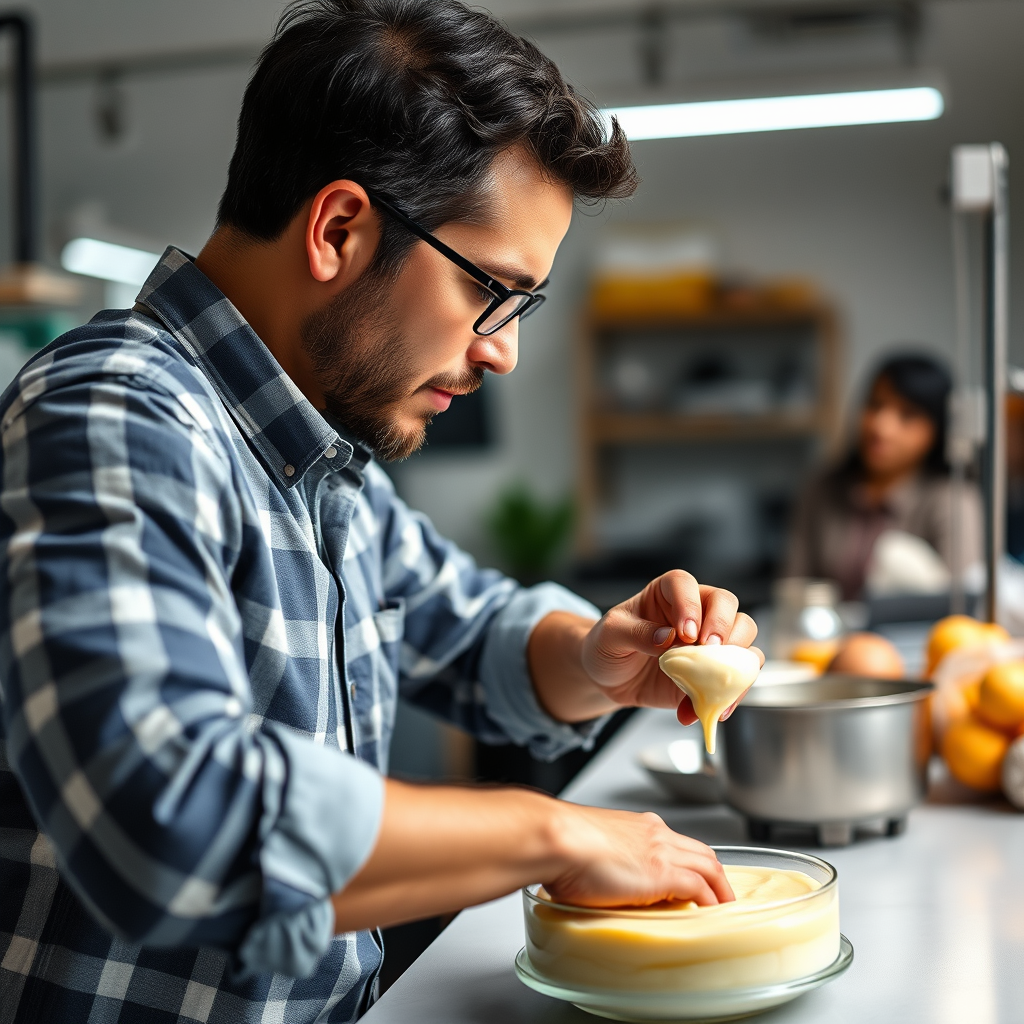
Making homemade mayonnaise is straightforward. Follow these steps for a successful outcome:
1. Start with the egg: Crack a room temperature egg into your mixing bowl and add a teaspoon of vinegar or lemon juice. Whisk briefly to combine.
2. Add oil gradually: Begin to add your chosen oil very slowly, about a drop at a time, while whisking continuously. This slow incorporation is key to forming a stable emulsion.
3. Blend until thick: As you continue to whisk and add oil, the mixture will begin to thicken. Gradually increase the oil quantity as the mayonnaise starts to emulsify. Continue blending until you achieve a thick, creamy texture, which should take about 5-10 minutes.
Top 7 Oils for Homemade Mayonnaise (2024)
| # | Oil Type | Flavor Profile | Smoke Point (°F) | Ideal for Mayonnaise |
|---|---|---|---|---|
| 1 | Canola Oil | Neutral | 400 | Yes |
| 2 | Grapeseed Oil | Light and Nutty | 420 | Yes |
| 3 | Sunflower Oil | Mild | 440 | Yes |
| 4 | Olive Oil | Robust | 375 | Yes |
| 5 | Avocado Oil | Rich | 520 | Yes |
| 6 | Peanut Oil | Nutty | 450 | Yes |
| 7 | Safflower Oil | Neutral | 450 | Yes |
Flavor Variations to Try

Once you have mastered the basic homemade mayonnaise recipe, you can explore various flavor variations to enhance your dishes further.
– Garlic mayonnaise: Also known as aioli, simply add minced garlic to your mayonnaise for a zesty twist. You can adjust the amount based on your taste preference – more garlic for a stronger flavor.
– Herb-infused: Incorporating fresh herbs like basil, dill, or chives can create a refreshing and aromatic mayonnaise. Chopped herbs should be added after the emulsion has formed to maintain the texture.
– Spicy kick: For those who enjoy a bit of heat, consider mixing in a dash of hot sauce or cayenne pepper. This not only adds flavor but also brings an exciting punch to your sandwiches and dips.
Common Mistakes to Avoid
While making mayonnaise is simple, there are common pitfalls that can lead to a failed emulsion.
– Using cold ingredients: Ensure all ingredients are at room temperature, as cold ingredients can hinder the emulsification process, resulting in a runny mixture.
– Adding oil too quickly: The key to successful mayonnaise is to add oil gradually while whisking. If you pour it in too quickly, the emulsion may break, and the mixture will separate.
– Over-whisking: Once the mayonnaise reaches a thick consistency, stop whisking. Over-whisking can cause the emulsion to break, leading to a grainy texture.
Storing Your Homemade Mayonnaise
Proper storage is essential to maintain the freshness and safety of your homemade mayonnaise.
– Refrigeration tips: Store your mayonnaise in an airtight container in the refrigerator. It can last up to a week, but always check for freshness before use.
– Signs of spoilage: Discard the mayonnaise if you notice any off smells, changes in color, or an unusual texture. Homemade mayonnaise lacks preservatives, making it more susceptible to spoilage.
Homemade mayonnaise is simple and customizable, making it a must-try for any home cook. By using fresh ingredients and personalizing flavors, you can create a condiment that truly enhances your culinary creations. Gather your ingredients and equipment today, and enjoy this delicious, fresh condiment that will impress your family and friends.
Frequently Asked Questions
What are the essential ingredients for the best homemade mayonnaise recipe?
The essential ingredients for a perfect homemade mayonnaise recipe include egg yolks, mustard, vinegar or lemon juice, and a neutral oil like sunflower or canola. Using fresh, high-quality ingredients is crucial, as they contribute to the flavor and texture of the mayonnaise, ensuring a creamy and rich result.
How do I make homemade mayonnaise without a blender?
To make homemade mayonnaise without a blender, you can use a whisk or a fork. Start by whisking the egg yolks and mustard together in a bowl, then gradually add the oil in a thin stream while continuously whisking until the mixture emulsifies and thickens. This method requires patience, but it allows you to have full control over the texture.
Why does my homemade mayonnaise keep separating?
Homemade mayonnaise may separate due to adding the oil too quickly or using cold ingredients. To prevent separation, ensure that all ingredients are at room temperature and add the oil slowly while whisking vigorously to maintain a stable emulsion. If it does separate, you can often salvage it by whisking in a new egg yolk and slowly reintroducing the separated mayonnaise.
What is the best way to store homemade mayonnaise for freshness?
The best way to store homemade mayonnaise is in an airtight container in the refrigerator, where it can typically last for up to one week. For optimal freshness, label the container with the date it was made and avoid introducing any contaminants, which can shorten its shelf life.
Which oils are best for making homemade mayonnaise?
The best oils for making homemade mayonnaise are neutral oils such as canola, grapeseed, or light olive oil, as they do not overpower the flavor of the mayonnaise. If you prefer a more robust flavor, you can experiment with extra virgin olive oil, but keep in mind that it may produce a stronger taste compared to lighter oils.
References
- Mayonnaise
https://en.wikipedia.org/wiki/Mayonnaise - Reply – PMC
https://www.ncbi.nlm.nih.gov/pmc/articles/PMC6771800/ - https://www.mayoclinic.org/healthy-lifestyle/nutrition-and-healthy-eating/in-depth/mayonnaise/art-20045535
https://www.mayoclinic.org/healthy-lifestyle/nutrition-and-healthy-eating/in-depth/mayonnaise/art-20045535 - https://www.sciencedirect.com/topics/agricultural-and-biological-sciences/mayonnaise
https://www.sciencedirect.com/topics/agricultural-and-biological-sciences/mayonnaise - https://www.healthline.com/nutrition/homemade-mayonnaise
https://www.healthline.com/nutrition/homemade-mayonnaise - https://www.foodnetwork.com/recipes/articles/how-to-make-mayonnaise
https://www.foodnetwork.com/recipes/articles/how-to-make-mayonnaise - https://www.theguardian.com/lifeandstyle/2020/jul/30/how-to-make-mayonnaise-a-step-by-step-guide
https://www.theguardian.com/lifeandstyle/2020/jul/30/how-to-make-mayonnaise-a-step-by-step-guide - Google Scholar Google Scholar
https://scholar.google.com/scholar?q=best+homemade+mayonnaise+recipe - Google Scholar Google Scholar
https://scholar.google.com/scholar?q=mayonnaise+homemade+recipe+health+benefits - best homemade mayonnaise recipe – Search results
https://en.wikipedia.org/wiki/Special:Search?search=best+homemade+mayonnaise+recipe