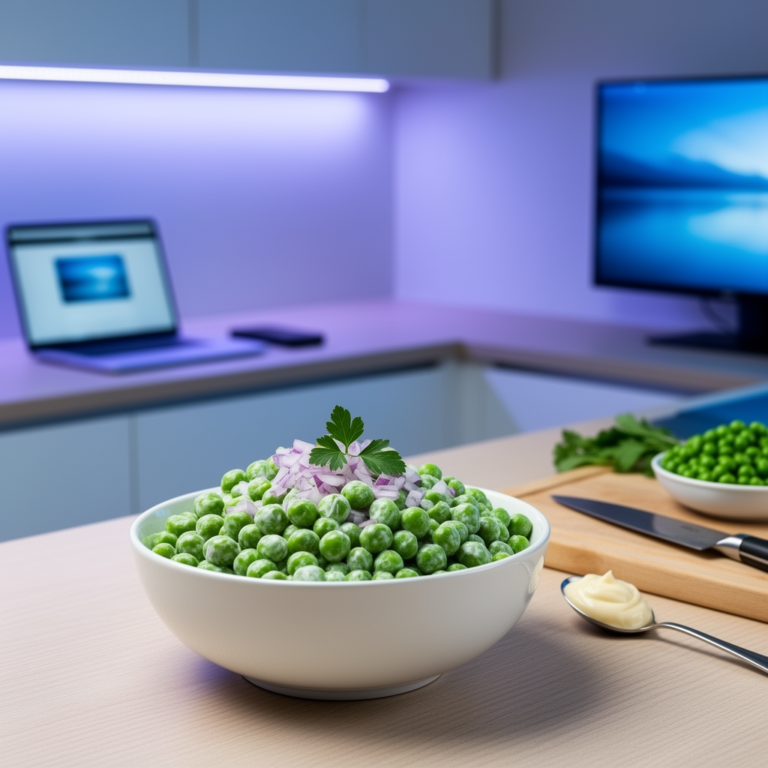
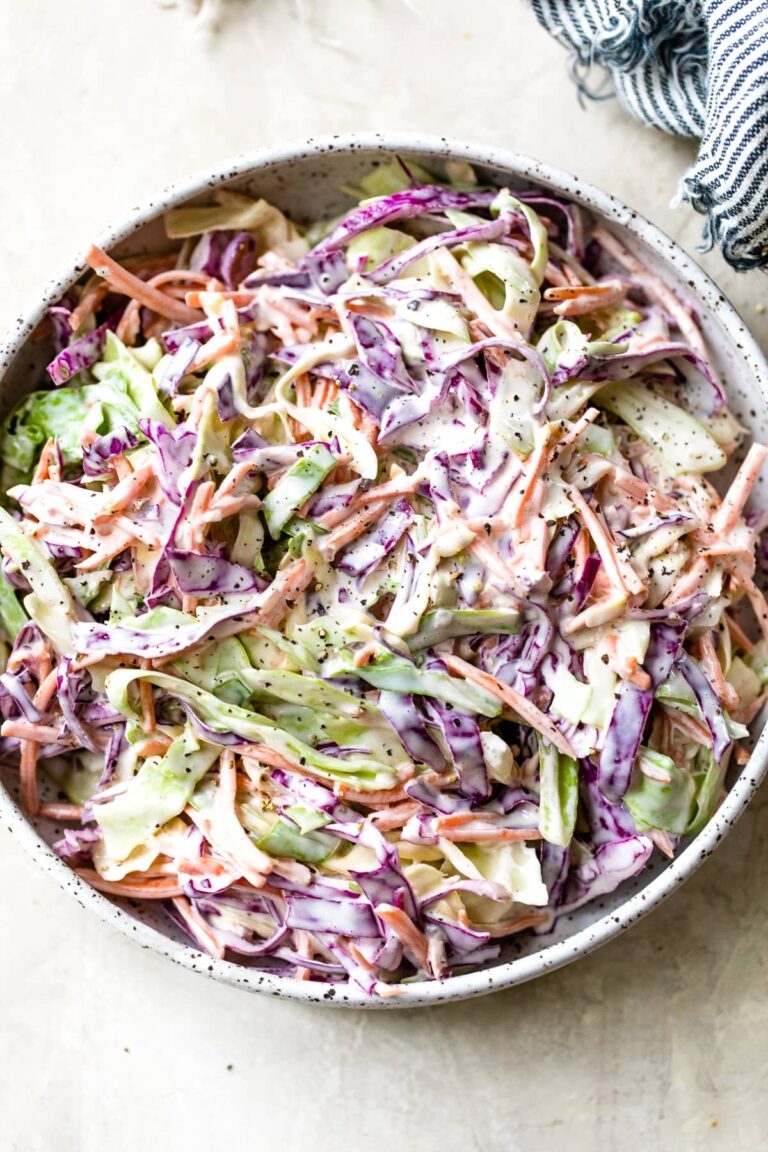
The best Foods mayonnaise recipe stands out as the ultimate choice for those craving creamy, delicious flavor in their dishes. This guide reveals the top variations that elevate your culinary creations, ensuring that every bite is indulgently satisfying. Whether you’re making a classic sandwich or a gourmet dip, this recipe will deliver the perfect balance of taste and texture. Discover why this mayonnaise is a must-have in your kitchen arsenal.
Mayonnaise is a versatile condiment that can elevate a variety of dishes, and the Best Foods mayonnaise recipe offers a perfect blend of creaminess and flavor. This classic mayonnaise can be made easily at home using a few simple ingredients, resulting in a fresh and rich condiment that’s far superior to many store-bought options. In this article, you’ll discover how to make this classic mayonnaise, along with some creative variations and tips for using it in your meals.
Classic Best Foods Mayonnaise Recipe
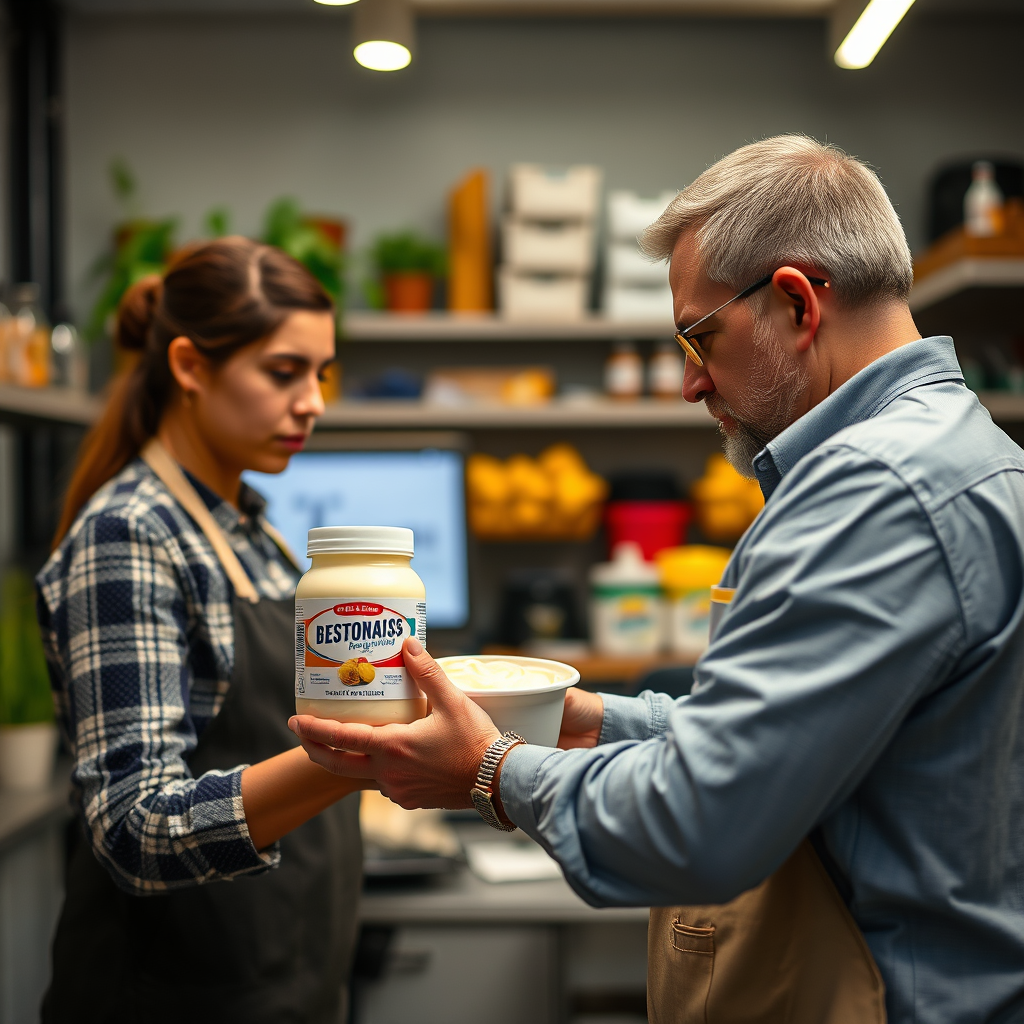
To create the best mayonnaise, start with high-quality eggs, as they contribute significantly to the texture and flavor of the final product. Fresh, organic eggs are recommended, as they not only enhance the taste but also ensure that your mayonnaise is safe for consumption.
You will also need light olive oil or canola oil, which helps achieve a smooth and creamy consistency. Using a neutral oil allows the rich flavor of the eggs and vinegar to shine through without overwhelming the palate.
Ingredients:
– 2 large egg yolks (room temperature)
– 1 tablespoon Dijon mustard
– 1 tablespoon white wine vinegar
– 1 cup light olive oil or canola oil
– Salt to taste
Instructions:
1. In a mixing bowl, whisk together the egg yolks, Dijon mustard, and white wine vinegar until well combined.
2. Begin to add the oil slowly, drop by drop, while whisking vigorously. This slow addition is crucial for emulsification.
3. Once the mixture starts to thicken, you can gradually increase the oil’s flow while continuing to whisk.
4. When all the oil is incorporated, season with salt to taste. If desired, you can add a splash more vinegar for tanginess.
5. Store in an airtight container in the refrigerator.
This homemade mayonnaise will keep for about a week and can be used in various recipes to enhance flavors.
Flavor Variations to Try

While the classic mayonnaise is delightful on its own, experimenting with flavor variations can elevate your culinary experience. Here are a couple of exciting options:
– Creamy Garlic Aioli: Add 2-3 cloves of minced garlic to the base mayonnaise recipe. This will give your mayo a robust flavor, perfect for dipping fries or drizzling over grilled vegetables.
– Herb-Infused Mayonnaise: Incorporate fresh herbs like dill, basil, or chives into your mayonnaise. Finely chop about 2 tablespoons of your chosen herbs and mix them in after the emulsification process. This herb-infused mayonnaise is excellent for sandwiches and as a salad dressing base.
Creative Uses for Mayonnaise
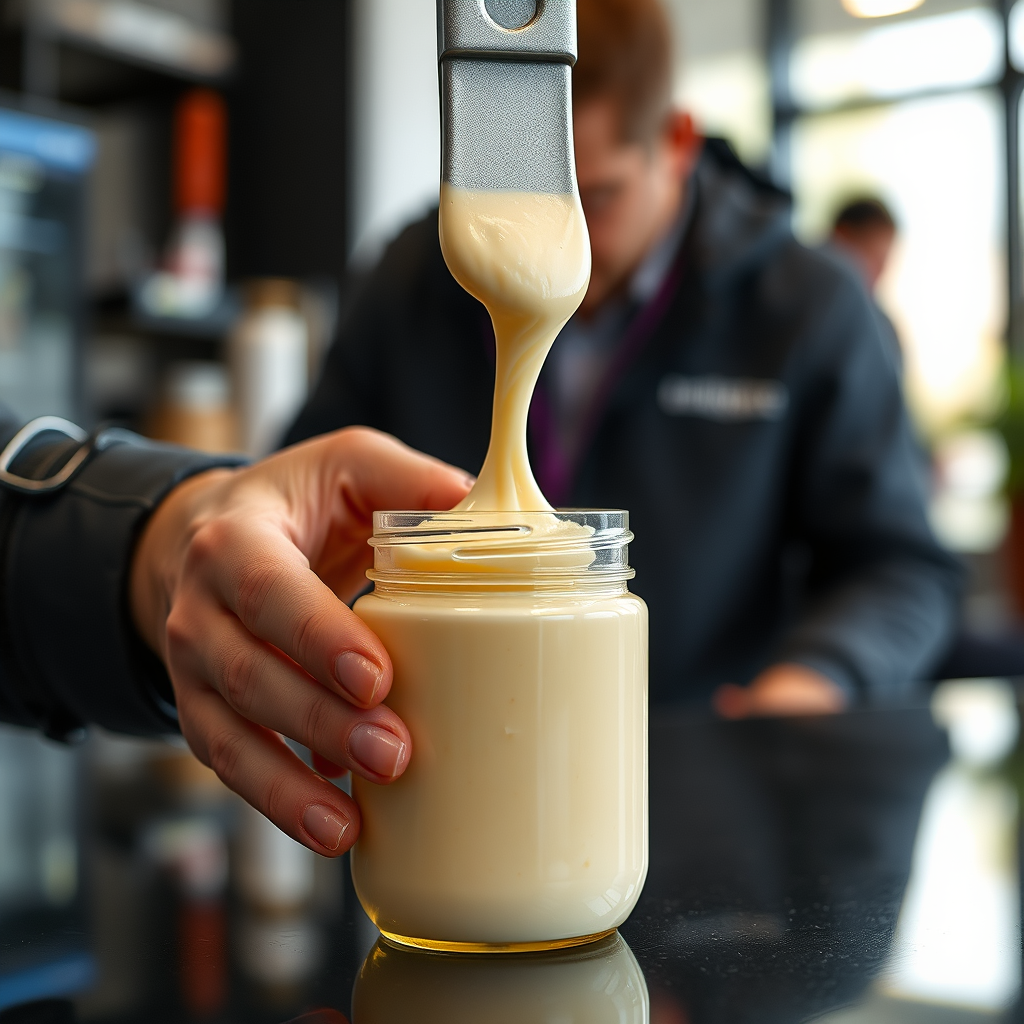
Mayonnaise is not just for sandwiches. Its creamy texture and rich flavor make it an excellent ingredient for a variety of dishes. Here are some creative uses:
– Salad Dressings or Dips: Mix mayonnaise with lemon juice, garlic powder, and your favorite spices to create a delicious salad dressing. You can also combine it with sour cream or yogurt to make a creamy dip for vegetables or chips.
– Sandwich Spread: Use mayonnaise as a base for spreads by adding ingredients like sriracha for heat or pesto for an Italian twist. This enhances the moisture and flavor of sandwiches.
– Baking: Believe it or not, mayonnaise can be used in baking to add moisture to cakes and breads. Replace oil or butter in recipes with mayonnaise for an incredibly moist outcome.
Nutritional Information
Understanding the nutritional profile of mayonnaise is essential, especially for health-conscious individuals.
– Calories: Approximately 100 calories per tablespoon
– Fats: About 11 grams, predominantly unsaturated fats
– Cholesterol: Roughly 7 mg
– Sodium: Approximately 90 mg
When comparing homemade mayonnaise to store-bought options, homemade versions typically contain fewer preservatives and additives, making them a healthier choice.
Nutritional Comparison: Homemade vs. Store-Bought Mayonnaise
| # | Nutritional Aspect | Homemade (per 1 tbsp) | Store-Bought (per 1 tbsp) |
|---|---|---|---|
| 1 | Calories | 100 | 90 |
| 2 | Total Fat (g) | 11 | 10 |
| 3 | Saturated Fat (g) | 1 | 1 |
| 4 | Cholesterol (mg) | 7 | 5 |
| 5 | Sodium (mg) | 90 | 110 |
| 6 | Total Carbohydrates (g) | 0 | 0 |
| 7 | Sugars (g) | 0 | 0 |
| 8 | Protein (g) | 0 | 0 |
| 9 | Vitamin E (mg) | 0.3 | 0.1 |
| 10 | Preservatives | None | Contains |
Storage Tips for Homemade Mayonnaise

To ensure the longevity and safety of your homemade mayonnaise, it is essential to store it properly. Always keep the mayonnaise in a sealed container in the refrigerator. A glass jar with a tight lid works best, as it prevents contamination and preserves freshness.
It’s advisable to consume homemade mayonnaise within one week for optimal freshness. Always check for any off-smells or changes in color before using, as homemade versions lack preservatives.
Common Mistakes to Avoid

Creating mayonnaise may seem straightforward, but there are common pitfalls that can lead to failure:
– Rushing the Emulsification Process: One of the most critical steps in making mayonnaise is the emulsification, which involves slowly incorporating oil into the egg yolk mixture. Rushing this process can cause the mayonnaise to break and separate, leading to a grainy texture.
– Ingredients Not at Room Temperature: Using cold ingredients can hinder the emulsification process. Ensure that your eggs and oil are at room temperature before starting to mix for the best results.
Conclusion
Homemade mayonnaise is a rich and creamy condiment that can significantly enhance your culinary creations. With just a few ingredients, you can create variations that suit your taste preferences and dietary needs. Remember to store it properly and avoid common mistakes to achieve the best results. We encourage you to try this recipe and share your experiences in the comments. Explore the versatility of mayonnaise in your cooking, and enjoy the fresh taste that homemade options provide.
Frequently Asked Questions
What are the best foods to pair with homemade mayonnaise?
Homemade mayonnaise is incredibly versatile and complements a variety of foods. Some of the best pairings include fresh vegetables for dipping, sandwiches with meats and cheeses, and salads like potato or coleslaw. Additionally, it can elevate grilled fish or chicken, making it a staple for enhancing flavor in your meals.
How can I make a flavorful mayonnaise recipe at home?
To create a flavorful homemade mayonnaise, whisk together egg yolks, lemon juice, and mustard in a bowl. Gradually add oil while continuously whisking until the mixture thickens and emulsifies. Experiment with different flavorings, such as garlic or herbs, to customize your mayonnaise to your taste.
Why is homemade mayonnaise better than store-bought options?
Homemade mayonnaise is often considered superior to store-bought versions due to its fresher taste and absence of preservatives or artificial ingredients. You can control the flavor by adjusting the acidity and seasonings, making it healthier and more aligned with your dietary preferences. Plus, it’s simple to make with just a few quality ingredients.
What is the best oil to use for making mayonnaise?
The best oil for making mayonnaise is a neutral-flavored oil, such as canola or grapeseed oil, as they allow the other flavors to shine through. However, olive oil can be used for a richer flavor, keeping in mind that it may alter the taste. Experimenting with different oils can help you find the perfect balance for your homemade mayonnaise recipe.
Which ingredients can I add to enhance my mayonnaise recipe?
You can enhance your mayonnaise recipe by incorporating a variety of ingredients such as minced garlic for aioli, fresh herbs like dill or basil for extra flavor, or spices such as smoked paprika or cayenne for a kick. Additionally, adding a teaspoon of Dijon mustard can provide a tangy depth, making your mayonnaise stand out in any dish.
References
- Mayo
https://en.wikipedia.org/wiki/Mayo - https://www.mayoclinic.org/healthy-lifestyle/nutrition-and-healthy-eating/in-depth/mayo/art-20045593
https://www.mayoclinic.org/healthy-lifestyle/nutrition-and-healthy-eating/in-depth/mayo/art-20045593 - Checking your browser – reCAPTCHA
https://www.ncbi.nlm.nih.gov/pmc/articles/PMC6722598/ - https://www.sciencedirect.com/science/article/pii/S2213453017300144
https://www.sciencedirect.com/science/article/pii/S2213453017300144 - https://www.bbc.com/food/recipes/mayonnaise_91181
https://www.bbc.com/food/recipes/mayonnaise_91181 - https://www.verywellfit.com/homemade-mayonnaise-recipe-5119123
https://www.verywellfit.com/homemade-mayonnaise-recipe-5119123 - https://www.healthline.com/nutrition/how-to-make-mayonnaise
https://www.healthline.com/nutrition/how-to-make-mayonnaise - Google Scholar Google Scholar
https://scholar.google.com/scholar?q=best+foods+mayonnaise+recipe - Google Scholar Google Scholar
https://scholar.google.com/scholar?q=homemade+mayonnaise+nutritional+benefits - Google Scholar Google Scholar
https://scholar.google.com/scholar?q=mayonnaise+recipe+health+effects