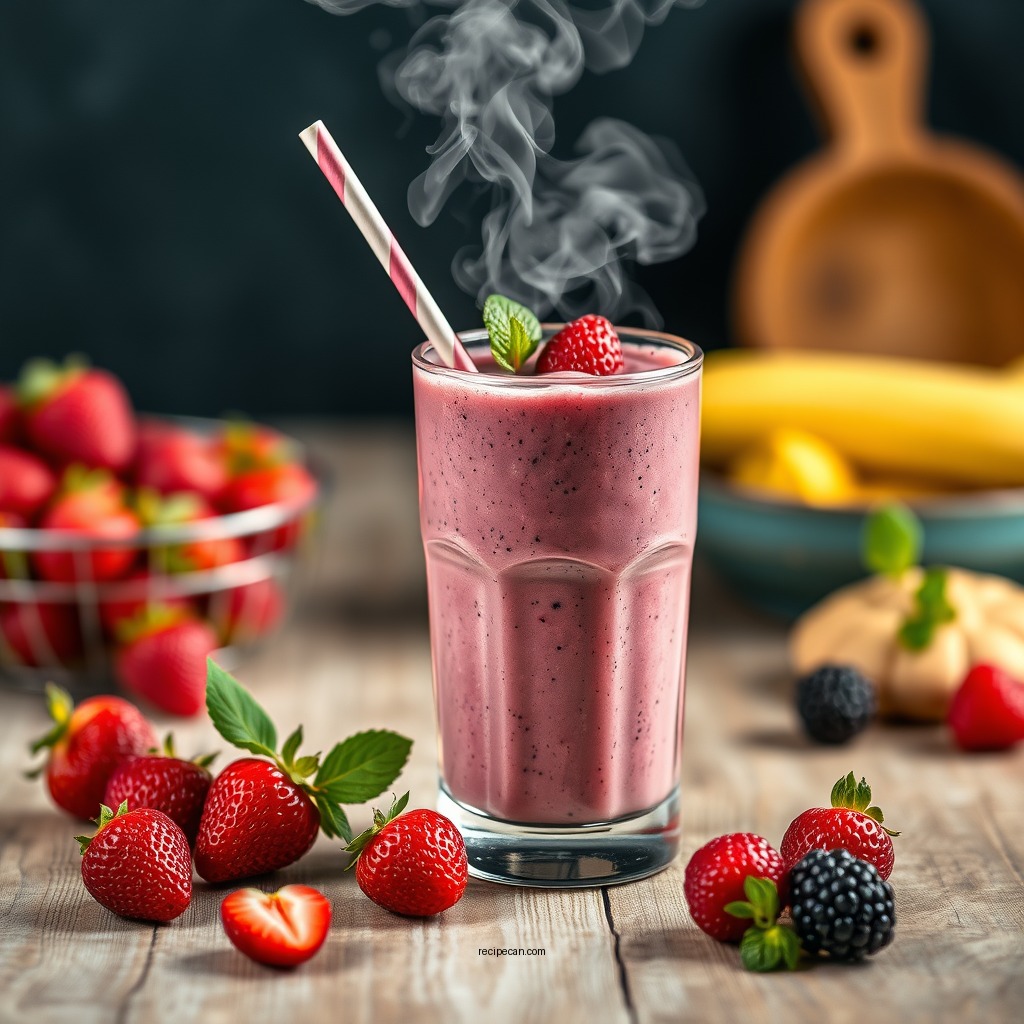
Making a berry smoothie without yogurt is not only possible but also incredibly tasty and nutritious. In this article, you’ll discover a quick and easy recipe that substitutes yogurt while still delivering a creamy texture and vibrant flavor. Get ready to blend up a refreshing drink that’s perfect for any time of day!
Choosing the Right Berries
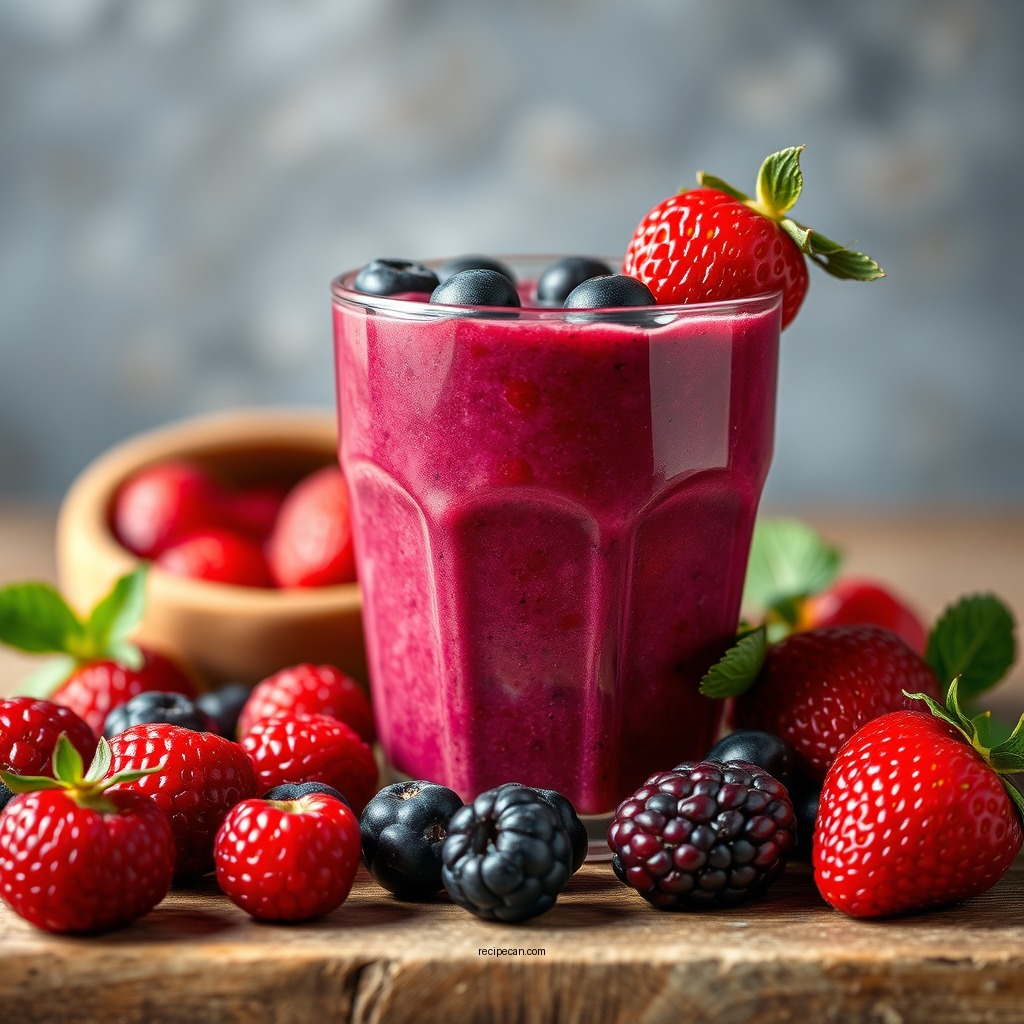
When crafting the perfect smoothie, the choice of berries can significantly influence the flavor and health benefits. Popular options include strawberries, blueberries, and raspberries, each offering a unique taste profile. Strawberries add a sweet and slightly tangy flavor, while blueberries contribute a rich sweetness and are known for their high antioxidant content. Raspberries add a tartness that can balance the overall flavor.
Both fresh and frozen berries are excellent choices for your smoothie. Fresh berries provide a burst of flavor and vibrant color, while frozen berries can give your smoothie a thicker, creamier consistency. Using frozen berries can also eliminate the need for ice, keeping the smoothie from becoming watered down. Additionally, if you have access to organic berries, consider using them for a healthier option, as they are less likely to contain harmful pesticides.
Key Ingredients for Your Smoothie
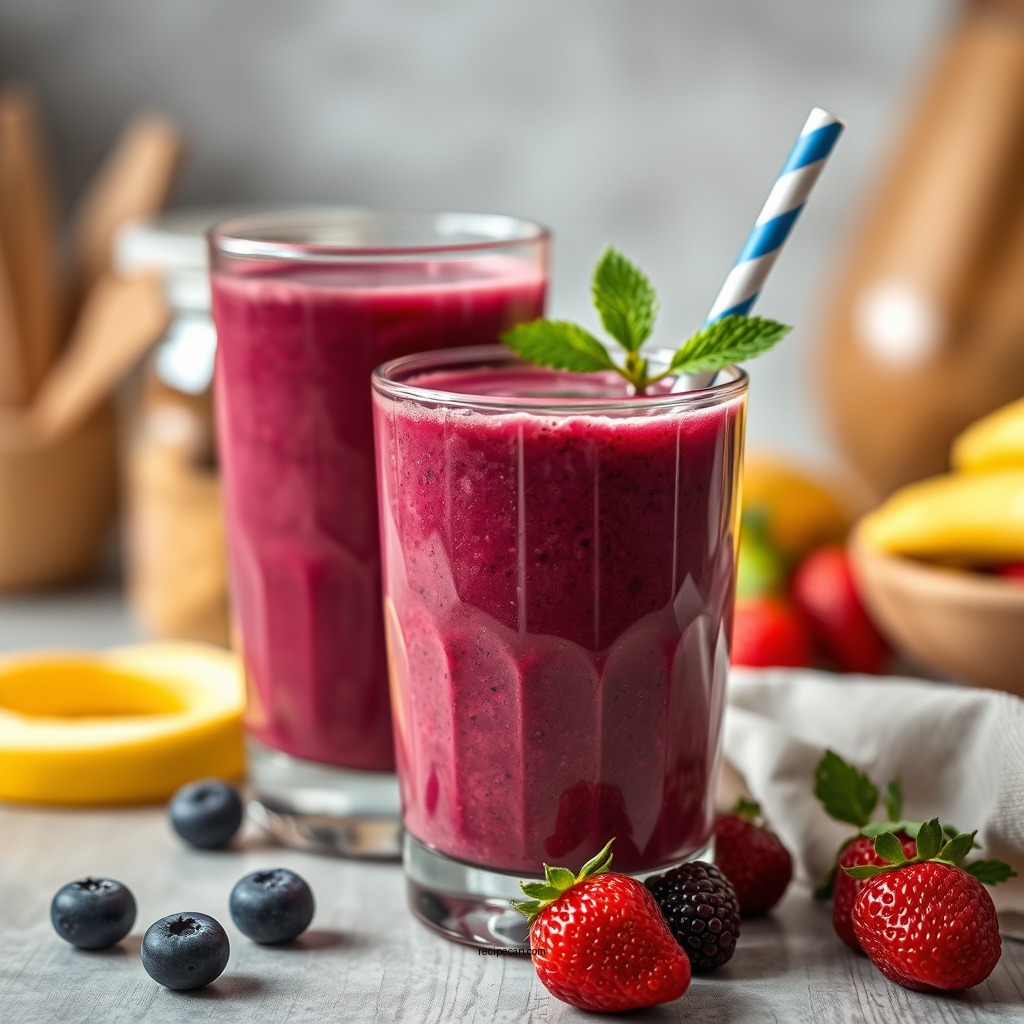
To achieve a creamy texture without yogurt, consider using a suitable liquid base. Almond milk, coconut water, or even fruit juice can serve as excellent options. Almond milk is particularly popular due to its nutty flavor and lower calorie count compared to dairy milk. Coconut water, on the other hand, offers a refreshing taste and natural electrolytes, making it a perfect choice for post-workout smoothies.
Incorporating a banana or avocado can also enhance the creaminess of your smoothie while adding natural sweetness. Bananas are rich in potassium and help to create a thick, smooth consistency, while avocados provide healthy fats and a silky texture that elevates the overall mouthfeel of the drink. For a simple yet delicious base, try blending one banana with a cup of mixed berries and your chosen liquid.
Sweetening Your Smoothie
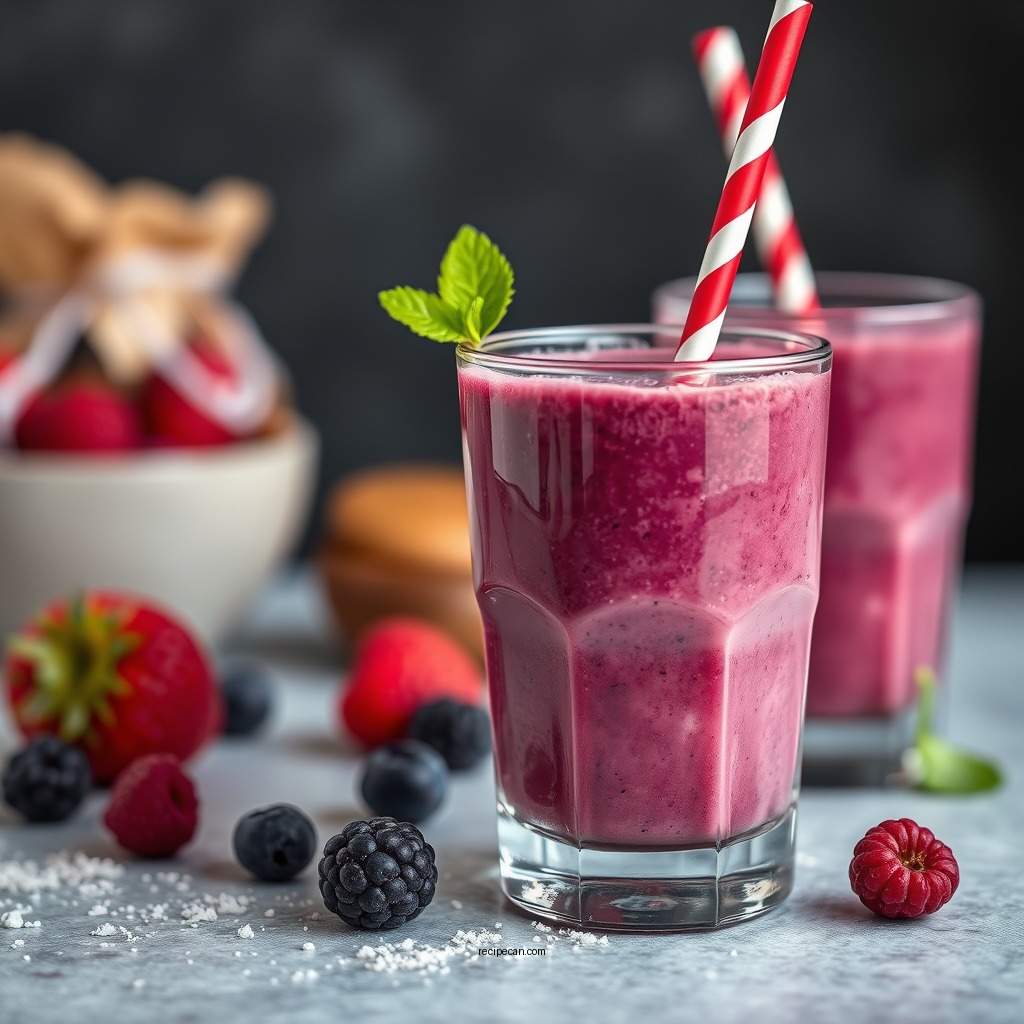
While many berries are naturally sweet, some may require a little extra sweetness to enhance their flavor. Opt for natural sweeteners such as honey, maple syrup, or agave nectar if your berries don’t meet your desired sweetness level. These options provide a touch of sweetness without overwhelming the smoothie with artificial flavors.
Alternatively, you can incorporate a pitted date or two to sweeten your smoothie in a healthier manner. Dates are not only naturally sweet but also packed with fiber and essential nutrients. By blending them into the mixture, you can achieve a rich, caramel-like flavor that complements the berries beautifully.
Adding Extras for Flavor and Nutrition
To make your smoothie even more nutritious, consider adding extras like spinach, chia seeds, or protein powder. Spinach is a fantastic way to sneak in some greens without altering the flavor significantly. Its mild taste pairs well with berries, and it’s packed with vitamins and minerals. Chia seeds are another excellent addition, providing a boost of fiber and omega-3 fatty acids, which are beneficial for heart health.
For those looking to increase their protein intake, adding a scoop of protein powder can give your smoothie a satisfying edge. Whether you prefer whey, casein, or plant-based protein, this addition can help support muscle recovery and keep you feeling full for longer. A splash of vanilla extract can also elevate the flavor profile, adding a warm, aromatic touch that enhances the overall experience.
Blending Tips for the Best Texture
Achieving the perfect smoothie texture is all about how you blend the ingredients. Start by blending the liquid and softer ingredients first—such as almond milk, banana, and spinach—before adding the frozen berries. This method helps to create a smoother blend, as the softer items help to break down the harder, frozen berries.
Blend until the mixture reaches a creamy consistency, which typically takes about 30 to 60 seconds in a high-speed blender. If the smoothie is too thick for your liking, feel free to adjust the thickness by adding more liquid gradually. Conversely, if it’s too thin, simply add more frozen berries or a banana to thicken it up.
Nutritional Benefits of Common Berries (100g)
| # | Berry Type | Calories | Fiber (g) | Vitamin C (%) |
|---|---|---|---|---|
| 1 | Strawberries | 32 | 2.0 | 97% |
| 2 | Blueberries | 57 | 2.4 | 16% |
| 3 | Raspberries | 52 | 6.5 | 44% |
| 4 | Blackberries | 43 | 5.3 | 35% |
| 5 | Cranberries | 46 | 4.6 | 15% |
| 6 | Goji Berries | 349 | 9.0 | 6% |
Serving Suggestions
To create an inviting presentation, pour your smoothie into a chilled glass and enjoy immediately. The vibrant colors of the berries make for a visually appealing drink that is perfect for sharing or enjoying as a personal treat. For an extra touch, consider garnishing your smoothie with a few whole berries or a sprinkle of granola on top. This not only enhances the visual appeal but also adds a delightful crunch that contrasts beautifully with the smooth texture of the smoothie.
For an on-the-go option, you can also prepare your smoothie in a portable blender cup or mason jar. This allows you to enjoy your nutritious drink anywhere, whether you’re heading to work, the gym, or simply enjoying a day out.
Incorporating these tips and variations can elevate your smoothie experience, making it not only a nourishing choice but also a delightful indulgence.
Conclusion
Making a berry smoothie without yogurt is a straightforward and versatile process that results in a delicious and nutritious drink. By selecting the right berries, choosing a creamy base, and incorporating natural sweeteners and nutritious extras, you can craft a smoothie tailored to your taste and dietary needs. Remember to experiment with different ingredient combinations and share your favorite variations in the comments below! Embrace the joy of creating your perfect berry smoothie, and enjoy the health benefits it brings.
Frequently Asked Questions
What are the best fruits to use in a berry smoothie recipe without yogurt?
The best fruits for a berry smoothie recipe without yogurt include strawberries, blueberries, raspberries, and blackberries. These berries not only add natural sweetness and vibrant color but also provide essential vitamins and antioxidants. You can also mix in bananas for creaminess or mango for an exotic twist.
How can I make a creamy berry smoothie without using yogurt?
To achieve a creamy texture in a berry smoothie without yogurt, consider using frozen bananas or avocado. Both ingredients add a smooth consistency while enhancing the nutritional profile of your smoothie. Additionally, you might want to use a high-quality almond milk or coconut milk for added creaminess.
Why should I make a berry smoothie without yogurt?
Making a berry smoothie without yogurt can cater to various dietary restrictions, such as lactose intolerance or vegan preferences. Additionally, it allows for more flexibility in flavor combinations and can help you control the sugar content by using natural fruit sweetness instead of added sugars found in some yogurts.
What liquid options can I use for a berry smoothie recipe without yogurt?
For a berry smoothie recipe without yogurt, you can use a variety of liquid options such as almond milk, coconut water, or oat milk. Each of these alternatives offers a different flavor profile and nutritional benefits, allowing you to customize your smoothie to your taste and dietary needs.
Which sweeteners are best for enhancing a berry smoothie without yogurt?
The best sweeteners for enhancing a berry smoothie without yogurt include honey, maple syrup, or agave nectar. For a healthier option, consider using dates or stevia, as they provide natural sweetness without added sugars. Always start with a small amount and adjust to your personal taste preferences.
References
- https://www.ncbi.nlm.nih.gov/pmc/articles/PMC7000548/
https://www.ncbi.nlm.nih.gov/pmc/articles/PMC7000548/ - https://www.ncbi.nlm.nih.gov/pmc/articles/PMC6024731/
https://www.ncbi.nlm.nih.gov/pmc/articles/PMC6024731/ - https://www.ncbi.nlm.nih.gov/pmc/articles/PMC5082158/
https://www.ncbi.nlm.nih.gov/pmc/articles/PMC5082158/ - https://www.ncbi.nlm.nih.gov/pmc/articles/PMC7858274/
https://www.ncbi.nlm.nih.gov/pmc/articles/PMC7858274/ - https://www.sciencedirect.com/topics/agricultural-and-biological-sciences/berry-smoothies
https://www.sciencedirect.com/topics/agricultural-and-biological-sciences/berry-smoothies - Healthy diet
https://www.who.int/news-room/fact-sheets/detail/healthy-diet - https://www.cdc.gov/nutrition/data-statistics/know-your-limit-for-added-sugars.html
https://www.cdc.gov/nutrition/data-statistics/know-your-limit-for-added-sugars.html - Google Scholar Google Scholar
https://scholar.google.com/scholar?q=berry+smoothie+recipe+without+yogurt - Google Scholar Google Scholar
https://scholar.google.com/scholar?q=berry+nutritional+benefits - Google Scholar Google Scholar
https://scholar.google.com/scholar?q=fruit+smoothie+recipes+without+yogurt
