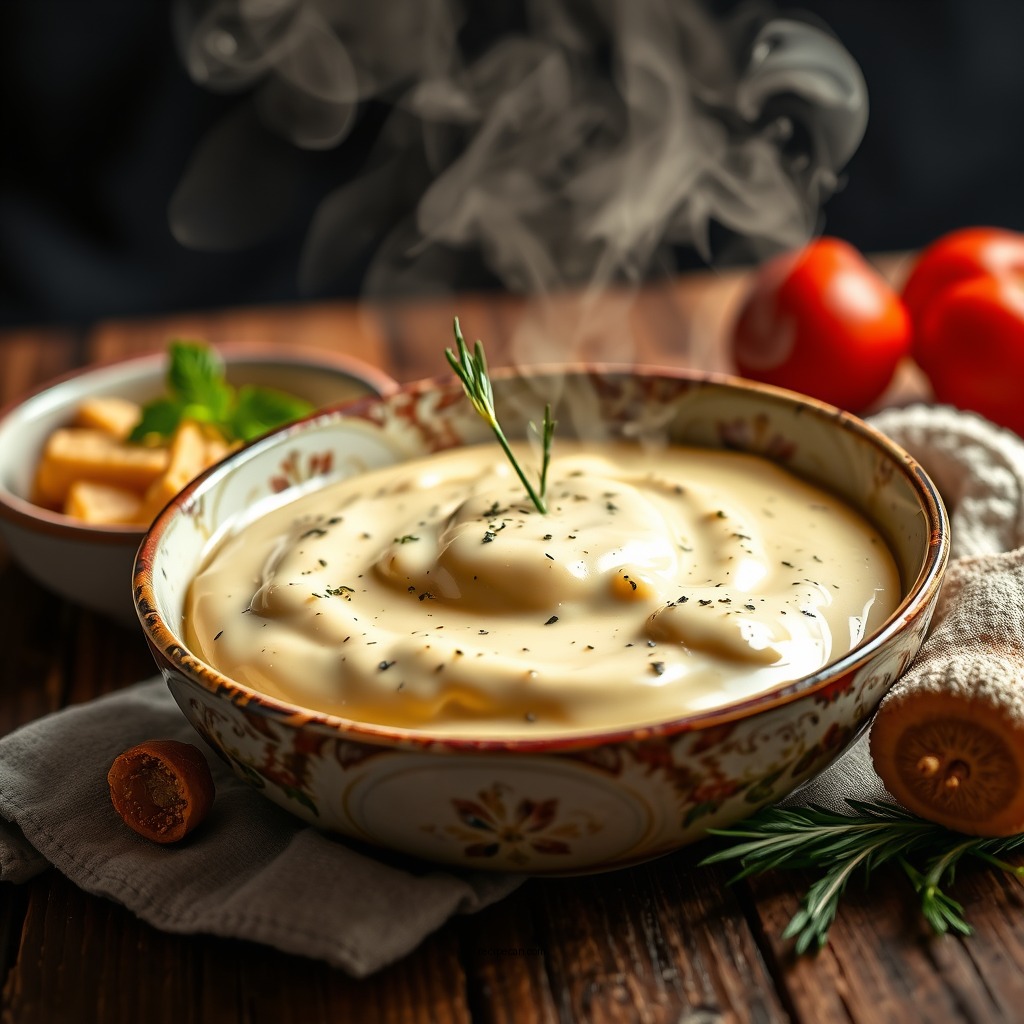
Béchamel sauce is an essential white sauce that serves as a foundation for a multitude of dishes, including lasagna, creamy gratins, and even soups. Mastering this sauce not only enhances your culinary repertoire but also allows you to create rich, flavorful meals with ease. In this article, you’ll discover a variety of béchamel sauce recipes, useful variations, and tips to elevate your cooking. Whether you’re a seasoned chef or a novice in the kitchen, you’ll find something to inspire your next culinary adventure.
Classic Béchamel Sauce Recipe
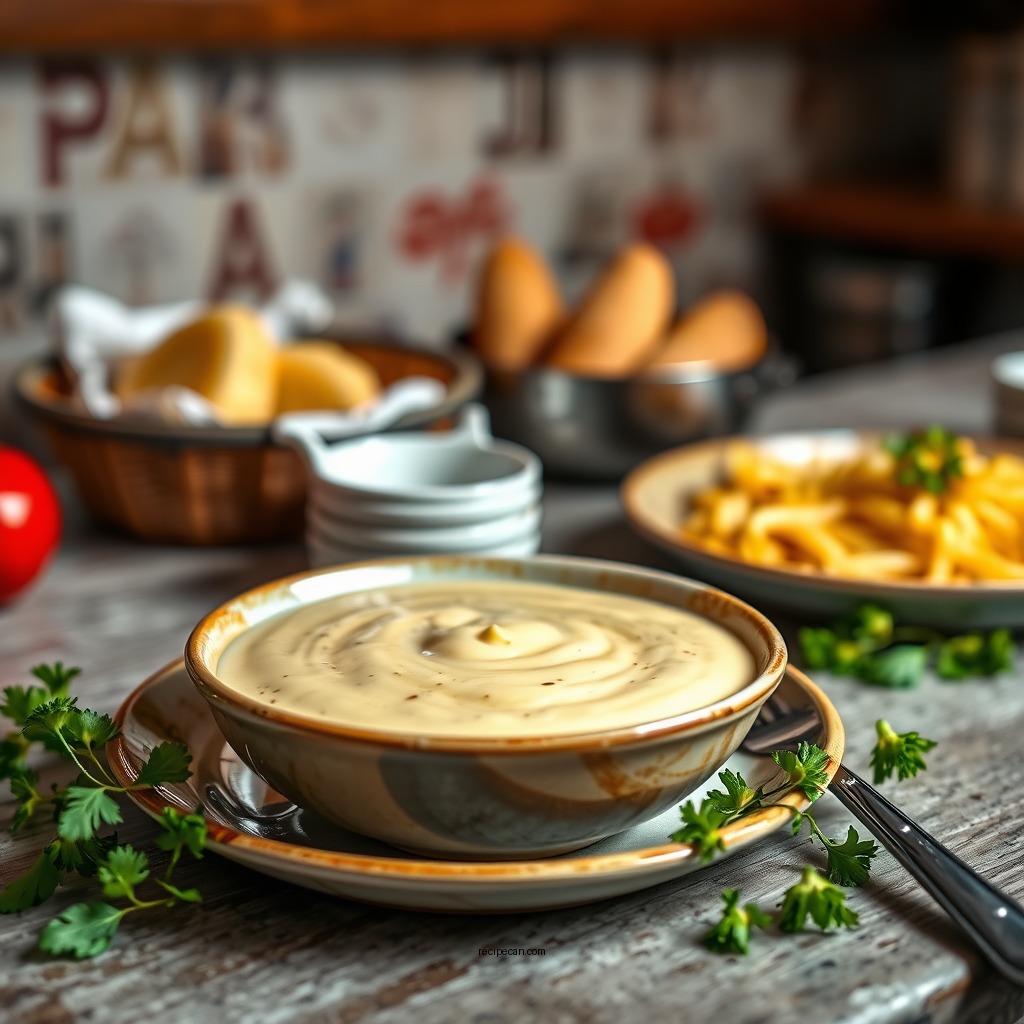
The classic béchamel sauce, often referred to as white sauce, is made from just three core ingredients: butter, flour, and milk. This simple combination creates a smooth, creamy sauce that serves as the perfect base for many recipes.
Ingredients:
– 2 tablespoons butter
– 2 tablespoons all-purpose flour
– 2 cups whole milk
– Salt and pepper to taste
– A pinch of nutmeg (optional)
Instructions:
1. Melt the Butter: In a medium saucepan, melt the butter over medium heat until it starts to foam.
2. Add the Flour: Whisk in the flour and cook for about 2 minutes to form a roux, stirring continuously to avoid browning.
3. Incorporate the Milk: Gradually add the milk while whisking vigorously to prevent lumps from forming. Continue to cook and whisk until the sauce thickens, which should take about 5 to 8 minutes.
4. Season: Add salt, pepper, and nutmeg to taste. Remove from heat and use immediately, or cover with plastic wrap to prevent a skin from forming.
Tips for Perfect Consistency
– Whisk Constantly: This helps to avoid lumps and ensures a smooth texture.
– Heat Control: Keep the heat at medium to avoid burning the roux or scalding the milk.
– Strain if Necessary: If lumps do form, you can strain the sauce through a fine-mesh sieve for a smoother result.
Variations of Béchamel Sauce
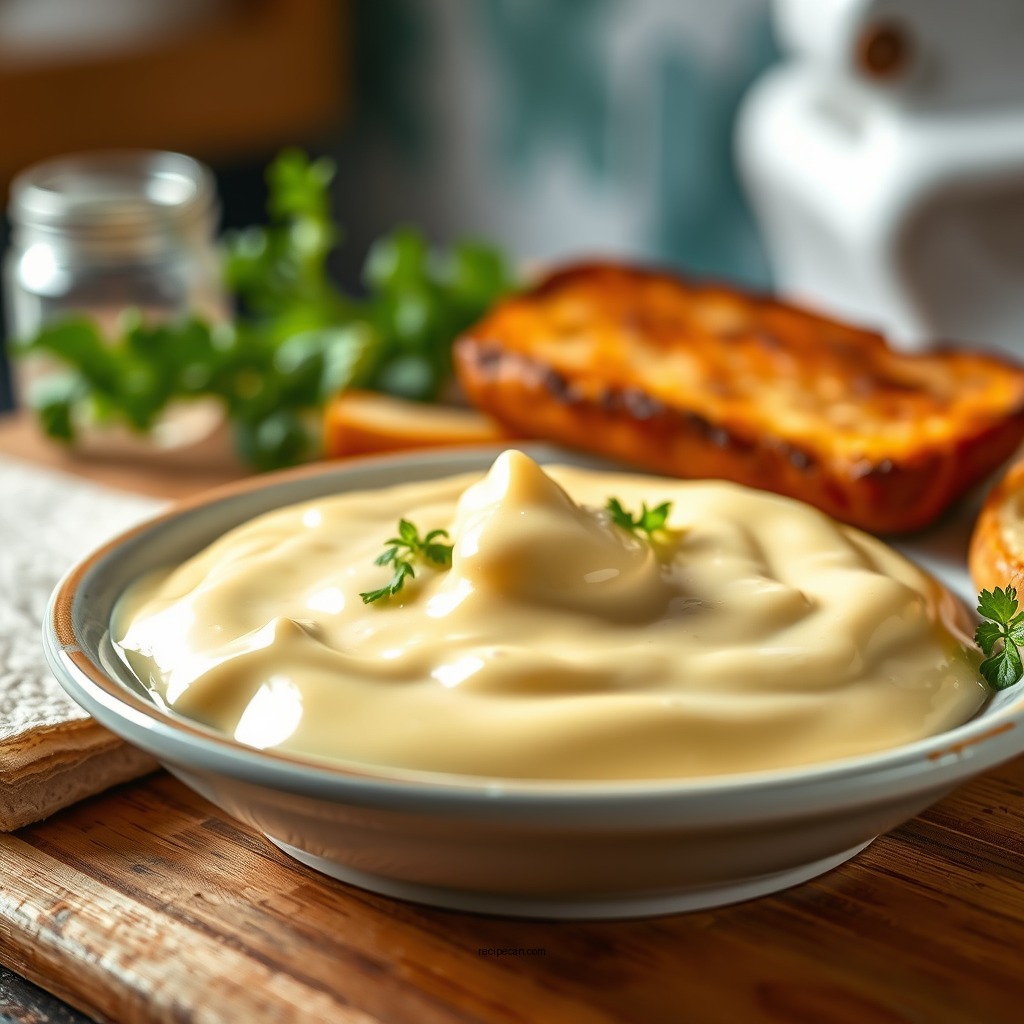
Béchamel sauce is highly versatile, allowing for numerous variations by simply incorporating additional ingredients to create unique flavor profiles.
Cheese Sauce (Mornay)
– Add Cheese: Stir in grated Gruyère, Cheddar, or Parmesan cheese after the béchamel has thickened.
– Proportions: Approximately 1 cup of cheese for every 2 cups of béchamel.
Herb-Infused Béchamel
– Add Herbs: Incorporate fresh or dried herbs like thyme, basil, or parsley for an aromatic twist.
– Timing: Add the herbs during the cooking process to infuse the flavors into the sauce.
Spicy Béchamel
– Spice It Up: Mix in cayenne pepper or chili flakes for a spicy version.
– Use in Dishes: Great for enhancing dishes like spicy mac and cheese.
Table of Béchamel Variations
Béchamel Sauce Variations
| # | Variation | Key Ingredients | Best For |
|---|---|---|---|
| 1 | Mornay | Gruyère or Parmesan | Pasta, Gratin |
| 2 | Herb-Infused | Thyme, Basil | Vegetables, Fish |
| 3 | Spicy | Cayenne, Chili Flakes | Mac & Cheese, Casseroles |
| 4 | Truffle | Truffle Oil | Pasta, Risotto |
| 5 | Mustard | Dijon Mustard | Vegetable Dishes |
| 6 | Garlic | Garlic Powder | Pasta, Pizza |
Using Béchamel in Casseroles
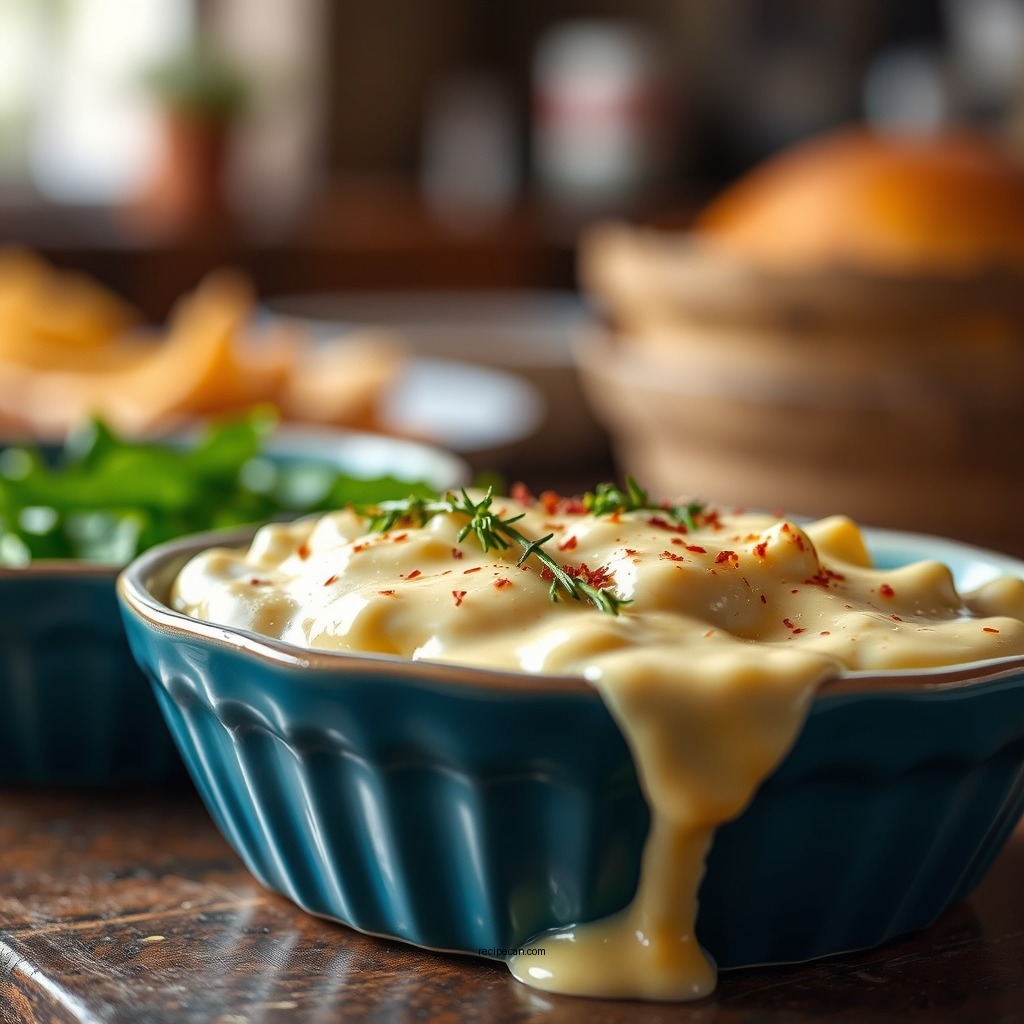
Béchamel sauce is a fantastic ingredient for elevating casseroles, adding creaminess and depth to the overall dish.
Lasagna
– Layering: Incorporate béchamel between layers of pasta and meat or vegetables to create a luscious texture.
– Balance: Use béchamel in conjunction with marinara sauce for a balanced flavor profile.
Macaroni and Cheese
– Creamy Base: Start with béchamel as a base, then add cheese and cooked pasta for a comforting dish that’s sure to please.
– Baking: Top with breadcrumbs and bake for a crispy finish.
Tips for Layering Béchamel
– Even Distribution: Ensure béchamel is evenly spread between layers to avoid dry patches.
– Combining Flavors: Mix in sautéed vegetables or proteins before layering for added flavor.
Béchamel Sauce for Soups and Stews
Béchamel can also be used as a thickening agent in soups and stews, providing a rich, creamy base that enhances the dish’s overall flavor.
Creamy Soups
– Incorporation: Stir béchamel into vegetable or chicken soups for a creamy texture without the need for heavy cream.
– Flavor Combinations: Pair with roasted garlic or sautéed onions for added depth.
Hearty Stews
– Richness: Add béchamel to beef or chicken stews to enrich the sauce and create a velvety mouthfeel.
– Cooking Technique: Mix in towards the end of cooking to maintain its creamy consistency.
Bar Chart of Béchamel Sauce Usage
Uses of Béchamel Sauce in Culinary Dishes
Vegan and Dairy-Free Béchamel Options
For those following a plant-based diet or with dairy allergies, making a delicious vegan béchamel sauce is entirely feasible using alternative ingredients.
Ingredients:
– 2 tablespoons olive oil or vegan butter
– 2 tablespoons all-purpose flour or gluten-free flour
– 2 cups unsweetened almond milk or other plant-based milk
– Salt and pepper to taste
Instructions:
1. Heat Oil: In a saucepan, heat the olive oil over medium heat.
2. Add Flour: Whisk in the flour for about 2 minutes.
3. Add Milk: Gradually add the almond milk, whisking until thickened.
4. Season: Add salt and pepper to taste.
Key Ingredients for Dairy-Free Béchamel
– Nut Milks: Almond, soy, or oat milk work well.
– Thickening Agents: Cornstarch can be used as a thickener; just mix with a little cold water and add it to the heated mixture.
Troubleshooting Common Béchamel Sauce Issues
Making béchamel can be straightforward, but sometimes issues arise. Here are some common problems and their solutions.
Lumpy Sauce
– Cause: Lumps are usually a result of insufficient whisking or adding cold milk to hot roux.
– Solution: Strain through a fine-mesh sieve, or use an immersion blender to smooth out the texture.
Sauce Too Thick
– Cause: This can occur if too much flour is used or if cooked too long.
– Solution: Whisk in additional milk gradually until you achieve the desired consistency.
Sauce Too Thin
– Cause: Not enough flour or undercooking the roux.
– Solution: Create a slurry with equal parts flour and cold milk, then whisk into the sauce until it thickens.
Creative Ways to Use Béchamel Sauce
Béchamel sauce is not limited to traditional dishes; it can be creatively incorporated into a variety of meals.
Breakfast Dishes
– Creamy Scrambled Eggs: Mix into scrambled eggs for a rich texture.
– Savory Oatmeal: Stir into oatmeal with sautéed vegetables for a filling breakfast.
Appetizers
– Dips: Use as a base for cheese dips by adding shredded cheese and spices.
– Stuffed Vegetables: Fill bell peppers or zucchini with a mixture of béchamel, grains, and vegetables.
Pairing Suggestions
– Proteins: Excellent with chicken, fish, or baked tofu.
– Vegetables: Pairs well with broccoli, cauliflower, or spinach.
Béchamel sauce is a foundational element in many recipes, and mastering it opens up a world of culinary possibilities. Experiment with the variations and tips provided, and don’t hesitate to try new combinations in your kitchen. Whether you serve it with pasta, in a casserole, or as a creamy soup base, béchamel will enhance your dishes and impress your guests. Happy cooking!
Frequently Asked Questions
What are the essential ingredients for a basic béchamel sauce recipe?
A basic béchamel sauce recipe requires just three essential ingredients: butter, flour, and milk. To start, you create a roux by melting butter and whisking in an equal amount of flour, cooking it until it’s bubbly. Gradually add milk while stirring to achieve a smooth, creamy texture. Season with salt and nutmeg for added flavor.
How can I make my béchamel sauce thicker or thinner?
To make your béchamel sauce thicker, use a higher ratio of flour to milk, or let it simmer longer to reduce the liquid. Conversely, if your sauce is too thick, simply whisk in more milk gradually until you reach your desired consistency. Adjusting the cooking time and ingredient ratios allows you to customize your béchamel sauce for different recipes.
Why is my béchamel sauce lumpy, and how can I fix it?
Lumpy béchamel sauce often results from adding cold milk too quickly to the roux or not whisking thoroughly. To fix it, remove the sauce from heat and vigorously whisk it to break up the lumps. If necessary, you can also blend the sauce with an immersion blender for a smooth finish.
What are some popular variations of béchamel sauce for different dishes?
Popular variations of béchamel sauce include Mornay sauce, which adds cheese, perfect for macaroni and cheese, and mustard béchamel, which enhances flavor for dishes like croque monsieur. You can also infuse béchamel with herbs or spices, like garlic or bay leaf, to complement various recipes, making it versatile for many cuisines.
Which dishes commonly use béchamel sauce as a key ingredient?
Béchamel sauce is a key ingredient in several classic dishes, including lasagna, macaroni and cheese, and moussaka. It serves as a base for creamy sauces in gratins and casseroles, adding richness and flavor. Understanding its role can help elevate many savory recipes in your cooking repertoire.
References
- Béchamel sauce
https://en.wikipedia.org/wiki/Béchamel_sauce - https://www.bbc.co.uk/food/recipes/bechamel_sauce_09041
https://www.bbc.co.uk/food/recipes/bechamel_sauce_09041 - https://www.thespruceeats.com/bechamel-sauce-recipe-995084
https://www.thespruceeats.com/bechamel-sauce-recipe-995084 - NYT Cooking – Recipes and Cooking Guides From The New York Times
https://www.nytimes.com/recipes/1013567/bechamel-sauce - https://www.foodnetwork.com/recipes/articles/50-sauces/bechamel-sauce
https://www.foodnetwork.com/recipes/articles/50-sauces/bechamel-sauce - Google Scholar Google Scholar
https://scholar.google.com/scholar?q=b%C3%A9chamel+sauce+recipes - Google Scholar Google Scholar
https://scholar.google.com/scholar?q=béchamel+sauce+techniques - Google Scholar Google Scholar
https://scholar.google.com/scholar?q=béchamel+sauce+history - https://www.britannica.com/topic/bechamel-sauce
https://www.britannica.com/topic/bechamel-sauce - https://www.sciencedirect.com/topics/food-science/bechamel-sauce
https://www.sciencedirect.com/topics/food-science/bechamel-sauce