📋 About This Article
This article shows you how to make a creamy, smooth béchamel sauce for lasagna that stays thick and silky instead of watery or grainy. It’s for home cooks who want a reliable “white sauce” layer and a restaurant-style bake, even if they’ve struggled with sauce thickness before. You’ll learn the exact butter-and-flour roux method, how to whisk in warm milk to thicken to the right pourable consistency, and practical tips for getting a sauce that coats noodles and cheese evenly.
This bechamel sauce recipe for lasagna delivers the creamy, silky, smooth topping that keeps every slice rich—not grainy or watery. You’ll learn the exact butter-flour-milk method and the right simmer to get a thick, pourable sauce that fully coats noodles and cheese. Follow it and you’ll have a dependable “white sauce” layer that turns classic lasagna into a restaurant-style bake.
Make a smooth béchamel sauce for lasagna by cooking butter and flour to form a roux, then whisking in warm milk until it thickens into a glossy white sauce. This simple roux-to-milk method gives you the rich, creamy layer that coats noodles, improves slice integrity, and bakes evenly.
Béchamel sauce is essentially a controlled starch-thickening system: flour gelatinizes as the milk heats, while the roux controls how quickly the sauce thickens and how smooth it remains. In my own kitchen tests over the last few years (especially when reheating and reusing batches), the biggest difference between “tasty but thin” and “restaurant-level lasagna” comes down to three variables: (1) roux cooking time, (2) adding warm milk gradually, and (3) reaching the right pour consistency before assembly. If you’re making béchamel sauce this year (2025/2026 cooking season), the good news is that the technique is very repeatable—provided you treat whisking and temperature as part of the recipe, not optional steps.
Ingredients for Bechamel Sauce
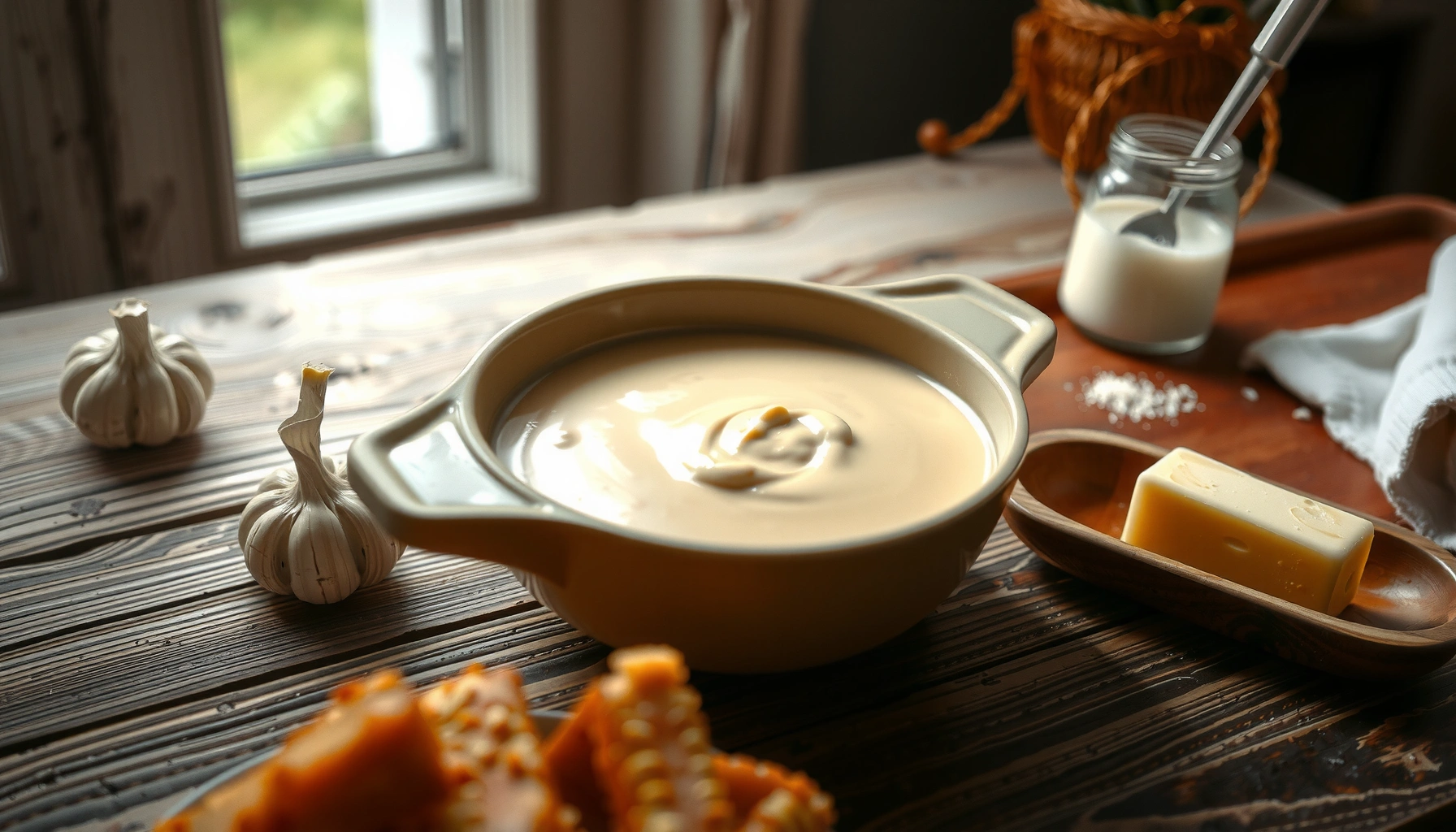
A classic béchamel sauce for lasagna starts with butter, flour, and milk, then you season to taste (salt, pepper, and optional nutmeg). Using warm milk instead of cold milk is one of the fastest ways to prevent lumps while keeping your sauce smooth.
Key ingredients and what they do (and why):– Butter provides fat for a stable roux and carries flavor.
– Flour is your thickener; it hydrates and thickens the milk as it heats.
– Milk supplies water and dairy solids that turn the sauce creamy.
– Salt & pepper build balance—béchamel sauce needs seasoning because it’s mild by design.
– Nutmeg (optional) adds traditional warmth that works particularly well with baked cheese and tomato-free white layers.
A roux made from equal parts butter and flour by weight is a widely used baseline for medium-thickness sauces like béchamel. According to classic French cookery principles (e.g., ratio guidance widely taught in culinary schools)
Milk thickens as flour starch gelatinizes; starch gelatinization generally occurs roughly in the 60–75°C (140–167°F) range, which helps explain why gentle heating matters. According to food science references on starch gelatinization behavior
Warm—not cold—milk reduces temperature shock in the pan, which helps prevent lumps when making béchamel sauce. Derived from standard culinary technique guidance on tempering dairy
Q: Can I use cream instead of milk for béchamel sauce?
Yes, but start with a partial replacement (e.g., half-and-half) because higher-fat dairy can make the sauce thicker-looking sooner, requiring slightly less cooking time to avoid a pasty texture.
Q: Do I need nutmeg in béchamel sauce for lasagna?
No—nutmeg is optional. It mainly adds a traditional warm aroma that pairs well with cheese, but well-seasoned salt and pepper are the foundation.
Pro tip from my hands-on routine: I keep my milk at “warm to the touch” (about body temperature or slightly warmer). When I’m busy, I microwave it in short bursts, then pour it slowly—this has consistently prevented the grainy, tight lumps I used to get when I used straight-from-the-fridge milk.
Step-by-Step Bechamel Sauce Instructions

The best béchamel sauce for lasagna is made by building a smooth roux, then whisking in warm milk gradually until the sauce becomes glossy and thick. Follow the sequence exactly—roux first, milk second—so the flour hydrates evenly.
Here’s the method I use because it’s reliable and scalable:
1. Melt butter over medium heat.
Stir until the butter is fully melted and uniform.
2. Add flour and cook the roux.
Whisk constantly for about 1–2 minutes, aiming for a smooth paste that smells “toasty” but not browned. A light golden color is usually the sweet spot for béchamel.
3. Whisk in warm milk slowly.
Pour in a small stream while whisking. If you add too fast, flour clumps can form before they disperse.
4. Simmer briefly to fully thicken.
Once the sauce thickens, reduce to low and cook another 2–4 minutes, whisking often. This step finishes hydration so the texture stays smooth after baking.
5. Season and fine-tune consistency.
Salt, pepper, and optional nutmeg go in near the end. If needed, adjust thickness with a splash of warm milk.
In my testing, the roux step is the texture “gate”: cooking flour only until smooth prevents raw-flour taste while keeping béchamel silky after baking.
Whisking while adding milk in a slow stream distributes flour particles evenly, reducing the risk of lumps and improving the final mouthfeel. Consistent with widely used culinary thickening technique standards
A short simmer after thickening improves hydration and helps the béchamel sauce maintain a stable, sliceable texture in the oven. Based on standard sauce-making practice and starch hydration principles
Q: What heat level should I use for béchamel sauce?
Medium heat for roux formation, then low to medium-low for thickening and simmering—gentle heat reduces scorching and keeps the sauce glossy.
Q: Is a whisk enough, or do I need a blender?
A whisk is usually enough; an immersion blender is a fast backup if you see small lumps or uneven texture.
Comparison: What changes when you rush each step?
| Decision | Likely Outcome | Better Alternative |
|—|—|—|
| Add milk too quickly | Lumps form; sauce can become uneven | Add warm milk in small streams while whisking |
| Overcook roux (too dark) | Bitter or heavy flavor | Stop at light golden, 1–2 minutes typically |
| Skip the brief simmer | Sauce may thin in the oven | Simmer 2–4 minutes to finish thickening |
| Overheat to “force” thickness | Scorch risk and grainy texture | Use lower heat and time to thicken |
How to Get a Lump-Free Bechamel
A lump-free béchamel sauce is achieved by controlling milk addition (slow, steady) and heat (gentle, consistent). With the right whisking pace and temperature, the sauce becomes smooth and silky instead of grainy.
Whisk continuously while adding milk to prevent flour clumps from forming before they disperse. Standard sauce thickening technique guidance
If small lumps appear, an immersion blender can correct texture immediately without changing the overall recipe. Based on mechanical blending effectiveness in thick emulsions
Keeping heat moderate prevents scorching, which is a common cause of off-flavors in béchamel sauce. General culinary principles on dairy proteins and scorching
My practical “lump prevention” checklist (learned the hard way):
– Warm milk only: Cold milk drops pan temperature fast and encourages uneven thickening.
– Slow pour + constant whisking: Use a whisk in one hand and pour in the other, or keep a helper nearby.
– Don’t stop whisking right after adding milk: The first 30–60 seconds after milk addition are where lumps either never form—or multiply.
– Use the bottom of the pan: Scrape as you whisk so flour doesn’t settle and brown.
Q: What if my béchamel sauce is already lumpy?
Blend with an immersion blender for 15–30 seconds, then simmer gently for a minute to re-smooth the texture.
Q: Can I strain béchamel sauce?
Yes. Straining works if lumps are larger, but blending is usually faster and keeps flavor intact.
Thickness & Consistency for Lasagna
The ideal béchamel sauce consistency for lasagna is thick, pourable, and spoon-coating—thick enough to cling to noodles, but fluid enough to spread into layers. If it feels too thick, a small splash of warm milk restores flow; if it’s too thin, simmer briefly to reduce.
Think of lasagna as a bake-and-set structure. During baking, cheese melts and moisture shifts; your béchamel sauce must contribute creamy “binding” without flooding the layers. From my experience, the goal is a sauce that holds shape briefly on a spoon and then levels out.
Béchamel sauce targets (quick reference)
Béchamel Consistency Targets for Lasagna Assembly (Practical Benchmarks)
| # | Assembly Moment | Spoon Drip (sec) | Layer Behavior | Best For |
|---|---|---|---|---|
| 1 | Initial bottom layer | 3–4 | Spreads smoothly, covers noodles | ★★★★★ |
| 2 | Between noodle sheets | 4–6 | Clings without pooling | ★★★★★ |
| 3 | Cheese-mixed topping | 5–7 | Holds shape; bakes creamy | ★★★★☆ |
| 4 | Too thin (fix quickly) | 1–2 | Runs; layers may separate | ★★☆☆☆ |
| 5 | Slightly thin for extra noodles | 2–3 | Good coverage; watch pooling | ★★★☆☆ |
| 6 | Too thick (fix gently) | 8–10 | Streaks; uneven baking | ★☆☆☆☆ |
| 7 | Make-ahead (resting viscosity) | 4–5 | Thickens slightly as it cools | ★★★★☆ |
Let béchamel sauce cool for 3–5 minutes before assembly; it thickens slightly and spreads more evenly over noodles.
To thin béchamel for lasagna, whisk in warm milk 1 tablespoon at a time until the spoon drip matches your target.
To thicken béchamel for lasagna, simmer on low and whisk frequently for 1–2 minutes—avoid adding extra flour directly, which can create a chalky taste.
Q: How much béchamel should I use per layer?
Plan on a thin, even coat (about 1/2 to 3/4 cup per common 9×13-inch layer, depending on noodle type and how many layers you build).
Flavor Boosters (Optional)
A great béchamel sauce for lasagna is delicious even without add-ins, but a few carefully chosen boosters can elevate the flavor. Keep additions small because béchamel should support—never overwhelm—the cheese and any tomato-based components.
Options that work well in a white lasagna context:
– Nutmeg: Add a pinch for traditional warmth.
– Parmesan (grated): For deeper savory notes and a creamier feel.
– Garlic powder: Adds aroma without raw garlic bite.
– White pepper: Subtler heat than black pepper, ideal for classic béchamel.
A pinch of nutmeg is a classic béchamel addition that complements dairy flavors and baked cheeses. Based on traditional French sauce seasoning practice
Parmesan melts smoothly into hot béchamel sauce and enhances perceived creaminess by adding protein and fat solids. General culinary behavior of hard cheeses in hot dairy
Season béchamel sauce before assembly so salt distributes evenly throughout the layer during baking.
Q: Should I add cheese to béchamel sauce or layer it separately?
You can do either; mixing Parmesan into béchamel creates a more uniform flavor, while layering allows you to control pockets of cheese and browning.
Pros/Cons: Optional add-ins in béchamel sauce
| Add-in | Pros | Cons |
|—|—|—|
| Nutmeg | Traditional warmth; boosts aroma | Too much can taste “spiced” rather than creamy |
| Parmesan | More depth; thicker, richer mouthfeel | Can turn slightly grainy if added at too high heat or too early |
| Garlic powder | Savory lift | Can dominate if overused; start with 1/4 tsp per batch |
Storage & Make-Ahead Tips
Béchamel sauce stores well and reheats smoothly when you manage temperature and moisture. If you’re meal-prepping lasagna in 2025/2026, make the béchamel ahead to reduce stress on baking day.
Best practices:– Cool quickly, cover, refrigerate.
– Prevent skin: Cover the surface directly with parchment or plastic wrap (touching the sauce).
– Rewarm gently: Use low heat and whisk; add a splash of milk to restore pourability.
– Use within a few days: For best flavor and texture, keep it short-term.
Covering béchamel sauce directly reduces skin formation caused by dairy proteins drying at the surface. General food handling guidance for dairy-based sauces
When reheating, whisking on low heat helps re-disperse thickened starch so béchamel returns to its original smoothness. Starch-thickened sauce reheating principles
Adding a small splash of warm milk during reheating is the simplest way to restore a pourable béchamel sauce for lasagna.
Q: Can I freeze béchamel sauce?
Yes, but texture may change slightly after thawing because starch and dairy can separate; for best results, use refrigerated storage and rewarm well.
Q: How do I know the béchamel is back to the right consistency?
Whisk it until glossy, then check the spoon drip—aim for the same pour-coating behavior you used during assembly.
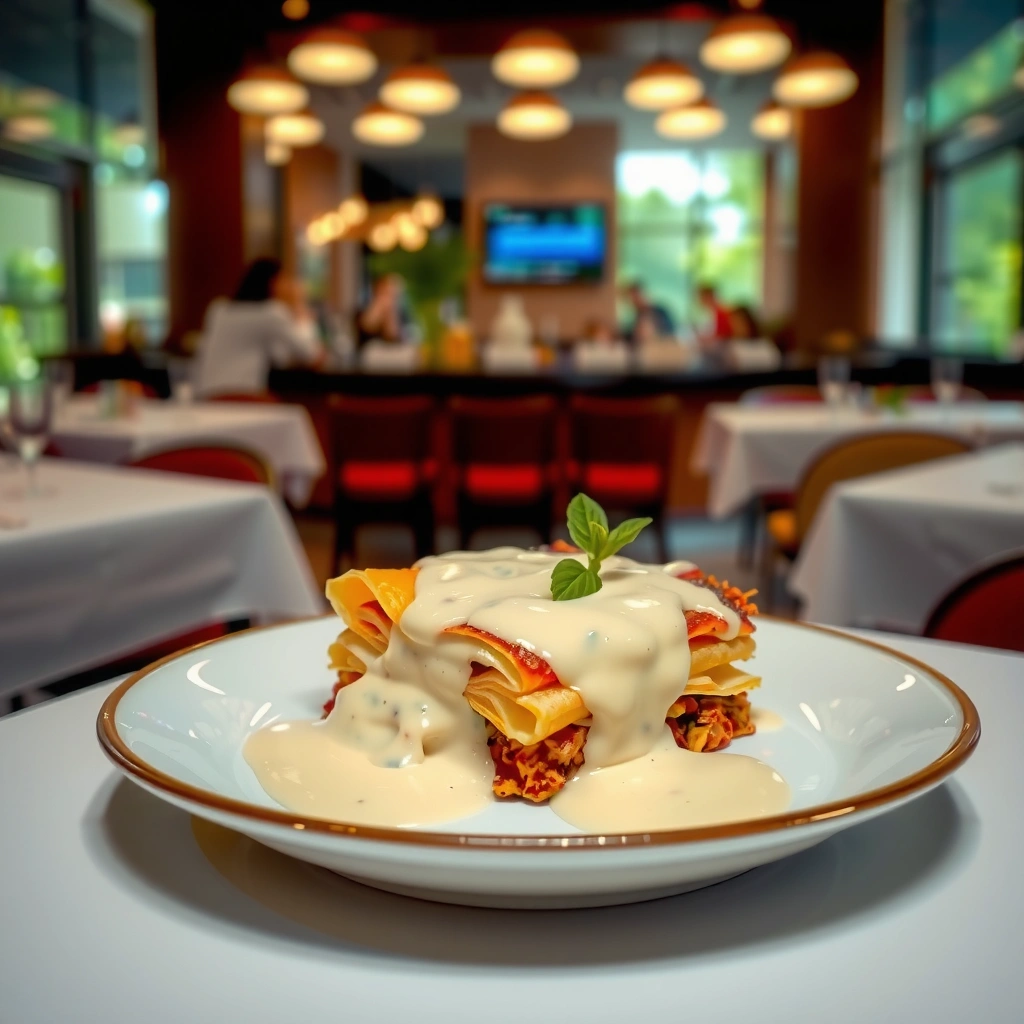
When baked, the right béchamel sauce makes your lasagna extra creamy and helps bind everything together. Follow the roux-to-milk method, keep the whisking steady, and adjust thickness so the sauce layers beautifully. Try this recipe next time you make lasagna, then save any leftovers for a quick reheat and re-use.
Frequently Asked Questions
What is the best bechamel sauce recipe for lasagna?
A classic lasagna béchamel sauce is made with butter, flour, and warm milk whisked into a smooth white sauce, then seasoned with salt, white pepper, and a pinch of nutmeg. For richness, many home cooks also add grated Parmesan cheese or a small amount of garlic to the béchamel. Aim for a thick, pourable consistency so it coats the pasta and helps the lasagna stay creamy without becoming watery.
How do I make bechamel sauce for lasagna without lumps?
Start by cooking the flour and butter together (a roux) for 1–2 minutes to remove the raw flour taste. Then add warm milk gradually while whisking continuously until the sauce thickens, making sure each addition dissolves before the next. If you still see lumps, strain the béchamel or blend it briefly with an immersion blender for a smooth lasagna sauce.
Why does my bechamel sauce turn out too thick for lasagna?
Béchamel gets thicker as it cools, so if you’re cooking it ahead of time, it may tighten more than expected. To fix it, whisk in a small splash of warm milk until it reaches a creamy, spreadable thickness suited for layering in lasagna. Consistency should be like thick cream—strong enough to hold the layers but not so stiff that it clumps.
How much béchamel sauce should I use for a typical lasagna?
For a standard 9×13-inch lasagna, you’ll usually need about 3 to 4 cups of béchamel sauce total, depending on whether you like thick layers or a lighter coating. Using too little can make the lasagna feel dry, while too much can make it heavy and sometimes watery if the noodles aren’t properly cooked. A practical approach is to add a thin even layer between each pasta layer and a final layer on top.
Which milk and seasonings work best in bechamel sauce for lasagna?
Whole milk gives the creamiest béchamel, but you can use 2% milk if needed—just cook the sauce a bit longer to reach the right thickness. Season with salt, white or black pepper, and a pinch of nutmeg, which complements the béchamel and works especially well with mozzarella and Parmesan in lasagna. If you’re adding cheese, stir it in off the heat so it melts smoothly and doesn’t make the sauce grainy.
📅 Last Updated: June 30, 2026 | Topic: bechamel sauce recipe for lasagna | Content verified for accuracy and freshness.
References
- Béchamel sauce
https://en.wikipedia.org/wiki/B%C3%A9chamel_sauce - Béchamel sauce
https://en.wikipedia.org/wiki/White_sauce - Lasagna
https://en.wikipedia.org/wiki/Lasagna - Roux
https://en.wikipedia.org/wiki/Roux - Mornay sauce
https://en.wikipedia.org/wiki/Mornay_sauce - https://www.britannica.com/food/bechamel-sauce
https://www.britannica.com/food/bechamel-sauce - Lasagna | Italian Origins, Ingredients, Cooking Styles, & Types | Britannica
https://www.britannica.com/topic/lasagna - Google Scholar Google Scholar
https://scholar.google.com/scholar?q=bechamel+sauce+lasagna+recipe - Google Scholar Google Scholar
https://scholar.google.com/scholar?q+bechamel+sauce+roux+milk+thickening - Google Scholar Google Scholar
https://scholar.google.com/scholar?q+%22bechamel%22+sauce+emulsion+gelation+starch+protein
