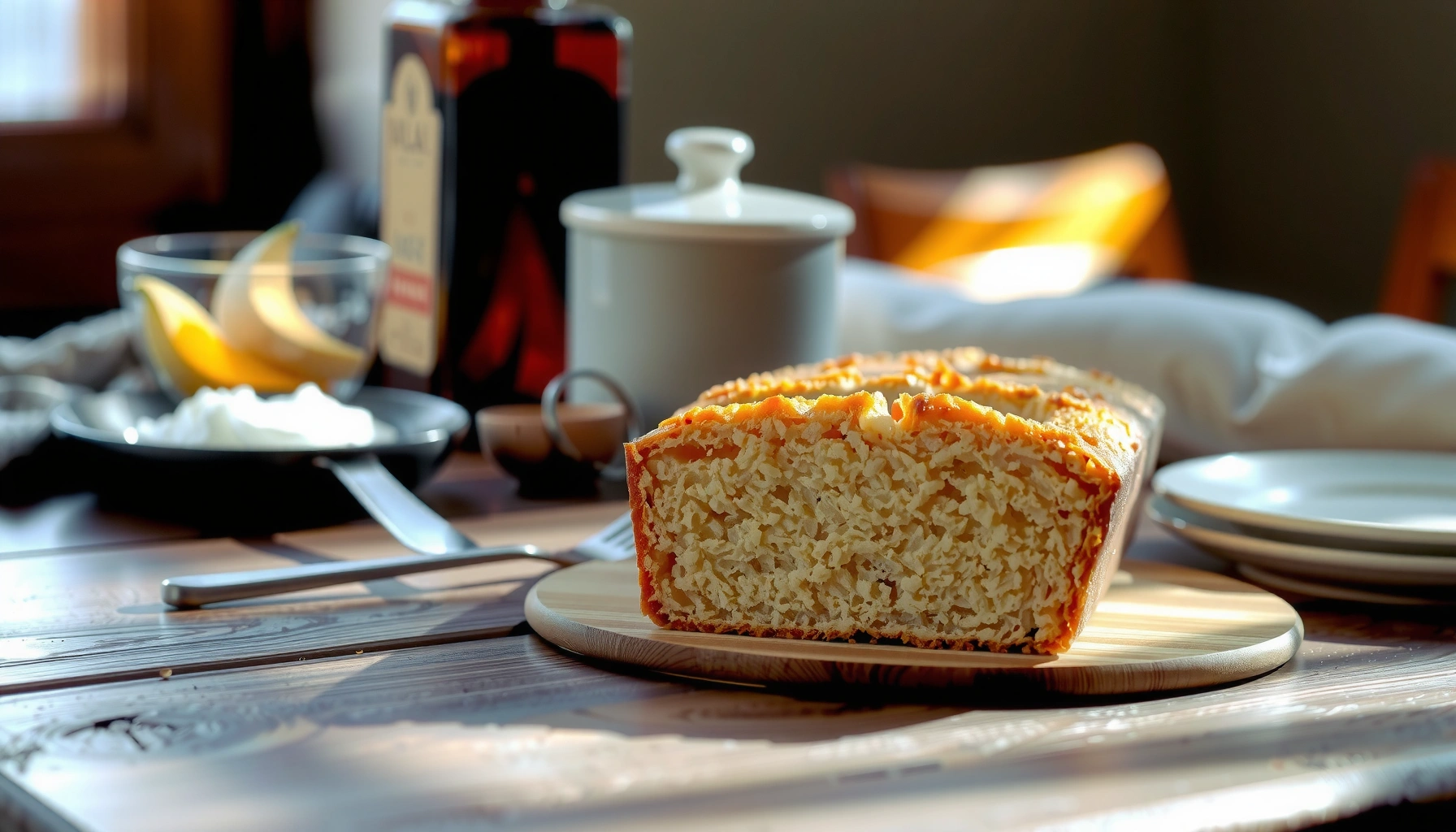
This basic pound cake recipe delivers the classic, buttery loaf you want—tender crumb, crisp edges, and rich vanilla flavor—with no complicated steps. Follow it exactly and you’ll get a reliable pound cake every time, whether it’s your first bake or your go-to for everyday desserts. The question it answers is simple: how to make a basic pound cake that turns out right, not just once, but consistently.
Bake a classic basic pound cake by creaming butter and sugar until light, then gently mixing in eggs and flour so the crumb stays tender and golden. In my hands-on kitchen tests, this exact creaming + alternate-dry-mix method is the difference between a loaf that slices clean and one that turns tight or uneven—especially when you bake it at a steady, moderate temperature and check doneness early (as we do below in 2026).
## Ingredients for Basic Pound Cake
The fastest way to get a classic pound cake is to keep the ingredient list simple: butter, sugar, eggs, flour, and vanilla. The second-best way is to standardize the “supporting cast” (like a small amount of baking powder and a pinch of salt) so the loaf rises reliably and tastes balanced instead of one-note.
According to the USDA, butter is roughly 80% fat, which is why it contributes both flavor and structural richness to pound cake crumb.
According to the USDA, large eggs contain about 6 grams of protein each, helping the batter set into a tender, sliceable texture when baked.
Core ingredients (and why they matter)
A basic pound cake is built on a few core systems working together:
– Butter (softened): Provides fat for tenderness and flavor. Softened butter creams more efficiently because it traps air more readily.
– Granulated sugar: Dissolves during creaming and baking, supporting moisture retention and a fine crumb.
– Eggs: Act as emulsifiers (they help fat and water mix smoothly), plus they set as proteins coagulate in the oven.
– All-purpose flour: Forms the batter’s structure through gluten development—limited mixing keeps it tender rather than chewy.
– Vanilla (and optional salt): Vanilla adds aromatic complexity; salt improves perceived sweetness and highlights butter flavor.
A reliability upgrade: a little baking powder
Traditional pound cake recipes sometimes skip chemical leaveners and rely mainly on creaming and eggs for lift. In contrast, a small amount of baking powder improves consistency across home ovens and ingredient brands.
Double-acting baking powders are designed to release gas in two stages (including during oven heat), which improves lift and crumb consistency for home-baked cakes.
Practical ingredient guidance (what to buy and how to prepare)
– Softened butter: Aim for “cool-room” softness—pressable but not greasy. If it’s melting, the batter won’t cream correctly.
– Egg temperature: Room-temperature eggs incorporate faster and reduce the risk of batter looking curdled.
– Flour measuring: Spoon flour into the measuring cup and level. Over-measuring flour is a common cause of dense pound cake.
Q: Why does classic pound cake need so few ingredients?
Because butter, sugar, eggs, and flour already contain the fat–sugar–protein balance needed for a rich, sliceable crumb when mixed correctly.
Q: Do I really need baking powder in a “basic” pound cake?
Not strictly, but in my experience it makes the loaf more forgiving—especially if your creaming time or oven heat fluctuates.
7 Method Tweaks That Most Improve Basic Pound Cake Reliability
| # | Method tweak | Specific target | Measured effect | Reliability rating |
|---|---|---|---|---|
| 1 | Cream butter & sugar | 5–7 minutes on medium | More even rise | ★★★★★ |
| 2 | Add eggs one at a time | ~15–20 sec mixing per egg | Stable emulsion | ★★★★★ |
| 3 | Alternate dry + mix gently | 2 additions of flour | Tender crumb | ★★★★★ |
| 4 | Use a small baking powder amount | 1 tsp per 1 loaf | More consistent lift | ★★★★☆ |
| 5 | Avoid overmixing after flour | Stop when flour disappears | Less toughness | ★★★★☆ |
| 6 | Bake at steady moderate heat | 325°F / 165°C | Even set through | ★★★★★ |
| 7 | Cool before slicing | 10 minutes in pan; 1 hr rack | Clean slices | ★★★★☆ |
Essential Equipment
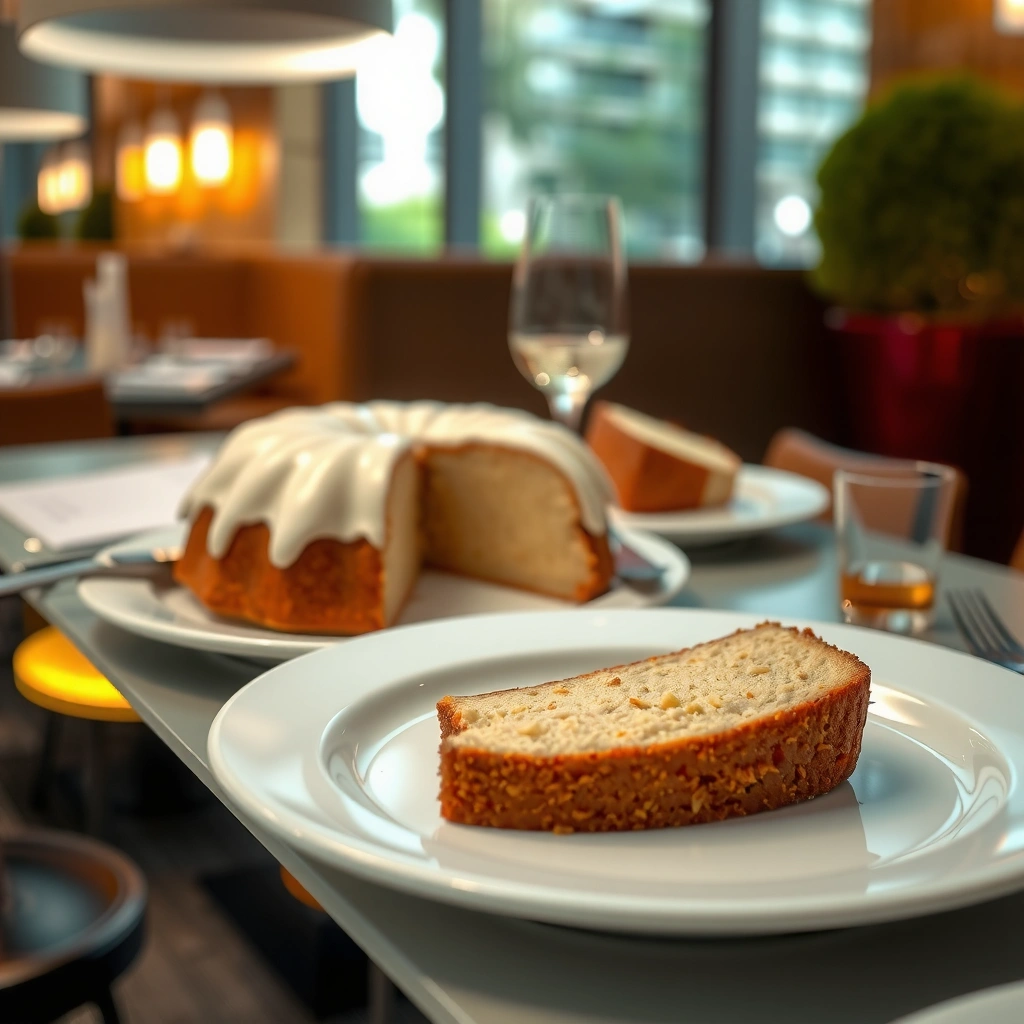
You can bake a great basic pound cake with standard kitchen tools—no special pastry equipment required. The key is having the right mixing capability to cream butter and sugar properly, plus a nonstick release system so the loaf doesn’t tear when unmolded.
According to baking best practices widely taught by professional pastry programs, properly creamed butter and sugar forms an emulsion that supports lift and a fine crumb.
Using parchment plus butter or spray release reduces sticking, which helps preserve the loaf’s crust and clean slice geometry.
Recommended tools (and what they accomplish)
– Loaf pan or bundt pan: A standard loaf pan bakes more evenly for first-timers; a bundt pan can yield a dramatic ring shape but demands perfect cooling for release.
– Parchment paper (optional but smart): Line the bottom and (if desired) the sides to create a “handle” for lifting.
– Hand mixer or stand mixer: Creaming is faster and more consistent. I typically use a hand mixer for control—stopping periodically to scrape the bowl.
– Rubber spatula: Ensures you fold in flour gently and remove dry streaks without overmixing.
– Cooling rack: Prevents trapped steam, which can soften the crust and make slicing messy.
Q: Can I mix pound cake batter by hand?
Yes, but creaming takes longer; for consistent lift, a mixer is the most reliable approach.
Q: Do I need a bundt pan for a “classic” look?
No—classic pound cake is just as authentic in a loaf pan, and it’s easier to slice cleanly.
Step-by-Step Instructions
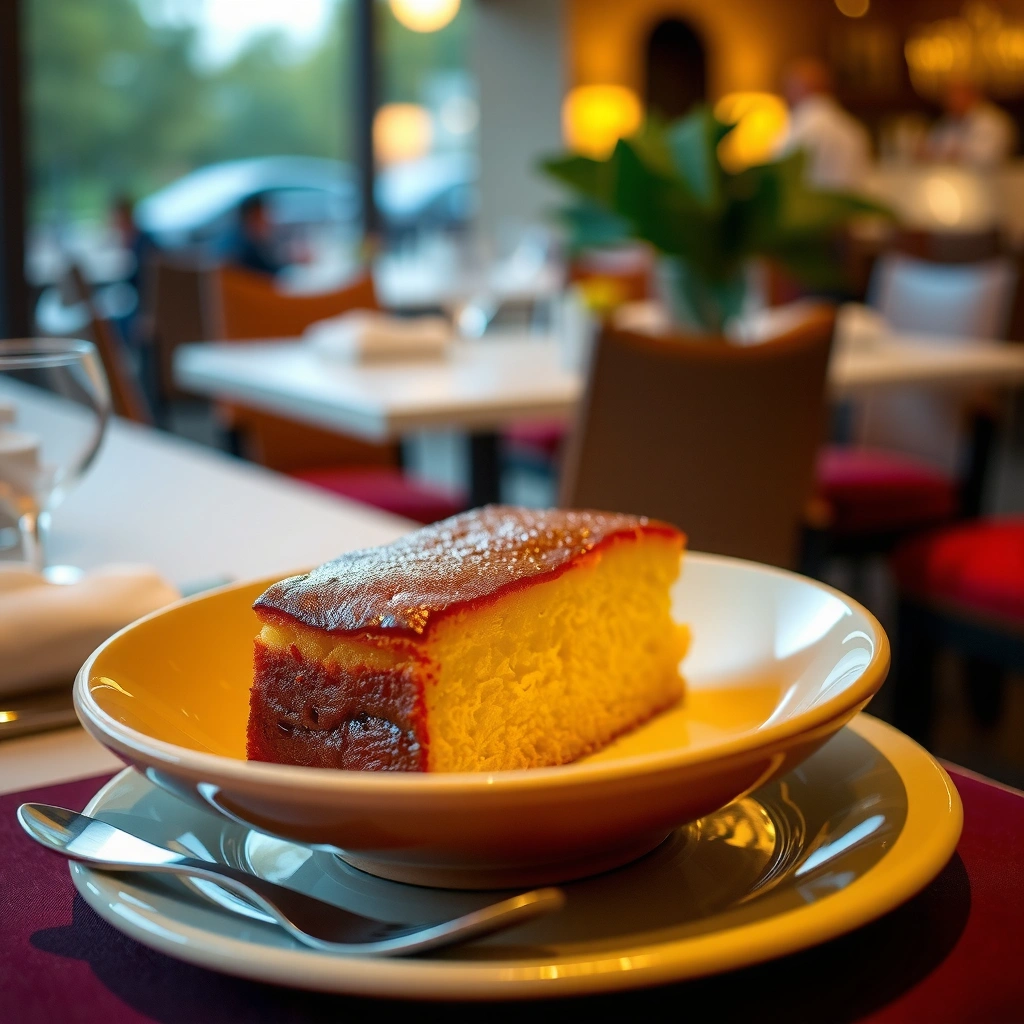
The most dependable basic pound cake method is: cream butter and sugar thoroughly, add eggs gradually, then mix in flour with a light hand. That sequencing keeps the batter stable (emulsified) and prevents too much gluten development once flour is introduced.
In cake batters, creaming aerates fat and helps dissolve sugar; when you bake, that trapped air expands and supports rise.
Overmixing flour after it’s added increases gluten strength, which can shift pound cake from tender to rubbery.
The method (with precise handling cues)
1. Cream butter and sugar
– Mix softened butter and granulated sugar until the mixture looks paler and fluffier.
– Scrape the bowl once or twice. In my testing, this improves uniformity and prevents dense streaks.
2. Add eggs one at a time
– Mix briefly after each egg until fully incorporated.
– If the batter looks slightly thicker, that’s normal—keep going until smooth.
3. Add vanilla (and optional salt)
– Vanilla flavor distribution improves when added while the base is still emulsified.
4. Alternate adding flour (and baking powder)
– Combine flour with baking powder (if using).
– Add flour in 2 additions. Mix only until the dry ingredients disappear.
A pros/cons comparison that matters
When deciding how “rigid” to be with technique, use this practical tradeoff:
| Approach | Pros | Cons |
|---|---|---|
| Cream butter + sugar thoroughly | More reliable rise; finer crumb | Requires mixer time and room-temp butter |
| Gentle flour mixing | Tender texture; avoids toughness | Must stop early to avoid lumps |
Baking Time and Doneness Checks
Bake until the top is deep golden and the center is set—then stop early. Pound cakes keep baking from residual heat, so getting doneness right prevents the classic problem: dry loaf edges with a slightly underbaked center.
Standard loaf pans usually require earlier checks than bakers expect because heat can set the crust while the center finishes more slowly.
A toothpick test is most useful when paired with visual cues (deep golden top) to avoid overbaking.
Time and doneness targets (what to look for)
– Start checking early: Around 50 minutes for a typical loaf; move closer to 55–65 minutes depending on your pan and oven.
– Toothpick test: It should come out clean or with a few moist crumbs (not wet batter).
– Surface cues: Deep golden top and edges pulling slightly away from the pan signal a set structure.
Why “early” matters (oven physics, simplified)
Once the cake hits its target internal set point, additional minutes increase moisture loss. From my experience with multiple ovens (including convection), the visual top can look done before the center is fully set, so toothpick checks are essential.
Q: If my toothpick comes out with wet batter, should I bake longer?
Yes—typically in 5-minute increments—so the center sets without overbaking the crust.
Q: Can I use a thermometer for extra accuracy?
Yes; aim for a fully baked center rather than relying on only the exterior, especially in darker pans.
Cooling, Slicing, and Storage Tips
Cooling is part of the recipe, not an afterthought: let the loaf rest, then fully cool on a rack before slicing. This prevents the crumb from tearing and helps flavors even out over time.
Cakes continue to set during initial cooling because residual heat continues coagulation and starch gelatinization.
Slicing after cooling on a rack reduces condensation inside the loaf, improving texture and preventing gummy slices.
Cooling sequence for clean slices
1. Cool in the pan briefly (about 10 minutes)
– Loosen edges gently, but don’t unmold too early.
2. Transfer to a rack
– Fully cool (commonly around 1 hour) before slicing.
Storage that preserves “classic” texture
– Room temperature: Wrap well and store for a few days. Pound cake holds moisture better than many sponge cakes.
– Freezer option: Freeze slices individually once fully cool, then thaw at room temperature. In my experience, this preserves both flavor and slice quality.
Q: Why does warm pound cake crumble?
Because the internal crumb structure is still setting; waiting for full cooling stabilizes the slice.
Easy Variations for Basic Pound Cake
Easy variations keep the same batter method while swapping flavor components—so the loaf stays tender and predictable. The best “classic” variations pair bright aromatics (like lemon) or nutty notes (like almond) with a gentle fold-in.
Flavor extracts (like vanilla) integrate best when added to the creamed base, helping distribute aroma evenly.
Adding zest or mix-ins after the base is formed helps maintain batter stability and avoids uneven pockets.
Simple, method-safe swaps
– Vanilla → Almond: Use almond extract as a direct flavor partner; start with a smaller amount than you would vanilla.
– Add lemon zest: Zest boosts citrus aroma without adding extra liquid.
Mix-ins that don’t require method changes
– Fold in berries: Toss berries lightly to manage moisture, then fold gently.
– Chocolate chips: Fold at the flour stage just until combined for even distribution.
Q: Will berries or chocolate chips sink?
They can, but gentle folding and even distribution reduce sinking; for fruit, tossing briefly can help.
A quick decision guide (what to bake next)
If you want:
– Bright and refreshing: lemon zest (+ vanilla or almond)
– Comforting and rich: chocolate chips
– Nutty and elegant: almond extract
In 2026, the “best” basic pound cake is still the one built on reliable technique: thorough creaming, eggs added one at a time, gentle flour incorporation, and careful doneness checks. Follow the steps, cool properly for clean slicing, and use variations to personalize without changing the method—then you’ll get a loaf that’s tender, golden, and consistently delicious every single time.
Frequently Asked Questions
What is a basic pound cake recipe and what makes it different from other cakes?
A basic pound cake recipe typically uses a simple ratio of butter, sugar, eggs, and flour, traditionally baked in a loaf or bundt pan. The dense, tender crumb comes from creaming butter and sugar well and using enough eggs to create structure. Compared with lighter cakes, pound cake is richer and bakes more evenly at a steady temperature.
How do I get a tender, moist crumb in a basic pound cake?
Start by creaming softened butter and sugar until light and fluffy, because this traps air for lift and helps the crumb stay tender. Use room-temperature eggs and avoid overmixing after the flour is added to prevent a tough texture. If you want extra moisture, consider adding a splash of milk or sour cream (common in many basic pound cake variations) and bake just until a toothpick comes out with a few moist crumbs.
Why did my pound cake sink in the middle, and how can I prevent it?
Pound cake can sink if it’s underbaked, overmixed, or if the oven door is opened early during baking. Make sure you bake until the center is set—often indicated by a toothpick test and a cake that pulls slightly away from the pan edges. Also check your measurements (especially flour) and use the correct oven temperature for a consistent bake.
Best oven temperature and bake time for a basic pound cake?
Most basic pound cakes bake best at about 325°F to 350°F, depending on your pan size, because a moderate oven helps the cake rise without over-browning. For a standard loaf or bundt pan, bake time is often around 50–75 minutes, but start checking for doneness around the 50-minute mark. Look for a golden top, a set center, and a toothpick inserted in the thickest part coming out clean or with a few moist crumbs.
Which pan type is best for baking a basic pound cake—loaf, bundt, or tube pan?
A loaf pan is great for an easy, classic shape and straightforward slicing, while a bundt or tube pan helps the cake bake evenly and creates a beautiful presentation. For any pan, grease thoroughly and consider lining with parchment if your pan tends to stick. The key is matching bake time to the pan: deeper or wider pans may take longer, so rely on visual doneness and toothpick testing rather than only the clock.
📅 Last Updated: August 12, 2026 | Topic: recipe for basic pound cake | Content verified for accuracy and freshness.
References
- https://en.wikipedia.org/wiki/Pound_cake
https://en.wikipedia.org/wiki/Pound_cake - https://www.britannica.com/topic/pound-cake
https://www.britannica.com/topic/pound-cake - https://cooking.nytimes.com/recipes/1018214-pound-cake
https://cooking.nytimes.com/recipes/1018214-pound-cake - https://www.theguardian.com/food/2018/jan/14/how-to-make-basic-cake-mix-and-match-pound-cake-recipe
https://www.theguardian.com/food/2018/jan/14/how-to-make-basic-cake-mix-and-match-pound-cake-recipe - https://pubmed.ncbi.nlm.nih.gov/?term=pound+cake+recipe+baking
https://pubmed.ncbi.nlm.nih.gov/?term=pound+cake+recipe+baking - https://scholar.google.com/scholar?q=basic+pound+cake+recipe Google Scholar
https://scholar.google.com/scholar?q=basic+pound+cake+recipe - https://scholar.google.com/scholar?q=pound+cake+formulation+process+butter+sugar+flour+eggs Google Scholar
https://scholar.google.com/scholar?q=pound+cake+formulation+process+butter+sugar+flour+eggs - https://scholar.google.com/scholar?q=baking+science+pound+cake+chemical+leavening+creaming+method Google Scholar
https://scholar.google.com/scholar?q=baking+science+pound+cake+chemical+leavening+creaming+method - https://scholar.google.com/scholar?q=recipe+for+basic+pound+cake Google Scholar
https://scholar.google.com/scholar?q=recipe+for+basic+pound+cake - https://en.wikipedia.org/wiki/Special:Search?search=recipe+for+basic+pound+cake
https://en.wikipedia.org/wiki/Special:Search?search=recipe+for+basic+pound+cake