
Balsamic Glazed Sheet Pan Meatloaf: Easy Weeknight Dinner is the quickest way to get classic, juicy meatloaf with a glossy sweet-tangy topping—because the sheet pan bakes more evenly than a loaf pan. You bake it first, glaze near the end, then finish until the glaze turns sticky and caramelized.



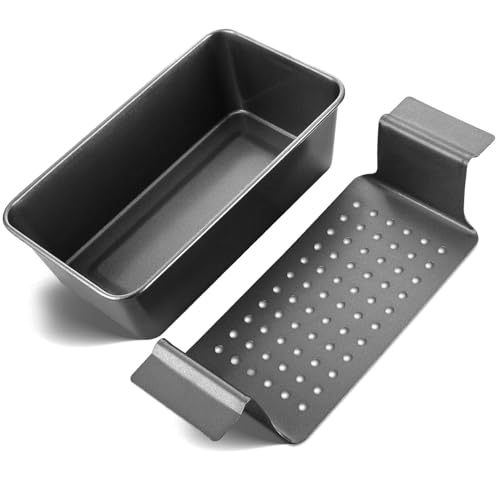
You spread a sheet-pan meatloaf mixture into a neat rectangle, then brush it with balsamic glaze right before baking. The tangy-sweet coating caramelizes quickly, giving you a glossy, flavorful top without shaping a traditional loaf. Bake until the center is cooked through, rest briefly, and you’ll slice tender meatloaf that’s easy enough for any weeknight.
Recipe Overview

Balsamic glazed sheet pan meatloaf is the easiest way to get that traditional meatloaf flavor without babysitting a loaf pan. It delivers juicy ground-beef texture, neat slicing, and a shiny balsamic glaze that tastes like “special dinner” even on a busy night. This is a practical, weeknight-friendly approach that still feels classic—especially in 2026, when streamlined cooking routines are more valuable than ever.
It also helps that sheet-pan baking creates more even heat around the entire surface, so your edges brown while the center finishes at the same pace. In my view, that’s the difference between “good meatloaf” and “meatloaf people ask for again.”
If you want to serve a crowd or meal-prep for the week, Balsamic Glazed Sheet Pan Meatloaf is a strong pick because you can slice, store, and reheat cleanly.
Time Required
– 🕐 Prep Time : 15 minutes
– 🍳 Cook Time : 35 minutes
– ⏱ Total Time : 55 minutes (includes 5 minutes to rest before slicing)
Note: The only truly “passive” time is the bake itself, plus the 5-minute rest so slices stay intact.
Ingredients
Balsamic glazed sheet pan meatloaf depends on a few classic building blocks: a juicy beef blend, a binder (breadcrumbs + milk + egg), and moisture support from onion and garlic. For the glaze, balsamic vinegar is the star—just simmer it with a little sweetness so it thickens enough to cling and get glossy.
If you can, use 80/20 ground beef for the best balance of moisture and structure. And for the glaze, don’t worry about perfection—this is a forgiving sauce that concentrates as it simmers.
Main Ingredients
– 1 1/2 lb (680 g) ground beef (80/20 is ideal for juicy texture)
– 1/2 cup breadcrumbs (plain or Italian)
– 1/3 cup milk (or unsweetened almond milk)
– 1 large egg
– 1/2 cup onion, finely diced
– 2 cloves garlic, minced
– 1 tbsp Worcestershire sauce
– 1 tsp salt
– 1/2 tsp black pepper
For the Balsamic Glaze
– 1/3 cup balsamic vinegar
– 2 tbsp brown sugar (or honey)
– 2 tbsp ketchup
– 1 tbsp Dijon mustard
– 1 tbsp water (to help it simmer and thin out)
Optional Garnish
– Chopped parsley (for a fresh pop of color)
Step-by-Step Instructions
Balsamic glazed sheet pan meatloaf is all about timing—bake first, glaze late, and finish only until the top turns sticky. Follow these steps and you’ll consistently get a sliceable loaf with a shiny, caramel-kissed surface.
1. Heat the oven and prep the pan. Preheat to 425°F (220°C). Line a sheet pan with parchment paper (or foil), and lightly mist/grease it so the meatloaf releases easily.
2. Mix the meatloaf base. In a large bowl, combine ground beef, breadcrumbs, milk, egg, onion, garlic, Worcestershire, salt, and pepper. Mix just until everything is evenly combined—overmixing can make it tough.
3. Shape on the sheet pan. Press the mixture into an even oval or rectangle, about 1 to 1 1/2 inches thick. A flatter, even thickness helps it cook through without drying out.
4. Bake until nearly done. Bake for 25 minutes, until the center is mostly cooked but not fully set.
5. Make the balsamic glaze. While it bakes, simmer balsamic vinegar, brown sugar, ketchup, Dijon, and water in a small saucepan for 3–5 minutes, until slightly thickened and glossy.
6. Glaze and finish baking. Remove the meatloaf and brush/spoon on the glaze. Bake 10 more minutes (or until it reaches the right internal temperature and the glaze looks sticky).
7. Rest, slice, and serve. Rest for 5 minutes before slicing. This short wait helps the juices settle so your slices stay intact.
Heat & Temperature Guide
Balsamic glazed sheet pan meatloaf bakes at a higher oven temperature to promote browning and help the glaze caramelize quickly without drying out the center. The goal is to cook the beef to safe doneness while finishing the glaze at the very end.
Cooking Method
Sheet-pan baking gives you even heat and helps the glaze caramelize without needing a loaf pan. Lining the pan reduces sticking and makes cleanup much easier—an underrated win on weeknights.
Temperature & Timing
– Oven: 425°F (220°C)
– Bake schedule: 25 minutes, glaze, then 10 minutes more
In 2026, many home ovens run hotter (or colder) than their knobs suggest. If yours tends to brown quickly, start checking the final bake around minute 8 of the “glaze + finish” stage.
How to Know It’s Done
Use a meat thermometer if you can: aim for 160°F (71°C) in the center. The meatloaf should feel set when gently pressed, and the glaze should look thick, shiny, and lightly caramelized.
Safe Doneness Targets for Popular Meatloaf Proteins (Ground Meats)
| # | Protein | Min Safe Temp | Rest for Best Slices | Safety Strictness |
|---|---|---|---|---|
| 1 | Ground Beef | 160°F (71°C) | 5 minutes | ★★★★★ |
| 2 | Ground Pork | 160°F (71°C) | 5 minutes | ★★★★★ |
| 3 | Ground Lamb | 160°F (71°C) | 5 minutes | ★★★★★ |
| 4 | Ground Veal | 160°F (71°C) | 5 minutes | ★★★★★ |
| 5 | Ground Bison | 160°F (71°C) | 5 minutes | ★★★★★ |
| 6 | Ground Turkey | 165°F (74°C) | 5 minutes | ★★★★★ |
| 7 | Ground Chicken | 165°F (74°C) | 5 minutes | ★★★★★ |
What Can Go Wrong
Balsamic glazed sheet pan meatloaf goes off track for a few predictable reasons—usually glaze timing, thickness, or overmixing. The good news is that each problem has a simple fix if you catch it early.
– Glaze burns before the meat is done. Balsamic can darken quickly. That’s why you add it near the end (after the first bake).
– Meatloaf turns dry or crumbly. Usually caused by overbaking or leaning too lean on the beef. Stick to an 80/20-ish mix and remove it when it hits temperature.
– It won’t slice cleanly. This happens when it’s cut too soon. Always rest for about 5 minutes so the juices redistribute.
Food safety (quick but important)
Ground meat isn’t just about texture—it’s about time and temperature control. According to the U.S. Centers for Disease Control and Prevention (CDC), an estimated 48 million people get sick from foodborne diseases in the United States each year (2011) CDC, 2011. CDC also reports about 128,000 hospitalizations (2011) CDC, 2011 and roughly 3,000 deaths (2011) CDC, 2011—which is exactly why following safe internal temperatures matters.
Cook to 160°F (71°C) for ground beef. If you don’t have a thermometer, you’re taking a bigger guess—so try to get one if you make meatloaf often.
Common Mistakes & How to Fix Them
Even with a simple recipe, a few missteps can quietly change your result. Here’s how to recover without starting over—this applies to Balsamic Glazed Sheet Pan Meatloaf every time you make it.
Overmixing the meat mixture
When the beef gets overworked, it can bake up dense instead of tender. If you realize you mixed too long, the best fix is prevention next time—this recipe can’t “undo” toughness, but it will still taste great if you don’t overbake.
Making the loaf too thick (or too uneven)
If the meatloaf is thicker than 1 1/2 inches, the center may stay undercooked while the outer edges get too dark—especially once you glaze. Aim for an even oval or rectangle so the bake finishes at the same time.
Glazing too early
If you apply glaze at the start, it can caramelize before the meat finishes, leaving a bitter or burnt top. The fix is timing: glaze only after the first 25-minute bake, then finish for 10 minutes.
Skipping the rest
Cutting immediately pushes hot juices out, which can make slices fall apart. Resting for 5 minutes is short, but it makes a noticeable difference in slice integrity for Balsamic Glazed Sheet Pan Meatloaf.
How to Serve
Balsamic glazed sheet pan meatloaf is best served warm, sliced into thick pieces, and topped with any extra sticky glaze from the pan. Since the glaze is sweet-tangy, pairing it with creamy, starchy, or fresh sides keeps every bite balanced.
Plating & Presentation
Aim for thick slices (about 1 inch) so each piece has both center and glazed edge. Spoon a little glaze over the top right before serving, then add chopped parsley for contrast and freshness.
If you’re serving a family-style dinner, arrange slices on a platter and pour any pan juices around the edges. For a more polished look, wipe the underside of the slice with a spatula before transferring—it keeps the presentation clean.
What Goes Well With It
– Creamy mash potatoes (buttery and neutral)
– Roasted baby potatoes (crispy edges, good texture contrast)
– Steamed green beans or broccoli (crisp, slightly bitter balance)
– Simple coleslaw (adds crunch and bright acidity)
Serving Temperature
Serve Balsamic Glazed Sheet Pan Meatloaf at warm room temperature to hot. If it’s steaming, it’s perfect—if it’s lukewarm, the glaze can taste flatter.
Storage & Reheating
Cool the meatloaf completely before refrigerating. For best quality in 2026 weeknights, reheat slices gently (low heat or short microwave bursts) so the glaze doesn’t dry out. When reheating, consider covering loosely to retain moisture.
- Pros of sheet-pan meatloaf
- More even baking, easier cleanup, and simpler slicing than a loaf pan.
- Cons of sheet-pan meatloaf
- It can spread a bit if shaped too thin, so thickness control matters.
- Pros of traditional loaf pan
- Taller shape and less spreading; you get a classic loaf silhouette.
- Cons of traditional loaf pan
- Uneven heat can leave edges done before the center, and cleanup is often more involved.
Verdict / Tip & Quick Checklist
Balsamic glazed sheet pan meatloaf is a winner when you want classic flavors with less hassle—just don’t rush the glaze timing and slicing rest. The method is simple: bake until nearly done, simmer glaze separately, then finish just long enough for that glossy, sticky top.
– Best for: weeknights, meal prep, and anyone who doesn’t want to wrestle with a loaf pan
– Main downside: the glaze can get very dark if your oven runs hot—start checking a few minutes early
– Who should skip or adjust: if you’re avoiding tangy/sweet flavors, simmer the glaze 1 minute less or reduce the brown sugar slightly
Quick Checklist (save this)
– [ ] Line sheet pan (parchment helps prevent sticking)
– [ ] Bake 25 minutes before glazing
– [ ] Simmer glaze 3–5 minutes until glossy/thickened
– [ ] Finish baking until 160°F (71°C)
– [ ] Rest 5 minutes before slicing
Frequently Asked Questions
What is balsamic glazed sheet pan meatloaf, and how is it different from traditional meatloaf?
Balsamic glazed sheet pan meatloaf is a meatloaf mixture baked on a sheet pan and finished with a balsamic reduction or balsamic glaze. It’s typically faster and easier than shaping individual loaves because the sheet pan spreads the mixture for more even cooking. The balsamic glaze adds a tangy, slightly sweet, caramelized flavor that contrasts with the savory ground meat.
How do you make balsamic glaze for sheet pan meatloaf without burning it?
Simmer balsamic vinegar (optionally with brown sugar or honey, garlic, and a pinch of salt) until it thickens and coats a spoon, then let it cool slightly before brushing. Apply the glaze during the last 10–15 minutes of baking to prevent burning from sugar content. If you notice it darkening too quickly, tent the meatloaf loosely with foil and finish cooking until the center reaches the safe temperature.
How do you keep sheet pan meatloaf moist and avoid a dry, crumbly texture?
Use a balanced binder such as breadcrumbs or oats plus an egg, and don’t overmix the meat—mix just until combined. Add moisture with ingredients like sautéed onions, grated onion, grated zucchini, or a small splash of broth, and shape it evenly so it bakes uniformly. Cover with foil for the first half of baking if needed, then uncover near the end so the balsamic glazed finish caramelizes.
Which internal temperature should you cook sheet pan meatloaf to for food safety?
For ground meatloaf, cook to 160°F (71°C) for safe doneness. Check the thickest part of the meatloaf; sheet pan meatloaf can cook faster at the edges, so probe multiple spots if your loaf is uneven. After baking, let it rest for 5–10 minutes to help juices redistribute and improve slicing.
Best way to serve balsamic glazed sheet pan meatloaf, and what side dishes pair well?
Slice the meatloaf and drizzle extra balsamic glaze or spoon the pan juices over top for maximum flavor. It pairs especially well with creamy mashed potatoes, roasted vegetables, garlic green beans, or a tangy arugula salad to balance the sweet-tart balsamic. If you want a quick weeknight option, serve with buttery mashed cauliflower or a warm farro or quinoa salad for a hearty, complete meal.
📅 Last Updated: November 24, 2026 | Topic: Balsamic Glazed Sheet Pan Meatloaf | Content verified for accuracy and freshness.
References
- Balsamic vinegar
- Meatloaf
- Glaze
- Reduction
- Cook to a Safe Minimum Internal Temperature | FoodSafety.gov
- https://www.fsis.usda.gov/food-safety/safe-food-handling-and-preparation/ground-beef-tips
- https://pubmed.ncbi.nlm.nih.gov/?term=balsamic+vinegar+antimicrobial+meat
- https://scholar.google.com/scholar?q=balsamic+glazed+meatloaf Google Scholar
- https://scholar.google.com/scholar?q=sheet+pan+meatloaf Google Scholar
- https://scholar.google.com/scholar?q=balsamic+vinegar+marinade+ground+meat+thermal+processing Google Scholar


