
Balsamic Glazed Lamb Meatloaf: Sweet, Tangy, and Juicy is at its best when you bake the lamb meatloaf to the correct internal temperature first, then apply the balsamic glaze at the very end for a glossy, sticky finish. This approach keeps the center juicy (instead of dry) and turns the glaze into that caramelized “cling” you want on every slice. As of 2026, the most reliable method is still the same: cook ground lamb to a food-safe internal temperature and let it rest before slicing.


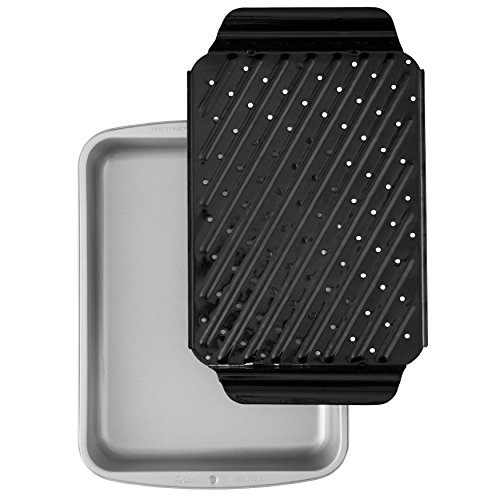

Roasted lamb meatloaf brushed with balsamic glaze comes out with a glossy mahogany crust, and the aroma of caramelized onions and tangy vinegar fills the kitchen. A tender crumb from soaked breadcrumbs and gently seasoned lamb keeps each slice juicy, while a two-step glaze—thickened, then reapplied near the end—balances sweetness with bright acidity. With simple prep, one loaf pan, and a resting time before slicing, you can serve a bakery-worthy centerpiece in under a few hours.
Bake a balsamic glazed lamb meatloaf until it’s cooked through, then brush on the glaze again so you get that sticky, glossy finish. The key is cooking the loaf until it reaches the right internal temperature, not just until it “looks done.” This post will walk you through building the loaf, baking it, and timing the glaze so every slice stays juicy.
If you’re feeding a family, meal-prepping for the week, or just want a meatloaf that tastes a little fancy without being fussy, this one’s for you—especially if you like sweet-and-tangy flavors that caramelize in the oven.
Recipe Overview

A balsamic-glazed lamb meatloaf delivers big, restaurant-style flavor with weeknight-friendly effort. The balsamic reduction adds a sweet-tangy depth that turns glossy in the oven, while lamb keeps the loaf juicy even after baking. This is a great “casual gathering” centerpiece because it slices cleanly and looks caramel-kissed on top. Difficulty is easy to medium, and it comfortably serves about 6 people.
Time Required
You’ll be able to move through this recipe without rushing, because the glaze timing lines up naturally with baking. Plan for a slightly longer total time due to resting (which is what keeps it tender).
– 🕐 Prep Time : 25 minutes
– 🍳 Cook Time : 55 minutes
– ⏱ Total Time : 1 hour 30 minutes
– Note: 10 minutes resting after baking; glaze can reduce while you prep the loaf.
Ingredients
Ground lamb is the flavor engine here—choose meat that’s not extremely lean, because it helps the loaf stay moist. For the glaze, use a balsamic vinegar you actually enjoy tasting (that quality shows up in the final caramelized shine). If you don’t have breadcrumbs, you can swap in panko (similar result) or finely crushed crackers (slightly more savory).
Main Ingredients
– Ground lamb: 2 lb (900 g) (aim for 80/20-ish fat level; very lean lamb can dry out faster)
– Breadcrumbs: 1/2 cup (about 50–60 g) (plain or Italian-style; if using Italian-style, reduce added herbs)
– Onion (finely chopped): 1/2 cup (about 80 g)
– Garlic (minced): 2–3 cloves
– Egg: 1 large (binds and helps the loaf slice cleanly)
– Kosher salt: 1 1/2 tsp
– Black pepper: 1 tsp
– Dried thyme: 1 tsp
– Dried rosemary: 1/2 tsp (or 1 tsp fresh, finely chopped)
– Optional (adds extra savory depth): 1 tbsp Worcestershire sauce
For the Balsamic Glaze
– Balsamic vinegar: 1/2 cup (120 ml)
– Brown sugar or honey: 2 1/2 tbsp
– Dijon mustard: 1 tsp (optional but strongly recommended for balance)
– Optional cornstarch slurry (for extra cling): 1 tsp cornstarch + 1 tbsp water
Optional Garnish
– Chopped fresh parsley or thyme for serving
– Extra warm glaze (a few spoonfuls for drizzling on sliced portions)
Step-by-Step Instructions
Follow these steps closely for the best texture: gentle mixing, even shaping, and temperature-based doneness. The glaze is where you “finish” the loaf—so don’t rush it, and don’t glaze too early.
1. Make the glaze first. In a small saucepan, combine balsamic vinegar and brown sugar (or honey). Simmer over medium heat until it reduces to a pourable, spoon-coating syrup (about 10–12 minutes). If using cornstarch slurry, whisk slurry into the simmering glaze and simmer 1 minute until glossy and thicker.
2. Mix the meatloaf gently. In a large bowl, combine ground lamb, breadcrumbs, onion, garlic, egg, salt, pepper, thyme, rosemary, and Worcestershire (if using). Mix just until the ingredients are evenly distributed—overmixing makes meatloaf tough.
3. Shape for even baking. Form the mixture into a loaf shape about 9 x 5 inches on a lined baking sheet (or in a loaf pan). Aim for an even thickness so the center reaches temperature at the same time the edges brown.
4. Bake until cooked through (use a thermometer). Bake at 175°C / 350°F for 45–55 minutes. Start checking around 40 minutes; the center should reach 160°F / 71°C for safe ground lamb.
5. Glaze at the right moment for maximum shine. Brush about 1/3 of the glaze over the loaf during the last 10 minutes of baking. This gives it time to set and caramelize.
6. Rest, then finish with a final glaze brush. Rest the loaf for 10 minutes before slicing. Right after resting, brush with the remaining glaze for that sticky, glossy finish. *(Important: slicing too early can cause crumbling and glaze runoff.)*
Add this reliability note (what I look for)
If you’ve got one, use an instant-read thermometer.
Heat & Temperature Guide
Oven baking is the best fit because it cooks the lamb evenly while the glaze reduces into a clingy finish. The thermometer is your “truth source,” especially for ground meat that can look done before it’s actually safe.
Cooking Method
Use dry-heat oven baking on the center rack. That location encourages consistent heat flow and helps the edges brown without overcooking the center.
Temperature & Timing
– Bake at 175°C / 350°F
– Check for doneness starting at 40 minutes
– Target internal temperature: 160°F / 71°C in the center
According to USDA Food Safety and Inspection Service (FSIS), ground lamb should be cooked to 160°F (71°C) for food safety (USDA FSIS, most current guidance). As of 2026, that temperature standard remains the backbone of safe meatloaf cooking.
How to Know It’s Done
When the center reads 160°F / 71°C, the loaf is cooked through—even if the top looks slightly under-browned. The glaze should look tacky and glossy, not watery, once you brush it during the final minutes. If you don’t have a thermometer, cut a tiny slice near the center: it should be uniformly cooked (no pink) and the juices should run clear rather than red.
USDA Minimum Internal Temperatures for Ground Meat Used in Meatloaf
| # | Ground ingredient | Minimum temp | Common role in meatloaf | Thermometer priority |
|---|---|---|---|---|
| 1 | Ground lamb | 160°F / 71°C | Lamb-forward loaf | ★★★☆☆ |
| 2 | Ground beef | 160°F / 71°C | Classic meatloaf base | ★★★☆☆ |
| 3 | Ground pork | 160°F / 71°C | Juicier loaf texture | ★★★☆☆ |
| 4 | Ground veal | 160°F / 71°C | Tender, mild flavor | ★★★☆☆ |
| 5 | Ground turkey | 165°F / 74°C | Lean-leaner swaps | ★★★★★ |
| 6 | Ground chicken | 165°F / 74°C | Light, mild meatloaf | ★★★★★ |
| 7 | Ground poultry mix | 165°F / 74°C | Meal-prep friendly | ★★★★★ |
What Can Go Wrong
Most meatloaf problems come from either temperature (undercooked or dry) or mixing/shape (uneven cooking). The good news: these are predictable, and you can prevent them with small process choices.
Meatloaf is dry
This usually happens when the loaf overbakes or the lamb is very lean. Fix it by baking to 160°F / 71°C and pulling it as soon as it hits the target. Resting also helps—those juices redistribute instead of immediately escaping.
Glaze is runny instead of sticky
If the glaze doesn’t reduce enough, it won’t cling during the final bake. Simmer a little longer (until spoon-coating), and use the glaze during the last 10 minutes so it can set.
Loaf crumbles when sliced
Skipping rest time is the top cause. Rest for 10 minutes, then slice with a sharp knife using a gentle sawing motion rather than pressing down hard.
Uneven cooking (burnt edges, raw center)
This happens when the loaf is too thick, too thin, or placed in a spot that bakes unevenly. Keep the loaf roughly even thickness, bake on the center rack, and use a loaf pan only if it’s not too deep.
Food safety basics (quick but important)
Ground meat should be cooked to the USDA minimum internal temperature (ground lamb: 160°F / 71°C). Refrigerate leftovers within 2 hours (or within 1 hour if your kitchen is very hot) according to food safety guidance (USDA FoodSafety.gov, ongoing updates). Store leftovers at 40°F / 4°C or below (FDA, Food Code principles).
Common Mistakes & How to Fix Them
If you want a meatloaf that slices beautifully every time, these are the errors worth avoiding.
Overmixing the meat
Overmixing tightens the meat proteins and makes the loaf dense. Mix until you no longer see dry breadcrumb pockets, then stop. If you’re unsure, mix with a fork or clean hands and be intentional.
Glazing too early
Applying glaze too soon can burn the sugars before the meat reaches temperature. Keep the first glaze brush for the last 10 minutes, then do the final brush right after resting.
Skipping a rest
Resting is what keeps the loaf from spilling juices on the cutting board. If you rush, the texture will feel looser and slices won’t hold together.
Using a thermometer “incorrectly”
An inaccurate probe insertion can read a warmer surface instead of the center. Insert into the thickest part of the loaf, avoiding contact with the pan or any dense mix-ins.
How to Serve
Sweet-tangy lamb meatloaf is best served hot and glossy—then paired with sides that can handle caramelized flavors. Think creamy, starchy, or fresh and crunchy to balance the balsamic.
Plating & Presentation
Slice into 1-inch thick pieces and arrange slightly overlapping on a warm platter. Spoon extra glaze lightly over the top, then finish with chopped parsley for a fresh color contrast. For a “catering look,” wipe the knife between slices and serve the first slices before the glaze cools completely.
What Goes Well With It
– Mashed potatoes or garlic roasted baby potatoes (classic with balsamic sweetness)
– Creamy polenta or cauliflower mash (great texture balance)
– Green salad with lemon vinaigrette (cuts through the richness)
– Roasted carrots or glazed Brussels sprouts (echoes the caramel notes)
Serving Temperature
Serve at warm, freshly sliced temperature. If it’s been sitting, rewarm slices gently in a 160°C/325°F oven for 8–10 minutes, then refresh with a light glaze brush.
Storage & Reheating
Store leftovers in an airtight container in the refrigerator for up to 3–4 days. Reheat slices to 165°F / 74°C for best texture, and cover loosely so the glaze doesn’t harden too much.
| Loaf pan vs. sheet pan | What changes | Impact on your glaze |
|---|---|---|
| Baking airflow | Sheet pan gets more direct airflow | Often browns more evenly on top |
| Bottom crust | Pan-bottom sets edges faster | Glaze may seep less—more “set” glaze |
| Shape stability | Loaf pan holds a tight shape | Helps clean slicing, less glaze drip |
| Moisture runoff | Sheet pan drains more | Glaze clings better if lamb is extra fatty |
| Need for extra time | Pan loaves can take slightly longer | You may need 5 minutes more final glaze timing |
| Cleaning | Sheet pan = easier to line | Less glaze ends up on the pan sides |
| Edge thickness | Pan tends to make edges thicker | Edges can caramelize sooner |
| Recommended use | Great for even browning | Best “sticky top” texture |
| Recommended use | Great for loaf-lift presentation | Best if you want minimal glaze drip |
| Best For | Sheet pan | Maximum browning + cling |
Verdict & Quick Checklist
This balsamic glazed lamb meatloaf is a reliable way to get sweet-tangy, glossy results without complicated steps. The upside is flavor and sliceability; the downside is that you can dry it out if you ignore the internal temperature (and the glaze needs reduction to turn sticky). If you’re sensitive to strong tangy flavors, start with slightly less balsamic reduction and keep tasting the glaze as it thickens.
Quick checklist before you bake
| Step | What to look for |
|---|---|
| Mix gently | No dry breadcrumb pockets; texture stays tender |
| Bake to temp | Center reaches **160°F / 71°C** |
| Glaze timing | Add during last **10 minutes** for cling + shine |
| Rest | **10 minutes** before slicing |
Go ahead and make it—if you bake to temperature and glaze at the end, you’ll get that sweet-tangy, sliceable meatloaf everyone reaches for twice.
Frequently Asked Questions
What is balsamic glazed lamb meatloaf and how does it differ from traditional meatloaf?
Balsamic glazed lamb meatloaf is a savory loaf made with ground lamb and seasonings, finished with a sweet-tangy balsamic vinegar glaze. Compared to classic beef meatloaf, lamb is richer and more flavorful, which pairs especially well with balsamic caramelization. The glaze creates a sticky, flavorful top while helping keep the loaf moist.
How do you make balsamic glazed lamb meatloaf without it drying out?
Use a balanced mix of lamb with a binder like breadcrumbs and eggs, and avoid overmixing the meat mixture. Bake to an internal temperature of about 160°F (71°C) so it’s cooked through but not overdone. If you notice the loaf browning too quickly, loosely tent it with foil and apply the balsamic glaze during the last 15–25 minutes.
Why does balsamic glaze sometimes become bitter or too thick, and how can you fix it?
Balsamic glaze can taste bitter if it’s boiled too hard or reduced too long, especially if the vinegar is high-acidity. To fix this, simmer on low heat and stop reducing once it coats the back of a spoon, then let it cool slightly before brushing. If it thickens too much, stir in a splash of water or stock to loosen the texture.
Which internal temperature should you cook balsamic glazed lamb meatloaf to for safe, juicy results?
For food safety, lamb meatloaf should reach at least 160°F (71°C) in the center. Using a meat thermometer is the best way to avoid undercooking or drying out the loaf. Rest the meatloaf for 10–15 minutes before slicing so the juices redistribute, improving texture and flavor.
Best tips for serving balsamic glazed lamb meatloaf—what sides pair well with it?
Because the balsamic glaze is tangy and slightly sweet, it pairs beautifully with roasted vegetables like carrots, Brussels sprouts, or asparagus. Starchy sides also work well: creamy mashed potatoes, herby couscous, or garlic roasted baby potatoes balance the richness of ground lamb. For extra freshness, serve with a simple arugula salad dressed lightly with olive oil and lemon to cut through the glaze.
📅 Last Updated: November 23, 2026 | Topic: Balsamic Glazed Lamb Meatloaf | Content verified for accuracy and freshness.
References
- Balsamic vinegar
- Meatloaf
- Lamb
- https://www.fsis.usda.gov/food-safety/safe-food-handling-and-preparation/when-cooking-meat-and-poultry
- Preventing Food Poisoning | Food Safety | CDC
- Food safety
- https://pubmed.ncbi.nlm.nih.gov/?term=ground+meat+minimum+internal+temperature+160
- acetic acid marinade meat quality – Search Results – PubMed
- https://scholar.google.com/scholar?q=balsamic+glaze+lamb+meatloaf Google Scholar
- https://scholar.google.com/scholar?q=ground+lamb+safe+internal+temperature Google Scholar


