Authentic Japanese mayonnaise is a creamy, tangy delight that stands out as the superior choice for enhancing dishes like sushi, salads, and sandwiches. This step-by-step guide reveals the secrets to crafting the perfect version at home, ensuring you achieve that signature umami flavor. Say goodbye to store-bought alternatives and discover how easy it is to make your own authentic Japanese mayonnaise. Prepare to elevate your culinary creations with this must-try recipe.
Japanese mayonnaise is a creamy, tangy condiment that surpasses its Western counterparts in flavor and richness. Made with a unique blend of ingredients, this mayonnaise adds a delightful twist to various dishes. In this guide, you’ll learn how to make authentic Japanese mayonnaise at home using simple ingredients and techniques, elevating your culinary creations.
Ingredients You’ll Need
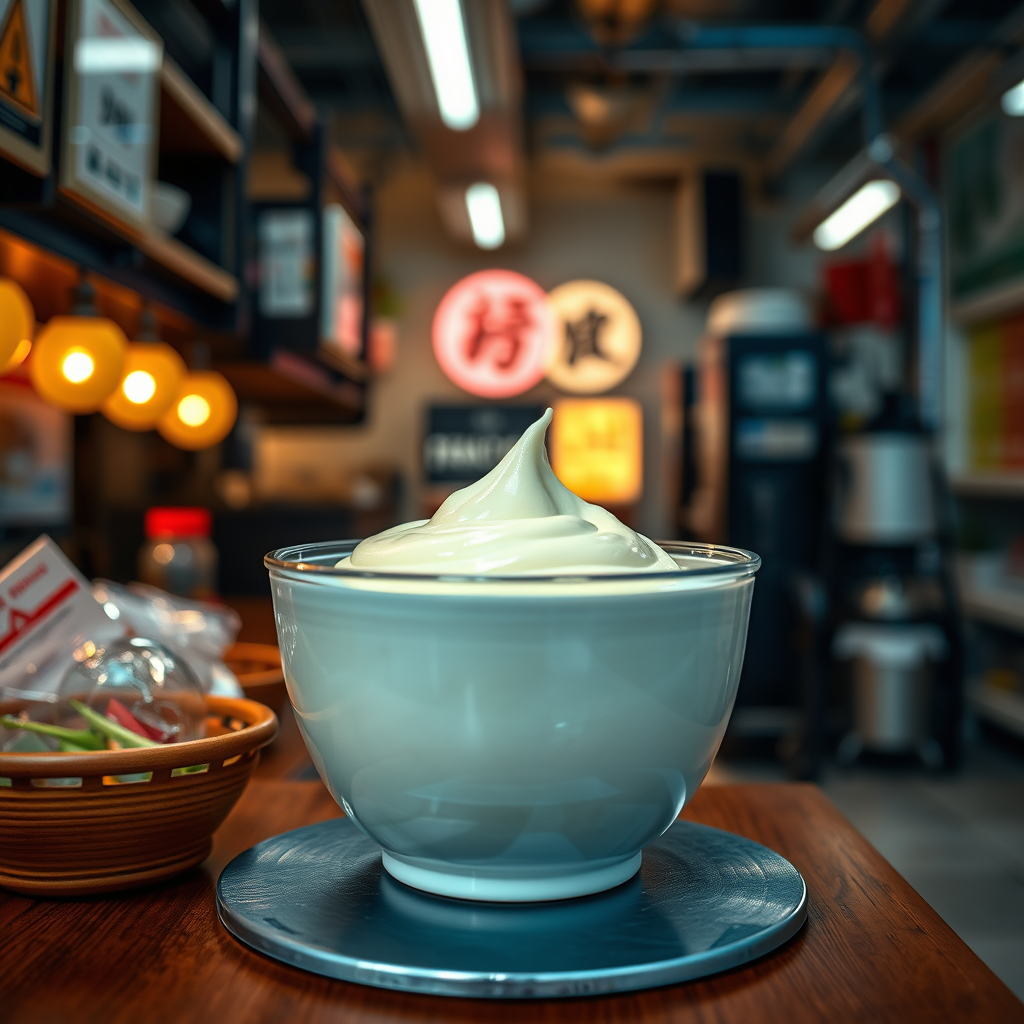
To create authentic Japanese mayonnaise, you’ll need the following essential ingredients:
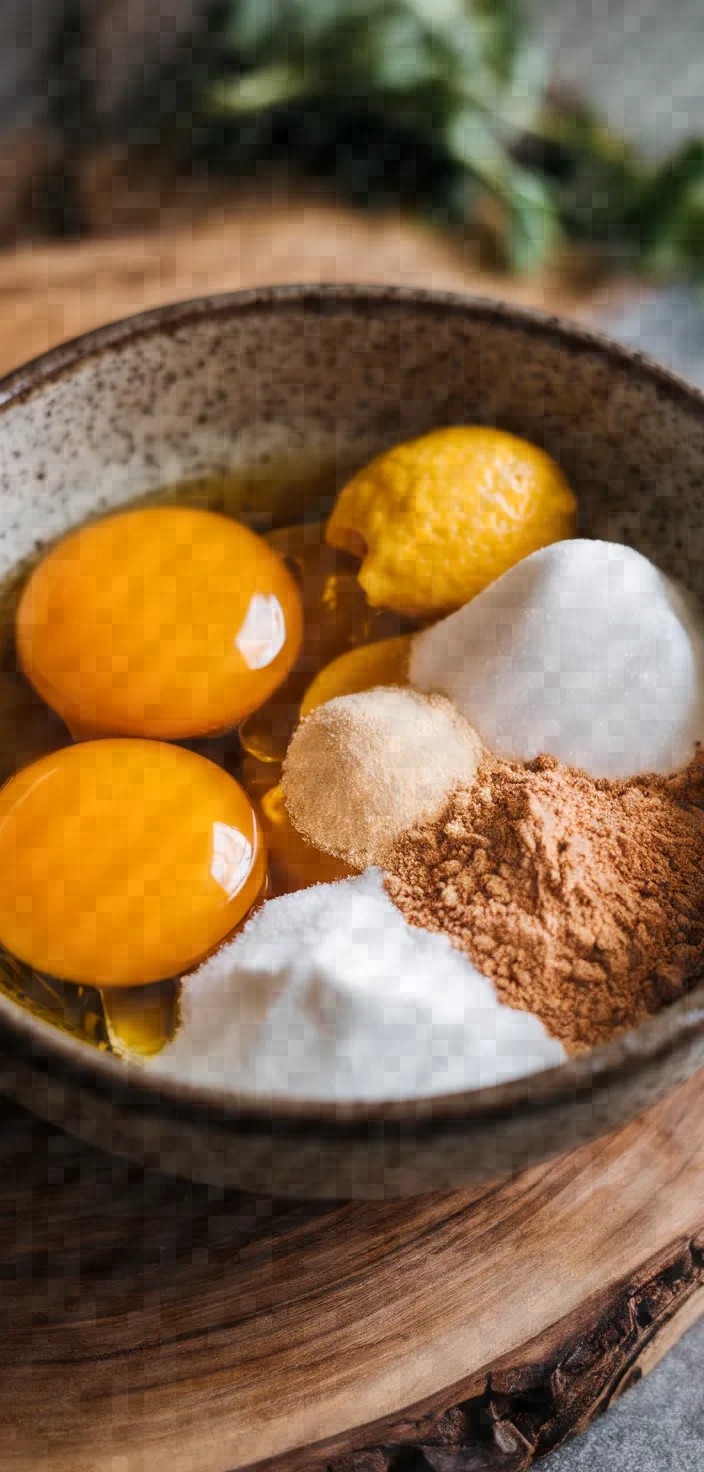
– Egg Yolks: The base of the mayonnaise, providing richness and creaminess.
– Rice Vinegar: This gives the mayonnaise its characteristic tanginess.
– Mustard: Typically, a Japanese mustard or Dijon mustard is used for a subtle kick.
– Neutral Oil: A light oil such as canola or vegetable oil is preferred to maintain the mayonnaise’s delicate flavor.
Optional Additions
– Soy Sauce: For an umami boost, adding a splash of soy sauce can enhance the flavor profile.
– Umami Flavors: Consider including ingredients like miso or dashi for a unique twist.
The Importance of Fresh Ingredients

Freshness plays a crucial role in achieving the best flavor in any homemade condiment. When making Japanese mayonnaise, opt for high-quality, fresh eggs, as they not only enhance the flavor but also contribute to a better emulsion. Eggs that are organic or free-range are ideal choices.
Additionally, the type of oil you use is vital. A neutral oil, such as canola or grapeseed, will complement the other flavors without overpowering them. Avoid oils with strong flavors, like olive oil, which can alter the intended taste of the mayonnaise.
Step-by-Step Preparation
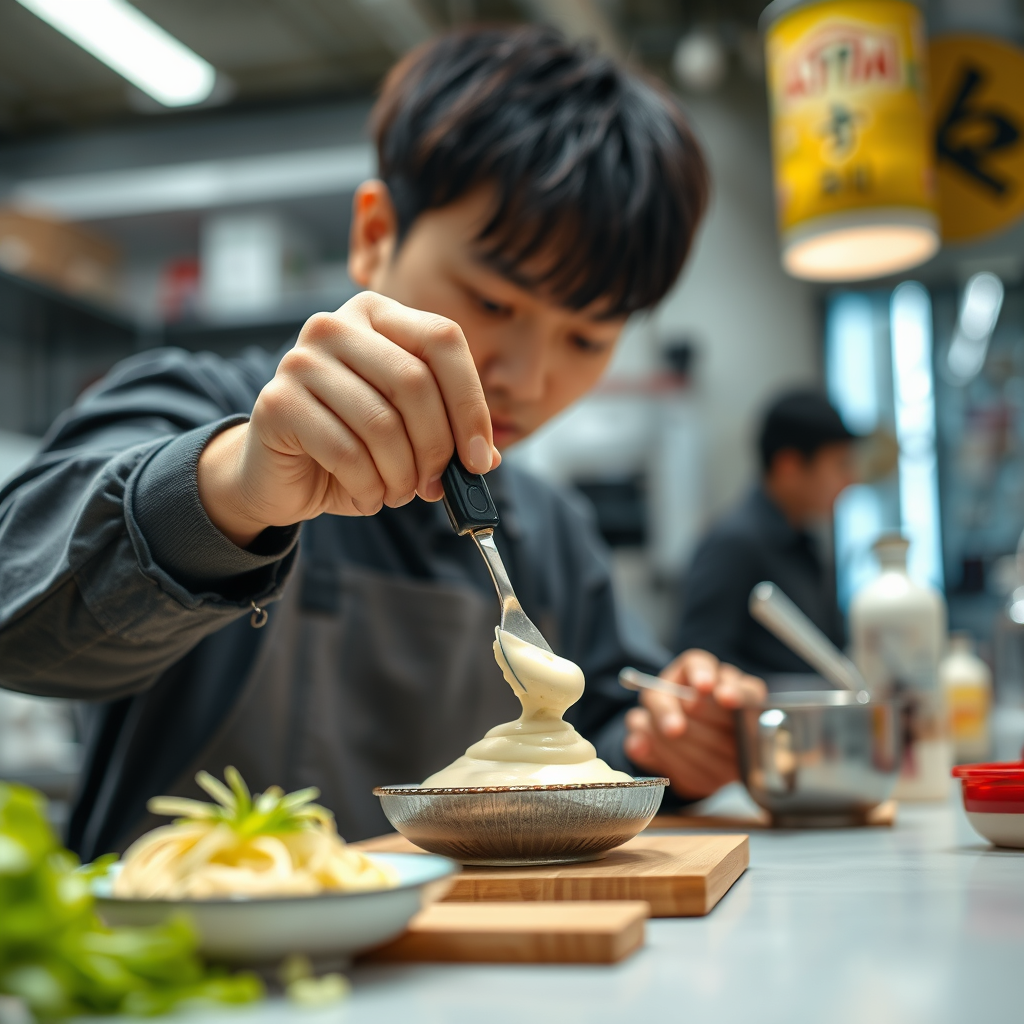
Making authentic Japanese mayonnaise is straightforward, and the process is key to achieving the perfect emulsion.
1. Whisk Egg Yolks and Mustard: In a mixing bowl, whisk together the egg yolks and mustard until well combined. This mixture acts as the foundation for your emulsion.
2. Gradually Add Oil: Slowly drizzle in the neutral oil while continuously whisking. Start with just a few drops at a time to help stabilize the emulsion. As the mixture begins to thicken, you can increase the oil flow to a steady stream.
3. Incorporate Rice Vinegar: Once the mayonnaise reaches a thick consistency, gently whisk in the rice vinegar. This will add the signature tang of Japanese mayonnaise.
4. Adjust Consistency: If the mayonnaise is too thick, add a few drops of water or vinegar to achieve your desired consistency.
5. Taste and Adjust Seasoning: Finally, taste your mayonnaise and adjust the seasoning if necessary, adding more vinegar or soy sauce according to your preference.
Nutritional Comparison of Japanese Mayonnaise and Western Mayonnaise
| # | Nutrient | Japanese Mayonnaise (per 100g) | Western Mayonnaise (per 100g) | Difference |
|---|---|---|---|---|
| 1 | Calories | 100 | 680 | -580 |
| 2 | Fat | 11g | 75g | -64g |
| 3 | Protein | 1.5g | 1g | +0.5g |
| 4 | Carbohydrates | 0.6g | 0.6g | 0g |
| 5 | Sodium | 500mg | 700mg | -200mg |
| 6 | Sugar | 0g | 1g | -1g |
| 7 | Calcium | 50mg | 10mg | +40mg |
Flavor Profile and Variations
The flavor of Japanese mayonnaise is distinctly different from that of traditional Western mayonnaise. It is creamier and has a unique umami flavor profile due to the use of rice vinegar and mustard. This mayonnaise is known for its slight sweetness, which balances the tanginess, making it a versatile condiment.
Variations
– Wasabi Mayonnaise: Adding a touch of wasabi creates a spicy kick, perfect for sushi or grilled meats.
– Garlic Aioli: Incorporating minced garlic offers a robust flavor, enhancing dips or spreads for sandwiches.
Storage and Shelf Life
Homemade Japanese mayonnaise can be stored in an airtight container in the refrigerator. It is important to consume it within one week for optimal flavor and freshness. To ensure safety, always check for signs of spoilage, such as off smells or changes in color or texture. If the mayonnaise separates, a quick whisk can restore its consistency.
Serving Suggestions
Japanese mayonnaise is incredibly versatile and can be used in many culinary applications:
– Sushi: Use it as a dipping sauce or drizzle over sushi rolls for added flavor.
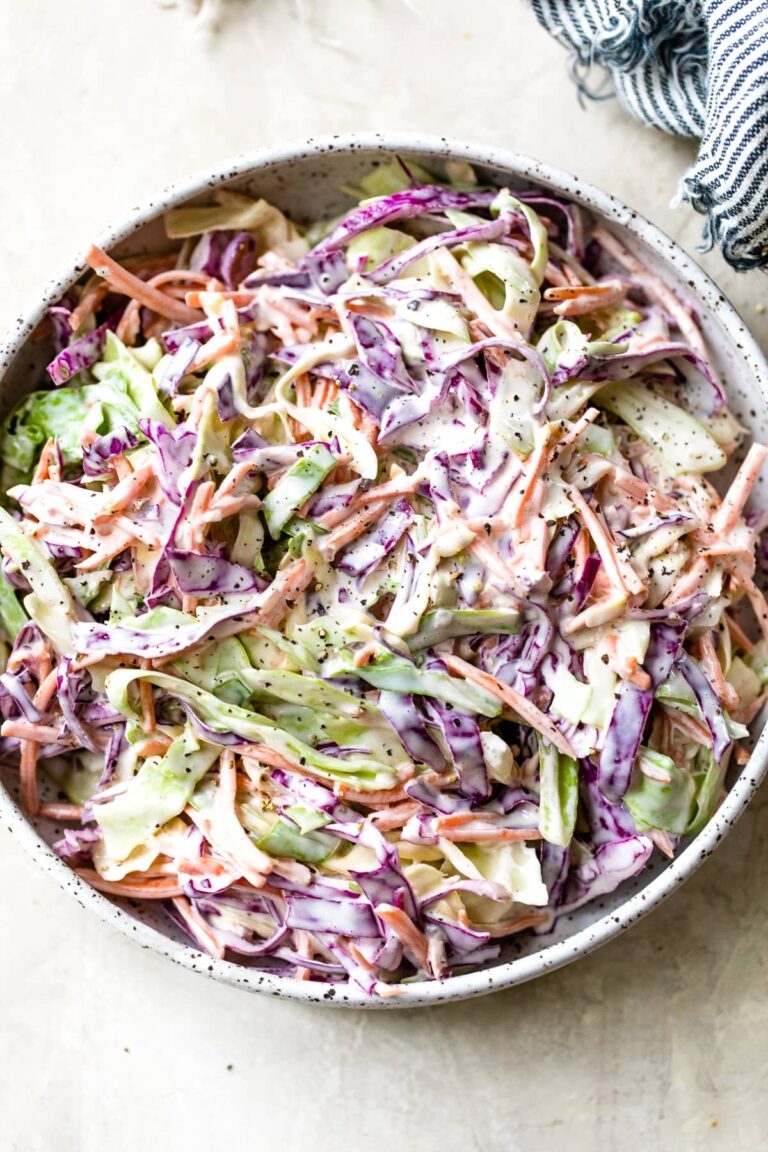
– Salads: Incorporate it into salad dressings or use it as a creamy base for potato or coleslaw salads.
– Sandwiches: Spread it on sandwiches for a rich, flavorful addition, or use it in wraps for extra creaminess.
Troubleshooting Common Issues
Making mayonnaise can sometimes lead to issues. Here are some common problems and solutions:
– Separation: If your mayonnaise separates, it may be due to adding oil too quickly. To fix this, whisk in a teaspoon of water to help re-emulsify the mixture.
– Too Thick: If the consistency is thicker than desired, gradually whisk in a little warm water or vinegar to loosen it up.
– Flavor Adjustments: If your mayonnaise is too tangy, balance it out with a pinch of sugar or a bit more oil. Conversely, if it’s too bland, a dash of soy sauce or more vinegar can enhance its flavor.
Now that you know how to make authentic Japanese mayonnaise, why not give it a try? Experiment with the flavors and enjoy it in your favorite dishes. Don’t forget to share your homemade mayo experience!
Frequently Asked Questions
What ingredients are needed for a traditional Japanese mayonnaise recipe?
To make traditional Japanese mayonnaise, you will need egg yolks, rice vinegar, Dijon mustard, vegetable oil, and a pinch of salt. The use of rice vinegar gives it a unique tangy flavor compared to Western mayonnaise. Ensure you use high-quality ingredients for the best results.
How do I make Japanese mayonnaise from scratch?
To make Japanese mayonnaise, start by whisking together 2 egg yolks, 1 tablespoon of Dijon mustard, and 1 tablespoon of rice vinegar in a bowl. Slowly drizzle in 1 cup of vegetable oil while continuously whisking until the mixture thickens and emulsifies. Season with salt to taste, and enjoy your homemade Japanese mayonnaise.
Why is Japanese mayonnaise different from regular mayonnaise?
Japanese mayonnaise is different from regular mayonnaise due to its unique ingredients and flavor profile. It typically uses rice vinegar instead of distilled vinegar, resulting in a creamier texture and a slightly sweeter taste. Additionally, the use of egg yolks instead of whole eggs contributes to its richness.
What is the best way to store homemade Japanese mayonnaise?
The best way to store homemade Japanese mayonnaise is in an airtight container in the refrigerator. It can last for about one week, so be sure to label it with the date. Always use clean utensils when scooping out the mayonnaise to maintain its freshness.
Which dishes pair well with Japanese mayonnaise?
Japanese mayonnaise pairs well with a variety of dishes, including sushi, salads, and sandwiches. It is especially popular as a dipping sauce for fries and as a topping for okonomiyaki and takoyaki. Its creamy texture enhances the flavors of many savory dishes, making it a versatile condiment.
References
- Mayonnaise
https://en.wikipedia.org/wiki/Mayonnaise - Mayonnaise | Description, Emulsion, & Variations | Britannica
https://www.britannica.com/topic/mayonnaise - Residual Viremia in Treated HIV+ Individuals – PMC
https://www.ncbi.nlm.nih.gov/pmc/articles/PMC4703306/ - https://www.sciencedirect.com/topics/food-science/mayonnaise
https://www.sciencedirect.com/topics/food-science/mayonnaise - https://www.nytimes.com/2021/08/31/dining/japanese-mayonnaise-recipe.html
https://www.nytimes.com/2021/08/31/dining/japanese-mayonnaise-recipe.html - Google Scholar Google Scholar
https://scholar.google.com/scholar?q=japan+mayonnaise+recipe - Google Scholar Google Scholar
https://scholar.google.com/scholar?q=japanese+mayonnaise+ingredients - Google Scholar Google Scholar
https://scholar.google.com/scholar?q=mayonnaise+history+in+japan - https://www.foodnetwork.com/recipes/articles/what-is-kewpie-mayonnaise
https://www.foodnetwork.com/recipes/articles/what-is-kewpie-mayonnaise