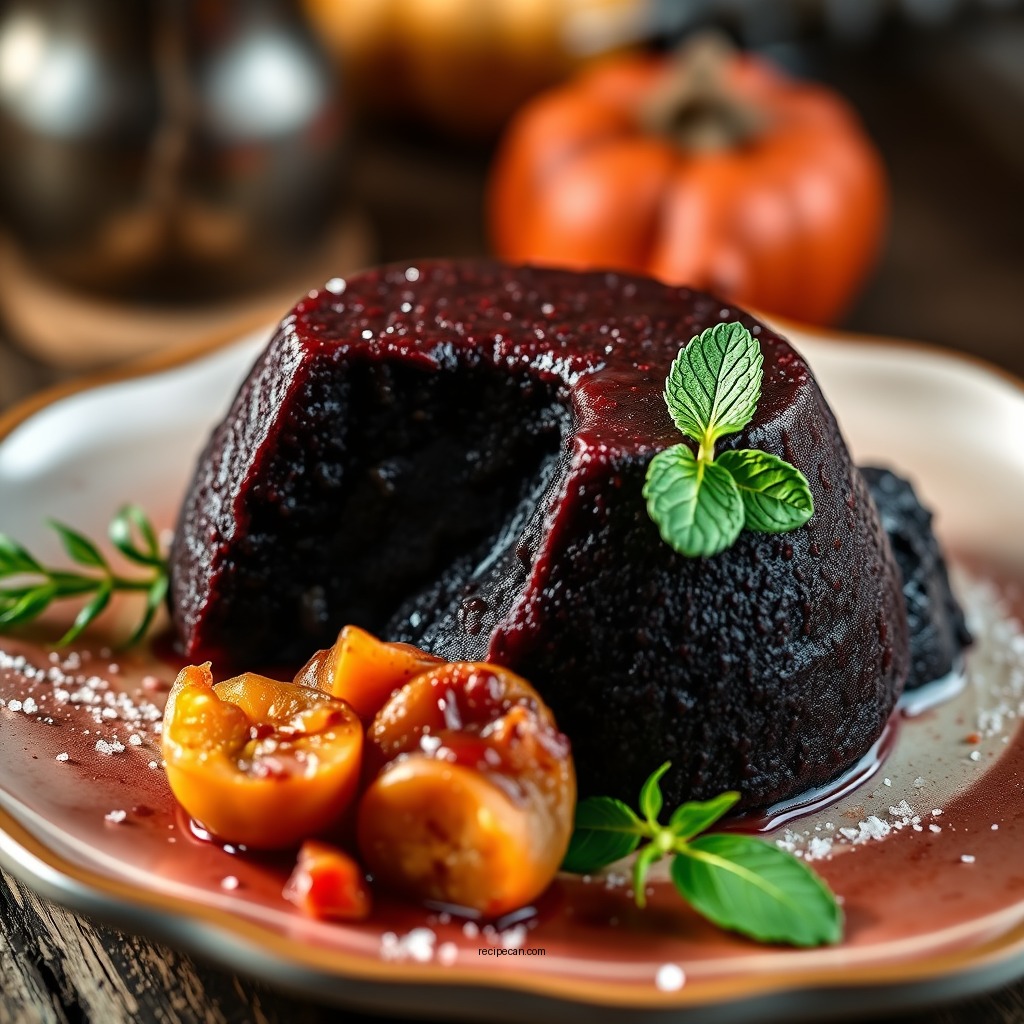
Making authentic Irish blood pudding, also known as black pudding, is a rewarding culinary experience that brings traditional flavors to your kitchen. This dish, rich in history and taste, can easily be prepared at home with the right ingredients and techniques. In this guide, you will learn how to create this savory delicacy from scratch, exploring essential ingredients, cooking methods, and serving suggestions.
Understanding Blood Pudding Ingredients
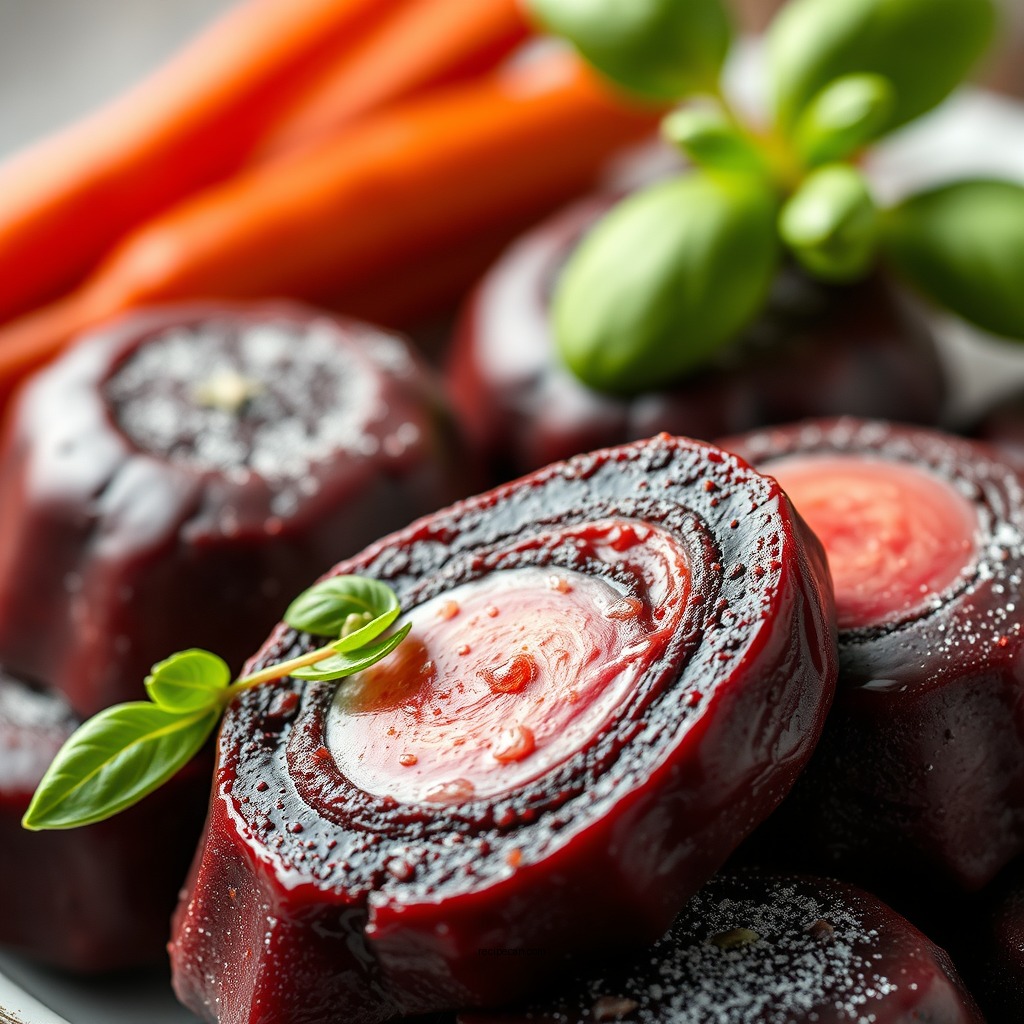
The foundation of authentic Irish blood pudding lies in its primary ingredients: pork blood, fat, and oats. Pork blood is the key component that gives blood pudding its distinctive flavor and color. The fat, usually from the pig, adds richness and moisture, ensuring the pudding is not dry. The use of oats not only provides texture but also helps bind the mixture, creating a satisfying mouthfeel.
Seasoning is equally important in crafting the perfect blood pudding. Traditional recipes often include herbs and spices such as thyme, black pepper, and sometimes sage. These ingredients enhance the flavor profile, offering a balance of savory and slightly earthy notes. The choice of seasonings can be adjusted to personal preference, allowing for a unique twist on this classic dish.
Preparing the Base Mixture
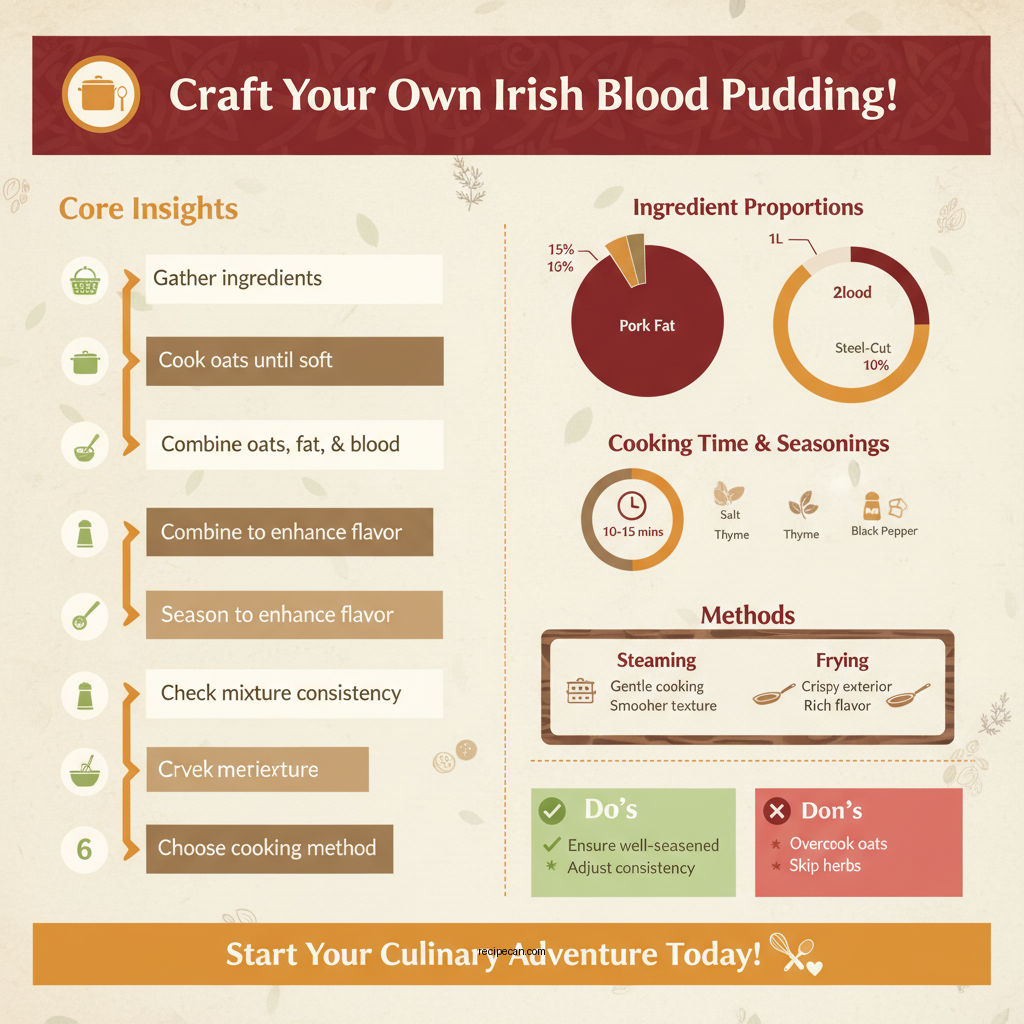
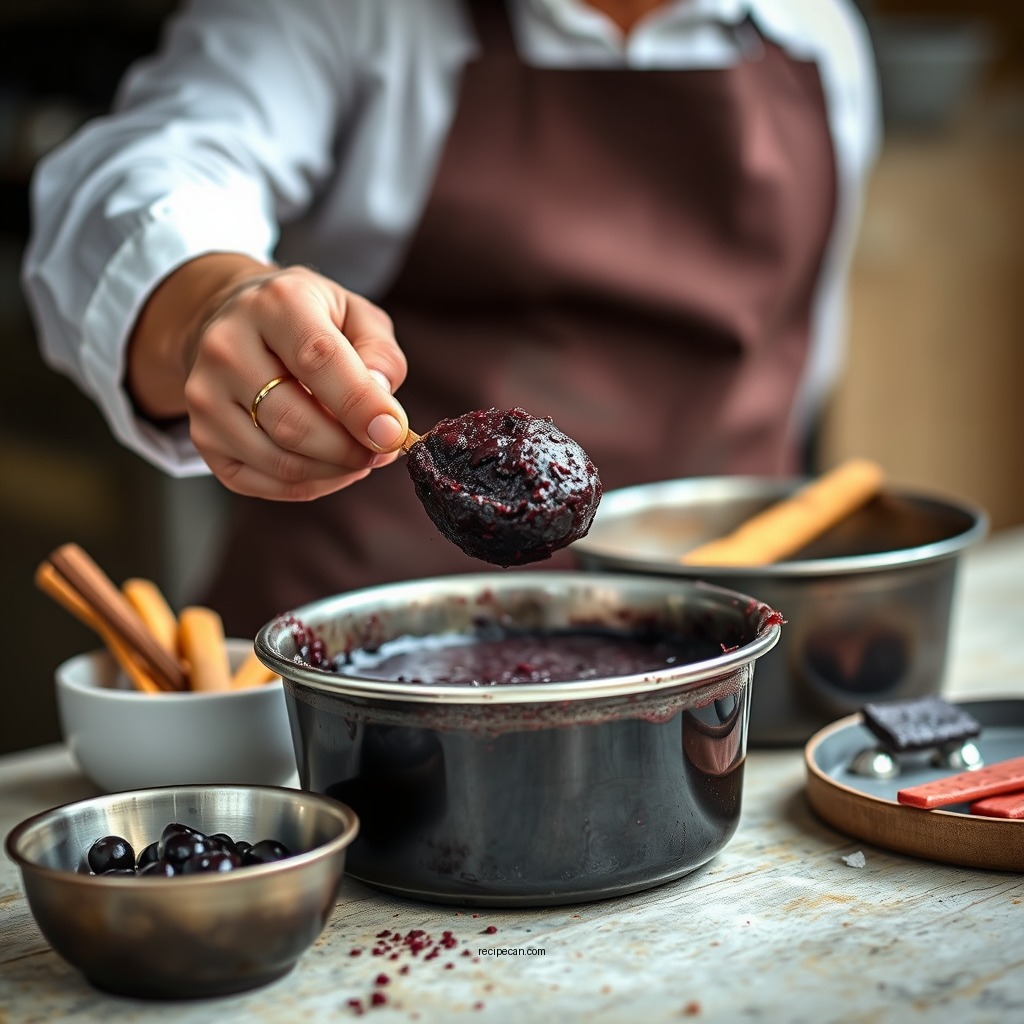
To prepare the base mixture for blood pudding, follow these step-by-step instructions:
1. Gather Ingredients: You will need approximately 1 liter of fresh pig’s blood, 200 grams of pork fat (or fatty pork meat), 100 grams of steel-cut oats, and a variety of seasonings including salt, thyme, and black pepper.
2. Cook the Oats: In a saucepan, bring about 500 ml of water to a boil and add the oats. Cook for 10-15 minutes until they are soft and absorb most of the water. Set aside to cool slightly.
3. Combine Ingredients: In a large mixing bowl, combine the cooled oats, chopped pork fat, and blood. Mix thoroughly until you achieve a smooth consistency.
4. Season: Add salt, thyme, and black pepper to taste. Ensure the mixture is well-seasoned, as this will enhance the overall flavor of the finished pudding.
5. Check Consistency: The mixture should be thick enough to hold its shape but not too stiff. If it feels too dry, add a bit more blood, and if too wet, incorporate additional oats.
Cooking Methods for Blood Pudding
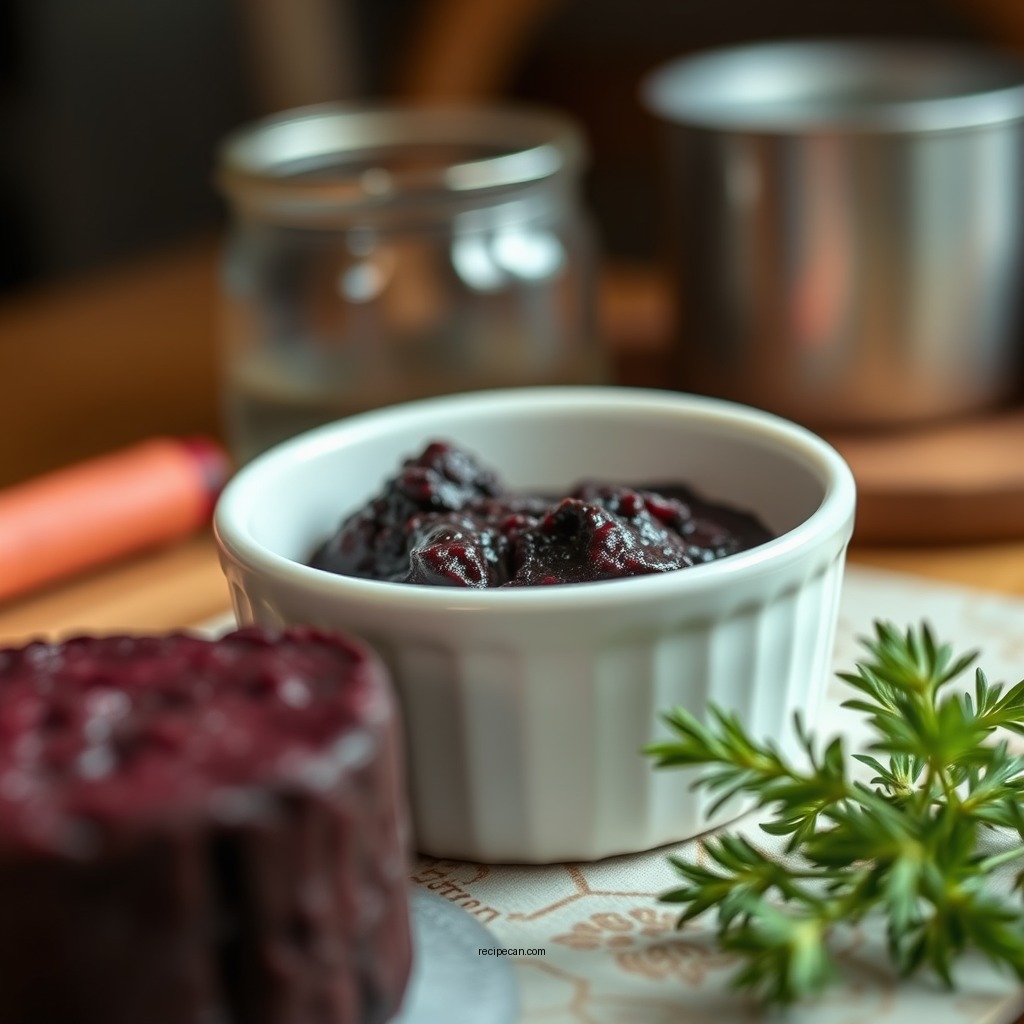
Blood pudding can be prepared using several traditional cooking methods, including steaming and frying.
– Steaming: This method is recommended for preserving the moisture and tenderness of the pudding. Fill a steamer pot with water and bring it to a boil. Spoon the mixture into pudding molds or heat-resistant containers and steam for about 30-40 minutes, or until firm.
– Frying: For a crispy exterior, you can slice the steamed pudding and pan-fry it in a bit of oil or butter over medium heat. Cook for 3-4 minutes on each side until golden brown.
Cooking Times and Temperatures
For optimal results, maintain a low to medium heat during cooking. Use a food thermometer to ensure that the center of the pudding reaches at least 75°C (165°F) for safety.
Traditional Blood Pudding Cooking Methods
| # | Method | Cooking Time | Texture | Flavor |
|---|---|---|---|---|
| 1 | Steaming | 30-40 mins | Soft and moist | Rich |
| 2 | Frying | 3-4 mins per side | Crispy exterior | Savory |
Tips for Perfecting Your Blood Pudding
Creating the perfect blood pudding can be an art, and there are common pitfalls to avoid. One such pitfall is overcooking the mixture, which can lead to a dry texture. Always monitor the cooking time closely.
Another key aspect is balancing the flavors. If you find your blood pudding too salty, consider adding more oats or increasing the quantity of blood. Conversely, if it lacks flavor, enhance it with additional herbs or spices. Don’t hesitate to taste the raw mixture before cooking, as this can guide you in adjusting the seasoning.
Serving Suggestions for Blood Pudding
Blood pudding is traditionally served as part of a hearty Irish breakfast, often accompanied by fried eggs, baked beans, and toast. However, its versatility allows for creative adaptations:
– Breakfast Ideas: Serve slices of fried blood pudding alongside scrambled eggs and crispy bacon for a robust morning meal.
– Incorporation into Dishes: Blood pudding can also be diced and added to savory pies, used as a filling for pastries, or even incorporated into risottos for a unique twist.
Storing and Reheating Blood Pudding
To maintain the freshness of any leftovers, it is best to store blood pudding in an airtight container in the refrigerator. It can typically last for up to a week when stored properly. For longer storage, consider freezing it, which can extend its shelf life for several months.
When reheating, avoid using high heat, as this can lead to a rubbery texture. Instead, gently warm the slices in a skillet over low heat or microwave them on a low setting, ensuring they are heated through without becoming tough.
Now that you have the knowledge to create your own authentic Irish blood pudding, gather your ingredients and start cooking! Share your results and variations with friends and family to enjoy this cherished dish together.
Frequently Asked Questions
What ingredients are essential for a traditional Irish blood pudding recipe?
A traditional Irish blood pudding recipe typically includes ingredients such as fresh pork blood, pork fat or suet, oatmeal, barley, and a blend of spices like salt, pepper, and thyme. Some variations may also incorporate onions or herbs to enhance the flavor. These ingredients work together to create a rich, savory dish that is a staple in Irish cuisine.
How do you cook Irish blood pudding properly?
To cook Irish blood pudding properly, slice the pudding into rounds about half an inch thick, and pan-fry them in a bit of oil or butter over medium heat for about 4-5 minutes on each side until they are crispy and heated through. Alternatively, you can grill or bake the slices for a healthier option. Serve it warm alongside traditional accompaniments like fried eggs or toast for a hearty meal.
Why is Irish blood pudding considered a delicacy?
Irish blood pudding is considered a delicacy due to its unique flavor profile, rich texture, and historical significance in Irish culture. It is often associated with traditional breakfasts and festive occasions, making it a cherished item in Irish households. The use of high-quality ingredients and artisanal preparation methods also contributes to its status as a gourmet food.
What are the best side dishes to serve with Irish blood pudding?
The best side dishes to serve with Irish blood pudding include sautéed mushrooms, grilled tomatoes, and creamy mashed potatoes, which complement its rich flavor. Additionally, a side of baked beans or a fresh green salad can balance the meal, providing a variety of textures and tastes that enhance the overall dining experience.
Which variations of blood pudding can I try beyond the traditional Irish recipe?
Beyond the traditional Irish recipe, you can try variations such as black pudding from Scotland, which may include different spices or herbs, or the Spanish morcilla, which often incorporates rice and is flavored with paprika. Each regional variation brings its own unique twist, allowing you to explore diverse flavors and textures while still enjoying the essence of blood pudding.
References
- Black pudding
https://en.wikipedia.org/wiki/Black_pudding - https://www.bbc.co.uk/food/recipes/blackpudding_2646
https://www.bbc.co.uk/food/recipes/blackpudding_2646 - https://www.sciencedirect.com/topics/agricultural-and-biological-sciences/black-pudding
https://www.sciencedirect.com/topics/agricultural-and-biological-sciences/black-pudding - Black pudding | Description, History, Blood Sausage, & Uses | Britannica
https://www.britannica.com/topic/black-pudding - https://www.nytimes.com/2014/04/23/dining/black-pudding-a-blood-sausage-with-a-strong-following.html
https://www.nytimes.com/2014/04/23/dining/black-pudding-a-blood-sausage-with-a-strong-following.html - https://www.theguardian.com/food/2020/mar/12/how-to-make-black-pudding-recipe
https://www.theguardian.com/food/2020/mar/12/how-to-make-black-pudding-recipe - https://www.pubmed.ncbi.nlm.nih.gov/?term=black+pudding
https://www.pubmed.ncbi.nlm.nih.gov/?term=black+pudding - Google Scholar Google Scholar
https://scholar.google.com/scholar?q=irish+blood+pudding+recipe - Google Scholar Google Scholar
https://scholar.google.com/scholar?q=black+pudding+health+benefits - Google Scholar Google Scholar
https://scholar.google.com/scholar?q=traditional+irish+cuisine+black+pudding