To make an authentic Greek tzatziki sauce, you’ll need fresh cucumbers, Greek yogurt, garlic, and a few seasonings. This classic dip is easy to prepare and serves as a versatile accompaniment to various dishes, offering a refreshing taste that embodies Greek cuisine. In this blog post, you will learn how to create this delectable sauce step-by-step, explore flavor enhancements, discover serving suggestions, and understand key storage tips to keep your tzatziki fresh.
Ingredients for Tzatziki Sauce
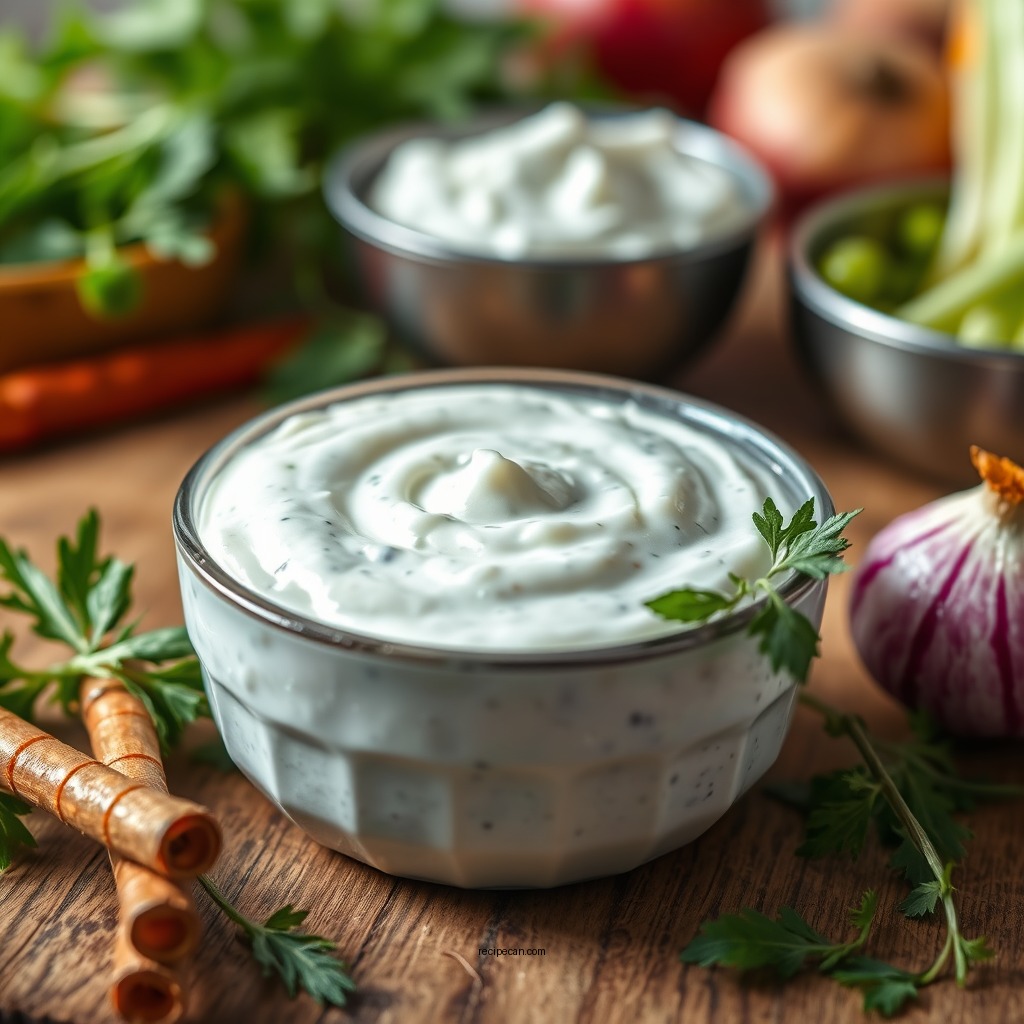
– Fresh cucumbers: Essential for the base, providing crunch and freshness. Choose firm cucumbers for the best texture, ideally English or Persian varieties, which are less watery and have fewer seeds.
– Greek yogurt: Thick and creamy, the yogurt adds richness and tang. Opt for full-fat Greek yogurt for a creamier texture and richer flavor.
– Garlic: A key flavor component, giving tzatziki its distinctive taste. Fresh garlic is preferable, as it provides a sharper taste compared to powdered versions.
Preparation Steps

– Grate the cucumbers: Start by washing the cucumbers and then grating them using a box grater. Once grated, place them in a clean kitchen towel or a fine-mesh sieve to remove excess moisture. This step is crucial; too much water can make your tzatziki runny.
– Combine ingredients: In a mixing bowl, combine the strained cucumbers, Greek yogurt, minced garlic, a pinch of salt, and a drizzle of extra virgin olive oil. Adjust the garlic and salt levels according to your taste preferences. Mix the ingredients thoroughly until well combined.
– Chill before serving: Cover the bowl with plastic wrap and let the tzatziki chill in the refrigerator for at least an hour. This allows the flavors to meld beautifully, enhancing the overall taste of the sauce.
Flavor Enhancements

– Fresh herbs: Adding dill or mint can elevate the taste profile. Dill gives a traditional flavor, while mint can add a refreshing twist. You can experiment with different herb combinations to find your perfect blend.
– Lemon juice: A splash adds brightness and acidity to balance the flavors. Freshly squeezed lemon juice is recommended over bottled for a more vibrant taste.
– Olive oil: A drizzle on top can enhance richness and presentation. Using high-quality extra virgin olive oil not only improves the flavor but also adds a lovely sheen to your tzatziki.
Top 7 Ingredients for Authentic Greek Tzatziki Sauce
| # | Ingredient | Purpose | Flavor Profile | Usage |
|---|---|---|---|---|
| 1 | Fresh Cucumbers | Base Ingredient | Crisp and Refreshing | Grated |
| 2 | Greek Yogurt | Creaminess | Rich and Tangy | Mixed In |
| 3 | Garlic | Flavor Component | Savory and Pungent | Minced |
| 4 | Dill | Herbal Note | Earthy and Bright | Chopped |
| 5 | Lemon Juice | Acidity | Citrusy and Fresh | Squeezed |
| 6 | Olive Oil | Richness | Fruity and Nutty | Drizzled |
| 7 | Salt | Seasoning | Savory | To Taste |
Flavor Profile of Tzatziki Ingredients
Serving Suggestions
– Perfect dip: Serve tzatziki with pita bread, fresh vegetables, or crispy chips for a delightful appetizer. It pairs well with a variety of dippers, making it an excellent choice for parties or gatherings.
– Sauce for meats: Tzatziki is a great accompaniment for grilled meats like lamb, chicken, or beef. It enhances the flavor of the meat while adding a refreshing contrast, particularly for spicy or smoky dishes.
– Salad dressing: Use tzatziki as a refreshing alternative to traditional dressings. Drizzle it over Greek salads or mix it into grain bowls for added creaminess and flavor.
Storage Tips
– Refrigeration: Store tzatziki in an airtight container to maintain freshness. This helps prevent the sauce from absorbing odors from other foods in the refrigerator.
– Duration: Best consumed within 3-5 days for optimal flavor and texture. Over time, the ingredients may separate, so give it a good stir before serving if stored for longer.
– Freezing: Not recommended as it alters the texture of the yogurt. Freezing can make the sauce watery when thawed, compromising the quality.
Common Mistakes to Avoid
– Too much garlic: Adjust based on personal preference to avoid overpowering flavors. It’s best to start with less and add more gradually.
– Not draining cucumbers: Skipping this step can lead to a watery sauce. Properly straining cucumbers is crucial for achieving the right consistency.
– Using regular yogurt: Stick to Greek yogurt for the best consistency and taste. Regular yogurt often lacks the thickness and creaminess that makes tzatziki special.
Creating your own authentic Greek tzatziki sauce at home is both rewarding and simple. By following the steps outlined in this post, you will be able to prepare a delicious and refreshing sauce that enhances any dish. Feel free to experiment with herbs and flavors to make it your own. Share your tzatziki creations with friends and family, and enjoy the delightful taste of Greece in your kitchen!
Frequently Asked Questions
What are the main ingredients in a traditional Greek tzatziki sauce recipe?
A traditional Greek tzatziki sauce recipe typically includes Greek yogurt, grated cucumber, garlic, olive oil, lemon juice, salt, and fresh dill or mint. The use of full-fat Greek yogurt gives it a creamy texture, while the cucumber adds freshness and crunch, making it a perfect accompaniment to dishes like gyros or grilled meats.
How do you make tzatziki sauce thicker and creamier?
To make tzatziki sauce thicker and creamier, start by draining the grated cucumber using a fine mesh sieve or cheesecloth to remove excess water. Additionally, using full-fat Greek yogurt instead of regular yogurt will help achieve that rich and creamy consistency that is characteristic of authentic tzatziki.
Why does my tzatziki sauce taste watery or bland?
If your tzatziki sauce tastes watery or bland, it may be due to not draining the cucumber properly or using low-fat yogurt. Always ensure you remove excess moisture from the cucumber and season the sauce well with salt, lemon juice, and herbs to enhance the flavor and prevent a watery texture.
What is the best way to store homemade tzatziki sauce?
The best way to store homemade tzatziki sauce is in an airtight container in the refrigerator. It can last for about 3 to 5 days, but for optimal flavor, it’s recommended to consume it within the first couple of days after making it, as the flavors develop over time.
Which dishes pair well with tzatziki sauce?
Tzatziki sauce pairs wonderfully with a variety of dishes, including grilled meats like lamb or chicken, gyros, falafel, and vegetable platters. It also makes an excellent dip for pita bread and can be drizzled over salads for an added creamy texture and flavor boost.
References
- https://en.wikipedia.org/wiki/Tzatziki
https://en.wikipedia.org/wiki/Tzatziki - https://www.bbc.co.uk/food/recipes/tzatziki_68608
https://www.bbc.co.uk/food/recipes/tzatziki_68608 - https://www.theguardian.com/food/2021/jul/17/how-to-make-tzatziki-recipe
https://www.theguardian.com/food/2021/jul/17/how-to-make-tzatziki-recipe - https://www.ncbi.nlm.nih.gov/pmc/articles/PMC6464036/
https://www.ncbi.nlm.nih.gov/pmc/articles/PMC6464036/ - Google Scholar Google Scholar
https://scholar.google.com/scholar?q=greek+tzatziki+sauce+recipe - https://scholar.google.com/scholar?q=tzatziki+sauce+nutritional+value Google Scholar
https://scholar.google.com/scholar?q=tzatziki+sauce+nutritional+value - https://www.sciencedirect.com/topics/agricultural-and-biological-sciences/tzatziki
https://www.sciencedirect.com/topics/agricultural-and-biological-sciences/tzatziki - https://www.mayoclinic.org/health-information/nutrition-and-healthy-eating/in-depth/healthy-eating/art-20046462
https://www.mayoclinic.org/health-information/nutrition-and-healthy-eating/in-depth/healthy-eating/art-20046462 - https://www.verywellfit.com/what-is-tzatziki-4687630
https://www.verywellfit.com/what-is-tzatziki-4687630 - https://www.britannica.com/topic/tzatziki
https://www.britannica.com/topic/tzatziki