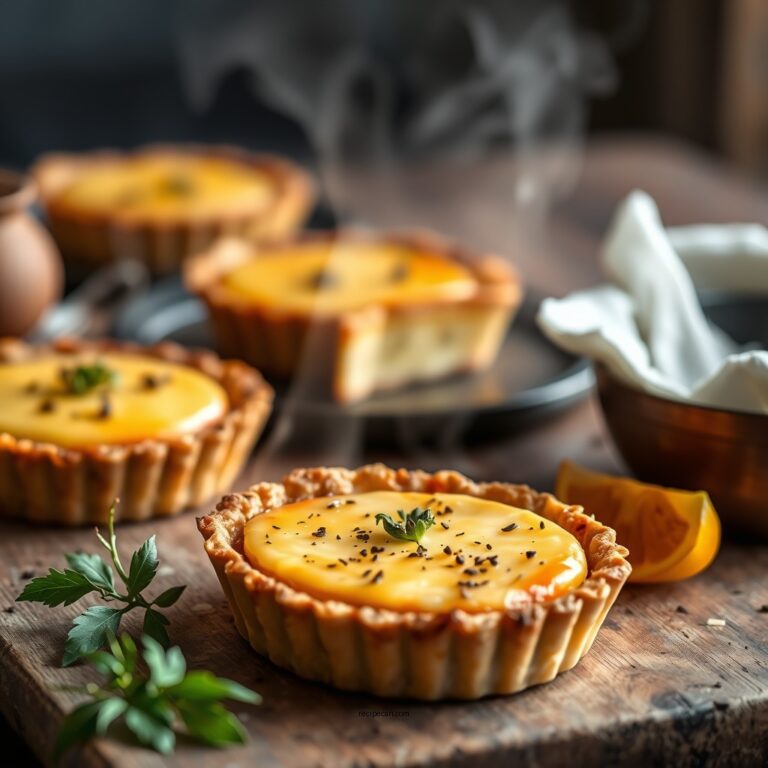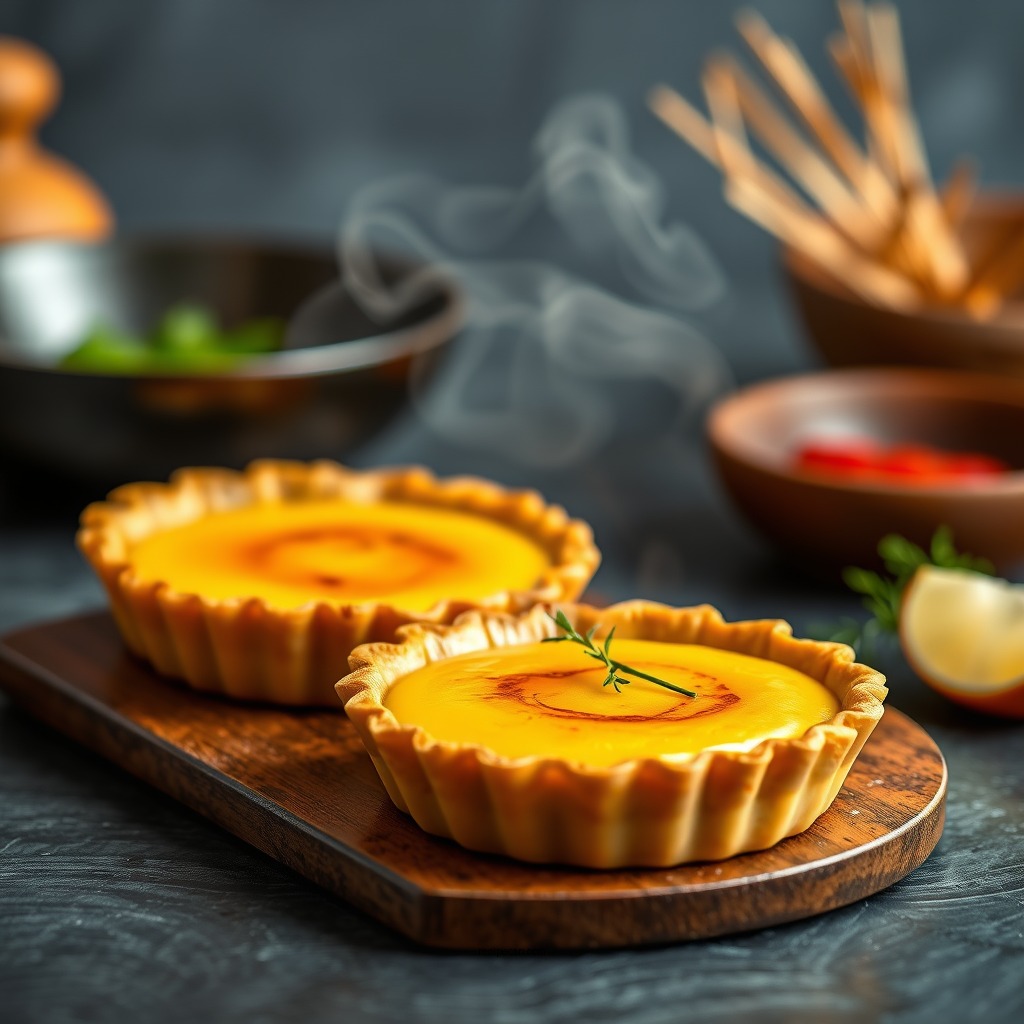
Making a delicious Chinese egg custard tart is easier than you think! This recipe will guide you through preparing the flaky pastry and smooth custard filling, making these tarts a favorite treat in many households. With step-by-step instructions, you’ll create a perfect dessert that captures the essence of traditional Chinese bakeries, ideal for both special occasions and everyday indulgence.
Ingredients You’ll Need
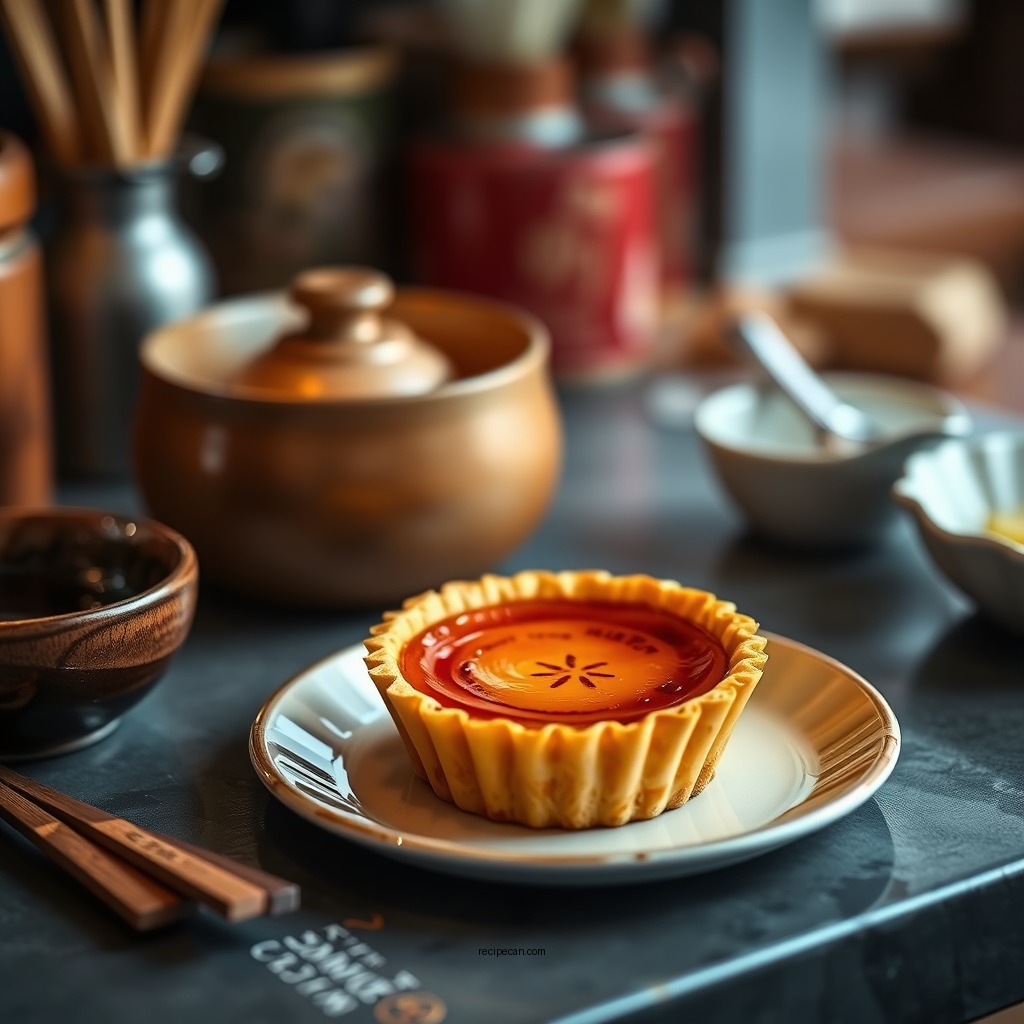
To make authentic Chinese egg custard tarts, you will need the following essential ingredients:
For the Pastry:
– All-purpose flour: 250g (about 2 cups)
– Unsalted butter: 125g (about ½ cup), chilled and diced
– Icing sugar: 30g (about ¼ cup)
– Egg yolk: 1 large
– Cold water: 2-4 tablespoons
For the Custard Filling:
– Eggs: 3 large, preferably fresh and free-range for the best flavor
– Evaporated milk: 100ml (about ½ cup)
– Sugar: 75g (about ⅓ cup)
– Vanilla extract: 1 teaspoon
– Water: 100ml (about ⅓ cup)
Tips for Selecting High-Quality Ingredients:
– Eggs: Choose organic or free-range eggs for richer color and taste.
– Milk: Opt for whole or evaporated milk, as they provide a creamier texture essential for the custard filling.
Preparing the Pastry Shell
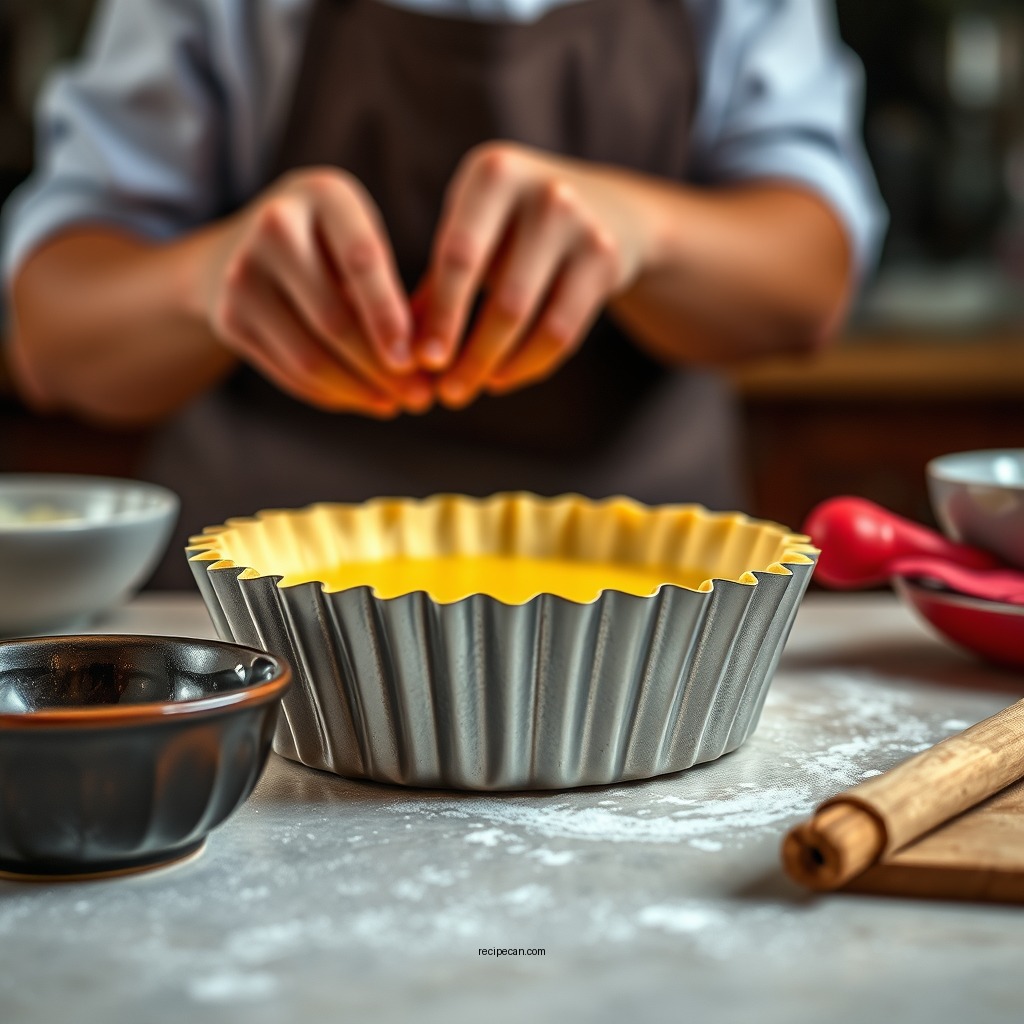
Creating the pastry shell is crucial for achieving the perfect texture. Follow these steps to prepare your tart shells:
1. Mixing the Dough: In a mixing bowl, combine the all-purpose flour and icing sugar. Add the chilled butter and rub it into the flour mixture with your fingertips until it resembles breadcrumbs.
2. Incorporating Egg Yolks: Add the egg yolk to the mixture and mix until combined. Gradually add cold water, one tablespoon at a time, mixing until the dough comes together. Be careful not to overwork the dough.
3. Chilling the Dough: Shape the dough into a disc, wrap it in plastic wrap, and refrigerate for at least 30 minutes. This step is essential to prevent the pastry from shrinking while baking.
4. Rolling Out the Dough: Once chilled, lightly flour your work surface and roll out the dough to about 3mm thick. Use a round cutter to cut out circles that fit into your tart molds.
5. Fitting the Pastry into Molds: Carefully press the dough circles into the molds, ensuring there are no air pockets. Trim any excess dough hanging over the edges.
6. Pre-baking: Line the pastry shells with parchment paper, fill with baking beans, and pre-bake at 180°C (350°F) for about 10 minutes. Remove the weights and parchment, then bake for an additional 5 minutes until lightly golden.
Making the Custard Filling
The custard filling is the star of the show. Here’s how to make it perfectly smooth:
1. Mixing Ingredients: In a bowl, whisk together the eggs and sugar until well combined. Slowly add the evaporated milk and water, continuing to whisk until the mixture is smooth.
2. Straining the Mixture: To achieve a silky texture, strain the custard mixture through a fine mesh sieve into another bowl. This step will remove any lumps or bubbles, ensuring a creamy filling.
3. Adding Flavor: Stir in the vanilla extract for added depth of flavor.
Baking the Tarts
Baking the tarts correctly is vital for the best results:
1. Oven Temperature: Preheat your oven to 200°C (392°F).
2. Filling the Tarts: Carefully pour the custard filling into the pre-baked tart shells, filling them about ¾ full.
3. Baking Time: Bake the tarts for 15-20 minutes or until the custard is set and slightly puffed. The surface should have a smooth, glossy appearance.
Tips for Perfectly Cooked Tarts:
– Keep an eye on the tarts towards the end of baking to avoid overcooking, which can lead to cracks in the custard.
Serving Suggestions
To elevate your tarts, consider these serving ideas:
– Garnishing: Dust the tarts with a sprinkle of icing sugar or serve with a dollop of whipped cream. Fresh fruits like sliced strawberries or mango can also complement the flavors beautifully.
– Beverage Pairings: Pair your tarts with a cup of Chinese tea, such as jasmine or oolong, to enhance the overall experience. Alternatively, a light dessert wine can also be a delightful accompaniment.
Common Mistakes to Avoid
Ensuring success with your egg custard tarts can sometimes be tricky. Here are some common pitfalls and how to avoid them:
1. Overworking the Dough: This can lead to tough pastry. Handle the dough as little as possible and refrigerate when necessary.
2. Not Straining the Custard: Failing to strain your custard can result in a gritty texture. Always strain for a smooth finish.
3. Baking at the Wrong Temperature: Ensure your oven is properly preheated. A too-hot oven can cause the custard to crack.
4. Filling Too Full: Avoid overfilling the tart shells to prevent spillage during baking.
Storing and Reheating Tips
To maintain the quality of your egg custard tarts, follow these storage and reheating guidelines:
1. Storing Leftovers: Keep any uneaten tarts in the refrigerator, covered securely with plastic wrap. They can typically last for up to 3 days.
2. Reheating: To reheat, place the tarts in a preheated oven set to 150°C (300°F) for about 10-12 minutes. This method helps preserve the crispness of the pastry while gently warming the custard.
Enjoy the delightful flavors of homemade Chinese egg custard tarts with this straightforward recipe. Whether for a special occasion or a sweet treat at home, these tarts are sure to impress. Gather your ingredients and start baking today!
Top 7 Ingredients for Chinese Egg Custard Tarts
| # | Ingredient | Quantity | Quality Indicator |
|---|---|---|---|
| 1 | All-purpose Flour | 250g | Fine texture |
| 2 | Unsalted Butter | 125g | Chilled |
| 3 | Eggs | 3 large | Free-range |
| 4 | Evaporated Milk | 100ml | Full-fat |
| 5 | Sugar | 75g | Granulated |
| 6 | Vanilla Extract | 1 teaspoon | Pure |
| 7 | Water | 100ml | Filtered |
Ingredient Ratios for Perfect Custard Tarts
In conclusion, mastering the art of creating authentic Chinese egg custard tarts requires attention to detail and a passion for baking. By using high-quality ingredients and following the outlined steps, you can achieve delightful results that replicate the charm of traditional bakeries. Whether enjoyed alone or shared with loved ones, these tarts will surely become a cherished addition to your culinary repertoire. Happy baking!
Frequently Asked Questions
What are the main ingredients for a traditional Chinese egg custard tart recipe?
A traditional Chinese egg custard tart recipe typically includes a flaky pastry crust made from flour, butter, and sugar, along with a rich filling of eggs, sugar, milk, and vanilla. The combination of these ingredients results in a smooth, creamy custard that is both sweet and savory, making it a beloved dessert in Chinese cuisine.
How do I make the pastry crust for Chinese egg custard tarts?
To make the pastry crust for Chinese egg custard tarts, mix flour, sugar, and cold butter until the mixture resembles coarse crumbs. Gradually add cold water and knead until you form a smooth dough. Chill the dough for at least 30 minutes before rolling it out and fitting it into tart molds for the perfect flaky base.
Why is my egg custard filling not setting properly in my Chinese egg custard tarts?
If your egg custard filling is not setting properly, it may be due to overmixing the ingredients, which can introduce too much air, or incorrect baking temperatures. Ensure that you mix the eggs and milk gently and bake the tarts at the right temperature, typically around 350°F (175°C), until the filling is just set but still slightly jiggly in the center.
What is the best way to achieve a smooth custard texture for Chinese egg custard tarts?
To achieve a smooth custard texture in Chinese egg custard tarts, strain the egg mixture through a fine-mesh sieve before pouring it into the crust. This step removes any lumps and ensures a silky filling. Additionally, baking the tarts in a water bath can help maintain an even temperature and prevent cracking.
Which type of milk works best for making Chinese egg custard tarts?
For the best flavor and texture in Chinese egg custard tarts, whole milk is recommended as it provides richness and creaminess to the custard. However, you can also use evaporated milk for a more intense taste or a combination of milk and cream for extra decadence, depending on your preference.
References
- Egg tart
https://en.wikipedia.org/wiki/Egg_tart - https://www.thespruceeats.com/chinese-egg-tarts-recipe-688642
https://www.thespruceeats.com/chinese-egg-tarts-recipe-688642 - https://www.seriouseats.com/chinese-egg-tarts-recipe-688642
https://www.seriouseats.com/chinese-egg-tarts-recipe-688642 - Google Scholar Google Scholar
https://scholar.google.com/scholar?q=chinese+egg+custard+tart+recipe - Google Scholar Google Scholar
https://scholar.google.com/scholar?q=egg+tart+recipe+Chinese - https://scholar.google.com/scholar?q=custard+tarts+history+Chinese Google Scholar
https://scholar.google.com/scholar?q=custard+tarts+history+Chinese - Cooking Channel | Food Network
https://www.cookingchanneltv.com/recipes/egg-tarts-2096346 - https://www.nytimes.com/2014/07/30/dining/how-to-make-chinese-egg-tarts.html
https://www.nytimes.com/2014/07/30/dining/how-to-make-chinese-egg-tarts.html - chinese egg custard tart recipe – Search results
https://en.wikipedia.org/wiki/Special:Search?search=chinese+egg+custard+tart+recipe - https://www.ncbi.nlm.nih.gov/search/research-articles/?term=chinese+egg+custard+tart+recipe
https://www.ncbi.nlm.nih.gov/search/research-articles/?term=chinese+egg+custard+tart+recipe