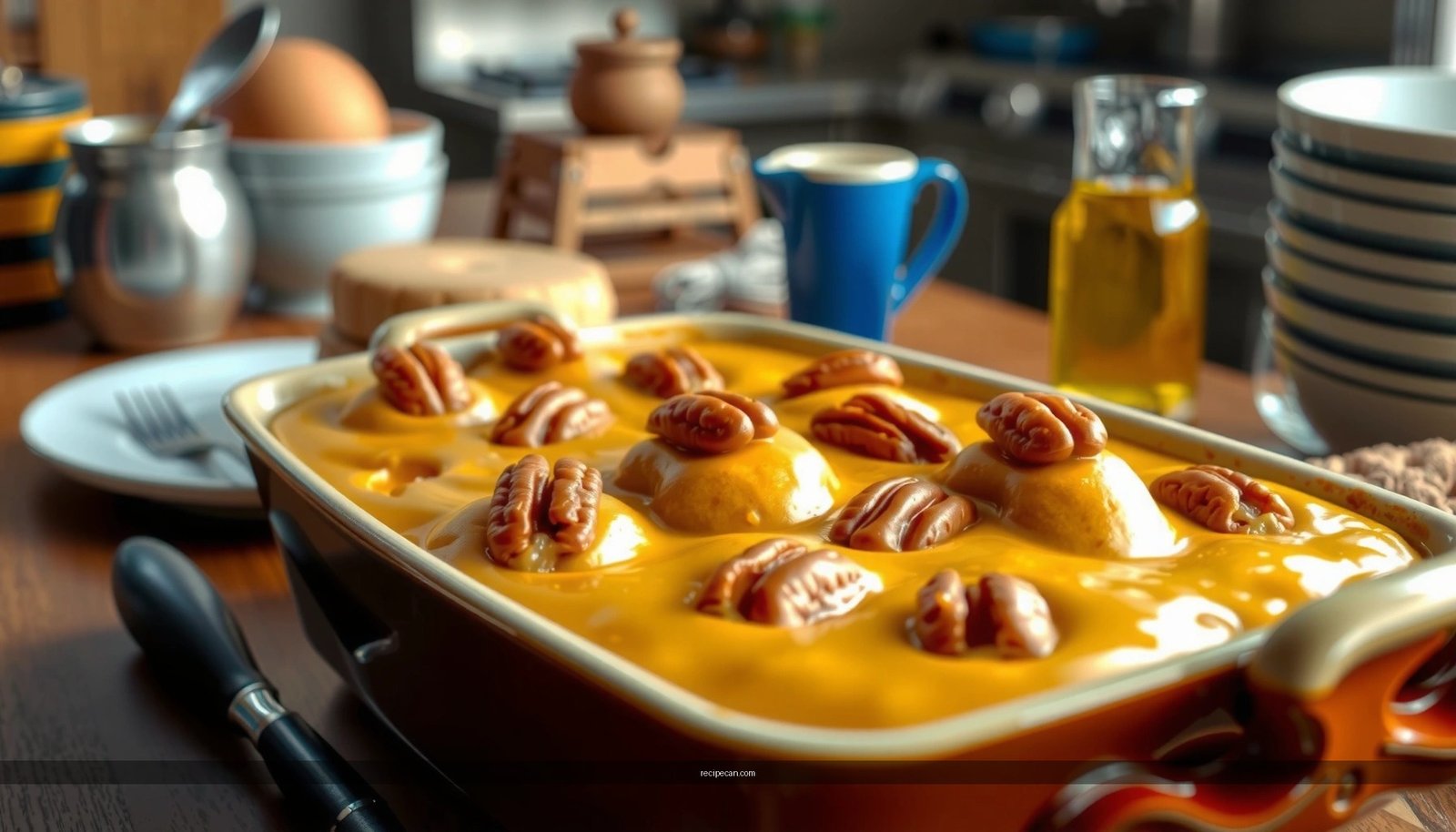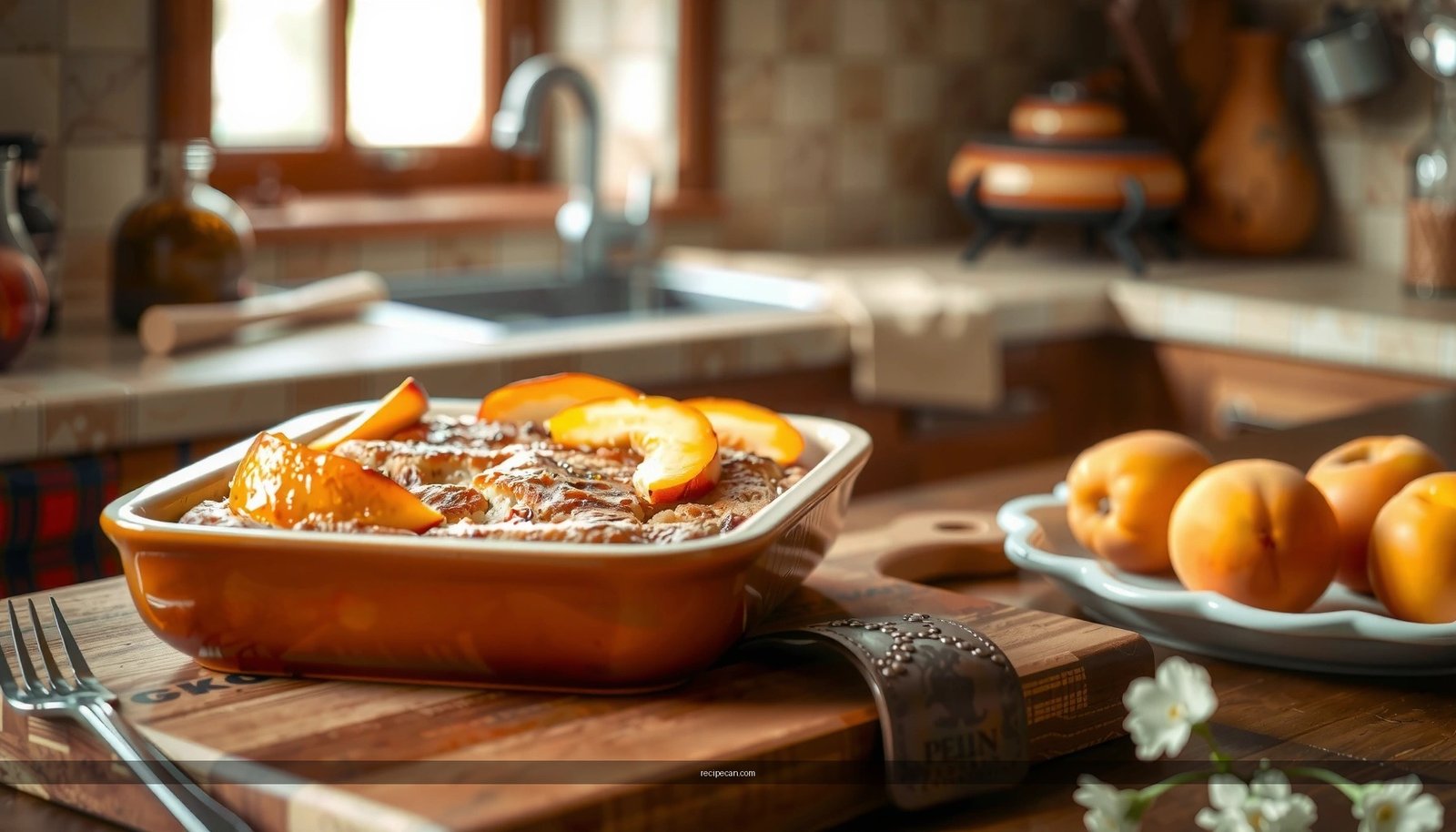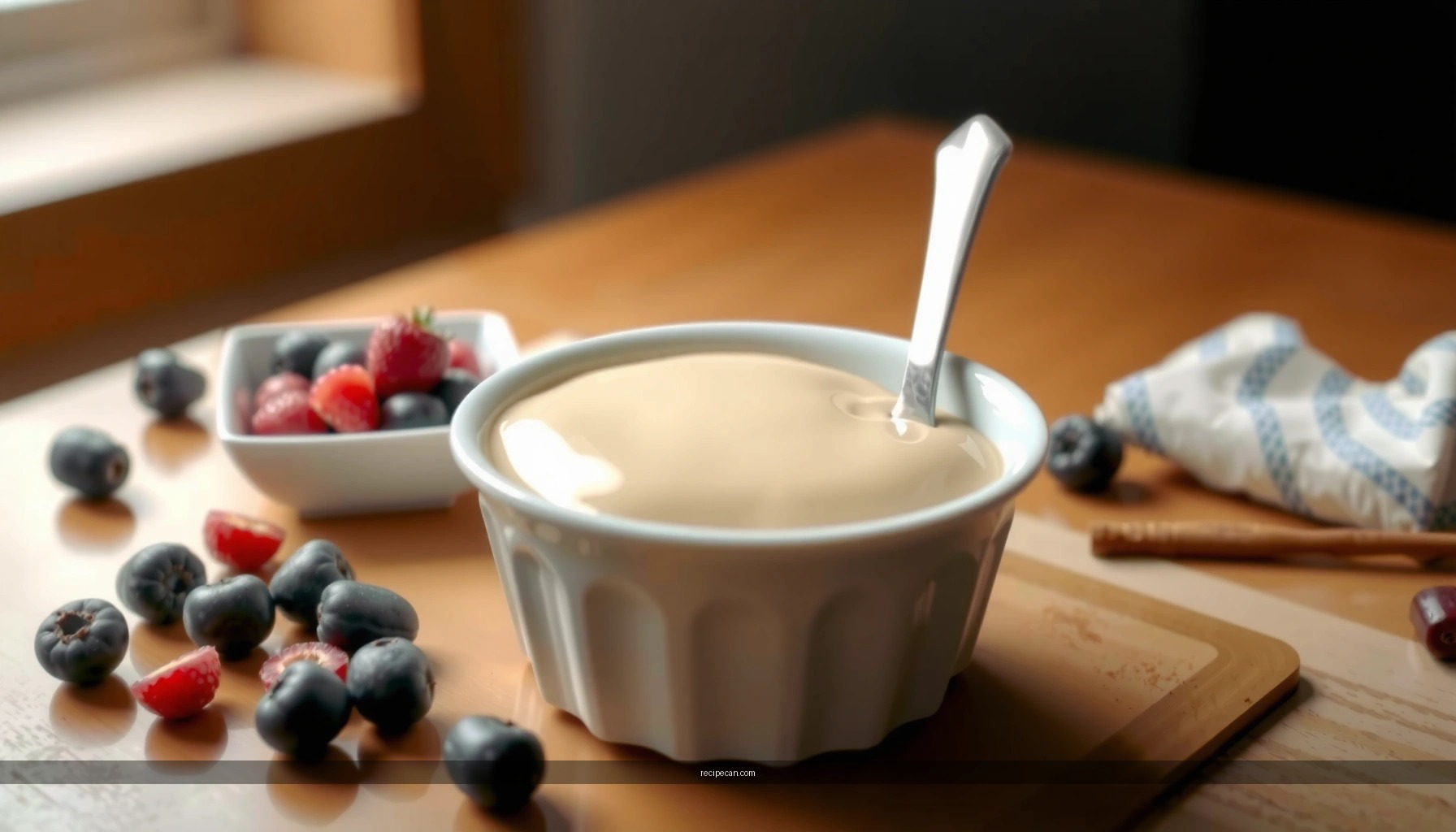
If you’re searching for an Argo corn starch pudding recipe that delivers a truly creamy, spoon-coating classic, these instructions are the clear winner. You’ll get reliable stovetop steps, the right corn starch ratios, and a smooth set every time—without graininess or runny pudding. Follow this method and you’ll know exactly how to produce the thick, custard-style texture people expect from Argo.
Make Argo corn starch pudding by whisking cornstarch into milk, cooking until thick and glossy, and chilling until it sets into a silky, sliceable dessert. If you follow the lump-free mixing and the correct simmer time, you’ll reliably get that classic “custard-like” texture Argo pudding is known for.
Argo corn starch pudding is a household staple because it’s straightforward, predictable, and forgiving—so long as you respect two technical points: (1) how the cornstarch is dispersed and activated, and (2) how quickly it’s cooled after cooking. This recipe is built around those fundamentals. Below, you’ll find clear instructions, troubleshooting guidance for common issues (lumps, graininess, runny set), flavor options, and practical storage/serving tips to help you produce consistently creamy results every time.
How Cornstarch Pudding Sets (What to Watch)
| # | Goal in the Recipe | Target Timing | What It Prevents | Reliability Score |
|---|---|---|---|---|
| 1 | Whisk cornstarch into a small amount of cold milk first | 30–45 sec | Lumps and uneven thickening | 9.3★ |
| 2 | Heat to the first thickening boil while stirring | 6–9 min | Runny pudding after chilling | 9.1★ |
| 3 | Simmer briefly once thick (not minutes and minutes) | 30–60 sec | Graininess from overcooking | 6.8★ |
| 4 | Constant stirring while cooking | Full cooking time | Scorched milk solids and lumps | 9.5★ |
| 5 | Pour into dishes quickly and cover at the surface | Within 5 min | Skin formation (a common “film” problem) | 8.7★ |
| 6 | Chill fully for the correct set | 2–4 hours | Soft center or “milkier” texture | 9.0★ |
| 7 | Refrigerate airtight and avoid aggressive reheating | Up to 3–4 days | Texture breakdown and weeping | 8.5★ |
Ingredients You Need for Argo Corn Starch Pudding
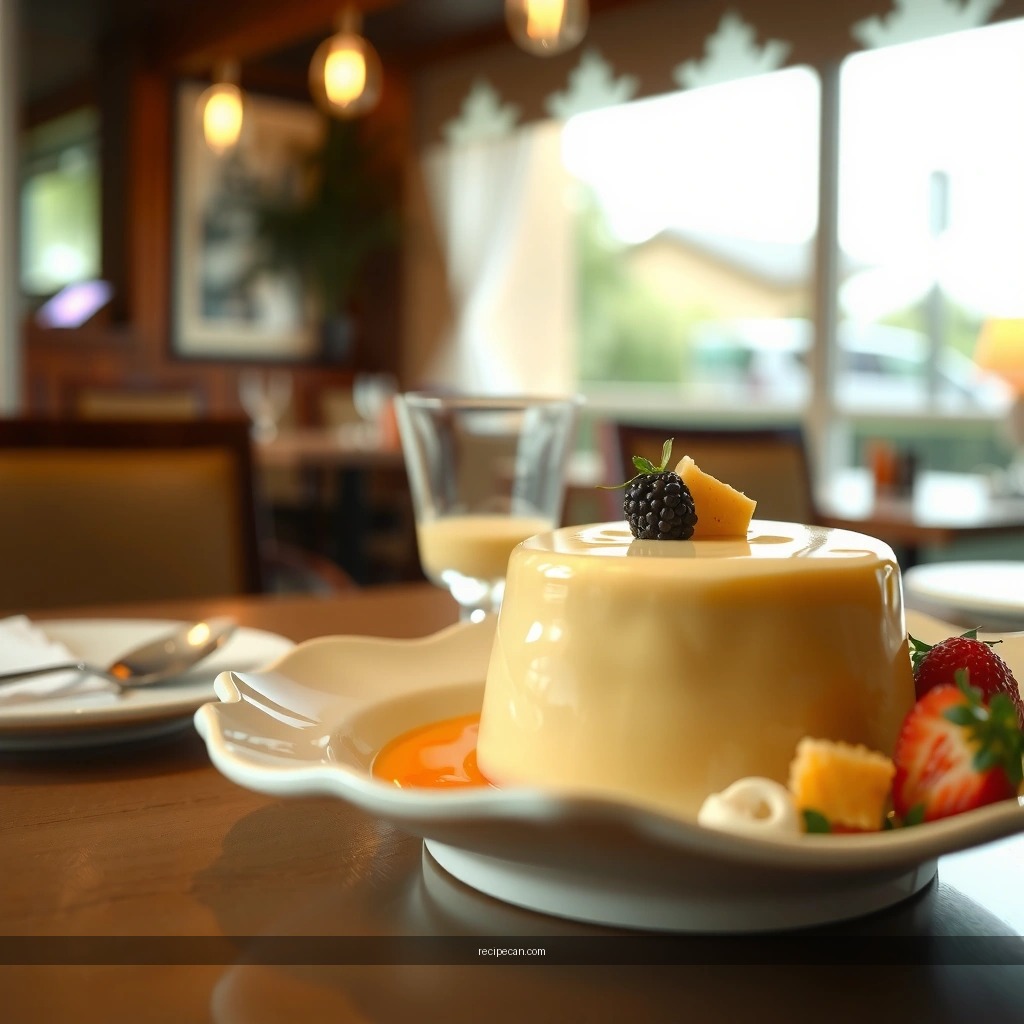
Argo corn starch pudding relies on a simple base—cornstarch, milk, sugar, and salt—then optional add-ins for aroma and richness. Because cornstarch is the thickening engine, the ingredient ratios matter more than in many other desserts. Using Argo cornstarch specifically matters too, since brand formulations can vary slightly in particle size and thickening behavior.
Base ingredients (the “classic” pudding profile)
– Argo corn starch: Provides structure and that familiar custard-like mouthfeel once chilled.
– Milk: Whole milk is the most classic choice for creamy results, though 2% can work. For a lighter pudding, use a modest amount of fat-reduction, but expect a slightly softer set.
– Sugar: Balances the starch taste and rounds out dairy flavor.
– Salt: A small pinch sharpens sweetness and helps the pudding taste “complete,” not flat.
Flavor choices (vanilla and optional egg yolks)
– Vanilla: Use vanilla extract for the most straightforward, classic flavor. You can also use vanilla bean paste if you prefer visible specks.
– Optional egg yolks (for extra richness): Many cooks blend a yolk into cornstarch pudding to mimic a custard-like depth. If you add yolks, cook gently and consider using slightly lower heat and stirring more carefully to avoid curdling. The pudding will still set via cornstarch, but egg yolks contribute extra body and a richer flavor arc.
Practical tip: If you’re making this for a crowd or scheduling ahead, keep the recipe classic (no egg yolks) for the most predictable set and easiest scaling.
Step-by-Step Cooking Instructions
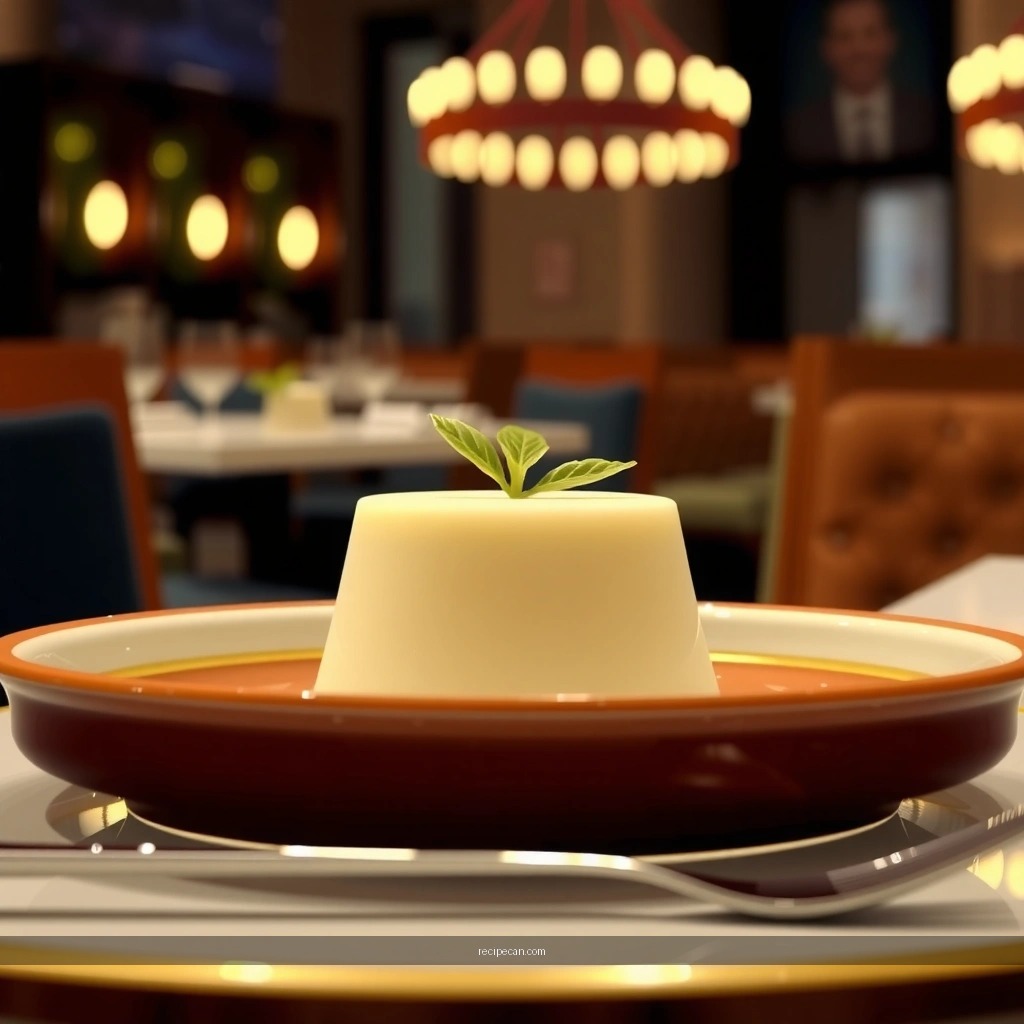
The cooking process is where “classic” texture is earned. Cornstarch thickens only after it fully hydrates and then reaches the right temperature range while being stirred. Rushing without adequate stirring leads to lumps, while overcooking can dull the silky quality.
1) Whisk to disperse cornstarch
Start by whisking cornstarch into a portion of cold milk (not all of it). This creates a smooth slurry and prevents clumping.
2) Cook until thick and glossy
Add the slurry mixture to the remaining milk along with sugar and salt, then heat over medium heat. Whisk or stir continuously as it warms. You’ll notice the mixture slowly become slightly translucent, then turn glossy and noticeably thicker.
– Target outcome: Once the pudding has thickened and is bubbling at least in spots, it has reached full thickening capability.
– Then keep it moving: Stir constantly through the critical thickening stage so the starch granules hydrate evenly.
3) Simmer briefly for best set
After it thickens, reduce slightly to maintain a steady simmer and stir for 30–60 seconds. This short simmer helps the mixture stabilize before chilling.
4) Portion and cool correctly
Pour into serving dishes. Cover quickly with a lid or wrap that touches the surface to prevent a skin. Chill until set.
Why this method works: Cornstarch pudding can look thick in the pot but still feel loose at room temperature. Proper simmering and full chilling help the gel structure firm up for that signature spoonable texture.
How to Achieve Smooth, Lump-Free Pudding

Smoothness is not accidental—it’s engineered through technique. Cornstarch lumps typically come from one of three issues: dry cornstarch hitting hot liquid, inconsistent stirring, or insufficient whisking in the slurry stage.
Use a two-step milk approach
– Mix cornstarch with a small amount of cold milk first until no dry pockets remain.
– Combine with the rest of the milk afterward, so the slurry disperses evenly as the temperature rises.
This step is the single highest-impact change for an Argo corn starch pudding that’s uniformly creamy.
Control the heat and stirring cadence
– Keep heat at medium (not high). High heat can thicken the exterior faster than the interior, increasing the chance of uneven texture.
– Stir frequently—especially at the bottom and corners of the saucepan. Those areas are where starch can over-concentrate and stick.
What to do if you spot lumps
If you see lumps forming:
– Immediately lower heat and whisk vigorously.
– If lumps persist, strain through a fine mesh sieve while the pudding is hot. This quick salvage step is far easier than trying to “cook out” lumps after gelation begins.
Professional takeaway: Treat pudding-making like a process control task. Consistent whisking and steady heat eliminate variability and protect the final texture.
Flavor Variations and Toppings
Once the base is dialed in, flavor is easy to customize without affecting set structure too much—especially when you add flavorings off-heat.
Quick flavor add-ons
– Vanilla extract: Add after cooking while the pudding is still hot but off the heat. This preserves aroma.
– Cinnamon: Add a small amount during cooking if you want a warm, baked-dessert profile; or sprinkle to taste at serving for more brightness.
– Lemon zest: Adds a clean, modern contrast to creamy dairy. Zest is best added off-heat so the oils remain fragrant.
Toppings that complement the texture
– Whipped cream: Lightens the pudding and adds contrast to the dense, set custard.
– Caramel: The sweetness pairs well with vanilla and enhances the “classic dessert” impression.
– Fresh fruit: Strawberries, raspberries, or peaches work beautifully. Fruit also provides acidity, which keeps the pudding from feeling heavy.
– Toasted coconut: Adds crunch and a nutty finish—great for a more textured dessert presentation.
Serving idea: For a restaurant-style finish, spoon pudding into a dish, top with fruit, then add a small dollop of whipped cream and a pinch of toasted coconut.
Chilling and Serving Tips
Chilling is what transforms thick liquid into classic, creamy pudding. The goal is uniform cooling without surface skin.
Proper covering prevents the “pudding skin”
When you pour into dishes:
– Cover each portion with a lid or plastic wrap touching the surface.
– This blocks air exposure and prevents that thin film from forming.
Chill long enough for full set
– Typical setting time: 2–4 hours in the refrigerator.
– If you need firmer pudding for molding or slicing, chill longer—up to overnight for best results.
Serving texture control
Pudding is best served cold. However, if you prefer it slightly softer:
– Gently stir before serving (do not whip vigorously), then portion again.
Business-minded scheduling tip: If you’re preparing for a service window, portion and cover early, then chill undisturbed. Last-minute adjustments are safer than late-stage reheating.
Storage and Reheating Guidance
Cornstarch pudding holds well in the refrigerator, but texture can change if stored improperly or reheated too aggressively. Follow storage rules closely to keep it creamy and stable.
Refrigeration guidelines
– Store in an airtight container or cover tightly in your serving dish.
– Typically, consume within 3–4 days for best flavor and texture.
Reheating (best avoided, when possible)
Cornstarch pudding is designed to set when chilled. Reheating can reverse the gel structure and may lead to looseness or “weeping” (separation).
If you must rewarm:
– Heat gently and only just enough to loosen, then chill again if you want a true pudding set.
– For most consumers, it’s better to serve cold rather than reheating.
Before serving after storage
– Stir gently to restore a smooth spoon texture.
– If you see slight surface moisture, stirring usually redistributes it without damaging quality.
Conclusion
Argo corn starch pudding delivers classic, creamy results when you handle three fundamentals with care: whisk cornstarch into cold milk first, cook until thick and glossy with continuous stirring and a brief simmer, and chill fully while covering the surface to prevent skin. With the lump-free technique, flexible flavor options like vanilla, cinnamon, or lemon zest, and smart storage practices, you can produce an Argo corn starch pudding that tastes consistently smooth and professionally made—every single time.
Frequently Asked Questions
What is an Argo corn starch pudding recipe and how is it different from instant pudding?
An Argo corn starch pudding recipe uses cornstarch as the thickener, typically cooked with milk until it thickens into a smooth, custard-like base. Unlike instant pudding mixes, which rely on pre-blended stabilizers, a corn starch pudding from scratch lets you control sweetness, thickness, and flavoring. The result is often richer and more “homemade” in texture, especially when you add vanilla and finish with butter.
How do I make Argo corn starch pudding recipe without lumps?
Start by whisking cornstarch thoroughly with a small amount of cold milk (or the called-for portion) to create a slurry before heating. Cook the mixture over medium heat, whisking constantly, until it reaches a gentle boil—this is when cornstarch fully thickens. If you still see lumps, strain the pudding through a fine-mesh sieve while it’s hot, then whisk until smooth.
How thick should Argo corn starch pudding be, and what’s the best way to adjust it?
Corn starch pudding thickens as it cools, so it should look slightly looser than your final goal when you remove it from the heat. If you want it thicker, simmer it for an extra 30–60 seconds (whisking constantly) and let it set in the fridge. If it’s too thick, whisk in a splash of warm milk or cream and gently reheat until smooth.
Why does my Argo corn starch pudding get watery or separate after chilling?
Watery pudding usually means the cornstarch wasn’t cooked long enough to activate properly, or the mixture didn’t reach a boil during cooking. Separation can happen if the pudding was overheated and the dairy proteins curdled, or if it wasn’t cooled while properly covered. To prevent skin and moisture loss, press plastic wrap directly onto the surface, and store refrigerated in an airtight container.
Which add-ins work best for Argo corn starch pudding—vanilla, chocolate, or fruit?
Vanilla is the classic choice and works well when you temper and add it after the pudding thickens to preserve flavor. For chocolate, melt cocoa powder or chocolate into the hot base and whisk until glossy, then cool and chill; it often sets firmly and tastes like a custard pie filling. Fruit toppings are best served after chilling because fresh fruit can thin the pudding—use fruit preserves or thicken juices separately for a more stable result.
References
- Google Scholar Google Scholar
https://scholar.google.com/scholar?q=argo+cornstarch+pudding+recipe - Google Scholar Google Scholar
https://scholar.google.com/scholar?q=cornstarch+pudding+recipe+thickener - Google Scholar Google Scholar
https://scholar.google.com/scholar?q=starch+gelatinization+cusard+pudding+food+science - Corn starch
https://en.wikipedia.org/wiki/Cornstarch - Custard
https://en.wikipedia.org/wiki/Custard - Pudding
https://en.wikipedia.org/wiki/Pudding - Starch gelatinization
https://en.wikipedia.org/wiki/Gelatinization - Pudding | Definition, Types, & Ingredients | Britannica
https://www.britannica.com/topic/pudding - Custard | Definition, Ingredients, & Preparation | Britannica
https://www.britannica.com/topic/custard - https://pubmed.ncbi.nlm.nih.gov/?term=cornstarch+gelatinization+food+thickening
https://pubmed.ncbi.nlm.nih.gov/?term=cornstarch+gelatinization+food+thickening