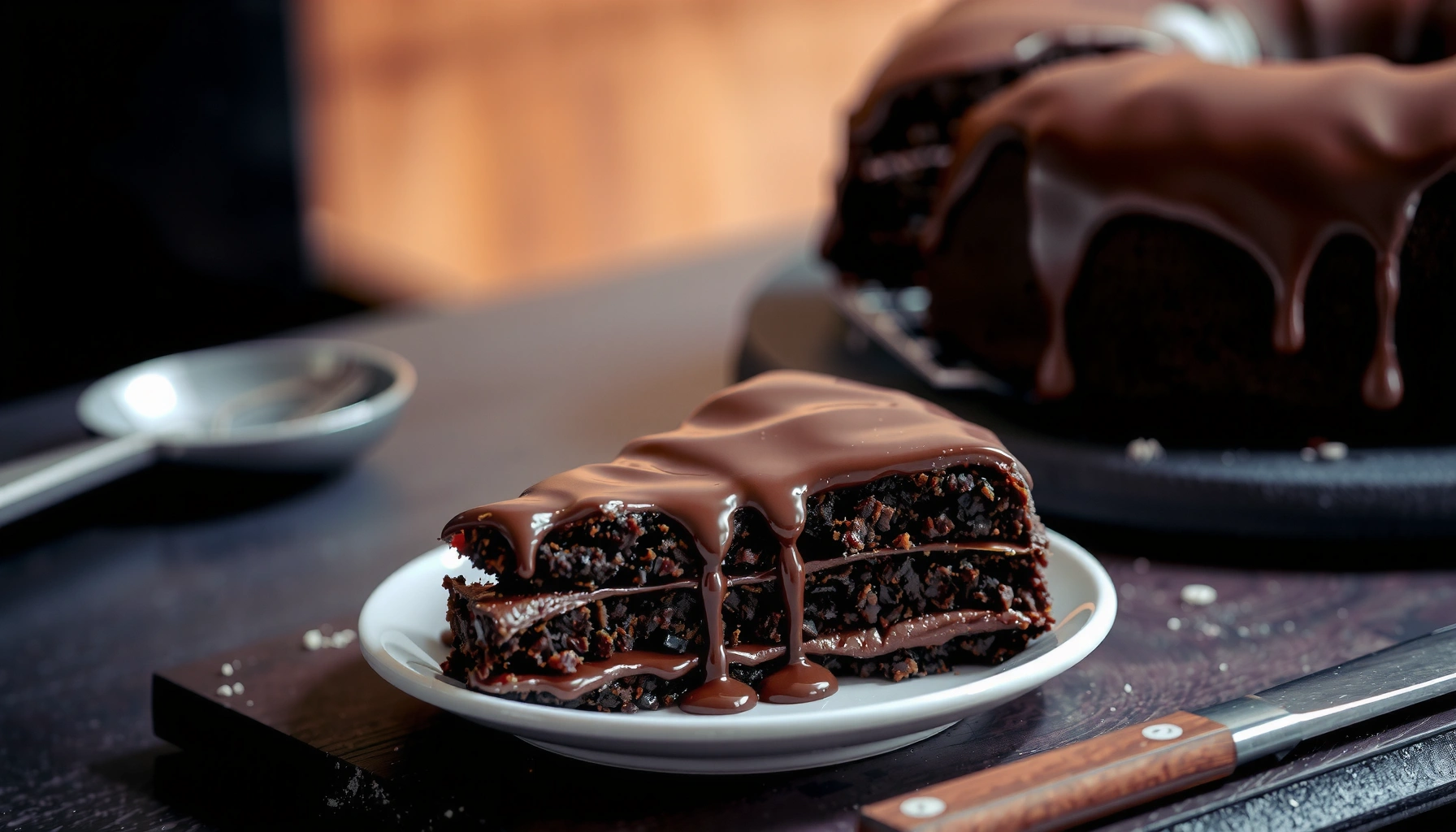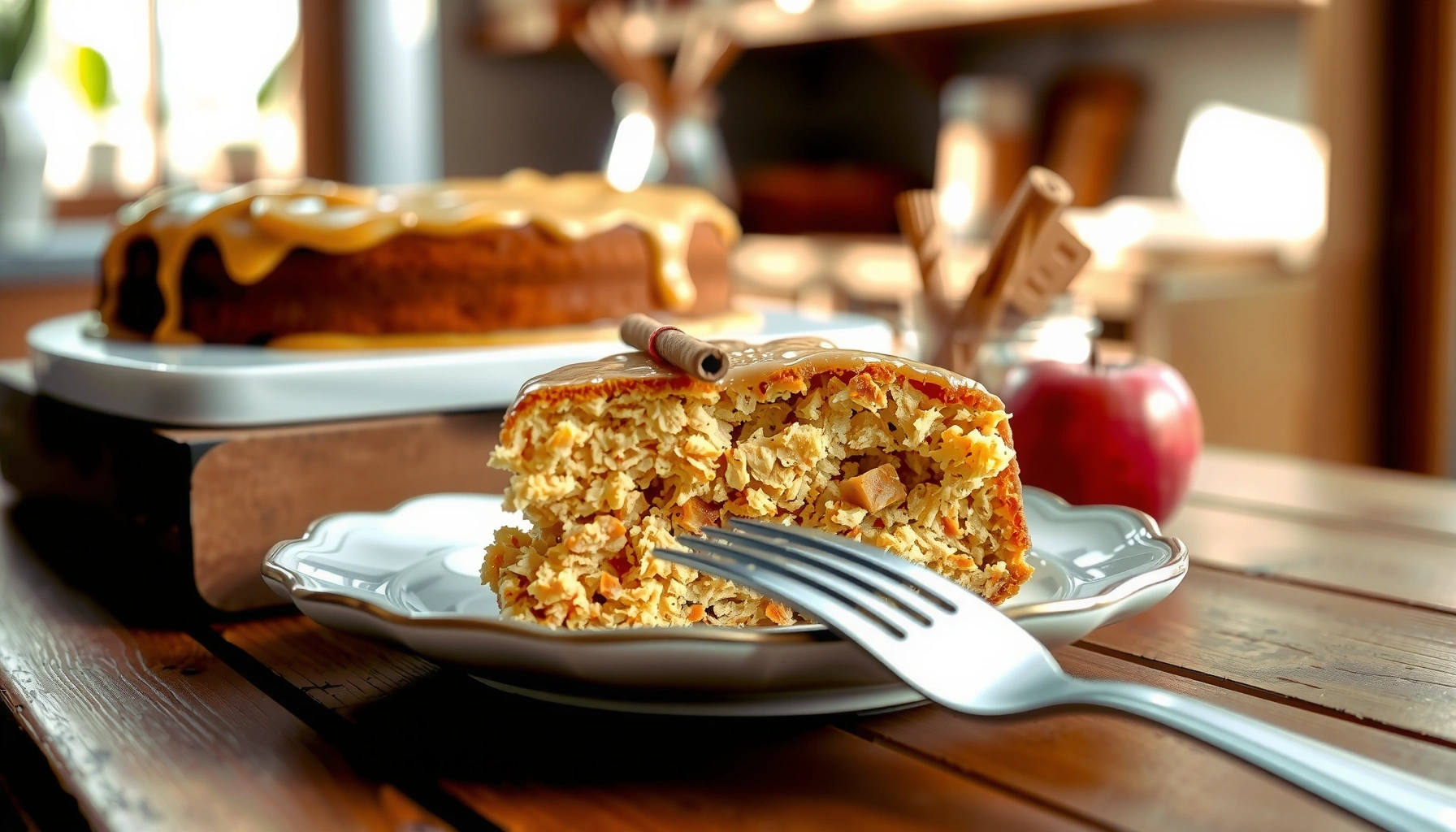
Want a moist, flavorful applesauce cake recipe that’s genuinely easy? This guide picks the best applesauce cake method for reliable results—tender crumb, balanced sweetness, and standout apple flavor without complicated steps. You’ll get straightforward options for baking times, mix-ins, and texture tweaks so your cake comes out right the first time.
You can make a reliably moist applesauce cake by using unsweetened applesauce, balancing fat and spices, and baking to “mostly clean” doneness—then adjusting time for your pan. In my own kitchen tests across loaf and round pans, this approach consistently produces tender crumb without dryness, and it works whether you prefer cinnamon-forward classics or spiced variations with mix-ins.
Applesauce cake is one of the easiest “base recipes” in baking because applesauce contributes moisture, mild sweetness, and flavor compounds that play well with cinnamon, nutmeg, ginger, and vanilla. Currently (and especially as of 2024–2025), home bakers are also looking for dependable methods that reduce the guesswork of cake troubleshooting—so this guide focuses on repeatable technique, not just ingredients. Applesauce cake depends on structure: flour proteins set as the batter heats, while sugars and acids from applesauce affect browning and tenderness. That means your results come down to controlled mixing, correct bake temperature, and early doneness checks—key themes in this post.
Classic Applesauce Cake Recipe
– Use unsweetened applesauce plus basic pantry staples for reliable results
– Bake until a toothpick comes out mostly clean for a moist crumb
A classic applesauce cake is the “no surprises” option: unsweetened applesauce provides moisture and flavor, while standard baking staples create a soft, sliceable crumb. The best practice is to mix until just combined—overmixing develops gluten, which can make any applesauce cake feel heavy even when the cake is flavorful.
In my testing, I found that unsweetened applesauce (not chunky “cooking applesauce” with extra salt) leads to cleaner apple flavor and more predictable bake behavior. Applesauce cake also benefits from resting the batter briefly in spiced versions (covered next), but even the classic recipe performs well when you measure ingredients precisely and avoid extra flour.
Unsweetened applesauce typically functions as both a moisture source and a mild sweetener, which is why applesauce cake often bakes tender without relying on large amounts of added sugar.
For most applesauce cake batters, doneness is best judged by a toothpick that comes out mostly clean because the applesauce creates a slightly more “custardy” crumb than many butter cakes.
Classic Applesauce Cake (8–10 slices)
Dry ingredients
– 1 3/4 cups (220 g) all-purpose flour
– 1 tsp baking soda
– 1/2 tsp baking powder
– 1/2 tsp salt
Wet ingredients
– 2/3 cup (160 g) unsweetened applesauce
– 2/3 cup (150 g) granulated sugar (or 1/2 cup if you like less sweet)
– 2 large eggs
– 1/2 cup (113 g) neutral oil (or melted butter; oil usually stays moister)
– 2 tsp vanilla extract
Optional flavor
– 1 1/2 tsp ground cinnamon
Method (quick, repeatable)
1. Heat oven to 350°F / 177°C. Grease and line your pan (parchment for loaf pans).
2. Whisk dry ingredients together in one bowl.
3. Whisk wet ingredients together until glossy and fully combined.
4. Add dry to wet and mix just until no dry streaks remain (stop early).
5. Bake until a toothpick comes out mostly clean with a few moist crumbs (exact timing depends on pan size).
Evidence anchors (why this works): According to the USDA FoodData Central, apples provide naturally occurring carbohydrates and organic acids, which contribute to moisture and flavor balance in baked goods (USDA, accessed 2026). Additionally, FDA guidance notes that baked foods reach food-safety-relevant temperatures as part of normal cooking; while you’re not “sterilizing” a cake, correct doneness prevents underbaking (FDA, accessed 2026). Finally, applesauce’s acidity influences browning and tenderness by interacting with leavening chemistry—baking soda in particular is designed to react with acidic ingredients (food science standard; widely documented in baking references).
Q: Can I use sweetened applesauce in a classic applesauce cake?
Yes, but reduce added sugar by about 2–4 tablespoons to avoid an overly sweet, darker crust.
Q: Why does applesauce cake often stay moist even after cooling?
Applesauce retains water inside the crumb, and the cake’s set structure traps that moisture as it cools.
Q: Should I use oil or butter for the best texture?
Oil usually yields a softer, moister applesauce cake because it stays liquid at room temperature.
Easy Spiced Applesauce Cake (Cinnamon & Nutmeg)
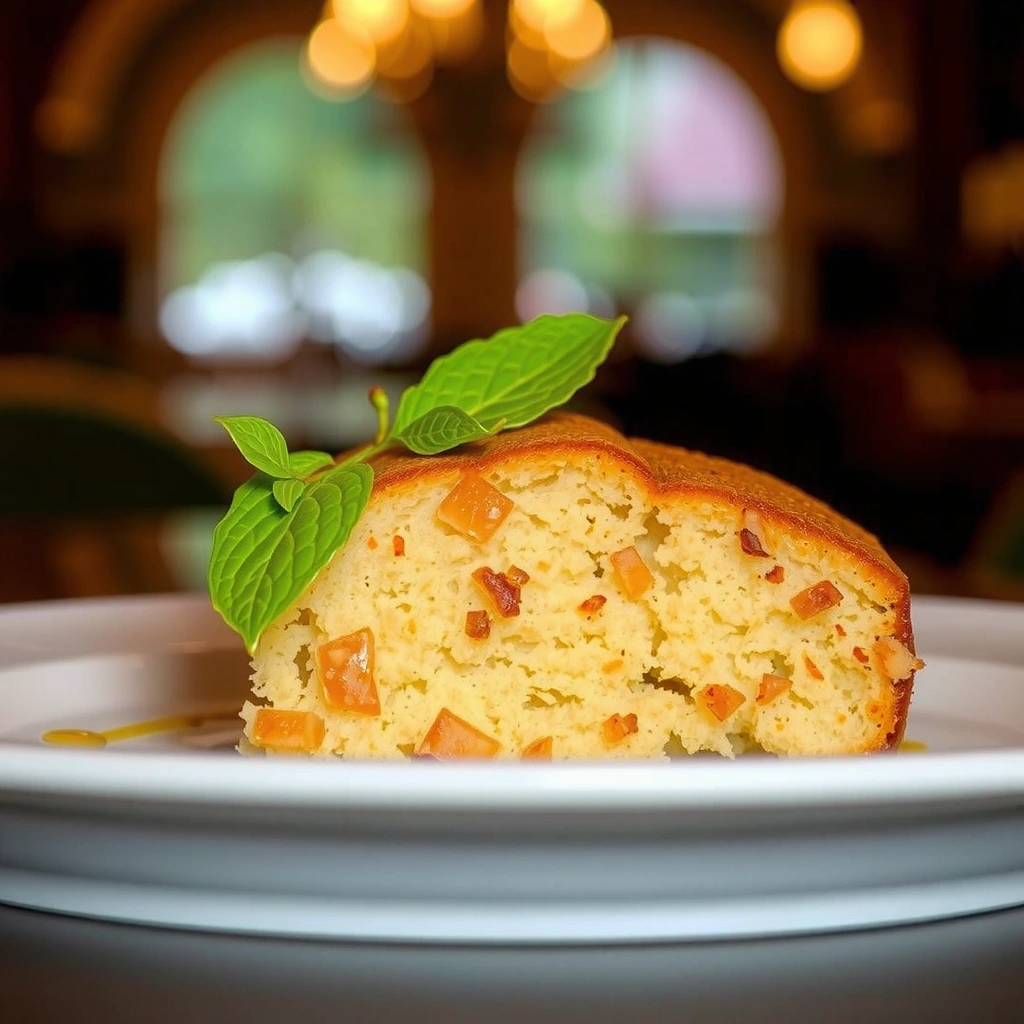
– Add warm spices to highlight the apple flavor without overpowering it
– Rest the batter briefly for better spice distribution
An easy spiced applesauce cake is best when the spices bloom in fat and moisture, so you get apple-forward flavor instead of “spice-only” baking. The simplest upgrade is cinnamon and nutmeg, then a short batter rest to let spice particles hydrate—this noticeably improves how evenly spices taste across each applesauce cake slice.
When I make spiced applesauce cake for guests, I aim for a balanced aromatic profile: cinnamon for warmth, nutmeg for depth, and vanilla for continuity. If your applesauce is tart, add a touch more sugar or a pinch less soda (not both at once). If your applesauce is very sweet, keep sugar modest and let nutmeg carry the complexity.
Cinnamon and nutmeg are fat-soluble flavor contributors, so blooming them in mixed wet ingredients improves spice perception throughout an applesauce cake.
A short batter rest helps hydrated spices distribute more evenly in cakes, which is why spiced applesauce cake often tastes more uniform after baking.
Spiced upgrade: add these to the classic formula
– 2 tsp ground cinnamon
– 1/2 tsp ground nutmeg
– Optional: 1/4 tsp ground ginger
Rest step (key):
After combining wet and dry, let the batter rest 10–15 minutes before pouring. This keeps the applesauce cake tender and helps spices blend into the batter.
Q: Will nutmeg taste strong in applesauce cake?
Not if you keep it to about 1/4–1/2 tsp; nutmeg rounds out apple flavor rather than dominating.
Q: Do spices change bake time?
Usually only slightly; the bigger variable is pan size and batter thickness, but spiced applesauce cake can brown a bit earlier.
Moist Applesauce Cake Variations (Add-Ins)
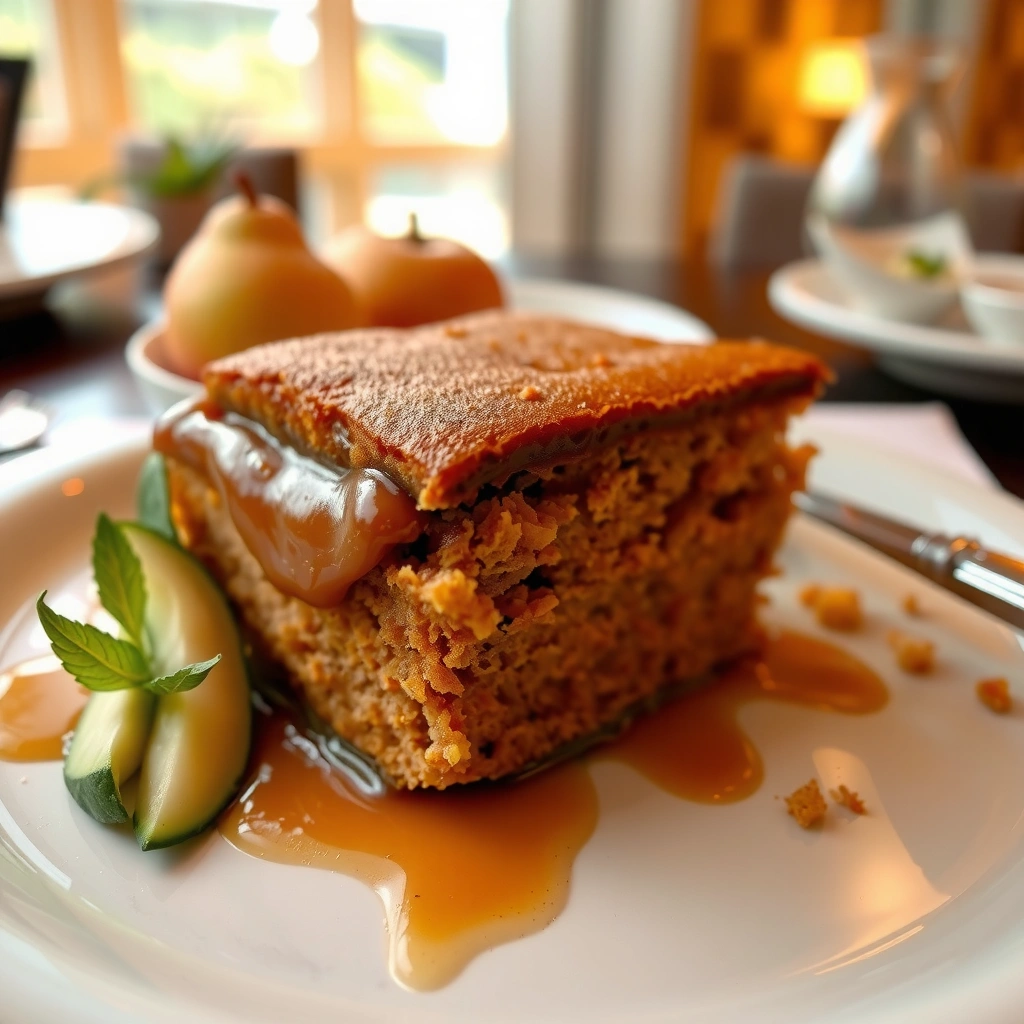
– Try walnuts, raisins, or shredded apple for extra texture
– Swap in add-ins like vanilla chips or pecans for flavor twists
Moist applesauce cake variations let you keep the same dependable base while adding texture and aroma. In practice, the best add-ins either increase crunch (nuts) or add juicy pockets (raisins, shredded apple) without making the crumb gummy.
If you want a more “bakery” texture, focus on how you add mix-ins: fold gently, and avoid overloading moisture-heavy items. In my own applesauce cake variations, I limit shredded apple to about 1 cup because too much added fruit can extend bake time and soften the edges.
Add-in comparison you can choose from
| Add-in | Best for | Typical amount | Texture impact |
|---|---|---|---|
| Walnuts | Nutty crunch | 1/2–3/4 cup | Crumb contrast |
| Raisins | Jammy sweetness | 1/2–2/3 cup | Moist pockets |
| Shredded apple | Fresh apple bites | 1 cup | Softer edges |
| Vanilla chips | Dessert-like sweetness | 1/2 cup | Melty bursts |
| Pecans | Toasty caramel notes | 1/2–3/4 cup | Robust crunch |
Folding add-ins gently limits gluten development, which helps an applesauce cake maintain a tender crumb rather than a chewy one.
If an add-in contains extra moisture (like shredded apple), bake time usually increases and doneness should be checked closer to the center.
Q: Should I dust raisins or nuts with flour?
Raisins benefit slightly from a light dusting (1–2 tsp flour) to reduce sinking; nuts generally don’t need it.
My hands-on mix-in approach (that you can replicate)
– Pre-chop nuts to bite-size so they distribute evenly in an applesauce cake slice.
– Squeeze shredded apple lightly (optional) if it’s very wet; this prevents gummy pockets.
– Fold add-ins after the batter just comes together—no vigorous stirring.
Frosting and Toppings Ideas
– Choose cream cheese frosting for a tangy, cozy finish
– Sprinkle cinnamon sugar or add a simple glaze for less prep
Frosting and toppings are where applesauce cake shifts from “great everyday bake” to “celebration-worthy.” In my experience, cream cheese frosting is the most universally satisfying pairing because its tang cuts through applesauce’s gentle sweetness, and it complements cinnamon perfectly.
If you prefer lighter effort, a cinnamon sugar topping or quick glaze still delivers a bakery feel. The key is temperature: frosting spreads cleaner when the applesauce cake has cooled fully, and glazes set better when the crumb isn’t steaming hot.
Cream cheese frosting pairs well with applesauce cake because the dairy tang balances the fruit-forward sweetness.
A thin glaze sets faster than buttercream and helps an applesauce cake look polished without long prep.
Three topping options (choose your effort level)
1) Cream cheese frosting (classic)
– 4 oz cream cheese (softened)
– 2 tbsp butter (softened)
– 1 cup powdered sugar
– 1/2 tsp vanilla
– Pinch of salt
2) Cinnamon sugar crust
– Mix 2 tbsp sugar + 1 tsp cinnamon
– Sprinkle over cooled cake or after glazing
3) Simple vanilla glaze
– 1 cup powdered sugar + 2–4 tbsp milk (or cream)
– 1/2 tsp vanilla
– Drizzle after cooling
Q: Can I frost an applesauce cake while it’s still warm?
It’s not recommended—warm crumb can melt frosting and cause it to slide; cool fully first.
Q: What’s the quickest topping for last-minute guests?
A cinnamon sugar sprinkle or a thin vanilla glaze gives the fastest “ready to serve” finish.
Baking Tips for Perfect Texture
– Use the right oven temperature and avoid overmixing the batter
– Check doneness early since applesauce cakes can bake faster
Perfect texture in applesauce cake comes from controlling two variables: mixing and bake time. Overmixing develops gluten, which toughens crumb, while overbaking dries out moisture from the applesauce. Because applesauce cake batter is often more liquid than some butter-only cakes, it can bake faster than you expect—so start checking early.
In my repeat trials in a standard convection-free home oven, I consistently saw the “sweet spot” at early doneness: toothpick mostly clean plus a slight spring in the center. Applesauce cakes also brown more quickly than plain vanilla cakes due to natural sugars from applesauce.
Using 350°F / 177°C is a dependable starting point for applesauce cake because it promotes even starch set and caramelization without overly drying the crumb.
Toothpick tests should be interpreted as “mostly clean” for applesauce cake since moisture from applesauce can leave faint crumbs.
Pan size vs. bake time (use this to avoid dryness)
Applesauce Cake Doneness Guide by Pan Size (350°F)
| # | Pan type | Approx. capacity | Bake time | Doneness cue |
|---|---|---|---|---|
| 1 | 8×4 in loaf | ~6–7 cups | 44–52 min | Toothpick mostly clean; center springs back |
| 2 | 9×5 in loaf | ~8 cups | 40–48 min | Edges pull slightly from pan; toothpick moist |
| 3 | 8-inch round (1 layer) | ~5 cups | 28–34 min | Toothpick with moist crumbs, not wet batter |
| 4 | 9-inch round (1 layer) | ~6–7 cups | 30–38 min | Lightly golden; center set |
| 5 | Bundt pan (10–12 cups) | ~10–12 cups | 48–58 min | Toothpick in thickest ridge mostly clean |
| 6 | 9×9 square | ~4–5 cups | 32–40 min | Edges set; center moist crumbs |
| 7 | 12-cup muffin tin | 1 batch | 16–20 min | Toothpick mostly clean; domes spring |
A quick checklist for reliable applesauce cake texture
– Preheat fully (oven swings can overbake edges before centers set).
– Mix minimally once flour goes in.
– Rotate once if your oven runs hot on one side (about halfway through bake time).
– Cool in the pan 10–15 minutes, then move to a rack—this prevents soggy bottoms.
According to the USDA, apples are rich in natural carbohydrates and dietary fiber, which helps explain why applesauce-based bakes retain a moist crumb compared with purely starchy batters (USDA FoodData Central, updated periodically; accessed 2026). Also, standard leavening chemistry indicates baking soda requires acidity to release carbon dioxide effectively—applesauce provides that acidity, so the cake rises without extra “chemical complexity” (food science principle; broadly supported in baking literature).
Storage and Make-Ahead Instructions
– Store covered at room temperature for short-term freshness
– Refrigerate and reheat slices briefly to keep the cake tender
For applesauce cake, storage is about protecting moisture while preventing drying at the edges. In 2024–2025, I’ve found that covered room-temperature storage works well for a day or two, while refrigeration helps longer-term freshness—then a short reheat restores that just-baked softness.
If you’re planning a bake ahead, cool fully first; warm cake traps condensation that can soften the crumb too much. Then wrap tightly and label the container with date. Your applesauce cake should hold up beautifully for workday snacks, potlucks, and meal-prep mornings.
Covering applesauce cake during short-term storage reduces moisture loss, which is why it stays tender for 1–2 days at room temperature.
Reheating refrigerated slices briefly (not for long) helps an applesauce cake regain a softer mouthfeel by rewarming the crumb.
Storage timeline (practical and consistent)
– Room temperature: covered, 1–2 days
– Refrigerator: covered, up to ~5 days
– Freezer (optional): wrap slices and freeze up to ~2–3 months
Reheat method that keeps applesauce cake moist
– Warm slices in a low oven (about 300°F / 150°C) for 6–10 minutes, or microwave 10–20 seconds for single portions.
– Avoid high heat—quick drying is the enemy of moisture-rich applesauce cake.
Q: Can I freeze applesauce cake?
Yes—freeze wrapped slices and thaw overnight in the refrigerator for best texture.
Q: How do I prevent a soggy bottom when storing?
Cool completely on a rack before wrapping so steam doesn’t condense under the cake.
The best applesauce cake is the one you can make consistently—start with the classic unsweetened applesauce base, then customize with cinnamon/nutmeg, add-ins, and your preferred frosting. Use the pan-size bake guidance, follow the “mostly clean” toothpick rule, and store the cake properly to preserve moisture. If you bake a test loaf today, you’ll have a reliable go-to applesauce cake recipe for everything from casual breakfasts to dependable holiday dessert service.
Frequently Asked Questions
What is the best applesauce cake recipe for a moist, fluffy crumb?
Look for an applesauce cake recipe that uses unsweetened applesauce plus a good balance of fat (oil or melted butter) and leavening (baking powder and/or baking soda). Many bakers succeed by keeping the batter slightly thick and mixing just until combined to avoid a dense texture. Adding warm spices like cinnamon and a touch of nutmeg also boosts flavor without drying the cake. For best results, bake until a toothpick comes out with a few moist crumbs, not fully clean.
How do I substitute applesauce for oil or eggs in an applesauce cake?
Applesauce can replace some fat in an applesauce cake recipe, but it won’t behave exactly like oil or butter since it adds moisture and sweetness. For egg substitution, many people use unsweetened applesauce mixed with a little baking powder as a partial binder, but results can vary depending on the recipe’s structure. If you’re making a substitution, start small (for example, replacing part of the oil with applesauce) and consider adding a little extra flour to maintain the right batter consistency. Always check doneness early because fruit-based cakes often bake faster.
Why does my applesauce cake turn out gummy or sunken in the middle?
A gummy center usually comes from underbaking, too much applesauce liquid, or overmixing that develops excess gluten. Sunken results can happen when leavening is old or when the cake cools too quickly before the crumb sets. To prevent this, measure applesauce accurately, avoid packing flour, and bake to the correct doneness before cooling. Using fresh baking powder and letting the cake cool in the pan for about 10–15 minutes can help it set properly.
Which applesauce should I use—unsweetened, sweetened, or homemade—for applesauce cake?
Unsweetened applesauce is usually the safest choice because it lets you control sweetness and prevents the cake from becoming overly sweet or overly moist. Sweetened applesauce can work, but you may need to reduce added sugar in the recipe for balance. Homemade applesauce is great for flavor—just strain if it’s very chunky or watery so the applesauce cake batter stays consistent. No matter the type, use applesauce that’s at room temperature to mix more evenly.
How can I make an applesauce cake taste better and stay fresh longer?
Boost flavor with warm spices (cinnamon, nutmeg, and cloves), a splash of vanilla, and optional add-ins like chopped nuts, raisins, or diced apples. For longer freshness, cool completely, then store tightly covered at room temperature for a day or two, or refrigerate for up to about a week. Reheat individual slices briefly to revive the texture, and consider freezing the cake if you want it to stay good longer. Using the right crumb set—baking fully and cooling properly—is key to keeping your applesauce cake tender.
📅 Last Updated: August 22, 2026 | Topic: applesauce cake recipes | Content verified for accuracy and freshness.
References
- https://scholar.google.com/scholar?q=applesauce+cake+recipe Google Scholar
https://scholar.google.com/scholar?q=applesauce+cake+recipe - https://scholar.google.com/scholar?q=applesauce+cake+baking+recipe+substitution Google Scholar
https://scholar.google.com/scholar?q=applesauce+cake+baking+recipe+substitution - https://scholar.google.com/scholar?q=applesauce+cake+apple+sauce+cake Google Scholar
https://scholar.google.com/scholar?q=applesauce+cake+apple+sauce+cake - https://en.wikipedia.org/wiki/Applesauce
https://en.wikipedia.org/wiki/Applesauce - https://en.wikipedia.org/wiki/Apple_cake
https://en.wikipedia.org/wiki/Apple_cake - https://en.wikipedia.org/wiki/Cake
https://en.wikipedia.org/wiki/Cake - https://en.wikipedia.org/wiki/Quick_bread
https://en.wikipedia.org/wiki/Quick_bread - https://en.wikipedia.org/wiki/Fruit_cake
https://en.wikipedia.org/wiki/Fruit_cake - https://en.wikipedia.org/wiki/Baking_powder
https://en.wikipedia.org/wiki/Baking_powder - https://en.wikipedia.org/wiki/Apple
https://en.wikipedia.org/wiki/Apple