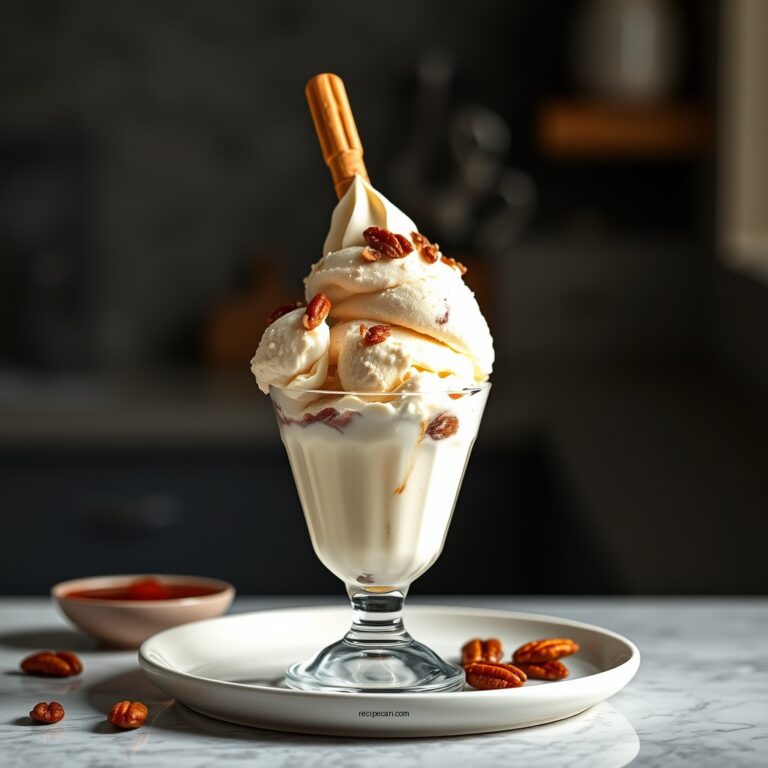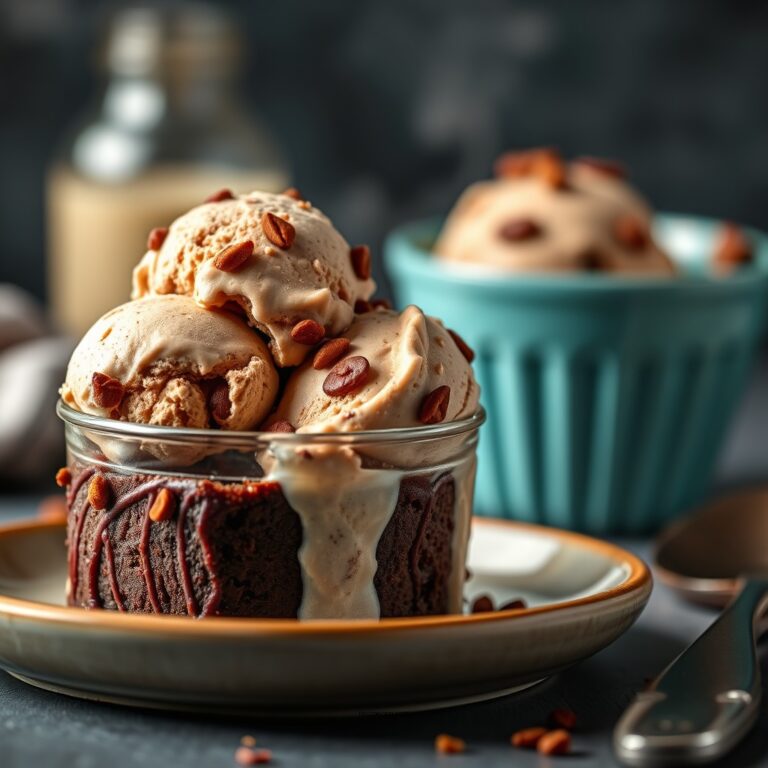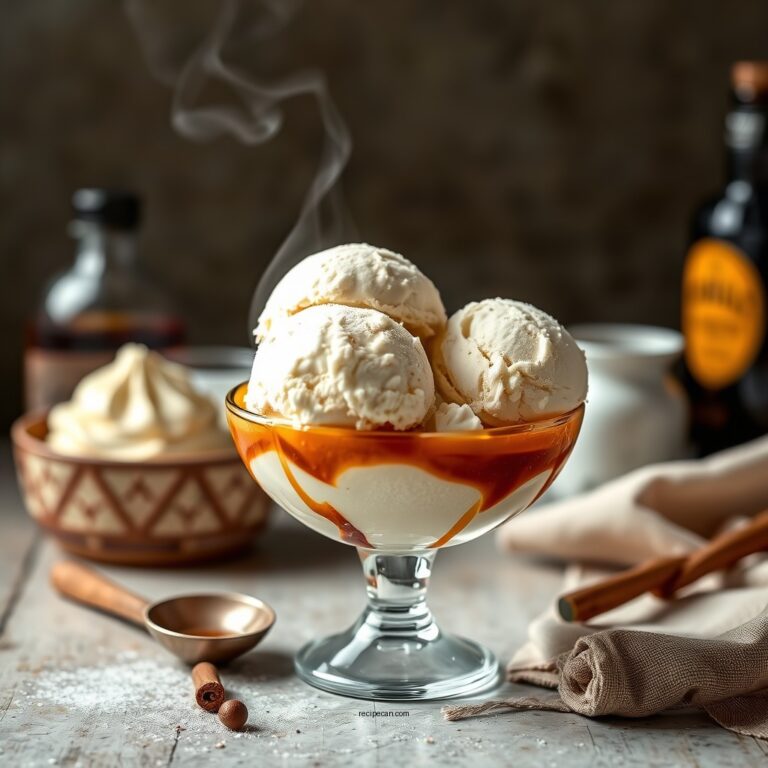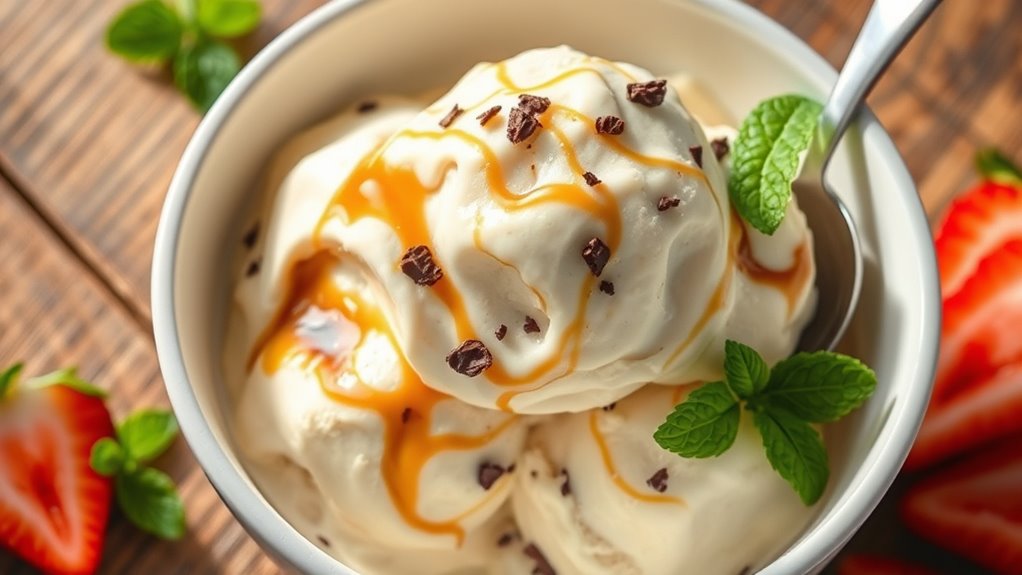
To craft a creamy allulose ice cream, heat a dairy base of heavy cream and whole milk just below simmering, then dissolve allulose completely. Temper four egg yolks to stabilize texture, whisk in vanilla and flavorings, and chill the base thoroughly—ideally overnight—for best churning. Monitor temperature and viscosity to avoid scorching or curdling, then churn to scoopable consistency. Serve slightly softened at -6 to -8°C, with light garnishes. If you keep exploring, you’ll uncover more precise tips and batch-control details.
Ingredients and Quantity
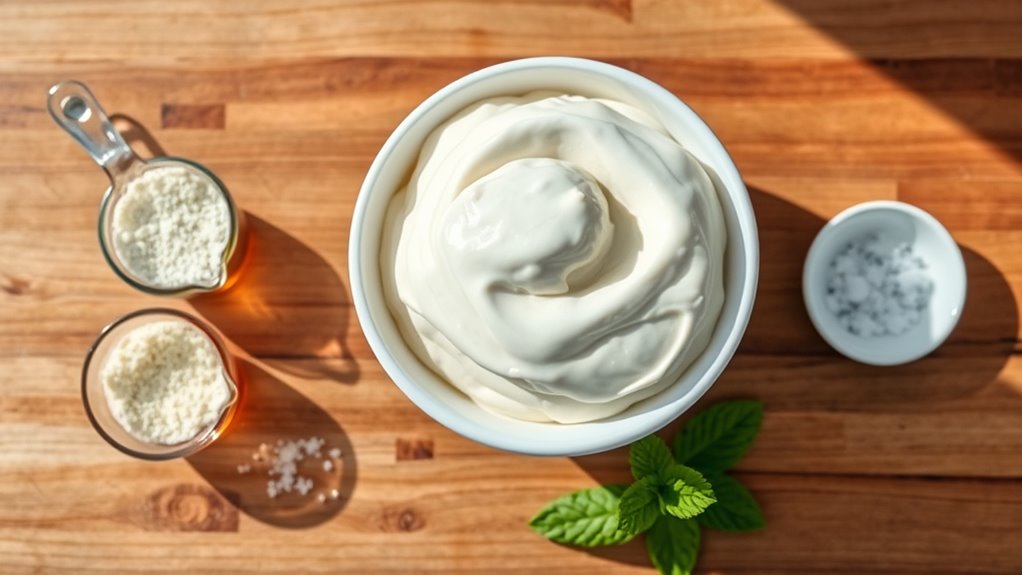
To make Allulose ice cream, you’ll need a precise set of ingredients and quantities: 2 cups heavy cream, 1 cup whole milk, 1/2 cup allulose sweetener, 4 large egg yolks, 1 teaspoon vanilla extract, a pinch of salt, and optional stabilization (1/2 teaspoon xanthan gum) if a smoother texture is desired.
| Ingredient | Quantity |
|---|---|
| Heavy cream | 2 cups |
| Whole milk | 1 cup |
| Allulose | 1/2 cup |
| Egg yolks | 4 |
Allulose benefits and ingredient alternatives are considered for texture and sweetness balance. You’ll evaluate fat content, mouthfeel, and crystalline behavior, selecting alternatives like monk fruit or sugar blends if substitutions become necessary to preserve stability and flavor.
Preparations
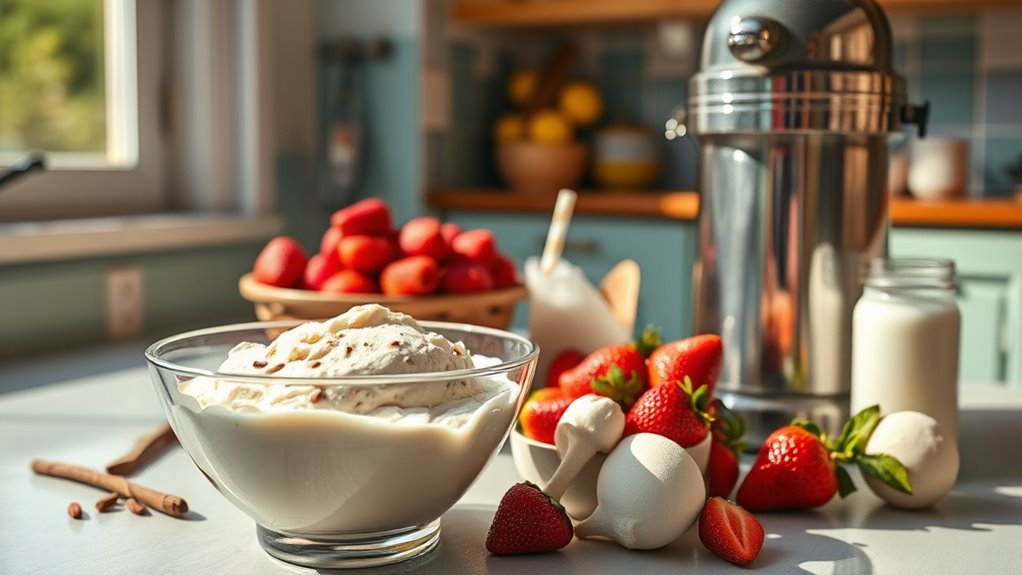
Begin by combining the dairy components: gently heat the heavy cream and whole milk to just below simmering to dissolve the sweetener evenly and prevent clumping. You’ll then whisk in the allulose until fully integrated, monitoring temperature to avoid scorching. Next, temper the mixture with any eggs or yolks if your formulation requires; do this gradually to prevent curdling. Once smooth, add vanilla and any flavor extracts, keeping agitation consistent. For preparation techniques, guarantee thorough emulsification and uniform viscosity before chilling. Chill the base thoroughly, ideally overnight, to maximize flavor extraction and improve churning efficiency. Ingredient measurements should be verified at rest, with precise gram or milliliter scales. Finally, document your adjustments, noting batch-specific outcomes to inform future iterations without compromising clarity or consistency.
How to Cook
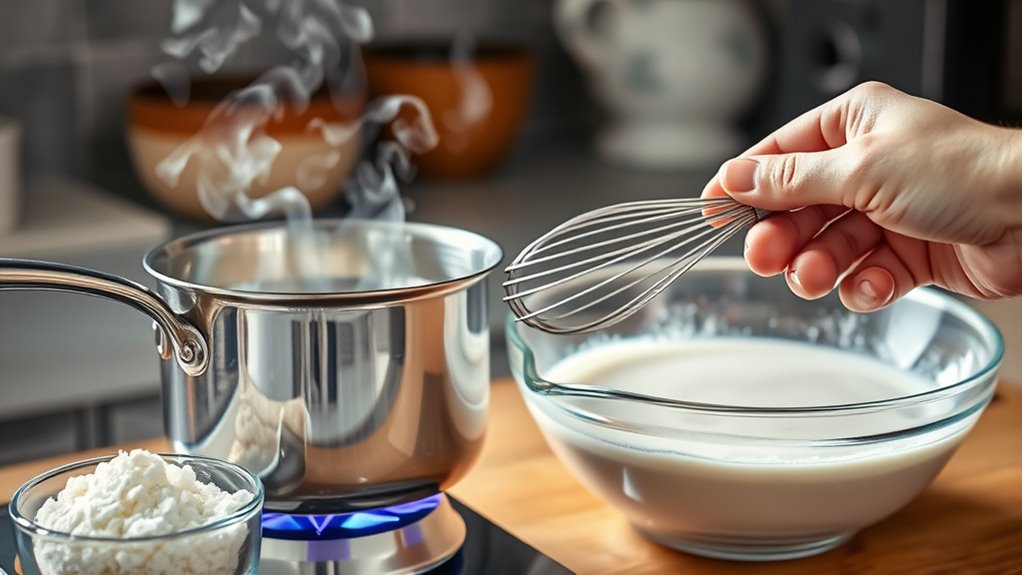
- Heat the dairy base to just below simmering to maintain emulsification.
- Whisk in the allulose until completely dissolved and evenly integrated.
- Control texture through precise timing, temperature, and agitation.
- Use steady, low heat to avoid scorching while preserving fat emulsion.
- Monitor viscosity with light whisking; avoid rushing the reduction to prevent over-concentration and skewed mouthfeel.
- Once dissolved, quiet the mixture and chill thoroughly to set a stable base for ice cream making.
- If reheating for pasteurization, log temperatures and hold times to ensure microbial safety without compromising structure.
- Stir consistently during cooling to prevent skin formation.
- Apply these cooking techniques to optimize creaminess and achieve predictable results within a disciplined process.
How to Serve
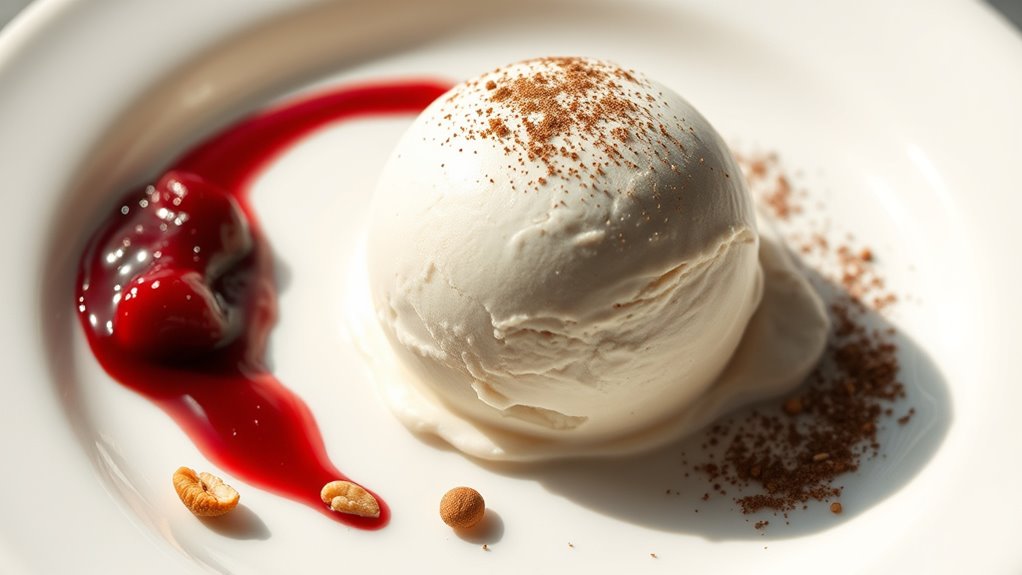
Serving allulose ice cream correctly centers on timing and presentation. You’ll plate with purpose, aligning scoop temperature, plate temperature, and garnish timing to optimize texture perception. Start by serving slightly softened portions to reveal creamy structure, then chill the surface briefly to maintain clean edges. Temperature stability matters: serve at approximately -6 to -8°C (21–18°F) for a firm scoop that resists rapid melt. For presentation ideas, use a neutral plate to emphasize color and shadow, and consider a minimalist garnish that won’t alter flavor. Serving suggestions include pairing with a light berry compote or toasted nuts to add contrast without introducing excessive sweetness. Favor quick, deliberate motions: portion, dust with a fine cacao or spice, and present immediately for best sensory impact.
Tips
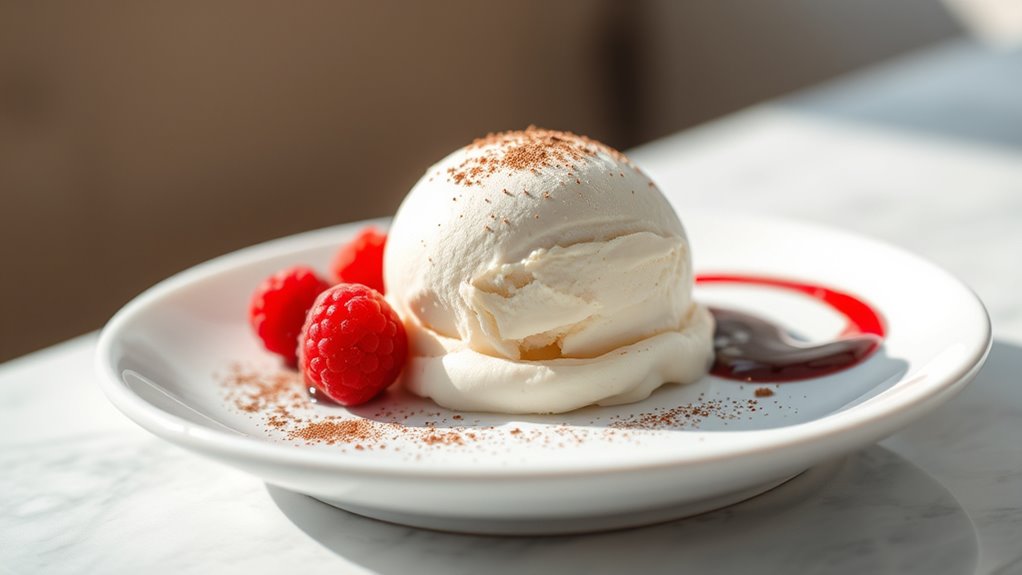
To optimize texture and consistency, focus on ingredient temperatures, mixing speed, and churning time; small deviations can shift freezing point and air incorporation. You’ll gain control by documenting target temps, speeds, and batch times, then iterating.
- Maintain ingredients near their recommended temperatures to maximize Allulose benefits without compromising body.
- Use moderate mixing speeds to balance shear and air, preventing iciness or over-softening.
- Calibrate churning time to achieve stable overrun while preserving scoopable structure.
- Test Ice cream variations by small, labeled betas to compare mouthfeel, sweetness, and aftertaste, noting how subtle changes influence texture.
This approach yields precise outcomes, supports freedom in experimentation, and highlights Allulose benefits within diverse formulations.
Food Value and Benefit
Allulose ice cream offers significant food value and health benefits, making it a nutritious and enjoyable dessert option.
Allulose ice cream delivers indulgence with fewer calories and a smoother, satisfying scoop.
Food Value of Prepared Dish:
- Provides sweetness with fewer calories compared to traditional sucrose-based ice cream
- Contains lower digestible carbohydrates, contributing to better blood sugar management
- Maintains creamy texture, smooth mouthfeel, and scoop stability due to allulose’s functional properties
- Contains essential vitamins and minerals, including small amounts of calcium and phosphorus from dairy ingredients, supporting bone health
Benefits of Eating This Recipe:
- Supports controlled energy intake by reducing calorie and sugar load
- Minimizes glycemic impact and insulin response, beneficial for blood sugar regulation
- Promotes indulgence with mindful consumption, aligning with moderation goals
- Helps maintain product quality and consistency without compromising taste or texture
Frequently Asked Questions
Can I Substitute Different Sweeteners for Allulose?
Yes, you can substitute other sweeteners, but expect varying sweetness, mouthfeel, and aftertaste. Consider Sweetener alternatives with similar bulk, and adjust for flavor pairing to maintain texture and balance in your frozen dessert.
How Long Does Allulose Ice Cream Keep Frozen?
Freeze it for up to 2–3 months for best quality; freezer burn may occur after that. Storage tips: keep airtight, portion, and flatten. Freezing duration depends on packaging; you’ll notice texture changes if you don’t monitor closely.
Is Allulose Safe for Diabetics in Ice Cream?
Allulose is considered safe for many diabetics in moderation, offering potential benefits like lower glycemic impact. It’s a diabetic friendly alternative, though individual responses vary. You should evaluate Allulose benefits and monitor blood sugar impact for personalized usage.
Can I Make Dairy-Free Allulose Ice Cream?
Yes, you can make dairy-free allulose ice cream. You’ll use dairy alternatives and proper ice cream bases, balancing texture with fat and protein. Guarantee an emulsion, churn temperature control, and adjust sweetness for a clean, freedom-forward result.
Does Allulose Cause Digestive Issues in This Recipe?
Yes, Allulose digestion can cause mild GI effects for some; tolerance varies. You may notice bloating or gas, especially with larger portions. Monitor intake, choose gradual increases, and consider enzyme considerations to optimize Allulose tolerance.
References
- https://www.ncbi.nlm.nih.gov/pmc/articles/PMC7070039/
- https://www.sciencedirect.com/science/article/pii/S2213453017312465
- https://www.healthline.com/nutrition/allulose
- https://www.fda.gov/food/food-additives-petitions/allulose
- https://www.cdc.gov/healthyweight/healthy_eating/dietary_sugars.html
- https://www.journalofethics.ama-assn.org/article/allulose-future-sugar-alternative/2020-01