
You’ll end up with multiple Japanese yakiniku-style BBQ sauce options—glossy tare, miso-forward glaze, and a smoky-sweet variation—that you can brush on skewers or grilled vegetables. Each recipe starts with pantry staples and clear ratios so you can mix, taste, and adjust to your heat and sweetness. For a standout twist, there’s a ginger-lemon soy sauce combo that brightens the char without overpowering it.


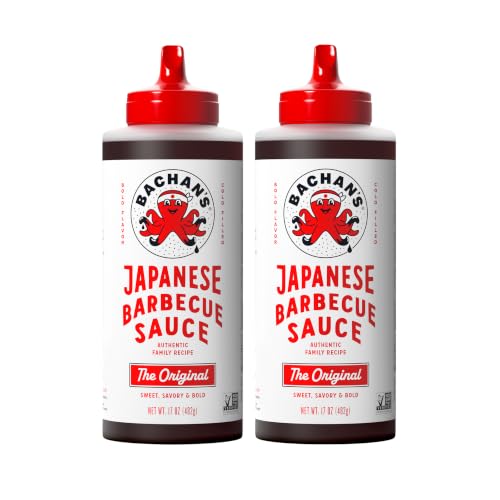

Use a soy–sweet base with garlic/ginger, then customize with sesame, citrus, or chili to get Japanese-style BBQ sauce that clings to food without burning. If you’re looking for Japanese BBQ sauce recipe ideas, start with a simple base of soy sauce, sugar (or mirin-style sweetness), and a little garlic/ginger, then customize with sesame, citrus, or chili. This guide gives you several reliable flavor combos plus how to adjust thickness and sweetness so your sauce coats meat without burning.
If you want to make Japanese-style BBQ sauce for chicken, beef, burgers, or grilled veggies, these options work as marinades, basting sauces, or quick drizzle toppings. You don’t need fancy ingredients—most recipes are pantry-friendly, with a few optional add-ins depending on the flavor you want.
Build a Classic Japanese BBQ Sauce Base

The best starting point is a balanced soy–sweet base with aromatics, because it provides both savory depth and caramelizable sweetness. Mix soy sauce, sugar (or brown sugar), and a splash of mirin-style sweetness to balance salty and sweet.
– Start with salty + sweet + tang: Soy sauce carries the umami; mirin-style sweetness (or a mirin substitute) rounds the edges; a small tang note prevents the sauce from tasting flat.
– Add aromatics for BBQ depth: Grated garlic and ginger are the fastest way to make the sauce taste “Japanese BBQ” rather than just sweet soy glaze.
– Simmer briefly for cling: Simmer just long enough to dissolve sugar and lightly thicken—this helps the sauce coat hot food instead of sliding off.
From a practical grilling standpoint (and especially in 2026), you want a base that can be “dialed” lighter or thicker. If you routinely grill on high heat, build a base that’s flavorful even when slightly looser, because sugar-heavy sauces can darken quickly once they hit the grate.
Try 5 Japanese BBQ Sauce Recipe Ideas (Different Flavor Directions)

Pick one flavor direction first, because it determines your add-ins and how you manage sweetness and acidity. Here are five reliable Japanese BBQ sauce recipe ideas that all start from the same core concept (soy-sweet + aromatics) but steer the profile in different directions.
– Sesame-Garlic Soy Sauce: Stir in toasted sesame oil (or sesame seeds) for nutty, rich BBQ vibes. This version is especially good on chicken thighs and pork belly-style cuts because sesame adds a roasted note that complements fatty meat.
– Citrus Teriyaki-Style: Add a small amount of citrus juice (like yuzu/lemon) to brighten grilled flavors. Citrus works as a “lift” when your sugar level is high, helping the sauce taste fresh rather than syrupy.
– Spicy Gochujang-Inspired: Blend a spoonful of gochujang with the base for heat + fermented tang. This option gives complexity that plain chili sauce can’t match, and it also thickens slightly—so simmer less if you’re heading straight to basting.
– Miso BBQ Sauce: Whisk in miso for deeper umami; start small so it doesn’t overpower. Miso adds a savory “background” that can make even simple proteins taste like they marinated longer than they actually did.
– Brown Sugar Ginger Glaze: Increase ginger and brown sugar for a stickier, caramelized finish. Use this when you want a darker exterior, but keep an eye on timing—this style is the most likely to go from caramel to bitter if cooked too long.
A quick decision guide (what to choose for which grill)
If your priority is savory depth, choose miso or sesame. If your priority is brightness, choose citrus teriyaki-style. If your priority is heat with complexity, choose gochujang-inspired. If your priority is maximum gloss and browning, choose brown sugar ginger glaze—then plan to apply it later in the cook.
How to Use It: Marinade, Baste, or Drizzle
Use the method that matches your sauce’s sugar level and your grill timing, because the “best” Japanese BBQ sauce can taste wrong if applied at the wrong stage. These options work as marinades, basting sauces, or quick drizzle toppings—each one changes how the glaze behaves on the grate.
| Criteria | Marinade | Baste (late cook) | Drizzle (after cooking) |
|---|---|---|---|
| Primary goal | Flavor absorption | Caramelized surface | Fresh aroma + light glaze |
| Best for sweet sauces | Short times only | Yes—apply near the end | Yes—zero bitterness risk from charring |
| Risk of burning | Higher if left long | Moderate with timing | Lowest overall |
| Texture outcome | Tender, lightly flavored | Glossy, sticky exterior | Juicy surface with aroma-forward finish |
| How much sauce sticks | Medium (after rinse effect) | High on final minutes | High but lighter thickness |
| Food safety fit | Use fresh, don’t reuse raw marinade | Best when you separate sauce portions | Simple—no cross-contamination needed |
| Flavor intensity | Deepest if sugar isn’t extreme | Highest surface flavor | Balanced; less “cooked” sweetness |
| Best grill style | Lower-to-medium heat | Hot zone + controlled timing | Any heat; safest for fast cooks |
| Time management | Needs planning before grilling | Works with “toward the end” workflow | Works even if you’re rushing |
| Caramelization control | Less controlled | High (with timing) | Minimal (keeps brightness) |
| Verdict (best default) | Short marinade if sauce is balanced | Late-baste for best gloss | Post-cook drizzle for lowest burn risk |
Beyond flavor, you still need safe internal cooking temperatures. For example, according to USDA Food Safety and Inspection Service (FSIS), poultry should reach 165°F (2024). According to USDA FSIS, ground meats like ground beef and ground turkey are recommended at 160°F (2024). And according to USDA FSIS, whole cuts of beef, pork, and fish are recommended at 145°F with a rest period (2024). Treat these as the non-negotiable baseline, then use your Japanese BBQ sauce at the right stage to avoid burning.
– Use it as a marinade for shorter times (especially if it has lots of sugar) to avoid sticky burn on the grill.
– Use it as a baste during the final minutes so it caramelizes without turning bitter.
– Use it as a drizzle after cooking for fresh flavor when you don’t want the sugar to darken too much.
Get the Texture Right (Without Guessing)
Get texture right by thinking in two phases: dissolve (early) and concentrate (later). If it’s too thin, simmer longer or reduce slightly; if you need faster thickening, use a small slurry (only as needed).
Texture tuning is less about chasing a specific thickness and more about matching the sauce to the heat you’re using. On very hot grills, slightly looser sauce can coat without creating a heavy sugary layer that burns before the protein finishes cooking.
– If it’s too thin: simmer until it lightly coats a spoon and looks glossy when stirred. If you’re trying to thicken quickly, only add a slurry in small increments so it doesn’t turn pasty.
– If it’s too sweet: add a touch more soy sauce or a tiny splash of vinegar/citrus to sharpen. A small acid adjustment can dramatically improve perceived balance.
– If it’s too salty: balance with more sweetness or a bit more water and re-simmer. Re-simmering matters because it re-integrates flavors so your sauce doesn’t taste “split.”
If you’re building sauces in 2026 and cooking for a crowd, keep a “balance lever” in your pantry: soy for salt/umami, citrus or vinegar for lift, and sweetener for rounding.
What Can Go Wrong (And How to Fix It)
Most Japanese BBQ sauce issues come from sugar timing, imbalance, or how thickener/ferments are handled. Here’s how to fix the common problems without starting over.
– Burning on the grill: Sugar-heavy sauces can char quickly—baste later rather than cooking from the start. If you want flavor on early, use a lighter marinade (or add fresh sauce later).
– Sauce tastes flat: Aromatics (garlic/ginger) and a small acid “lift” (citrus or vinegar) make a noticeable difference. Even mild citrus can keep miso or gochujang from tasting one-dimensional.
– Miso/chili clumps: Stir miso in off-heat and mix well; add chili paste gradually so it disperses evenly. Heat can cause miso’s texture to change, so off-heat blending gives smoother results.
– Too thick too fast: If you reduce too far, thin with water and re-warm to restore pourable consistency. Thick sauce can look great in a pan and still burn on the grill—so treat thickness as “grill-dependent.”
From my kitchen workflow standpoint, the practical safeguard is procedural: separate a portion of sauce for basting/drizzling so you’re not reintroducing raw marinade. so the sauce stays safe and consistent.
Safe Minimum Grill Temperatures for Proteins Commonly Paired with Japanese BBQ Sauce (USDA FSIS)
| # | Protein | Typical Sauce Pairing | Rest/Cover Guidance | Safe Minimum Temp (°F) |
|---|---|---|---|---|
| 1 | Chicken breast (poultry) | Citrus teriyaki-style | Rest if desired; serve promptly | 165 |
| 2 | Chicken thighs (poultry) | Miso BBQ sauce | Rest briefly for juicier slices | 165 |
| 3 | Ground beef | Sesame-garlic soy | No “rest” requirement, but rest helps | 160 |
| 4 | Ground turkey | Gochujang-inspired spice | Serve promptly after reaching temp | 165 |
| 5 | Steaks (whole cuts) | Brown sugar ginger glaze | Rest about 3 minutes before slicing | 145 |
| 6 | Pork chops/roasts (whole cuts) | Sesame-garlic soy | Rest about 3 minutes before cutting | 145 |
| 7 | Salmon & other fish | Citrus teriyaki-style | Rest about 3 minutes before serving | 145 |
Verdict: Which Japanese BBQ Sauce Recipe Ideas to Choose
If you want the safest, most versatile starting point, pick the classic soy-sugar base and make small swaps (sesame, citrus, miso, or chili). That said, if you’re grilling on very high heat or cooking longer cuts, you may want to skip the thickest, most sugary versions and focus on lighter basting or a finishing drizzle. to match your typical cooking.
The downside of any BBQ sauce with lots of sugar is timing pressure: the same sweetness that tastes amazing at the table can turn bitter if it’s left on the grate too long. If you’re cooking delicate fish or very thin cuts, lean toward a post-cook drizzle (or a lighter marinade) rather than repeated late-bastes.
Quick Scan Checklist (Save This)
– Base: soy sauce + sugar + garlic/ginger
– Pick a direction: sesame / citrus / gochujang / miso / extra ginger-brown sugar
– Use method: marinade (short) vs baste (late) vs drizzle (after)
– Fix balance: too sweet → more soy or tiny acid; too thin → reduce; too salty → dilute + re-simmer
– Grill tip: sugar sauces burn fast—plan timing
Frequently Asked Questions
What are easy Japanese BBQ sauce recipe ideas for homemade yakiniku?
Start with a simple soy-based sauce using soy sauce, mirin, and sugar (or honey), then add grated garlic and ginger for classic yakiniku flavor. For a thicker “glaze,” simmer the mixture until it reduces slightly, then brush it on grilled beef, chicken, or mushrooms. If you want extra depth, add a small amount of sesame oil or a splash of rice vinegar to balance the sweetness.
How do you make a Japanese BBQ sauce recipe without cooking?
Mix soy sauce, mirin, honey or brown sugar, and grated ginger in a bowl until the sugar fully dissolves. For convenience, use store-bought garlic paste and ginger paste, and then stir in sesame seeds or a few drops of sesame oil for aroma. This no-cook version works great as a quick marinade, but it won’t caramelize as much as a simmered sauce—so for grilling, brush it on during the last few minutes.
Why does Japanese BBQ sauce taste different from other BBQ sauces?
Japanese BBQ sauce for yakiniku is typically lighter and more savory-sweet, relying on soy sauce (umami) plus mirin (gentle sweetness) rather than heavy ketchup or smoky flavors. The ginger and garlic add warmth, while optional pear/apple juice or a bit of fruit-based sweetness can create a smoother, more “tenderizing” taste. That balance helps the sauce cling to meat and enhances the grilled flavor without overpowering it.
What’s the best way to use Japanese BBQ sauce recipe ideas for grilling chicken and beef?
Marinate meat briefly (about 30 minutes to 4 hours depending on thickness) and save some sauce for brushing near the end of cooking to avoid burning. For chicken, brush during the last 2–3 minutes so the glaze sets without charring the sugars too quickly. For beef, apply sauce in layers—light coat early, then a thicker brush at the end—so you get both flavor penetration and a flavorful sticky finish.
Which ingredients make the most authentic Japanese BBQ sauce taste like a yakiniku restaurant?
The “core” is soy sauce plus mirin and a touch of sugar to create that signature savory-sweet balance common in Japanese BBQ sauce recipes. Authentic add-ins often include grated ginger, minced garlic, and either toasted sesame oil or sesame seeds for nutty aroma. Some restaurant-style versions also include a fruit element like grated pear or apple (optional) to round out the flavor and improve the sauce’s texture and cling.
📅 Last Updated: November 04, 2026 | Topic: japanese bbq sauce recipe ideas | Content verified for accuracy and freshness.
References
- Yakiniku
- Teriyaki
- Tare
- Soy sauce
- Mirin
- Sake
- https://www.britannica.com/topic/teriyaki
- https://scholar.google.com/scholar?q=Japanese+BBQ+sauce+recipe+ideas Google Scholar
- https://scholar.google.com/scholar?q=yakiniku+tare+soy+sauce+mirin+ginger+garlic Google Scholar
- https://scholar.google.com/scholar?q=teriyaki+sauce+ingredients+mirin+soy+study Google Scholar


