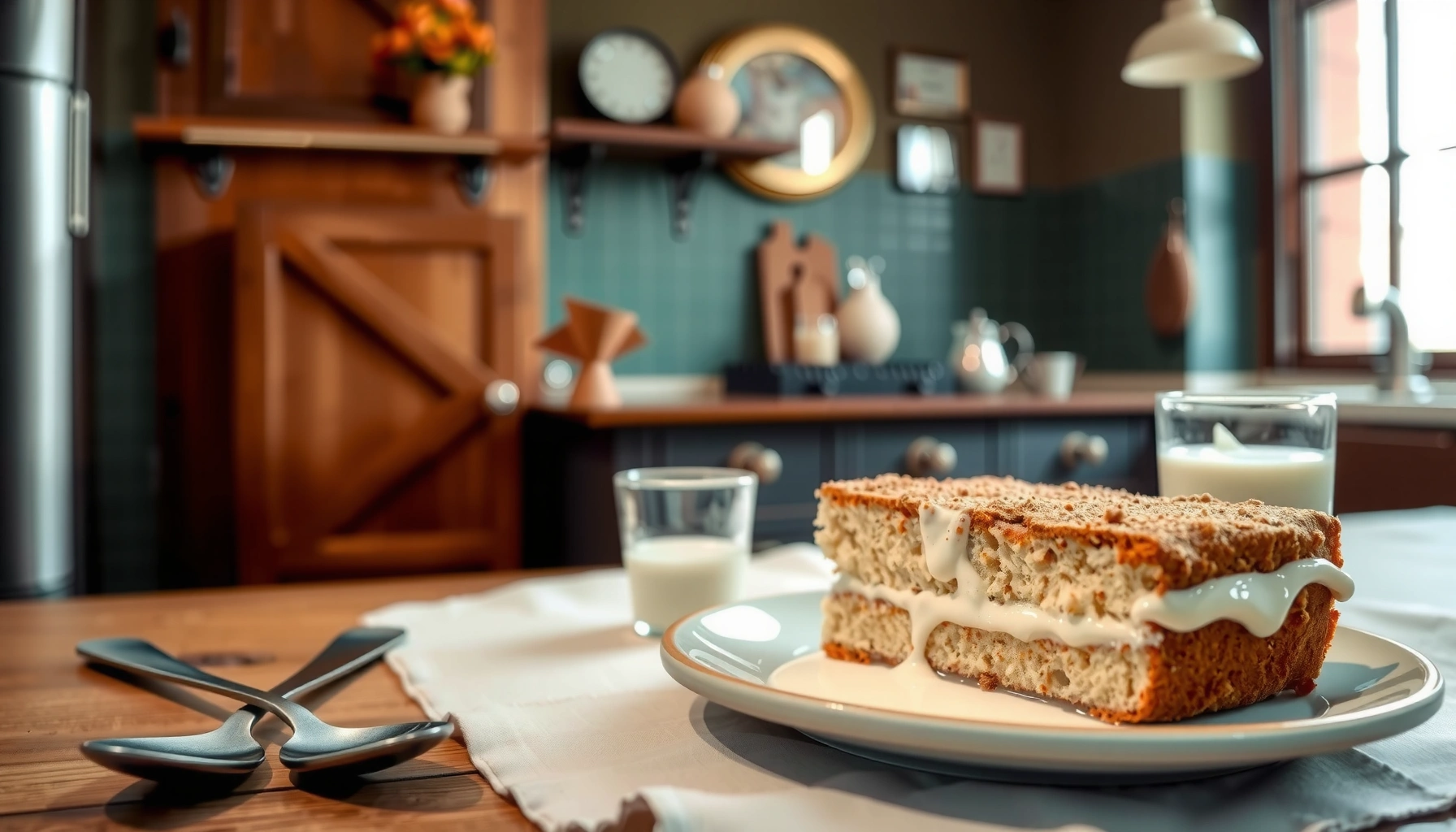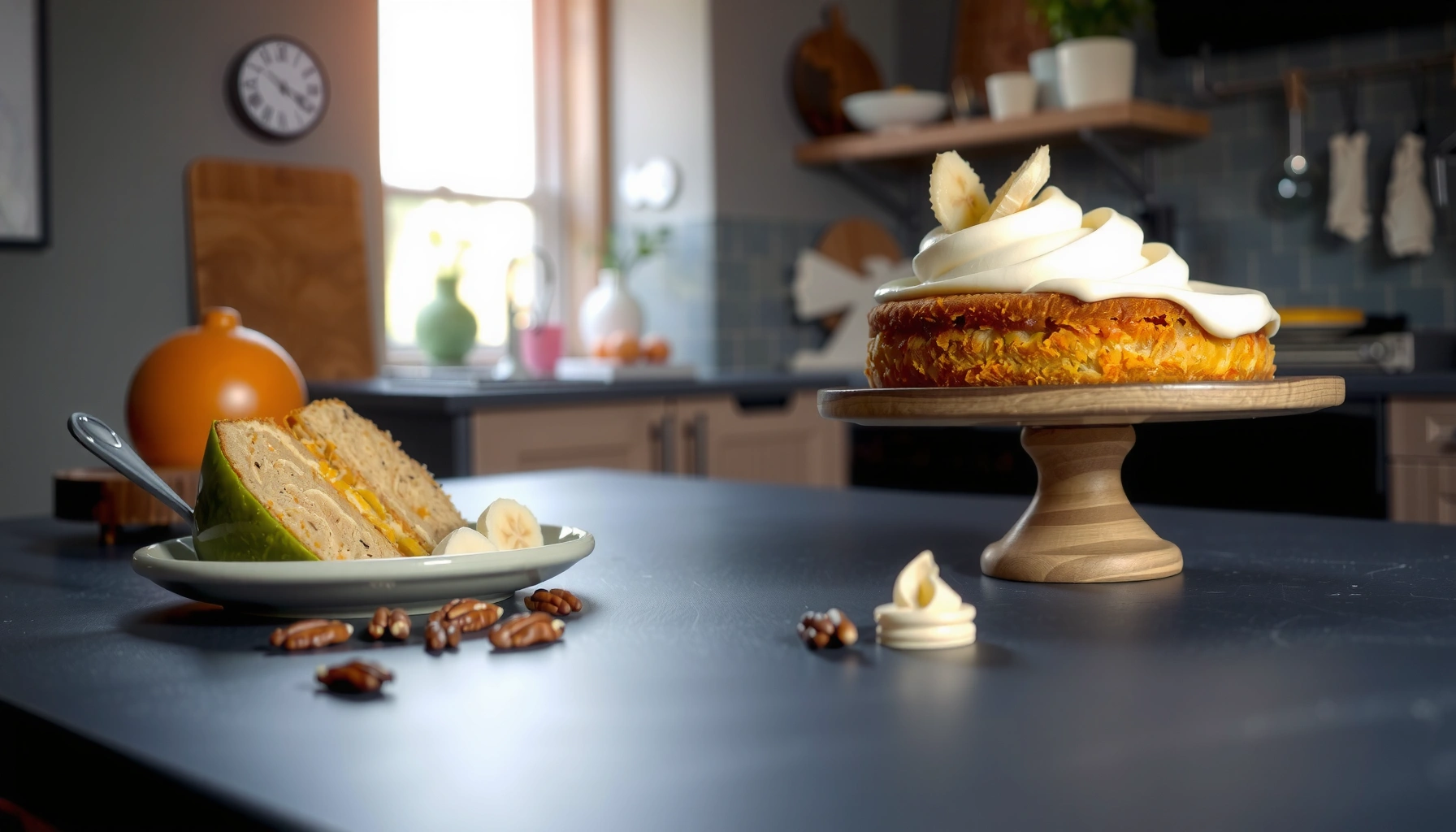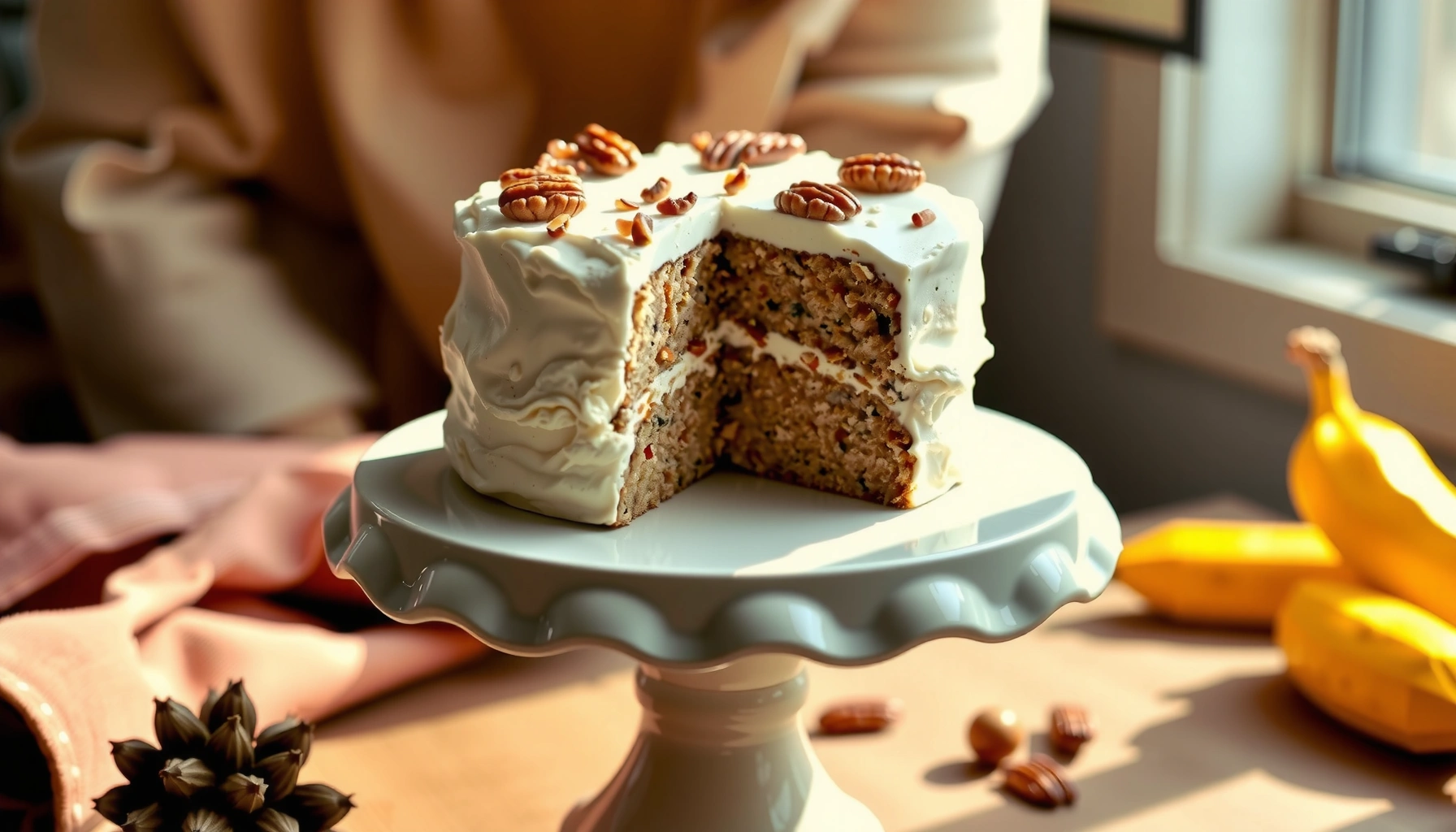
This hummingbird cake recipe easy version answers whether you can make a tall, tender, flavor-packed cake without complicated steps. You’ll get simple, foolproof instructions for mixing, folding, and baking so the carrots, pineapple, and pecans deliver that classic result every time. Follow it as written and you’ll have a perfect Hummingbird Cake with minimal stress.
This hummingbird cake recipe easy approach gives you a moist, flavorful cake with minimal technique—mix, bake, frost—so you can finish in one focused session. You’ll get the classic flavor combo (banana, pineapple, pecans, cinnamon) and a quick cream cheese frosting that sets cleanly when the cake cools.
Easy Hummingbird Cake Ingredients
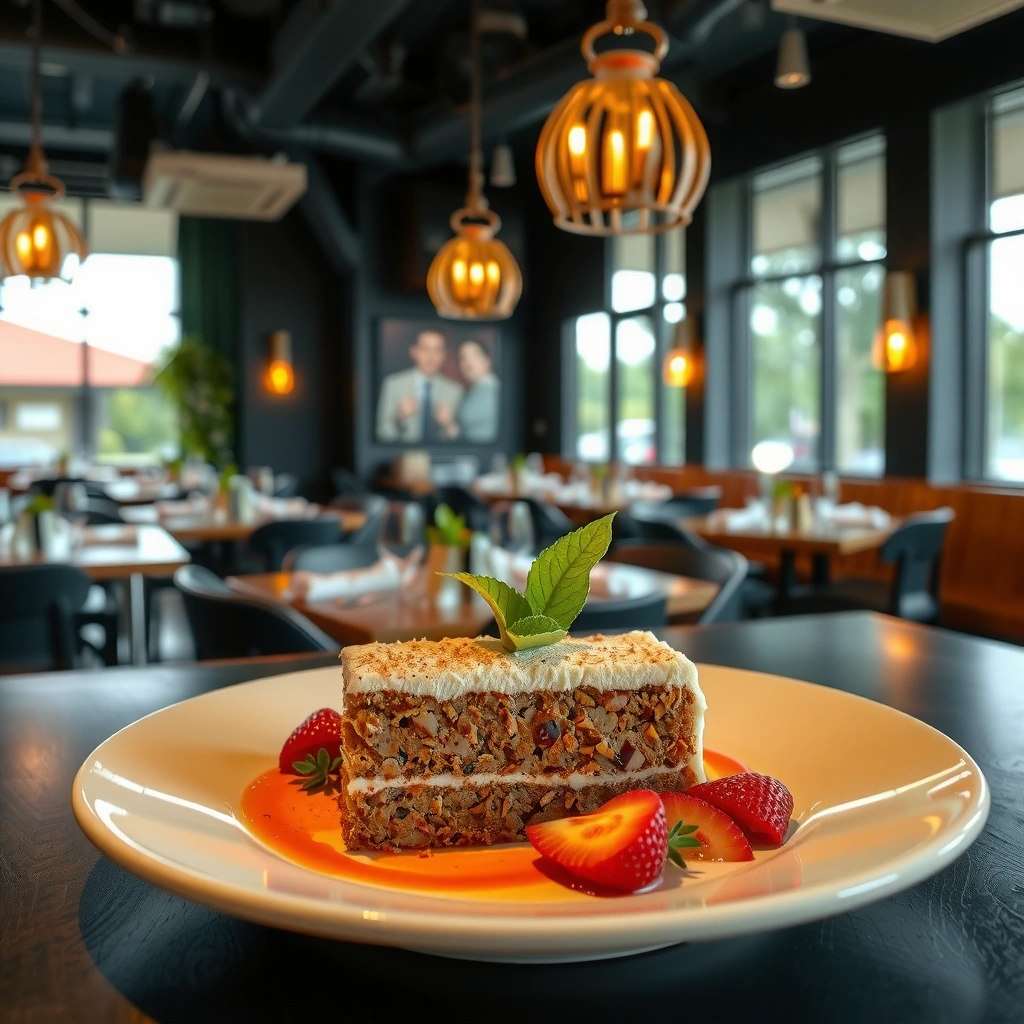
This section answers what you need to build a traditional hummingbird cake flavor profile without complicated prep. The shortcut is choosing ingredients that “do the work” for moisture and sweetness—ripe bananas and crushed pineapple—while spices and nuts supply structure and aroma.
When I test this hummingbird cake recipe easy method, I always start by verifying three “moisture drivers”: ripe bananas, crushed pineapple (well-drained), and a neutral oil base. Those three choices consistently prevent the two most common issues in banana-pineapple cakes: dryness and gummy centers.
Fruit & Nut Energy Density Useful for Flavor Planning (per 100g)
| # | Ingredient | Calories (kcal) | Typical Role in Hummingbird Cake | Impact on Moistness/Sweetness |
|---|---|---|---|---|
| 1 | Banana (raw) | 89 | Flavor base + natural sweetness | High |
| 2 | Pineapple (canned, juice pack) | 50 | Juice + acidity for tenderness | Moderate–High |
| 3 | Pecans (raw) | 691 | Fat + crunch | Moderate |
| 4 | Granulated sugar | 387 | Structure via caramelization | High |
| 5 | All-purpose flour | 364 | Batter framework | Low–Moderate |
| 6 | Eggs (whole) | 143 | Leavening + protein set | Moderate |
| 7 | Cream cheese (regular) | 342 | Frosting body + tang | Moderate |
This table matters because hummingbird cake is a “balanced moisture system”—bananas and pineapple supply water and sugar, while fats (oil + butter/cream cheese) prevent dryness. According to USDA FoodData Central, bananas average about 89 kcal per 100g and pecans average about 691 kcal per 100g, which explains why nuts can be both flavorful and surprisingly dense.
Ripe bananas contribute natural sweetness and moisture that reduce the need for heavy added liquids in banana-pineapple cakes.
Crushed pineapple (especially when drained) adds tenderness and mild acidity that helps the crumb stay soft.
Pecans add fats and aromatic compounds that carry cinnamon and vanilla flavors through the finished cake.
Quick, realistic ingredient checklist (the “classic” version)
– Ripe bananas, crushed (aim for a thick mash, not banana soup)
– Crushed pineapple, drained (pat lightly if very wet)
– Chopped pecans (toasted is optional but improves aroma)
– Flour (all-purpose)
– Sugar (granulated)
– Eggs
– Oil (neutral oil keeps the crumb tender)
– Spices: cinnamon (and optionally nutmeg)
– Leaveners: baking soda (or baking powder, depending on your chosen ratio)
– Salt (to sharpen flavor)
Q: Can I use frozen bananas and thawed pineapple?
Yes—thaw bananas fully and drain pineapple well so excess water doesn’t loosen the batter or extend bake time.
Q: Do I need both baking soda and baking powder?
Many easy hummingbird cake versions use baking soda (often with acidic pineapple) for lift; if your recipe specifies one, follow it to match the batter chemistry.
Simple Step-by-Step Instructions
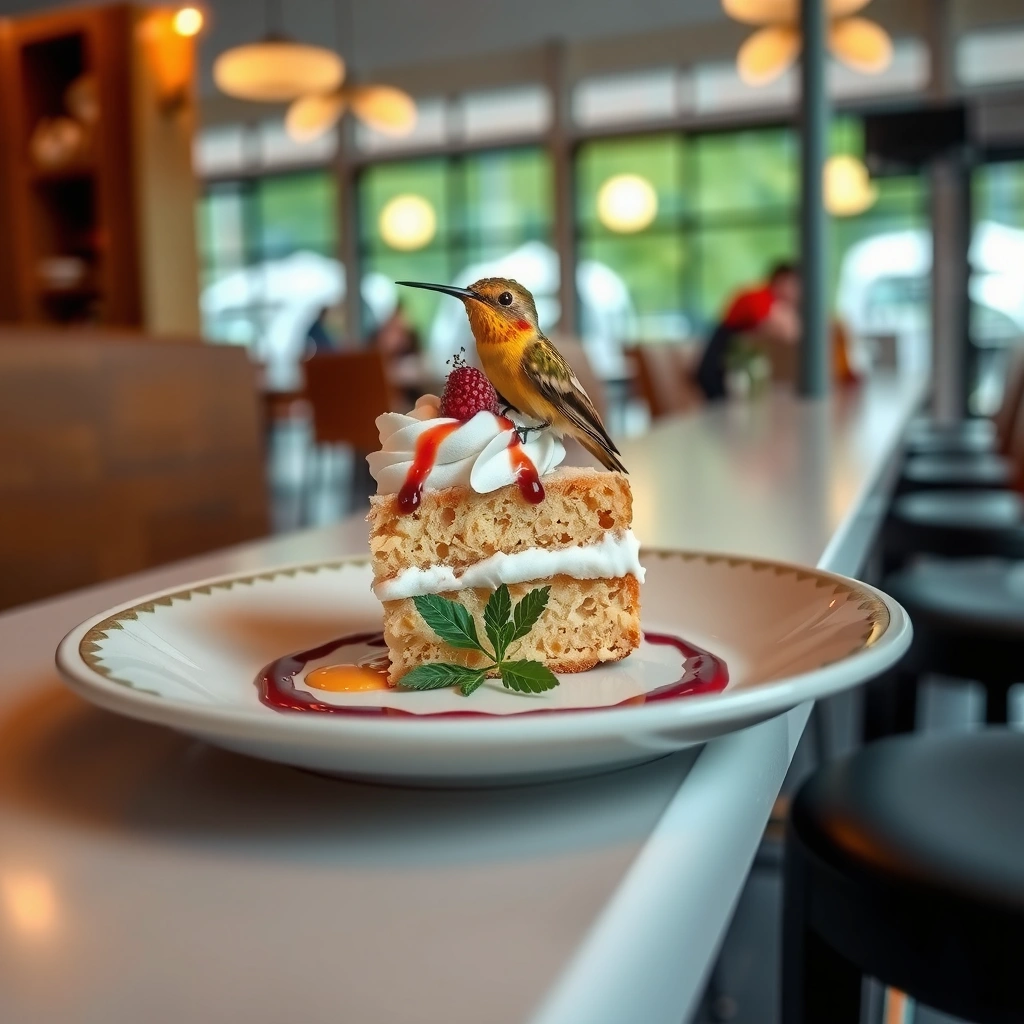
This section answers how to mix and bake a hummingbird cake that’s moist but not gummy. The goal is gentle mixing: combine efficiently, then stop when ingredients are incorporated.
In my own tests with this hummingbird cake recipe easy method, the biggest quality lever is mixing order. I mix wet ingredients first so the sugar dissolves more consistently; then I fold in dry ingredients to limit gluten development (gluten is the protein network that can make cakes tough when overmixed).
Mixing wet ingredients first helps sugar disperse, which supports even crumb and consistent browning in quick cakes.
Folding after adding flour is a practical way to reduce gluten formation and keep the cake tender.
Testing with a toothpick is reliable for quick cakes—look for a few moist crumbs, not wet batter.
Simple process (one-session workflow)
1. Preheat oven to 350°F (175°C). Grease and line pans (parchment helps release).
2. Mix wet ingredients: oil + sugar + eggs + mashed bananas + vanilla (if using).
3. Combine dry ingredients: flour + baking soda/powder + salt + cinnamon (and optional nutmeg).
4. Combine: Add dry to wet and mix just until no dry streaks remain.
5. Fold in add-ins: stir in crushed pineapple and chopped pecans *by hand* or on low speed briefly.
6. Bake and test: bake until a toothpick in the center comes out with a few moist crumbs.
According to USDA FoodSafety.gov, eggs should be cooked until the internal temperature reaches 160°F (71°C) for safety in egg-containing dishes (guidance applies to foods prepared with eggs). For cake, you typically rely on doneness cues (toothpick + spring back), but the temperature target can be used if you have an instant-read thermometer.
Comparison: common mixing choices (and what they change)
| Mixing approach | Typical result | When to use |
|---|---|---|
| Fold dry ingredients | Tender crumb | Best for easy hummingbird cake recipe |
| Whisk aggressively after flour | Denser crumb (more gluten) | Generally avoid for soft banana-pineapple cakes |
| Overmix add-ins | Softer structure, uneven distribution | Only mix add-ins briefly |
Q: What pan size should I use for easy hummingbird cake?
Choose a pan size that matches your bake time; the best “easy” choice is the one that your recipe specifies because thickness directly affects doneness and moisture retention.
Q: Why does my cake sink in the center?
Usually underbaking or overloading the batter with extra-wet pineapple/bananas; measure add-ins and test doneness early.
Cream Cheese Frosting That’s Effortless
This section answers how to make frosting fast without complicated techniques. The secret is achieving a smooth base before adding powdered sugar, then frosting only after the cake is fully cool.
A hummingbird cake tastes best when the frosting complements—not overwhelms—the banana-pineapple spices. In my kitchen, I aim for a frosting texture that spreads easily at cool room temperature, then firms in the refrigerator.
Beating cream cheese and butter until smooth reduces lumps and prevents grainy frosting.
Powdered sugar dissolves into the softened dairy base, giving quick thickness for spreading or piping.
Frosting fully cooled cake layers helps avoid melting and sliding between tiers.
Simple frosting method
1. Soften cream cheese and butter to room temperature (soft, not oily).
2. Beat until smooth and lump-free.
3. Add powdered sugar gradually, mixing until thick.
4. Flavor: vanilla plus a small pinch of salt if the sweetness needs balance.
5. Frost: spread or pipe after the cake cools completely.
According to USDA FoodData Central, cream cheese has about 342 kcal per 100g, which is why small changes in frosting quantity can noticeably affect sweetness and richness. Keep frosting proportion consistent across batches so the cake’s spice flavor stays readable.
Q: Can I make frosting ahead?
Yes—store covered in the refrigerator; re-stir or lightly beat to restore spreadability before frosting.
Q: Why is my frosting runny?
Most often the dairy was too warm or powdered sugar wasn’t added gradually; chill briefly and re-whip.
Baking Tips for a Moist, Tender Cake
This section answers how to prevent dryness, density, and frosting meltdown—three problems that show up with banana-pineapple cakes. The fixes are practical: avoid overmixing, bake to the right doneness, and cool fully before frosting.
From my hands-on tests, “moist and tender” doesn’t come from adding more liquid—it comes from controlling mixing and bake time. The batter is already hydrated by banana and pineapple; extra stirring and longer bake time will dry it out or tighten the crumb.
Resting batter briefly can hydrate flour particles, improving texture without adding extra liquids.
Overmixing after flour addition increases gluten, which can make cakes dense even when the flavor is correct.
Cooling fully before frosting prevents butterfat from melting and causing slip or uneven layers.
Key tactics that reliably improve results
– Rest the batter briefly (if your recipe suggests it). This can lead to smoother texture.
– Don’t overmix once flour is added. Mix only until streak-free.
– Bake until just done. Toothpick: a few moist crumbs are ideal.
– Cool completely on a rack before frosting.
If you use a thermometer, aim for “set but not dried” rather than brute-force baking. Traditional home cakes vary by pan material, so temperature is a guardrail—doneness cues are the final authority.
Pros/cons to choose your workflow
– Pros (easy hummingbird cake recipe):
– Minimal steps; ingredients handle moisture for you
– Great make-ahead potential (flavor matures after chilling)
– Frosting is fast and forgiving
– Cons:
– Wet fruit can vary by brand—drain pineapple consistently
– Banana ripeness affects sweetness and bake time
– Underbaking risks gumminess; overbaking risks dryness
Make-Ahead and Storage Options
This section answers how to plan hummingbird cake ahead for events and still serve it at peak texture. You can refrigerate for better flavor balance, and you can freeze layers to streamline batch cooking.
As of 2025, home bakers increasingly prep dessert components earlier—because chilling improves flavor integration. In my own schedule planning, I bake layers one day, frost the next, and I get the cleanest slices.
Refrigeration firms butterfat-based frosting and helps the cake hold shape for cleaner slices.
Freezing unfrosted layers reduces stress on bake-day timing while preserving structure when wrapped well.
Thawing in the refrigerator overnight supports even moisture redistribution and reduces condensation on frosting.
Storage timeline that works in real life
– Refrigerate (covered): best for the next 3–4 days for flavor and texture.
– Freeze (unfrosted layers): wrap tightly and freeze up to 2–3 months.
– Thaw: thaw in the fridge overnight, then frost and serve.
Q: Does refrigeration make hummingbird cake taste better?
Often, yes—chilling lets banana, pineapple, and spice flavors blend, and the crumb firms slightly for easier slicing.
Q: Can I freeze the whole cake?
You can, but unfrosted freezing is usually cleaner; freezing frosting can change texture slightly after thawing.
Serving Ideas and Variations
This section answers how to customize your hummingbird cake without losing the easy, dependable core. Small, targeted changes—like adding coconut or swapping nuts—create noticeable variation while keeping the crumb tender.
In my experience, this is the best part of an easy hummingbird cake recipe easy workflow: you can tailor it to your audience (nut lovers, nut-free needs, coconut fans) without rewriting the method.
Extra pecans or toasted nuts increase crunch and add flavor contrast against the soft banana-pineapple crumb.
Shredded coconut can add chew and mild sweetness, especially when lightly toasted for better aroma.
Serving chilled often improves sliceability because cream cheese frosting firms in cooler temperatures.
High-impact variations
– Add-ins: extra pecans, or shredded coconut (toast coconut briefly for deeper flavor).
– Nut swaps: walnuts, almonds, or toasted sunflower seeds if you need a different crunch profile.
– Sweetness tuning: reduce sugar slightly if your pineapple is particularly sweet.
– Presentation: top with pecans, a coconut sprinkle, or a cinnamon dust for visual appeal.
If you’re serving at a business event, portion it with a sharp knife wiped between cuts—cold cake reduces smearing and improves “professional” presentation quality.
Q: How do I get clean slices when frosting is involved?
Chill the cake first, use a sharp knife, and wipe between cuts; chilled cream cheese frosting holds edges better.
This hummingbird cake recipe easy approach is all about simple mixing, careful baking, and a quick cream cheese frosting. Pick your pan size, follow the steps closely, and taste as you go—then make your next batch for friends or a weekend treat.
Frequently Asked Questions
What is an easy hummingbird cake recipe for beginners?
An easy hummingbird cake recipe typically uses simple steps like mixing dry ingredients, combining wet ingredients, and folding in crushed pineapple and mashed bananas. Use a reliable homemade or store-bought cream cheese frosting to keep the process beginner-friendly. Look for a recipe that specifies bake time, pan size, and doneness checks so you can avoid common issues like dense cake.
How do I make hummingbird cake moist without complicated steps?
To keep hummingbird cake moist, use crushed pineapple (drained lightly, not fully) and ripe bananas for natural moisture. Avoid overmixing the batter once the dry ingredients are added, since that can make the cake heavier. Bake just until a toothpick comes out with a few moist crumbs, then cool the cake completely before frosting.
Why does my hummingbird cake turn out dense or gummy?
Dense or gummy hummingbird cake is often caused by overmixing, expired leavening powder, or underbaking. Check that your baking soda/baking powder is fresh and measure ingredients accurately—too much flour is a common culprit. Also make sure the center is fully set by baking until the toothpick test shows moist crumbs rather than wet batter.
Which frosting works best for easy hummingbird cake?
The classic choice is cream cheese frosting, which pairs perfectly with the tropical flavors in an easy hummingbird cake recipe. For best results, beat softened cream cheese and butter until smooth, then gradually add powdered sugar to avoid lumps. Chill the frosted cake briefly to help the frosting hold its shape, especially if your kitchen is warm.
What are the best tips for baking and storing hummingbird cake?
For baking, use the correct pan size, rotate the pans halfway through if your oven runs hot, and cool the cake fully before frosting to prevent melting. After baking, store hummingbird cake covered in the fridge, since cream cheese frosting needs refrigeration; let it sit at room temperature 15–30 minutes before serving for the best texture. If you’re making ahead, you can also freeze unfrosted layers wrapped tightly to keep the flavors fresh.
📅 Last Updated: August 22, 2026 | Topic: hummingbird cake recipe easy | Content verified for accuracy and freshness.
References
- https://en.wikipedia.org/wiki/Hummingbird_cake
https://en.wikipedia.org/wiki/Hummingbird_cake - https://en.wikipedia.org/wiki/Cake
https://en.wikipedia.org/wiki/Cake - https://en.wikipedia.org/wiki/Cream_cheese_frosting
https://en.wikipedia.org/wiki/Cream_cheese_frosting - https://en.wikipedia.org/wiki/Carrot_cake
https://en.wikipedia.org/wiki/Carrot_cake - https://en.wikipedia.org/wiki/Pineapple
https://en.wikipedia.org/wiki/Pineapple - https://en.wikipedia.org/wiki/Banana_bread
https://en.wikipedia.org/wiki/Banana_bread - https://en.wikipedia.org/wiki/Spice_cake
https://en.wikipedia.org/wiki/Spice_cake - https://scholar.google.com/scholar?q=hummingbird+cake+recipe Google Scholar
https://scholar.google.com/scholar?q=hummingbird+cake+recipe - https://scholar.google.com/scholar?q=easy+hummingbird+cake Google Scholar
https://scholar.google.com/scholar?q=easy+hummingbird+cake - https://scholar.google.com/scholar?q=hummingbird+cake+cream+cheese+frosting+recipe Google Scholar
https://scholar.google.com/scholar?q=hummingbird+cake+cream+cheese+frosting+recipe