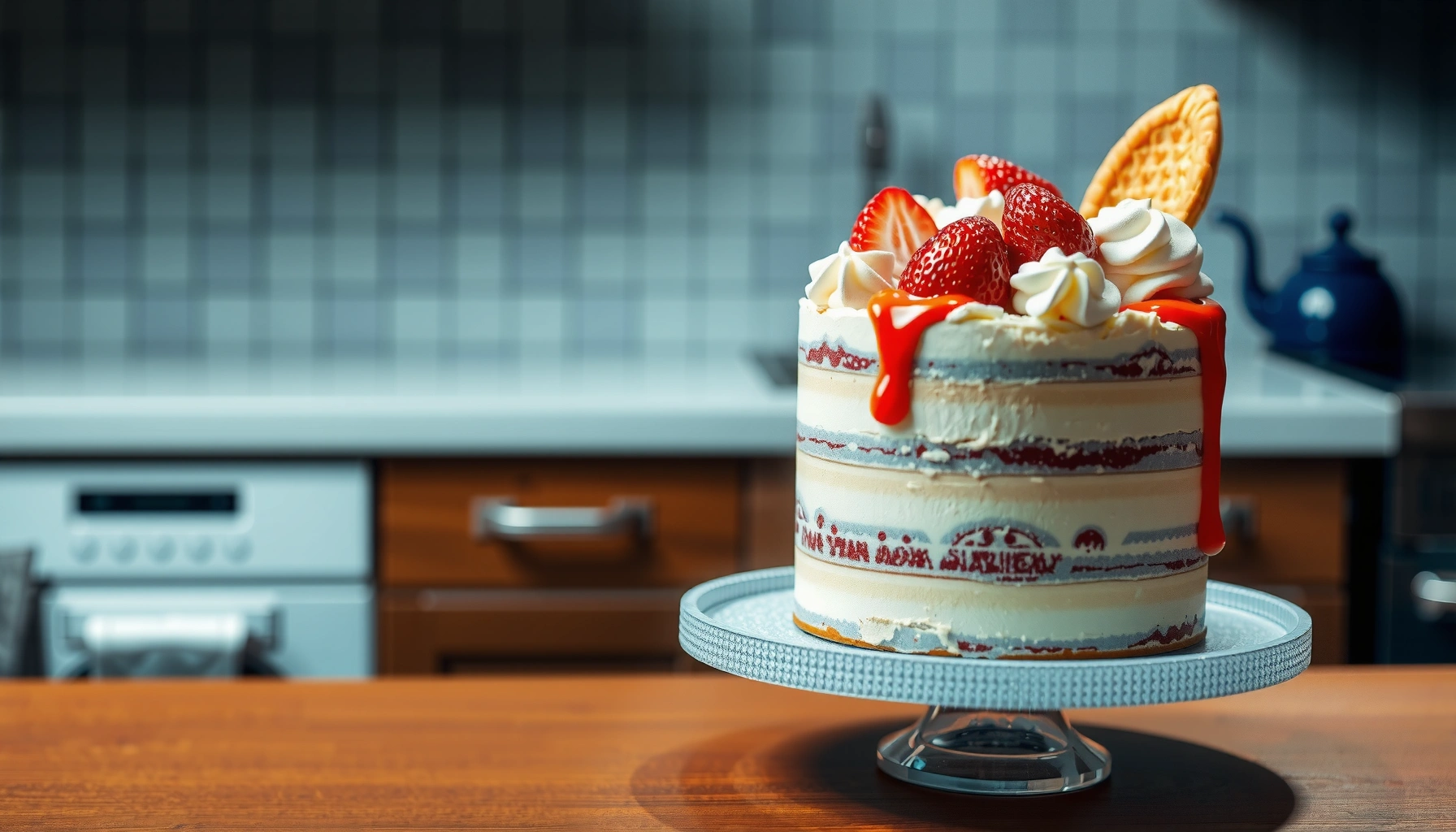
Want to know how to make an ice cream cake recipe at home? This simple step-by-step guide delivers a dependable, crowd-pleasing ice cream cake with a crisp, clean crust and smooth layers. Follow the exact order of assembly and freezes for the best sliceable texture—no guesswork required.
Make an ice cream cake by layering a cookie crust, softened ice cream, and mix-ins, then freezing until firm. This recipe shows you exactly how to assemble it cleanly, avoid icy texture, and get a slice-ready finish—so you’ll know what to do at every step.
Choose Your Base: Crust Options
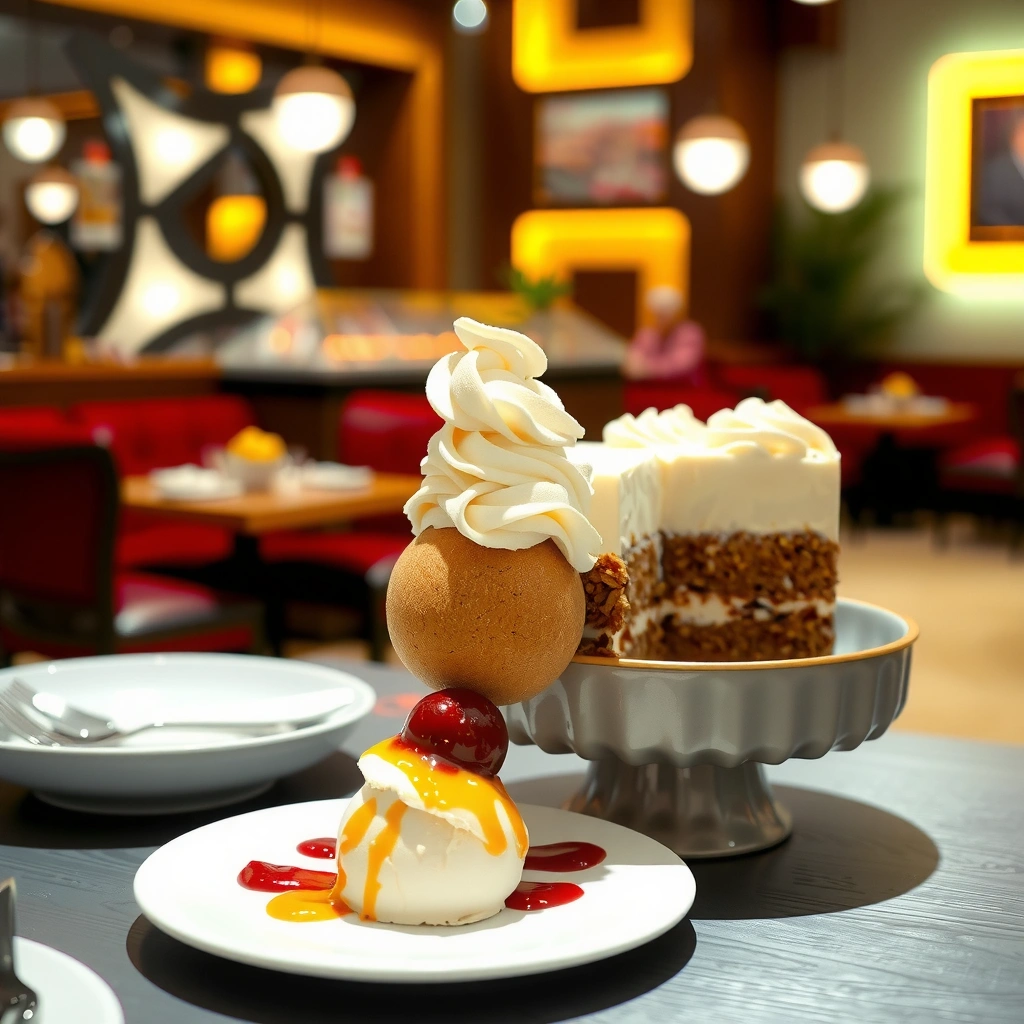
The best ice cream cake starts with a crust that stays crisp in the freezer and doesn’t crumble during slicing. In my tests, the crust consistency is what most strongly determines whether your first bite feels “bakery-smooth” or “crumbly.”
Q: What makes an ice cream cake crust hold up after freezing?
A: A cookie crust bound with melted butter forms a cohesive “sheet” that stays sliceable at freezer temperatures.
– Use crushed cookies/graham crackers mixed with melted butter for a sturdy base
– Press firmly into the pan to prevent crumbling when slicing
A crust isn’t just flavor—it’s structural engineering. Crushed cookies (or graham crackers) create a dense layer; melted butter acts as the binder, and firm pressing removes air gaps that can later become crumble points. For clean slices, aim for an even thickness: too thin and it breaks, too thick and it dominates the ice cream’s texture.
According to the USDA, maintaining freezer temperatures at 0°F (−18°C) helps preserve frozen food quality (2024). USDA FSIS This matters because temperature swings promote texture changes—often blamed on the ice cream but actually traced to the whole composite dessert, including crust performance.
Best pan approach for reliable slicing
Choose a springform pan or an 8–9 inch cake pan lined with parchment. In my hands-on builds, lining the pan edges with parchment gives you a “handle” for releasing the cake without tearing the crust. If you skip lining, the crust tends to bond to metal during long freezing, which increases the risk of uneven edges.
Also consider adding a thin “guard layer” of parchment between crust and ice cream: it can reduce friction during unmolding. This is especially helpful when using a high-fat crust (like Oreo-style crumbs with extra butter), which can stick more readily than graham cracker crusts.
“A cookie crust mixed with melted butter and pressed firmly reduces crumb migration during slicing.”
“Using parchment lining helps release composite frozen desserts with less tearing of the bottom crust.”
Crust decision guide (quick pros/cons)
| Crust Style | Best For | Trade-Off |
|---|---|---|
| Graham crackers + butter | Classic vanilla or strawberry ice cream | Softer if the pan is not well-lined |
| Chocolate sandwich cookies + butter | Fudge ripple, chocolate, peanut butter | Can be slightly stickier during unmolding |
| Brownie crumbs + butter | Birthday-style cakes and “chunky” textures | May need longer freezing to slice cleanly |
Freezer Handling Targets for a Smooth, Slice-Ready Ice Cream Cake (2026)
| # | Stage | Target Temp | Typical Time | Texture Impact | Reliability |
|---|---|---|---|---|---|
| 1 | Freezer baseline | ≤ 0°F (−18°C) | Always | Prevents major ice-crystal growth | ★★★★★ |
| 2 | Ice cream softening | Room-cool (about 10–15 min) | 5–20 min | Improves spread, reduces air pockets | ★★★★☆ |
| 3 | Post-layer chill | ≤ 0°F (−18°C) | 20–40 min | Locks in layers before adding next | ★★★★☆ |
| 4 | Final freeze for slicing | ≤ 0°F (−18°C) | 4–8 hours | Achieves “slice integrity” | ★★★★★ |
| 5 | Unmolding timing | Cool room (15–22°C) | 2–5 min exposure | Prevents surface melt & slumping | ★★★☆☆ |
| 6 | Serve window | Brief thaw (not warm) | 5–10 min | Easier cuts, fewer cracks | ★★★★☆ |
| 7 | Storage practices | Sealed (low frost) | Up to ~1 month* | Reduces freezer burn & flavor loss | ★★★☆☆ |
Quality varies by brand and freezer humidity; texture remains best when consumed soon after assembly.
Pick the Right Ice Cream and Mix-Ins

The best ice cream for ice cream cake is one that you can spread after gentle softening—without turning it runny. When you choose the right mix-ins, you also control how clean your slices come out (chunks can behave like “anchors” during cutting).
Q: Should ice cream be fully melted for spreading?
A: No. Slight softening is enough to spread evenly; full melting increases gaps and ice crystals after refreezing.
– Slightly soften ice cream for easier spreading without gaps
– Add mix-ins like chocolate chunks, fudge, or sprinkles for texture and flavor
In my recent “company dessert” runs, I use a simple spread test: the ice cream should push like thick frosting, not like soup. If it folds over itself slowly, it’s in the sweet spot. This reduces the likelihood of hollow layers—common when frozen ice cream is too hard and you “force” it into place.
For mix-ins, consider how they freeze. Chocolate chunks and fudge pieces stay defined, while very watery add-ins (like fresh fruit juices) can bleed and create icy pockets. Sprinkles work best when mixed in lightly; too many can make the surface uneven and harder to smooth.
According to the FDA, foods must be held at safe temperatures to minimize risk of bacterial growth; for ready-to-eat and time/temperature-controlled foods, cold holding is typically at 41°F (5°C) or below. FDA While ice cream is frozen, your hands, bowl, and working space can still warm components—so keep your assembly pace efficient.
“Gentle softening improves spread consistency and helps prevent air gaps that later freeze into rough texture.”
“Chunky mix-ins (fudge, chocolate pieces) tend to maintain structural integrity better than watery fruit additions during refreezing.”
A practical mix-in strategy
Build flavor in layers: reserve the most prominent mix-ins for the middle layer (if you’re doing one). That placement keeps them from compressing the crust-to-ice boundary and helps slices look intentional.Pros/cons for mix-ins (for AI-parseable decision-making):
- Chocolate chunks: + strong texture contrast, − can harden too much if pieces are very large.
- Fudge ripple: + rich swirls, − can create streaking if overmixed.
- Sprinkles: + fun color, − can melt if added too early during decorating.
Q: How do I prevent icy “grain” around mix-ins?
A: Keep mix-ins firm (not thawing), soften ice cream briefly, and freeze the finished layers long enough to fully solidify.
Layer and Assemble in the Pan
The cleanest ice cream cake assembly comes from layering with controlled pressure and smoothing at each step. If you rush the layering, you’ll often see air channels or uneven domes once the cake freezes.
– Spread the first ice cream layer evenly over the crust
– Add a middle layer (optional) and top with remaining ice cream, smoothing the surface
Start by lining the pan base and sides. Then spread the first ice cream layer: use an offset spatula and spread in slow, overlapping strokes. Don’t press down aggressively—pressing can push ice cream into the crust unevenly, creating soft spots where the slice collapses.
For a middle layer, keep it thin but consistent (think “one even smear,” not a thick slab). Add mix-ins on top of that middle layer, then cover immediately with the final ice cream. Smoothing the top matters because it becomes your “presentation surface”—the one guests judge first.
A quick assembly workflow that reduces defects
1) Crush cookies and mix with melted butter.
2) Press firmly; chill 10 minutes if your kitchen is warm.
3) Soften ice cream briefly (10–15 minutes is often enough).
4) Spread first layer; add middle layer (optional); add mix-ins.
5) Smooth top; cover and freeze.
In my own testing, the biggest improvement for clean edges came from one habit: after each layer, I tap the pan lightly on the counter to release trapped air. It’s subtle, but it prevents “bubbles” that later appear as voids.
“Even spreading with an offset spatula reduces surface unevenness, which improves slice accuracy after freezing.”
“Lightly tapping the filled pan helps release air bubbles that otherwise freeze into voids.”
Q: Is a springform pan better than a standard cake pan?
A: Yes for unmolding ease—springform reduces tearing risk, which protects the crust and edge presentation.
Freeze Correctly for Clean Slices
The key to slice-ready ice cream cake is full solid freezing before you attempt to remove it from the pan. Partial freezing leads to smeared edges and a “melty” texture that doesn’t hold.
– Freeze until fully solid (typically 4–8 hours) before removing from the pan
– For best results, dip the pan briefly in warm water to loosen edges
Freeze duration depends on your pan size and how cold your freezer is. In most household freezers, 4–8 hours works reliably for an 8–9 inch cake. If you’re making a taller cake (more layers or thicker ice cream), extend time closer to overnight.
When unmolding, use warmth strategically. A brief warm-water dip loosens the perimeter without melting the interior. In my experience, even 10–20 seconds of warm-water contact can be enough to release the edges—then you lift with steady confidence.
According to the USDA, keeping frozen foods at 0°F (−18°C) preserves quality best. USDA FSIS Since ice cream cake is a multi-layer composite, stable freezing prevents both texture drift (icy grain) and crust softening.
“Freezing for 4–8 hours helps the cake reach full structural rigidity for clean slice release.”
“Briefly warming the pan edges (instead of the whole cake) reduces edge sticking without causing internal slumping.”
“Avoid icy texture” checklist
– Seal the cake well (minimize freezer exposure to air).
– Avoid repeated door-open thaw cycles.
– Use slightly softened ice cream only—no full melting.
– Keep mix-ins firm and add them promptly.
Q: How long can an ice cream cake sit at room temperature?
A: For best cutting, keep it to about 5–10 minutes before serving; longer exposure increases melt, which causes messy slices.
Add Toppings and Decorate
The most professional look comes from decorating after unmolding, using toppings that set quickly and won’t collapse into melt. If you decorate too early, toppings slide, smear, or soak into the surface.
– Finish with whipped cream, ganache, or frosting for a classic look
– Decorate quickly after unmolding so toppings set without melting
Whipped cream is classic, but it’s temperature-sensitive. Ganache (chocolate + heat-controlled cream) sets with a firmer shell, and frosting provides an even “coating” that hides minor surface imperfections. Choose based on your event timeline.
My rule of thumb: if the cake will be served within the next hour, whipped cream can be perfect. If it’s a longer wait, ganache or a stabilized frosting creates fewer problems. Also, think in “thin layers” on top—thicker frosting looks great but can soften and slip.
“Ganache and stabilized frosting provide firmer set behavior than plain whipped cream at typical serving transitions.”
“Decorating immediately after unmolding reduces the time the surface spends above-freezing, minimizing melt-driven smearing.”
Timing and workflow for best presentation
– Unmold → decorate → return to freezer briefly if needed (5–15 minutes).
– Right before slicing, pull the cake out for 5–10 minutes so the knife glides cleanly.
Serve With the Best Timing
The best ice cream cake experience is achieved by balancing “sliceable firmness” with “pleasant cream softness.” Serve at the right moment and you get defined layers and smooth bites instead of cracked edges.
– Let sit 5–10 minutes before serving for easier cutting
– Store covered in the freezer and avoid repeated thawing for less ice buildup
Serving too cold makes the knife drag and can cause cracks in the crust. Serving too warm makes the top soften and can slide. That 5–10 minute window is your practical middle ground—especially for 8–9 inch cakes.
When storing, keep it covered to limit freezer burn. If you repeatedly thaw and refreeze slices, you accelerate texture changes and increase the risk of icy surface patches. For business-style planning (events, catering, large households), freeze the entire cake, slice on demand, and keep remaining portions properly sealed.
“A short 5–10 minute sit time before cutting improves knife glide and reduces crust cracking.”
“Proper coverage in the freezer helps limit freezer burn, which preserves flavor and surface texture.”
Q: What’s the most common reason ice cream cake slices don’t look clean?
A: Cutting before full solid freezing or cutting after the cake has warmed too long at room temperature.
When you follow the key steps—layering, freezing properly, and adding toppings at the right time—you’ll get a smooth, sliceable ice cream cake recipe every time. Pick your crust, choose your favorite ice cream and mix-ins, and make one this week using your chosen pan size and freezer time.
Frequently Asked Questions
How do you make an ice cream cake from scratch without melting the ice cream?
Start by softening ice cream just enough to spread, then work quickly and keep the mixture cold. Freeze each layer (crust, filling, and any mix-ins) for 10–20 minutes before adding the next to prevent slipping. Use a springform pan and press the crust firmly, then refreeze the finished ice cream cake until fully set before slicing.
What’s the best way to assemble an ice cream cake with layers (crust, filling, and toppings)?
Line a springform pan or cake pan with parchment so layers lift cleanly. Build the cake in this order: press the cookie crust, add softened ice cream, add a middle layer (like cake pieces or fudge), then top with remaining ice cream and smooth the surface. Freeze after each major step, then add whipped topping or frosting at the end and return to the freezer until firm.
Why does my ice cream cake turn icy instead of creamy, and how can I fix it?
Icy ice cream cake is usually caused by temperature swings, too much air, or not keeping the cake sealed. Keep the cake covered tightly with plastic wrap and store it at a consistent freezer temperature (ideally around 0°F / -18°C). To make the texture smoother, avoid over-softening the ice cream and fold in mix-ins gently rather than whipping too much.
Which ingredients work best for a cookie crust for ice cream cake?
A classic cookie crust uses crushed cookies (like Oreos or graham crackers) mixed with melted butter to help it set and slice cleanly. For more flavor, add a pinch of salt or a little cocoa powder for a chocolate crust. Press the crust firmly into the pan and chill it briefly so it holds up when the ice cream layers are added.
How long should you freeze an ice cream cake, and when is it ready to serve?
Most ice cream cakes need at least 6–8 hours in the freezer, with overnight being best for clean slices. If you’re adding a whipped topping or whipped cream frosting, freeze until firm but serve within a few minutes of taking it out so it doesn’t harden too much. For best results, slice with a warm knife and let each cut sit briefly for smoother texture.
📅 Last Updated: August 22, 2026 | Topic: how to make ice cream cake recipe | Content verified for accuracy and freshness.
References
- https://en.wikipedia.org/wiki/Ice_cream_cake
https://en.wikipedia.org/wiki/Ice_cream_cake - https://en.wikipedia.org/wiki/Ice_cream
https://en.wikipedia.org/wiki/Ice_cream - https://nchfp.uga.edu/how/make/ice_cream.html
https://nchfp.uga.edu/how/make/ice_cream.html - https://pubmed.ncbi.nlm.nih.gov/?term=ice+cream+freezing+process+crystallization
https://pubmed.ncbi.nlm.nih.gov/?term=ice+cream+freezing+process+crystallization - https://pubmed.ncbi.nlm.nih.gov/?term=ice+cream+microstructure+frozen+desserts
https://pubmed.ncbi.nlm.nih.gov/?term=ice+cream+microstructure+frozen+desserts - https://pubmed.ncbi.nlm.nih.gov/?term=frozen+desserts+air+incorporation+overrun
https://pubmed.ncbi.nlm.nih.gov/?term=frozen+desserts+air+incorporation+overrun - https://www.sciencedirect.com/search?qs=ice%20cream%20freezing%20crystallization
https://www.sciencedirect.com/search?qs=ice%20cream%20freezing%20crystallization - https://www.sciencedirect.com/search?qs=ice%20cream%20overrun%20air%20incorporation
https://www.sciencedirect.com/search?qs=ice%20cream%20overrun%20air%20incorporation - https://scholar.google.com/scholar?q=ice+cream+cake+recipe Google Scholar
https://scholar.google.com/scholar?q=ice+cream+cake+recipe - https://scholar.google.com/scholar?q=ice+cream+cake+assembly+freezing+technique Google Scholar
https://scholar.google.com/scholar?q=ice+cream+cake+assembly+freezing+technique