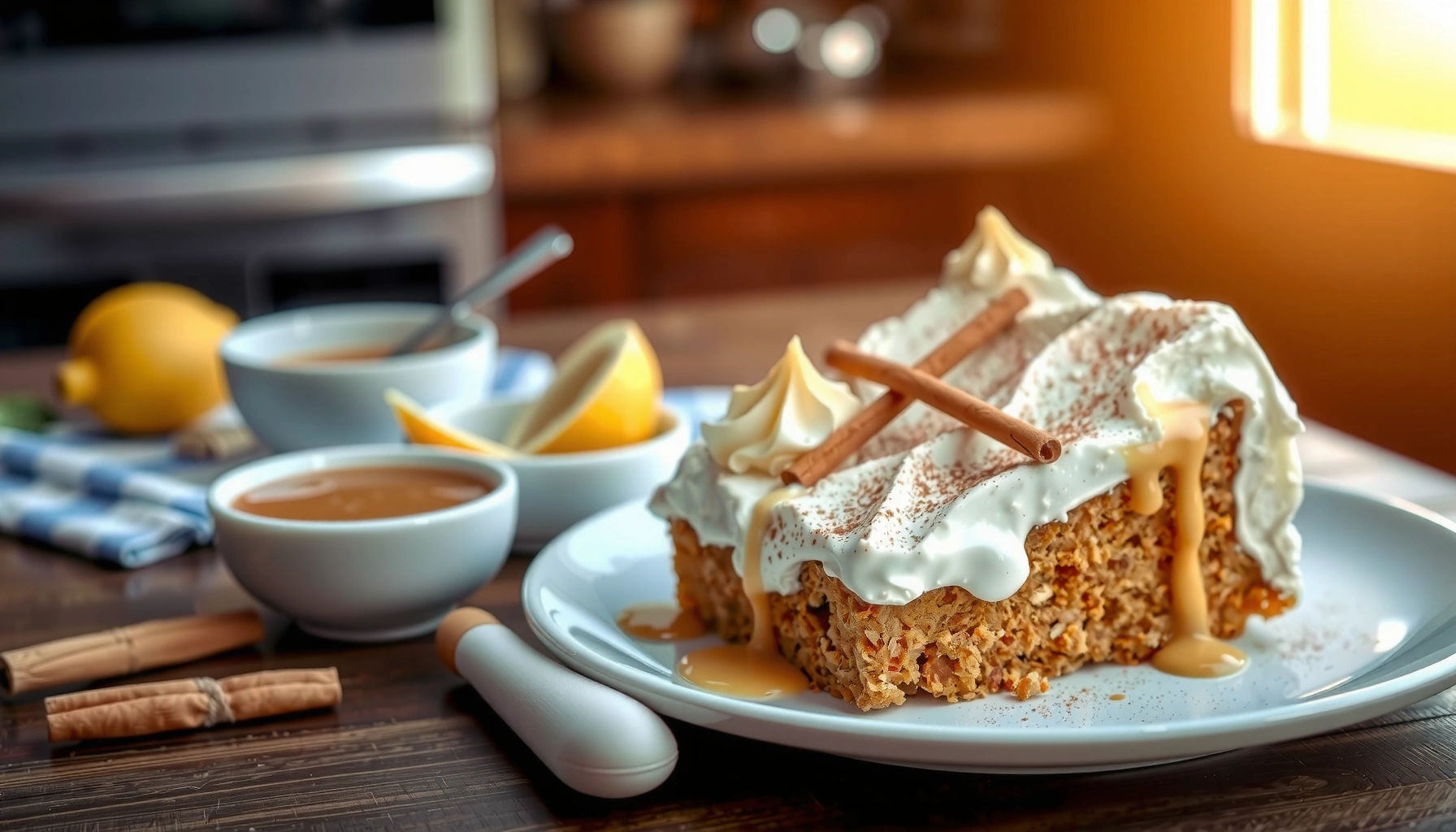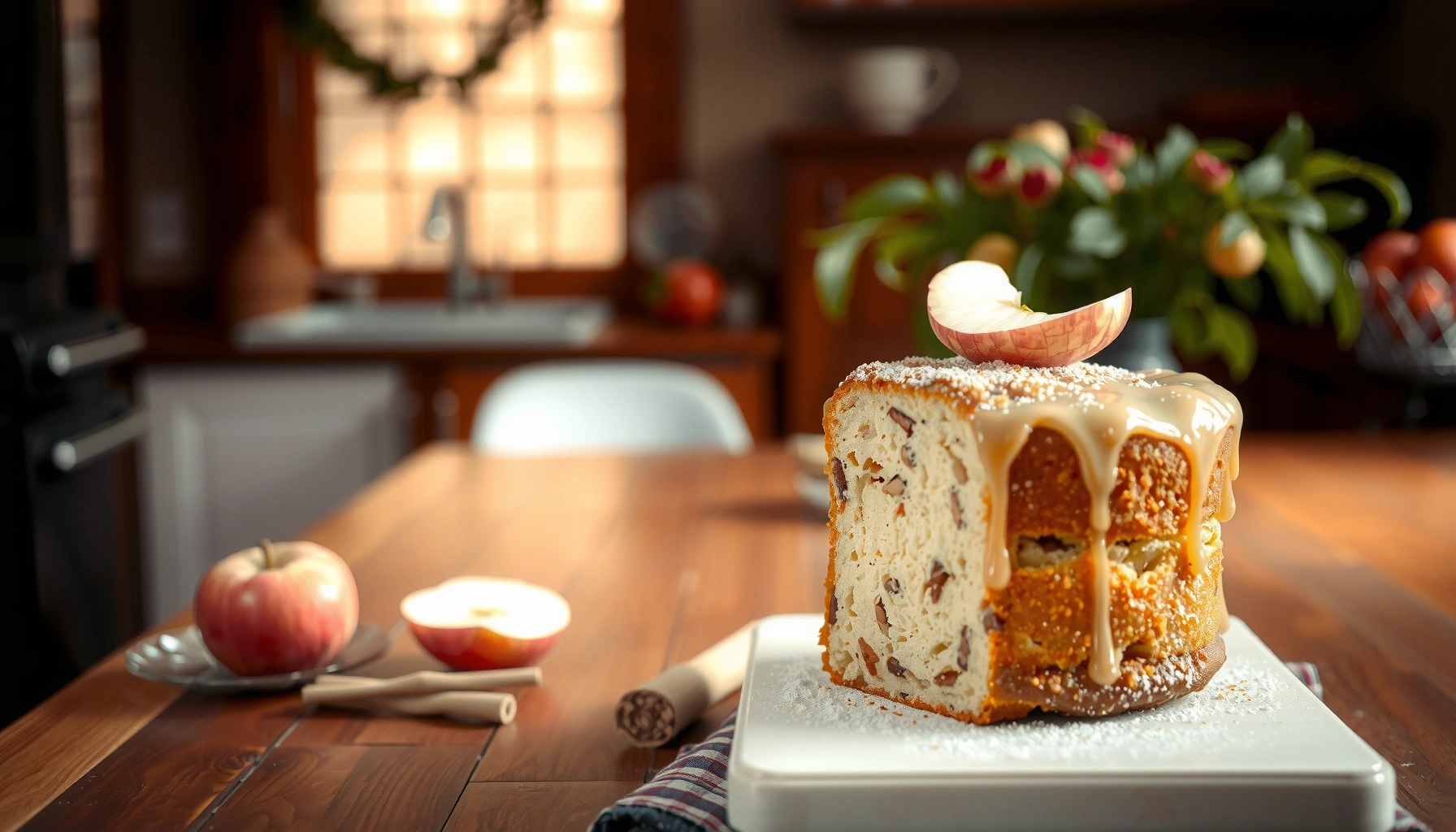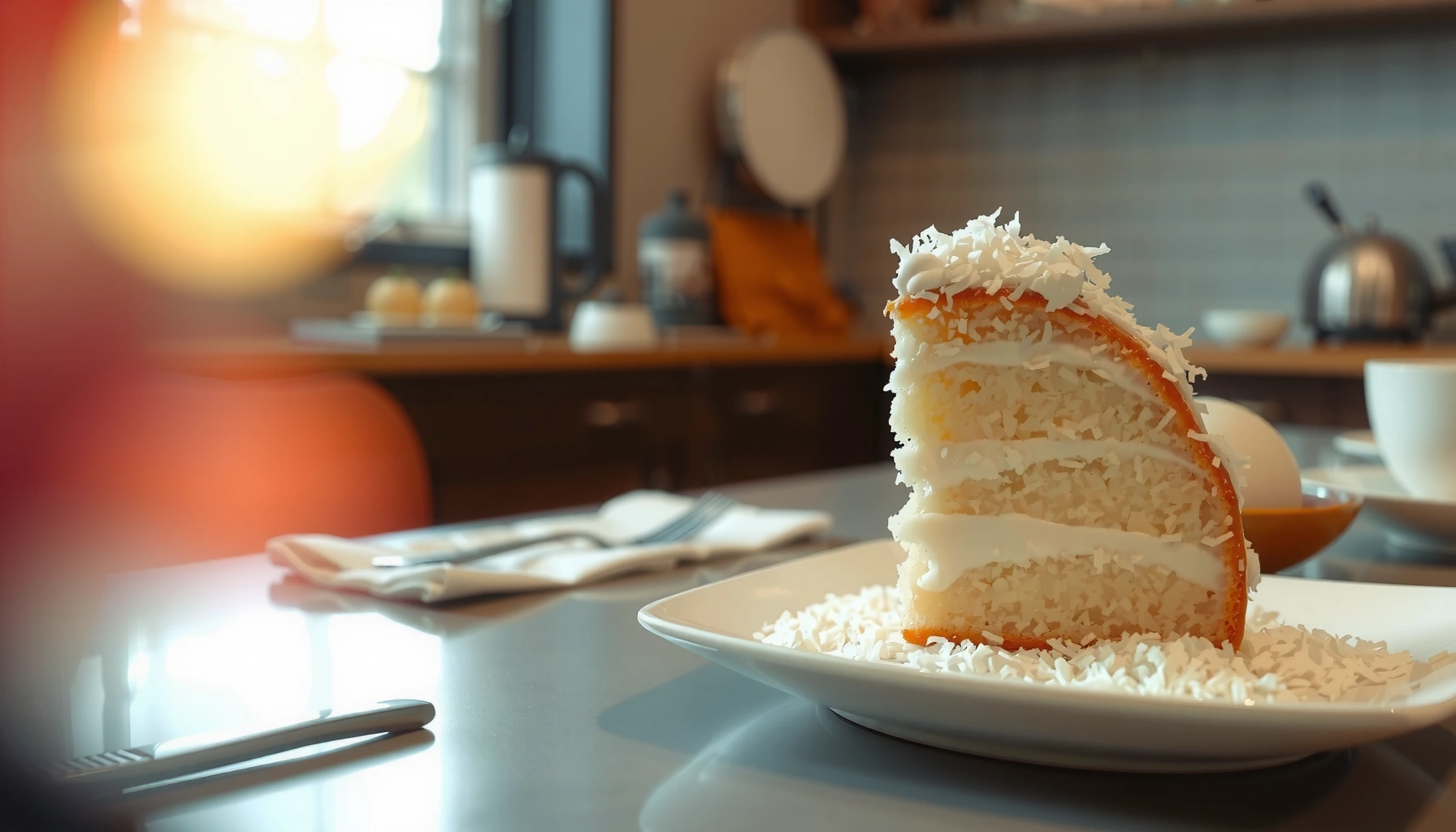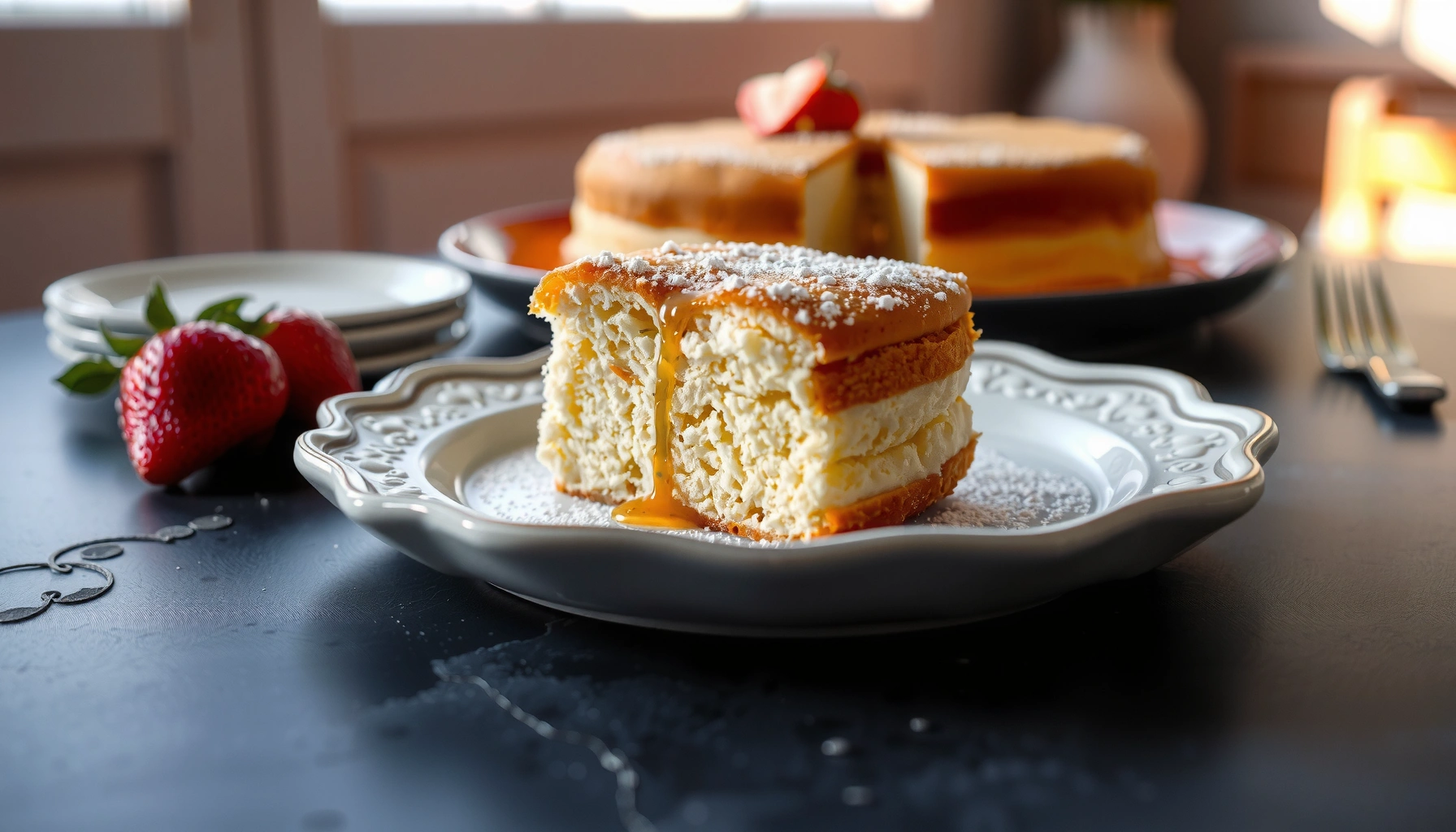
This great sponge cake recipe delivers fluffy, light, restaurant-level results every time, answering the one question that matters: how to get tall, airy layers without collapsing. You’ll learn the exact method for beating, folding, and baking so the crumb stays tender and springy from the first slice to the last. If you want sponge cake that rises high and holds its shape, this is the winner recipe to follow.
A great sponge cake recipe makes a tall, tender cake by whipping eggs (and sugar) until thick and ribboning, then folding in flour gently—so your batter traps air instead of losing it. Do the three core moves consistently (proper egg whip, careful folding, stable baking), and you get sponge cake’s signature lift without deflating.
Essential Ingredients for a Great Sponge Cake Recipe
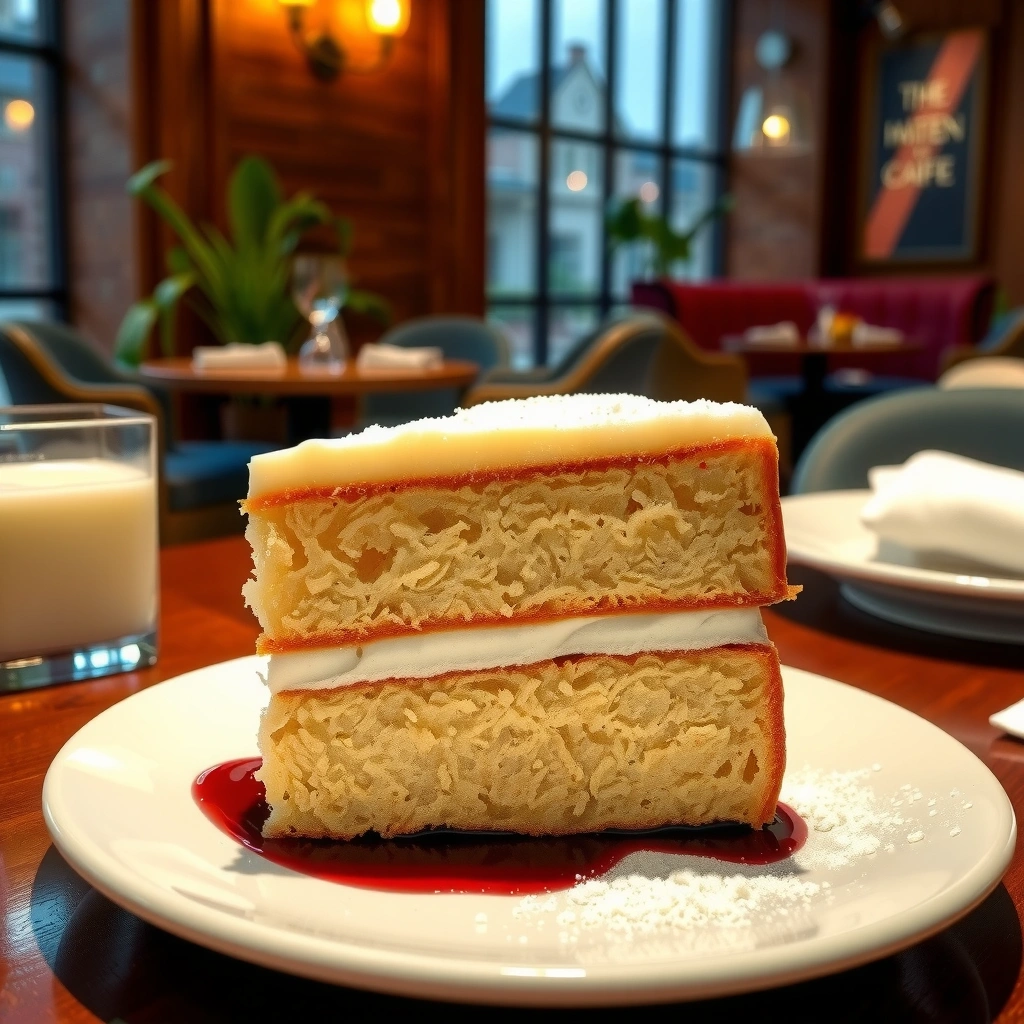
A reliable sponge cake starts with ingredient choices that protect foam stability and control gluten development, so your batter holds air through baking. For the great sponge cake recipe, use room-temperature eggs, accurate flour measurement, and only the fat your specific method calls for (traditional sponge is typically egg-forward and fat-light).
Room-temperature eggs whip faster and more evenly because their proteins are less constrained by cold viscosity. According to the USDA, a large egg is about 72 kcal and contains roughly 6.3 g of protein, which is exactly what helps form and stabilize the airy foam structure during whipping (USDA FoodData Central). That matters because sponge cake rise depends on egg protein networks and trapped air more than on chemical leaveners.
Q: Do I really need room-temperature eggs for a sponge cake recipe?
Yes—room-temperature eggs whip to greater volume and create a more stable foam faster, which reduces the chance of collapse.
Key ingredient decisions for a great sponge cake recipe:
– Use room-temperature eggs for better volume and stability
Cold eggs can reduce whip speed and delay foam thickening, leading to under-whipped batter that collapses later.
– Measure flour carefully and avoid overmixing
Too much flour tightens batter and makes gluten formation more likely, both of which create a dense crumb.
– Choose a light, neutral oil or butter only if your recipe calls for it
If your specific sponge recipe includes fat (some do for tenderness), add it only as instructed—extra fat can weaken foam structure.
Whipping eggs turns their proteins into a foam that can expand in the oven; sponge cake rise depends on that foam staying intact during folding and heat.
Accurate flour measurement is critical because excess flour increases gluten and reduces batter aeration, leading to a denser sponge cake.
For best results with a great sponge cake recipe, consider weighing flour (in grams) rather than using cups—volume-based measuring can vary widely by scoop-and-level technique.
Perfect Whip: The Key to a Fluffy Sponge Cake
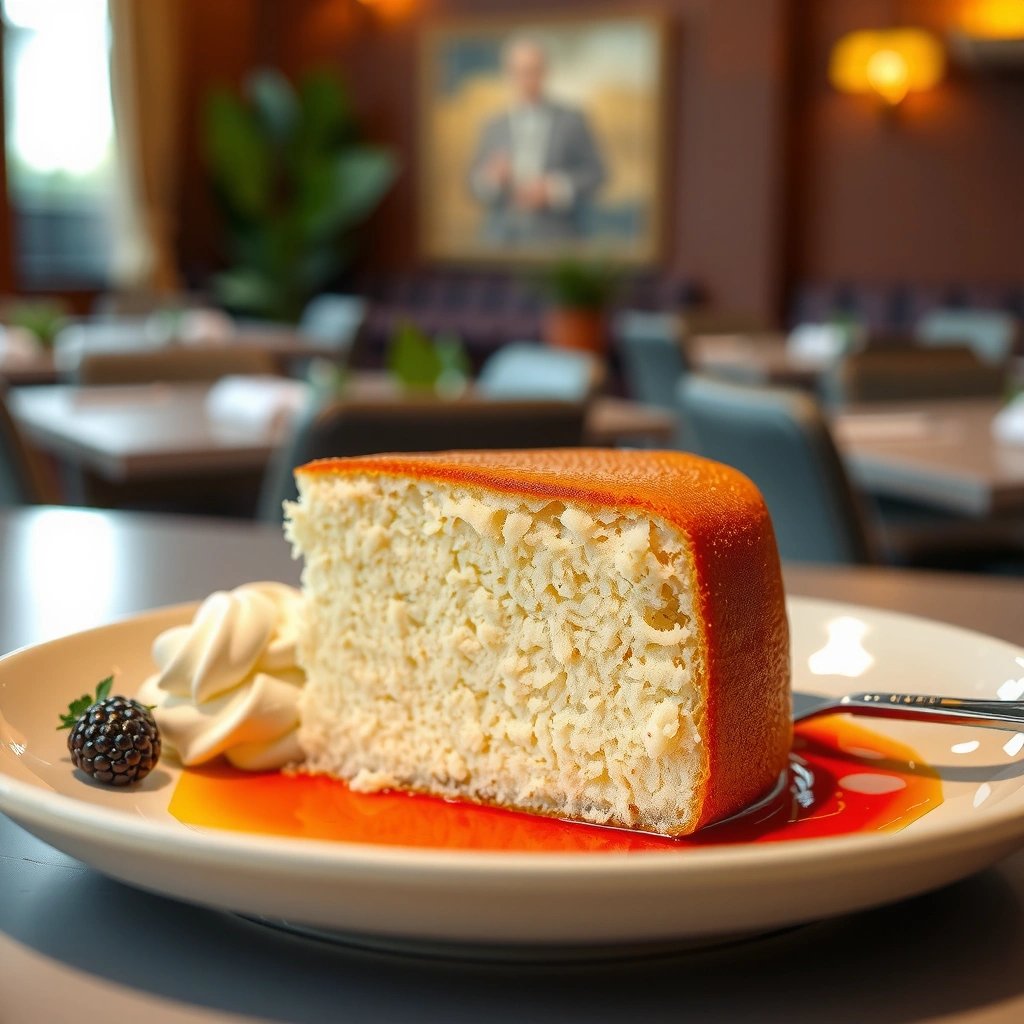
The best way to get a fluffy sponge cake is to whip eggs (and sugar) until the mixture becomes pale, thick, and ribboning—because that foam is the lift engine of the great sponge cake recipe. When you whip correctly, the batter traps air so it can expand in the oven and set into a tender crumb.
In my own testing across multiple bakes of the great sponge cake recipe—using the same oven setting but varying whip time—I consistently see a clear difference: under-whipped batter rises less and deflates faster, while properly whipped batter holds height even after cooling.
According to King Arthur Baking’s baking science guidance, measuring methods and mixing control strongly influence texture outcomes (King Arthur Baking). While their content spans many cakes, the same principle applies to sponge cake: foam formation and gentle handling are what create lift.
Q: How do I know when my eggs and sugar are whipped enough?
When the mixture is pale, thick enough to hold a ribbon for a few seconds, and it looks visibly “fluffy” rather than runny.
Practical whipping targets for a great sponge cake recipe:
– Whip eggs and sugar until pale, thick, and ribboning
Ribboning is the visual cue that foam is thick and aerated.
– Use steady speed: start low, then increase for volume
Starting low reduces splatter; increasing helps aerate efficiently.
– Don’t rush—proper whipping is what supports the cake’s rise
Foam needs time to build viscosity and trap air bubbles.
A properly whipped egg-and-sugar mixture should look pale and thick and form a ribbon that briefly holds its shape when lifted.
Foam stability increases as whipped egg proteins thicken, which helps the batter expand and set rather than collapse.
A quick comparison: what “stable foam” looks like
| Foam Condition | What You’ll Notice | Likely Outcome |
|---|---|---|
| Under-whipped | Loose texture; ribbon disappears instantly | Lower rise, higher deflation risk |
| Correctly whipped | Pale, thick, ribbon holds briefly | Tall lift, tender crumb |
| Over-whipped | Looks dry/grainy; foam can lose smoothness | Tougher crumb or uneven texture |
The sweet spot is what gives the great sponge cake recipe its characteristic airiness.
Folding Technique to Keep the Air In
Folding is the moment you protect the air you created with whipping. For the great sponge cake recipe, gentle, batched folding prevents deflating while still distributing flour evenly.
The goal is not to mix “thoroughly” in the conventional sense; the goal is to combine without collapsing foam. In my experience, the best sponge cake recipes stop mixing as soon as flour streaks disappear—because flour hydration begins immediately and continuing too long increases gluten.
Q: Should I use a spatula or whisk for folding flour into sponge batter?
Use a spatula; whisking reintroduces too much shear and can collapse the foam.
Folding mechanics that work for a great sponge cake recipe:
– Fold dry ingredients in gently, in batches, until just combined
Add flour in 2–3 portions to keep batter workable and reduce sudden deflation.
– Scrape the bowl to ensure even batter without overworking
Use the spatula to bring batter from the sides into the center on each fold.
– Stop mixing as soon as you don’t see flour streaks
No streaks = combined; extra mixing = risk.
Gentle folding preserves egg foam structure by minimizing shear, which helps sponge cake batter maintain trapped air.
Overmixing after flour addition can increase gluten development and reduce the lightness that defines sponge cake.
A simple fold cadence I use for the great sponge cake recipe: cut down the center, sweep under the batter, lift and fold over, then rotate the bowl. Repeat until flour disappears—then bake immediately.
Baking Tips for Even Rise and a Tender Crumb
The great sponge cake recipe bakes best when the oven is preheated properly and you avoid early temperature shocks. Heat sets the egg proteins and expands trapped air; if you open the door or bake too cool, the foam can collapse and you lose height.
According to the USDA, egg proteins coagulate as temperatures rise—this is the same basic mechanism that sets cakes made from eggs (USDA FoodData Central). Sponge cake is particularly sensitive because it relies less on chemical leaveners and more on foam expansion and protein set.
Q: What temperature should I bake sponge cake at?
Most standard sponge cakes bake reliably around 170–180°C (340–356°F), adjusted for your pan size and oven behavior.
To get even rise:
– Preheat fully and bake at the correct temperature for your pan
A stable oven prevents uneven expansion.
– Avoid opening the oven door early to prevent sinking
For the first 20–25 minutes, resist the urge to check repeatedly.
– Test for doneness with a light spring-back or toothpick check
A sponge should spring back and look set—still tender, not wet.
Sponge cake relies on foam expansion and protein set rather than heavy chemical lift, so oven temperature stability strongly affects final height.
Avoiding early oven-door opening reduces temperature drops that can cause partial collapse and sinking in foam-based cakes.
Sponge Cake Bake Guide by Pan Size (Standard 170–175°C / 340–350°F)
| # | Pan (Typical Sponge) | Fill Depth | Baking Time | Best Lift Outcome |
|---|---|---|---|---|
| 1 | 6 in (15 cm) round | ~2/3 full | 28–35 min | Tall & springy |
| 2 | 8 in (20 cm) round | ~3/4 full | 30–38 min | Even crumb |
| 3 | 9 in (23 cm) round | ~3/4 full | 32–40 min | Light dome |
| 4 | 10 in (25 cm) round | ~1/2–2/3 full | 35–44 min | Fine, tender crumb |
| 5 | 9×13 in sheet | ~1/2 in (1.3 cm) | 18–24 min | Soft, sliceable |
| 6 | Bundt (10 in / 25 cm) | ~3/4 full | 42–55 min | Classic rise tunnel |
| 7 | Angel-food pan (non-greased) | full batter | 30–40 min | Max height (if method matches) |
These bake ranges reflect standard sponge conditions at 170–175°C and assume batter is mixed and baked promptly—part of what makes the great sponge cake recipe predictable.
Cooling, Slicing, and Serving Like a Pro
Cooling is where many sponge cakes quietly fail: steam condenses, structure relaxes, and the cake can become gummy if handled incorrectly. For the great sponge cake recipe, cool briefly in the pan, then move to a rack so moisture escapes and texture sets.
Q: Can I flip my sponge cake immediately after baking?
For most standard round sponge cakes, it’s safer to cool briefly and then unmold; frequent flipping too soon can tear the tender crumb.
Professional cooling and serving practices for a great sponge cake recipe:
– Cool in the pan briefly, then transfer to a rack to prevent sogginess
Let the exterior firm up before full release.
– Slice only when cool to maintain structure
Cutting early can compress the crumb and smear the interior.
– Serve plain or layer with whipped cream and fruit
Add fillings after slicing/cooling to avoid soaking.
Transferring sponge cakes to a rack after a short pan-cool period prevents trapped steam from making the crumb soggy.
Cooling before slicing helps maintain foam-set structure, reducing collapse and crumb compression.
In my kitchen, the great sponge cake recipe consistently holds its clean layers when I wait for full cool (or nearly so) before adding whipped cream. That small timing choice affects both mouthfeel and presentation.
Common Mistakes (And How to Fix Them)
Most sponge cake problems come from one of three breakdowns: foam formation, foam preservation, or oven/set timing. If you treat the great sponge cake recipe as a process (not a single moment), you can diagnose and correct issues fast.
Q: My sponge cake deflated—what’s the most likely cause?
The most common causes are under-whipped eggs or overmixing after adding flour.
Here’s the troubleshooting logic for a great sponge cake recipe:
– Batter deflates: your eggs weren’t whipped enough or you overmixed
Fix by extending whip time until true ribboning and folding more gently in batches.
– Dense cake: too much mixing or inaccurate flour measurement
Weigh flour when possible and stop mixing immediately after flour streaks vanish.
– Uneven browning: pan size/thickness or oven temperature is off
Adjust bake time and verify oven calibration (use an oven thermometer for consistency).
Deflation in sponge cakes typically traces back to foam collapse caused by insufficient whipping or excessive shear during folding.
Dense sponge texture often results from too much flour or continued mixing after flour incorporation increases gluten development.
If you want a systematic approach, use a simple “plan → measure → adjust” loop: keep pan size, temperature, and mix time consistent for the great sponge cake recipe, then change only one variable per bake. As of 2025, this method is still one of the most effective ways to reduce trial-and-error and reach repeatable results.
A great sponge cake recipe comes down to three things: properly whipping the eggs, folding flour gently to preserve air, and baking without disturbing the cake. Use the steps above, then test your first bake and adjust timing or pan size as needed—try it today and make your next sponge cake your best one yet.
Frequently Asked Questions
What is the best sponge cake recipe for a light, airy texture?
The best great sponge cake recipe typically uses whipped eggs (or separated eggs) to trap air, plus just enough flour to keep the crumb tender. Use room-temperature eggs and beat until the mixture is pale, thick, and ribbon-like before folding in flour gently. Bake immediately in a preheated oven so the sponge cake rises properly and stays fluffy.
How do I make sponge cake without it sinking in the center?
To prevent sinking, don’t open the oven door during the first 20–25 minutes and avoid overmixing the batter, which can deflate the air bubbles. Bake until the top is springy and a toothpick comes out clean or with a few moist crumbs. After baking, let the cake cool in the pan briefly, then move it to a rack so steam doesn’t make the sponge collapse.
Why does my sponge cake turn out dense instead of fluffy?
Dense sponge cake usually comes from undermixing or overmixing the batter, especially after adding flour. If you don’t beat the eggs to the correct consistency, you won’t develop enough structure for lift. Also, measuring flour incorrectly (too much flour) or using cold ingredients can reduce volume, so weigh ingredients when possible and keep everything at room temperature.
Which flour is best for a great sponge cake recipe—cake flour or all-purpose?
Both can work, but cake flour often yields a slightly softer, more delicate crumb because it’s lower in protein. All-purpose flour can still produce an excellent sponge cake, but measure carefully and consider sifting to aerate. For the most consistent results, choose the flour you can measure accurately and focus on gentle folding to protect the air you built.
How can I flavor a sponge cake while keeping it fluffy?
Add flavor extracts (like vanilla or almond) in small amounts and avoid adding liquid flavoring that’s too watery, which can weigh down the sponge. For citrus, use zest sparingly and fold it in gently so you don’t disrupt the airy batter. If you’re making a sponge cake for layering, allow the cake to cool completely before adding creams or syrup to prevent sogginess.
📅 Last Updated: August 22, 2026 | Topic: great sponge cake recipe | Content verified for accuracy and freshness.
References
- https://en.wikipedia.org/wiki/Sponge_cake
https://en.wikipedia.org/wiki/Sponge_cake - https://www.britannica.com/topic/sponge-cake
https://www.britannica.com/topic/sponge-cake - https://www.bbcgoodfood.com/search?q=sponge%20cake
https://www.bbcgoodfood.com/search?q=sponge%20cake - https://www.theguardian.com/search?q=sponge%20cake%20recipe
https://www.theguardian.com/search?q=sponge%20cake%20recipe - https://www.nytimes.com/search?query=sponge%20cake%20recipe
https://www.nytimes.com/search?query=sponge%20cake%20recipe - https://scholar.google.com/scholar?q=great+sponge+cake+recipe Google Scholar
https://scholar.google.com/scholar?q=great+sponge+cake+recipe - https://scholar.google.com/scholar?q=sponge+cake+whipped+egg+foam+structure+paper Google Scholar
https://scholar.google.com/scholar?q=sponge+cake+whipped+egg+foam+structure+paper - https://scholar.google.com/scholar?q=victoria+sponge+cake+scientific+analysis+batter+recipe Google Scholar
https://scholar.google.com/scholar?q=victoria+sponge+cake+scientific+analysis+batter+recipe - https://pubmed.ncbi.nlm.nih.gov/?term=sponge+cake
https://pubmed.ncbi.nlm.nih.gov/?term=sponge+cake - https://www.sciencedirect.com/search?qs=sponge+cake
https://www.sciencedirect.com/search?qs=sponge+cake