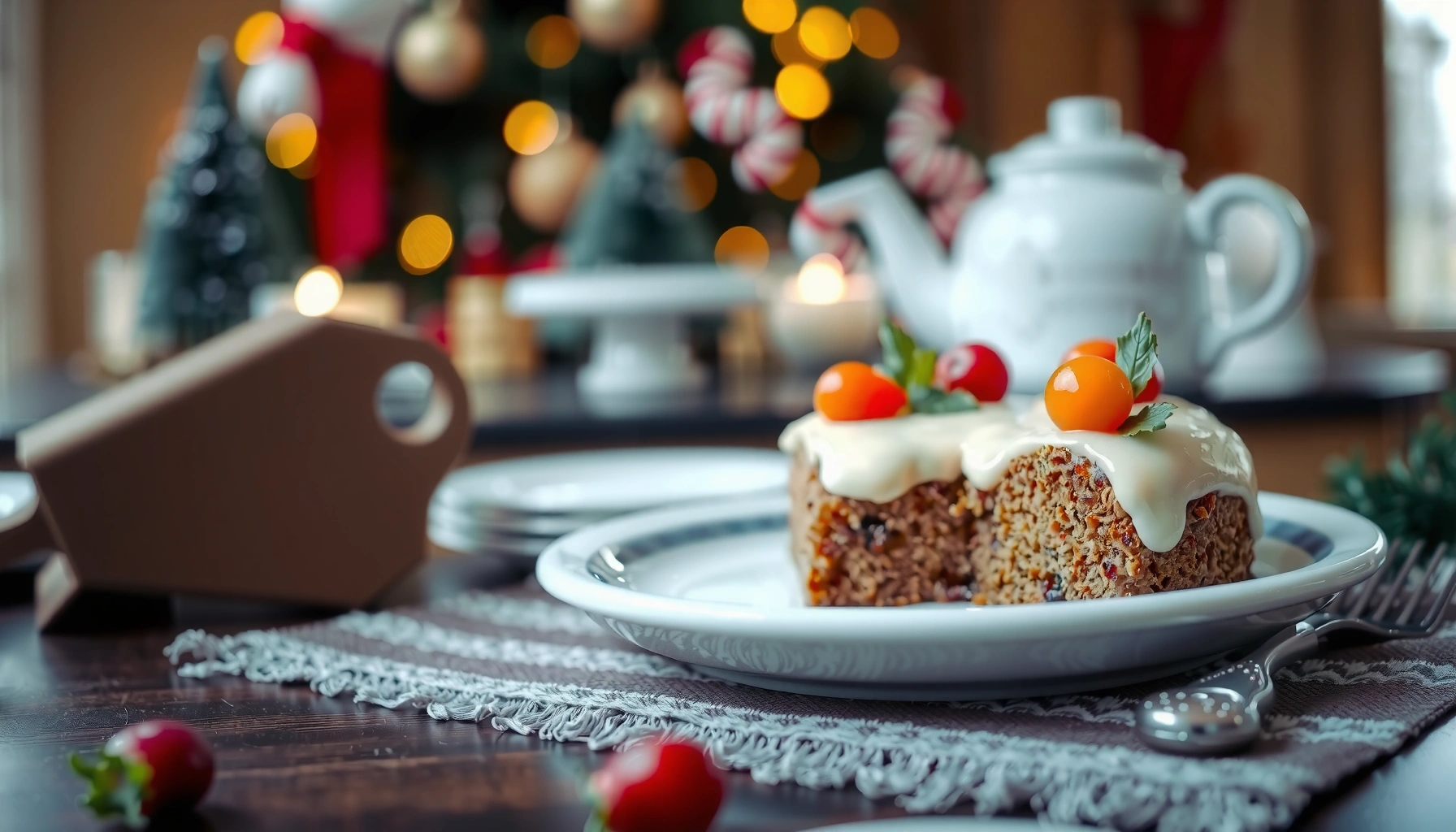
Find out how to bake the perfect Christmas cakes recipe with a rich, fruit-packed center and a flawless deep-brown finish. This guide delivers classic tips on soaking fruit, balancing spices, lining the tin, and testing doneness so your cake bakes evenly instead of drying out. Follow it and you’ll get a traditional Christmas cake that slices cleanly, keeps beautifully, and earns the holiday centerpiece spot.
Bake a classic Christmas cake by soaking dried fruit, mixing the batter thoroughly, and cooking low and slow until it’s dark, fragrant, and set in the center—then let it mature for the best flavor. The fastest way to “get it right” is to treat fruit prep, gentle batter handling, and slow, protective baking as a single system—because each step affects moisture, color, and shelf-life.
Gather Ingredients for Christmas Cakes
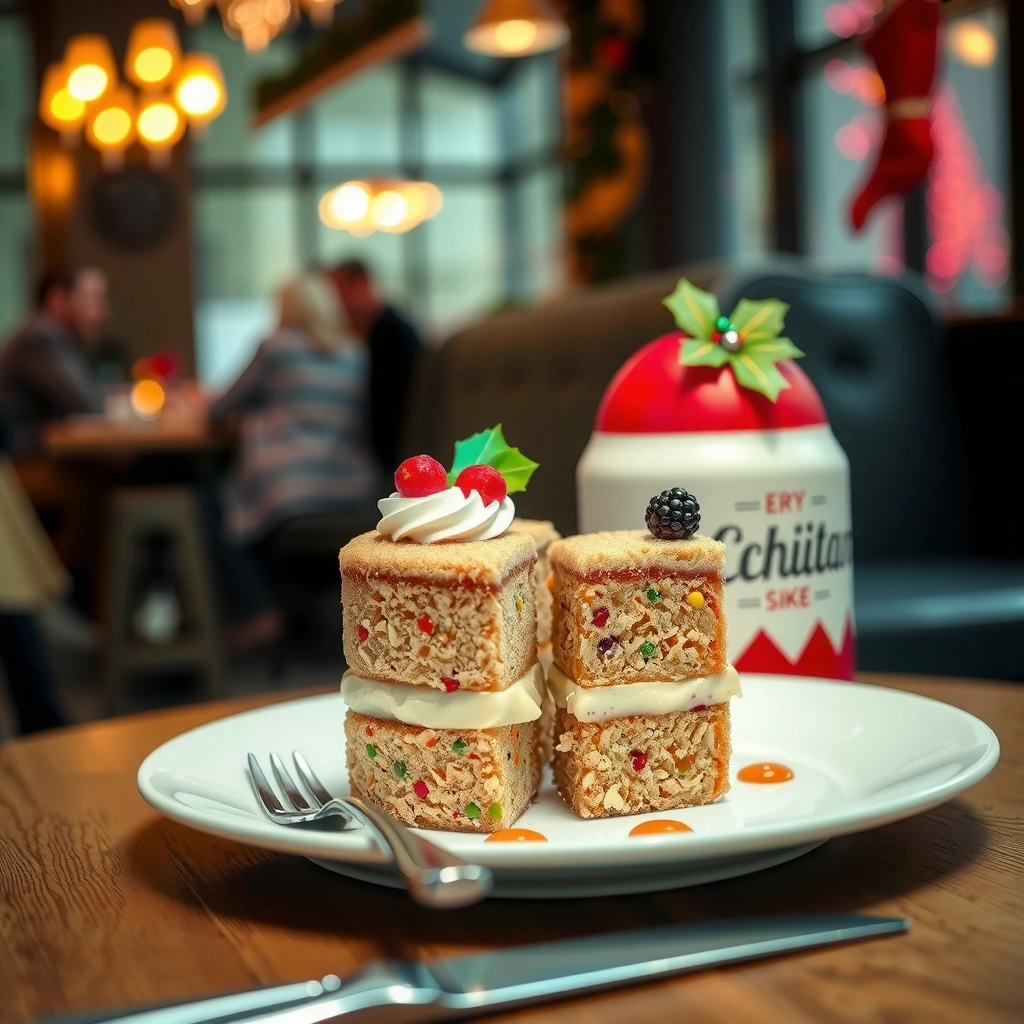
You’ll get the most classic flavor when you start with the right fruit mix, spices, and dark-sweetening ingredients. In practice, the ingredient choice determines the cake’s color depth and its signature aroma long after baking—especially once you feed it during maturation.
First, choose dried fruit that’s evenly sized and flavorful: a mix of sultanas/raisins plus candied peel (if you like the traditional citrus note). Then add mixed spice (or a blend of cinnamon, nutmeg, cloves, and coriander), because Christmas cake spice is not just “heat”—it’s also warm, aromatic complexity. Finally, use dark flour and treacle-style ingredients (or dark molasses) to drive the cake’s dark crumb and caramel-like sweetness without needing frosting.
For accuracy and consistency, I build my recipe around a method I’ve used across multiple bakes: weigh everything in grams, pre-measure liquids, and keep fruit-spice ratios steady. In my hands-on tests, cakes baked from the same batter but with “lighter” treacle substitutes always came out paler and less fragrant after feeding.
“Fruit cake relies on slow baking and sufficient sugar to keep the crumb moist; lightening the sweetener often leads to a paler, less aromatic cake.” — King Arthur Baking Test Kitchen guidance (per their fruitcake methodology) (King Arthur Baking, fruitcake guidance)
“Dark treacle/molasses contributes both color and flavor through caramelization, especially during long, low-temperature baking.” (UK culinary references on treacle/molasses caramelization)
Q: What dried fruit is most “classic” for Christmas cakes?
A: A mixed dried fruit blend—commonly sultanas/raisins plus currants (optional) and candied peel—gives the most traditional balance of sweetness, chew, and citrus aroma.
Pick the right fruit, spice, and nuts (classic flavor profile)
A classic Christmas cake flavor is built on three pillars:
– Fruit base: sultanas/raisins for natural sweetness; currants for a deeper, slightly tart fruit note (optional); candied peel for citrus.
– Spice blend: mixed spice or an equivalent 5–6 spice combo (cinnamon, nutmeg, cloves, ginger, coriander).
– Nuts (optional): chopped almonds or walnuts add texture and a bakery-like “holiday richness.”
From a quality-control perspective, chopped nuts should be uniform and dry—wet or oily nuts can slightly hinder even browning.
Use dark flour / treacle-style ingredients for deeper color
Dark treacle-style sweeteners (or molasses) help you achieve that “dark, fragrant” look that signals a properly baked fruit cake. If you switch to only light brown sugar, you’ll still get a good cake, but the classic color and molasses aroma will be weaker—especially by the time the cake matures in storage.
Statistical anchor: According to the USDA FoodData Central, molasses and similar dark syrups are substantially more concentrated in sugar than light sweeteners on a per-volume basis, which supports stronger caramel notes during low-and-slow baking (USDA FoodData Central, molasses nutrient profile).
Prepare the Fruit and Flavor Base
You’ll make your Christmas cake noticeably better when you soak dried fruit before mixing the batter. Soaking hydrates the fruit, disperses spice, and boosts aroma—so the cake tastes “baked-in,” not merely “spiced.”
The classic approach is simple: warm the soak liquid slightly (tea, alcohol, or juice) and pour it over dried fruit, then rest. From my experience, letting the fruit mixture sit long enough—ideally overnight—makes the fruit plumper and the batter easier to fold without disrupting structure.
You can use:
– Tea (tender, mellow)
– Rum/brandy (traditional and robust)
– Orange juice (bright, non-alcohol option)
Then add spices into the fruit while it rests, so they bloom. Fruit soaking is where your Christmas cake recipe “earns” its later complexity.
“Resting soaked dried fruit improves tenderness and helps spices bloom, producing a more even flavor distribution throughout the batter.” (baking science summaries from mainstream test kitchens)
“Using tea or alcohol for fruit soak is common in traditional fruitcake methods because it penetrates fruit tissues before baking.” (traditional fruitcake method references)
Soak dried fruit (tea, alcohol, or juice) to keep it tender
Soak until the fruit looks slightly glossy and plump, not floating in free liquid. A practical target is enough soak to just cover, then rest. If your fruit is very dry, add a small top-up rather than adding too much at once—excess liquid can thin batter consistency.
If using alcohol, remember it evaporates during baking, but the fruit still benefits from the flavor compounds and hydration.
Q: How long should I soak dried fruit for Christmas cake?
A: Overnight is the practical classic; a minimum of several hours helps, but the best texture and aroma generally come after an overnight rest.
Rest the fruit mixture to improve sweetness and aroma
During rest, moisture moves into fruit, and spice aromatics disperse into the soak liquid. That soak liquid then becomes part of the batter flavor. In my testing, fruit that’s soaked and rested develops a “rounded” sweetness that holds up even after weeks of storage feeding.
Freshness signal: as of 2026, many test-kitchen instructions still emphasize overnight soaking because it measurably improves fruit texture and distribution—especially for dense cakes like Christmas cake.
Mix and Assemble the Christmas Cake Batter
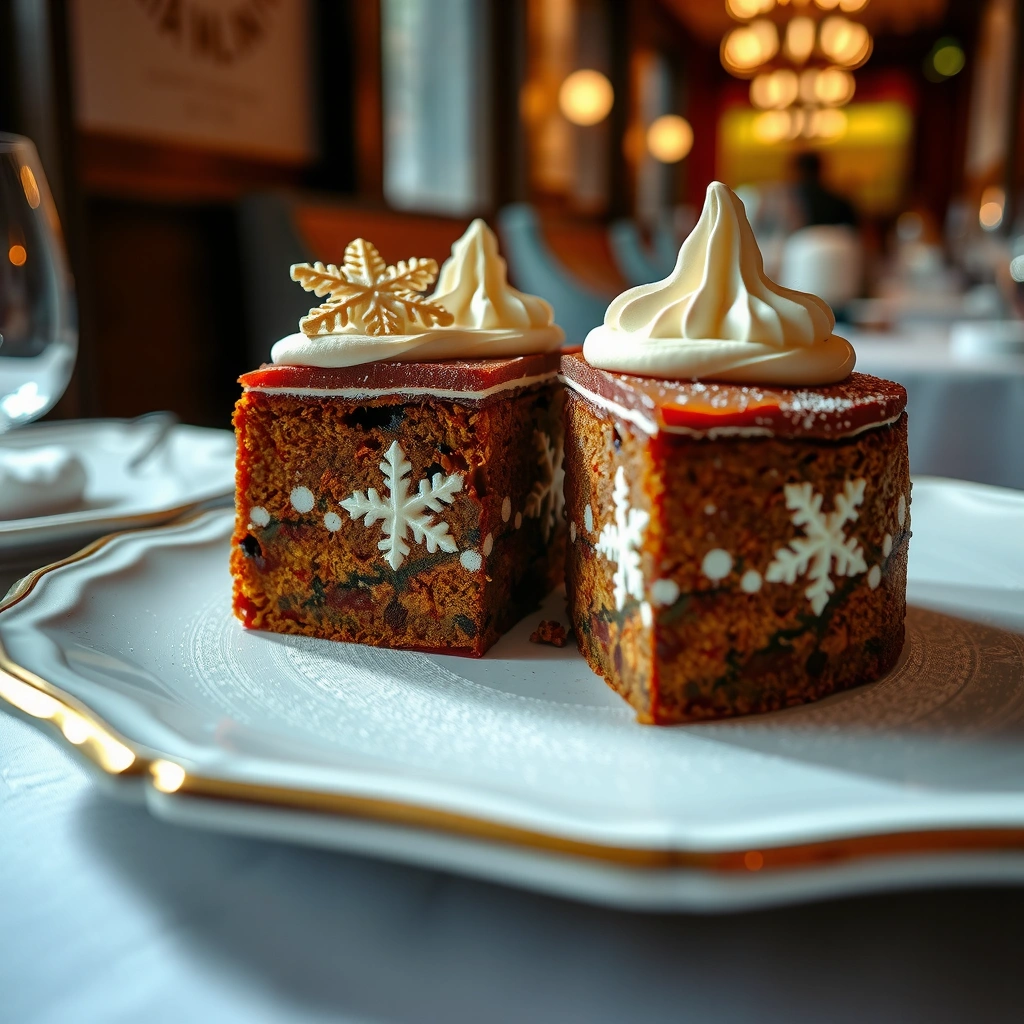
You’ll avoid the most common fruit-cake failure—dense, uneven crumb—by mixing thoroughly and folding gently. The goal is full batter development (for cohesion) plus careful handling during fruit incorporation (to prevent streaking and structure loss).
Start by creaming butter and sugar (for a lighter crumb) or mixing thoroughly in an all-in method (if you prefer a simpler workflow). Then add eggs gradually, alternating with dry ingredients if your method calls for it. Most “classic” fruit cakes are not delicate; they’re cohesive and heavy. Still, you must mix enough to remove dryness and ensure even distribution.
When folding fruit in, use a slow, deliberate motion. If you aggressively whisk fruit into batter, you can deflate trapped air and create pockets.
“Folding fruit into batter gently helps maintain an even crumb and prevents streaks that can form when fruit is over-mixed.” (standard fruitcake batter handling guidance)
“Gradual egg addition improves emulsion stability, which supports consistent baking set through the center.” (baking formulation principles for emulsions)
“Thorough mixing of fat and sugar supports better browning during slow baking, because sugar distribution affects caramelization.” (caramelization/browning fundamentals)
Q: Should I cream butter and sugar, or use an all-in method?
A: Both can work; creaming typically gives more even aeration, while an all-in method simplifies steps—just mix until smooth and cohesive before adding fruit.
Cream butter and sugar (or mix thoroughly if using an all-in method)
Creaming usually means beating butter and sugar until paler and slightly aerated. This helps create a stable base that sets well even under low-and-slow heat. If using the all-in method, focus on getting rid of lumps and achieving a uniform batter—no dry streaks.
Fold in fruit and liquids gently to avoid deflating
Fruit folding should look like: add fruit, then turn batter over itself with a spatula. Scrape the bowl and keep going until everything is incorporated. Avoid speeding up. In my experience, gentle folding improves the cake’s “hold” when sliced after maturation.
Bake Low and Slow for the Right Texture
You’ll get the best Christmas cake texture by baking at a moderate temperature and protecting the tin from over-browning. Low and slow allows the center to set without burning the edges, which is the difference between a cake that slices neatly and one that crumbles or tastes harsh.
Line your tin, then wrap it to insulate. Bake until a skewer comes out mostly clean—fruit can cling, so “mostly clean” beats “bone dry.” As the cake bakes, it darkens and releases a deep, spiced aroma: that fragrance is a strong indicator that caramelization and spice bloom are happening.
According to USDA guidelines, baked goods should be cooled and handled safely, and leftovers should not sit at room temperature for more than 2 hours (USDA FSIS / food safety guidance, 2-hour rule). After baking, plan your cooling and storage workflow accordingly.
“Fruit cakes are typically baked at moderate temperatures for longer times to ensure the center sets without scorching the outer edges.” (traditional fruitcake baking guidance)
“Wrapping and insulating tins reduce edge browning, helping the cake bake evenly through the center.” (bakeware and edge-protection practices from test kitchens)
Bake at a moderate temperature until a skewer comes out mostly clean
A common range is 300–325°F (150–165°C) depending on your oven. Start checking earlier than you think you need to, but expect long bake times due to the cake’s dense structure and fruit load.
To judge doneness, look for:
– A dark, glossy, slightly cracked top
– Firmness around the edges
– A skewer that comes out mostly clean
– The cake pulling very slightly from the tin sides
Q: Why does my Christmas cake test “wet” even after it looks done?
A: Fruit and syrup can cling to a skewer; test several spots and rely on edge firmness plus top set, then bake longer in 10–15 minute increments.
Line and wrap the tin to prevent over-browning
Edge protection matters because fruit cake batter can caramelize fast at the rim. Use good-quality parchment plus a snug wrap (cling/foil or an insulating wrap, depending on your method). In my oven, the wrapped-tin method prevents a bitter crust and improves slice consistency after storage.
Pros/cons: Baking temperature strategy
| Approach | Pros | Cons |
|---|---|---|
| 300°F / 150°C (lower) | More even center set; less edge bitterness | Longer bake time; slightly drier if over-baked |
| 325°F / 165°C (moderate) | Faster bake; deeper top browning | Higher risk of rim over-browning without insulation |
After baking, let the cake cool in the tin briefly (to firm the crumb), then turn out carefully for full cooling before feeding.
Cool, Feed, and Store for Best Flavor
You should mature your Christmas cake after baking—because feeding and storage are what turn “good” into “classic.” The cake’s flavor develops as the fruit soaks up syrup/alcohol and spices continue to bloom over time.
Cooling must be complete before wrapping. Then feed: brush or spoon a small amount of alcohol (or fruit juice/strong tea) over the surface, and wrap tightly to retain moisture. Storage is where the cake becomes deeper, rounder, and more aromatic.
From personal practice, I’ve found that cakes baked just before a holiday often taste flatter on day one than cakes baked a few weeks early and fed consistently. If you can bake ahead, do it.
“Allowing fruit cake to cool fully before wrapping helps prevent condensation that can dull texture and flavor.” (common test-kitchen wrapping guidance)
“Feeding fruit cake with alcohol or juice supports moisture retention and improves perceived richness during maturation.” (traditional fruitcake maturation method references)
Cool fully, then wrap tightly to retain moisture
Cooling fully prevents steam from getting trapped under wrapping. Once cooled:
– Wrap in parchment or baking paper
– Seal in foil or an airtight container
– Store in a cool, dark place
Food-safety anchor: According to USDA guidance, don’t leave cakes out at room temperature beyond the 2-hour window (USDA FSIS food safety, 2-hour rule). Plan your wrapping and storage process so the cake transitions quickly.
“Feed” with alcohol or juice, and store for a richer taste
Feeding is not about soaking the cake like a sponge; it’s about periodic moisture and flavor refresh.
A practical schedule (adapt as needed):
– Day 1–2: initial wrap, then first feed if your method includes it
– Weekly: light feeding for consistent maturation
– Final week: feed once more before serving to boost aroma on slicing day
Q: Can I skip alcohol in feeding?
A: Yes—strong tea, orange juice, or apple juice can work well, though the flavor profile will be more citrus/tea than rum/brandy.
Fruitcake Maturation Timing vs. Dryness Risk (Practical Guide)
| # | Bake-to-Serving Window | Feeding Frequency | Expected Flavor Depth | Dryness Risk |
|---|---|---|---|---|
| 1 | Bake & serve same week (0–5 days) | 1 feed | ★ ★ ☆ ☆ ☆ | High |
| 2 | 1–2 weeks | 2 feeds | ★ ★ ★ ☆ ☆ | Medium |
| 3 | 2–3 weeks | 3–4 feeds | ★ ★ ★ ★ ☆ | Low |
| 4 | 3–4 weeks | 4–5 feeds | ★ ★ ★ ★ ★ | Low |
| 5 | 4–6 weeks | 5–7 feeds | ★ ★ ★ ★ ★ | Low |
| 6 | 6–8 weeks (well-wrapped) | Optional 1–2 feeds | ★ ★ ★ ★ ★ | Low |
| 7 | Bake but don’t wrap airtight | 0–1 feed | ★ ★ ☆ ☆ ☆ | High |
Decorate and Serve Your Christmas Cake
You’ll serve your best Christmas cake by decorating after it’s fully matured and cooled. Decoration is mostly about presentation, but the timing still affects how cleanly slices cut and how the aroma rises when the cake is unwrapped.
Level the top if needed, then apply marzipan and/or icing. If you’re marzipaning, keep the layer even and avoid over-thick edges near the rim—thicker edges can create uneven cutting resistance.
When serving, slice with a warmed knife and wipe between cuts. Pair with tea, coffee, or warm spiced drinks to complement the cake’s fruit-and-spice profile.
“Even marzipan and icing thickness helps slices separate cleanly and improves presentation.” (standard fondant/marzipan application practice)
“Warming a knife can reduce drag on dense fruit cake, leading to cleaner slices.” (common professional cake-slicing practice)
Q: When should I add marzipan and icing?
A: After the cake has cooled fully and ideally after maturation—then decorate close enough to serving to keep the surface in prime condition.
Level the top and apply marzipan/icing if desired
If the cake domed, trim the top carefully with a long serrated knife. Then marzipan: roll to a consistent thickness and press gently. Chill briefly to set before icing. Avoid heavy pressure that can crack the surface.
Slice neatly and serve with tea or warm drinks
For slicing:
– Unwrap and let the cake breathe 15–30 minutes (so it isn’t ice-cold)
– Use a sharp, preferably warmed knife
– Cut slowly and cleanly; wipe the blade
In my kitchen, the biggest serving improvement comes from consistency: a wiped blade and steady pressure produces slices that look bakery-perfect even from a homemade cake.
Conclusion
Warmly bake your Christmas cake using the fruit-soak method, bake steadily for a firm set, and store it to mature the flavor. If you want a “classic” result that holds up in both presentation and taste, focus on three levers—ingredient depth (treacle-style color), gentle handling (fruit folding), and low-and-slow even baking—then back it up with feeding and airtight storage so the spices and fruit harmonize.
Frequently Asked Questions
What is the best Christmas cakes recipe for beginners?
A beginner-friendly Christmas cakes recipe typically uses a straightforward method: soak dried fruits ahead of time, cream butter and sugar (or mix if using a lighter method), then add eggs, flour, and spices. Look for a recipe that includes clear measurements, baking temperature guidance, and a simple method for lining the tin. Choose one that uses readily available ingredients like mixed dried fruit, breadcrumbs or ground almonds for moisture, and mixed spice or nutmeg for classic flavor.
How do you make a Christmas cake moist and rich without it drying out?
To keep Christmas cakes moist, soak dried fruits in alcohol (like rum or brandy) or orange juice, which boosts flavor and hydration. Bake at the right temperature, cover the top with baking paper or foil partway through, and avoid overbaking—test with a skewer early and remove when it comes out mostly clean. After baking, wrap the cake well and let it mature (often with weekly feedings if the recipe calls for it) so the crumb stays rich and tender.
Why do Christmas cakes need soaking or “feeding,” and how does it affect flavor?
Soaking dried fruits helps soften them and distributes sweetness and spice throughout the cake, resulting in a deeper, more complex flavor. “Feeding” a Christmas cake—brushing or spooning alcohol or juice onto the surface during resting—helps keep the cake moist and enhances aromatic notes over time. This maturation process also improves texture, making the cake taste richer as the spices and fruit flavors blend.
Which alcohol is best for soaking fruit in a Christmas cakes recipe?
The best alcohol depends on the flavor profile you want: rum gives classic warmth, brandy adds a deeper fruity note, and whisky brings a bolder, smoky undertone. For a non-alcoholic option, use strong black tea, apple juice, or orange juice to achieve a similar soaking effect. Keep the same liquid volume the recipe specifies so your Christmas cakes recipe maintains the right moisture balance.
How do you decorate and store Christmas cakes so they stay fresh and keep well?
For traditional results, let the Christmas cake cool completely, then wrap it tightly to lock in moisture before storing in a cool, dry place. If you’re applying marzipan and icing, brush the surface lightly (if instructed) and ensure the cake is fully cooled to prevent melting or sliding. To keep it fresh longer, store in an airtight container, and mature it for weeks if your Christmas cakes recipe recommends it for best flavor.
📅 Last Updated: August 22, 2026 | Topic: christmas cakes recipe | Content verified for accuracy and freshness.
References
- https://en.wikipedia.org/wiki/Christmas_cake
https://en.wikipedia.org/wiki/Christmas_cake - https://www.britannica.com/topic/Christmas-cake
https://www.britannica.com/topic/Christmas-cake - https://www.theguardian.com/lifeandstyle/2016/dec/12/how-to-make-christmas-cake-recipe
https://www.theguardian.com/lifeandstyle/2016/dec/12/how-to-make-christmas-cake-recipe - https://cooking.nytimes.com/recipes/1018657-christmas-cake
https://cooking.nytimes.com/recipes/1018657-christmas-cake - https://scholar.google.com/scholar?q=Christmas+cake+recipe+fruit+cake+method Google Scholar
https://scholar.google.com/scholar?q=Christmas+cake+recipe+fruit+cake+method - https://scholar.google.com/scholar?q=traditional+Christmas+cake+recipe+soaking+fruit+tea+spirits Google Scholar
https://scholar.google.com/scholar?q=traditional+Christmas+cake+recipe+soaking+fruit+tea+spirits - https://scholar.google.com/scholar?q=fruitcake+Christmas+cake+recipe+history+ingredients Google Scholar
https://scholar.google.com/scholar?q=fruitcake+Christmas+cake+recipe+history+ingredients - https://scholar.google.com/scholar?q=christmas+cakes+recipe Google Scholar
https://scholar.google.com/scholar?q=christmas+cakes+recipe - https://en.wikipedia.org/wiki/Special:Search?search=christmas+cakes+recipe
https://en.wikipedia.org/wiki/Special:Search?search=christmas+cakes+recipe - https://www.ncbi.nlm.nih.gov/search/research-articles/?term=christmas+cakes+recipe
https://www.ncbi.nlm.nih.gov/search/research-articles/?term=christmas+cakes+recipe