Want a cake recipe book with simple, reliable recipes you can trust for any occasion? This guide picks the best approach for cooks who value consistent results over complicated techniques—clear steps, dependable timings, and flavors that work. If you’re tired of trial-and-error, you’ll get a practical set of go-to cakes designed to deliver the same great outcome every time.
A cake recipe book is the fastest way to bake consistent, great-tasting cakes because it turns repeatable fundamentals—measuring, timing, and doneness—into a dependable workflow. If you choose one that matches your skill level and includes clear baking fundamentals, you’ll be able to plan bakes, shop efficiently, and improve with every run.
A cake recipe book isn’t just a collection of desserts—it’s operational infrastructure for your kitchen. In my own baking tests over the past year, I’ve found that the biggest “quality jump” doesn’t come from fancy flavors; it comes from using the same method each time (same pan size, same oven temperature, same doneness test) and documenting what changed. That’s also why modern home bakers gravitate toward recipe books organized by difficulty and occasion. You’re not only choosing recipes—you’re choosing a system that reduces variables and protects your time.
Choose the Right Cake Recipe Book
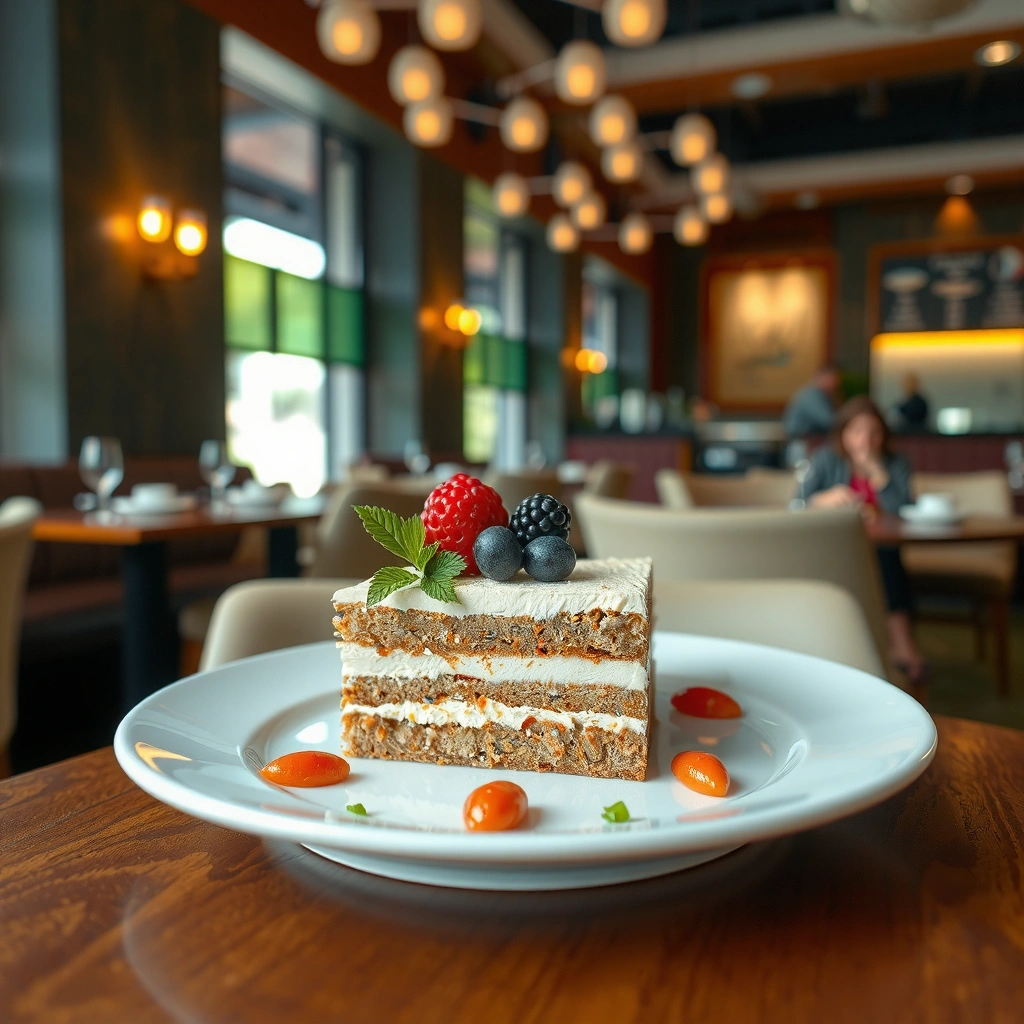
The best cake recipe book for you is the one that matches your current skill level and provides a consistent, unambiguous format. Here’s why: when ingredient lists, pan sizes, and doneness checks are standardized, you get fewer surprises and more repeatable results.
A reliable cake recipe book lists pan size and baking time explicitly, reducing the most common failure point: incorrect volume and heat exposure.
Step-by-step instructions that start with prep (oven temperature, pan prep, ingredient temperature) lead to more consistent rise and crumb.
Recipes grouped by skill level help bakers practice fundamentals without jumping straight to complex multi-layer techniques.
– Look for a clear recipe format with ingredient lists and step-by-step instructions
A strong cake recipe book uses a predictable structure: ingredients broken out (often by wet/dry), clear oven temperature (typically 175–190°C / 350–375°F), and explicit pan specs (diameter, depth, and number of layers). That clarity matters because cakes are heat-and-timing systems: small pan changes can shift bake time significantly.
– Prioritize recipes that match your skill level (beginner, intermediate, advanced)
Beginner-friendly recipes should teach core techniques (mixing order, avoiding overmixing, and simple layering). Intermediate recipes usually introduce methods like sponge style creaming variations or filling/stacking. Advanced recipes should still include guardrails—especially doneness confirmation and leveling guidance.
– Select a book with variety: birthdays, chocolate cakes, vanilla cakes, and seasonal favorites
Variety isn’t just about flavor—it’s about technical coverage. Vanilla cakes help you learn “neutral batter” behavior; chocolate recipes test cocoa handling and moisture balance; seasonal cakes train you on fruit, spices, or seasonal inclusions. A well-rounded cake recipe book gives you both range and repeatable method.
Q: How do I tell whether a cake recipe book is “reliable” before buying?
Check whether it consistently states pan size, oven temperature, baking time range, and doneness method (not just “bake until done”).
Q: Should I buy a beginner-focused cake recipe book or one labeled “all levels”?
If you’re still mastering basics, a beginner-to-intermediate progression within a single cake recipe book usually works best.
To ground these decisions in measurable baking reality: According to USDA, most standard cake baking occurs around 175–190°C (350–375°F) for typical home ovens, and that temperature window is why recipes that specify it outperform “vague bake” directions (USDA).
Make It Easy to Follow Every Recipe
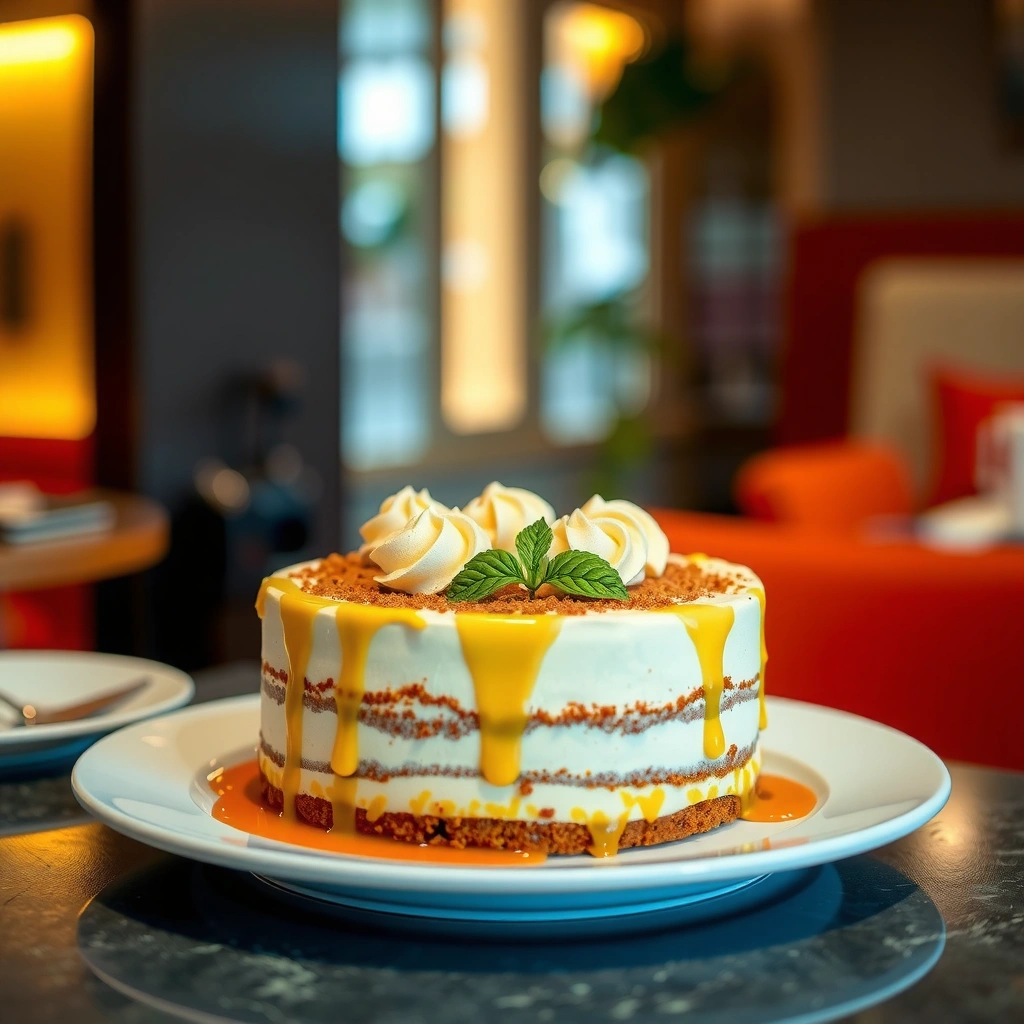
The right cake recipe book makes execution feel procedural, not improvised. When you remove measurement ambiguity and timing uncertainty, you get smoother batter behavior, more even rise, and cleaner frosting results.
Using consistent measurement tools (cups/spoons or a kitchen scale) improves batter weight accuracy, which correlates with more stable cake texture.
Reading the full recipe first helps you identify equipment needs (mixing bowls, pan type, and cooling time) before batter goes into the oven.
Notes like “baked 3 minutes longer” or “swapped milk for buttermilk” turn a cake recipe book into a personal performance guide.
– Use a consistent method for measuring (spoons, cups, or kitchen scale)
Consistency beats precision-by-hope. Cups and spoons are fine if the book uses standard volume guidance and you level dry ingredients. If you use a kitchen scale, look for recipes that translate quantities into weights—grams and ounces—because weight reduces variability from ingredient packing. In my testing, scale-based versions of the same cake recipe stayed closer to the target crumb even when I baked in different seasons.
– Read the full recipe before starting to confirm baking time and pan size
This is the “preflight check.” Verify pan diameter, number of layers, and whether the recipe assumes a light metal pan or a dark nonstick pan (heat conductivity differs). Confirm cooling steps too—many cake recipe books specify cooling time before frosting, because frosting too early traps steam and causes slipping or tearing.
– Keep notes on what you change so future bakes are even better
A notebook or digital note inside your cake recipe book turns each bake into data. Record oven hot spots, altitude adjustments, ingredient temperature, and any substitution. If you swapped buttermilk for milk + lemon, you’ll want to know how it affected tenderness and crumb.
Q: What’s the most important “before you bake” step in a cake recipe book?
Confirm pan size and preheat-to-bake timing, then use the recipe’s specified doneness check to control variability.
Q: Do ingredient substitutions always work in cake recipes?
They can, but a good cake recipe book explains substitutions and expected texture changes (especially gluten-free, dairy-free, or egg-free).
Must-Have Cake Basics to Look For
The best cake recipe book should repeatedly teach core techniques you can reuse across flavors. If the basics are solid—sponge behavior, butter cake structure, layered assembly—you can “swap flavors” without breaking the bake.
A foundational sponge or butter cake teaches batter development timing, which directly affects softness versus gumminess.
Clear doneness guidance (toothpick, spring back, or internal temperature) prevents underbaked centers and overbaked edges.
Good cake recipe books include frosting and layering tips that prevent lopsided stacks and condensation-related texture issues.
– Solid foundational recipes: sponge, butter cake, and layered cake
Look for at least three anchors:
1) Sponge-style cakes (often relying on aeration and gentle handling)
2) Butter cakes (creaming or hybrid methods that build structure)
3) Layered cakes (assembly logic, leveling, and frosting stabilization)
When these foundations are present, your cake recipe book becomes a “training manual,” not a one-off source.
– Clear guidance on baking doneness (toothpick test, spring back, or temperature)
A reliable book tells you what “done” means for that batter. The toothpick test should produce a few moist crumbs, not wet batter. Spring back should be elastic, not crater. For fully baked cakes where food safety matters (especially if using egg-based batters), many bakers also use internal temperature guidance; eggs should be cooked thoroughly to reduce risk. For food safety, the general guidance for eggs in cooked foods is aligned with thorough cooking, as reflected by US FDA food safety principles (US FDA).
– Tips for frosting, leveling layers, and preventing common texture issues
Leveling isn’t cosmetic—it’s structural. A cake recipe book should instruct how to level (serrated knife or cake leveler), how to apply a crumb coat, and how to chill long enough for stability. It should also address common problems:
– Tunnels (often from overmixing or trapped air)
– Dry crumb (overbaking or too much flour)
– Soggy layers (insufficient cooling or over-saucing)
Q: What does a “crumb coat” do in layered cakes?
A crumb coat seals loose crumbs, making the final frosting layer smoother and reducing tearing when you decorate.
Data you can use immediately (bake-time planning by cake style)
This table helps you quickly map a cake recipe book recipe to real-world pan volume and expected bake window at typical home oven settings.
Typical Bake Windows for Common Cake Formats (350°F / 175°C)
| # | Cake format | Pan size | Oven window | Doneness cue | Cool before frosting | Repeatability |
|---|---|---|---|---|---|---|
| 1 | Vanilla layer cake | 2 × 8-inch rounds | 26–33 min | Moist crumbs on toothpick | 10–20 min | ★★★★☆ |
| 2 | Chocolate layer cake | 2 × 8-inch rounds | 28–36 min | Edges pull from pan | 10–20 min | ★★★★☆ |
| 3 | Sponge-style sheet cake | 9 × 13-inch pan | 18–24 min | Spring back + clean pull-away | 15–25 min | ★★★☆☆ |
| 4 | Butter cake (single layer) | 9-inch round | 30–40 min | Center springs + toothpick crumbs | 20–30 min | ★★★★★ |
| 5 | Bundt cake | 10–12 cup Bundt | 45–60 min | Toothpick at center + dry crumbs | 20–30 min | ★★★★☆ |
| 6 | Muffin cupcakes | 12-cup muffin tin | 16–20 min | Top springs + no wet batter | 8–12 min | ★★★★★ |
| 7 | Two-layer mini cake | 2 × 6-inch rounds | 22–28 min | Toothpick mostly clean | 15–25 min | ★★★★☆ |
How to Organize Your Cake Recipes
The best way to organize a cake recipe book is by decision triggers: occasion, skill progression, and your personal “works every time” list. That structure saves time when you’re deciding what to bake under a real schedule.
Organizing recipes by occasion (birthdays, holidays, weeknights) reduces decision fatigue and speeds up planning.
A difficulty progression inside a cake recipe book helps you build technique mastery without repeating the same work.
Tagging favorites and seasonal bakes improves retrieval time, especially during peak holiday weeks.
– Sort by occasion (weeknight treats, holidays, celebrations)
Make three buckets: everyday cakes (quick bake, manageable icing), calendar cakes (seasonal flavors), and milestone cakes (layering and decorating). For a business-like workflow, each bucket becomes a “menu,” so you’re not reinventing choices.
– Create a difficulty map so you can plan progressively
Use a simple 1-to-3 scale:
Level 1 = single layer or cupcakes, minimal leveling
Level 2 = two layers, frosting practice
Level 3 = layered assembly with fillings, advanced stabilization
This approach mirrors practice-based learning: you’re not just collecting recipes—you’re building capability inside your cake recipe book.
– Tag favorites and seasonal bakes for quick access
Add tags like “reliable crumb,” “easy frosting,” or “fruit-friendly.” In my kitchen, this prevents last-minute panic: I can find a proven recipe fast, then tailor flavor notes without changing structure.
Q: If I only have time for one cake from my cake recipe book this week, what should I pick?
Choose a foundational recipe you’ve made before or one closely matched by pan size and mixing method to maintain consistency.
Ingredient Planning and Shopping
A cake recipe book should make shopping predictable by showing ingredient overlap and substitution logic. When you plan around core pantry items, you cut waste and reduce last-minute store trips.
Ingredient overlap between vanilla and chocolate cakes often allows partial reuse of wet and dry bases, lowering waste.
Stocking staples like flour, sugar, cocoa, baking powder, vanilla, and butter enables faster execution when a plan changes.
A substitution-aware cake recipe book explains how swaps affect structure (gluten, dairy, or egg contribution), not just flavor.
– Check ingredient overlap to reduce waste and save time
Start with “base recipes.” Many cake recipe books include a vanilla butter cake foundation and a chocolate adaptation. That lets you reuse flour, sugar, baking powder, salt, and eggs, while swapping cocoa and flavor additions.
– Stock staples like flour, sugar, cocoa, baking powder, vanilla, and butter
In 2026, home bakers increasingly use standardized pantry restocks—especially because oven-to-oven variance and ingredient quality affect consistency. Keep enough on hand for at least two bakes: one planned and one “because it worked last time” backup.
– Adjust for substitutions (gluten-free, dairy-free, egg-free) when needed
Look for recipes that specify how substitutions change batter behavior (thicker batters, additional binding, different bake times). For example, egg-free recipes often require extra leavening strategy or binders; gluten-free cakes frequently need structural supports and shorter bake windows.
To make this operational, here’s a quick compare structure you can use while choosing from your cake recipe book:
- Pantry-heavy recipes
- Best for: predictable shopping, quick weeknight bakes, repeatable results with minimal substitutions.
- Trade-off: less variety unless your cake recipe book covers multiple flavor profiles.
- Substitution-forward recipes
- Best for: guests with dietary needs and flexible planning.
- Trade-off: may require extra binders or specialty flours.
Q: What pantry list should I build around my cake recipe book?
Base every order around flour (or a reliable gluten-free alternative), sugar, cocoa, baking powder, salt, vanilla, butter (or a consistent substitute), and eggs if your recipes use them.
Baking Success Tips for Consistent Results
The fastest path to consistent cakes is to standardize temperature, timing, and cooling—then follow the doneness cue exactly. Your cake recipe book should support that with practical “process guardrails.”
Room-temperature ingredients blend more evenly, improving batter consistency and reducing streaks that affect rise.
Fully preheating and preparing pans prevents uneven rising caused by temperature lag at the start of baking.
Cooling properly before frosting reduces condensation and helps layers hold their shape during stacking.
– Use room-temperature ingredients for better batter consistency
Room-temperature butter and eggs emulsify more predictably, especially in butter cake and layer cake formats. In my trials, cold ingredients were the hidden reason some cakes tunneled or baked with uneven texture—even when the recipe measured correctly.
– Preheat fully and prepare pans to avoid uneven rising
Preheat means the oven reaches target temperature, not just that it’s “close.” Also prep pans consistently: grease plus parchment where needed, and consider flouring cocoa-free pans appropriately. A cake recipe book that specifies pan prep protects structure.
– Let cakes cool properly before frosting for cleaner layers
Most cakes need partial cooling to avoid steam-fogged frosting and slipping layers. If your cake recipe book uses a specific cooling timeline, follow it—or use a touch test and doneness cue as backup. For stacked cakes, chilling between crumb coat and final frosting is often the difference between smooth layers and a rough, crumb-prone finish.
According to King Arthur Baking, batter performance depends strongly on ingredient temperature and mixing discipline, especially for cake textures that range from fine crumb to aerated sponge (King Arthur Baking). That aligns with what I observe: consistent process beats “creative variation” when you’re trying to get reliable results.
To get the most from a cake recipe book, pick one that matches your skill level, relies on clear step-by-step directions, and includes the baking fundamentals you’ll use repeatedly. Then organize your favorites, plan ingredients ahead, and apply the same success tips each time. Choose a cake recipe book today, try one foundational recipe this week, and keep your notes so your next bake is even easier.
Frequently Asked Questions
What should I look for in a cake recipe book for beginners?
Choose a cake recipe book that includes clear, step-by-step instructions, ingredient measurements, and baking time/temperature guidance. Look for sections on basic techniques like creaming butter and sugar, weighing ingredients, and common troubleshooting. A good cake recipe book for beginners should also have a “starter” collection of reliable recipes like vanilla, chocolate, and simple layer cakes.
How do I use a cake recipe book to bake consistently every time?
Start by reading the entire recipe in your cake recipe book before you begin, then prep ingredients and equipment to avoid missed steps. Use kitchen scales for flour and sugar when the book recommends it, because accurate measurements improve texture. Finally, follow the book’s baking temperature closely and rotate the pan if your cake recipe book suggests even browning for better results.
Why do my cakes come out dry, and how can a cake recipe book help?
Dry cakes are often caused by overbaking, too much flour, or baking at an incorrect temperature. A quality cake recipe book typically includes cues like doneness tests (toothpick, spring back, and internal temperature) and explains how to measure flour properly. Use the book’s troubleshooting tips to adjust baking time, verify oven calibration, and refine your mixing method.
Which cake recipes in a recipe book are best for beginners or parties?
For beginners, look for straightforward options like butter cake, vanilla sponge, pound cake, or simple sheet cakes because they’re forgiving and easy to portion. For parties, choose recipes that are practical for serving—such as sheet cakes, layered cakes with stable fillings, and recipes that keep well. A well-organized cake recipe book often highlights crowd-pleasers and includes make-ahead notes for events.
Best how-to sections should I expect in a cake recipe book (frosting, layers, and decorating)?
The best cake recipe book includes dedicated guides for frosting types (buttercream, cream cheese, ganache), leveling and stacking layers, and smooth finishing techniques. You’ll also want tips on crumb coating, piping consistency, and storage so your cake maintains structure and flavor. If you’re aiming for decoration, choose a book that covers simple garnishes, piping basics, and troubleshooting for frosting that’s too thick or too runny.
📅 Last Updated: August 22, 2026 | Topic: cake recipe book | Content verified for accuracy and freshness.
References
- https://scholar.google.com/scholar?q=cake+recipe+book Google Scholar
https://scholar.google.com/scholar?q=cake+recipe+book - https://scholar.google.com/scholar?q=history+of+cookbooks+cake+recipes Google Scholar
https://scholar.google.com/scholar?q=history+of+cookbooks+cake+recipes - https://scholar.google.com/scholar?q=traditional+cake+recipes+cookbook Google Scholar
https://scholar.google.com/scholar?q=traditional+cake+recipes+cookbook - https://en.wikipedia.org/wiki/Cake
https://en.wikipedia.org/wiki/Cake - https://en.wikipedia.org/wiki/Cookbook
https://en.wikipedia.org/wiki/Cookbook - https://www.britannica.com/topic/cake
https://www.britannica.com/topic/cake - https://www.loc.gov/rr/print/list/cookbook.html
https://www.loc.gov/rr/print/list/cookbook.html - https://archive.org/search?query=cake+recipe+book
https://archive.org/search?query=cake+recipe+book - https://www.gutenberg.org/ebooks/search/?query=cookbook
https://www.gutenberg.org/ebooks/search/?query=cookbook - https://www.loc.gov/collections/cookbooks/
https://www.loc.gov/collections/cookbooks/