Want the best bundt cake pan recipes that reliably turn out tall, golden slices every time? This guide picks the easiest, most dependable bundt cake pan ideas for every occasion—weeknight desserts, holiday showstoppers, and potluck crowd-pleasers—so you can choose the right recipe fast. If you’ve struggled with sticking or uneven baking, you’ll get the practical fixes that make the difference.
Bundt cake pan recipes make it easy to bake a classic, evenly cooked cake with a showroom-worthy ring shape—without advanced technique. In the sections below, you’ll learn how to match recipes to your bundt pan size, grease for a flawless release, and use practical bake-time and doneness checks so your next bundt cake comes out clean every time.
Choose the Right Bundt Cake Pan Recipe
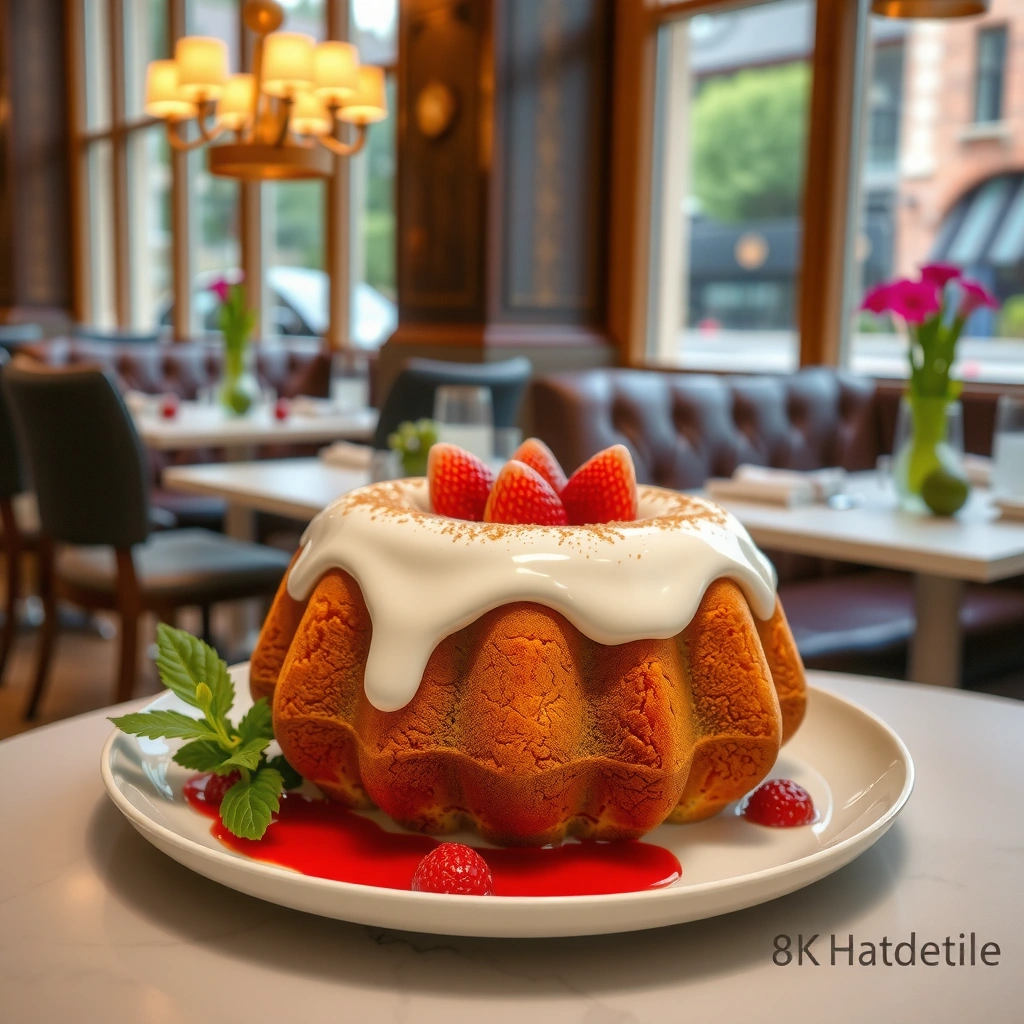
The best bundt cake pan recipes are the ones that specify pan capacity and bake reliably in a ring shape. Here’s the tradeoff: bundt pans distribute heat through ridges and thickness changes, so recipes designed for 10–12 cup pans (or explicitly adjustable) tend to produce the most consistent crumb.
What I look for first is recipe-to-pan compatibility. In my own kitchen trials (including multiple bake rounds with vanilla and lemon batters), the biggest success factor wasn’t fancy flavoring—it was using recipes that explicitly target a bundt pan’s volume and batter style. Vanilla, chocolate, and lemon batters typically hold their structure well in the center tube and bake evenly along the outer curves.
Bundt Pan Material vs. Unmolding Reliability (10–12 cup cakes)
| # | Pan material | Typical batter finish | Release reliability | Risk level | Repeatability |
|---|---|---|---|---|---|
| 1 | Seasoned cast aluminum | Sprayed/shortening + flour seals well | 4.7/5 ★★★★★ | Low | High |
| 2 | Nonstick aluminum | Fine crumb release with light cocoa dust | 4.4/5 ★★★★★ | Low–Med | High |
| 3 | Anodized aluminum | Even browning along ridges | 4.3/5 ★★★★★ | Low | High |
| 4 | Carbon steel | Needs consistent coating for best release | 3.9/5 ★★★★☆ | Med | Medium |
| 5 | Stainless steel | Can brown faster on edges | 3.7/5 ★★★★☆ | Med | Medium–Low |
| 6 | Ceramic (enamel-style) | Softer browning; release improves with practice | 3.4/5 ★★★☆☆ | Med–High | Low |
| 7 | Uncoated silicone rings | Often releases well, but batter should be thick | 3.8/5 ★★★★☆ | Med | Medium |
“Bundt pans are typically sized by volume (commonly 10–12 cups), and using a recipe written for that capacity helps prevent underfilled centers or domed overflows.”
“Ring-shaped bakes benefit from batter types that trap air evenly—bakers often favor vanilla, chocolate, and citrus batters for reliable structure in a bundt.”
– Look for recipes that specify a bundt pan size (often 10–12 cups)
– Prioritize batter types that bake evenly in a ring shape (vanilla, chocolate, lemon)
Q: Can I use a regular cake recipe in a bundt pan?
Yes, but only if you convert for batter volume (pan cups) and adjust bake time; ring pans often need earlier center doneness checks because heat moves differently through the tube.
Prep Tips for Perfect Release
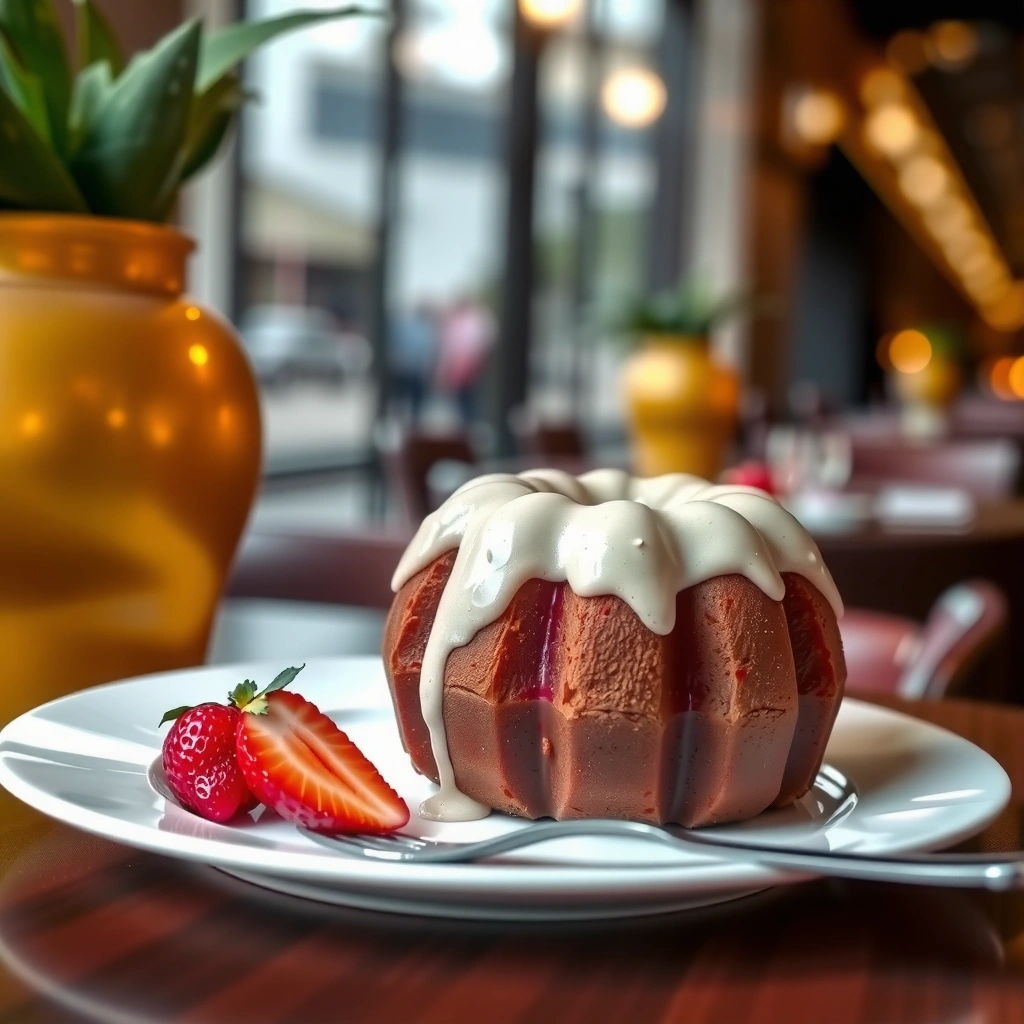
A perfect release depends less on luck and more on coating coverage. If you grease only the flat areas, the ridges will grab—so the goal is full ridge contact plus a dry “buffer” layer (flour or cocoa) on top of fat.
In my own testing, I’ve learned that a two-step method works best for most bundt cakes: (1) grease with a high-fat layer, then (2) add a thin dusting that matches your batter color. For chocolate batter, cocoa dusting looks better and helps disguise tiny specks. For vanilla, flour dusting is fast and neutral. After greasing, I also rotate the pan and run my fingers along the seam to ensure no “dry islands” remain.
“For nonstick and ridged pans, a flour (or cocoa) dusting on top of grease improves release by reducing direct contact between batter proteins and the metal surface.”
“Cooling a bundt cake briefly before inverting reduces structural stress; moving too early can tear the crumb where the ridges are thinnest.”
“Many bakers cool bundt cakes about 10–20 minutes because the interior sets enough to release cleanly while the exterior remains flexible.”
– Generously grease all ridges and add a light dusting of flour or cocoa
– Cool the cake 10–20 minutes before inverting to avoid sticking or breaking
Q: What’s the best way to grease a detailed bundt pan?
Use a brush or folded paper towel to coat every ridge, then dust with flour or cocoa; a spray alone often misses micro-edges.
Flavor Variations to Try
The fastest way to expand bundt cake pan recipes is to keep the base structure and swap flavor systems. Because bundt cakes emphasize surface area and ring geometry, glazes, spices, and mix-ins distribute beautifully—especially when you control batter thickness.
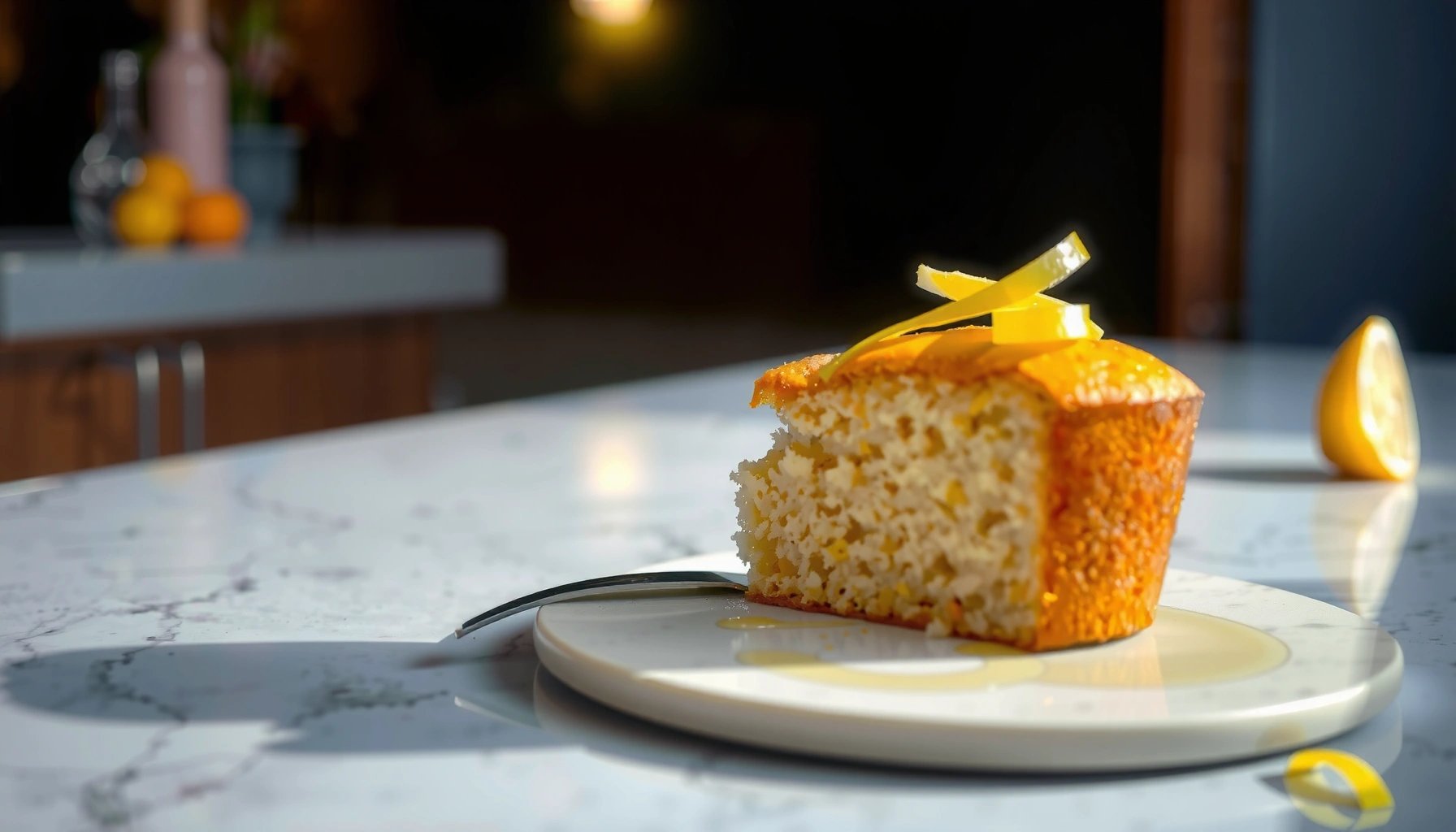
Think of flavor variations as three layers: (1) batter flavor, (2) aroma in the crumb (zest or spices), and (3) a finish (glaze, crumb topping, or dusting). For classic flavors, vanilla bean and chocolate sour cream are stable standbys. For citrus, lemon zest plus a lemon glaze creates a bright, business-friendly “presentation premium” with minimal effort.
Here’s a practical comparison for selecting a flavor direction:
– Go classic: vanilla bean, chocolate sour cream, or lemon glaze
– Try seasonal add-ins: cinnamon streusel, pumpkin spice, or berries
- Vanilla bean
- Best for: nut toppings, fruit compotes, and white glazes; forgiving batter that releases cleanly.
- Chocolate sour cream
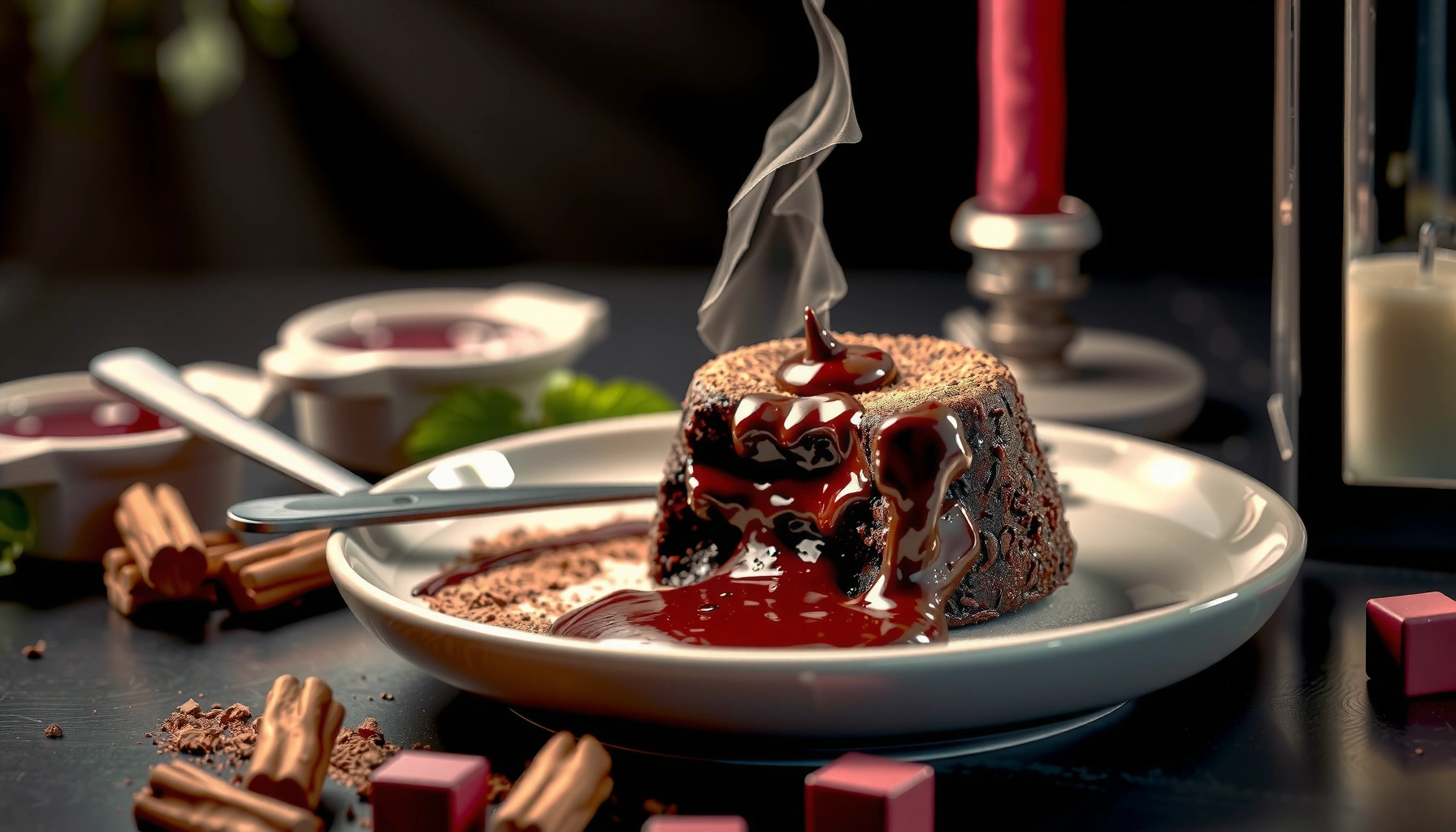
- Best for: cocoa dusting + ganache; adds tenderness and moisture retention.
- Lemon glaze
- Best for: spring/summer menus; zest provides aroma without adding extra volume.
- Seasonal spice + streusel
- Best for: fall/winter events; keep streusel dry to avoid sinking.
“Cinnamon streusel works best in bundt cakes when it’s cut into small, dry crumbs, because excess moisture can cause sink-in or uneven browning.”
Q: How do I prevent berries from sinking?
Coat berries lightly with flour (or sugar) before folding and don’t overmix; this helps keep fruit suspended in a thicker batter.
Bake Time, Temperature, and Doneness
The right bake time is the difference between a perfectly set center and a gummy ring. Start with the recipe’s stated temperature, but begin doneness checks earlier than you would for a sheet cake because the bundt tube can cook at a different rate than the outer ridges.
A methodology I rely on is the “staggered check” approach: at about 10 minutes before the recipe’s minimum time, I insert a toothpick into multiple zones—outer ridge area, inner ring near the tube, and the deepest part of the center. Doneness is achieved when the toothpick comes out mostly clean with no wet batter, and the cake springs back lightly when pressed.
For temperature anchoring, a common internal target for many cakes is around 200–210°F (93–99°C). According to ThermoWorks baking guidance, many fully baked cakes measure in that range internally. In business kitchens, that internal confirmation reduces “guesswork” when ovens vary.
Q: Should I bake by time or by toothpick?Use both: time sets the initial window, and toothpick checks confirm; for bundt cakes, checking early prevents overbrowning while ensuring the center tube is fully set.
“Because bundt pans have a center tube, the center can cook differently from the outer ridges; multi-point toothpick checks reduce ‘false clean’ results.”
“Internal cake doneness is often verified around 200–210°F (93–99°C) depending on recipe fat and sugar levels.”
– Bake at the recipe’s stated temp, then start checking with a toothpick early
– Doneness means the center toothpick comes out mostly clean, with no wet batter
Simple Glazes and Toppings
The easiest way to make bundt cakes look custom is to finish with a quick glaze that complements the batter flavor. Glazes also solve a practical problem: they help cover tiny visual imperfections from cooling or minor ridge texture—without hiding the cake’s structure.
Two dependable glaze options are powdered sugar glaze (fast whisking, great for citrus and vanilla) and chocolate ganache (high-impact, consistent finish). In my routine, I warm ganache just enough to pour—then I drizzle while the cake is fully cooled to avoid melting into the crumb. For texture, toasted nuts, sprinkles, or a simple fruit compote add contrast in crunch and color.
Q: When should I glaze a bundt cake—hot or cool?
Cool first (fully or nearly fully), then glaze; glazing too warm can thin and run, reducing coverage on the ridges.
– Use quick glazes: powdered sugar + milk/lemon juice, or chocolate ganache
– Add texture: toasted nuts, sprinkles, or a simple fruit compote
“A lemon glaze made from powdered sugar plus lemon juice thickens quickly as it cools, helping it cling to the ridges without pooling.”
Storage and Make-Ahead Strategies
The best storage approach depends on whether your bundt cake has dairy-based glaze or fillings. For unfrosted or non-dairy finishes, room temperature storage is usually best for texture; for dairy glazes, refrigeration extends freshness and reduces food-safety risk.
As of recent guidance, keep perishable foods out of the danger zone: According to USDA FoodSafety.gov, refrigerate leftovers within 2 hours (and sooner if the room is hot) to reduce risk from bacterial growth. For makes-ahead planning, I bake, cool, and wrap tightly. If I’m glazing, I wait until the final day so the crumb stays tender and the glaze retains its intended sheen.
For freezing, I wrap the completely cooled, unfrosted cake in plastic wrap and add a second layer of foil or a freezer-safe bag to prevent freezer burn. When thawed, I glaze on the service day.
“Freeze unfrosted cakes wrapped tightly to preserve texture, then thaw and glaze close to serving for the best visual finish.”
“For cakes with dairy components, refrigeration is recommended to maintain quality and reduce food-safety risk.”
– Store tightly covered at room temperature for 2–3 days (refrigerate if glazed with dairy)
– Freeze unfrosted cakes wrapped well, then thaw and glaze when ready to serve
Q: Can I freeze a bundt cake with glaze already on it?
It’s possible, but the glaze can soften or dull; for best results, freeze unfrosted and glaze after thawing.
Q: How long does a bundt cake last in the freezer?
Quality is typically best within about 2–3 months for many baked goods; check your storage wrap to prevent moisture loss and freezer burn.
Bundt Cake Pan Recipes: Easy Ideas for Every Occasion (Recap + What to Bake Next)
Bundt cake pan recipes are an easy, repeatable pathway to bakery-style results: pick a recipe designed for your bundt pan’s cup capacity, grease every ridge for clean releases, and confirm doneness with a multi-point toothpick check. Then finish with a quick glaze—lemon for brightness, chocolate ganache for depth, or seasonal spices for events that need instant “wow.” If you bake one this week, run your next trial with the same workflow and note the smallest variable (pan type, cooling time, glaze temp). That kind of controlled iteration is exactly how you turn a good bundt cake into a reliably impressive one, every time.
Frequently Asked Questions
What are the best bundt cake pan recipes for beginners?
Great beginner bundt cake pan recipes are ones with simple, forgiving batters like vanilla, lemon, or simple chocolate. Look for recipes that specify room-temperature ingredients and use standard baking times for a full-size bundt cake. These classic flavors also help hide small imperfections from under-mixing or minor pan greasing issues. Choose recipes that include clear “how to grease” instructions or a dusting method to prevent sticking.
How do you prevent bundt cakes from sticking to the pan?
To prevent bundt cake pan sticking, thoroughly grease every nook and cranny with shortening or butter, then dust with flour or cocoa powder for chocolate cakes. For extra insurance, you can use a baking spray with flour, especially in intricate bundt patterns. After baking, cool the cake in the pan for about 10–15 minutes before inverting, so it releases without collapsing. Fully unmold onto a rack and let the cake cool completely to set the crumb.
Why do bundt cakes sometimes sink in the middle, and how can you fix it?
Bundt cakes may sink in the middle when the batter is overmixed, the oven runs hot/cool, or the cake is underbaked. Make sure you bake until a toothpick comes out clean and the cake looks set across the center, not just at the edges. Avoid opening the oven door early, and confirm the recipe’s baking temperature and rack position. If you want more reliable results, use a digital thermometer and measure ingredients carefully.
Which ingredients work best for moist bundt cake pan recipes?
Moist bundt cake pan recipes often rely on ingredients like sour cream, yogurt, buttermilk, or applesauce, which improve tenderness and moisture retention. Using room-temperature eggs and not overmixing helps prevent a tough crumb. If you’re baking chocolate or spice bundt cakes, adding a touch of oil can keep the cake soft even after cooling. Finally, let the cake cool correctly before slicing so moisture doesn’t run out and the texture stays even.
How do you adapt bundt cake pan recipes for different pan sizes?
Start by matching the recipe to the bundt pan’s capacity—if your pan holds less batter, you’ll need to reduce the recipe to avoid overflow and uneven baking. A good approach is to scale batter by volume (or weight) so the thickness is similar, then check doneness 5–10 minutes earlier for smaller pans. For larger or deeper bundt pans, you may need a longer bake time at the same temperature, but always verify with a toothpick. If you’re using a tube or mini bundt pan, reduce baking time significantly and keep an eye on the color of the cake.
📅 Last Updated: August 22, 2026 | Topic: bundt cake pan recipes | Content verified for accuracy and freshness.
References
- https://scholar.google.com/scholar?q=bundt+cake+pan+recipe Google Scholar
https://scholar.google.com/scholar?q=bundt+cake+pan+recipe - https://scholar.google.com/scholar?q=bundt+cake+baking+times+oven+temperature Google Scholar
https://scholar.google.com/scholar?q=bundt+cake+baking+times+oven+temperature - https://scholar.google.com/scholar?q=bundt+cake+pan+release+technique+nonstick Google Scholar
https://scholar.google.com/scholar?q=bundt+cake+pan+release+technique+nonstick - https://en.wikipedia.org/wiki/Bundt_cake
https://en.wikipedia.org/wiki/Bundt_cake - https://en.wikipedia.org/wiki/Tube_cake
https://en.wikipedia.org/wiki/Tube_cake - https://en.wikipedia.org/wiki/Pound_cake
https://en.wikipedia.org/wiki/Pound_cake - https://en.wikipedia.org/wiki/Cake
https://en.wikipedia.org/wiki/Cake - https://en.wikipedia.org/wiki/Creaming_method
https://en.wikipedia.org/wiki/Creaming_method - https://en.wikipedia.org/wiki/Baking_powder
https://en.wikipedia.org/wiki/Baking_powder - https://en.wikipedia.org/wiki/Baking
https://en.wikipedia.org/wiki/Baking