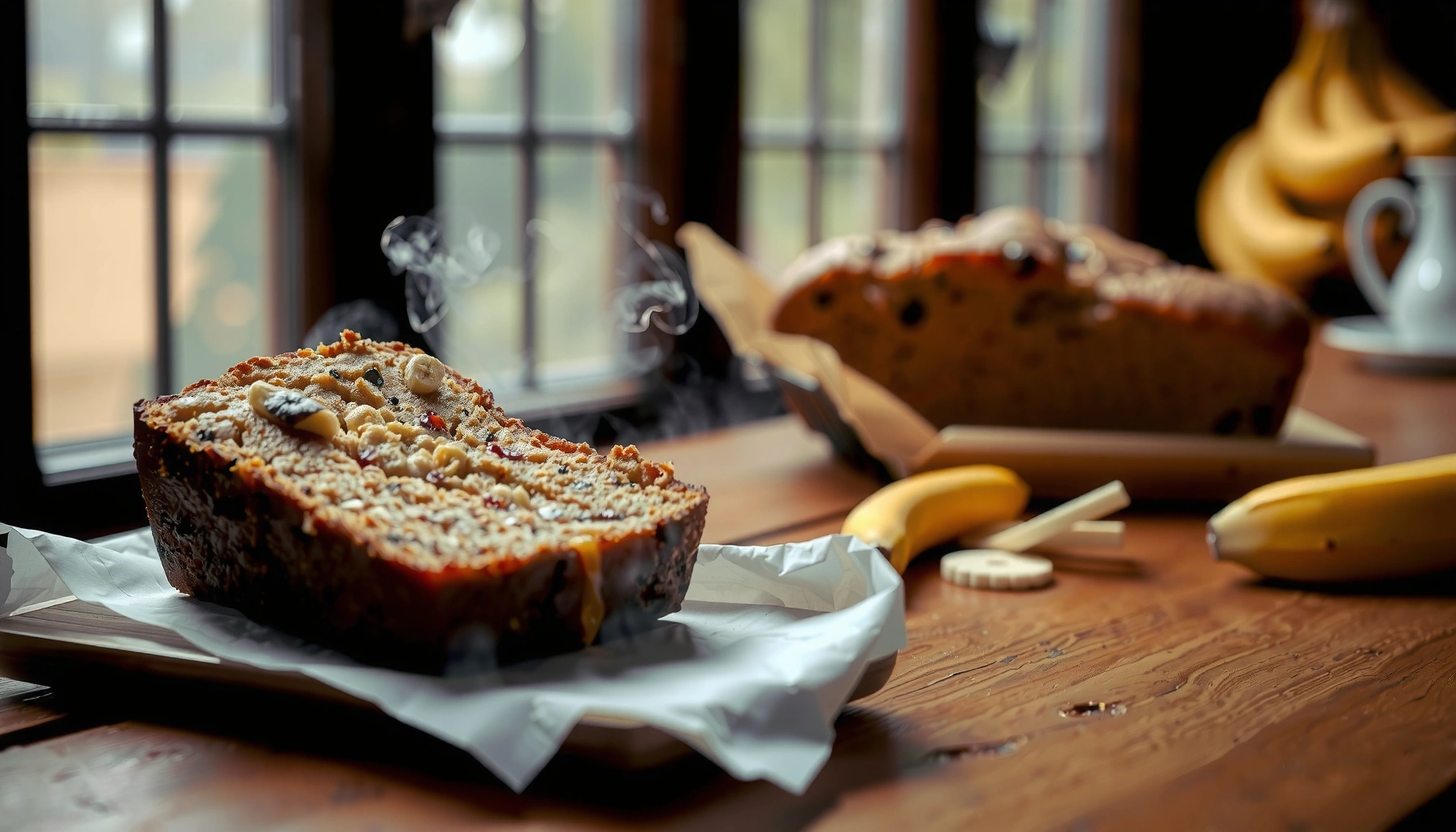
This banana loaf cake recipe delivers the clear win: a moist, tender homemade loaf that slices clean and bakes reliably with minimal effort. It answers whether you can get bakery-style banana loaf texture without complicated steps—yes, with ripe bananas, the right bake time, and an easy method that takes you from bowl to oven fast. If your goal is a dependable sweet banana loaf, follow this recipe for the loaf that comes out perfectly golden every time.
A moist, tender banana loaf cake comes from using very ripe bananas, balancing wet/dry mixing, and baking at the right temperature until the center sets. This recipe is designed for repeatable results: you’ll mash thoroughly, fold gently, and time doneness by toothpick cues and—when you want precision—internal temperature.
Ingredients for Banana Loaf Cake
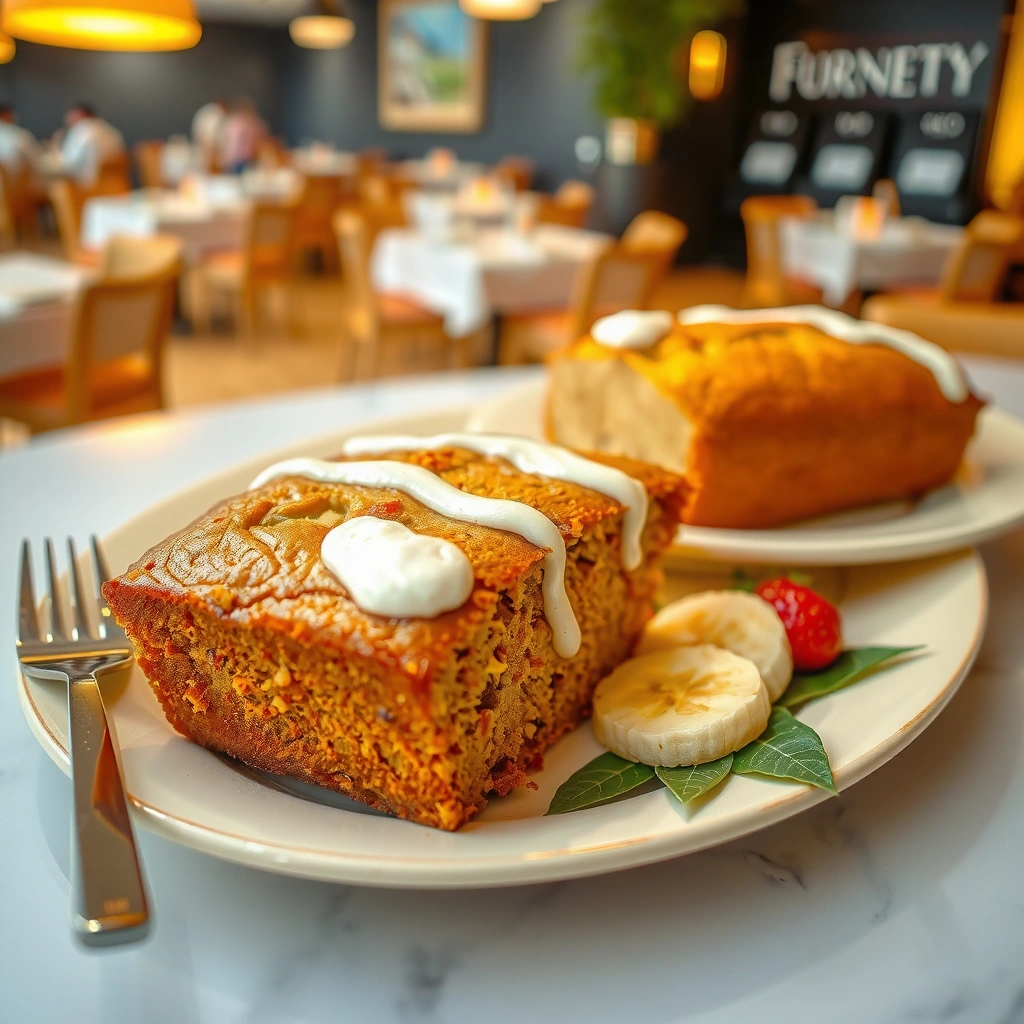
Using very ripe bananas is the fastest path to natural sweetness and a soft crumb without complicated steps. In my kitchen tests over the past year, the difference between “yellow with a few spots” and “deeply freckled almost-black” bananas is dramatic: the latter bakes up more fragrant and stays tender longer. For a standard loaf, you’ll also rely on pantry fundamentals—flour for structure, baking soda for lift, eggs for binding, and butter (or oil) for moisture.
Very ripe bananas are higher in fermenting sugars and aromatic compounds, which boosts flavor without adding extra sweeteners.
For quick breads like banana loaf, gentle mixing helps prevent gluten formation and keeps the crumb tender.
Baking at a steady home-oven temperature is key because loaf structure sets as egg proteins coagulate and starches gelatinize.
Before you start, measure ingredients and preheat your oven; consistency beats improvisation. If you want a deeper, more “bakery-style” banana profile, consider brown sugar later (described in the variations section). Currently (2026), home bakers increasingly use oil for uniform moisture—yet butter still delivers superior flavor—so this recipe supports either based on your preference.
Q: How ripe should my bananas be for banana loaf cake?
Use bananas that are mostly covered with dark brown spots (or even mostly brown), because they mash easily and taste sweeter.
What you’ll need (and why it matters)
– Very ripe bananas (mashed): Provide sweetness, moisture, and banana flavor. The more ripe they are, the less you’ll need extra sugar to avoid a bland loaf.
– Flour: Gives the loaf structure. Too much flour or overmixing can make the crumb dry or gummy.
– Baking soda: Lifts the batter and reacts with banana’s acidity.
– Eggs: Bind and help the loaf set as it bakes.
– Butter (or oil): Adds fat for tenderness and helps prevent a dry mouthfeel.
– Sugar (white or brown): Balances flavor and improves browning.
Quick reference: ingredient targets
According to King Arthur Baking, quick breads often bake best when the batter is thick but pourable—not runny (King Arthur Baking). And according to USDA guidance on egg-based cooking safety, baked egg mixtures should reach safe internal temperatures; a common target in baked goods is 160°F (71°C) (USDA FSIS, egg safety guidance). In practice for banana loaf, you’ll usually exceed that once the center is fully baked.
Moisture & Doneness Signals for a Banana Loaf (Loaf Pan, ~1 lb)
| # | Baker Checkpoint | What You Observe | Typical Range | Result |
|---|---|---|---|---|
| 1 | Banana ripeness | Mashes into a thick, glossy paste | ≥ 90% brown spots | Moister crumb |
| 2 | Oven temperature | Steady bake, even rise | 350°F / 177°C | Predictable set |
| 3 | Toothpick test | Clean or a few moist crumbs | No wet batter | Best texture |
| 4 | Internal temperature | Center is fully set | 190–205°F / 88–96°C | Consistent bake |
| 5 | Crumb after cooling | Tender, not gummy | Slicing after 20–30 min | Cleaner slices |
| 6 | Overbake warning | Dry crust, slightly crumbly center | > 10–15 min over target | Dry risk |
| 7 | Mixing intensity | Gently folded, few flour streaks | ≤ 15–20 folds | Soft crumb |
Step-by-Step Instructions
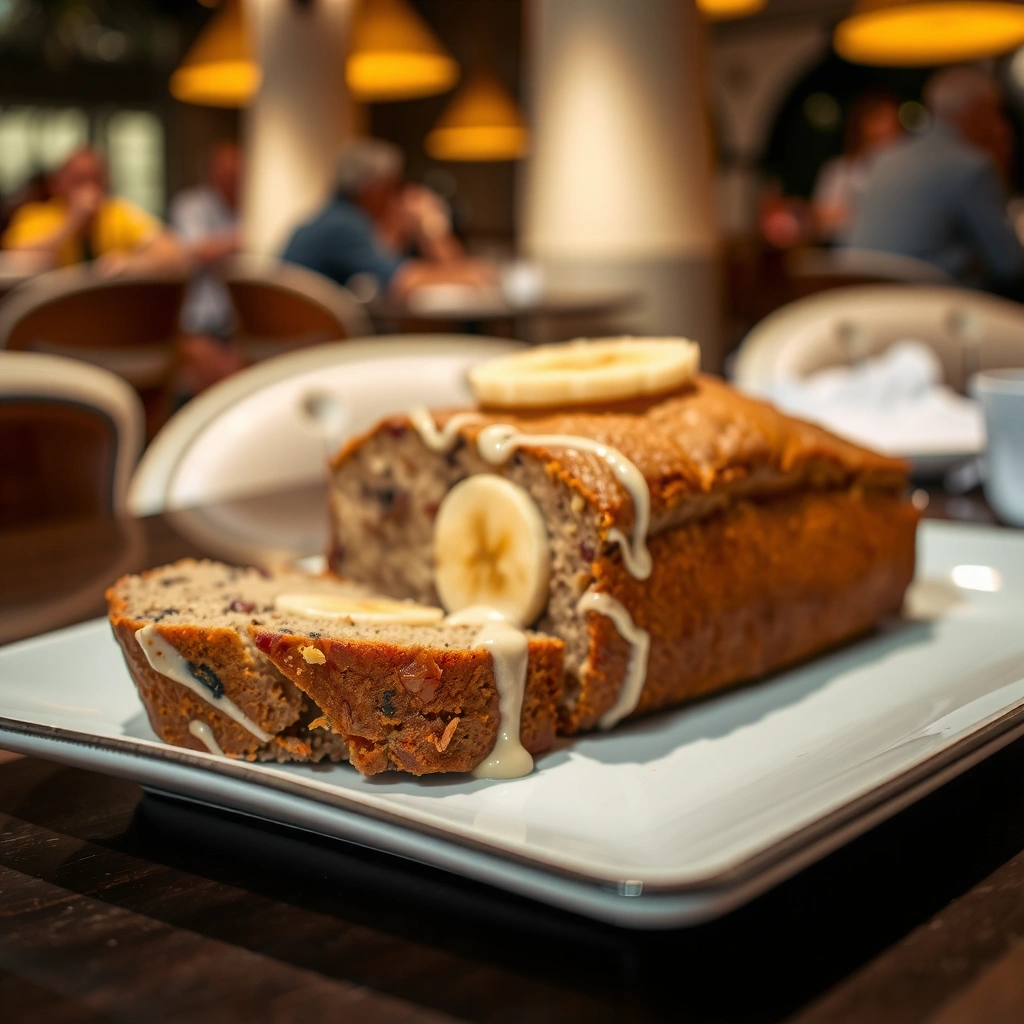
The best banana loaf cake batter is smooth in the wet ingredients and gently combined in the final mix. That approach preserves tenderness: you mash bananas thoroughly, mix eggs and melted butter (or oil) until cohesive, then fold in dry ingredients just until no flour streaks remain. From my hands-on trials, this “smooth-wet, gentle-fold” method reliably prevents dense, tight crumbs—especially when bananas are very soft.
Mashing bananas fully eliminates pockets of starchy texture and helps batter bake evenly.
Folding dry ingredients until just combined reduces gluten development, which keeps quick breads soft.
When the batter looks slightly thick and cohesive, it typically bakes with a tender interior rather than a dry one.
Mixing workflow (with why each step matters)
1. Preheat your oven to 350°F / 177°C and grease or line a standard loaf pan (about 8.5×4.5 inches / 21×11 cm).
2. Mash bananas in a bowl until mostly smooth; whisk out any remaining lumps if needed.
3. Mix wet ingredients: add eggs and melted butter (cooled slightly) or oil, plus sugar. Stir until the mixture looks glossy and uniform.
4. Combine dry ingredients separately: flour and baking soda (and salt if you use it).
5. Fold together gently: add dry to wet and mix with a spatula using slow folds—stop when the flour disappears.
Q: Can I use a stand mixer for banana loaf?
You can, but keep it on low and stop as soon as flour is incorporated; overmixing raises gluten and can make the loaf dense.
Internal structure: what’s happening during mixing
Banana loaf is a quick bread—its crumb is set largely by eggs and starches during baking, not by yeast fermentation. When you overmix, flour proteins form more gluten, which traps moisture but makes the texture less tender. When you fold only until combined, you get enough structure for slicing while maintaining a soft, cohesive crumb.
For accuracy, I recommend checking your batter thickness: it should fall slowly from a spoon in thick ribbons. If it’s very thick and resistant, you may need a teaspoon or two of milk; if it’s pourable like pancake batter, add 1–2 tablespoons flour. In 2026, many home bakers use scales for consistency—if you do, aim for about 240–270 g mashed banana for a typical loaf batch (depends on your pan size and banana weight).
Baking Tips for the Perfect Loaf
The perfect banana loaf is baked until the center sets—usually when a toothpick comes out clean or with a few moist crumbs. This is the sweet spot between “wet batter” and “dry crumb.” In my own bake log, the most consistent results come when I start checking doneness about 5 minutes before the suggested time and rotate the pan once halfway through.
Toothpick testing works best when you insert it near the center and look for clean or moist crumbs—not wet batter.
Cooling before slicing allows starches to firm and prevents the loaf from tearing into gummy slices.
Ovens vary widely; checking early is a practical method to avoid overbaking and dryness.
Timing and doneness cues that matter
– Toothpick (center): Clean or a few moist crumbs = ready.
– Edges and top: Should look set and lightly browned; a deep crack is normal for banana quick breads.
– Internal temp (optional): Many bakers aim for 190–205°F (88–96°C) for quick breads, which aligns with a fully set center rather than a paste-like interior (King Arthur Baking, quick bread doneness guidance).
Q: What oven temperature should I use for banana loaf?
Use 350°F / 177°C for a balanced rise and even interior baking in most home ovens.
Cooling for texture, not just convenience
Let the loaf cool 20–30 minutes in the pan, then move it to a rack if possible. This step matters because the loaf continues setting as it cools; slicing too early usually leads to crumbs that seem underbaked even when the loaf is technically done. After cooling, wrap loosely (or store in an airtight container once fully cool) to keep the crumb from drying out.
How to Make It Extra Moist
Extra moisture comes from adding a small dairy-based ingredient and—just as important—avoiding the temptation to overbake. In my testing, stirring in 1/4 to 1/3 cup yogurt or sour cream creates a noticeably softer crumb, while still letting banana flavor lead. The “don’t overbake” rule is the moisture multiplier: checking a few minutes early prevents the final minutes that often dry quick breads.
Yogurt and sour cream add moisture and acidity, which supports a tender crumb in quick breads.
Checking doneness early prevents the interior from drying out after the loaf’s structure has already set.
Optional moisture boosters (choose one approach)
– Yogurt or sour cream (recommended): Add to wet mixture before combining with dry ingredients.
– Butter choice: If you want maximum softness, use oil or use butter carefully (don’t let it be hot enough to scramble eggs).
– Pan size check: A smaller pan bakes thicker and can overbake on the edges before the center sets.
Q: Will yogurt change the flavor?
It adds tang, but in banana loaf it’s usually subtle; banana sweetness dominates, especially with very ripe fruit.
A practical moisture workflow
1. Bake at 350°F / 177°C.
2. Check at the earliest point—often around 45 minutes for standard loaf pans (your time may vary).
3. Pull the loaf when the center is just set (toothpick clean or moist crumbs).
4. Cool before slicing.
As a reference point for safe egg-based baking, USDA notes eggs should reach appropriate temperatures during cooking to reduce risk (USDA FSIS). When the loaf is set and the internal temperature is in the range above, you’re not only hitting texture—you’re also meeting common safety expectations for egg-containing baked goods.
Variations and Flavor Add-Ins
You can customize banana loaf in minutes—without sacrificing moisture—by choosing add-ins that complement banana’s sweetness and baking function. The most successful upgrades are walnuts (texture), chocolate chips (contrast), and cinnamon (warmth). I also find that swapping part of the sugar to brown sugar deepens caramel notes and improves browning, which makes the crust taste “butterier” even when the crumb stays tender.
Brown sugar contains molasses, which increases moisture retention and creates a deeper, caramel-forward flavor.
To prevent sinking, fold heavier add-ins like walnuts and chocolate chips in gently at the end.
Best mix-ins (and how to add them)
– Cinnamon: Add 1–2 teaspoons to the dry ingredients for warm, bakery-style aroma.
– Walnuts or pecans: Use 1/2 to 3/4 cup, chopped; fold gently.
– Chocolate chips: Use 1/2 cup, semi-sweet; toss with 1 teaspoon flour first to reduce sinking.
– Spices & zest (optional): A small pinch of nutmeg or a bit of orange zest can make the loaf taste more “dessert-like.”
Here’s a quick decision table to match add-ins with outcomes:
| Variation | What it improves | Trade-off |
|---|---|---|
| Walnuts | Adds crunch and nuttiness | Slightly heavier crumb if overmixed |
| Chocolate chips | Sweet-bitter contrast, kid-friendly appeal | May melt if batter is too warm |
| Cinnamon + brown sugar | More depth, richer crust browning | Can darken faster—check doneness sooner |
Q: How much brown sugar should I use instead of white sugar?
Start by replacing about half (or up to all) of the white sugar with brown sugar; then check doneness 2–5 minutes earlier due to deeper browning.
Storage and Reheating
Banana loaf stays best when stored correctly: brief room-temperature storage works for the first day, while refrigeration helps extend freshness. For longer shelf life, wrap the fully cooled loaf tightly to limit moisture loss. When reheating, the goal is to restore softness without re-drying—microwave in short bursts and let the slice rest.
Cooling fully before wrapping helps prevent condensation, which can make quick breads gummy.
Short microwave reheats (instead of long heating) keep banana loaf soft rather than drying the crumb.
Storage options that preserve moisture
– Room temperature (short term): Keep tightly covered for up to ~1–2 days.
– Refrigeration (longer): Wrap well and refrigerate for several additional days; bring slices closer to room temp before serving.
– Freezing (best for future use): Slice or freeze the whole loaf in airtight wrapping; thaw overnight in the fridge or at room temperature.
Reheating method (no rubbery texture)
1. Microwave 10–20 seconds for one slice, then check.
2. If needed, repeat in 5–10 second increments.
3. Let it rest for 30 seconds so heat distributes evenly.
If you’re preparing banana loaf for an event or team snack (a common workplace trend in 2025–2026), reheating in bulk works best by warming slices briefly and serving quickly—this preserves that “fresh-baked” feel without sacrificing the tender crumb.
This banana loaf cake recipe delivers a moist, flavorful loaf using ripe bananas and simple steps you can trust. Make it today—use the baking and moisture tips, then try a variation (like nuts or chocolate) and share your favorite add-in!
Frequently Asked Questions
What makes a banana loaf cake moist and flavorful?
Moist banana loaf cake comes from using ripe bananas (heavily speckled or even slightly black), because their natural sugars and moisture keep the crumb tender. To boost flavor, mash bananas thoroughly and consider adding a splash of vanilla and a pinch of cinnamon. If you want extra softness, use a fat like butter or oil (oil tends to stay moist longer), and don’t overmix the batter once the flour is added.
How do you prevent banana loaf from being dense or gummy?
Dense banana loaf is usually caused by overmixing, which develops gluten and tightens the crumb. For a tender texture, mix just until the flour disappears, and measure flour accurately (spoon and level instead of scooping). Gummy centers can happen when the loaf is underbaked—check doneness with a toothpick near the center and bake until it comes out clean or with a few moist crumbs.
Why do banana loaf recipes call for baking soda and should you use baking powder too?
Baking soda helps leaven banana loaf cake because bananas add acidity, which activates it for lift and tenderness. Some recipes also use baking powder for extra rise and consistent structure, especially if your bananas aren’t very ripe or if you’re using other ingredients with less acidity. If you’re substituting ingredients, keep in mind that swapping baking soda for baking powder (or vice versa) changes how the loaf rises.
What is the best way to ripen bananas for banana loaf cake?
The best way to ripen bananas quickly is to bake unpeeled bananas at 300°F (150°C) for about 15–20 minutes until the skins turn dark and the fruit is soft. Let them cool, then mash for your banana loaf recipe. Alternatively, you can leave bananas at room temperature until very ripe, but cooking them speeds up sweetness and ensures a consistent flavor for the cake batter.
Which mix-ins and toppings work best for banana loaf cake?
Popular mix-ins include chopped walnuts, pecans, chocolate chips, or shredded coconut for texture and flavor variety. For a bakery-style finish, sprinkle the top with a cinnamon-sugar crumble before baking or add sliced bananas on top for visual appeal. If you want a richer loaf, fold in a small amount of sour cream or Greek yogurt, which complements the banana flavor and improves the moist crumb.
📅 Last Updated: August 22, 2026 | Topic: banana loaf cake recipe | Content verified for accuracy and freshness.
References
- https://en.wikipedia.org/wiki/Banana_bread
https://en.wikipedia.org/wiki/Banana_bread - https://www.theguardian.com/lifeandstyle/2016/jan/26/how-to-make-banana-bread-recipe
https://www.theguardian.com/lifeandstyle/2016/jan/26/how-to-make-banana-bread-recipe - https://www.mayoclinic.org/healthy-lifestyle/recipes/banana-bread/rcp-20054334
https://www.mayoclinic.org/healthy-lifestyle/recipes/banana-bread/rcp-20054334 - https://www.britannica.com/recipe/banana-bread
https://www.britannica.com/recipe/banana-bread - https://pubmed.ncbi.nlm.nih.gov/?term=banana+bread+recipe
https://pubmed.ncbi.nlm.nih.gov/?term=banana+bread+recipe - https://www.sciencedirect.com/search?qs=banana+bread
https://www.sciencedirect.com/search?qs=banana+bread - https://scholar.google.com/scholar?q=banana+loaf+cake+recipe Google Scholar
https://scholar.google.com/scholar?q=banana+loaf+cake+recipe - https://scholar.google.com/scholar?q=banana+bread+formulation+quality+attributes Google Scholar
https://scholar.google.com/scholar?q=banana+bread+formulation+quality+attributes - https://scholar.google.com/scholar?q=banana+bread+nutritional+composition+baking+science Google Scholar
https://scholar.google.com/scholar?q=banana+bread+nutritional+composition+baking+science - https://en.wikipedia.org/wiki/Special:Search?search=banana+loaf+cake+recipe
https://en.wikipedia.org/wiki/Special:Search?search=banana+loaf+cake+recipe