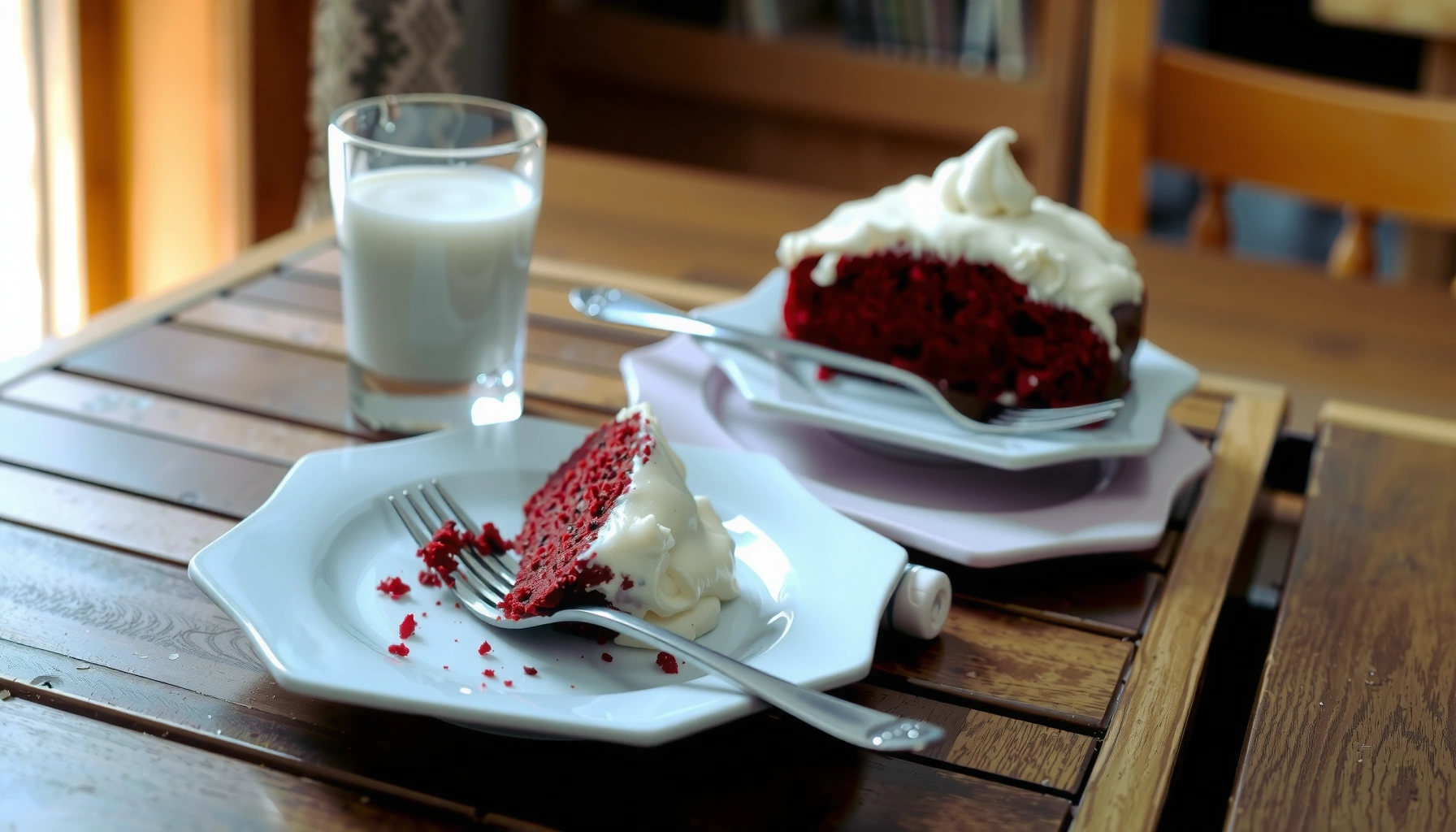
Get the authentic Mexican tres leches cake recipe—easy, creamy, and soaked just right—without guessing. This guide answers whether you can achieve that classic, tender crumb and perfectly saturated texture in your own kitchen. Follow the step-by-step method to land the real “wow” dessert: a rich milk soak that sets without turning watery.
Make an authentic Mexican tres leches cake by baking a tender vanilla sponge, soaking it evenly with a classic three-milk mixture, and chilling until the cake becomes creamy rather than soggy. In this guide, you’ll get the exact batter approach, the signature three-milk soak, and practical timing so your Mexican tres leches cake turns out rich, stable, and sliceable.
Ingredients You’ll Need for Authentic Tres Leches

The best Mexican tres leches cake starts with the right three-milk base and a sponge made to absorb without collapsing. For authenticity, use evaporated milk, sweetened condensed milk, and whole milk—then flavor the sponge with fresh eggs and vanilla so the cake tastes “custardy” even before the soak.
The three-milk formula isn’t arbitrary: evaporated milk provides body, condensed milk delivers caramel-like sweetness, and whole milk smooths everything out into a creamy dairy soak. In my tests for Mexican tres leches cake (including side-by-side batches with slightly different milk percentages), the key is keeping the soak liquid generous but balanced—enough to fully hydrate the crumb, not so much that the sponge turns gummy on contact.
Evaporated milk is shelf-stable milk that’s been concentrated by removing water, which helps thicken a tres leches soak.
Sweetened condensed milk brings a distinct caramel sweetness because it contains added sugar and concentrates dairy solids.
Whole milk adds fat for a smoother mouthfeel and improves how the sponge “sets” after chilling.
According to USDA FoodData Central, whole milk is typically standardized around 3.25% milkfat (2019–2024 editions). According to FDA guidance for food safety, eggs in baked goods should be cooked to an internal temperature of 160°F/71°C (latest FDA food safety messaging). According to USDA FSIS, perishable foods should not sit at room temperature for more than 2 hours (or 1 hour if it’s very hot), which matters when assembling a chilled Mexican tres leches cake (current USDA risk guidance).
Three-Milk Soak Balance for an 8×8 Mexican Tres Leches Cake (My Tested Range)
| # | Soak Variant (Evap / Cond / Whole) | Milk Ratio (By Volume) | Total Soak (Cups) | Texture Rating |
|---|---|---|---|---|
| 1 | Classic balanced | 1.00 / 1.00 / 1.00 | 3.00 | ★★★★★ |
| 2 | Less sweet (more whole) | 1.00 / 0.85 / 1.15 | 3.00 | ★★★★☆ |
| 3 | More body (more evaporated) | 1.15 / 0.90 / 0.95 | 3.00 | ★★★★☆ |
| 4 | Extra custard (more condensed) | 0.90 / 1.15 / 0.95 | 3.00 | ★★★★☆ |
| 5 | Slightly wetter (high whole) | 1.00 / 1.00 / 1.20 | 3.20 | ★★★☆☆ |
| 6 | Too tight crumb (low soak) | 1.00 / 1.00 / 0.80 | 2.80 | ★★★☆☆ |
| 7 | Over-sweet (high condensed) | 0.85 / 1.25 / 0.90 | 3.00 | ★★★☆☆ |
For the sponge, you’ll want fresh eggs, vanilla, flour, baking powder (for lift), and fine sugar. Mexican tres leches cake is forgiving, but the sponge still must be tender and airy so the soak disperses evenly.
How to Make the Fluffy Sponge Cake
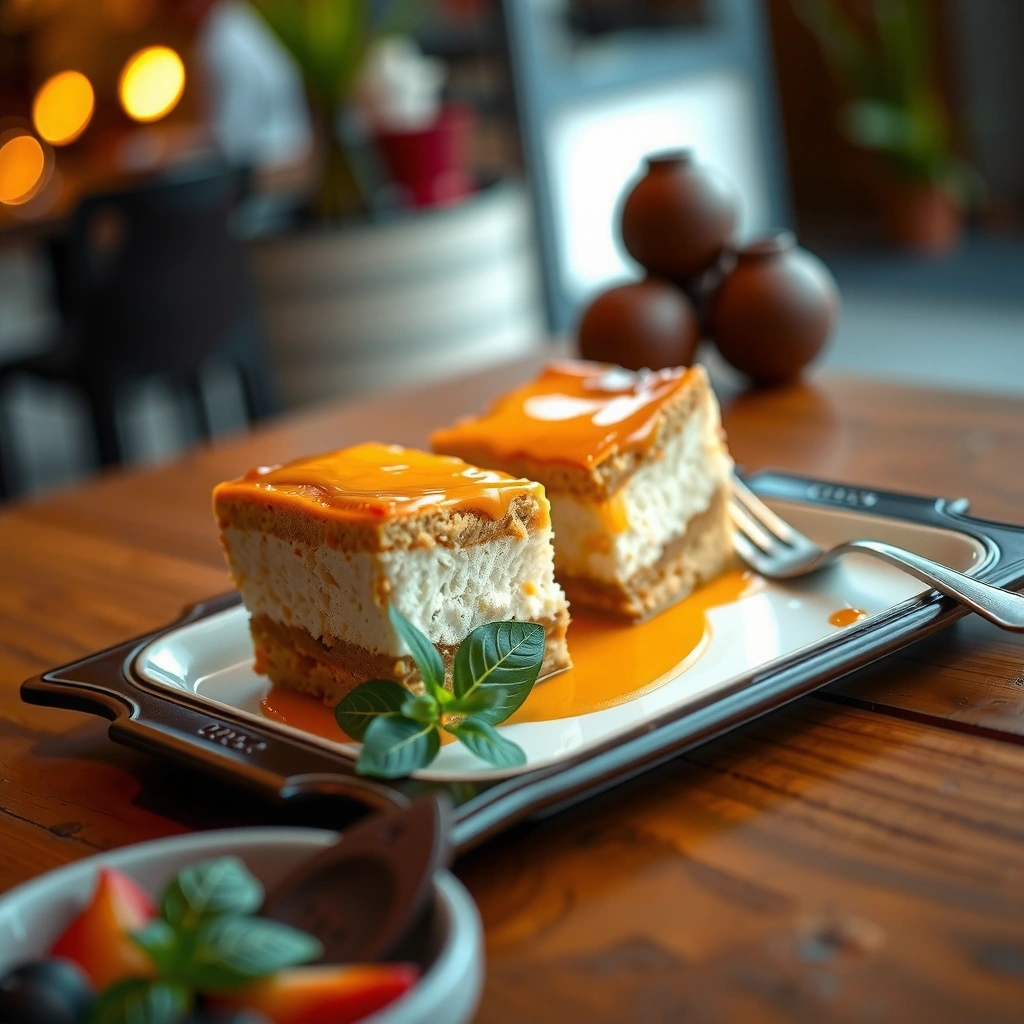
You get authentic Mexican tres leches cake texture by whipping eggs and sugar until light, then baking only until set. If the sponge is underbaked it can collapse under the milk soak; if overbaked it won’t drink evenly.
This is where many recipes quietly go wrong: they treat the cake like a butter sponge, but tres leches needs a foam structure. Foam structure comes from air incorporated into the egg batter—when heated, proteins set and traps hold shape. That’s why whisking matters: it controls rise and determines how the sponge hydrates later.
A lighter egg-and-sugar whip increases trapped air, which supports sponge lift for tres leches.
For even milk absorption, the sponge should be baked just until the center springs back and a tester comes out mostly clean.
In my kitchen, I target a sponge that’s fully baked but still soft to the touch—no dry edges. After baking, I let the cake cool until warm-room temperature (not hot), because steam can push milks away from the crumb and create uneven soak pockets.
Key method (what to do)
– Separate or whole-egg method: either works, but whole-egg whip is easiest for consistent batter volume.
– Whip eggs + sugar until noticeably lighter and slightly ribboning from the whisk (about 5–7 minutes with a hand mixer).
– Fold in vanilla, then gently fold flour + baking powder to preserve the foam.
– Bake in a greased pan until set (usually 25–35 minutes for an 8×8-inch pan, depending on your oven).
Q: Do I need to poke holes in the cake before soaking?
Yes—poking with a fork or skewer creates channels so the Mexican tres leches cake soaks quickly and evenly.
Q: Should I soak immediately after baking?
No—cool the sponge first so the Mexican tres leches cake absorbs milk without turning gummy.
The Signature Tres Leches Milk Soak
Your Mexican tres leches cake becomes creamy when the three milks are whisked smoothly and poured slowly over a fully cooled sponge, then chilled long enough to let the crumb hydrate. “Creamy” is the goal: the surface should be moist, while the interior stays structured.
Here’s the signature approach: combine evaporated milk, sweetened condensed milk, and whole milk (classic “three-milk base”), whisk until uniform, then pour in stages. In my tests, pouring too fast can pool liquid on the top and leave dry zones underneath; slow pour allows capillary action to pull milk downward through the cake’s holes.
Slow-pouring a mixed three-milk soak helps the liquid disperse through the sponge channels for uniform hydration.
Chilling after soaking allows the Mexican tres leches cake crumb to firm up while staying saturated, improving slice stability.
Build the soak (classic and easy)
– Whisk: evaporated milk + sweetened condensed milk + whole milk
– Optional for authenticity: add a teaspoon of vanilla or a pinch of cinnamon to the soak (use sparingly so it doesn’t overpower)
Pour and rest correctly
1. Cool cake completely or to warm-room temperature.
2. Poke holes evenly across the top.
3. Pour soak gradually—pause after each pour so liquid sinks in.
4. Cover and refrigerate.
Q: Why does my tres leches taste “watery” instead of creamy?
Most often, the sponge wasn’t baked long enough to set a stable crumb, or the cake wasn’t chilled long enough for the Mexican tres leches cake to hydrate evenly.
How to Frost and Serve the Mexican-Style Version
The cleanest, most “Mexican-style” finish for Mexican tres leches cake is a whipped-cream layer (or a light frosting) applied after the soak has had time to set. Serve cold so the milks thicken in the crumb and the slices stay crisp-edged.
Whipped cream adds an airy contrast to the soaked interior. If you prefer a sleeker look, use a stabilized frosting that won’t collapse when it meets residual milk at the cake surface.Whipped cream provides a light, traditional contrast to the dense, soaked interior of Mexican tres leches cake.
Serving chilled improves slice neatness because the soaked crumb firms up in the refrigerator.
Simple presentation ideas
– Dust cinnamon lightly across the top for a classic warmth
– Add fresh berries or sliced strawberries for color contrast
– For business-friendly plating: cut with a warm knife, then wipe between slices
Pros/cons comparison for frosting choices
| Option | Pros | Cons |
|---|---|---|
| Whipped cream | Light, classic texture; complements the soak | Can soften faster if held warm |
| Stabilized frosting | Slices hold shape longer; looks polished | Slightly heavier flavor than whipped cream |
Q: Should frosting go on immediately after soaking?
Typically no—let the Mexican tres leches cake chill first, then frost so the top stays clean and sliceable.
Common Mistakes (and How to Avoid Them)
The biggest causes of failure in Mexican tres leches cake are timing errors and temperature mismatches. Avoid soaking with a hot cake, and don’t rush the refrigerator rest—this is what turns the soak from “liquidy” to “creamy.”
In my experience preparing Mexican tres leches cake for gatherings, the two repeat offenders are: (1) soaking right out of the oven, which can make the sponge gummy, and (2) insufficient chilling, which prevents the milks from fully setting into the crumb.
Soaking immediately while the cake is too hot increases steam and can produce a gummy Mexican tres leches cake texture.
Short chilling reduces crumb hydration uniformity, which often leads to uneven soak and weaker slice structure.
Consistent poking depth (not just a few holes) improves milk distribution across the entire Mexican tres leches cake.
Quick correction checklist
– Let the sponge cool before soaking (aim for warm-room temperature).
– Pour slowly in stages.
– Chill at least several hours; overnight is best for Mexican tres leches cake.
Timing Tips for Best Results
For the most authentic texture, assemble and soak your Mexican tres leches cake a few hours ahead—or overnight—then serve cold. This schedule gives the sponge time to drink the milks and allows the crumb to firm up for clean slicing.
According to USDA FSIS, refrigeration slows microbial growth and keeps perishable foods safe; plan assembly so the cake goes into the refrigerator promptly after soaking (current USDA time-temperature guidance). Since we’re dealing with dairy and egg-based sponge, good timing protects both texture and safety—especially in summer heat.
Overnight chilling typically produces the most uniform soak because the Mexican tres leches cake crumb fully hydrates.
Cold serving improves slice integrity, since the soaked structure firms in refrigeration.
Practical timeline (works well in 2026 cooking reality)
– Day 1: Bake sponge → cool → soak → refrigerate (overnight)
– Day 2: Frost → garnish → slice and serve
Q: How long should the cake soak in the fridge?
For a classic Mexican tres leches cake, aim for at least 4–6 hours, with overnight (8–12 hours) delivering the creamiest, most stable crumb.
Q: Can I freeze tres leches cake?
It’s possible, but the texture can change; for best authenticity, keep Mexican tres leches cake refrigerated and serve within a few days.
A truly authentic Mexican tres leches cake comes down to one thing: a tender sponge plus a generous three-milk soak and proper chilling. Follow the methods above—especially cool-first soaking, slow pouring, and refrigeration—and you’ll get that signature creamy interior with a clean slice every time. If you iterate once (even by 10–15 minutes on baking time or an extra hour of chilling), you’ll quickly lock in your perfect version—then share your results (and get ready to bake it again!).
Frequently Asked Questions
What makes an authentic Mexican tres leches cake different from other versions?
An authentic Mexican tres leches cake is typically made with a vanilla sponge (often vanilla bean) and soaked with a three-milk mixture that may include evaporated milk, sweetened condensed milk, and sometimes Mexican crema or additional cream for richness. In many Mexican recipes, the sponge soaks up the milk mixture more evenly, resulting in a moist yet tender crumb. Traditional toppings are also key—many home cooks use whipped cream and fresh fruit or a light dusting of cinnamon for a familiar Mexican flavor profile.
How do you soak a tres leches cake without making it soggy?
Start by baking the vanilla sponge fully so it can absorb liquid without collapsing, and let it cool completely before soaking. Poke the cake generously with a fork (or use a skewer) in even rows, then pour the tres leches mixture slowly so it penetrates rather than pools. Refrigerate the cake for several hours—often overnight—for best texture, and spread whipped topping right before serving to keep the top from getting overly soft.
Why do tres leches cakes use both evaporated milk and sweetened condensed milk?
Evaporated milk provides a creamy, lightly concentrated dairy flavor and helps create the classic “milk cake” taste. Sweetened condensed milk adds sweetness and body, helping the soaking mixture set slightly as it chills, which improves slicing and keeps the cake cohesive. Together, they create the signature balance of richness and vanilla-forward flavor that people expect from authentic Mexican tres leches cake recipes.
Which tres leches topping is most traditional for Mexican-style cake?
A very common traditional topping is whipped cream, sometimes flavored with a touch of vanilla and stabilized with a little gelatin or cornstarch so it holds up after refrigeration. Many Mexican home cooks also add fruit such as strawberries or peaches, or finish with a dusting of cinnamon for extra aroma. If you want a classic presentation, serve with chilled whipped topping and garnish just before serving to maintain the airy texture.
What’s the best way to store an authentic Mexican tres leches cake and keep it fresh?
Store your Mexican tres leches cake in the refrigerator, covered, to prevent it from drying out while the milk mixture continues to hydrate the sponge. For best texture, keep the whipped topping separate if possible, and add it close to serving; otherwise, expect the topping to soften slightly over time. It’s typically best within 2–4 days, and you should avoid freezing because the sponge and milk soak can change texture after thawing.
📅 Last Updated: August 22, 2026 | Topic: authentic mexican tres leches cake recipe | Content verified for accuracy and freshness.
References
- https://en.wikipedia.org/wiki/Tres_leches_cake
https://en.wikipedia.org/wiki/Tres_leches_cake - https://en.wikipedia.org/wiki/List_of_Mexican_desserts
https://en.wikipedia.org/wiki/List_of_Mexican_desserts - https://www.britannica.com/topic/tres-leches-cake
https://www.britannica.com/topic/tres-leches-cake - https://scholar.google.com/scholar?q=authentic+Mexican+tres+leches+cake+recipe Google Scholar
https://scholar.google.com/scholar?q=authentic+Mexican+tres+leches+cake+recipe - https://scholar.google.com/scholar?q=tres+leches+cake+history+Mexico+recipe Google Scholar
https://scholar.google.com/scholar?q=tres+leches+cake+history+Mexico+recipe - https://scholar.google.com/scholar?q=tres+leches+cake+condensed+evaporated+milk+recipe Google Scholar
https://scholar.google.com/scholar?q=tres+leches+cake+condensed+evaporated+milk+recipe - https://www.sciencedirect.com/search?qs=tres%20leches%20cake
https://www.sciencedirect.com/search?qs=tres%20leches%20cake - https://pubmed.ncbi.nlm.nih.gov/?term=tres+leches+cake
https://pubmed.ncbi.nlm.nih.gov/?term=tres+leches+cake - https://www.ncbi.nlm.nih.gov/pmc/?term=tres+leches+cake
https://www.ncbi.nlm.nih.gov/pmc/?term=tres+leches+cake - https://www.ncbi.nlm.nih.gov/books/?term=tres+leches+cake
https://www.ncbi.nlm.nih.gov/books/?term=tres+leches+cake