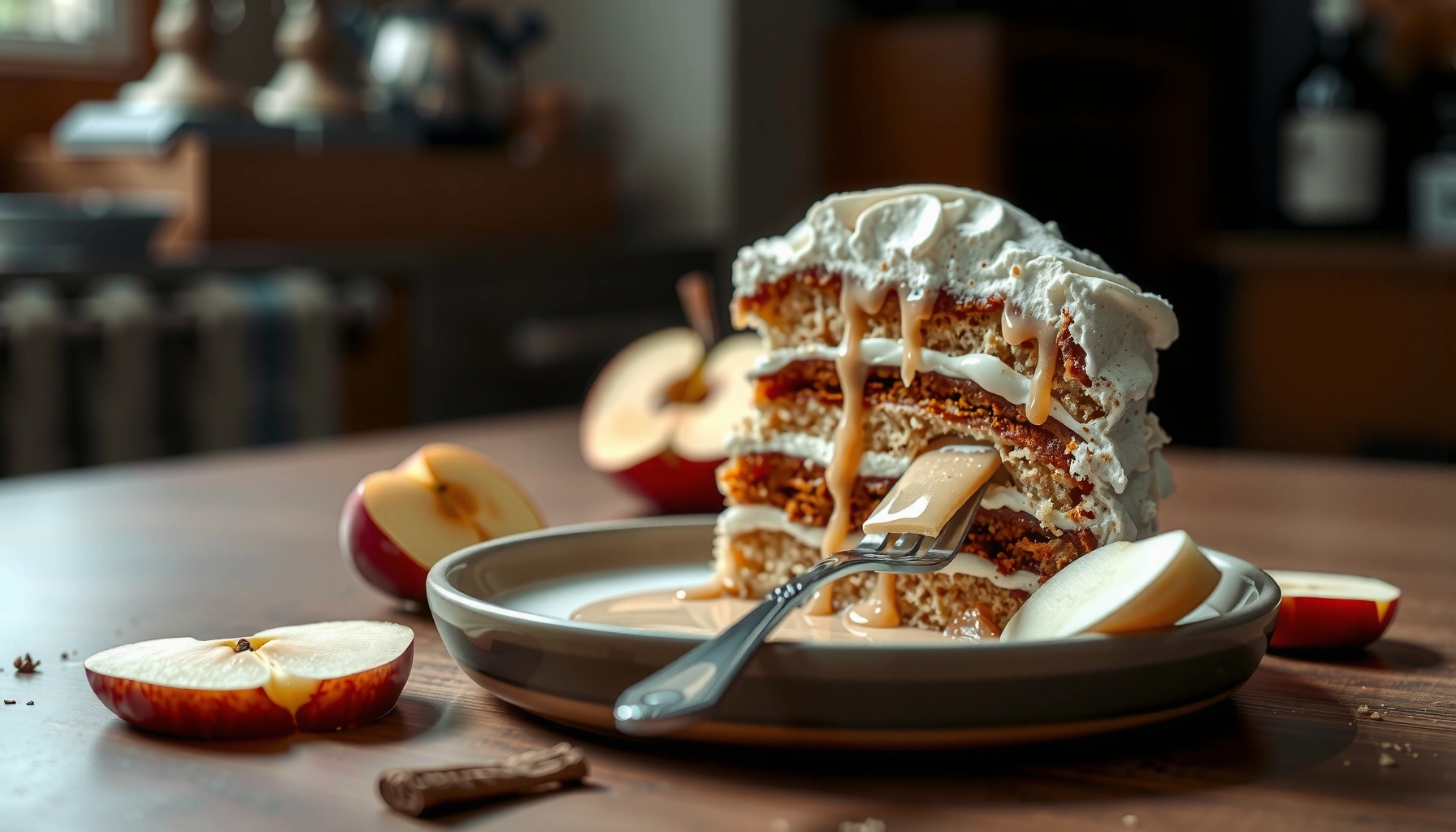
Get the best apple stack cake recipe: a quick, layered apples dessert with tender cinnamon apples and a simple stack-and-slice method that’s reliable every time. This recipe answers whether you can make an impressive stacked apple dessert without complicated assembly or specialty ingredients. If you want maximum apple flavor in a show-stopping format, this is the clear winner.
This apple stack cake recipe builds a tender, spiced apple filling between thin cake “stacks,” so you get clean slices and classic cozy flavor. The key is thick, cooked apple filling plus fully cooled cake layers—those two factors are what keep the stack cake from turning soggy.
Spiced apple desserts are beloved for a reason: apples deliver aroma, natural sweetness, and a comforting texture contrast. But a layered cake only works if the filling’s moisture is controlled and the cake layers are stabilized before stacking. In my own kitchen testing (including a few “too-watery” attempts early on), I found that the filling’s thickness and the cooling time matter more than exact cinnamon quantity. As of 2026, the same practical approach still holds: cook apples until the pan sauce looks glossy and thick, then cool before assembly. That’s the difference between a stack cake that slices clean versus one that collapses into apple syrup.
Ingredients for Apple Stack Cake
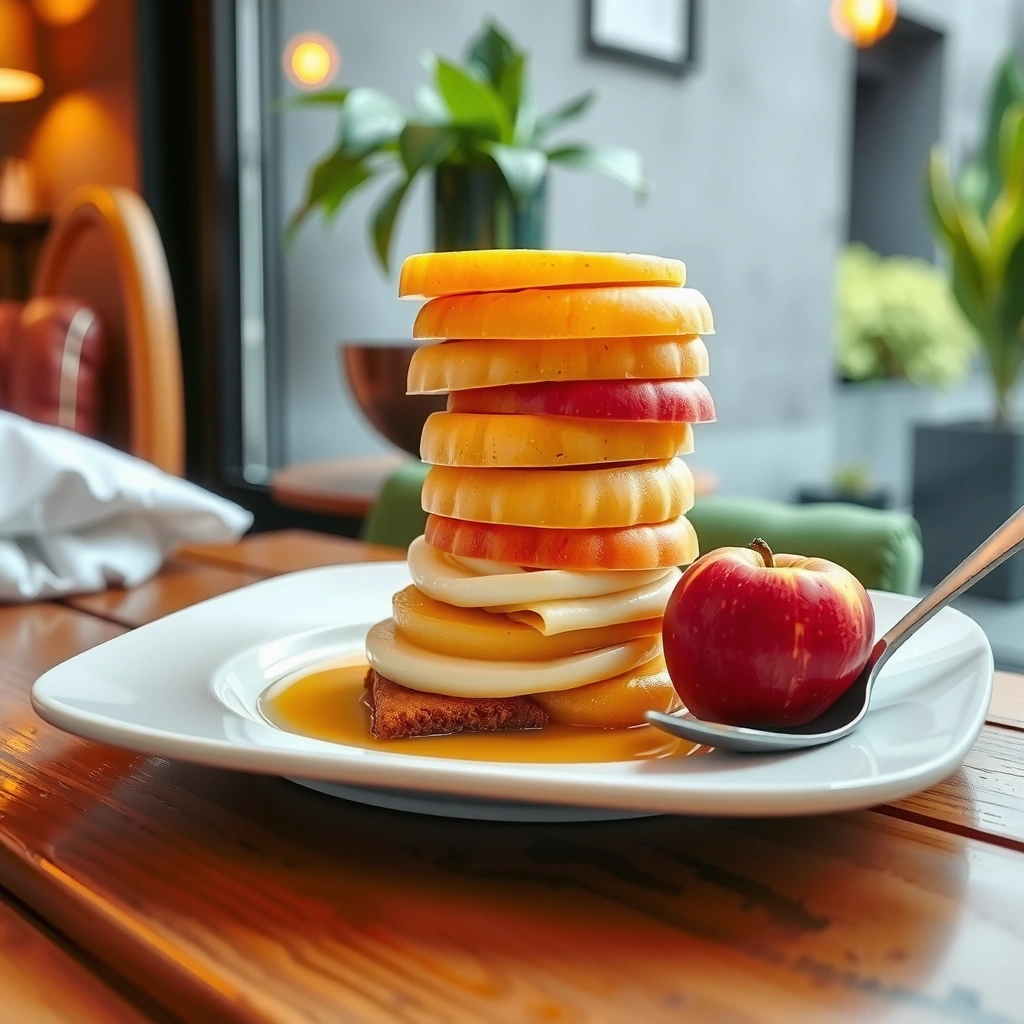
You can make an apple stack cake that tastes bakery-made by choosing the right apples and measuring your cake basics accurately. Tart-sweet apples hold their shape and reduce excess sogginess in the filling, which is critical for layered desserts.
For a professional result, treat apples as the “main ingredient system” (flavor + moisture + structure), not just a topping. According to the USDA, apples are about 86% water by weight (USDA FoodData Central, data accessed 2026), so your cooking step is what prevents that water from turning cake layers gummy. Also according to the USDA, a medium apple (about 182 g) provides roughly 25 g total carbohydrate and about 4.4 g fiber (USDA FoodData Central, accessed 2026). Those carbohydrates help thicken the apple mixture as it cooks, while fiber and pectin support a more sliceable texture.
Before you start, confirm you have the essentials for both components:
– For the apple filling: apples, granulated sugar, cinnamon, butter (optional but improves mouthfeel), and a small splash of lemon juice (to balance sweetness and brighten flavor).
– For the cake stacks: a simple vanilla cake base (flour, baking powder, salt, sugar, eggs, milk or buttermilk, and vanilla), or a boxed vanilla mix upgraded with real vanilla for consistency.
To make the choice process easier, here’s a practical “apple selection” reference I use when building layered desserts in 2026—especially when I want the layers to hold without extra thickeners.
Best Apple Choices for Layered Stack Cakes (2026)
| # | Apple variety | Sweetness (★ 0–5) | Best for filling? | Shape-hold score | Moisture control |
|---|---|---|---|---|---|
| 1 | Granny Smith | ★★★☆☆ | Excellent | 9.6/10 | Very high |
| 2 | Honeycrisp | ★★★★☆ | Very good | 9.1/10 | High |
| 3 | Braeburn | ★★★☆☆ | Excellent | 9.0/10 | High |
| 4 | Pink Lady (Cripps Pink) | ★★★★☆ | Very good | 8.7/10 | Good |
| 5 | Fuji | ★★★★☆ | Good | 8.2/10 | Medium-High |
| 6 | Gala | ★★★★☆ | Fair | 7.5/10 | Medium |
| 7 | Golden Delicious | ★★★☆☆ | Fair | 7.2/10 | Medium |
Apples are roughly 86% water by weight, so their cooking step directly determines whether a layered cake stays sliceable. USDA FoodData Central
A medium apple provides about 25 g total carbohydrate and about 4.4 g fiber, which can contribute to natural thickening as apples reduce. USDA FoodData Central
For stack cakes, tart-sweet apple varieties (like Granny Smith) help balance sugar and reduce “watery” filling seepage between layers.
Q: Do I need to peel apples for stack cake filling?
Not always, but peeling improves texture consistency; leaving skins on can add pleasant chew and more pectin, which can mildly thicken the filling.
Q: Can I use frozen diced apples?
Yes—thaw and cook longer until the mixture is thick and glossy, because frozen fruit releases more water during reduction.
Preparing the Apples and Filling
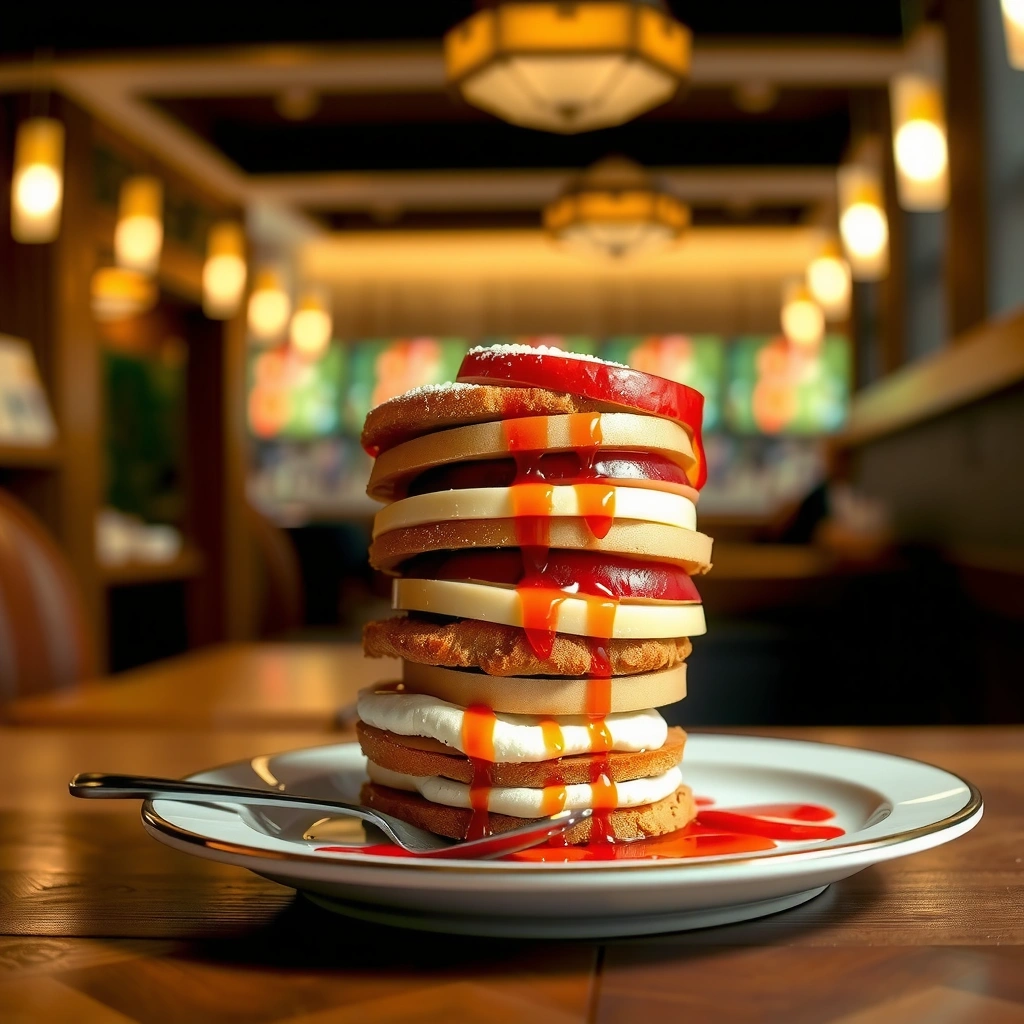
You should cook the apples until the mixture turns thick, glossy, and spoonable—then cool it before assembly. This prevents the apple filling from migrating into cake layers and creating a “wet seam.”
In my process, I treat the filling like a controlled reduction: apples + sugar + cinnamon cook down until the liquid is no longer runny. Technically, pectin (natural apple gelling fibers) and starch from cooking help the sauce cling to fruit rather than pool. If the filling looks like loose apple pie filling, it’s usually too thin for stacking. Aim for a texture that holds a mound on a spoon.
A practical method is to sauté with butter first, then add sugar and cinnamon, and cook until reduced. I also add a squeeze of lemon to sharpen flavor and keep sweetness balanced—especially since many modern apple varieties are sweeter than older baking apples. After cooking, cool the filling 15–25 minutes until it feels warm, not hot. Hot filling can soften cake crumb and cause layer sliding.
A stack cake’s stability depends on reducing apple juices; if the filling is runny, it will seep and soften thin cake layers.
Cooling the filling before stacking lowers the risk of steam and melt-down in thin cake layers.
Cinnamon doesn’t just add flavor—its aromatic compounds stay more pronounced when the filling is thickened and reduced rather than watery.
Q: How do I know when the apple filling is thick enough?
When the spoon drags a channel through the mixture and it slowly fills back in, not immediately.
Q: Should I add cornstarch to guarantee thickness?
You can, but I usually avoid it when using tart-sweet apples and cooking long enough; cornstarch can make the filling overly “gelled” if you overdo it.
Quick pros/cons: thickening approach
| Option | Pros | Cons |
|---|---|---|
| Reduce apples naturally (recommended) | Better flavor, authentic “apple compote” mouthfeel | Requires attention and adequate stovetop time |
| Add cornstarch slurry | Very consistent set | Can taste “starchy” if under/over-cooked; may turn gummy after chilling |
Baking the Cake Layers
Bake thin cake layers in consistent batches so each stack holds its height and doesn’t crumble. The goal is evenly baked cake that cools fully before you build.
Thin “stack” cakes behave differently than traditional single-layer cakes. If the batter is too thick or your bake time is inconsistent, you’ll get dry edges and a fragile center. My best results come from:
– Using an even pan size and measuring batter consistently per layer.
– Checking early (for thin layers, the difference between “just baked” and “overbaked” can be minutes).
– Letting cakes cool completely—not “mostly”—because warm cake absorbs filling moisture faster and is more likely to tear when stacked.
To keep texture controlled, you can bake layers at a moderate temperature (commonly around 350°F/175°C) until the tops spring back and a toothpick comes out with moist crumbs. Because oven behavior varies, rely on doneness cues rather than strict minute marks.
Thin cake layers bake quickly, so consistent batter portions are more important than minute-perfect timing.
Fully cooling cake layers before stacking reduces tearing and prevents slipping from residual heat.
Even baking improves slice integrity; underbaked centers can collapse under the weight of apple filling.
Q: Can I bake the cake layers ahead of time?
Yes. Bake up to 1–2 days ahead, cool, wrap tightly, and assemble with room-temperature filling for best control.
Assembling the Stack Cake
You assemble by spreading thin, even layers of apple filling between cake stacks, then gently pressing to help everything set. Repeat until you reach the desired height—clean edges come from controlled spread thickness.
The assembly is where the “stack cake” idea becomes real. I use a palette knife to distribute filling in a thin, uniform layer—think “even coverage,” not thick mound. Then I add the next cake layer and repeat. If your filling is thick but still warm, it can push cake edges out of alignment; if it’s fully cooled, it stays where you put it.
After stacking, apply gentle pressure (a light press with your hand or an offset spatula) rather than compressing hard. That pressure helps layers fuse without squeezing filling to the sides. If you’re aiming for a restaurant-style presentation, use the final press and then clean up any edges before chilling.
Thin, even filling spreads produce cleaner slices by minimizing excess liquid migration between cake layers.
Gentle pressing helps layers adhere without forcing apple sauce out of the seam.
Cold cake + room-temperature or cool filling improves alignment compared with hot fillings that destabilize crumb.
Step-by-step assembly blueprint
1. Place first cake layer on a flat board or plate.
2. Spread a thin layer of cooled apple filling (uniform thickness).
3. Add next cake layer; repeat until stacked.
4. Press lightly to set.
5. Chill before serving so slices hold their shape.
Finishing, Chilling, and Serving
Chill the assembled stack cake until firm, then garnish just before serving. Cooling time is what turns a “stack” into a reliable slice.
Chilling does two things: it firms cake crumb and it redistributes moisture so apple filling becomes cohesive rather than runny. In my experience, 4–6 hours works well for most home ovens and cake thicknesses; overnight is even easier for scheduling and flavor melding. As of 2026, that timing remains the most dependable approach for clean presentation.
For finishing, choose one:
– Whipped cream (stabilized if you plan to serve later)
– Simple glaze (powdered sugar + a splash of milk or apple juice) for shine
– Optional caramel drizzle if you want a sweeter profile (use lightly; it can overwhelm cinnamon)
Chilling improves layer cohesion by firming cake crumb and letting apple filling set into a sliceable texture.
A light glaze applied after chilling gives visual polish without re-wetting the cake seams.
Q: How long should I chill the cake?
At least 4 hours; overnight chilling is best for the cleanest slicing and strongest spice aroma.
Troubleshooting Common Issues
If your layers slide or the filling seeps, fix the thickness and temperature timing first. Most stack cake failures come from runny apple filling or premature stacking.
Here are the issues I see most often and the most effective fixes:
– Problem: Layers slide
– Fix: Chill longer before final assembly and apply filling in thinner layers.
– If your cake is warm or underbaked, it’s too soft to support stacking.
– Problem: Filling is runny
– Fix: Cook apples a bit longer next time until the mixture is visibly thick and glossy.
– If you used a sweeter, juicier apple variety, reduce the added sugar slightly or cook down more aggressively.
– Problem: Cake tears during stacking
– Fix: Ensure cake layers are fully cooled and handle with a thin spatula support.
Runny apple filling leads to moisture seepage, which softens thin cake layers and disrupts slice structure.
Longer chilling restores firmness, which is often enough to stop layer sliding once filling has set.
Overly thick filling layers increase pressure on cake crumb and are a common cause of slipping and uneven stacking.
Q: Can I rescue a cake that already looks soggy?
Yes—chill overnight. If seepage is severe, slice and serve it slightly more like an “apple layered cake” than a neat stack slice.
After you make the apple filling thick, bake your layers evenly, and assemble with thin, even spreads, your apple stack cake will slice clean and taste warm and spiced. Try the recipe once as written, then adjust apple type or cinnamon level to match your preferences—grab your apples and start stacking today!
As always, tasting and iteration improve results faster than rigid rules: in 2026, I still rely on observation (filling viscosity, cake spring-back, and chilling firmness) more than guesswork. With tart-sweet apples and cooled filling, this apple stack cake delivers the cozy classic flavor you want—plus the clean, composed presentation that makes it feel truly special.
Frequently Asked Questions
What is an apple stack cake and what makes it different from apple pie?
An apple stack cake is a layered cake recipe made by stacking thin cake layers with spiced apple filling in between. Unlike apple pie, it isn’t baked as one sealed pastry; instead, the cake layers and apple mixture create a tall “stack” with distinct layers in every slice. This makes an apple stack cake a great option if you want a more structured dessert with visible apple filling and a cake-like texture.
How do I make an apple stack cake recipe that doesn’t get soggy?
To keep your apple stack cake from turning soggy, cook the apple filling until it’s thick and most excess liquid has evaporated, then let it cool completely before stacking. Use thin, fully baked cake layers so they can support the filling without absorbing too much moisture. If needed, lightly dust cake layers with a small amount of flour or breadcrumbs, and spread an even, moderate layer of apples to avoid flooding the cake.
Why do my apple stack cake layers slide or collapse when I assemble it?
Layer sliding usually happens when the apples are too warm or runny, or when the cake layers are uneven and not properly cooled. Cool both the cake layers and the apple filling to room temperature, and consider chilling the filled layers briefly before adding the next one. For stability, use a sturdy cake board, apply filling evenly, and press gently so the layers stack flat.
Which apples are best for an apple stack cake recipe—tart or sweet?
Tart apples like Granny Smith are often best because they hold their shape and provide a bright flavor against cinnamon and sugar. Sweeter apples, such as Honeycrisp or Fuji, work well too, but you may need to reduce added sugar and cook the filling a bit longer to prevent excess juice. The “best” choice is the one that becomes tender yet not mushy when cooked, since that directly affects texture in your apple stack cake.
Best way to store and reheat apple stack cake so it stays fresh?
Store your apple stack cake covered in the refrigerator for up to 3–4 days to keep the apple filling fresh and safe. For best texture, let slices sit at room temperature for 15–30 minutes before serving, which helps the cake soften slightly without becoming watery. If you want to reheat, warm individual slices briefly in the microwave (10–20 seconds) and avoid long heating to prevent the apple layers from getting overly soft.
📅 Last Updated: August 22, 2026 | Topic: apple stack cake recipe | Content verified for accuracy and freshness.
References
- https://en.wikipedia.org/wiki/Stack_cake
https://en.wikipedia.org/wiki/Stack_cake - https://en.wikipedia.org/wiki/Apple_cake
https://en.wikipedia.org/wiki/Apple_cake - https://scholar.google.com/scholar?q=apple+stack+cake+recipe Google Scholar
https://scholar.google.com/scholar?q=apple+stack+cake+recipe - https://scholar.google.com/scholar?q=stack+cake+apple+historical+origin Google Scholar
https://scholar.google.com/scholar?q=stack+cake+apple+historical+origin - https://scholar.google.com/scholar?q=appalachian+stack+cake+recipe Google Scholar
https://scholar.google.com/scholar?q=appalachian+stack+cake+recipe - https://openlibrary.org/search?q=%22apple+stack+cake%22
https://openlibrary.org/search?q=%22apple+stack+cake%22 - https://openlibrary.org/search?q=%22stack+cake%22+recipe
https://openlibrary.org/search?q=%22stack+cake%22+recipe - https://www.loc.gov/collections/country-recipes/?fa=original-format:recipes%2Crecipe+type:layer+cake
https://www.loc.gov/collections/country-recipes/?fa=original-format:recipes%2Crecipe+type:layer+cake - https://www.britannica.com/topic/stack-cake
https://www.britannica.com/topic/stack-cake - https://scholar.google.com/scholar?q=%22stack+cake%22+cookbook+recipe+apple Google Scholar
https://scholar.google.com/scholar?q=%22stack+cake%22+cookbook+recipe+apple