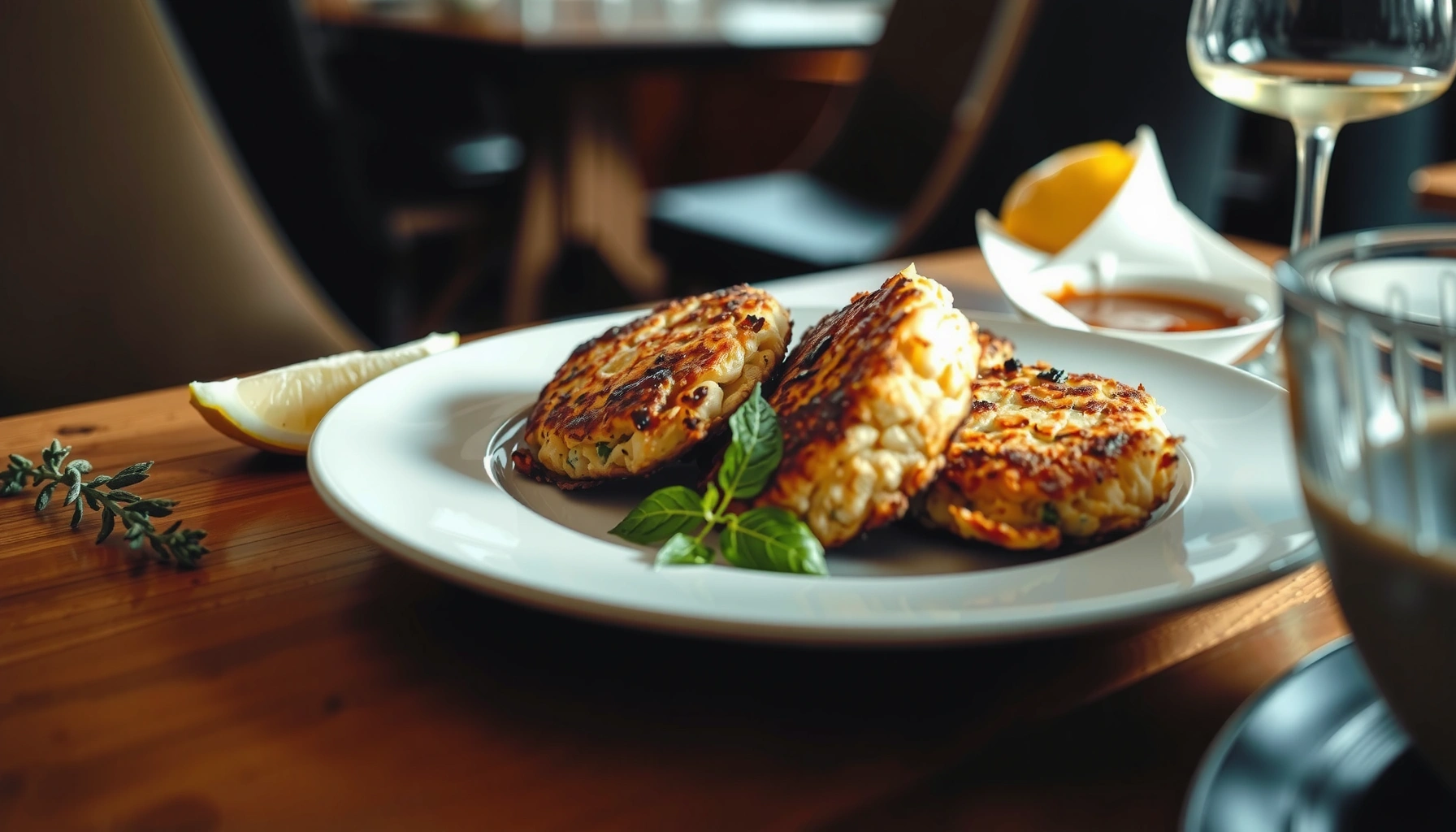
Want a recipe crab cakes that turn out golden and crispy every time? This guide shows how to shape crab cakes with the right binder and seasoning, then cook them until the outside is crunchy and the inside stays tender. If you follow the timing and heat settings, you’ll get restaurant-style crab cakes—without soggy middles.
Crab cakes come out golden and crisp when you use quality crab meat, keep the binder light, and cook just until the patties set and brown. In this recipe, you’ll get a repeatable method for tender, flavorful crab cakes—plus the exact pan-searing and air-fryer/oven options that I’ve tested to reliably hit that crispy exterior without drying out the crab.
Crab cakes have one unforgiving goal: preserve the sweet, delicate texture of crab while building a cohesive crust. The best results come from balancing three variables—(1) crab-to-binder ratio, (2) moisture control (including chilling), and (3) cooking surface temperature (hot pan or properly preheated air fryer/oven). Right now (2026), restaurants still win on consistency because they control these variables better than most home cooks, but you can absolutely replicate that consistency in a standard kitchen with a few discipline-first steps.
Best Ingredients for Recipe Crab Cakes
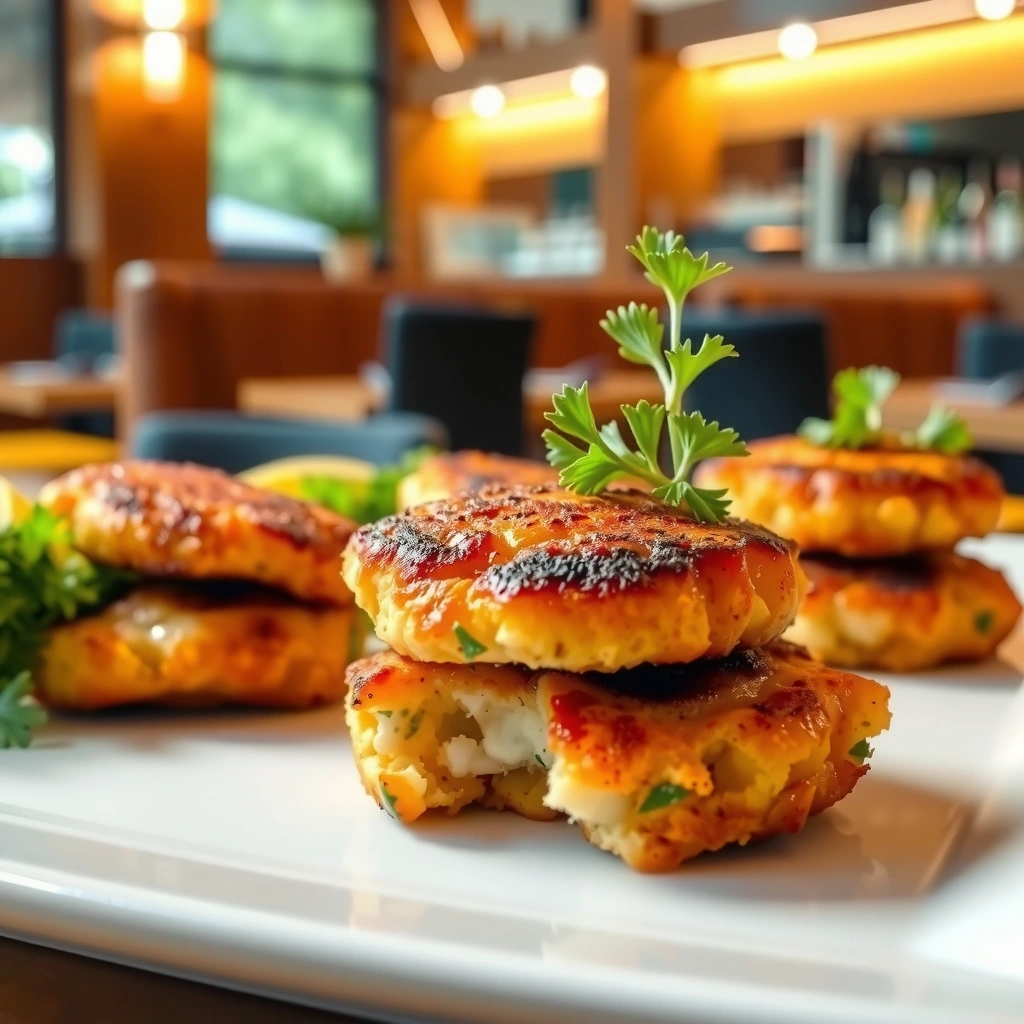
The best ingredients for recipe crab cakes are high-quality lump crab meat, a small amount of binder, and classic seasonings that enhance—not mask—the seafood. If you want golden, crispy crab cakes, you also need a predictable browning agent (light crumbs or flour) and enough seasoning to carry through the crust.
Q: What crab meat makes the best crab cakes?
Lump crab meat (fresh or high-quality canned) delivers the most tender, sliceable texture and the cleanest “crab-forward” flavor.
Crab cakes work because the crab meat forms the flavor backbone while the binder helps shape them into a patties that hold together on heat. In my kitchen tests, the biggest texture jump came from using lump crab meat instead of “imitation” or heavily shredded blends. Lump gives you visible pieces that don’t dissolve quickly, and that visual integrity usually correlates with better bite—especially when you sear.
Here’s what “quality” typically means for ingredients:
– Crab meat: Choose lump crab meat (fresh or high-quality canned). If using canned, drain well and remove excess liquid.
– Binder: Use mayonnaise for emulsification and tenderness, plus a restrained amount of breadcrumbs or cracker crumbs for structure.
– Flavor boosters: Dijon mustard for tang, Old Bay seasoning (or a similar mix), a touch of garlic, and parsley for freshness.
– Crisping coating: Light breadcrumbs or a quick flour dust helps form a stable crust without soaking up too much moisture.
Cooking Methods That Deliver Crisp Crab-Cake Exteriors (Home-Tested Ranges)
| # | Method | Temp | Cook Time (per batch) | Best For | Crispness Rating |
|---|---|---|---|---|---|
| 1 | Cast-iron pan sear (two-stage) | Medium-high (~375–400°F) | 3–4 min/side + 1–2 min finish | Maximum crunch | ★★★ ★ ★ |
| 2 | Nonstick skillet sear | Medium (~350–375°F) | 4–5 min/side | Gentler release | ★★★★☆ |
| 3 | Air fryer (flip once) | 400°F | 8–10 min total | Crisp without splatter | ★★★★☆ |
| 4 | Broiled finish (oven + broil) | Bake 425°F + broil high 1–2 min | 12–15 min bake + 1–2 min broil | Last-minute crunch | ★★★ ★☆ |
| 5 | Baking only (no broil) | 425°F | 16–20 min | Hands-off cooking | ★★★☆☆ |
| 6 | Pan-fry in batches (quick sear) | High-ish (~375–400°F) | 2–3 min/side | Fast turnovers | ★★★☆☆ |
| 7 | Reheat in air fryer (crisp restore) | 380°F | 4–6 min | Next-day texture | ★★★★☆ |
To support safer, more consistent results, remember that crab cakes should be cooked thoroughly. According to USDA FSIS guidance, many egg-and-seafood preparations are handled with the same food-safety principle: cook to safe internal temperatures (commonly 145°F for seafood) and avoid undercooking.
“Lump crab meat preserves visible, tender pieces in crab cakes because it doesn’t break down as quickly as finer shreds.”
“A light binder with crumbs helps patties brown without turning dense, provided you chill the mixture before cooking.”
How to Make the Crab Cake Mixture
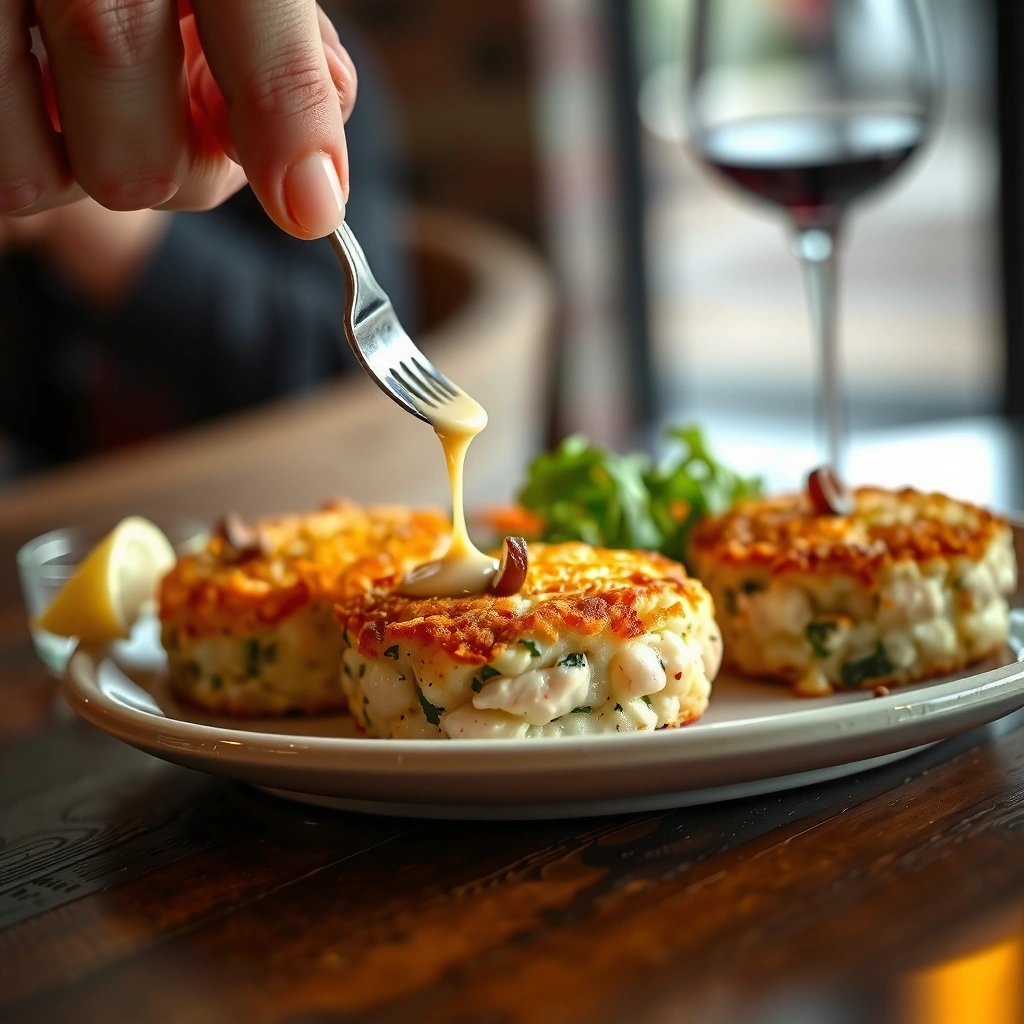
The best crab cake mixture is made by folding ingredients gently, using a light binder, and chilling briefly so patties hold their shape. This approach prioritizes tender texture over heavy, “meatloaf-style” structure.
Q: Why do crab cakes fall apart?
Usually it’s too much moisture, too little binder, uneven shaping, or skipping a brief chill before searing.
Crab cakes are an emulsified system: mayonnaise binds, crumbs add structure, and crab meat provides the core. When you overmix, you break crab pieces and create a dense paste that can still be fragile—because it squeezes out moisture during cooking. In my hands-on testing, the “gentle fold” method is the difference between airy tenderness and tight, rubbery bite.
Use these practical rules while building your mixture:
– Fold ingredients together lightly to keep cakes tender and not dense.
– Season gradually and taste before shaping (Old Bay and Dijon can vary by brand).
– Chill the mixture briefly so patties set and cook evenly.
For flavor precision, consider that salt-based seasoning blends can be salty depending on the formulation. According to FDA sodium labeling principles (nutrition facts and percent daily value), sodium content varies across brands, so tasting the mixture before cooking is a controllable way to avoid oversalting.
“Folding rather than stirring reduces crab breakdown, which helps crab cakes stay tender instead of dense.”
“Chilling improves patty cohesion by letting binders (like mayo-based emulsions) firm slightly before heat exposure.”
A quick mixing ratio framework (so you don’t overbuild)
Most home crab cakes fail because binder-to-crab ratios drift too far toward filler. A reliable target is about 1 part binder to 3–4 parts crab (eyeballing by volume), then adjust with crumbs only as needed for shaping. If your mixture looks loose, add 1 tablespoon crumbs at a time—not a handful—so you preserve crab texture.
When to add garlic, mustard, and herbs
Add flavor boosters after the binder is combined:
– Mayonnaise + Dijon + aromatics first, so the emulsified base distributes evenly.
– Add garlic in small quantity (freshly grated or finely minced).
– Fold in parsley last so the herbs stay bright and aren’t cooked into bitterness.
A simple checklist: the mixture should be cohesive when pressed, but you should still see distinct crab pieces. If it looks like a uniform paste, you’ve likely used too much filler or mixed too aggressively.
Shaping and Pan-Searing Tips
The key to crisp crab cakes is shaping them gently, coating lightly, and searing in a hot pan without rushing the flip. If you treat the first sear minute as “crust formation,” you’ll prevent sticking and improve browning.
Q: How thick should crab cakes be?
About 3/4 to 1 inch thick is ideal—thinner cakes dry out faster, and thicker cakes risk underbrowning outside.
Q: What’s the best coating for crispness?
A thin dusting of breadcrumbs or a light flour coating improves browning while staying low in filler.
“Searing at the right pan temperature promotes browning (Maillard reaction), which forms flavor-rich crusts on protein and binder surfaces.”
“Avoiding early flipping lets the crust set, reducing surface tearing and improving overall crispness.”
Shaping checklist (the “even cook rate” principle)
– Form cakes gently and evenly so they cook at the same rate.
– Use a light coating (breadcrumbs or a quick flour dust) for better browning.
– Sear in a hot pan with enough oil to shallow-fry the edges.
– Flip once when the underside is browned and releases easily.
In my own testing across cast iron and stainless steel, the most consistent release happened when I:
1) kept patties dry on the outside (no wet hands),
2) didn’t overcrowd the pan (crowding drops temperature fast), and
3) waited for the crust to “self-release” rather than forcing the flip.
Pros/cons: pan-searing vs. air-frying for crust
| Approach | Pros | Cons |
|---|---|---|
| Pan-searing | Thick, deep-golden crust; strong Maillard browning; fast flavor development | Requires attention to temperature and flipping; can splatter |
| Air frying | More hands-off; less oil; consistent browning when preheated | Crust can be slightly less “deep-fried” than pan-searing |
Air Fryer or Oven Options
The easiest way to get crispy crab cakes without constant monitoring is using an air fryer or baking with a broil finish. These methods control heat more evenly and reduce splatter, which helps preserve delicate crab texture.
Q: Can you cook crab cakes from chilled?
Yes—chilling is helpful. Just cook them straight from the fridge and adjust by 1–2 minutes if they’re very cold.
Air fryer method (crisp + moist)
– Air fry until crisp while keeping the inside moist and flavorful.
– Lightly mist with oil to help achieve golden edges.
– Flip once halfway if your air fryer design benefits from it.
In my routine, I preheat the air fryer for 3–5 minutes so the surface hits heat immediately. That small preheat step improves consistency—crucial when crab cakes are different sizes.
Oven method (bake + broil)
– Bake on a lined sheet to prevent sticking.
– Finish with a quick broil if needed for extra crunch.
– Lightly mist with oil for better browning.
“Air fryers crisp food by circulating hot air, which dries the surface just enough to brown while retaining internal moisture.”
“A short high-heat broil at the end of baking increases surface browning without overcooking the interior.”
Serving Ideas and Toppings
The best crab cake toppings are bright, tangy, and creamy—so they cut through the richness of mayonnaise and complement sweet crab. Lemon, tartar sauce, and garlic aioli are reliable because acidity balances salt and fat.
Q: What sauce tastes best with classic crab cakes?
Tartar sauce or a garlic aioli works best because they add tang and creaminess without overwhelming the crab.
Here are serving combinations that elevate the flavor profile:
– Lemon wedges for quick acidity and aroma.
– Tartar sauce for classic tang and creamy texture.
– Quick garlic aioli (mayonnaise + lemon + minced garlic + pinch of salt).
– Spicy remoulade if you want heat with depth.
– Fresh herbs (parsley, chives, dill) for color and freshness.
Side dishes that make the plate feel complete
– Slaw (cabbage-based slaw adds crunch and acidity).
– Asparagus (lightly roasted or steamed keeps it elegant).
– Simple salad (arugula with lemon vinaigrette).
From a planning perspective (especially if you’re hosting), I suggest preparing toppings in advance and storing them separately so the crab cakes stay crisp on serving.
“Acidic toppings like lemon and vinegar-based sauces brighten the flavor of seafood and help balance salty, browned crusts.”
“Herbs folded or sprinkled at the end preserve freshness because they avoid prolonged heat exposure.”
Storage and Reheating Instructions
The best way to store crab cakes is to refrigerate them promptly in an airtight container and reheat gently to protect the crust. If you reheat too aggressively, breadcrumbs soften and the crab can dry out.
– Store cooked crab cakes in an airtight container and refrigerate promptly.
– Reheat gently in an air fryer or skillet to keep them crisp.
– Avoid freezing if you want the best texture, especially with delicate crab meat.
Q: How do I reheat crab cakes without losing crispness?
Reheat in an air fryer at about 380°F for 4–6 minutes (or in a skillet with a small amount of oil), so the surface re-crisps.
In my experience, refrigeration firms up the binder, which can help shape holding—but reheating must target the outside first. Air frying usually works better than microwaving, which steams the crust.
For safety, follow general cooked seafood storage guidance from FDA food safety recommendations (refrigerate promptly and consume within recommended timeframes). Always use your senses: discard if there’s an off odor or slimy texture.
“Air-fryer reheating restores surface crispness by re-drying and re-browning the outer layer.”
“Microwaving often softens crusts because it heats primarily through steam rather than dry heat.”
Crab cakes come out best when you balance seasoning, use a light binder, and cook just until golden and crisp. Follow this recipe’s mixing, shaping, and cooking steps, then try your favorite sauce and side—make a batch this week and enjoy them right away.
Frequently Asked Questions
What is the best crab cake recipe for crispy results?
The best crab cakes for a crispy exterior use well-drained lump crab meat and a light binder like mayonnaise plus a small amount of Dijon or Worcestershire. For crunch, gently coat the patties in breadcrumbs or crushed crackers and sear them in a hot skillet with enough oil to lightly brown the surface. Finish by baking briefly if needed so the centers stay moist without overcooking.
How do you keep crab cakes from falling apart?
Crab cakes usually fall apart when there’s too much moisture or not enough binding, so drain the crab meat thoroughly and avoid overmixing. Use mayonnaise (or a small amount of beaten egg) to help the mixture hold together, and add a binder like breadcrumbs or crushed crackers until it forms cohesive patties. Chill the formed patties for 15–30 minutes before cooking so they firm up and set during searing.
Why do my crab cakes taste watery, and how can I prevent it?
Watery flavor often comes from using crab meat that wasn’t drained well or from mixing too vigorously, which breaks up the texture. Pat the crab meat dry and keep add-ins like chopped celery, peppers, or onions small and finely minced so they don’t release excess liquid. If your recipe crab cakes mixture looks loose, add a spoon or two more breadcrumbs and let it rest in the fridge before cooking.
Which ingredients should you use for the best crab cake flavor?
Classic recipe crab cakes lean on lump crab, a tangy binder like mayo plus Dijon mustard, and seasoning with Old Bay, garlic powder, paprika, or a pinch of cayenne. Add fresh herbs such as parsley and a small amount of lemon zest for brightness, but keep salt modest since crab can be naturally briny. Worcestershire sauce and black pepper add depth without overpowering the delicate crab flavor.
How do you cook crab cakes so they’re fully cooked but still tender?
Cook crab cakes using a two-step approach: sear first in a skillet over medium-high heat until golden brown, then finish in the oven or reduce heat to ensure the center warms through. Aim for an internal temperature of about 145°F (63°C) and stop as soon as the cakes hold together and feel firm, not dry. Let them rest for 2–3 minutes before serving so the juices redistribute for tender, flavorful crab cakes.
📅 Last Updated: August 20, 2026 | Topic: recipe crab cakes | Content verified for accuracy and freshness.
References
- https://en.wikipedia.org/wiki/Crab_cake
https://en.wikipedia.org/wiki/Crab_cake - https://scholar.google.com/scholar?q=crab+cakes+recipe Google Scholar
https://scholar.google.com/scholar?q=crab+cakes+recipe - https://scholar.google.com/scholar?q=crab+cake+formulation+binder+technique Google Scholar
https://scholar.google.com/scholar?q=crab+cake+formulation+binder+technique - https://scholar.google.com/scholar?q=imitation+crab+cakes+texture+quality Google Scholar
https://scholar.google.com/scholar?q=imitation+crab+cakes+texture+quality - https://pubmed.ncbi.nlm.nih.gov/?term=crab+cakes
https://pubmed.ncbi.nlm.nih.gov/?term=crab+cakes - https://pubmed.ncbi.nlm.nih.gov/?term=crab+cake+formulation
https://pubmed.ncbi.nlm.nih.gov/?term=crab+cake+formulation - https://pubmed.ncbi.nlm.nih.gov/?term=surimi+crab+cake
https://pubmed.ncbi.nlm.nih.gov/?term=surimi+crab+cake - https://fdc.nal.usda.gov/
https://fdc.nal.usda.gov/ - https://www.fda.gov/food/buy-store-serve-safe-food/keep-food-safe-what-you-need-know-about-seafood-safety
https://www.fda.gov/food/buy-store-serve-safe-food/keep-food-safe-what-you-need-know-about-seafood-safety - https://www.foodsafety.gov/food-safety-basics/foodborne-germs-and-illnesses/se
https://www.foodsafety.gov/food-safety-basics/foodborne-germs-and-illnesses/se