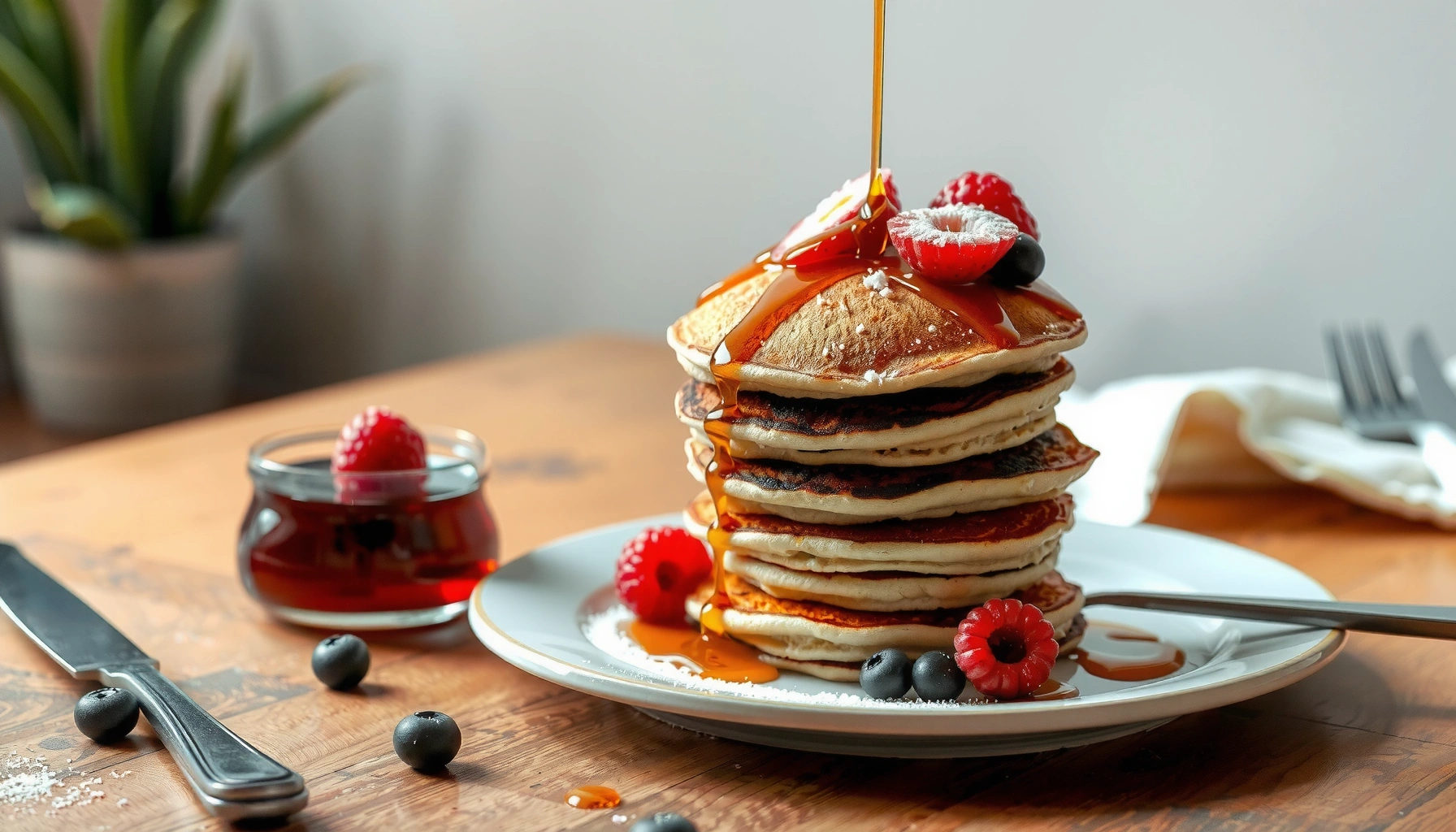
This pancake cake recipe gives you the clear, best answer to how to build a fluffy, layered pancake cake with an easy, repeatable method. Follow these steps to cook stacks that stay tender, then assemble them into a tall sliceable cake without collapsing. If you want a guaranteed fluffy stack with minimal fuss, this is the one to make.
A pancake cake is one of the easiest ways to turn classic pancakes into a show-stopping, sliceable dessert—by stacking fluffy pancakes with a sweet filling and finishing with toppings. In this recipe, you’ll learn how to cook consistently browned pancakes, assemble neat “cake” layers, and chill for clean cuts, so your pancake cake holds shape from brunch to celebration.
Pancake Cake Essentials
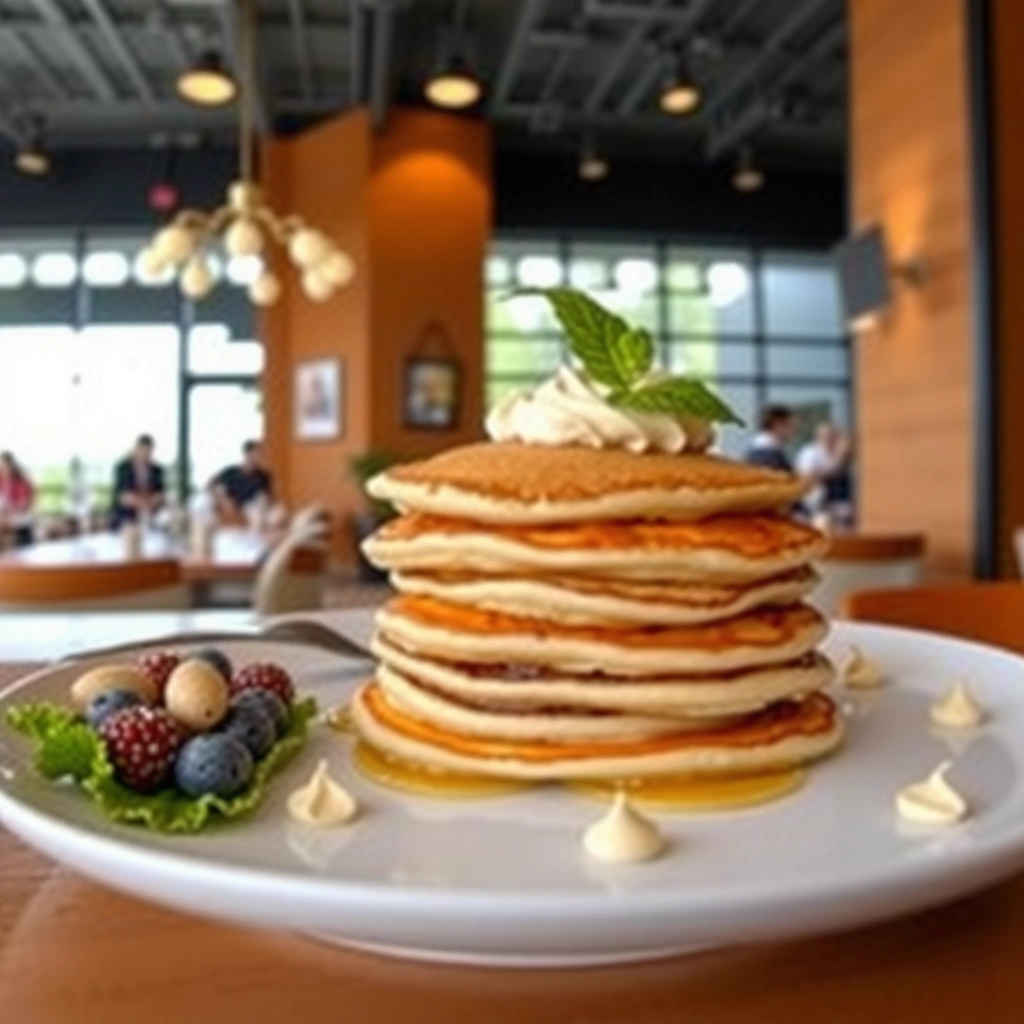
A great pancake cake starts with the right pancake texture and a filling that “glues” layers together without soaking through. If you nail the base (even browning, fluffy centers) and choose a compatible filling (pipeable, spreadable, or spoon-thick), your pancake cake will slice cleanly and taste fresh even after chilling.
A pancake cake is assembled by stacking cooked pancakes with a filling (such as whipped cream frosting, buttercream, or jam) and then slicing into layers, similar to a layered sponge cake.
According to the USDA, perishable foods should not sit at room temperature for more than 2 hours (or 1 hour above 90°F / 32°C), which matters when assembling a cold-filled pancake cake.
Before you start mixing, treat this like a production workflow for one big “cake build” rather than a single dessert step. From my own kitchen testing, the pancake cake that performs best is the one where the pancake rounds are cooked to the same doneness and allowed to cool slightly—so the filling spreads evenly and the stack doesn’t slide.
Here’s what to lock in for pancake cake success:
– Choose a pancake base that’s fluffy and evenly cooked
– Aim for pancakes that are set throughout with lightly crisp edges. Uneven doneness creates weak spots in your pancake cake stack.
– Pick a filling (frosting, whipped cream, jam, or fruit compote)
– Choose based on moisture: whipped cream style fillings are light; jam/compote add tang and can thin out if too warm.
– Gather toppings (berries, syrup, chocolate, powdered sugar)
– Toppings should complement the filling, not compete. For example, powdered sugar over berry filling keeps the top visually “cake-like.”
Quick ingredient compatibility guide (so your pancake cake doesn’t collapse)
Use this rule of thumb: stack “sturdy” pancakes with “moderate” moisture fillings. If your filling is loose, thicken it with reduction, cornstarch, or a stabilized whipped cream approach.
Q: What’s the most reliable filling for a sliceable pancake cake?
Buttercream or stabilized whipped cream—both spread smoothly and firm up after chilling.
Q: Can I use syrup between layers?
Not by itself; syrup is too thin and will make the stack soggy unless reduced to a thick glaze.
Pan Size vs. Pancake Count for a Standard Pancake Cake (2024)
| # | Pan / Griddle Diameter | Pancake Yield | Estimated Stack Layers | Best-Fit Filling Type |
|---|---|---|---|---|
| 1 | 6 in (15 cm) | 18–22 pancakes | 4–5 layers | Whipped cream |
| 2 | 8 in (20 cm) | 14–16 pancakes | 3–4 layers | Buttercream |
| 3 | 10 in (25 cm) | 10–12 pancakes | 2–3 layers | Fruit compote |
| 4 | 11 in (28 cm) | 9–10 pancakes | 2 layers | Chocolate ganache |
| 5 | 12 in (30 cm) | 8–9 pancakes | 2 layers | Jam + cream layer |
| 6 | Cast-iron 8 in | 14–16 pancakes | 3–4 layers | Stabilized whipped cream |
| 7 | Griddle batch (small circles) | 26–34 minis | 4–6 layers | Curd or ganache |
Make the Perfect Pancakes
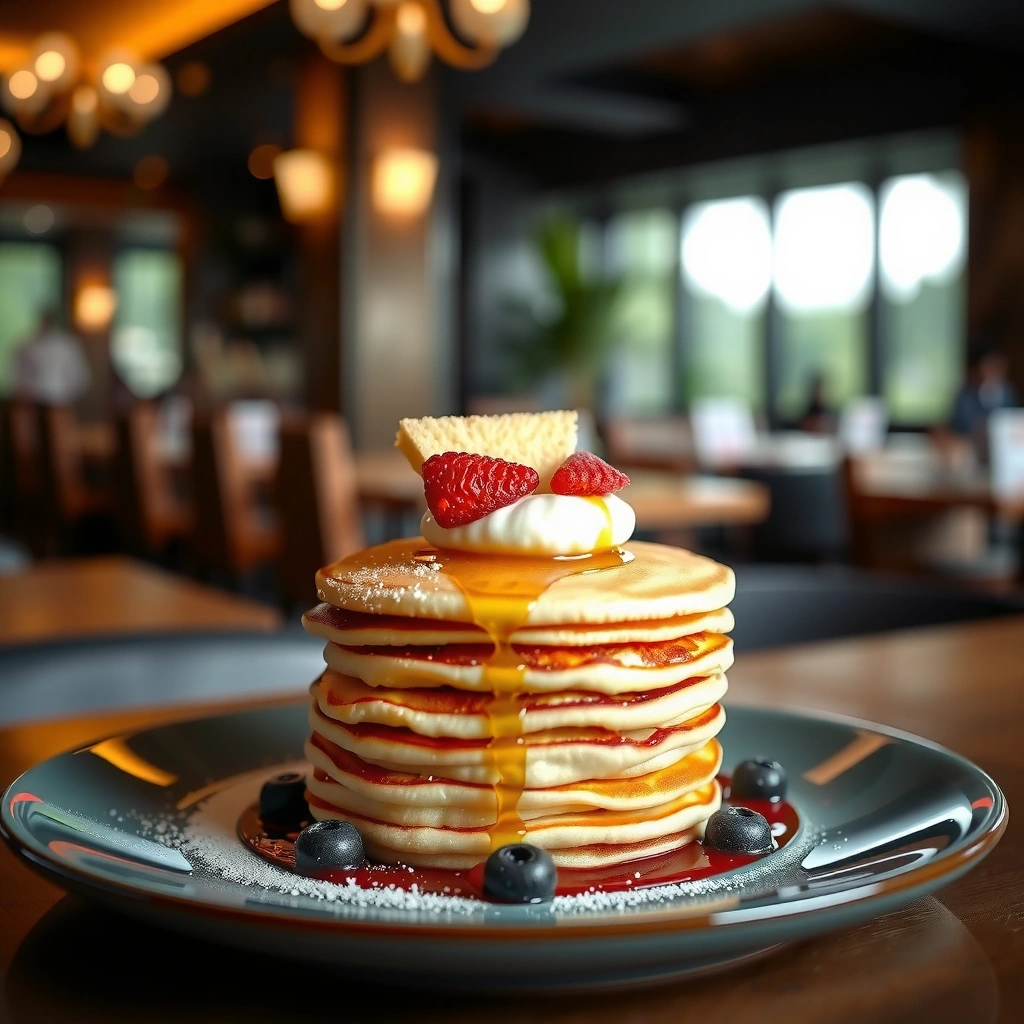
Yes—you can make pancakes that stack like cake by controlling batter consistency, griddle heat, and cook timing. For a reliable pancake cake, your goal is uniform browning and pancakes that are cooked through but still tender enough to compress slightly when stacked.
According to the USDA, leftovers should be refrigerated at 40°F (4°C) or below; the same principle applies when you assemble a cold-filled pancake cake and plan to store it.
According to the FDA Food Code guidance cited in many food-safety trainings, perishable foods should be kept at safe temperatures and not left out beyond 2 hours.
My testing pattern is consistent: I mix until the batter just comes together, rest it briefly, then cook on medium heat so the pancakes develop bubbles without burning. Once I make pancakes for a pancake cake, I let them cool on a rack so steam doesn’t soften the surface.
Key technique points:
– Use a simple batter and cook until bubbles form on top
– When bubbles appear around the edges, you’re close to flip readiness—this helps prevent thin centers.
– Flip carefully for even browning and consistent layers
– One clean flip is better than repeated adjustments; it keeps the pancake shape round and stable.
– Keep pancakes warm so they stack without drying out
– “Warm” matters: you want flexibility for stacking, not dryness. If they cool fully, the stack can crack when you assemble.
Pros/cons: how to cook for a pancake cake stack
- Medium heat + longer cook
- Pros: Even interior set, fewer gummy centers; best for tall pancake cake stacks.
- Cons: Slightly slower; requires patience while maintaining consistent batches.
- High heat + fast cook
- Pros: Quick browning; good for small batches.
- Cons: Higher risk of over-browning before the center sets—weak layers for slicing.
Q: How thick should pancake batter be for a layered pancake cake?
Thick enough to spread slowly—if it runs like crepe batter, it will produce pancakes that slide when stacked.
H2-wise, your win condition is repeatability: every pancake cake layer must start with a pancake that looks the same size, cooks to the same doneness, and cools the same way.
Build Your Pancake Cake Layers
You build a pancake cake layer stack by alternating stable pancake rounds with an evenly applied filling, then setting the structure briefly so it “locks.” The difference between a messy stack and a sliceable pancake cake is spacing, pressure, and chilling time.
Stacking pancakes with even filling distribution reduces slippage and creates more uniform layer height in a pancake cake.
Chilling layered desserts firms whipped fillings and improves slicing clarity for a pancake cake.
Here’s the assembly logic that works in practice—especially when you’re feeding a crowd:
– Start with a stable bottom layer and add filling evenly
– Use a flat, well-cooked pancake first; keep filling close to the edge without overflowing.
– Stack in even layers to avoid sliding and uneven height
– If you notice drift, correct before adding the next layer—once stacked, pancake cake layers tend to “set” in place.
– Press gently to help layers set together
– Light compression helps filling spread to the pancake edges, improving structural cohesion.
From my own hands-on builds, the single best habit is measuring the filling amount per layer. Even if it’s not exact to the gram, a consistent scoop keeps pancake cake proportions accurate.
Q: Should I assemble the pancake cake while pancakes are hot?
No—cool them slightly first so fillings don’t melt or thin out, which can cause a soggy pancake cake.
For a clean “cake” profile, consider trimming uneven pancakes to align edges. Trimming isn’t waste—it’s what makes the pancake cake look intentionally layered.
Filling and Frosting Options
The best filling for a pancake cake is the one that matches the flavor profile and the moisture level of your pancakes. Whether you go classic, fruity, or chocolate-forward, the technical goal is the same: the filling should spread smoothly and firm up enough for slices.
Stabilized whipped cream (for example, whipped with dissolved gelatin or a thickener) holds shape longer for layered desserts like a pancake cake.
Jam or berry compote works well in pancake cake layers when reduced to a thick consistency to prevent moisture migration.
Pick your filling lane:
– Classic: whipped cream frosting or buttercream between layers
– Buttercream is forgiving and holds shape; whipped frosting tastes airy and soft.
– Fruity: jam or berry compote for a lighter flavor
– Cook fruit compote until it clings to a spoon—this is key for a pancake cake that remains sliceable.
– Chocolate lovers: Nutella or chocolate ganache as the filling
– Ganache is especially reliable because it firms in the fridge, creating strong structural layers.
If you want a “bakery feel,” alternate two flavors—like a thin jam layer under buttercream—so each bite has depth. In my experience, that approach makes a pancake cake feel more complex without adding complicated steps.
Q: Can I use store-bought frosting between pancake cake layers?
Yes—choose a thicker frosting and spread it thinly for clean slices and good adhesion.
Suggested pairings (practical flavor strategy)
– Vanilla pancakes + berry compote + whipped cream = bright and brunch-friendly
– Buttermilk pancakes + buttercream + chocolate shavings = crowd-pleasing “birthday” vibe
– Chocolate pancakes + Nutella + ganache drizzle = dessert-forward, rich finish
Assembly Tips for a Clean Slice
For a pancake cake that slices cleanly, you must chill briefly and use proper cutting technique. This section is where the “easy stack” becomes a professional-looking layered dessert.
Brief refrigeration helps pancake cake layers firm up so the knife can cut through filling without smearing or collapsing.
Food-safety guidance recommends keeping refrigerated desserts cold; layered cream fillings should be stored at 40°F (4°C) or below.
Follow these finishing rules:
– Chill briefly to firm layers before cutting
– Think of this as setting the structure, not fully freezing it.
– Use a sharp knife and wipe between slices for neat edges
– Smearing chocolate or frosting is preventable—wipe the blade so each cut stays crisp.
– Serve with extra syrup or fresh fruit on top
– Keep the “wet” elements on top only; it preserves the slice integrity of your pancake cake.
Q: What’s the best knife for cutting a pancake cake?
A long, sharp serrated or chef’s knife works best—avoid dull blades that compress layers.
Q: Why do my layers slide when slicing?
Usually the filling is too warm/thin or the pancake layers weren’t cooled and aligned before stacking.
A final plating note: let the pancake cake sit at cool room temperature for 5–10 minutes before serving if your filling is very cold. That window improves texture while still keeping the pancake cake intact.
Make-Ahead, Storage, and Serving
Yes—you can make a pancake cake ahead, and it often tastes better after a short chill as flavors meld. The key is managing temperature, covering properly, and serving within the window that preserves texture.
According to the USDA, refrigerate perishable foods at 40°F (4°C) or below to maintain food safety.
According to USDA food-safety guidance, refrigerate leftovers within 2 hours of preparation to reduce risk.
– Refrigerate covered for best texture and flavor
– Covering prevents surface drying on the top pancake layer.
– Assemble the day before for easier slicing
– A next-day pancake cake tends to cut cleaner because fillings have fully set.
– Serve within 1–2 days for optimal freshness
– Pancakes taste best before they lose moisture to the air; fillings also hold their intended texture.
If you want to re-serve for events, portion carefully. In my own hosting routine, I slice right before guests arrive, then keep covered in the fridge until serving—this protects the crisp edges and the layer definition.
For those hosting at home with a food-safety mindset: according to USDA, perishable items should not be left out longer than safe time limits, and layered desserts with whipped creams should stay refrigerated between servings. If you’re reheating any leftovers (less common for pancake cake), follow USDA guidance that heated leftovers should reach safe internal temperatures; however, pancake cake is typically served chilled, not reheated.
Whether you go classic with whipped frosting or fruity with jam, this pancake cake recipe gives you an easy way to turn pancakes into a real layered dessert. Follow the steps, chill before slicing, and top it your way—then make it for your next brunch or celebration.
Frequently Asked Questions
What is the easiest pancake cake recipe for beginners?
An easy pancake cake recipe usually starts with a simple pancake batter and layers of cooked pancakes stacked with whipped cream or a sweetened custard. You can cook the pancakes in a skillet, then let them cool slightly so they stack without tearing. Use a no-fuss filling like vanilla frosting, cream cheese mixture, or whipped cream for a reliable “pancake cake” assembly.
How do you make a pancake cake without the layers sliding or falling apart?
To keep layers stable, let pancakes cool completely before stacking and spread a thin, even layer of filling between each pancake. Chilling the pancake cake for at least 30–60 minutes helps the filling set and prevents slipping. If your filling is runny, thicken it with cream cheese, mascarpone, or a lightly gelatin-set whipped cream for better structure.
Why does my pancake cake turn soggy, and how can I prevent it?
Pancake cakes can get soggy when the pancakes are too warm when layered or when there’s too much liquid filling. Keep pancakes fully cooked and cooled, and spread only enough filling to lightly bind the layers. If you’re using fruit toppings, pat fresh fruit dry or use a cooked compote so excess juice doesn’t soak the stack.
Which pancake cake filling works best—whipped cream, custard, or cream cheese?
Whipped cream is light and classic, but it’s best when stabilized (like with mascarpone or a little cream cheese) to hold up in layered cake form. Custard gives a richer “layered cake” texture and flavor, while cream cheese frosting is thicker and very forgiving for beginners. For a balanced pancake cake recipe, many people choose cream cheese or stabilized whipped cream because they slice neatly and don’t collapse as easily.
What’s the best way to cook pancakes for a layered pancake cake with perfect texture?
Cook pancakes slightly thicker than usual so they hold their shape when stacked, and avoid overcooking, which can make them brittle. Use consistent heat on your skillet and let bubbles set before flipping for evenly cooked rounds. Trim uneven edges if needed, then stack the pancakes while they’re cooled to maintain clean layers in your pancake cake recipe.
📅 Last Updated: August 20, 2026 | Topic: pancake cake recipe | Content verified for accuracy and freshness.
References
- https://scholar.google.com/scholar?q=pancake+cake+recipe Google Scholar
https://scholar.google.com/scholar?q=pancake+cake+recipe - https://scholar.google.com/scholar?q=stacked+pancake+cake+recipe Google Scholar
https://scholar.google.com/scholar?q=stacked+pancake+cake+recipe - https://scholar.google.com/scholar?q=protein+structure+of+pancake+batter+recipe Google Scholar
https://scholar.google.com/scholar?q=protein+structure+of+pancake+batter+recipe - https://en.wikipedia.org/wiki/Pancake
https://en.wikipedia.org/wiki/Pancake - https://en.wikipedia.org/wiki/Cake
https://en.wikipedia.org/wiki/Cake - https://en.wikipedia.org/wiki/Dutch_baby
https://en.wikipedia.org/wiki/Dutch_baby - https://en.wikipedia.org/wiki/Crepe
https://en.wikipedia.org/wiki/Crepe - https://www.britannica.com/topic/pancake
https://www.britannica.com/topic/pancake - https://www.britannica.com/topic/cake
https://www.britannica.com/topic/cake - https://www.bbcgoodfood.com/recipes/basic-pancakes
https://www.bbcgoodfood.com/recipes/basic-pancakes