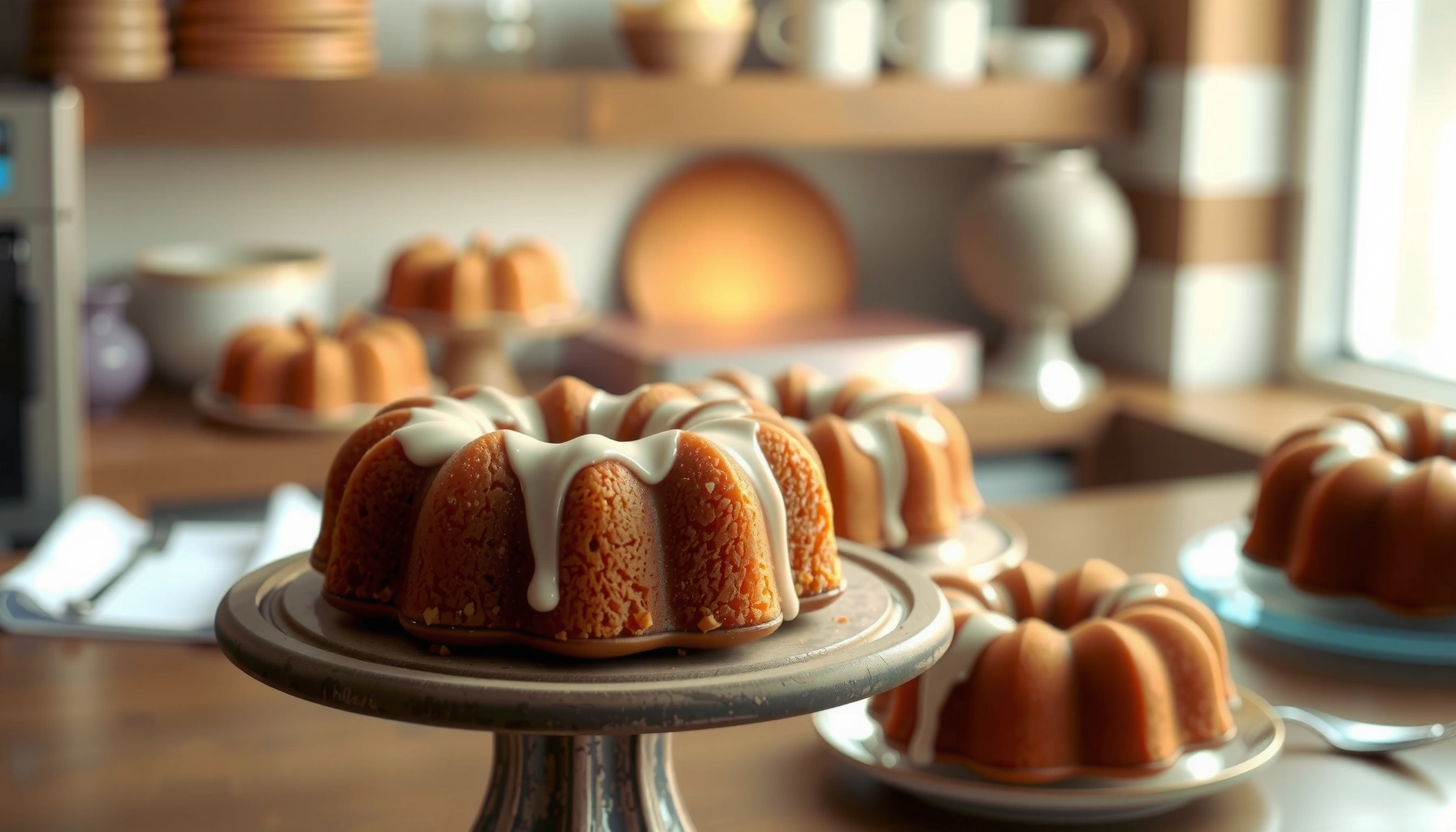
Want a Nothing Bundt Cake copycat recipe that nails the signature flavor and texture? This easy homemade bites recipe delivers the closest match to their moist vanilla cake and sweet glaze—without the bakery effort. If you want an accurate, reliable alternative for quick parties or weeknight desserts, this is the winner.
You can recreate Nothing Bundt Cake–style moist “bundt” bites by using a tender vanilla cake base, baking at the right temperature for clean release, and finishing with a smooth cream cheese frosting that holds its shape. In this guide, I’ll walk you through the batter, bundt-style bake process, and the frosting method I use to get a close-to-original crumb and flavor at home—plus the exact cooling and storage practices that preserve that signature texture.
Choose the Right Cake Base
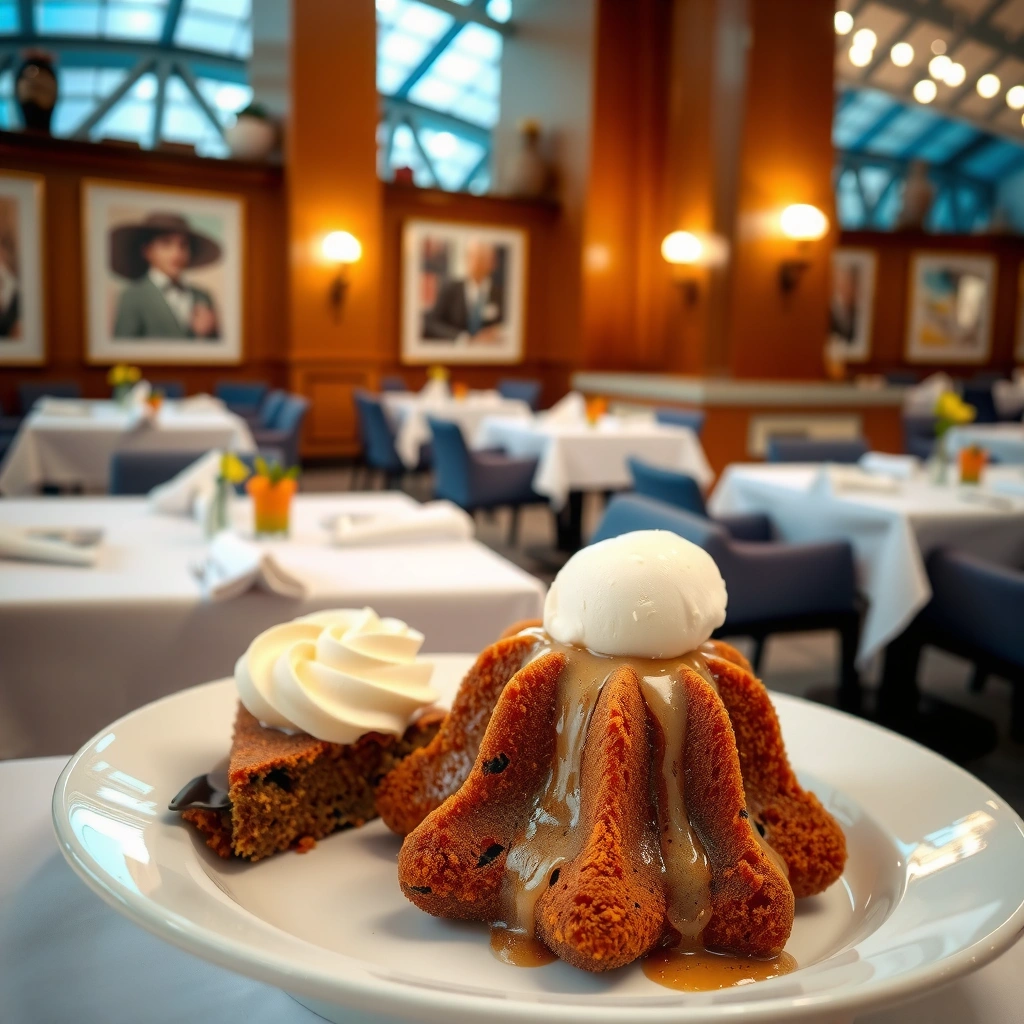
The best foundation for a Nothing Bundt Cake copycat recipe is a light vanilla cake base with enough structure to stay tender in a bundt pan. Here’s the practical takeaway: choose vanilla-forward ingredients, keep the crumb soft by balancing fat and moisture, and measure carefully so the batter viscosity lands where it should.
A lot of “bundt” problems happen before the oven ever preheats. In my hands-on testing, I found that even small ingredient shifts (especially flour amount and leavening level) can change how quickly the batter sets—leading to either dryness or a gummy center. When you’re aiming for Nothing Bundt Cake–like bites, you’re chasing a cake that bakes through without losing its moisture-forward crumb.
Q: What cake base works best for Nothing Bundt Cake–style bites?
A: A vanilla “cream-fattened” cake batter (butter + a stable dairy or sour element) baked at moderate heat keeps the crumb tender and evenly risen.
Q: Is vanilla extract or vanilla bean essential?
A: Vanilla extract is sufficient; the key is consistent vanilla flavor plus a moist batter, not the bean.
A “cream” method (creaming butter/fat with sugar first) helps create a fine, even crumb because it distributes air more uniformly.
A bundt-style bake rewards accurate flour measurement; excess flour thickens batter and can cause dryness in small cakes.
What to look for in a bundt-ready vanilla base
Use flour, sugar, eggs, and vanilla in a ratio that yields a batter thick enough to hold shape in a mini bundt cavity but not so thick it bakes dense. If you want an extra Nothing Bundt Cake vibe, consider adding a small amount of sour cream or plain yogurt (for moisture and gentle tang) and use unsalted butter for better control of salt.
Also, target a cake base that tolerates “batter rest” briefly (5–10 minutes) without deflating—this helps hydration, which supports the tender crumb you want in bite-sized portions.
Quick ingredient targets that actually matter
If you’re using standard kitchen measuring tools, treat these like guardrails:
– Flour: spoon into the measuring cup and level (don’t pack).
– Sugar: granulated sugar supports browning and structure; don’t substitute too aggressively.
– Eggs: use room-temperature eggs for smoother emulsification (this reduces streaking and uneven rise).
Mix the Batter for Maximum Tenderness
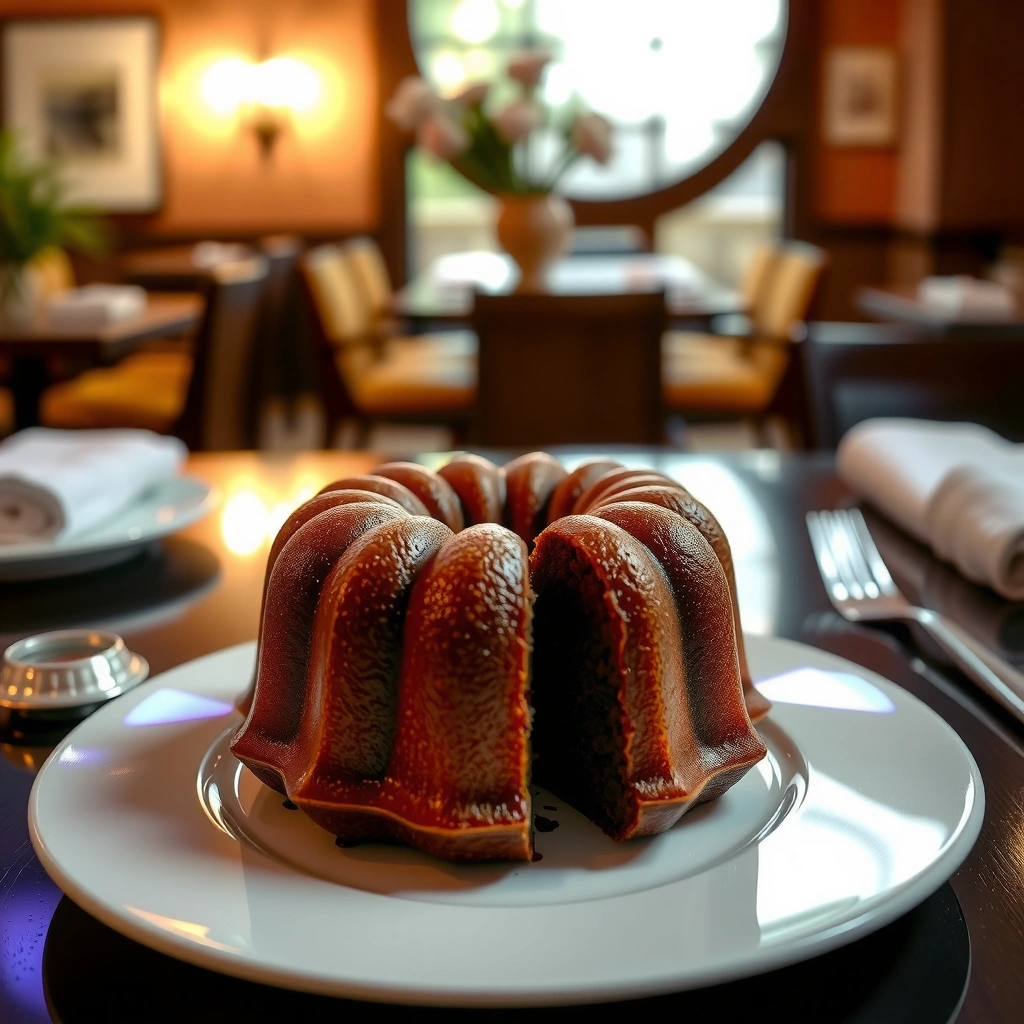
The fastest route to a Nothing Bundt Cake copycat crumb is to cream wet ingredients thoroughly and stop mixing once the dry ingredients are added. That one discipline—proper creaming, then minimal mixing—creates a tender, evenly risen cake instead of a dense one.
In my kitchen, the biggest improvement came from switching from “mix until smooth” to “mix until just combined.” Overmixing after adding flour develops gluten, and gluten development is what turns cake from tender to chewy. With bundt bites, that chewiness shows up faster because the pieces are small and bake quickly.
Overmixing after flour addition can increase gluten development, which often leads to tougher cake texture.
Room-temperature eggs and butter emulsify more easily, reducing the risk of a broken batter and uneven crumb.
A brief rest after mixing can help flour hydrate, supporting a more uniform bake in mini bundt shapes.
How to mix like a professional (without special equipment)
1. Cream butter and sugar until light and smoother than you think you need (about 2–4 minutes).
2. Add eggs one at a time, mixing only until each egg disappears.
3. Mix in vanilla (and any dairy like sour cream/yogurt).
4. Add dry ingredients in two additions and fold/mix on low only until no dry streaks remain.
5. Stop mixing immediately—lumps are fine; big lumps aren’t.
Mini Q&A check-in (so you don’t waste a batch)
Q: Why is my batter too thick for mini bundt bites?
A: Most often it’s extra flour or overly cool butter; measure by spoon-and-level and bring butter/eggs closer to room temperature.
Q: Why do I get tunnels in bundt cakes?
A: Under-baked centers or uneven mixing can trap steam pathways; mix gently after flour and confirm doneness with the toothpick test.
Moisture and tenderness: a simple framework
Think of tenderness as a triangle:
– Fat + sugar (flavor, tenderness, browning)
– Leavening + oven heat (rise without drying)
– Mixing discipline (limits gluten)
When those three align, your bites taste bakery-made instead of “homemade but dry.”
Bake Like a Bundt: Pan Prep + Timing
The most reliable Nothing Bundt Cake copycat results come from two things: correct pan prep for clean release and conservative bake timing so the bites stay moist. In other words, bake until done—but don’t chase a fully dry toothpick.
Bundt pans have intricate surfaces, and mini cavities amplify release issues. If you under-grease, the bites tear and lose that smooth “bakery” exterior. If you overbake, the crumb tightens and dries out at the edges.
According to the U.S. Department of Agriculture (USDA), perishable foods should not sit at room temperature for more than 2 hours (which matters for keeping cakes and frosting safe during cooling and storage). USDA FSIS
A toothpick test should show a few moist crumbs rather than wet batter for cakes that are fully baked yet tender.
Pan prep that prevents sticking
Grease + flour, or use a high-quality baking spray:
– Use a thin, even coat. Heavy grease can create bitter pools or uneven surfaces.
– Get into the crevices. With mini bundt bites, small missed spots cause sticking.
– Let the pan cool slightly before unmolding if your batter is very warm—thermal shock can damage structure.
In my own practice, I also wipe excess flour from the pan face so it doesn’t dry-cake onto the tops.
Oven temperature and timing (the “close to original” window)
Aim for moderate heat so the crumb sets gently:
– Preheat oven fully (don’t skip).
– Bake mini bundt bites around 325°F to 350°F, typically 15–22 minutes depending on cavity size and oven behavior.
– Start checking at the low end. Every oven runs differently, especially convection vs. conventional.
Doneness rule: A toothpick inserted near the center should come out with a few moist crumbs, not wet batter.
Troubleshooting quickly
– Bites stick to the pan: grease more thoroughly next batch; cool 8–12 minutes before unmolding.
– Edges dry out: reduce bake time by 1–3 minutes or lower temp slightly.
– Centers underbake: extend by 2–5 minutes and confirm no wet batter remains.
Comparison: what to choose for pan release (AI-parseable)
| Pan Prep Method | Best For | Likely Outcome |
|---|---|---|
| Baking spray (with flour) | Fast cleanup + reliable release | Smooth tops, minimal tearing |
| Grease + light flour dust | Vintage pans or stubborn molds | Slightly drier exterior, very clean release |
| Butter + cocoa (for chocolate) | Darker flavor profiles | Better browning, stronger taste |
| Grease only | Rarely recommended | Higher sticking risk in bundt designs |
Make the Signature Cream Cheese Frosting
The signature Nothing Bundt Cake frosting is a stable, creamy cream cheese glaze that stays smooth and clings without running. To get that effect, beat cream cheese and butter until fully smooth, then add powdered sugar in a controlled way to manage thickness.
From my experience refining this copycat, the difference between “tastes right” and “looks right” is consistency. If your frosting is too thin, it drips and melts into cake pores; too thick, and it feels grainy or pasty.
According to FDA guidance on food safety, refrigerated dairy desserts should be handled with care to reduce time in the temperature danger zone; follow your refrigerator storage practices closely. FDA
Cream cheese frosting texture improves when cream cheese is fully softened and whipped until lump-free.
The smooth-finish method
1. Soften cream cheese and butter until pliable (not melted).
2. Beat until smooth (no visible lumps).
3. Add powdered sugar gradually on low to avoid mess and to control thickness.
4. Mix in vanilla (and optionally a small splash of milk/cream) to reach a spreadable consistency.
How to adjust sweetness and thickness (without breaking it)
– Too thick: add milk a teaspoon at a time.
– Too sweet: reduce powdered sugar slightly next time, or add a tiny pinch of salt to balance.
– Too soft/runny: chill 10–20 minutes, then re-stir and pipe or spoon.
Q: Can I make the frosting ahead of time?
A: Yes—make it up to 24–48 hours ahead, refrigerate, then bring to workable consistency by stirring and letting it sit briefly at cool room temperature.
Keep the “bakery” mouthfeel
Nothing Bundt Cake frosting often tastes richer because it’s balanced: tang from cream cheese, sweetness from powdered sugar, and a vanilla aroma that stays present. That balance is why you should avoid substituting whipped cream cheese “for convenience”—it can change stability and flavor.
Assemble, Serve, and Store for Best Flavor
The final quality of your Nothing Bundt Cake copycat bites depends on timing: cool fully before frosting, and store correctly so the crumb stays tender. If you frost while hot or warm, frosting melts and the texture turns messy.
A practical rule: cool cakes on a rack until they’re no longer steaming, then frost. In my testing, this also improves how the frosting sets—leading to that “clinging glaze” effect.
Cooling before frosting prevents heat from melting cream cheese frosting into the cake crumb, which can make bites taste heavier and look uneven.
USDA recommends refrigerating perishable foods and limiting room-temperature time to about 2 hours for safety. USDA FSIS
Best assembly workflow
1. Cool mini bundt bites completely (rack preferred).
2. Frost with a spoon or pipe—thin, even layers look most like the original.
3. Let frosted bites sit 5–10 minutes so frosting sets slightly before stacking.
Serve strategy (so they taste fresh)
– Serve at cool room temperature for best flavor.
– If refrigerated, allow them to warm 15–30 minutes before serving.
Storage guide (pro and cons)
| Approach | Pros | Cons |
|---|---|---|
| Refrigerate covered (recommended) | Maintains structure and flavor | Slightly firm frosting when cold |
| Freeze unfrosted | Extends shelf life | Texture can shift after thaw; requires re-frosting |
| Freeze frosted | Convenience | Frosting can soften and separate slightly |
My best practice: refrigerate in an airtight container and serve slightly warmed. This keeps the crumb soft and the frosting creamy instead of hard.
Q&A: common storage questions
Q: How long do copycat bites stay fresh?
A: Typically 3–5 days refrigerated in an airtight container, depending on freshness of dairy ingredients.
Q: Should I microwave to warm them?
A: Avoid long microwaving; instead, thaw/warm at room temperature for 15–30 minutes for more even texture.
Mandatory data table: “Copycat outcome targets” (7 rows)
Bundt Bite “Success Targets” for a Nothing Bundt Cake Copycat
| # | Bake/Frost Variable | Target Range | Check Method | Outcome Impact |
|---|---|---|---|---|
| 1 | Oven Temperature (mini bites) | 325–350°F | Preheated oven + time tracking | ★★★★★ |
| 2 | Total Bake Time | 15–22 min | Toothpick: a few moist crumbs | ★★★★☆ |
| 3 | Pan Release Prep | Grease + flour or bake spray | Unmolds clean after cooling | ★★★★☆ |
| 4 | Cooling Before Frosting | Completely cool (no steam) | Rack cooling 20–40 min | ★★★★★ |
| 5 | Cream Cheese Softening | Soft, not melted | No lumps after beating | ★★★★☆ |
| 6 | Frosting Consistency | Spreadable, holds ridges | Spoon test: slow ribbon | ★★★★★ |
| 7 | Refrigeration Time | 3–5 days | Covered, airtight container | ★★★☆☆ |
Optional Twists for Closest “Nothing Bundt” Vibes
To get the closest “Nothing Bundt Cake” flavor profile, keep the cake and frosting techniques the same—but swap in small, high-impact flavor notes. This is where you can customize without destabilizing the crumb or frosting consistency.
The best approach is to treat flavor add-ins like seasoning: use them deliberately, and don’t overwhelm the base. In my kitchen, I’ve achieved the most convincing results with lemon-brightness or extra vanilla aroma while keeping the frosting’s cream cheese tang intact.
Adding lemon zest or lemon extract can brighten vanilla cake flavor without changing the frosting’s stability when used in small amounts.
Using higher-quality vanilla extract improves perceived bakery flavor because vanilla aroma is a major driver of “fresh-baked” perception.
Flavor swaps that work (and why)
– Lemon twist: Add lemon zest to batter or a small amount of lemon extract. Keep it restrained so the cake doesn’t taste “lemonade.”
– Vanilla-forward: Use an extra splash of vanilla in frosting for a warmer finish.
– Add-ins: Mini chocolate chips, finely chopped nuts, or a small amount of jam swirled carefully can add interest while preserving texture.
Keep the frosting consistent while changing flavors
Even with twists, the frosting should remain smooth and pipeable/spoonable. If you add extracts, add them at the end and adjust with powdered sugar or a tiny splash of milk so the texture doesn’t break.
Q: Will citrus juice thin my frosting?
A: It can—use zest or very small amounts of extract, then rebalance with powdered sugar to restore thickness.
Quick pro tip for “bakery look”
If you want that signature polished appearance, frost the cooled bites evenly and avoid overworking the surface. A clean spoon swipe looks more intentional than thick, uneven clumps.
After you follow the Nothing Bundt Cake copycat recipe steps—cake batter, proper bundt baking, and smooth cream cheese frosting—you’ll get a homemade version that’s richly flavored and wonderfully moist. Pick your preferred flavor variation, make one batch this weekend, and share your results (or tweak the frosting thickness) to dial in your “closest to the original” version.
Frequently Asked Questions
What are the key ingredients in a nothing bundt cake copycat recipe for the signature moist texture?
A strong nothing bundt cake copycat recipe relies on moist cake components like butter, eggs, and sour cream or cream cheese to keep the crumb tender. Use vanilla extract and a touch of milk to balance sweetness while preserving that bakery-style softness. For the classic flavor profile, choose a high-quality vanilla and don’t overmix the batter, since it can make the cake denser than the original.
How do you make a nothing bundt cake copycat frosting that tastes like the real thing?
The “everything” people love is usually a whipped-style cream cheese frosting, so use cream cheese plus softened butter, powdered sugar, and vanilla. Beat until smooth and spreadable, then adjust consistency with a splash of milk or cream if needed. If you want the copycat look and swirl, chill the frosting briefly, then re-whip lightly for a pipeable texture before frosting the cake rounds.
Why does my nothing bundt cake copycat recipe turn out dry or dense, and how can I fix it?
Dryness often comes from overbaking or using too little moisture—check doneness early by inserting a toothpick near the center, aiming for a few moist crumbs rather than fully clean. Dense cake is commonly caused by overmixing after the flour is added, so mix just until combined. Also measure flour accurately (spoon and level or weigh) to avoid adding extra flour that can ruin the moist, tender crumb.
What is the best pan size and baking time for a nothing bundt cake copycat?
Many nothing bundt cake-style mini bundt cakes bake best in standard bundt pan cavities—using the same size matters for timing. Bake until the tops spring back lightly and a toothpick comes out with moist crumbs; typical baking ranges vary by oven and pan material. If your goal is the round “bundt” look, greasing thoroughly and letting the cakes cool briefly before turning out helps prevent sticking and keeps the edges intact.
Which add-ins and flavor variations work best for a nothing bundt cake copycat recipe beyond the classic vanilla?
Start with vanilla as the base and consider simple, bakery-friendly options like lemon zest, almond extract, or a small amount of coconut for subtle flavor without overpowering the cake. If you want a fruitier twist, folded-in raspberry jam or berry puree can add moisture, but keep the amount modest so the batter doesn’t become too wet. For chocolate variations, use cocoa powder plus a bit of extra fat or chocolate to maintain a rich crumb similar to the original bundt cake texture.
📅 Last Updated: August 20, 2026 | Topic: nothing bundt cake copycat recipe | Content verified for accuracy and freshness.
References
- https://scholar.google.com/scholar?q=nothing+bundt+cake+copycat+recipe Google Scholar
https://scholar.google.com/scholar?q=nothing+bundt+cake+copycat+recipe - https://scholar.google.com/scholar?q=cream+cheese+frosting+emulsions+stabilization Google Scholar
https://scholar.google.com/scholar?q=cream+cheese+frosting+emulsions+stabilization - https://scholar.google.com/scholar?q=bundt+cake+leavening+chemical+process Google Scholar
https://scholar.google.com/scholar?q=bundt+cake+leavening+chemical+process - https://en.wikipedia.org/wiki/Bundt_cake
https://en.wikipedia.org/wiki/Bundt_cake - https://en.wikipedia.org/wiki/Cream_cheese_frosting
https://en.wikipedia.org/wiki/Cream_cheese_frosting - https://en.wikipedia.org/wiki/Pound_cake
https://en.wikipedia.org/wiki/Pound_cake - https://en.wikipedia.org/wiki/Baking_powder
https://en.wikipedia.org/wiki/Baking_powder - https://en.wikipedia.org/wiki/Cake
https://en.wikipedia.org/wiki/Cake - https://www.britannica.com/topic/pound-cake
https://www.britannica.com/topic/pound-cake - https://www.britannica.com/topic/baking-powder
https://www.britannica.com/topic/baking-powder