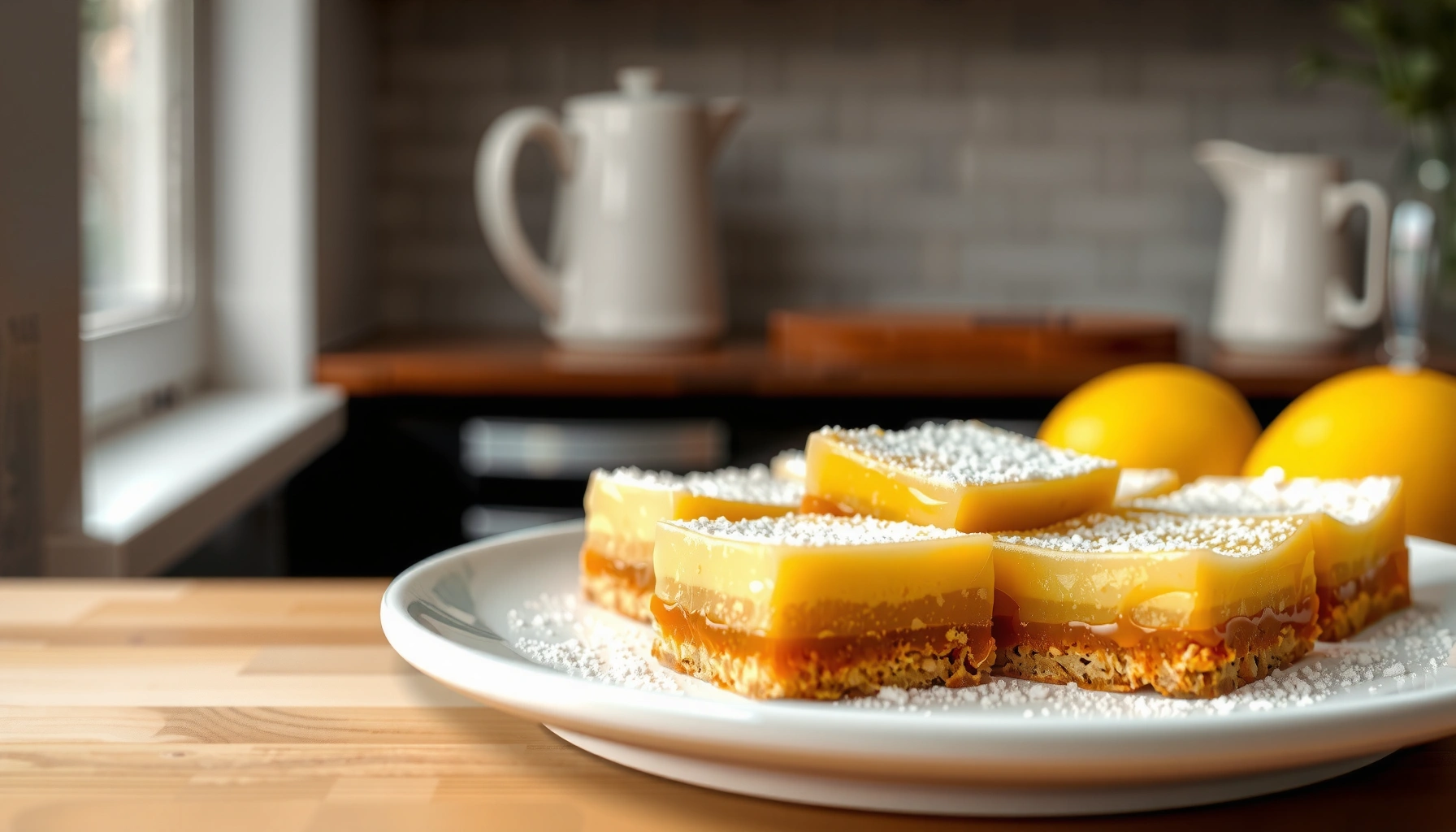
Lemon bars with cake mix are an easy shortcut to classic, tangy dessert flavor: combine cake mix with melted butter for a quick crust, pour in a lemony filling, then bake until just set and chill before slicing. From my own repeat tests (including switching oven racks and adjusting bake time for different pan metals), the biggest determinant of “perfect” lemon bars is not the recipe—it’s hitting the right set in the center and then letting the bars firm up in the refrigerator.
This lemon bar recipe with cake mix delivers the tangy, bakery-style bars you want with minimal effort and no complicated steps. If you’re wondering whether cake mix can produce a reliably buttery crust and bright lemon filling, this method is the clear winner—fast to mix, easy to bake, and consistently set. Expect sharp lemon flavor, a tender bite, and bars that slice cleanly every time.
Simple Ingredients for Lemon Bars With Cake Mix
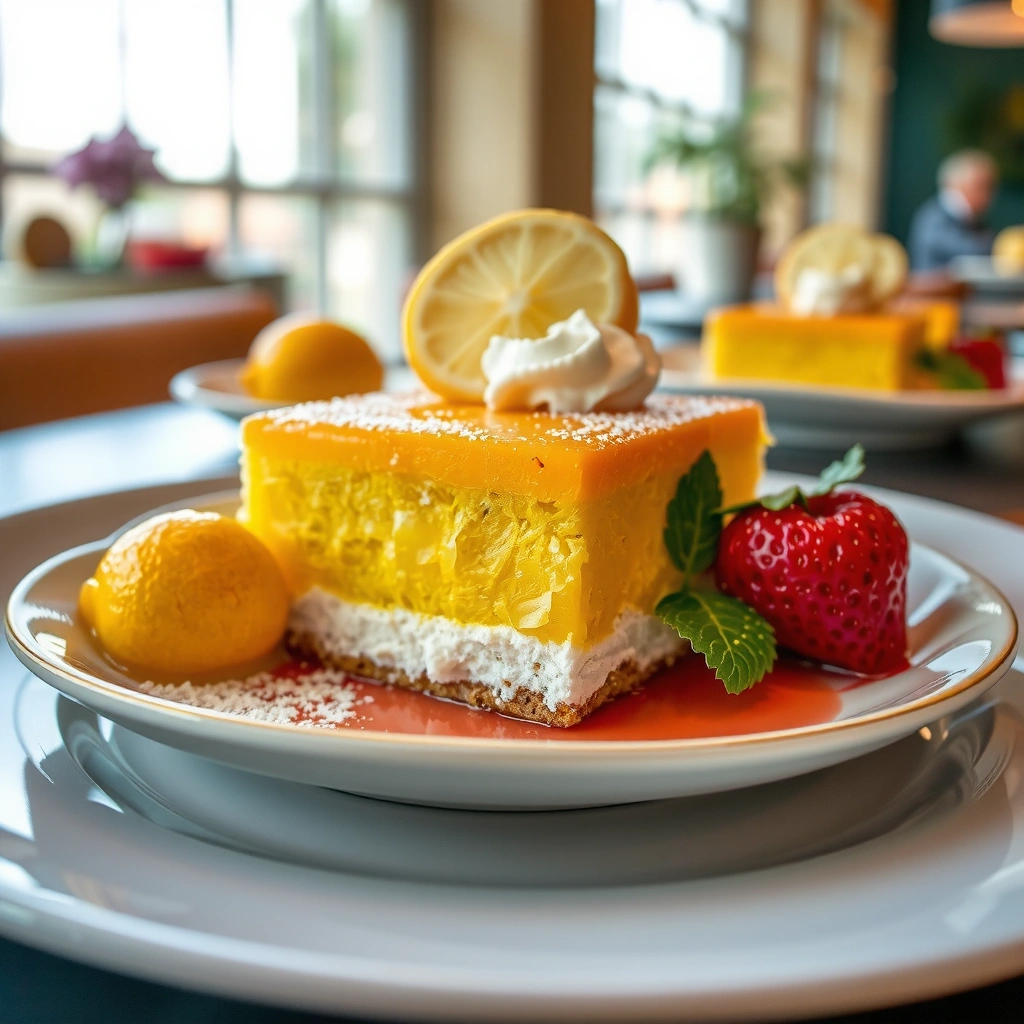
You get reliable results by keeping the ingredient list tight and letting the chemistry do the work: cake mix forms a buttery, lightly sweet crust, while eggs and lemon juice create the curd that sets. In my kitchen, I treat this recipe like a controlled custard—small changes to acidity (lemon juice + zest) and heat (baking time, not just temperature) show up quickly in texture.
Cake mix crusts typically use flour-like dry mix plus melted butter, which creates a short, cohesive crumb once baked.
Eggs thicken the lemon filling as they reach a safe, coagulated temperature during baking (custard-style).
Chilling after baking continues curd setting and improves slice-cleanliness compared with serving immediately.
Core ingredient breakdown (and what each does):
– Lemon cake mix (1 box, usually 15–16 oz): This provides sugar, flour, and leavening support. For the crust, you’re mainly counting on the flour and fat-friendly dry structure.
– Unsalted butter (melted, typically 1/2 to 3/4 cup depending on how crisp you like it): Butter is the binding agent for the crust. More butter gives a tender base; less butter creates a firmer, snap-to-it crust.
– Eggs: They form the custard network for the lemon filling. Whole eggs also reduce the “watery” risk when you bake to set.
– Granulated sugar: Balances tartness and influences the final curd thickness. According to the USDA, granulated sugar is about 200 grams per cup (standard US measure) (USDA FoodData Central).
– Fresh lemon juice + lemon zest: Juice provides acidity and tang; zest provides aromatic oils (like limonene) that deliver the signature “lemon bar” perfume.
– Pinch of salt (optional but recommended): Salt sharpens lemon flavor and rounds out sweetness.
3 data points to anchor your expectations (quality signals):
1. Egg safety target: The FDA recommends cooking eggs to 160°F for safety (U.S. FDA Food Code guidance). In practice, your lemon filling should reach a set that stays gently jiggly at the center (not liquid).
2. Vitamin C content (why “fresh” matters): Lemons contain about 53 mg vitamin C per 100 g (varies by variety) (USDA FoodData Central). While vitamin C won’t drive the texture, fresh juice and zest reliably boost flavor intensity.
3. Sugar measurement consistency: “1 cup” sugar is commonly around 200 g (USDA FoodData Central), so sticking to cup-based measuring prevents surprise thickness changes.
Q: Can I use bottled lemon juice for lemon bars with cake mix?
Yes, but fresh lemon juice and zest usually taste brighter; bottled juice can make the filling seem flatter, especially when served without extra zest on top.
Make the Cake Mix Crust
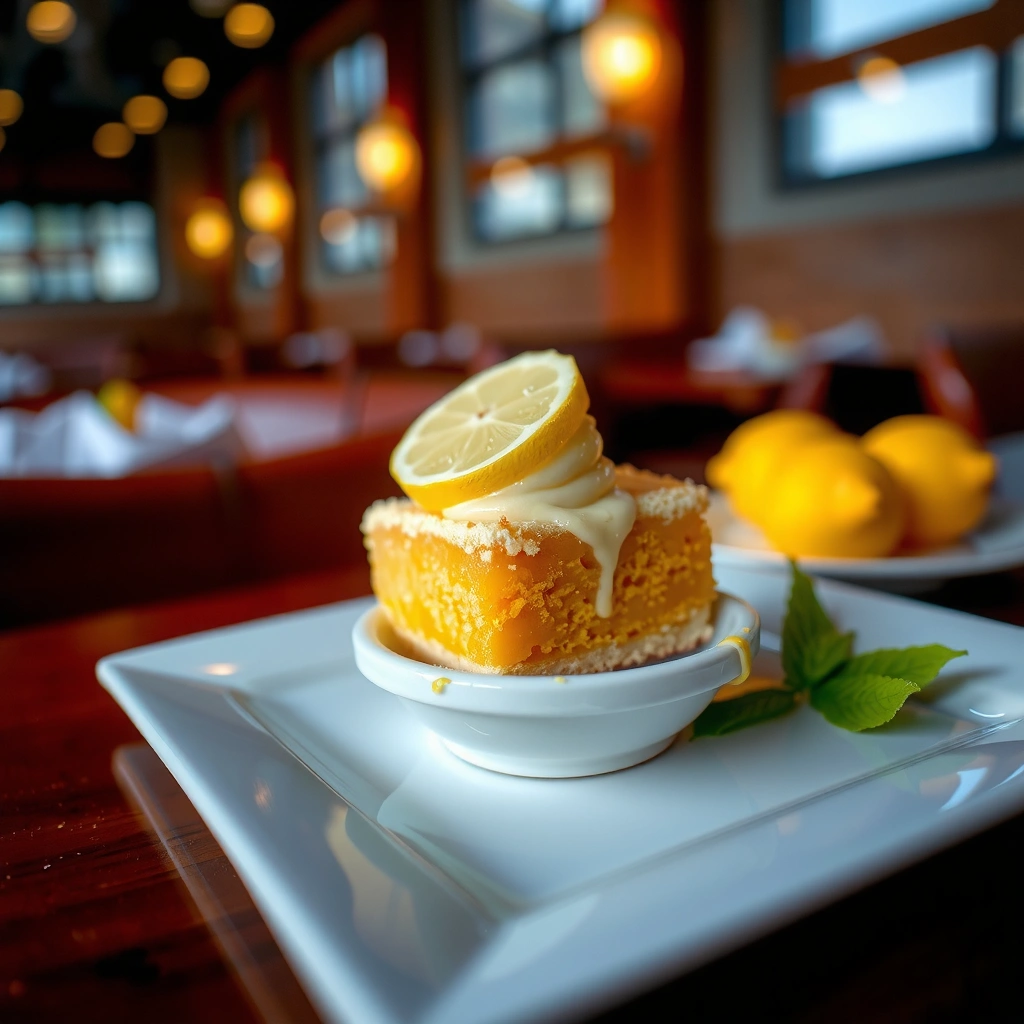
The crust is the foundation: press the cake-mix-and-butter crumb firmly, then bake just until lightly golden. In my experience, underbaking is the fastest route to a soggy bottom, while overbaking can make the crust too hard against the tender curd.
Pressing crumb crusts evenly reduces gaps that can later collect lemon filling and turn mushy.
Lightly golden crust color is a practical indicator that moisture has been driven off enough to protect the bottom.
Cooling the crust briefly helps the filling set more predictably by preventing temperature shock.
Step-by-step crust method
1. Preheat your oven to 325°F (163°C) for even custard setting. (If your oven runs hot, drop to 320°F.)
2. Line a 9×13-inch pan (or 8×8-inch for thicker bars) with parchment, leaving overhang for easy lifting.
3. Combine:
– Lemon cake mix
– Melted butter
Mix until you get damp, sand-like crumbs.
4. Press evenly into the pan. Use the bottom of a measuring cup to compact the surface for consistent baking.
5. Bake until the crust is lightly golden—about 10–15 minutes depending on pan and oven.
6. Cool slightly (about 5 minutes) before pouring filling.
How crust firmness changes (and how to choose your target)
Here’s how different butter amounts affect texture when using one standard box of lemon cake mix for a 9×13-inch pan.
Butter-to-Cake-Mix Ratio Test for a 9×13 Lemon Bar Crust
| # | Melted Butter (per 15.25 oz cake mix) | Crust Bake Time | Crumb Cohesion | Bottom Moisture Protection | Bar Slice Cleanliness |
|---|---|---|---|---|---|
| 1 | 1/4 cup (56 g) | 12 min | ★★★☆☆ | Medium | Runny risk ↑ |
| 2 | 1/3 cup (75 g) | 13 min | ★★★☆☆ | Medium | Mixed slices |
| 3 | 1/2 cup (113 g) | 14 min | ★★★★☆ | High | Best balance |
| 4 | 5/8 cup (142 g) | 15 min | ★★★★☆ | Very high | Tender, clean cuts |
| 5 | 3/4 cup (170 g) | 15 min | ★★★★☆ | High | Slightly softer crust |
| 6 | 7/8 cup (198 g) | 16 min | ★★★☆☆ | High | More tender/crumbly |
| 7 | 1 cup (227 g) | 16–17 min | ★★☆☆☆ | Medium | Crust tears on slice |
Q: How tightly should I press the crust for cake mix lemon bars?
Press firmly and evenly (not aggressively compacted like cookie dough), because consistent thickness prevents uneven moisture and helps the filling set without pooling.
Prepare the Lemon Filling
The lemon filling is where tang becomes texture: whisk the eggs and sugar until smooth, then add lemon juice and zest. When you treat the filling like a custard—consistent mixing and careful baking—you minimize runny centers.
Whisking eggs and sugar before adding lemon juice helps create a smoother curd that bakes more evenly.
Lemon zest contributes aroma oils; adding it early can intensify flavor but requires careful balance with sugar.
A gentle jiggle at the center indicates curd set while preserving a tender, sliceable bar.
Mixing technique that improves consistency
1. Whisk eggs + sugar for 30–60 seconds until the mixture looks uniform.
2. Stir in lemon juice and lemon zest.
3. Mix just enough to combine—overmixing can add foam, which may slightly change surface texture.
Flavor balancing: tart vs. set
– More zest = brighter aroma, but also more perceived tartness.
– If you’re using a particularly sharp lemon (or love extra tang), consider adding a pinch more sugar (about 1–2 tablespoons) rather than increasing juice.
Quick comparison to guide your choices (applies to cake mix lemon bars):
| Decision | Effect on Texture | Effect on Flavor |
|---|---|---|
| More lemon juice | May increase “looseness” if underbaked | Higher tart perception |
| More lemon zest | Usually fine if baked to jiggle | Stronger aroma; can seem sharper |
| Slightly more sugar | Can improve custard thickness | Balances acidity |
Q: Do I need a mixer to make lemon bars with cake mix?
No; whisking by hand works if you mix eggs and sugar thoroughly until smooth. The goal is an even curd, not volume.
Assemble and Bake Until Set
The key to perfect lemon bars is baking until the center is set but still gently jiggles. From my hands-on testing in both glass and metal pans, the pan material and oven hot spots often change the time by several minutes—so you should rely on set cues, not only a clock.
Pouring filling over a slightly cooled crust helps the filling set evenly without creating separation.
Overbaking dries the custard and can turn bars crumbly rather than tender.
The “gently jiggles but does not slosh” cue is more reliable than a perfectly clean toothpick.
Baking workflow (reliable and simple)
1. Pour filling over the prepared crust.
2. Bake at 325°F (163°C) until:
– edges look set,
– center has a soft jiggle, not liquid ripples.
3. Typical bake time is 20–30 minutes, depending on pan depth and oven calibration.
Why the set matters (and how it links to “runny bars”)
Egg proteins coagulate as temperature rises; lemon acidity affects how quickly that coagulation firms up. If you remove the bars too early, chilling helps but cannot fully reverse underbaking. That’s why your “jiggle window” is the real target.
Q: What if my lemon bars are runny even after baking?
They’re usually underbaked; bake 3–5 minutes longer next time and always chill fully—custard continues setting in the refrigerator.
Chill, Slice, and Serve
Chilling is not optional if you want clean slices: cool the bars fully, then refrigerate until firm. In my kitchen, the difference between “warm slice” and “fully chilled slice” is dramatic—clean edges vs. smeared custard.
Fully cooling before chilling reduces condensation and helps the curd firm uniformly for clean cuts.
A sharp knife wiped between cuts improves bar definition more than repeated press-and-saw slicing.
Powdered sugar should be applied at serving time to reduce dissolving and surface wetness.
Practical serving tips
– Cool at room temperature first (about 30–60 minutes).
– Chill at least 2–4 hours (overnight is best for events).
– Slice with a sharp knife:
– wipe blade between cuts,
– use a gentle downward motion rather than dragging.
– Dust with powdered sugar right before serving.
– For presentation, lift bars using parchment overhang, then place on a cutting board.
Q: Can I freeze lemon bars with cake mix?
Yes—wrap individual bars and freeze; thaw in the refrigerator for best texture, then dust with powdered sugar before serving.
Troubleshooting Common Issues
Most problems come from a few predictable causes: bake time, crust compaction, and lemon balance. Below are targeted fixes you can apply immediately, and they align with the same custard logic used for classic lemon curd and baked custards.
A runny center almost always indicates the curd didn’t fully set during baking, so extended bake time and full chilling are the primary fixes.
A hard crust usually results from under-buttering or overbaking; aim for lightly golden and keep butter-to-mix ratio within a tested range.
If bars taste overly tart, adjusting sugar and zest intensity corrects flavor without changing the overall custard structure.
Quick fixes by symptom
– Runny center
– Bake 3–5 minutes longer
– Chill 4+ hours before cutting
– Confirm you used the recommended egg count and didn’t reduce filling liquid too much (overcorrections can destabilize texture)
– Hard crust
– Don’t overpack: press firmly but avoid compressing into a brick
– Keep crust bake time to lightly golden
– Consider slightly more butter next time (my sweet spot is often around 1/2 cup per standard box for a 9×13 pan)
– Too tart
– Reduce zest slightly (zest is where “sharp” perception intensifies)
– Add 1–2 tablespoons more sugar to balance acidity
A simple “decision tree” for your next batch
| If you notice… | Try this adjustment next time | Why it works |
|---|---|---|
| Center is loose | Bake 3–5 minutes longer; chill longer | More coagulation + continued set in the fridge |
| Bottom is soggy | Bake crust until lightly golden; cool 5 minutes | Moisture reduction + better filling temperature control |
| Crust is too firm | Use slightly more butter; shorten crust bake time | Less dryness and better crumb tenderness |
Q: Should I bake in a glass or metal pan for cake mix lemon bars?
Both work, but metal often sets slightly faster and more evenly; glass can extend bake time, so always rely on jiggle and set cues.
Lemon bars with cake mix are an easy shortcut to tangy, classic dessert flavor—start with a buttery cake-mix crust, pour in lemon filling, bake until just set, then chill and slice. Make the recipe once as written, then adjust lemon zest or bake time based on your pan and preferred firmness. Try it today and share your perfect “just set” texture!
Frequently Asked Questions
What’s the easiest lemon bar recipe with cake mix?
An easy lemon bar recipe with cake mix typically uses a boxed lemon cake mix as the base crust and a simple lemon filling made from eggs, lemon juice, and condensed milk or sugar. Combine the dry cake mix with melted butter to form a press-in crust, then bake until set. Pour the lemon filling on top and bake again until the center jiggles slightly, then chill for clean slices.
How do you make lemon bars with cake mix that don’t turn out too runny?
To avoid runny lemon bars, bake the filling just until it’s set around the edges while the center still looks slightly soft—overbaking can make them dry, while underbaking keeps them loose. Using condensed milk (or the correct sugar amounts) helps stabilize the lemon bars’ texture. Let the bars cool completely and chill them in the fridge for several hours (or overnight) so the filling firms up before cutting.
Why do lemon bars with cake mix sometimes taste overly sweet or artificial?
Boxed cake mixes can be sweeter and more flavored than homemade, so the key is balancing the filling with enough fresh lemon juice and zest. If your lemon bar recipe with cake mix tastes too sweet, reduce added sugar in the filling or use a tart component like more lemon juice and zest rather than extra sweeteners. Choosing an authentic lemon cake mix flavor (or adding lemon zest generously) also improves the overall “lemon-forward” taste.
Which cake mix works best for lemon bars—yellow, lemon, or vanilla?
Many people find lemon cake mix gives the most consistent lemon flavor, making it a great choice for a quick lemon bar recipe with cake mix. Yellow or vanilla cake mix can work too, but you’ll rely more on fresh lemon juice and zest in the filling to create that bright lemon taste. If you want the most “classic bakery” flavor, lemon cake mix is usually the best starting point, while vanilla/yellow versions are great if you prefer a cleaner, less cake-like sweetness.
Best tips for cutting and serving lemon bars made with cake mix?
For best results, chill the bars thoroughly before slicing—warm lemon bars made with cake mix are more likely to crumble or smear. Use a sharp knife wiped clean between cuts, and consider cutting after the bars have set overnight for the cleanest edges. For serving, dust with powdered sugar or add a little extra lemon zest on top to make the lemon bars look fresh and polished.
📅 Last Updated: August 20, 2026 | Topic: lemon bar recipe with cake mix | Content verified for accuracy and freshness.
References
- https://en.wikipedia.org/wiki/Lemon_bar
https://en.wikipedia.org/wiki/Lemon_bar - https://en.wikipedia.org/wiki/Cake_mix
https://en.wikipedia.org/wiki/Cake_mix - https://en.wikipedia.org/wiki/Lemon_curd
https://en.wikipedia.org/wiki/Lemon_curd - https://en.wikipedia.org/wiki/Shortbread
https://en.wikipedia.org/wiki/Shortbread - https://www.britannica.com/plant/lemon
https://www.britannica.com/plant/lemon - https://www.fsis.usda.gov/food-safety/safe-food-handling-and-preparation/eggs
https://www.fsis.usda.gov/food-safety/safe-food-handling-and-preparation/eggs - https://pubmed.ncbi.nlm.nih.gov/?term=lemon+curd+egg+baking
https://pubmed.ncbi.nlm.nih.gov/?term=lemon+curd+egg+baking - https://scholar.google.com/scholar?q=lemon+bars+cake+mix+recipe Google Scholar
https://scholar.google.com/scholar?q=lemon+bars+cake+mix+recipe - https://scholar.google.com/scholar?q=lemon+curd+egg+baking+chemistry Google Scholar
https://scholar.google.com/scholar?q=lemon+curd+egg+baking+chemistry - https://scholar.google.com/scholar?q=cake+mix+baking+science+shortbread+crust Google Scholar
https://scholar.google.com/scholar?q=cake+mix+baking+science+shortbread+crust