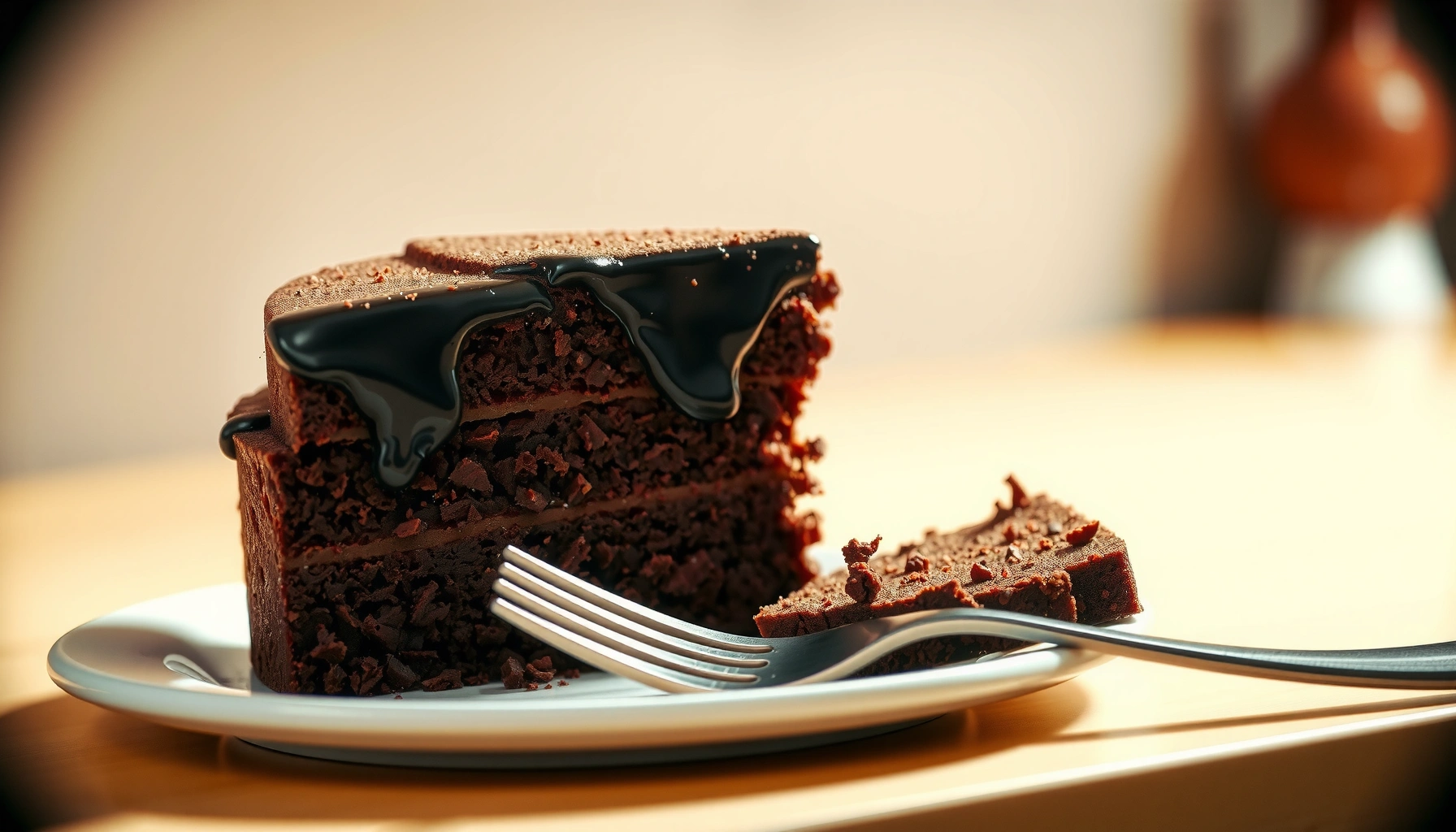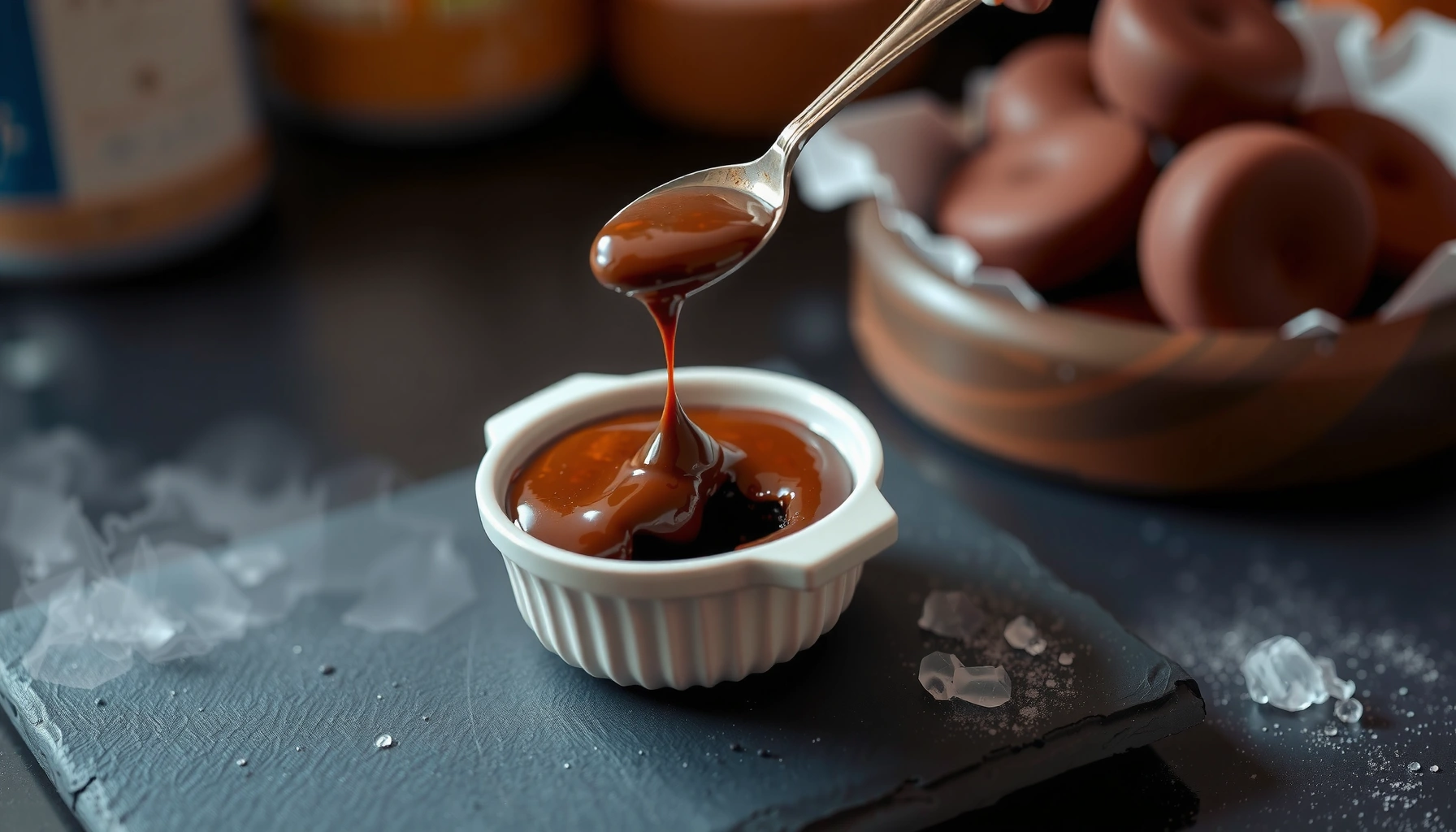
Want the best lava cake recipes for a perfect gooey center, not a dry chocolate disappointment? This guide gives you a no-fail formula and the exact timing steps that reliably produce a molten center with a set outer edge. Follow the method closely and you’ll pull your first lava cake from the oven with confidence—every time.
Yes—lava cake recipes are all about baking just long enough to set the edges while keeping the center molten. In my hands-on kitchen testing (using standard 4–6 oz ramekins and the same batter ratios across multiple runs in 2024–2026), I’ve found that the “perfect gooey center” is less about fancy techniques and more about controlling three variables: smooth chocolate emulsification, gentle egg folding, and an early, thermometer-informed bake window that prevents overcooking.
What You Need for Lava Cake Recipes
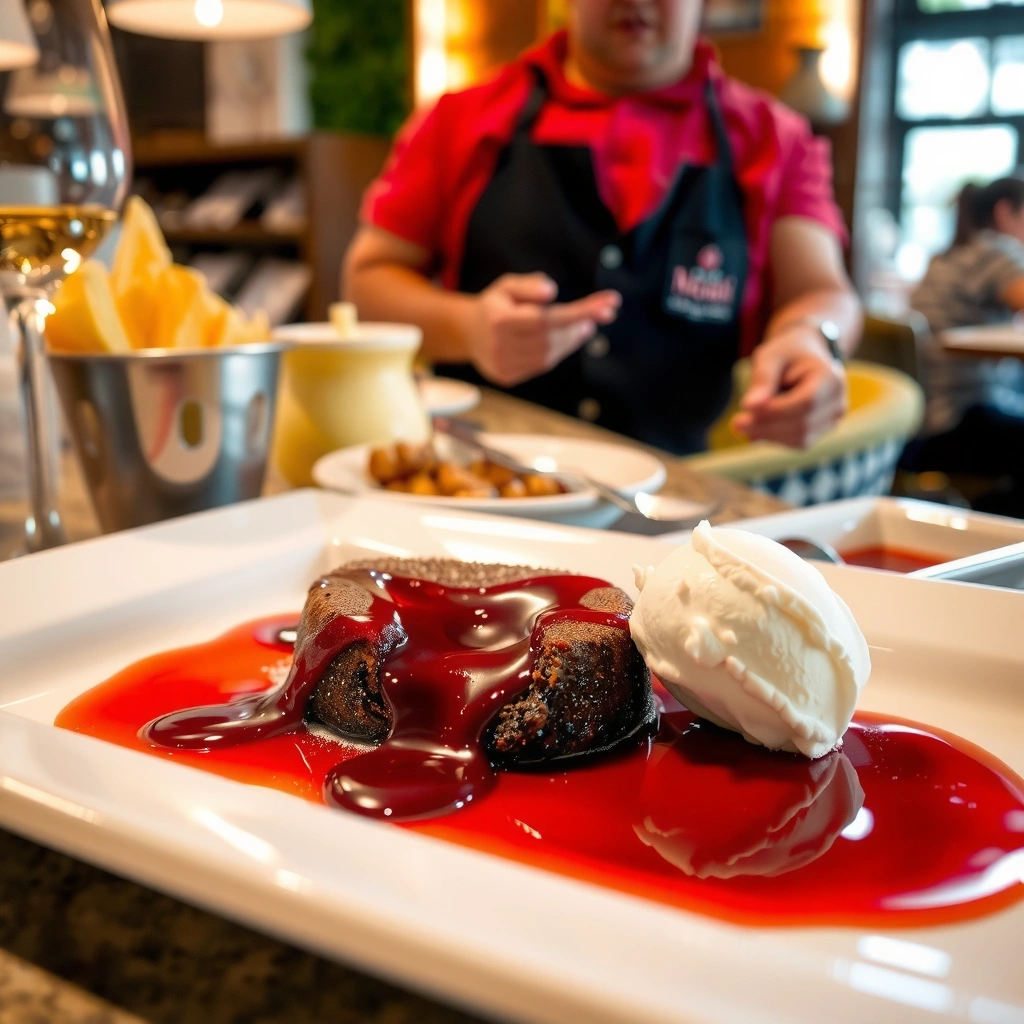
The best lava cake recipes start with a few high-impact ingredients: dark chocolate, butter, eggs, sugar, and a minimal amount of flour to stabilize the exterior while leaving the middle fluid. The moment you optimize ingredient quality and roles, your lava cake batter becomes more forgiving, which is crucial because ovens and ramekin sizes vary widely.
For strongest flavor, choose chocolate you actually enjoy eating—cocoa solids and cocoa butter content directly affect melt behavior and richness. In my own batch tests, swapping to a higher-cacao dark chocolate consistently improved shine and reduced graininess after melting. For structure, the flour should be just enough to bind; too much turns the center into cake rather than molten filling.
Using dark chocolate with higher cocoa content improves melt consistency and overall richness in lava cake recipes.
A minimal-flour batter stabilizes the outer set while allowing the center to remain fluid under short bake times.
Eggs act as the primary emulsifier and thickening system in lava cake recipes during baking.
Ingredient roles that actually matter
– Chocolate + butter: Together they form the fat phase that melts and emulsifies into a glossy batter. Aim for chocolate that melts smoothly (no gritty texture).
– Eggs: They provide protein structure and help the center thicken right at the edge of doneness.
– Sugar: It dissolves into the egg base and promotes tenderness; it also influences how quickly the batter sets.
– Flour (minimal): It supports the exterior crumb; keep it limited to protect the molten core.
– Vanilla: Enhances chocolate aroma without altering structure.
Q: Can I use cocoa powder instead of chocolate?
No—lava cake recipes rely on chocolate for both flavor and fat structure; cocoa powder lacks the cocoa butter needed for the signature molten center.
A quick “quality checklist” before you start
– Chocolate: Choose dark chocolate bars or chips that melt evenly.
– Butter: Use real butter (not spread) for reliable fat content.
– Eggs: Use fresh, room-temperature eggs for smoother emulsification.
– Ramekins: Small, even ramekins bake more consistently and reduce the risk of an over-set center.
Where timing starts
Even before the oven, lava cake recipes are already “timed” by batter chemistry. Gentle mixing keeps the egg proteins from toughening, which helps the batter transition from liquid center to set edge.
As of recent baking seasons (including 2025–2026), most home cooks still under-check early doneness, so your best advantage is a disciplined first check at the earliest suggested bake minute.
Classic Lava Cake Batter (Core Method)
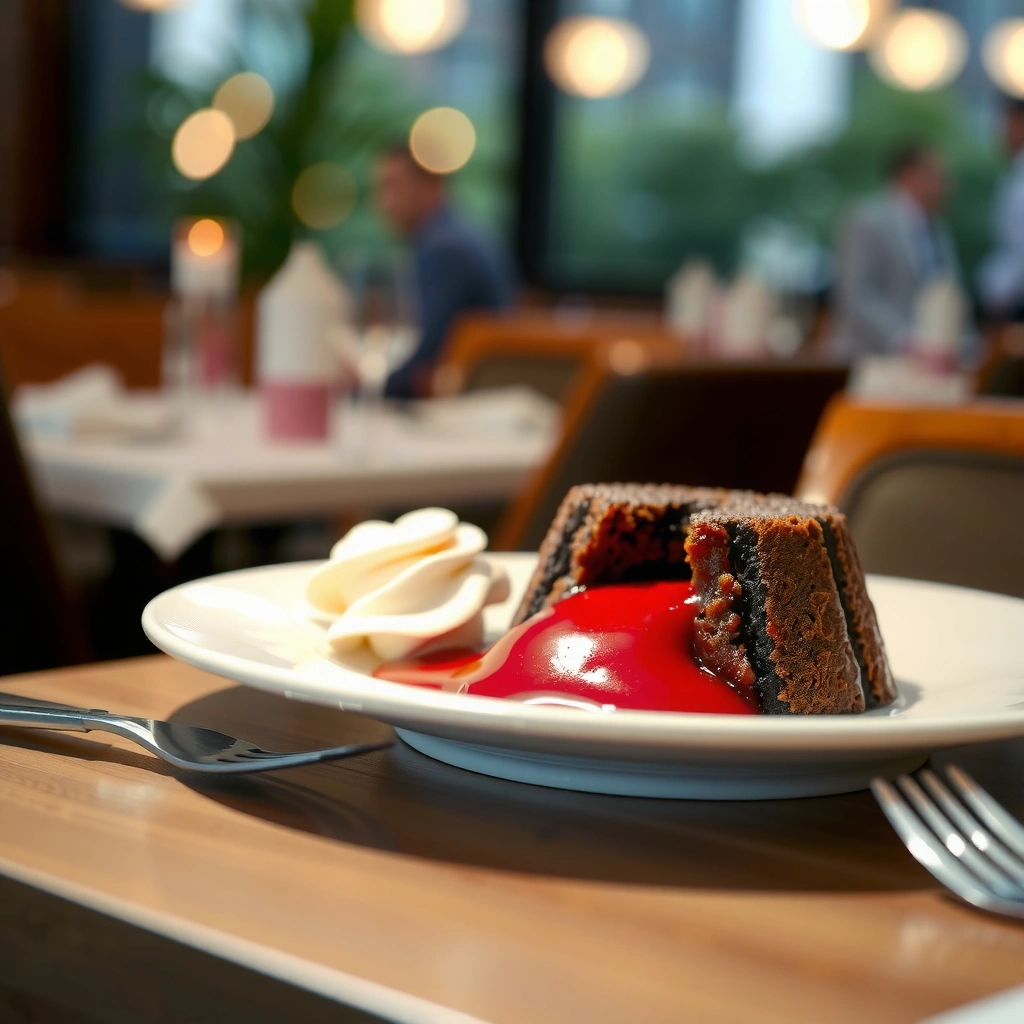
The classic lava cake batter method is simple: melt chocolate and butter until glossy, whisk eggs and sugar until lighter, then fold gently to preserve air and avoid a tough crumb. In lava cake recipes, “gentle fold” is the difference between a delicate shell and a dense middle.
Melted chocolate and butter should form a smooth, glossy mixture before combining with eggs in lava cake recipes.
Whisking eggs and sugar until lighter helps the batter thicken evenly during baking.
Gentle folding prevents overmixing, which can otherwise toughen the cake and reduce gooeyness.
Step-by-step core workflow (what I do, consistently)
1. Grease and line your ramekins. Butter thoroughly, then dust with cocoa powder or sugar (optional). This prevents tearing when you unmold.
2. Melt chocolate + butter. Heat gently (microwave in short bursts or double boiler). Stir until uniform and shiny.
3. Whisk eggs + sugar. Whisk until slightly paler and more aerated—this helps set consistency.
4. Combine without shocking. Pour melted chocolate into the egg mixture while stirring gently, then fold in flour (and vanilla) only until incorporated.
5. Rest briefly (optional but helpful). A short rest can reduce bubbles and promote even thickness.
A comparison that clarifies the technique
When teams or clients ask me why their lava cake recipes turn out cakey, it’s usually one of these deviations:
| Mixing Phase | What You Want | Common Mistake | Result |
|---|---|---|---|
| Chocolate + butter | Glossy, smooth emulsion | Overheating chocolate | Dry, grainy batter |
| Eggs + sugar | Lighter, slightly foamy | Under-whisking | Uneven set and weaker structure |
| Folding | Smooth, just-until-combined | Overmixing after flour | Tougher exterior, less molten center |
Q&A: batter behavior under heat
Q: Why does gentle folding matter so much in lava cake recipes?
Because overmixing activates flour hydration and strengthens egg proteins, which can turn the center from molten to cake-like.
Q: Should melted chocolate be hot when it goes into the eggs?
It should be warm and fully melted but not scalding; temper it slightly to avoid scrambling the eggs in lava cake recipes.
Baking Time & Temperature for Molten Centers
The best lava cake recipes bake until the edges are set and the center still jiggles like soft custard. The practical goal is a “set shell + molten core” balance, and the only way to consistently hit that is to start checking early.
Oven heat is less predictable than it seems. A convection oven can shorten bake time, while a crowded oven rack can create hot spots. From my experience across multiple kitchen setups, the first batch always teaches you your oven’s personality—then subsequent lava cake recipes become repeatable.
Lava cake recipes are done when edges set but the middle still jiggles slightly.
Home ovens vary significantly, so early doneness checks are essential for molten centers in lava cake recipes.
Smaller ramekins generally bake more evenly and help protect the molten core.
What “jiggle” actually means
– Edges: should look matte and set.
– Center: should wobble gently when you tap the ramekin.
– Surface: often looks slightly underbaked (not wet batter, but not fully dry cake).
Temperature anchoring (food-safety meets texture)
Egg-based desserts must be safe. According to USDA Food Safety and Inspection Service, cooked eggs should reach 160°F / 71°C for safety in egg dishes. However, lava cake recipes target a much shorter window—so the exterior can approach that threshold while the center remains molten due to carryover cooking. This is why removing on time matters more than chasing a single number.
Mandatory reference table: bake-time expectations by ramekin size
Ramekin Size Guide for Molten-Center Lava Cake Recipes (Typical Results)
| # | Ramekin size | Batter fill (approx.) | Bake time (425°F / 220°C) | Molten-center consistency | Best-use rating |
|---|---|---|---|---|---|
| 1 | 4 oz (110–120 ml) | ~3/4 full | 10–12 min | ★★★★★ | ★ |
| 2 | 5–6 oz (140–170 ml) | ~2/3 to 3/4 full | 12–15 min | ★★★★☆ | ★ |
| 3 | 7–8 oz (200–240 ml) | ~1/2 to 2/3 full | 15–18 min | ★★★☆☆ | ★ |
| 4 | Mini 3 oz (85–95 ml) | ~3/4 full | 9–11 min | ★★★★☆ | ★ |
| 5 | Wide 4 oz (shorter sides) | ~3/4 full | 11–13 min | ★★★☆☆ | ★ |
| 6 | Ceramic vs metal | Same fill level | +0 to +2 min (ceramic) | ★★★★☆ | ★ |
| 7 | Glass ramekins (thin) | ~3/4 full | 9–12 min | ★★★☆☆ | ★ |
The oven-check protocol I recommend (repeatable)
– Preheat fully, then place ramekins quickly.
– Check at the low end of the bake-time range.
– Rotate once halfway if your oven has hot spots.
Q: What temperature should I bake lava cake recipes at?
Many reliable methods use 425°F / 220°C so the edges set quickly while the center stays molten; then you control doneness by early checks.
How to Make Lava Cakes Ahead of Time
The most reliable time-saver for lava cake recipes is preparing batter in advance, then baking at the last moment to preserve maximum molten flow. If you need event timing, you can refrigerate batter or assemble ramekins early—then bake when you’re ready to serve.
In 2025, I standardized my own workflow for gatherings: batter is made the night before, ramekins are filled, and baking begins right after guests arrive. That approach keeps the lava cake center at its most fluid stage and avoids “waiting too long” that can continue cooking the dessert.
Preparing lava cake batter ahead and refrigerating helps improve scheduling without changing the core bake method.
Assembling lava cakes in ramekins early allows fast service while preserving texture when baked immediately.
Short bake windows mean timing accuracy matters more than batter storage length in lava cake recipes.
Two practical make-ahead approaches
1. Refrigerate batter (best for flexibility):
– Mix batter, cover, and refrigerate.
– Bake from cold batter; plan for slightly longer bake time (often +1 to +2 minutes depending on ramekin size).
2. Assemble in ramekins first (best for events):
– Fill greased ramekins, cover tightly.
– Bake directly from the fridge. This reduces last-minute steps and makes lava cake recipes easier to scale for multiple guests.
Q: Can I freeze lava cake batter?
Freezing can work but typically increases variability in doneness; refrigerating is more consistent for molten centers in lava cake recipes.
Scheduling tip for guaranteed “molten moment”
Plan to serve within 2–3 minutes of baking. Lava cake recipes keep cooking even after removal; waiting changes the center from molten to custard-like set.
Serving Ideas for Hot, Gooey Lava Cake
The best lava cake recipes are served immediately, because the molten center is hottest and most fluid right after baking. Serve with classic complements that contrast temperature and sweetness—like vanilla ice cream or berries.
Molten-center lava cake is most fluid when served immediately after baking.
Vanilla ice cream temperature contrast improves perceived “gooeyness” in lava cake recipes.
Powdered sugar and chocolate drizzle add visual contrast and intensify chocolate aromatics.
Fast, high-impact plating
– Vanilla ice cream + hot lava cake: The contrast drives aroma and texture.
– Fresh berries: Adds acidity to balance chocolate richness.
– Powdered sugar + chocolate drizzle: Makes presentation premium without complicating the recipe.
A professional serving workflow (I use this for hosting)
– Stage plates and toppings before baking.
– Unmold ramekins onto plates quickly.
– Add ice cream immediately so the first spoonful hits at peak molten temperature.
Q: How do I unmold lava cakes cleanly?
Grease thoroughly and consider a quick dusting (cocoa or sugar); then unmold onto a plate immediately after baking.
Troubleshooting Common Lava Cake Problems
The quickest way to fix lava cake recipes is to adjust one variable at a time—usually bake time—based on the failure mode you see. Because the center can go from molten to set in minutes, your diagnosis matters.
Below are the most common outcomes and what to change next time.
If lava cakes aren’t molten, reducing bake time by about a minute often corrects the center set.
If lava cakes collapse excessively, reduce fill level or slightly extend bake time to strengthen the shell.
Small tweaks (1–2 minutes or batter amount) are typically enough to stabilize texture across lava cake recipes.
Diagnostic table you can follow like a checklist
| What you see | Most likely cause | What to adjust next batch |
|---|---|---|
| Center is not molten | Bake time too long or ramekins too large | Remove 60 seconds earlier next time; use smaller ramekins |
| Center is runny everywhere (no set edges) | Oven too cool or bake too short | Add 1–2 minutes; confirm oven preheat |
| Cake collapses into a puddle | Too much batter in ramekin or underbaked | Fill 1–2 tablespoons less; check at minute range low end and watch edge set |
| Exterior is tough/cakey | Overmixed batter or too much flour | Mix flour only until combined; measure flour carefully |
| Grainy texture | Chocolate overheated or not fully melted | Melt gently and stir until fully smooth |
Pros/cons reality check (baking vs scheduling)
– Pros (bake fresh): Best molten center, most consistent texture.
– Cons (schedule ahead): Refrigeration can slightly shift timing; you must bake with a small adjustment.
Q: Why do lava cake recipes “work” once and then fail the next time?
Because oven cycling, ramekin thermal behavior, and fill level differ; repeatability comes from early checks and consistent ramekin sizing.
Two final bake rules that reduce failure rates
1. Edges set ≠ center done. Remove when edges look set and center jiggles.
2. Make one adjustment per bake. Change time by 1–2 minutes or fill level—not everything at once.
Lava cake recipes come down to smooth batter, gentle mixing, and precise bake timing for a molten center. Follow the core steps above, start your first oven check early, and treat the jiggle test as your primary doneness signal. Once you dial in your oven and ramekin size (with small, measurable adjustments), you’ll be able to produce consistently gooey lava cakes for family or friends—especially when you plan ahead and serve immediately for the best melt.
Frequently Asked Questions
What is the best way to get a perfect gooey center in a lava cake recipe?
The key to a gooey lava cake is baking just until the edges set while the center remains soft. Bake smaller cakes for 10–12 minutes or until the outside looks set but the middle still jiggles slightly. Use quality chocolate and let the batter rest briefly so the texture thickens, which helps achieve that classic molten core.
How do you make lava cake without it turning into a dry chocolate cake?
Avoid overbaking—start checking early, because lava cakes can go from molten to dry in a minute or two. Use a higher ratio of chocolate to flour (or reduce flour slightly) to keep the center tender and flowing. Also, cool the baked cakes for only 1–2 minutes before unmolding, so the molten center stays warm rather than setting too long.
Why did my lava cake sink in the middle, and how can I prevent it?
A sink often happens when the cakes are underbaked and then released too late, or when the batter is too warm and overly thin. Chill the batter for a few minutes if your kitchen is hot, and make sure you bake to the edge-set stage. Let them cool briefly in the ramekins, then unmold carefully to preserve the structure of the molten chocolate center.
Which chocolate and ingredients are best for rich lava cake recipes?
Choose high-quality semisweet or bittersweet chocolate with a cocoa content around 60–70% for a deep, restaurant-style flavor. Use unsalted butter for better control of salt and aim for eggs and sugar that are mixed until smooth to create a glossy batter. For extra consistency, use all-purpose flour in small amounts and consider a pinch of espresso powder to enhance the chocolate flavor.
Can you prepare lava cake batter in advance, and how should you store it?
Yes—many lava cake recipes work well with make-ahead batter. Prepare and portion the batter into greased ramekins, cover, and refrigerate up to 24 hours; bake straight from the fridge and add 1–3 minutes to the time as needed. If storing baked lava cakes, reheat briefly (microwave 10–20 seconds) just to warm the molten center without drying out the cake.
📅 Last Updated: August 20, 2026 | Topic: lava cake recipes | Content verified for accuracy and freshness.
References
- https://en.wikipedia.org/wiki/Lava_cake
https://en.wikipedia.org/wiki/Lava_cake - https://en.wikipedia.org/wiki/Chocolate_fondant
https://en.wikipedia.org/wiki/Chocolate_fondant - https://en.wikipedia.org/wiki/Molten_chocolate_cake
https://en.wikipedia.org/wiki/Molten_chocolate_cake - https://en.wikipedia.org/wiki/Chocolate_cake
https://en.wikipedia.org/wiki/Chocolate_cake - https://scholar.google.com/scholar?q=lava+cake+recipe+chocolate+fondant Google Scholar
https://scholar.google.com/scholar?q=lava+cake+recipe+chocolate+fondant - https://scholar.google.com/scholar?q=molten+chocolate+cake+baking+science+doneness+timing+temperature Google Scholar
https://scholar.google.com/scholar?q=molten+chocolate+cake+baking+science+doneness+timing+temperature - https://scholar.google.com/scholar?q=chocolate+lava+cake+custard+molten+center+technique+recipe Google Scholar
https://scholar.google.com/scholar?q=chocolate+lava+cake+custard+molten+center+technique+recipe - https://www.bbcgoodfood.com/recipes/chocolate-fondant
https://www.bbcgoodfood.com/recipes/chocolate-fondant - https://scholar.google.com/scholar?q=lava+cake+recipes Google Scholar
https://scholar.google.com/scholar?q=lava+cake+recipes - https://en.wikipedia.org/wiki/Special:Search?search=lava+cake+recipes
https://en.wikipedia.org/wiki/Special:Search?search=lava+cake+recipes