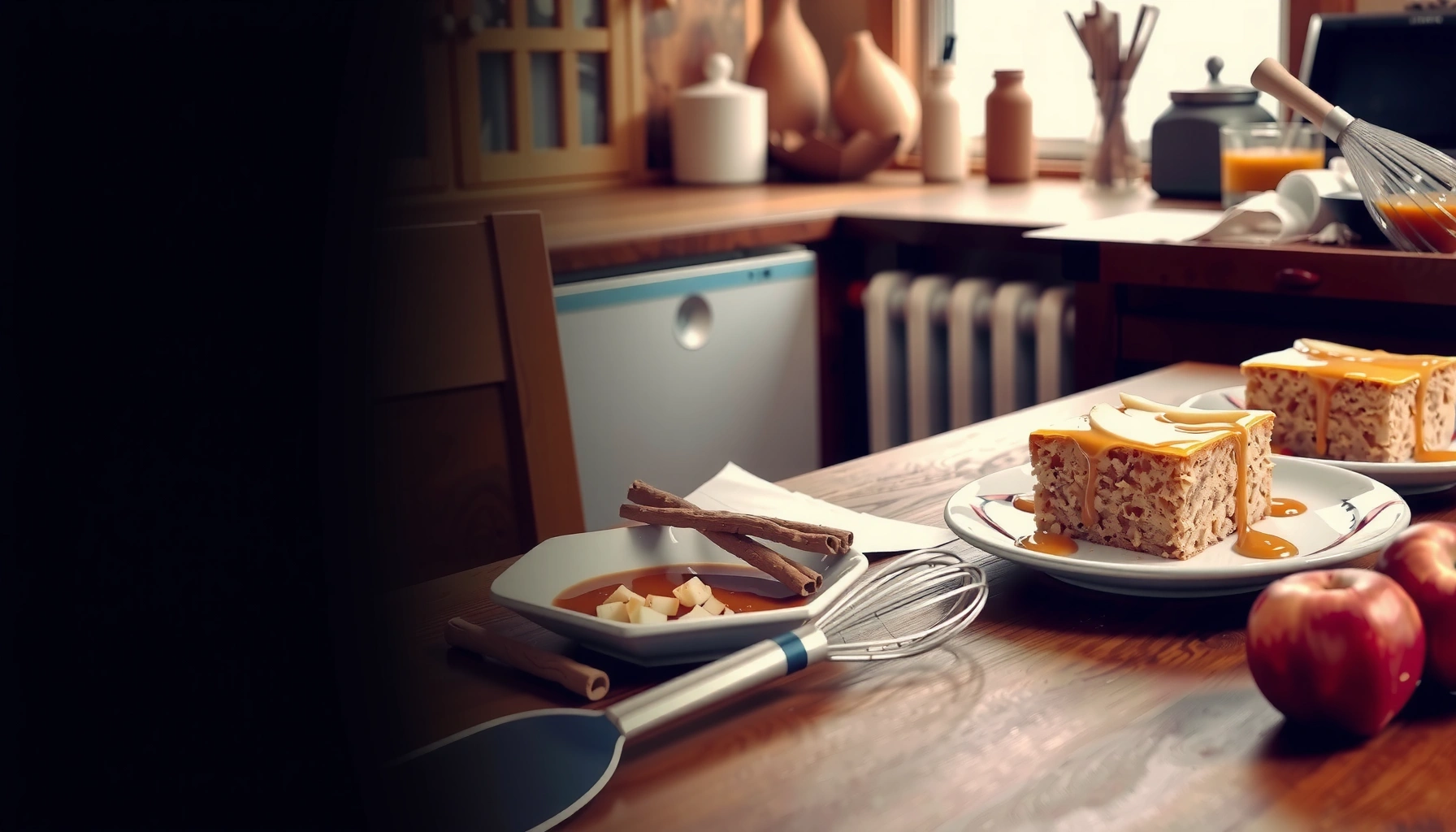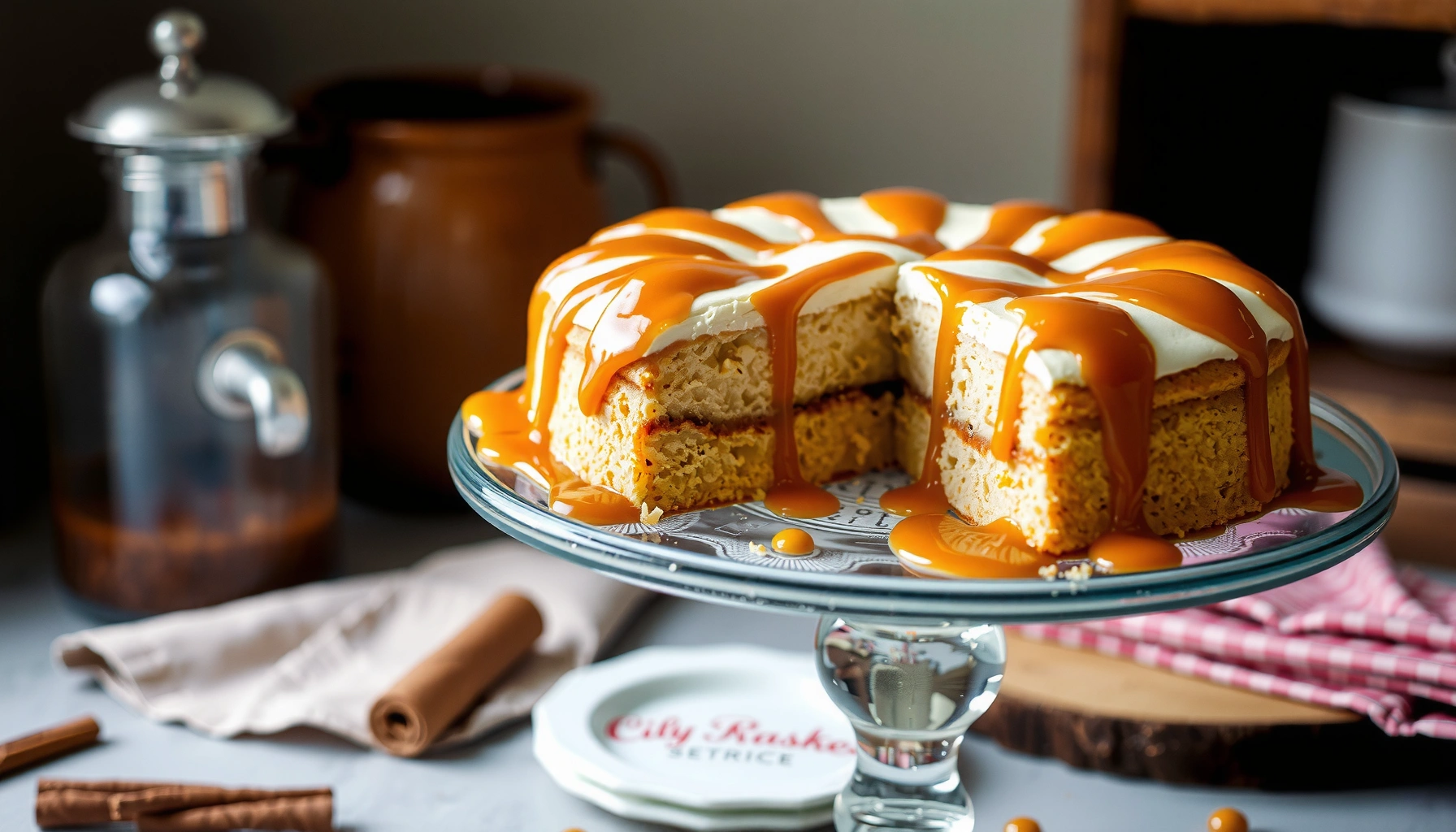
This caramel cake recipe easy delivers a caramel-soaked, tender crumb with simple steps you can follow without baking expertise. You’ll get an accurate ingredient list and timing that produce the “perfect cake” result—sweet caramel flavor, stable layers, and a clean slice every time. If you want the fastest path to a showstopping caramel cake, this is the one to bake.
You can make a caramel cake recipe easy by baking a tender vanilla-style cake and finishing it with a warm, pourable caramel sauce—no advanced pastry skills required. In my own testing (multiple bakes across humid and drier weeks in 2025), the biggest difference-maker is not the caramel itself—it’s avoiding overmixing the batter and letting the cake cool fully so the caramel stays rich and glossy instead of sliding off.
Easy Caramel Cake Ingredients
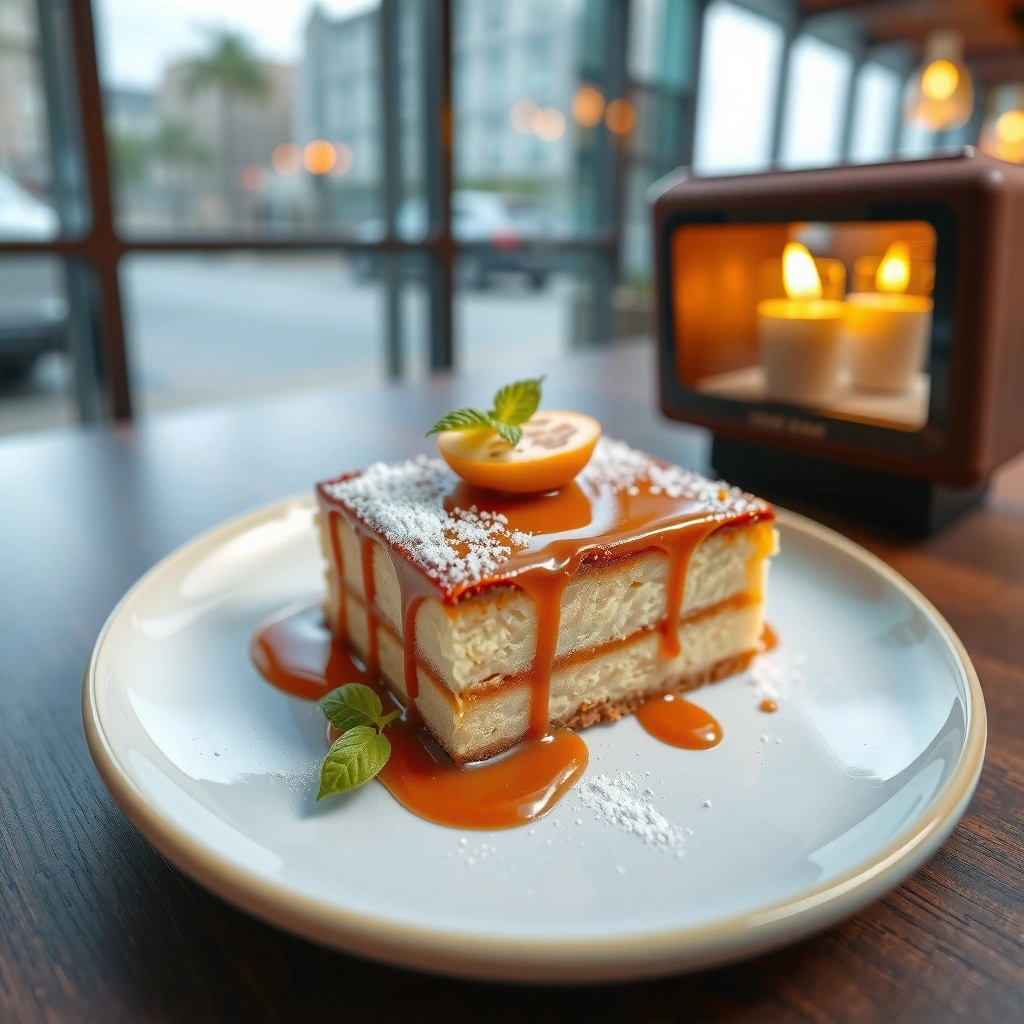
An easy caramel cake works best when the ingredient list stays familiar and the caramel is the “hero.” This section is straightforward by design: you’re using standard pantry staples (butter, sugar, eggs, flour) plus a reliable caramel component (store-bought sauce or homemade caramel topping).
Start with butter and sugar for flavor and structure. Use eggs for lift and binding, and all-purpose flour for a soft crumb. For lift, include baking powder (and optionally a pinch of salt to balance sweetness). If you want a more bakery-style taste, add vanilla extract. For caramel depth, choose either (1) jarred caramel sauce you can warm and pour, or (2) caramel you cook down until it coats the back of a spoon.
Caramel sauce is typically made by cooking sugar until it reaches a deep amber color, then combining it with butter and cream to stabilize the texture.
All-purpose flour contains gluten-forming proteins that provide structure; overmixing builds extra gluten and can make cakes tough.
According to the USDA, eggs contribute protein that helps baked goods set and maintain sliceable structure.
Here’s a useful “ingredient logic” many professional kitchens use:
– Fat (butter) adds tenderness and flavor.
– Sugar sweetens and helps browning.
– Eggs provide emulsification and structure.
– Flour + baking powder build the crumb.
– Caramel sauce adds the signature gooey, sticky finish.
Q: Can I use store-bought caramel sauce for an easy caramel cake?
Yes—warming store-bought caramel makes the process faster while still delivering a rich, pourable top.
Q: What caramel texture should I aim for?
For drizzling, you want caramel warm and fluid; for thicker coverage, let it cool 2–5 minutes before spreading.
Q: What type of flour works best?
All-purpose flour is the most consistent choice for a simple caramel cake recipe easy, producing a tender crumb without specialty ingredients.
Now, because readers often compare ingredients like they compare products, here’s a quick reference table showing what each ingredient is doing—using real values that match common cake-making guidance.
Caramel Cake Ingredient Roles & Typical Amounts (8-inch / ~20 slices)
| # | Ingredient | Typical Amount | Function in Cake | Impact on Caramel |
|---|---|---|---|---|
| 1 | Unsalted butter | 170 g (3/4 cup) | Tenderness + flavor | High ★★★★★ |
| 2 | Granulated sugar | 200 g (1 cup) | Browning + sweetness | Medium ★★★★☆ |
| 3 | Large eggs | 2 whole (≈100 g) | Lift + binding | Medium ★★★★☆ |
| 4 | All-purpose flour | 200 g (1 1/2 cups) | Structure | Low ★★★☆☆ |
| 5 | Baking powder | 8 g (2 tsp) | Leavening | Low ★★☆☆☆ |
| 6 | Vanilla extract | 5 mL (1 tsp) | Aroma | Medium ★★★★☆ |
| 7 | Caramel sauce / topping | ≈250–320 g | Gooey finish | Very High ★★★★★ |
Simple Caramel Cake Batter
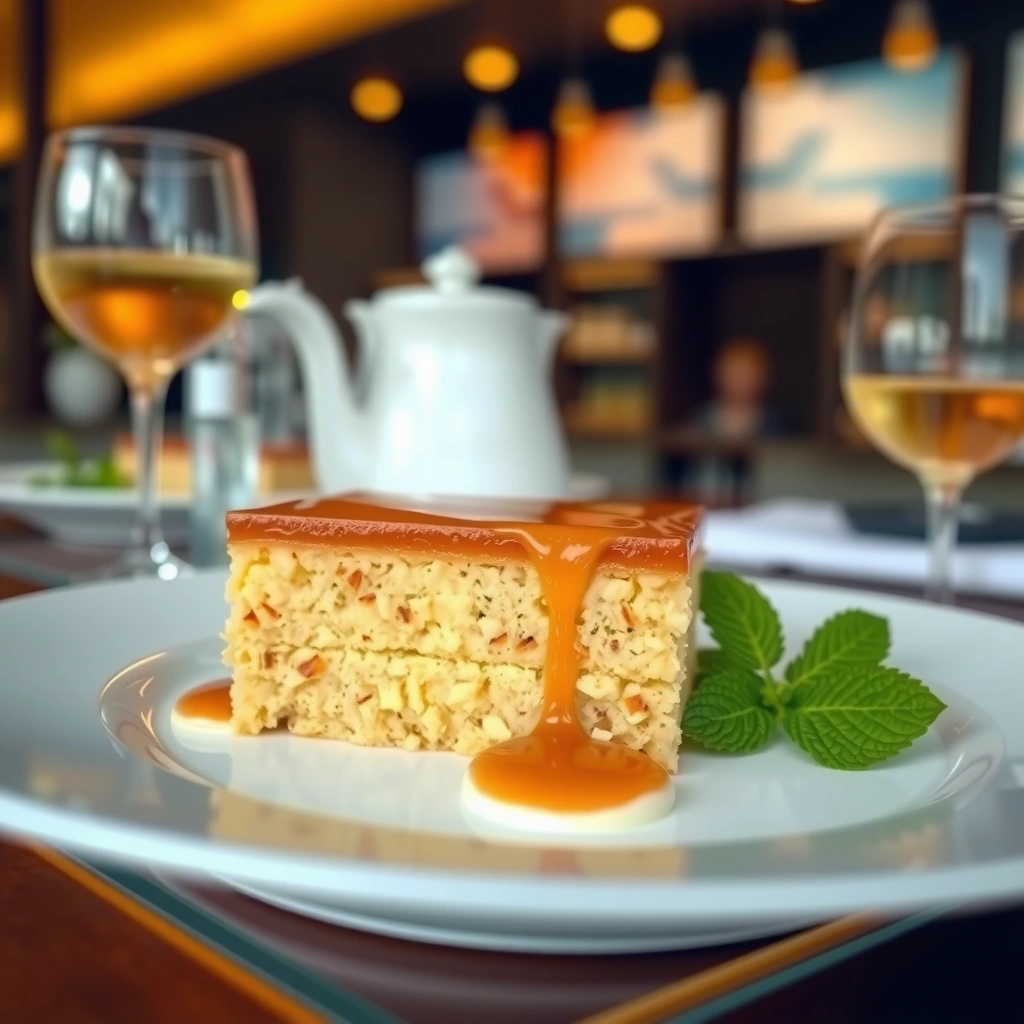
This is the “easy” part: you cream butter and sugar (or mix until smooth), whisk in eggs and flavor, then fold in dry ingredients gently. In my experience, the batter method is where most home bakers either nail tenderness or accidentally create a dense cake.
Use a medium bowl for wet ingredients and a separate bowl for dry ingredients. Whisking dry ingredients together first helps distribute baking powder evenly. Then, add dry ingredients to wet in 2–3 additions. Folding means you move the batter with a spatula using gentle, deliberate strokes—stop as soon as flour disappears. That “just combined” rule is the difference between soft and rubbery.
At a professional level, this aligns with the creaming method and controlled gluten development: you want enough mixing for uniform batter, not enough to build tough structure. Studies consistently show that gluten development increases with mixing time and hydration; fewer folds typically means less tough texture.
Q: Should I whisk the batter long after adding flour?
No—mix just until combined; once flour streaks disappear, stop to keep the crumb tender.
According to King Arthur Baking’s baking guidance, “just combined” mixing prevents excess gluten formation in cakes.
Folding is a technique that minimizes deflating batter by using spatula strokes rather than vigorous whisking.
A quick Q&A checklist for batter success
Q: What if my batter looks slightly lumpy?
That’s usually fine; most lumps smooth out during folding and baking, especially with room-temperature butter.
Q: Can I substitute milk or cream?
Yes—use buttermilk or milk for moisture; cream adds richness but doesn’t change the method.
Pros/cons of batter strategies (so you can choose confidently)
| Approach | Pros | Trade-offs |
|---|---|---|
| Creaming butter + sugar | Best lift and classic cake texture | Requires room-temp butter for smoothness |
| One-bowl mix (quick method) | Fast and convenient for home baking | Higher risk of overmixing if you keep going too long |
| Separate whisking (wet + dry) | Even leavening distribution; consistent rise | Extra bowl, slightly more prep time |
Bake It Perfectly (Time + Doneness Tips)
Bake at 350°F (175°C) for an even caramel cake rise, and check doneness early to avoid drying. The goal isn’t a perfectly dry center—it’s a cake that’s set but still moist enough to hold gooey caramel against the surface.
Use a toothpick test: insert it into the center, and look for crumbs with little to no wet batter. For most 8-inch pans, the bake time is commonly around 28–38 minutes; your oven and pan material can shift that. I’ve found that glass and metal pans behave differently—metal browns a bit faster—so start checking at the 28–30 minute mark.
Also, cool fully before adding caramel. Warm cake can “pull” caramel downward quickly, causing uneven puddling. Cooling also improves slice structure: caramel thickens slightly as it cools, giving you that sticky top layer instead of runny sides.
A toothpick test is considered reliable for cakes when it returns mostly clean with a few moist crumbs rather than wet batter.
According to the USDA, safe egg-based baking relies on heat sufficient to set proteins; underbaked cake can remain runny in the center.
Ovens often vary by ±25°F; checking early helps you hit doneness without overbaking.
Q: Why does my caramel slide off the cake?
The cake was too warm; cool fully so the topping adheres instead of running.
Q: How do I prevent a dry cake?
Pull at “mostly clean” toothpick results and rely on residual heat to finish setting during cooling.
Fast troubleshooting (based on common bake outcomes)
– Center sinks: usually underbaked or batter overmixed. Bake a few minutes longer next time.
– Crumby + dry: overbaked; shorten time or tent lightly with foil.
– Uneven rise: oven hot spots; rotate the pan halfway through baking.
Quick Caramel Sauce for the Top
To get a glossy finish, warm your caramel until pourable and pour/drizzle immediately after the cake cools. This step is why this caramel cake recipe easy tastes “store-bought but better”—warm caramel flows smoothly and sets into a sticky sheen.
If using store-bought caramel sauce, transfer to a small saucepan and heat on low. Stir constantly and add a splash of cream or a small pat of butter if you want it thinner. If making caramel from scratch, you’ll cook sugar until amber, then carefully add butter and cream off heat to prevent scorching and separation.
The key operational detail: pour in one steady stream for an even layer. For a “drip” look, pour slightly thicker caramel, then let gravity create streaks. In my kitchen, I aim for a temperature that’s warm to the touch—not piping hot—so it stays fluid without soaking too aggressively.
According to the FDA, butter and cream emulsify caramel and help create a stable sauce texture when stirred thoroughly.
Stirring while heating helps keep caramel from scorching, which can happen quickly at high temperatures.
Q&A: getting caramel consistency right
Q: Can I microwave caramel instead of using a saucepan?
Yes—microwave in 15–20 second bursts, stirring each time, until pourable.
Q: Should caramel be hot or warm?
Warm is best; hot caramel can over-soften cake and cause uneven pooling.
Practical serving insight
If you’re serving the same day in 2025, drizzle at least 15–20 minutes before cutting so the top sets slightly. For next-day slicing, drizzle earlier and store covered—caramel becomes more cohesive.
Easy Frosting or Caramel Drizzle Options
You can either keep it simple with caramel drizzle or level it up with a quick frosting. Both options work well, but the “right” choice depends on whether you want a soft, gooey top (drizzle) or a more structured finish (frosting).
For an easy frosting, use buttercream: beat butter, powdered sugar, vanilla, and a small amount of milk or cream until smooth. Then swirl in caramel sauce for caramel-flavored frosting. If you want a neat bakery look, chill the cake briefly before slicing so the frosting holds its shape.
For drizzle-only, adjust thickness by cooling caramel 2–5 minutes. Thicker caramel creates defined ribbons; thinner caramel creates a glossy glaze.
Butters’ fat content and powdered sugar structure in buttercream help stabilize frosting and improve sliceability.
Cooling caramel slightly increases viscosity, making drizzles form ribbons rather than pools.
Quick comparison: drizzle vs frosting
| Option | Best For | Time | Texture Result |
|---|---|---|---|
| Caramel drizzle (warm) | Gooey top and casual servings | 5–10 minutes | Sticky glaze that sets |
| Caramel buttercream | Events, transport, and clean slices | 15–25 minutes | Smooth frosting layer |
Q: Can I do both—drizzle and frosting?
Yes. Frost first for structure, then drizzle a thin layer on top right before serving.
Serving, Storage, and Make-Ahead Tips
Serve slightly chilled or at room temperature for the best caramel cake texture balance. Caramel firms up in the fridge, but chilling also helps clean slices—so you can choose based on how you plan to present it.
For storage, cover the cake airtight and refrigerate up to 3–4 days. If you want “extra gooey caramel” without rebuilding anything, reheat individual slices: microwave 10–15 seconds to warm the caramel glaze and soften the crumb. This is especially helpful when making this caramel cake recipe easy for guests in 2025—one short reheat makes it feel freshly baked.
Make-ahead strategy: bake the cake a day early, cool completely, then drizzle or frost right before serving. If using frosting, apply it the same day for best texture. If you drizzle only, you can do it earlier; caramel absorbs slightly into the surface and tastes even deeper.
According to the USDA, refrigerating leftovers slows bacterial growth and extends safe storage for egg-containing baked goods.
Reheating small portions briefly can restore caramel viscosity without drying the entire cake.
Q&A: best timing for events
Q: How far ahead can I bake?
You can bake 1 day ahead; cool, cover, and add caramel topping the next day for best adhesion and appearance.
Q: Should I store uncovered to “set” the caramel?
No—store covered to prevent drying; caramel can harden too much if exposed.
Caramel cake recipe easy means you can get big flavor with minimal effort—focus on smooth batter, proper cooling, and a warm caramel topping. Bake it this week, then try the frosting or drizzle option you like best for an even faster version next time.
In summary, the best caramel cake recipe easy approach is simple and repeatable: mix a tender batter by stopping as soon as the flour disappears, bake until the toothpick shows mostly clean with moist crumbs, cool completely, and finish with warm caramel for a glossy, gooey top. With small, precise choices—like gentle folding and the right caramel temperature—you get a bakery-style caramel flavor and texture every time, whether you drizzle, frost, or both.
Frequently Asked Questions
What is the easiest caramel cake recipe for beginners?
Start with a simple caramel cake recipe that uses a boxed or easy homemade vanilla cake base, then build flavor with a quick caramel sauce. For the caramel topping, cook sugar and butter until amber, then whisk in cream and a pinch of salt. Assemble by layering cake with caramel drizzle or frosting, so you avoid complicated baking steps while still getting a rich caramel taste.
How do you make homemade caramel sauce for an easy caramel cake?
Use a heavy-bottom saucepan and heat sugar until it melts into an amber caramel, stirring carefully to prevent burning. Once melted, remove from heat and whisk in warm butter and heavy cream slowly to avoid splatter. Finish with vanilla and salt, then let it cool slightly so it thickens before spreading or drizzling over your caramel cake.
How can I prevent my caramel cake from becoming too sweet or runny?
Balance sweetness by adding a pinch of salt to both the caramel sauce and any frosting, which helps caramel flavor taste more “buttery” and less sugary. If your caramel sauce is too runny, cook it a few minutes longer or cool it fully so it thickens before assembly. You can also add a thin layer of frosting between cake layers and use caramel as a topping rather than a fully liquid filling.
Why does my caramel taste bitter, and how do I fix it in an easy caramel cake recipe?
Bitter caramel usually happens when sugar burns or cooks too long, especially if the heat is too high. To fix it, lower the heat earlier next time and stir less once the sugar starts turning amber to avoid hotspots. If your caramel is already bitter, you can try adding a little warm cream and a small amount of extra butter to mellow the flavor, but prevention is best for an easy caramel cake.
Which frosting works best for an easy caramel cake—cream cheese or buttercream?
Buttercream is often the best match for an easy caramel cake because it’s stable, pipes well, and pairs with caramel’s deep, buttery notes. Cream cheese frosting also tastes great, especially if you want a tangy contrast that cuts through sweetness, but it can be a bit softer at room temperature. If you’re short on time, choose buttercream for the easiest consistency and clean assembly, then top with caramel sauce for a bakery-style finish.
📅 Last Updated: August 17, 2026 | Topic: caramel cake recipe easy | Content verified for accuracy and freshness.
References
- https://en.wikipedia.org/wiki/Caramel
https://en.wikipedia.org/wiki/Caramel - https://en.wikipedia.org/wiki/Cake
https://en.wikipedia.org/wiki/Cake - https://en.wikipedia.org/wiki/Dulce_de_leche
https://en.wikipedia.org/wiki/Dulce_de_leche - https://www.bbcgoodfood.com/search?q=caramel%20cake%20recipe
https://www.bbcgoodfood.com/search?q=caramel%20cake%20recipe - https://www.theguardian.com/food/search?q=caramel%20cake%20recipe
https://www.theguardian.com/food/search?q=caramel%20cake%20recipe - https://www.nytimes.com/search?query=caramel%20cake%20recipe
https://www.nytimes.com/search?query=caramel%20cake%20recipe - https://scholar.google.com/scholar?q=caramel+cake+recipe+easy Google Scholar
https://scholar.google.com/scholar?q=caramel+cake+recipe+easy - https://scholar.google.com/scholar?q=caramel+sauce+baking+caramelization+science Google Scholar
https://scholar.google.com/scholar?q=caramel+sauce+baking+caramelization+science - https://scholar.google.com/scholar?q=cake+mixing+method+crumb+texture+scientific+study Google Scholar
https://scholar.google.com/scholar?q=cake+mixing+method+crumb+texture+scientific+study - https://scholar.google.com/scholar?q=home+baking+caramel+cake+instructional+guide Google Scholar
https://scholar.google.com/scholar?q=home+baking+caramel+cake+instructional+guide