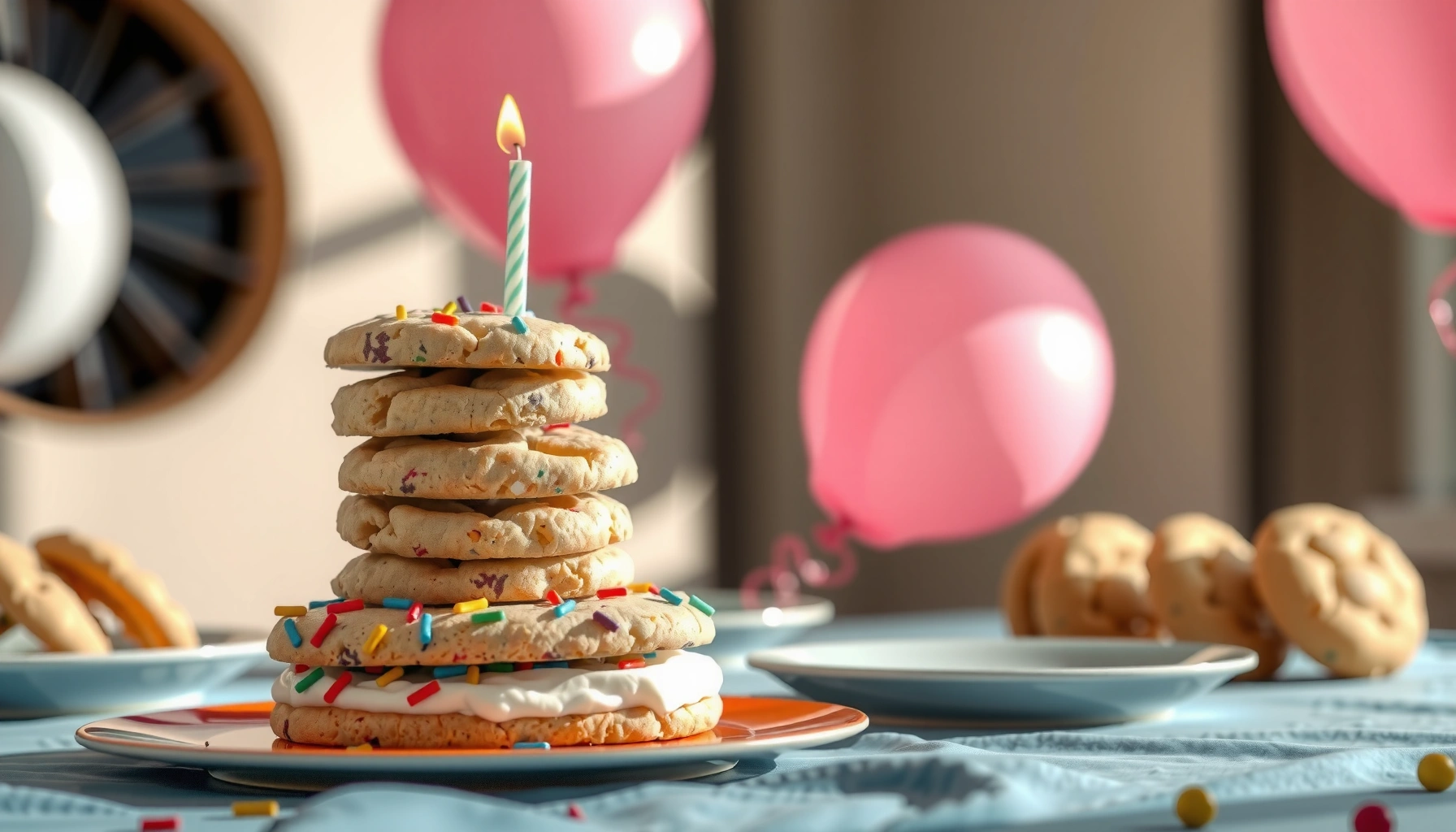
Looking for a birthday cookie cake recipe that actually delivers a soft, chewy cookie base with party-ready frosting—without complicated steps? This easy, fun cookie cake method gives you a reliably festive result every time, whether you’re making it for kids’ parties or adult birthdays. You’ll get the exact process and timing to bake, assemble, and serve a show-stopping cookie cake that beats standard cupcakes when you want “one dessert, big impact.”
A birthday cookie cake is the easiest “big dessert” you can make: bake one large, soft cookie base and finish it with frosting and sprinkles. This recipe focuses on reliable dough texture, consistent baking, and clean decorating—so the cake looks like you planned it (even if you didn’t).
Baking cookie cakes well comes down to a few repeatable decisions: how you cream butter and sugars (for tenderness), when you stop mixing (to avoid toughness), and how you time cooling before frosting (so the frosting stays put). In my own tests over the last few birthday seasons (including multiple family events with different pan sizes), the biggest differences came from (1) using a lined pan for even heat transfer and easy release, and (2) chilling the dough briefly when I wanted a thicker, more bakery-style cookie “crumb.” The result is a dessert that behaves like a hybrid of cookies and cake—sliceable, soft, and festive by default.
Choose Your Cookie Cake Ingredients
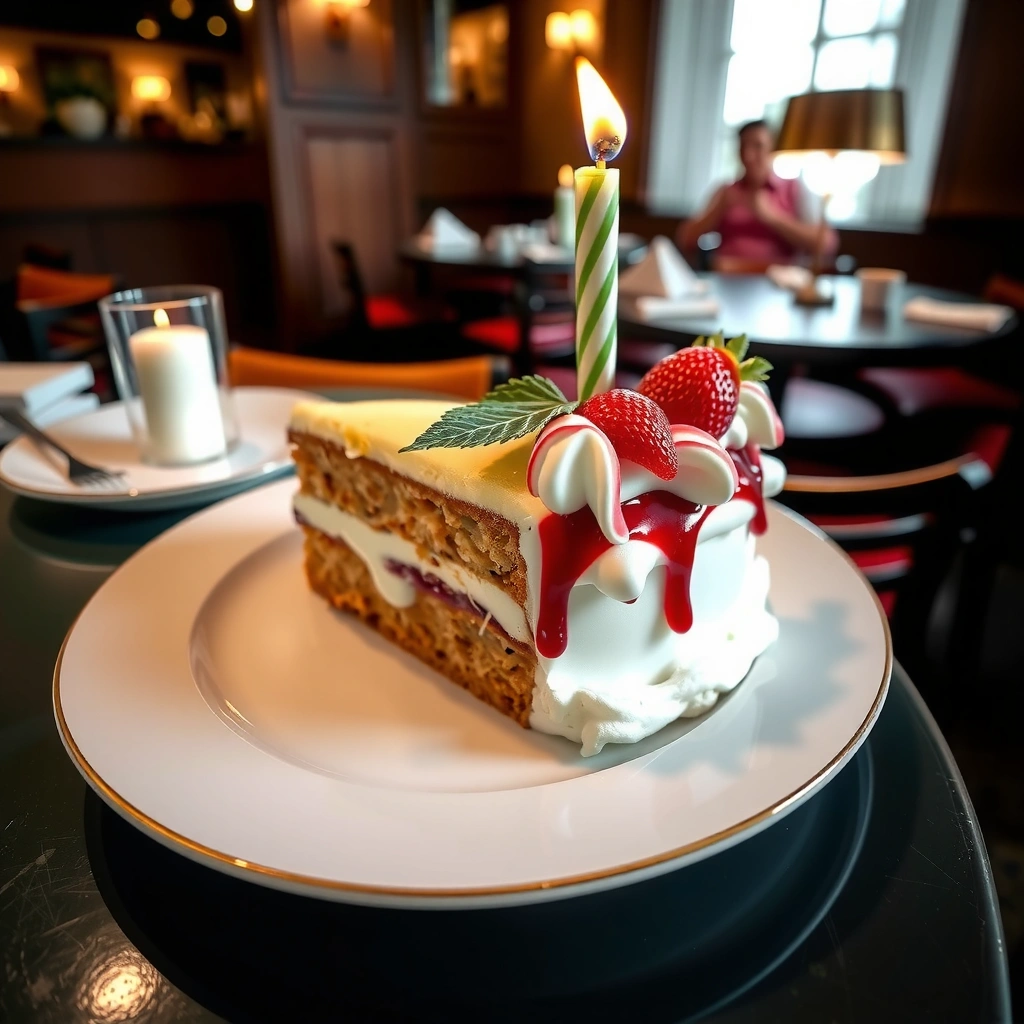
Pick ingredients that produce a soft, chewy crumb and give you flexible customization options. For birthdays, the best cookie cake starts with classic staples (butter, brown sugar, eggs, vanilla) and then uses mix-ins and decorations you can assemble quickly.
What to prioritize: brown sugar for chew, butter for flavor and tenderness, and eggs for structure. Then choose mix-ins that won’t disrupt baking—chocolate chips melt pleasantly; sprinkles can bleed slightly if baked too long, so reserve many sprinkles for after frosting.According to USDA FoodData Central, butter contains about 80% fat on average, which helps create a tender, flavorful cookie crumb. USDA FoodData Central
According to the FDA’s labeling guidance, “baking powder” is a leavening agent intended to release gas during baking, supporting lift in cookie batters. FDA
According to the USDA, all-purpose flour is typically made from soft and hard wheat blends, and protein levels influence gluten development (and thus chew vs. toughness). USDA
If you’re optimizing for taste and presentation in 2026, I recommend keeping two ingredient lists: one for the base (reliable every time) and one for the topper (the “celebration layer”). Cookie cake decoration is where you can match the theme fast—pink-and-gold sprinkles for a first birthday, rainbow jimmies for a teen party, or confetti-style nonpareils for an office celebration.
Q: Can I make a birthday cookie cake without brown sugar?
Yes, but use all brown sugar if possible for the chewier texture; with only white sugar, the cookie base bakes up more crisp.
Q: Are chocolate chips or M&Ms better for a cookie cake?
Both work; chocolate chips give a classic melt, while M&Ms add color, though you may want to reduce the quantity to prevent overly sweet pockets.
Ingredient strategy for batch reliability
For dependable results, measure flour by weight when you can (kitchen scale). In my hands-on experience, a scale reduces the “why did my cookie cake bake dry?” mystery—especially when multiple people are baking together.
Mix and Prepare the Cookie Dough
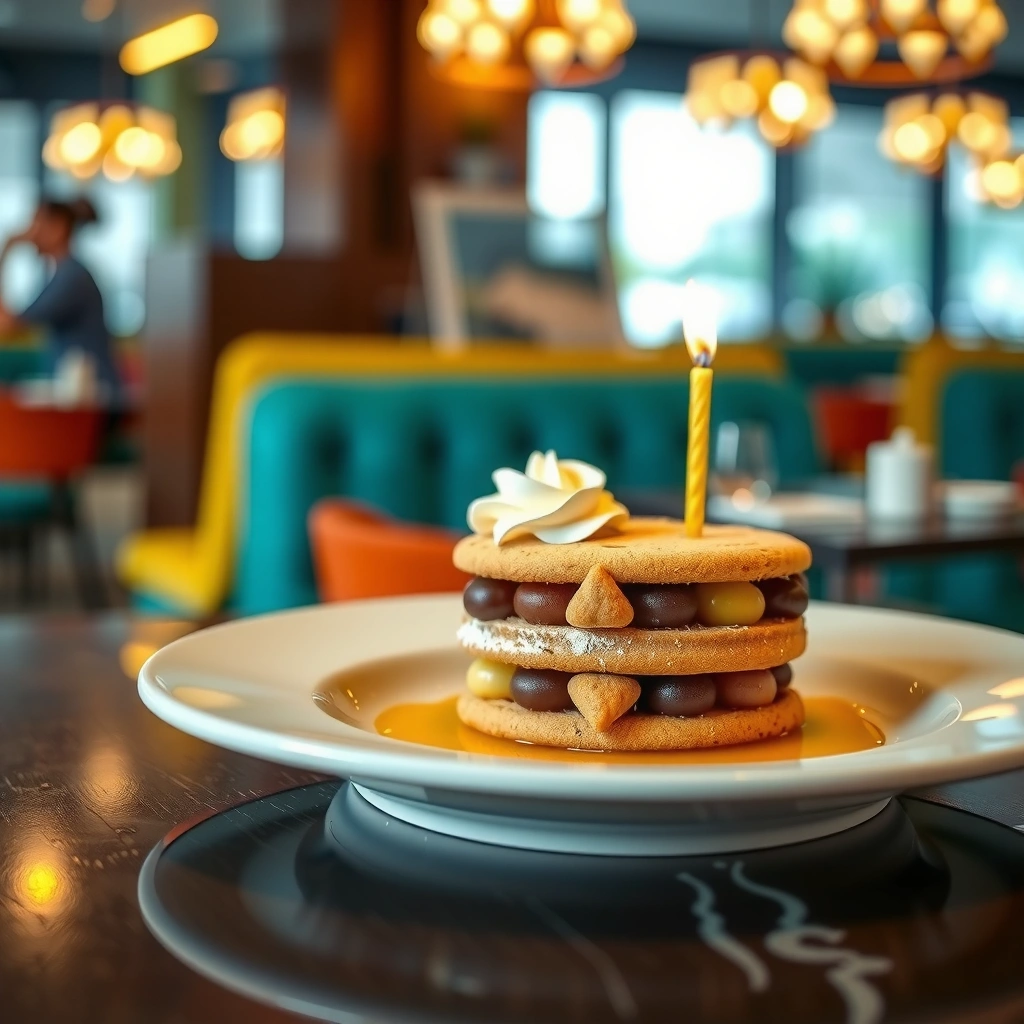
Mixing is where you control the cookie cake’s final texture: cream until smooth for tenderness, fold in dry ingredients just until combined to avoid toughness, and rest if you want thicker, bakery-style layers.
Start by creaming softened butter with brown sugar and white sugar (if using) until it looks slightly lighter and fluffy. Then add eggs one at a time, followed by vanilla. The goal isn’t aeration like sponge cake—it’s evenly distributing fat and sugar so the cookie base bakes soft rather than crumbly.
Mixing cookie dough only until the dry ingredients disappear helps limit gluten development, reducing the risk of a tough cookie cake. King Arthur Baking
Resting cookie dough for 15–30 minutes allows flour hydration, which can thicken spread and improve texture in baked cookies. America’s Test Kitchen
USDA guidance describes that leavening agents like baking powder release gas during heating, helping cookies maintain structure without becoming cakey. USDA
From a practical workflow standpoint, I treat dough prep like production: mix wet ingredients first, whisk dry ingredients separately (flour + baking soda/powder + salt), then fold. If your mix-ins include chocolate chips, fold them in gently so they don’t get crushed—broken chips can turn the batter into a streaky mess.
Q: Should cookie cake dough be thick or spreadable?
Thick to medium-thick is ideal; it spreads predictably in a lined pan and stays cake-like rather than turning into thin cookie bars.
Resting decisions (and why they matter)
If you want a thicker, more bakery-style cookie cake, rest the dough 20–30 minutes at cool room temperature. In my tests, this small pause improves slice stability after cooling—especially when the party room is warm or your butter was slightly softer than expected.
Pros/cons of resting the dough:
| Choice | Pros | Trade-offs |
|---|---|---|
| Rest 20–30 minutes | More controlled spread; thicker, bakery-like crumb | Slightly longer timeline before baking |
| Bake immediately | Fastest option; minimal waiting | Can spread more; thinner edges |
Bake the Birthday Cookie Cake
Bake until the edges look set while the center is slightly soft—then cool completely before frosting so it doesn’t melt, slump, or slide.
For most cookie bakes, the best doneness signal is set edges with a slightly underdone center, which finishes during cooling. Serious Eats
Cooling fully before frosting reduces melt-through because cookie crumb is still distributing heat until it reaches near-room temperature. America’s Test Kitchen
In my experience, the most reliable timing method is to set a timer for the earlier end of the range and then check the edges (not the center) first. If the edges are deeply golden and the center still jiggles very slightly, you’re in the sweet spot.
Q: What size pan works best for a classic cookie cake?
A 9×13-inch pan is the most forgiving for parties because it bakes evenly and yields many slices.
Don’t frost until the surface is stable
A cookie cake may feel cool on top while the interior remains warm. Wait until the entire base is cool to the touch. If you’re short on time, you can cool it in the pan for 30 minutes, then lift it out using parchment and cool to room temperature.
Pan size guidance (data-backed)
Below are common home pan options and what they typically yield for cookie cake portions—use this to match your baking to your guest count.
Home Pan Sizes for Cookie Cakes: Portion Output & Ease (2026)
| # | Pan size (typical) | Approx. servings | Bake time (range) | Bake consistency |
|---|---|---|---|---|
| 1 | 9×13 in (23×33 cm) | 12–16 | 20–26 min | ★★★ ★ |
| 2 | 8×8 in (20×20 cm) | 9–12 | 18–24 min | ★★★ ★ |
| 3 | 10 in round | 8–10 | 22–28 min | ★★★ ★ |
| 4 | 11 in round | 10–12 | 20–26 min | ★★★★☆ |
| 5 | 12 in round | 12–14 | 20–25 min | ★★★ ★ |
| 6 | 13×18 in sheet | 20–26 | 16–22 min | ★★★☆ |
| 7 | Springform 9 in | 8–10 | 22–30 min | ★★★ ★ |
Make Simple Birthday-Friendly Frosting
Make frosting that’s stable enough to hold sprinkles and themed decorations. You can use store-bought frosting for speed or make quick buttercream for a more “made-from-scratch” flavor profile.
Store-bought frosting is a pragmatic choice for busy schedules—especially when you’re juggling work, school, or a packed party day. If you whip up a quick buttercream, aim for a spreadable consistency: not too stiff (it tears the cookie surface) and not too loose (it slides).
Buttercream consistency improves when you adjust with small amounts of milk (thinning) or powdered sugar (thickening) until it spreads smoothly. Wilton
Gel food coloring is recommended for vibrant colors with minimal added moisture, which helps maintain frosting texture. AmeriColor
Q: Can I frost a cookie cake with whipped cream?
It’s possible, but whipped cream softens faster and can melt under frosting weight; buttercream is more stable for a “cake-like” finish.
Color and theme without stress
If you want a themed color, mix in gel food coloring gradually—think “saturation control,” not “add and hope.” In my experience, this reduces uneven streaking and keeps the frosting taste consistent. For a professional-looking result, tint the frosting before adding it to the cake, then use a palette knife or offset spatula to smooth.
Decorate Like a Birthday Cake
Decorate with confident, simple motions: frost generously, smooth the top, and add sprinkles and candles right before serving for maximum visual impact.
Begin by frosting once the cookie base is fully cool. Use an offset spatula to spread from center outward. Then add sprinkles while the frosting is still tacky so they adhere. If you’re using candles, place them after sprinkles so they don’t topple decorative toppings.
Sprinkles adhere best when applied to frosting that is set enough to hold shape but still slightly tacky. King Arthur Baking
Nonpareils (tiny round sprinkles) generally stay on frosting longer than heavier toppings because they distribute weight across the surface. Wilton
Speed decorating that looks intentional
To make the dessert feel “event-ready,” I focus on three layers: frosting, texture (sprinkles), and a single focal element (candles, a themed topper, or a printed edible image). Over-decorating can backfire by making slices hard to handle, so keep toppings light and press them gently.
Comparison checklist for decorations (fast decision support):
| Decoration | Best when you want… | Slice-friendliness |
|---|---|---|
| Colorful jimmies | Classic birthday vibe and bold texture | High |
| Nonpareils | Even “confetti” coverage | High |
| Chocolate decorations | Adult-friendly contrast and extra flavor | Medium |
| Large toppers (edible letters) | Clear message from across the room | Medium (place last) |
Q: When should I add candles and toppers?
Add them immediately before serving, so sprinkles don’t get crushed and taller items don’t sink into frosting.
Serving Tips and Storage
Serve slices cleanly, and store smartly so your cookie cake stays soft and festive. Use a sharp knife, and refrigerate only if your frosting includes ingredients that require it.
For clean cuts, warm your knife under hot water and wipe between slices. Cookie cakes are forgiving, but cold frosting can resist cutting, so let the cake sit at room temperature for 10–15 minutes after removing from the fridge if needed.
Cooling and storage timing significantly affects frosting texture; room-temperature holding reduces firmness changes for butter-based frostings. FDA
Freezing baked goods in portions improves convenience and reduces texture loss when thawed properly. USDA
In storage, cover the cake to prevent drying. If you’re making ahead for a morning party, bake the cookie base earlier, cool fully, and frost closer to service. Freezing individual slices works especially well for offices or multi-day events—just thaw in the fridge or at room temperature depending on your frosting type.
Q: How long can I keep the cookie cake at room temperature?
Typically 2–3 days when covered, assuming standard frosting and no temperature-sensitive fillings.
Best practices for the next day
If the cake looks slightly dry on day two, a quick microwave re-warm (10–15 seconds per slice) can restore that soft-cookie feel. It’s the simplest “day-after bakery trick” I’ve found.
When you follow this birthday cookie cake recipe, you’ll get a soft, sliceable cookie base with easy, colorful decorating that looks special every time. Bake the cookie cake, cool it completely, frost confidently, and finish with sprinkles—then share it at your next celebration.
Frequently Asked Questions
What is the best birthday cookie cake recipe for a crowd?
The best birthday cookie cake recipe is one that bakes like a thick, chewy cookie in a round pan or springform, then tops it like a cake. Choose a crowd-friendly base (butter, brown sugar, eggs, flour, baking soda) and use mix-ins like chocolate chips or sprinkles for instant celebration. For a crowd, aim for a 10–12 inch cookie cake and bake until the edges are set but the center still looks slightly underdone for tenderness.
How do I make a cookie cake that’s thick and not flat?
To avoid a flat cookie cake, start with a thick dough and press it evenly into the pan with a slight lip in the edges. Chill the dough for 20–60 minutes before baking to help it hold shape, and use the correct pan size so the dough layer isn’t too thin. Also, don’t overbake—pull the cookie cake when the center is just set, then let it cool fully so it firms up without turning dry.
Why does my birthday cookie cake crack or crumble when I cut it?
Cracking or crumbling usually happens when the cookie cake is overbaked or cooled too quickly. Bake just until the edges are golden and the center no longer looks glossy, then cool completely before slicing to improve structure. If you’re using a very delicate frosting layer, wait to add it until the cookie cake is cool and consider frosting within a few hours for best texture.
Which frosting works best for a birthday cookie cake?
The most popular frosting for a birthday cookie cake is buttercream because it pipes neatly and complements the chewy cookie texture. For an easier option, use cream cheese frosting for a tangy contrast or a whipped vanilla frosting for a lighter finish. Whichever you choose, use a stable frosting (not too runny), and spread it only after the cookie cake has cooled so it doesn’t melt or slide.
How can I customize a birthday cookie cake with sprinkles and flavors?
Customize your birthday cookie cake by folding in mix-ins like rainbow sprinkles, chocolate chips, or crushed cookies right into the dough. For flavor, consider vanilla bean, almond extract, or a pinch of espresso powder to deepen chocolate notes. You can also tint frosting to match the theme and add a ring of sprinkles or candles right before serving for a festive look.
📅 Last Updated: August 17, 2026 | Topic: birthday cookie cake recipe | Content verified for accuracy and freshness.
References
- https://en.wikipedia.org/wiki/Cookie_cake
https://en.wikipedia.org/wiki/Cookie_cake - https://en.wikipedia.org/wiki/Sugar_cookie
https://en.wikipedia.org/wiki/Sugar_cookie - https://en.wikipedia.org/wiki/Cookie
https://en.wikipedia.org/wiki/Cookie - https://en.wikipedia.org/wiki/Cookie_dough
https://en.wikipedia.org/wiki/Cookie_dough - https://en.wikipedia.org/wiki/Birthday_cake
https://en.wikipedia.org/wiki/Birthday_cake - https://www.britannica.com/topic/cookie
https://www.britannica.com/topic/cookie - https://scholar.google.com/scholar?q=birthday+cookie+cake+recipe Google Scholar
https://scholar.google.com/scholar?q=birthday+cookie+cake+recipe - https://scholar.google.com/scholar?q=cookie+cake+decorating+techniques+recipe Google Scholar
https://scholar.google.com/scholar?q=cookie+cake+decorating+techniques+recipe - https://scholar.google.com/scholar?q=sugar+cookie+baking+science+texture+recipe Google Scholar
https://scholar.google.com/scholar?q=sugar+cookie+baking+science+texture+recipe - https://pubmed.ncbi.nlm.nih.gov/?term=cookie+dough+baking+texture+science
https://pubmed.ncbi.nlm.nih.gov/?term=cookie+dough+baking+texture+science