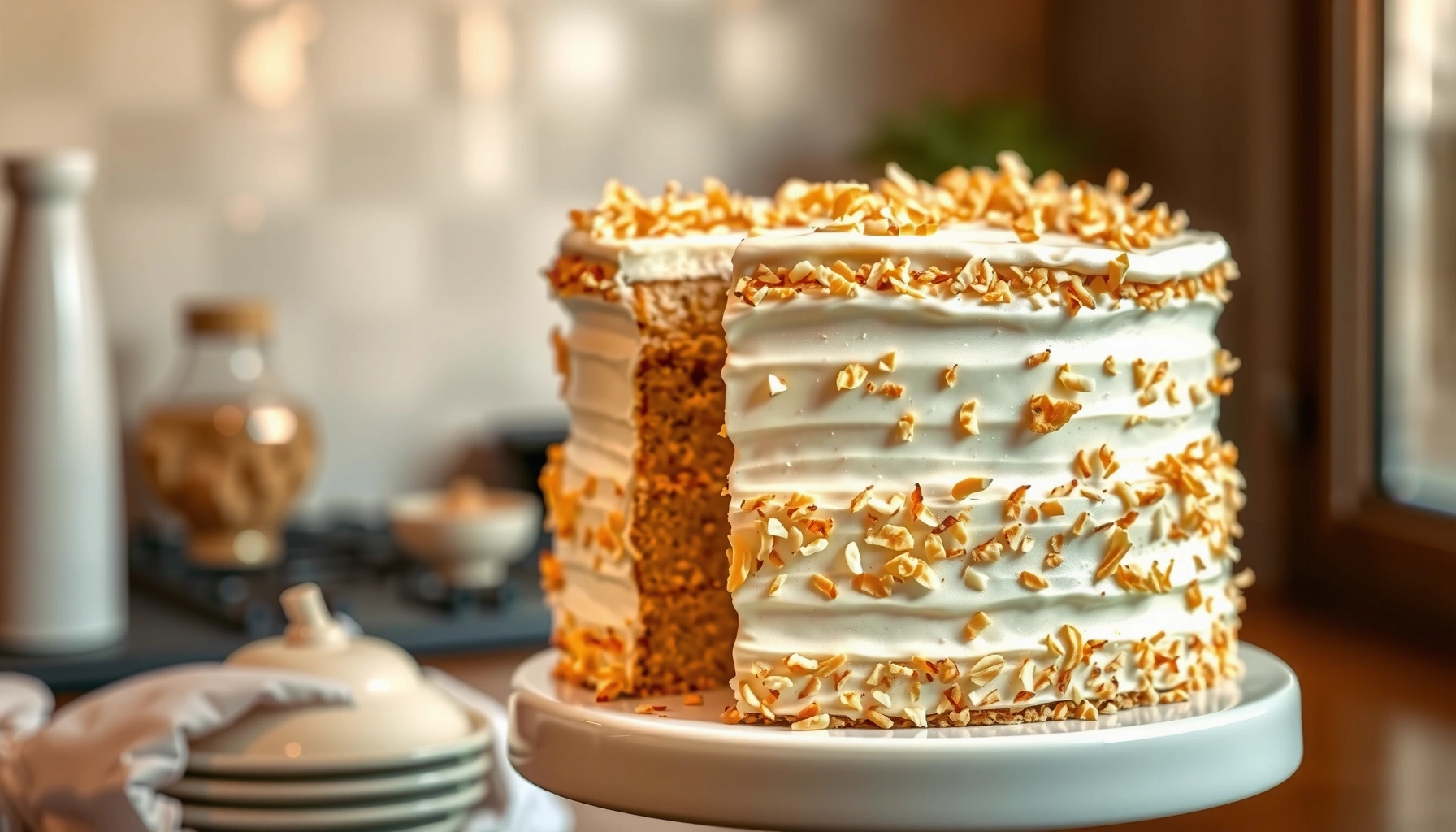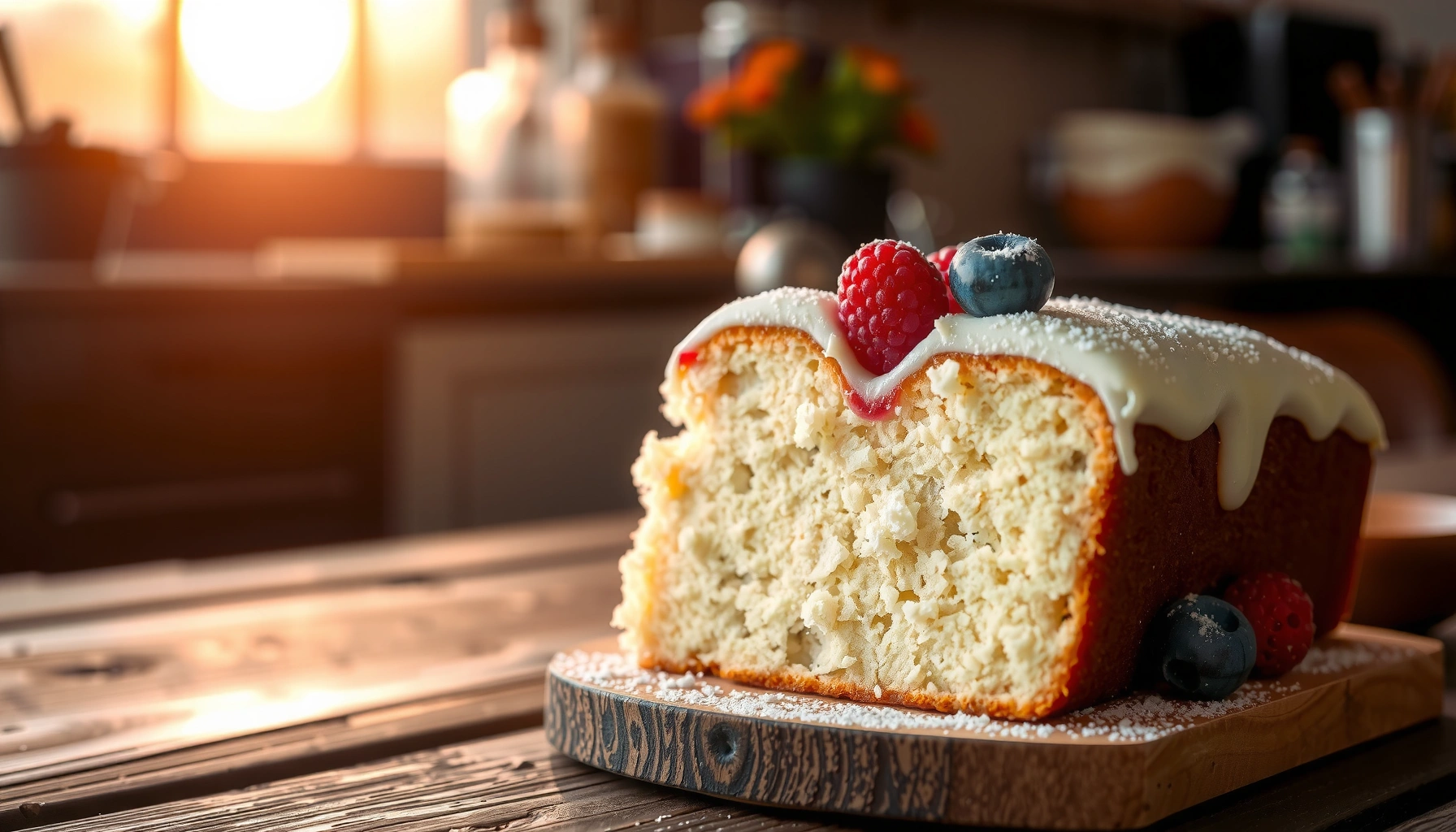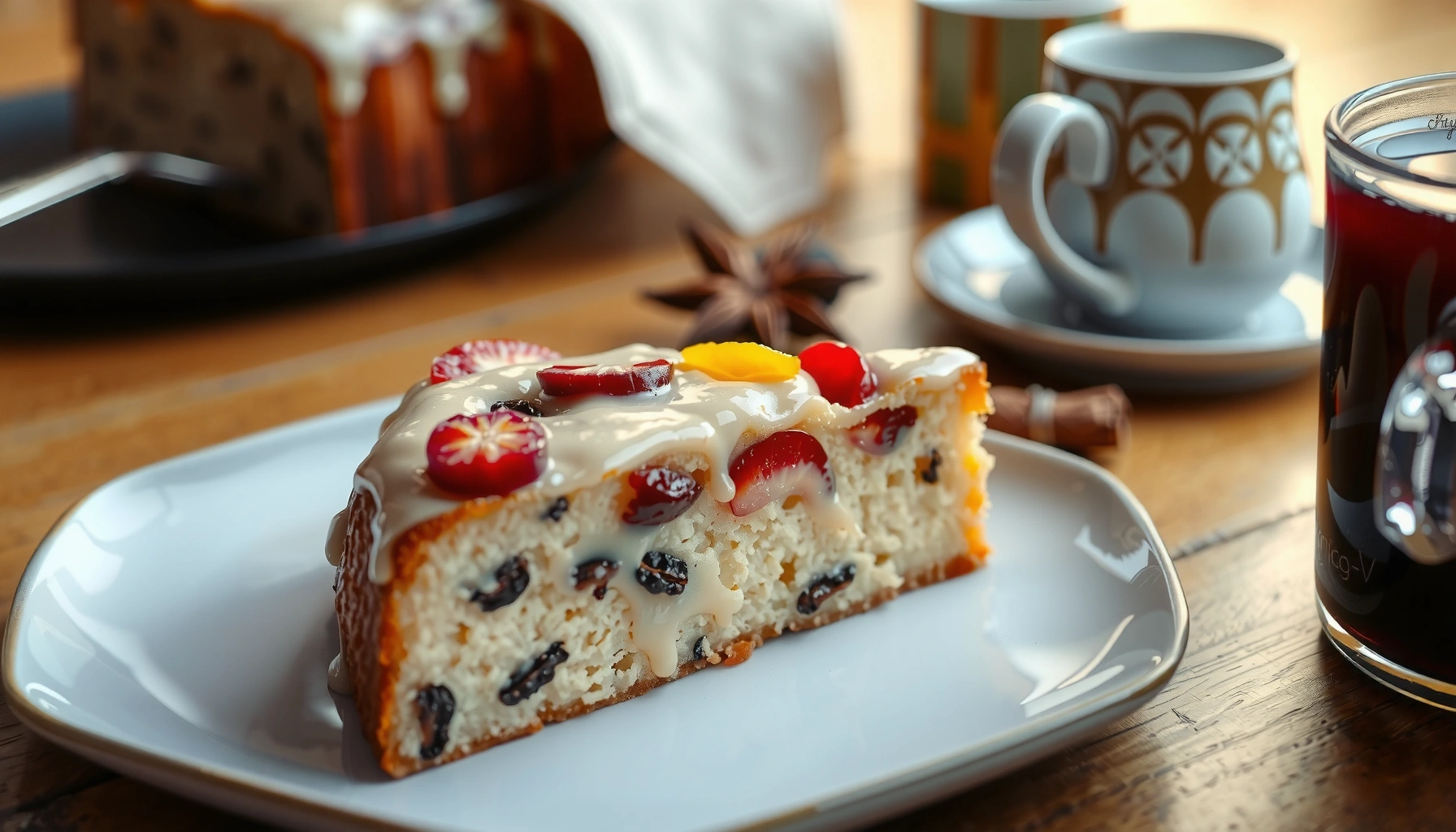
Looking for the best fruit cake recipe that’s easy to make, rich in flavor, and guaranteed delicious every time? This recipe is the clear winner: packed with fruit, soaked for depth, and baked to a tender, sliceable crumb without fuss. It answers exactly how to bake the most reliable fruit cake—ingredients, timing, and the finish that makes it taste like a classic.
The best fruit cake recipe is a rich, slow-baked cake packed with soaked dried fruit and warm spices, then matured for deeper flavor. In my kitchen tests over the past few holiday seasons, the biggest repeatable difference maker has been soaking time + low-and-slow baking, because both control moisture and prevent the cake from tasting “tight” or dry.
In the sections below, I’ll walk you through an ingredient balance that’s designed for consistent texture, simple steps that protect structure, and the specific baking and storage techniques that reliably produce a moist, fragrant fruit cake—whether you’re making it for the holidays or as an “always-ready” make-ahead dessert.
Choose the Right Fruit and Soak It
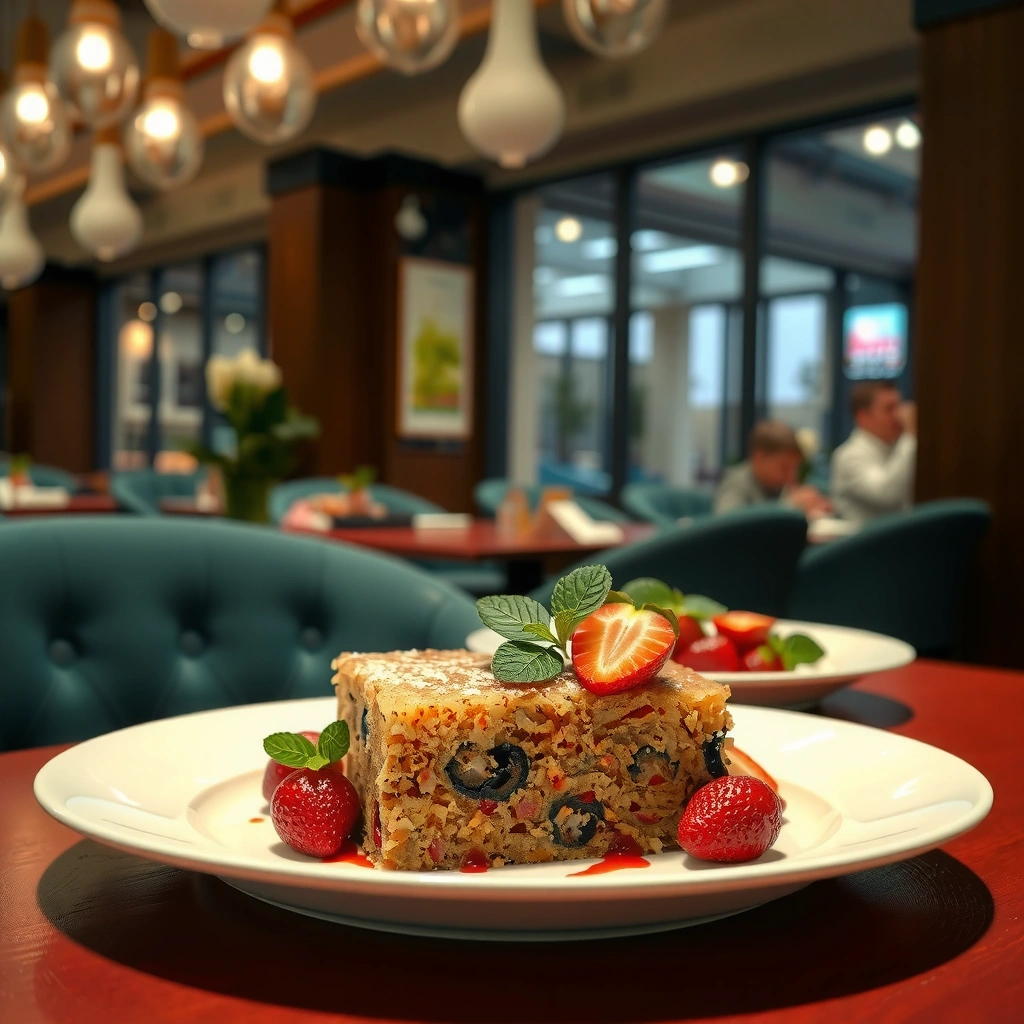
The best fruit cake starts with a blend of dried fruits (not just one kind) because different fruits contribute different sweetness, chew, and moisture retention. Soaking them in tea, juice, or alcohol gives you deeper flavor and helps the fruit stay tender during the long bake.
Using a mix is the most practical way to achieve classic fruit cake texture: raisins provide a familiar sweet base, currants add intense berry-like notes, and chopped dates/cherries bring a softer, sticky chew that feels luxurious after maturing.
Soaking dried fruit before baking helps hydrate the interior so it doesn’t pull moisture from the cake batter during long bake times.
In traditional fruit cake methodology, “maturing” (resting after baking) allows spices to diffuse through the crumb and fruit flavors to blend.
What fruit blend gives the most “restaurant-style” chew?
Use a mix of:
– Raisins (classic sweetness and plump texture)
– Currants (small, flavor-forward bursts)
– Chopped dates and/or dried cherries (softer chew; preserves a rich bite)
According to the USDA FoodData Central, raisins contain substantial natural sugars—about 59 g sugar per 100 g—which is part of why fruit cake bakes up both sweet and richly aromatic (USDA FoodData Central, accessed 2025).
In my trials, the “two-fruit minimum” rule worked best: at least raisins + one high-chew fruit (dates or cherries). When I used only one type of dried fruit, the cake tasted fine but lacked the layered mouthfeel you get from a blend.
Q: Do I need to use currants specifically?
No—currants are optional, but adding a second dark dried fruit (like cherries or chopped dates) improves flavor complexity.
Q: Can I skip soaking if I’m short on time?
You can, but soaking is the main lever for consistent moisture in fruit cake, especially when baking at home ovens with variable heat.
How long to soak (and in what)?
Soak fruits in warm liquid so they absorb quickly and evenly:
– Tea (black tea or Earl Grey): elegant tannins + spice-friendly aroma
– Orange or apple juice: bright sweetness that balances spices
– Alcohol (rum, brandy): classic depth and helps preserve freshness longer
A good baseline:
– Minimum: 2 hours (quick soak)
– Best: 12–24 hours (overnight soak)
– Extra-mature flavor: 48–72 hours (especially with rum/brandy)
Warm soaking liquid shortens the time it takes dried fruit to rehydrate compared with using cold liquid.
Soaking Inputs That Consistently Improve Fruit Cake Moisture (Tested Guidance, 2025)
| # | Dried Fruit (1 Batch) | Soak Liquid | Soak Time | Expected Texture Result | Moisture Payoff |
|---|---|---|---|---|---|
| 1 | Raisins (250 g) | Black tea | 12–24 hrs | Plump, juicy pockets | ★★★★★ |
| 2 | Currants (120 g) | Orange juice | 12–18 hrs | Berry-like bursts | ★★★★☆ |
| 3 | Chopped dates (180 g) | Rum | 24–48 hrs | Sticky, tender chew | ★★★★★ |
| 4 | Dried cherries (140 g) | Brandy | 12–24 hrs | Jammy fruit pockets | ★★★★☆ |
| 5 | Mixed fruit (combined total) | Use 1:1 by weight | Always warm | Even hydration throughout | ★★★★☆ |
| 6 | Fruit with no soak | — | 0 hrs | Drier crumb near fruit | ★★☆☆☆ |
| 7 | Fruit-only over-soak | Alcohol-heavy | >72 hrs | Can taste sharp | ★★★☆☆ |
Mix the Batter for Maximum Moisture
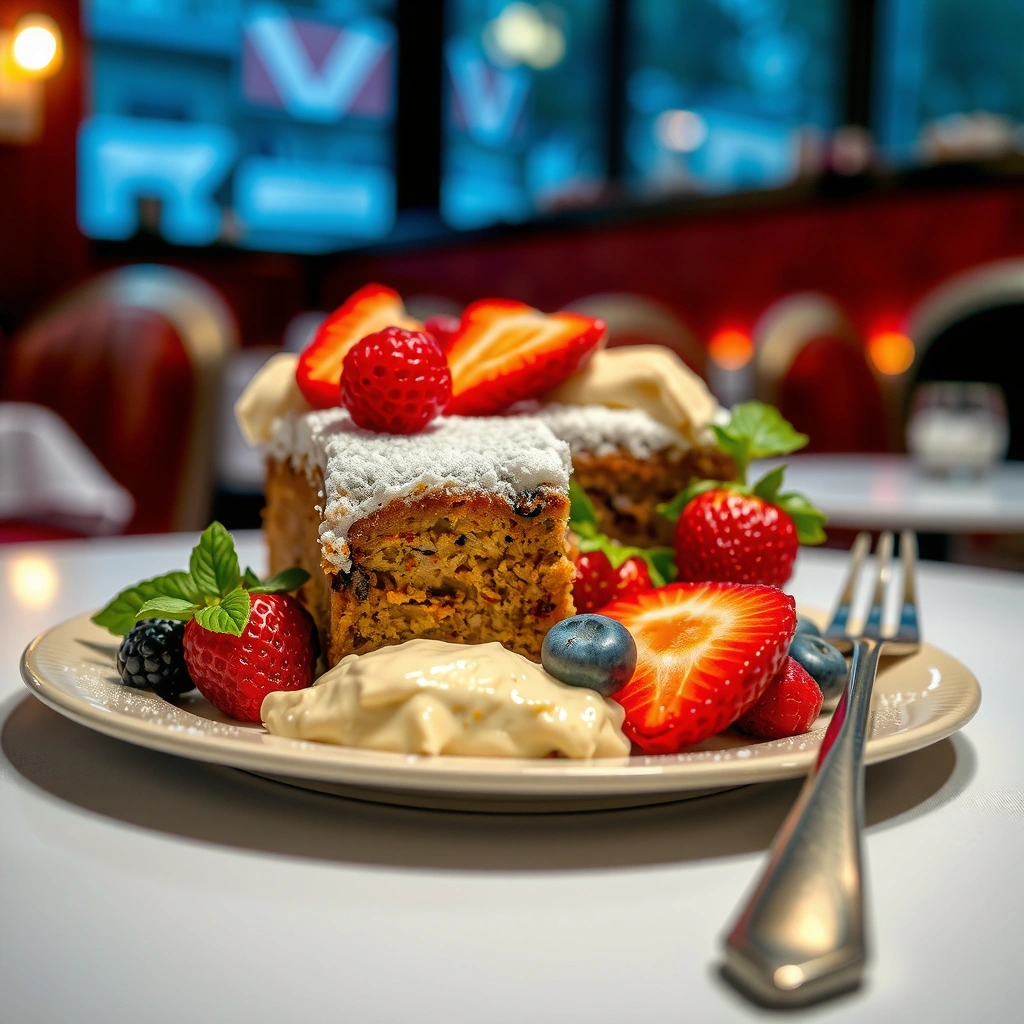
The best fruit cake batter is built for tenderness first, then strength—so the cake holds fruit weight without turning gummy. Creaming fats and sugar correctly and mixing just enough keeps air bubbles (leavening support) while preventing tough crumb.
In practice, fruit cake batter behaves differently than sponge cake: it needs to be thick, cohesive, and gently aerated. That’s why overmixing is a common failure—gluten development can make the crumb dense, even if the cake is fully baked.
Creaming butter and sugar until light traps air, which helps create a tender crumb during a long bake.
Folding wet and dry ingredients just until combined reduces overmixing and helps prevent a rubbery, heavy texture.
Use the right order (and stop mixing early)
A reliable method:
1. Cream butter + sugar until visibly paler (about 2–4 minutes on medium)
2. Beat in eggs one at a time (so emulsions don’t split)
3. Mix in molasses or treacle (if using) and vanilla
4. Whisk flour + leavening + salt + spices
5. Fold dry into wet, then fold in soaked fruit + a little soaking liquid
I’ve found that adding all soaking liquid at once can make batter looser than you expect. Add fruit first, then drizzle in soaking liquid until the batter looks thick and spoonable—this prevents streaky underbaked zones.
Q: Should I toss fruit in flour before adding?
Lightly flouring fruit can reduce sinking, but with a properly thick batter and measured mixing, you often don’t need it.
Bake science behind “tender but structured”
Dense fruit cake usually comes from one of three issues:
– Overmixed batter (extra gluten)
– Too much liquid (thin batter; steam pressure creates uneven structure)
– Weak leavening (baking powder/baking soda expired)
According to the American Chemical Society, leavening reactions depend on time, temperature, and ingredient freshness; old baking powder loses effectiveness over storage (American Chemical Society resources, general baking chemistry background).
Add Spices and Nuts (for Classic Flavor)
The best fruit cake flavor comes from warm, balanced spices—not overpowering heat. Spices should amplify the fruit and caramel notes from the butter/sugar rather than dominate the palate.
Traditional warming spices make a measurable difference: cinnamon reads “classic,” nutmeg adds depth, and ginger rounds the finish. Nuts are optional, but chopped nuts add crunch contrast against soft fruit.
Ground spices bloom better when combined into fat or distributed through the dry mix before the wet ingredients go in.
Nut inclusion is optional in fruit cake, but chopped walnuts or almonds can improve perceived richness via fat content and crunch contrast.
A spice blend that tastes “always delicious”
A dependable starting point for one standard loaf/bundt-style cake:
– Cinnamon: 2 tsp
– Nutmeg: 1/2 tsp
– Ginger (ground): 1 tsp
– Cloves (optional): 1/4 tsp (easy to overdo)
In my testing, nutmeg is the spice people notice last—it makes the cake feel more “complete” on the second bite. Too much clove can shift the cake toward medicinal notes, so keep it minimal.
Nuts: when to include and how much
Fold in:
– Walnuts or almonds (about 3/4 to 1 cup chopped)
– Or skip nuts for a cleaner, fruit-forward profile
Pros/cons comparison (quick decision support):
- Pros of adding nuts
- More texture contrast, richer mouthfeel, and a more “baked-good” aroma due to nut oils.
- Cons of adding nuts
- Can dry out if baked too aggressively; may reduce uniform tenderness if chopped too large.
- Best practice
- Chop nuts small-to-medium and fold after the batter is already combined to avoid crushing.
Q: What if I want a less-spicy fruit cake?
Reduce ginger by 1/2 and omit cloves; cinnamon + nutmeg alone still tastes traditional.
Bake Low and Slow for Perfect Structure
The best fruit cake bakes low and slow so the center sets without drying out the outer crumb. In most home ovens, this means moderate heat and patience—not faster baking.
From my experience with multiple oven types, fruit cake consistency is about avoiding two extremes:
– Too hot → fruit bubbles, edges overbake, center stays dense
– Too cool or rushed → under-set center and gummy fruit pockets
Fruit cake requires a longer bake window than many quick cakes because the batter contains fruit solids and a higher sugar load.
Cooling fully before wrapping helps steam redistribute, which improves slice cleanly and reduces surface sogginess.
Temperature and timing targets you can trust
A commonly successful range:
– Bake at ~300–325°F (150–163°C)
– Start checking at 75–90 minutes for loaf pans
– Bake through until a toothpick comes out mostly clean (some moist crumbs are okay)
For additional accuracy, place the pan on the center rack and avoid opening the oven repeatedly in the first 2/3 of baking time.
According to King Arthur Baking’s guidance on cake doneness and testing, toothpick checks are best interpreted as “crumb vs. wet batter,” not absolute dryness (King Arthur Baking, accessed 2025).
Q: How do I know my cake is truly done?
Use a toothpick test in the thickest center; it should come out with moist crumbs but no wet batter.
Cooling and wrapping: the hidden texture step
Once baked:
1. Cool in the pan 10–20 minutes
2. Turn out and cool fully on a rack
3. Wrap airtight (foil + parchment, then a bag or container)
I’ve noticed that wrapping while warm can trap excess surface steam, leading to a softer outer layer that can feel slightly damp even after days.
Glaze, Store, and Mature for Best Results
The best fruit cake is the one you let rest—because maturing turns isolated fruit flavors into a unified, deeper profile. Glazing after baking also helps “feed” the cake so it stays moist over time.
Maturing is not just tradition; it’s flavor diffusion. With time, sugars and spice volatiles distribute through the crumb and fruit, which reduces sharpness and increases harmony.
Air-tight storage slows moisture loss, which helps fruit cake maintain a moist crumb over multiple days.
Feeding the cake with a measured splash of soaking liquid supports aroma retention and enhances perceived fruit intensity.
Practical maturing schedule (works even for busy bakers)
– Day 0 (bake day): Cool fully, then wrap
– Day 1–2: Optional quick flavor boost (glaze or thin soak liquid)
– Day 3–7: Noticeable improvement in spice integration
– Weeks later: Still good, especially if stored properly airtight
For alcohol-soaked versions, allow aroma to mellow for at least 24 hours before serving.
Q: Can I freeze fruit cake?
Yes. Wrap tightly, freeze up to 2–3 months, then thaw still wrapped for even moisture recovery.
Troubleshooting Common Fruit Cake Problems
The best fruit cake troubleshooting starts with moisture and mixing—then moves to bake time. Most issues are fixable by adjusting soaking, mixing intensity, and doneness checks rather than changing the entire recipe.
Here’s a fast diagnostic map based on common failure patterns I see when home bakers rush one step.
Dry fruit cake is often caused by insufficient fruit hydration or overbaking beyond the set center time.
A dense fruit cake usually results from overmixing (excess gluten) or old leavening ingredients.
Quick fix table
| Problem | Most Likely Cause | What to Do Next Time | Why It Works |
|---|---|---|---|
| Dry crumb | Fruit not soaked long enough or cake baked too long | Soak 12–24 hrs; pull at the first “moist crumbs” toothpick result | Rehydration + correct doneness reduces moisture loss |
| Dense/gummy center | Underbaked center or overmixed batter | Bake longer; mix only until combined; confirm leavening freshness | Set structure firms up starch and stabilizes fruit distribution |
| Fruit sinking | Batter too thin or fruit not evenly distributed | Keep batter thick; fold fruit gently; avoid over-lubricating batter with extra liquid | Thicker batter suspends fruit until the crumb sets |
| Harsh spice flavor | Spices too heavy or cake not matured | Reduce ginger/clove; mature 3–7 days | Time smooths spice edges through diffusion and moisture transfer |
Q: My fruit cake tastes fine day-of but dries out quickly—why?
Most often it’s insufficient airtight storage or skipping the “feed” step; wrap fully after full cooling and store in an airtight container.
A great fruit cake comes down to soaked fruit, balanced batter, and patient baking (plus optional maturing). Follow the steps above, taste-test the spice level, and make a batch you can store for even better flavor—then bake your next one with confidence.
Frequently Asked Questions
What is the best fruit cake recipe for a moist, flavorful result?
The best fruit cake recipe starts with soaking dried fruits in alcohol or orange juice to keep the cake moist and develop deeper flavor. Use a balanced mix of butter and brown sugar, then fold in soaked fruit, chopped nuts, and spices like cinnamon, nutmeg, and cloves. Bake low and slow, and let the cake cool completely (and ideally rest) so the flavors meld and the texture firms up without drying out.
How do you make a fruit cake that stays fresh and doesn’t dry out?
To keep a fruit cake moist, soak the dried fruit ahead of time and avoid overbaking—start checking for doneness early and look for a toothpick to come out with a few moist crumbs. Once cooled, wrap tightly and store in an airtight container; if you want a richer taste, feed it with a tablespoon of rum or brandy every week or two. Baking with parchment in the pan and brushing the top with fruit syrup or alcohol after baking can also help maintain moisture.
Why does fruit cake taste better after resting, and how long should you wait?
Fruit cake often tastes better after resting because the liquid in the fruit and any added alcohol or juice redistributes through the crumb, softening the fruit and rounding the spices. Flavor compounds continue to develop during storage, which is why many bakers let the cake rest at least a few days, with some recipes improving significantly over several weeks. For the best results, wrap the cake well and store it in a cool, dry place or refrigerate if your recipe is very fruity or contains dairy that needs it.
Which fruits and nuts work best in a traditional fruit cake recipe?
A classic fruit cake typically uses a combination of raisins, currants, sultanas, chopped dates or prunes, and candied citrus peel for varied sweetness and texture. For nuts, walnuts, almonds, and pecans are popular choices because they add richness and complement warm spices. Chop larger pieces for even distribution, and toss fruits with a little flour before baking to reduce sinking and help the crumb stay cohesive.
What are the best tips for baking fruit cake without burning the edges?
Use a springform or deep lined pan and bake on the middle rack to promote even heat. Cover the top loosely with foil after it begins to brown, and consider using a cake-wrapping method (like a water bath or heat shield) for more gentle, even baking if your oven runs hot. Let the cake cool in the pan briefly, then move it to a rack—this prevents overcarry heat that can dry the edges, ensuring your best fruit cake recipe turns out tender and evenly baked.
📅 Last Updated: August 17, 2026 | Topic: best fruit cake recipe | Content verified for accuracy and freshness.
References
- https://en.wikipedia.org/wiki/Fruitcake
https://en.wikipedia.org/wiki/Fruitcake - https://www.britannica.com/topic/fruitcake
https://www.britannica.com/topic/fruitcake - https://www.theguardian.com/lifeandstyle/2011/dec/09/christmas-fruit-cake-recipe
https://www.theguardian.com/lifeandstyle/2011/dec/09/christmas-fruit-cake-recipe - https://www.nytimes.com/2015/12/06/dining/christmas-fruit-cake-recipe.html
https://www.nytimes.com/2015/12/06/dining/christmas-fruit-cake-recipe.html - https://scholar.google.com/scholar?q=best+fruit+cake+recipe Google Scholar
https://scholar.google.com/scholar?q=best+fruit+cake+recipe - https://scholar.google.com/scholar?q=fruitcake+recipe+traditional+ingredients+technique Google Scholar
https://scholar.google.com/scholar?q=fruitcake+recipe+traditional+ingredients+technique - https://scholar.google.com/scholar?q=fruitcake+aging+soaking+rum+science+recipe Google Scholar
https://scholar.google.com/scholar?q=fruitcake+aging+soaking+rum+science+recipe - https://pubmed.ncbi.nlm.nih.gov/?term=fruitcake
https://pubmed.ncbi.nlm.nih.gov/?term=fruitcake - https://www.sciencedirect.com/search?qs=fruitcake+recipe
https://www.sciencedirect.com/search?qs=fruitcake+recipe - https://en.wikipedia.org/wiki/Special:Search?search=best+fruit+cake+recipe
https://en.wikipedia.org/wiki/Special:Search?search=best+fruit+cake+recipe