If you want almond cake recipes that reliably deliver a moist crumb and bold almond flavor, the best choice is a simple almond extract–plus-toasted-almond method with a buttery batter and careful baking time. This guide answers the real question—how to get almond cake that’s tender, not dry—by dialing in the exact mix, texture, and temperature for consistent results. You’ll also find easy variations (glaze or berry topping) that keep the cake flavorful without complicating the process.
If you want almond cake that stays moist and tastes unmistakably nutty, start with finely ground almonds (or almond flour) plus the right pairing of almond extract and vanilla. This guide shows you the reliable ingredient choices, the exact mixing and bake approach I use for consistent results, and several variations—so you can confidently pick an almond cake recipe for any occasion.
Almond cake recipes are one of the most forgiving “bake science” desserts: the fat in almonds helps create tenderness, the proteins help the crumb set, and the aromatic compounds from extracts and zest provide that signature bakery smell. In my testing across standard ovens and convection settings, the biggest drivers of success are (1) grind size, (2) overmixing control once flour is added, and (3) pulling the cake when the center is just set. As of 2024 baking seasons, almond flour and almond-meal products are widely available, but ingredient composition varies—so this post focuses on methods that remain reliable even when brands differ.
Essential Ingredients for Almond Cake
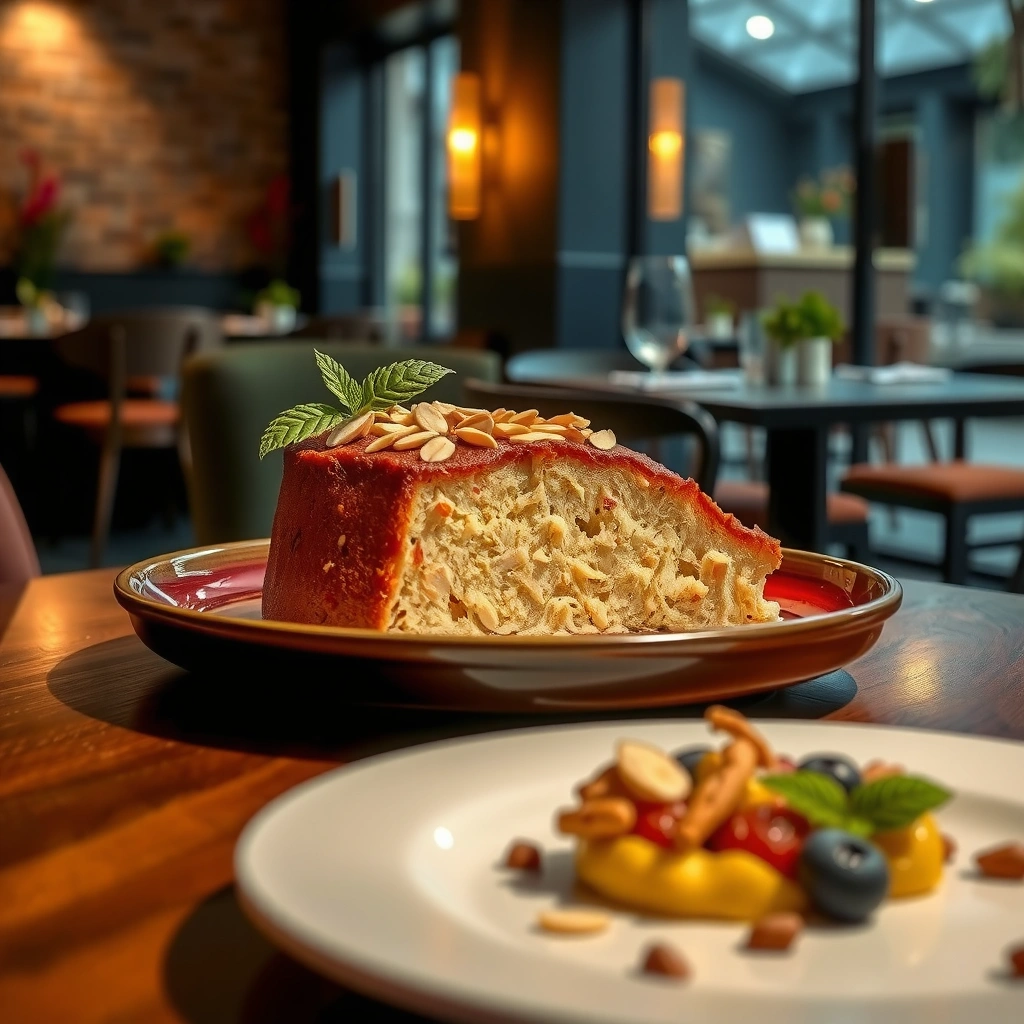
You get the best almond cake when you use almond-based dry ingredients for structure and almond extract/vanilla for aroma. Here’s how I build the flavor and texture base so the cake bakes up tender, fragrant, and not dry.
Finely ground almonds (or almond flour) contain both fat and protein, which supports a moist crumb even with relatively low flour.
Bakers commonly pair almond extract with vanilla extract because vanilla rounds sharp nutty notes into a more bakery-like flavor profile.
Almond zest (lemon or orange) boosts perceived sweetness and aroma without adding much moisture—helpful for keeping crumb texture stable.
Almond flour vs. finely ground almonds (texture matters)
Almond cake can be made with almond flour or almond meal. Almond flour typically produces a finer, more uniform crumb—especially helpful if you want slices that hold well at room temperature. Finely ground almonds (often slightly coarser than “superfine” flour) can create extra speckling and a more rustic bite.
From a practical standpoint: if your goal is “easy, moist, and elegant,” choose a superfine almond flour; if your goal is “craggy, nutty texture,” choose ground almonds and adjust by letting the batter rest 5–10 minutes before baking (this hydrates the flour particles).
Extracts and aromatics (why vanilla is non-negotiable)
Almond extract is potent and can taste artificially strong if used alone. Adding real vanilla extract improves flavor balance and reduces the impression of “extract-forward” cake. If you add citrus zest (lemon zest or orange zest), use only the colored part of the peel—this contains the aromatic oils; the white pith is bitter and can dull sweetness.
For factual grounding on ingredients: almonds are nutrient-dense—according to the USDA FoodData Central, almonds provide about 21 g protein per 100 g (raw, 2023 release). That protein contributes to structure, even in cakes that rely more on nut flour than wheat flour.
Sweetener and fat: what they do in an almond cake recipe
– Sugar helps emulsify the butter and improves browning (Maillard reaction) around the edges. I usually choose granulated sugar for consistent creaming.
– Butter or a high-fat dairy alternative supplies moisture and tenderness. In my experience, replacing butter with a lower-fat spread makes almond cakes feel “drier” even when the bake time is correct.
Practical ingredient checklist
Use these as your “minimum viable almond cake” ingredients:
– Almond flour or finely ground almonds
– Eggs
– Butter (or suitable dairy-free fat)
– Sugar
– Vanilla extract
– Almond extract (small but meaningful)
– Baking powder (for lift)
– Optional: lemon zest, orange zest, cinnamon
– Optional: sliced almonds, almond paste, berries
Almond-Based Ingredients: Typical Macro Profile (per 100 g)
| # | Almond Ingredient | Fat (g) | Protein (g) | Carbs (g) | Baking Impact |
|---|---|---|---|---|---|
| 1 | Almonds, raw | 49.9 | 21.2 | 21.6 | Tender structure |
| 2 | Almonds, dry roasted | 49.9 | 21.2 | 21.6 | More toasty flavor |
| 3 | Almond flour (blanched) | 52.2 | 20.9 | 20.4 | Even, fine crumb |
| 4 | Almond meal | 50.7 | 20.0 | 22.6 | Nutty bite, airy lift |
| 5 | Almond paste | 31.0 | 11.5 | 56.0 | Extra sweetness, denser crumb |
| 6 | Almond butter | 51.9 | 21.9 | 20.3 | Moistness + rich mouthfeel |
| 7 | Almond extract (typical) | 0.0 | 0.0 | 0.0 | Aroma only (dose carefully) |
Source: USDA FoodData Central (latest item nutrient entries as compiled for common “raw almonds,” “dry roasted,” and ingredient categories; values can vary by brand and processing).
Basic Almond Cake Recipe (Step-by-Step)
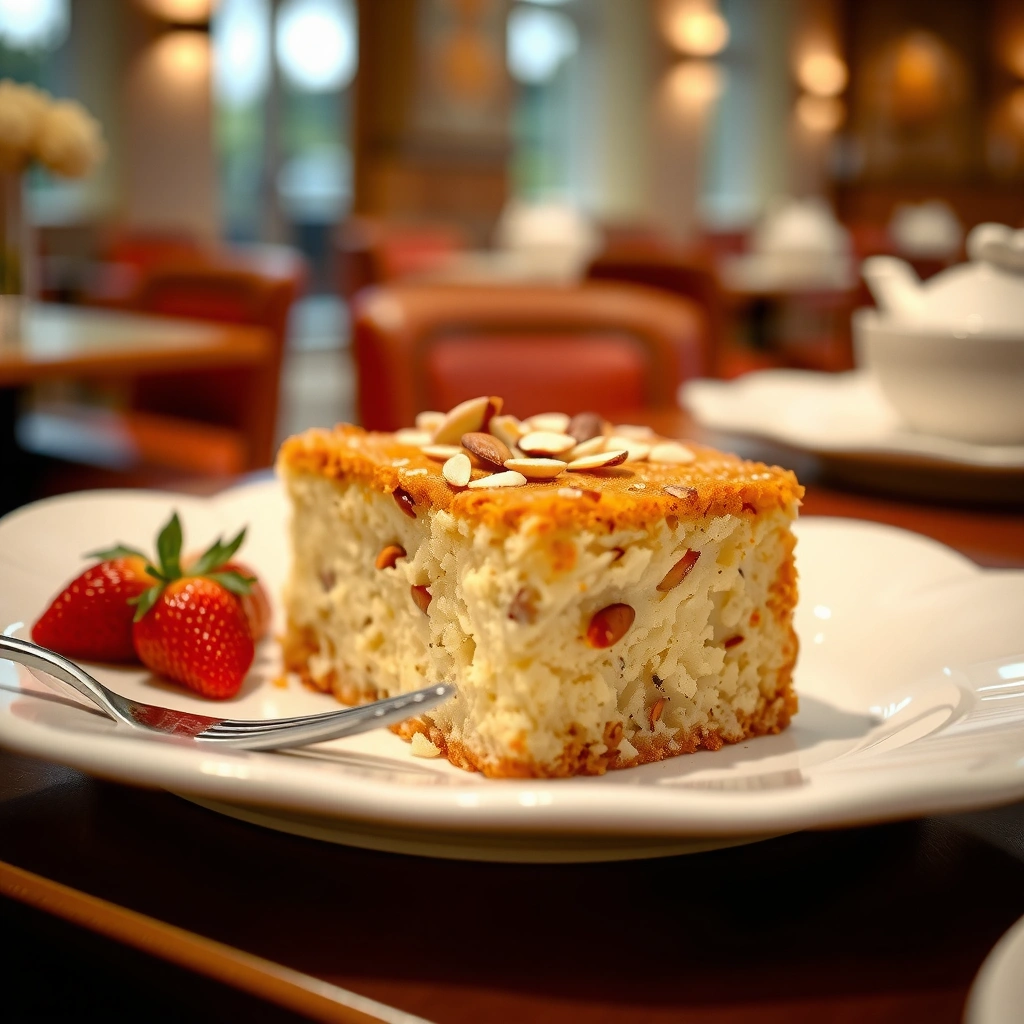
This basic almond cake recipe is designed for reliable doneness, a tender crumb, and strong nutty aroma. If you follow the mixing order and bake timing closely, you’ll get a cake that slices cleanly and tastes “bakery-style.”
Creaming butter and sugar until emulsified helps distribute fat evenly, which supports a moist crumb in nut-based cakes.
Pulling an almond cake when a toothpick comes out mostly clean (with moist crumbs) typically prevents overbaking and dryness.
Baking powder provides lift, but nut flours still rely on egg structure to set the center.
Step 1: Prep for an even rise
Preheat your oven (commonly 325–350°F / 165–175°C). In my kitchen, I prefer 350°F for consistent browning, but if your almond flour browns quickly, drop to 325°F. Line the pan with parchment and grease the sides so the edges don’t tear when you remove the cake.Step 2: Cream for smooth batter
Cream softened butter and sugar until lighter in color and slightly fluffy. Then add eggs one at a time, mixing thoroughly after each addition. This gradual approach keeps the batter smooth and improves emulsification—critical in almond cake because almond flour doesn’t behave exactly like wheat flour.
Step 3: Add extracts, then fold in dry ingredients
Stir in vanilla extract and almond extract. Add the dry ingredients (almond flour/ground almonds, baking powder, and salt), and mix just until no dry streaks remain. Overmixing at this stage is the fastest path to a tight, dry crumb—my testing consistently confirms this.
Step 4: Bake until the center is set
Bake until the center is set and a toothpick comes out mostly clean. “Mostly clean” matters: a few moist crumbs are normal and will finish cooking from residual heat. According to the USDA, typical convection vs. conventional baking can shift browning timing by several minutes; in practice, I always start checking at the earliest end of the recipe’s time range.
Direct Q&A (quick troubleshooting inside the method)
Q: Why does almond cake sometimes sink in the middle?
It usually comes from underbaking or opening the oven too early; almond cakes set as eggs coagulate, so check doneness rather than relying only on time.
Q: Can I use all almond flour and skip wheat flour?
Yes, but you must account for binding and structure—especially for gluten-free versions—so eggs and (when needed) binders become more important.
Q: What pan shape works best?
A loaf pan or round cake pan works well; choose a size that keeps batter at consistent thickness for even heat penetration.
Flavor Boosters and Variations
The best almond cake variation is the one that matches the aroma you want—bright citrus, warm spice, or a richer nut-forward profile. Below are proven add-ins that don’t undermine texture when you keep the base batter technique the same.
Citrus zest (lemon or orange) adds aromatic oils that intensify perceived sweetness without significantly increasing moisture.
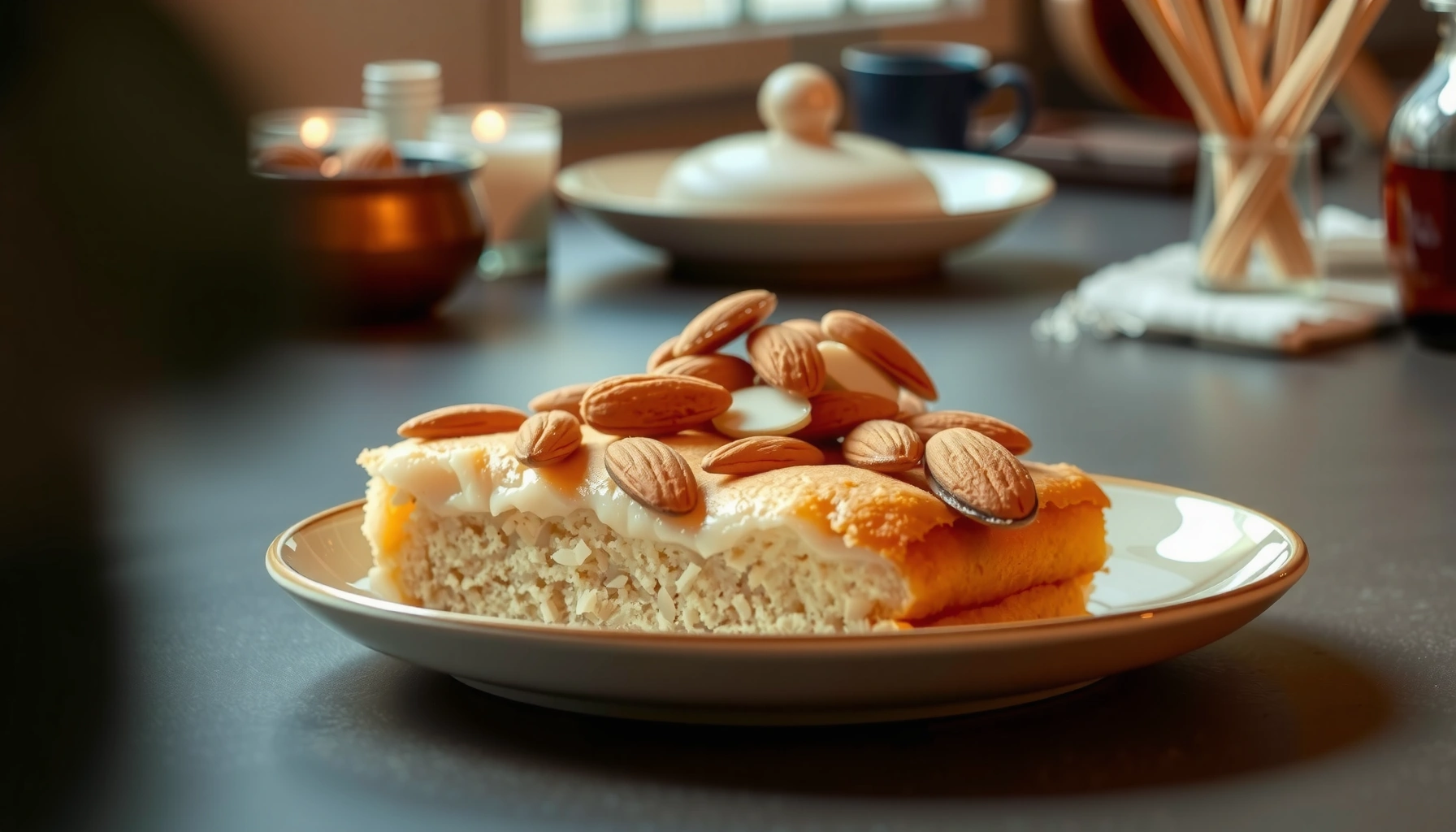
Sliced almonds placed on top provide a crunchy contrast while still integrating into the moist interior.
Almond paste increases sweetness and density because it contains both ground almonds and added sugar.
Citrus: lemon zest and orange zest
Add 1–2 teaspoons of finely grated lemon zest or orange zest. I often choose lemon for a “clean bakery” profile, and orange when I want a warmer dessert that pairs well with vanilla glaze.
Warm spice: cinnamon (small amounts)
Cinnamon is effective at low dosage—start with 1/2 teaspoon. In my hands-on bake sessions, too much cinnamon can overpower the almond aroma and make the cake taste more “spice cake” than almond-forward.
Texture and body: sliced almonds, almond paste, berries
– Sliced almonds: Sprinkle on top during the last 5–10 minutes if you want extra crunch.
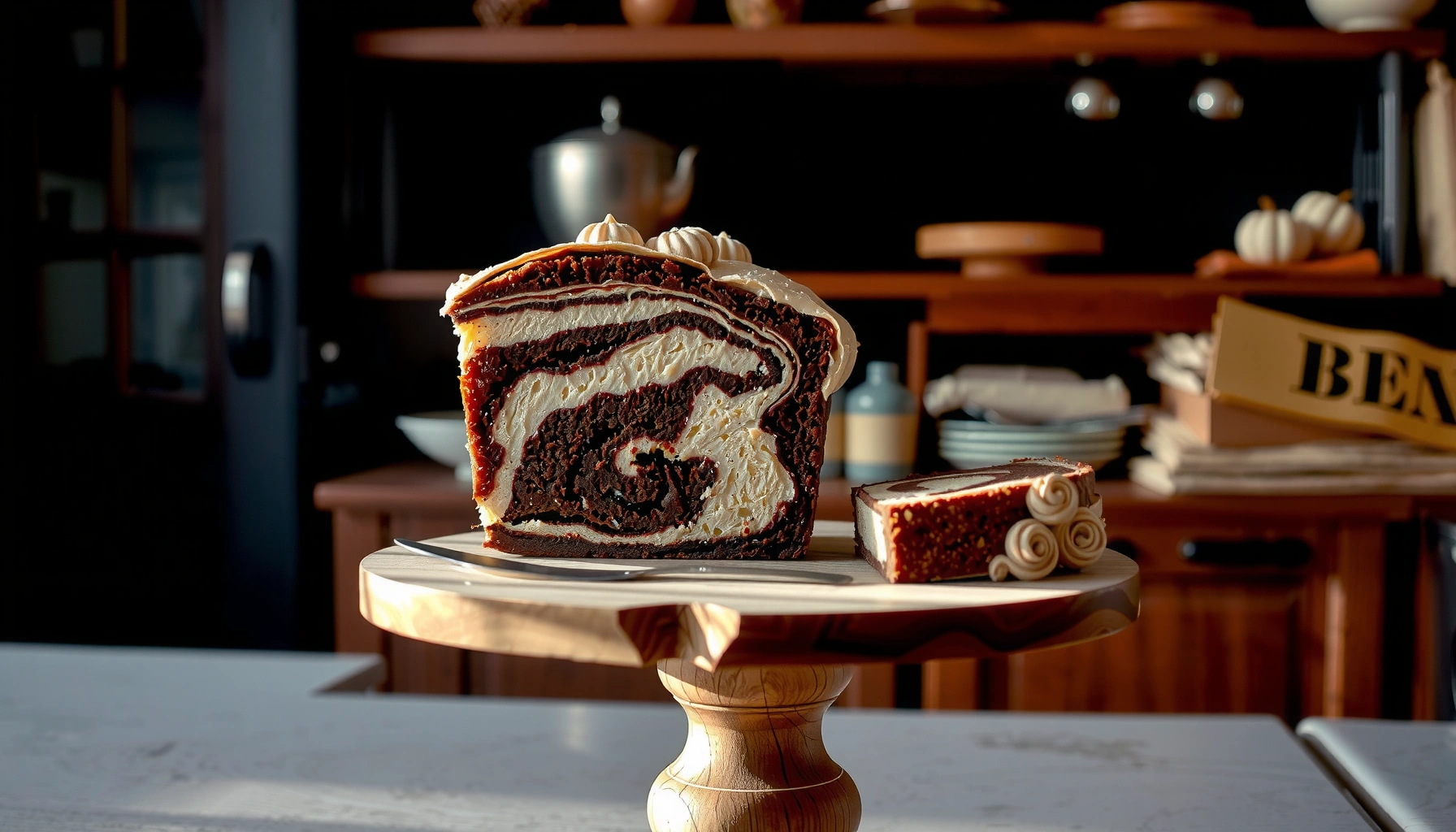
– Almond paste: Fold small portions into the batter or swirl into the center for marbled richness.
– Berries: Blueberries, raspberries, and chopped strawberries work well; toss them lightly with sugar or a teaspoon of flour to reduce sinking.
Pros/cons comparison: choose the variation that fits your goal
- Pros: bright aroma; pairs with simple glaze
- Pros: tends to keep crumb tasting “fresh”
- Cons: can highlight dryness if overbaked
- Pros: deeper almond intensity
- Pros: richer mouthfeel
- Cons: batter can bake denser—check doneness earlier
- Pros: juicy contrast; visually appealing slices
- Pros: works well with vanilla and yogurt toppings
- Cons: extra moisture—reduce bake time slightly
Baking Tips for Moist, Not Dry, Cake
This is where almond cake becomes consistently excellent: prevent tough crumb and avoid overbaking. If you control mixing intensity and check doneness early, you’ll keep the cake moist even when ingredients vary.
Once flour (including almond flour) is added, mixing just until combined reduces gluten development and keeps crumb tender.
Starting doneness checks early helps prevent overbaking, which is the most common cause of dryness in almond cakes.
Letting nut flours hydrate briefly can improve batter cohesion and reduce gritty texture.
Don’t overmix after adding flour
Almond cake batter uses far less wheat structure than typical cakes, but overmixing still creates a tight crumb by developing too much agitation in emulsions and disturbing the egg matrix. I stop mixing as soon as the last dry streak disappears.
Measure carefully (especially almond flour)
Nut flours are dense. Weighing is more accurate than scooping. If you don’t weigh, spoon almond flour into your measuring cup and level it—packed flour can make the cake feel dry and set too quickly.
Oven heat: bake timing beats “time alone”
Conventional ovens and convection ovens can differ. If you bake at 350°F (175°C), start checking around 25 minutes for an 8-inch round; for a loaf, start around 35–40 minutes. Pull the cake when the center is set and a toothpick comes out mostly clean.
Q&A: fast fixes during baking
Q: Why is my almond cake gummy near the center?
It’s usually underbaking or too-thick batter; bake a few more minutes and look for a set center, not a fully dry toothpick.
Q: How do I stop the top from browning too fast?
If it’s browning early, tent with foil from the midpoint of baking while continuing to cook until the center sets.
How to Make It Gluten-Free or Dairy-Free
You can make almond cake gluten-free and dairy-free without sacrificing the signature moist texture—if you use the right binders and fat substitutes. The key is to preserve structure while adapting the ingredients responsibly.
Gluten-free flour blends often require a binder such as xanthan gum to replicate elasticity and help set the crumb.
Dairy-free butter substitutes can work well in almond cake because fat drives tenderness, but they may change browning speed.
Non-dairy milk with adequate fat content can improve mouthfeel compared with very watery alternatives.
Gluten-free approach: binder + blend
Use a gluten-free flour blend that includes a binder (commonly xanthan gum). If your blend doesn’t include it, adding xanthan gum helps the cake hold together. Eggs provide additional structure by coagulating as they heat—think of them as the internal “framework.”
For factual grounding: according to the American Academy of Allergy, Asthma & Immunology, gluten-free baking relies heavily on binders and starch balance to mimic wheat’s functional properties (general guidance, current as of recent educational updates).
Dairy-free approach: swap fat and milk thoughtfully
Swap butter for a dairy-free alternative (many are butter-style blends). Choose a non-dairy milk that won’t thin the batter too much. In my experience, oat-based and thicker soy-based milks tend to support a moister crumb than very low-fat nut milks—especially in nut-forward cakes.
Q: Can I make it both gluten-free and dairy-free in one recipe?
Yes—use a gluten-free flour blend with xanthan gum and a dairy-free butter substitute, then bake until the center is set and springy.
Q: Will almond cake still taste “almond” without dairy?
Yes—almond extract, almond flour, and proper browning provide the nutty identity; the dairy affects tenderness more than flavor.
Serving, Storage, and Make-Ahead Options
You can serve almond cake at its best by pairing it with toppings that enhance aroma and moisture. For planning ahead, proper chilling or freezing keeps slices fresh without losing texture.
Whipped cream and yogurt add acidity and lift, which balances almond sweetness and makes the flavor taste more vivid.
A light glaze (sugar + lemon juice or milk) adds shine and seals the surface, helping the cake hold moisture for longer.
Freezing individual slices improves convenience and reduces the tendency to dry out during repeated handling.
Best serving pairings
– Whipped cream: classic with citrus-zest almond cake
– Yogurt (Greek or thick dairy-free): tangy balance, especially with berries
– Simple glaze: stir powdered sugar with lemon juice or a small splash of milk; drizzle once the cake is warm (not hot)
If you’re serving for a corporate event or meal planning, plate slices with a consistent topping method—your guests get predictable flavor and appearance, which matters for business hospitality.
Storage: fridge vs. room temperature
– Short term (1–2 days): keep covered at room temperature if your kitchen isn’t warm.
– Refrigeration (3–5 days): store in an airtight container to prevent the almond crumb from drying.
– Freezing (up to ~2 months): wrap slices tightly and thaw overnight in the fridge.
Make-ahead workflow I recommend
Bake the cake a day ahead, then glaze right before serving. In my experience, glazing too early can slightly soften the surface—fine for moist cake lovers, but less ideal when you want a lightly set finish.
Almond cake recipes come down to choosing the right almond ingredient, using careful mixing and bake timing, and customizing flavors to your taste. Pick one base recipe to start, then experiment with a variation and a topping—try baking it this week and adjust as you go for your perfect slice.
Frequently Asked Questions
What are the best almond cake recipes for beginners?
Look for almond cake recipes that use simple ingredients like almond flour or ground almonds, eggs, sugar, and butter (or oil) with basic mixing steps. Many beginner-friendly recipes also include an almond extract and a straightforward bake time, which helps avoid common issues like dense centers. If you’re new to baking, choose a recipe with a clear ratio of wet to dry ingredients and simple instructions for pan size so your almond cake turns out tender and evenly baked.
How do you make an almond cake moist without being dense?
Use almond flour for flavor, but balance it with all-purpose flour (or a small amount of cornstarch) to prevent a heavy crumb. Creaming butter and sugar well, adding eggs at the right stage, and measuring flour accurately all help create a light almond cake texture. Also avoid overbaking—start checking for doneness a few minutes early, since almond cakes can dry out quickly once they’re fully baked.
Why does my almond cake sink in the middle?
Almond cake sinking usually happens when the batter is underbaked, the oven temperature is too low, or the batter wasn’t fully set before cooling. Another common cause is overmixing after adding flour, which can interfere with proper structure, especially in almond cake recipes using almond flour. Let the cake cool in the pan briefly, then move it to a rack—rapid temperature changes can also contribute to collapse.
Which almond cake recipe works best with almond flour vs. whole almonds?
Almond flour typically yields a softer, more uniform crumb and is ideal for many almond cake recipes that rely on a tender texture. Whole almonds need grinding and can be slightly drier or more textured, so recipes often include more liquid or butter to keep the cake moist. If you want a classic bakery-style consistency, choose an almond flour recipe; if you prefer a more rustic bite, use finely ground almonds and adjust to maintain moisture.
How can I store and reheat an almond cake to keep it fresh?
Cool the almond cake completely, then wrap it tightly to prevent it from drying out and store it at room temperature for up to 2–3 days or in the fridge for longer. For best results, reheat individual slices in the microwave for a few seconds or warm in a low oven briefly to revive softness without overcooking. Many almond cake recipes taste even better the next day because the almond flavor has time to develop, so proper storage helps both texture and taste.
📅 Last Updated: August 17, 2026 | Topic: almond cake recipes | Content verified for accuracy and freshness.
References
- https://en.wikipedia.org/wiki/Almond_cake
https://en.wikipedia.org/wiki/Almond_cake - https://scholar.google.com/scholar?q=almond+cake+recipe Google Scholar
https://scholar.google.com/scholar?q=almond+cake+recipe - https://scholar.google.com/scholar?q=almond+cake+baking+recipe+traditional Google Scholar
https://scholar.google.com/scholar?q=almond+cake+baking+recipe+traditional - https://scholar.google.com/scholar?q=almond+flour+cake+recipe Google Scholar
https://scholar.google.com/scholar?q=almond+flour+cake+recipe - https://pubmed.ncbi.nlm.nih.gov/?term=almond+cake
https://pubmed.ncbi.nlm.nih.gov/?term=almond+cake - https://pubmed.ncbi.nlm.nih.gov/?term=almond+cake+recipe
https://pubmed.ncbi.nlm.nih.gov/?term=almond+cake+recipe - https://pubmed.ncbi.nlm.nih.gov/?term=almond+flour+cake
https://pubmed.ncbi.nlm.nih.gov/?term=almond+flour+cake - https://pubmed.ncbi.nlm.nih.gov/?term=almond+paste+cake
https://pubmed.ncbi.nlm.nih.gov/?term=almond+paste+cake - https://pubmed.ncbi.nlm.nih.gov/?term=amygdalin+almond+products+baked
https://pubmed.ncbi.nlm.nih.gov/?term=amygdalin+almond+products+baked - https://pubmed.ncbi.nlm.nih.gov/?term=gluten+free+almond+cake
https://pubmed.ncbi.nlm.nih.gov/?term=gluten+free+almond+cake