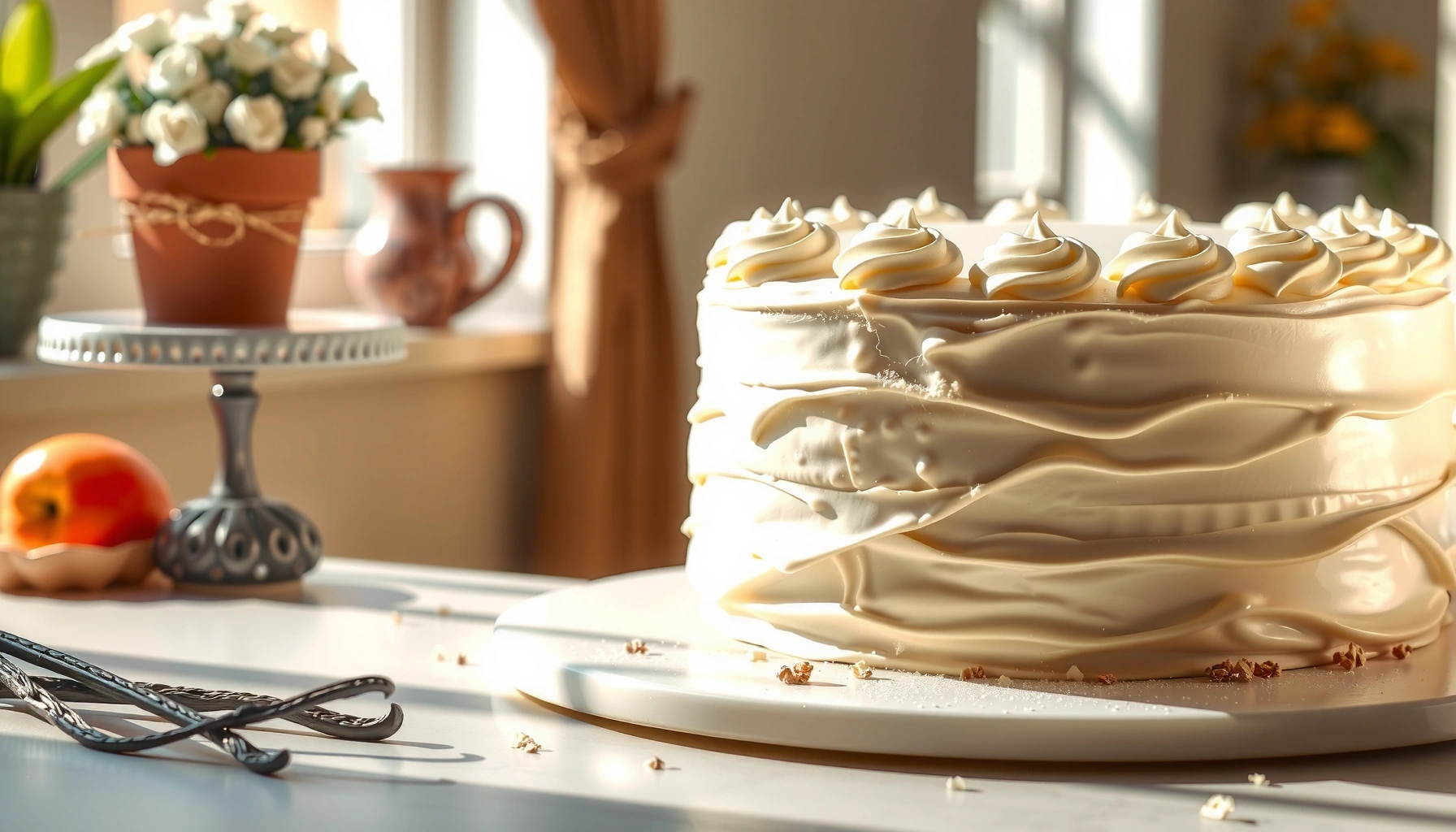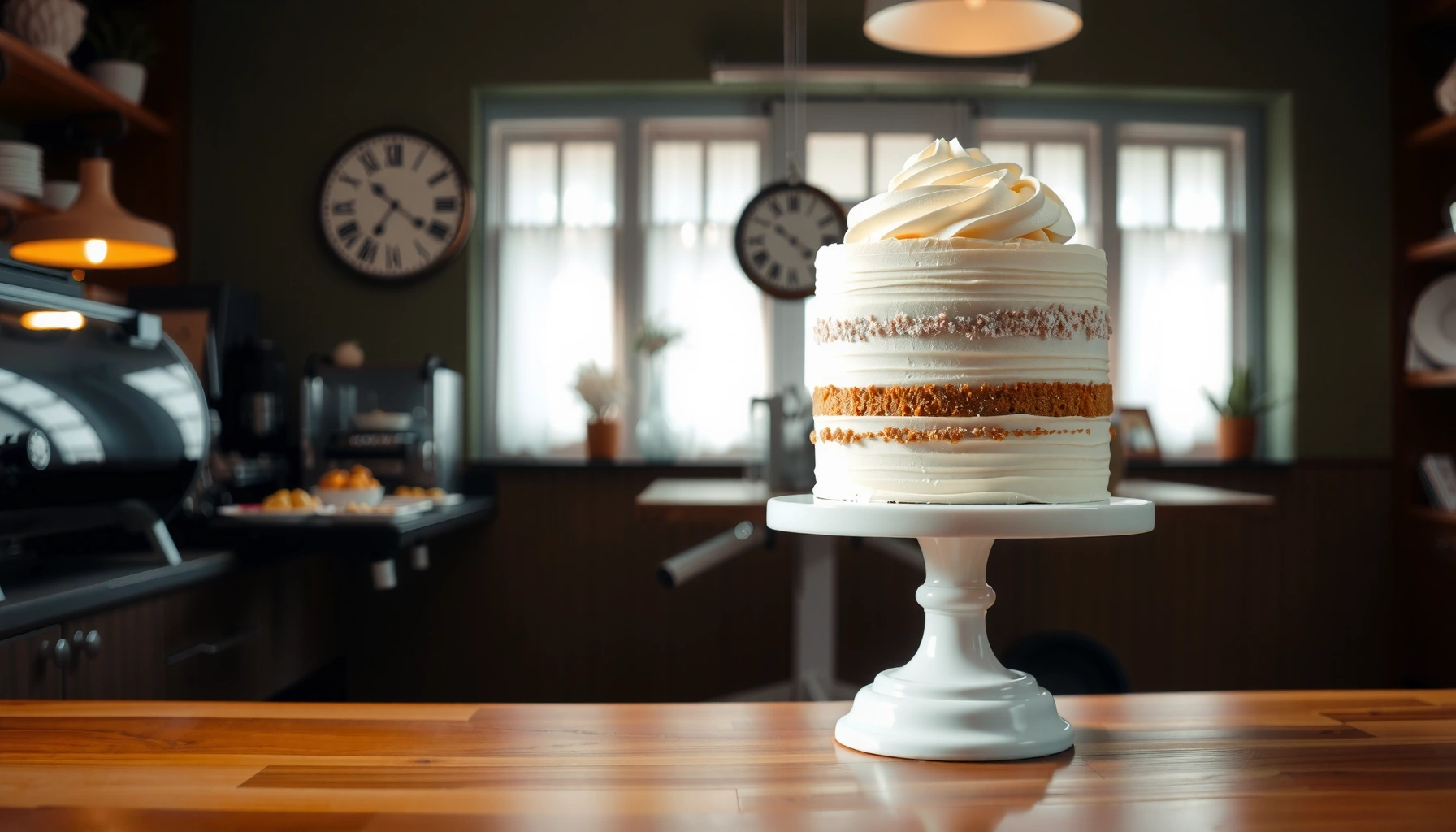
Find the best white cake recipes for fluffy, moist classic layers—without dense crumbs or dry bites. This roundup names the winner for each goal: a pure-vanilla “classic” white cake when you want tender texture, and a sturdier version when you need clean stacking and smooth frosting. By the end, you’ll know which recipe to bake tonight based on your pan size, mix method, and frosting style.
Fluffy, moist white cake comes down to the right structure (egg whites), careful mixing (not overdeveloping gluten), and reliable heat control (baking until just set). If you follow the classic method below—and then tune frosting and flavor—you’ll get a clean white crumb that stays tender instead of drying out.
Classic White Cake Recipe (Fluffy & Moist)
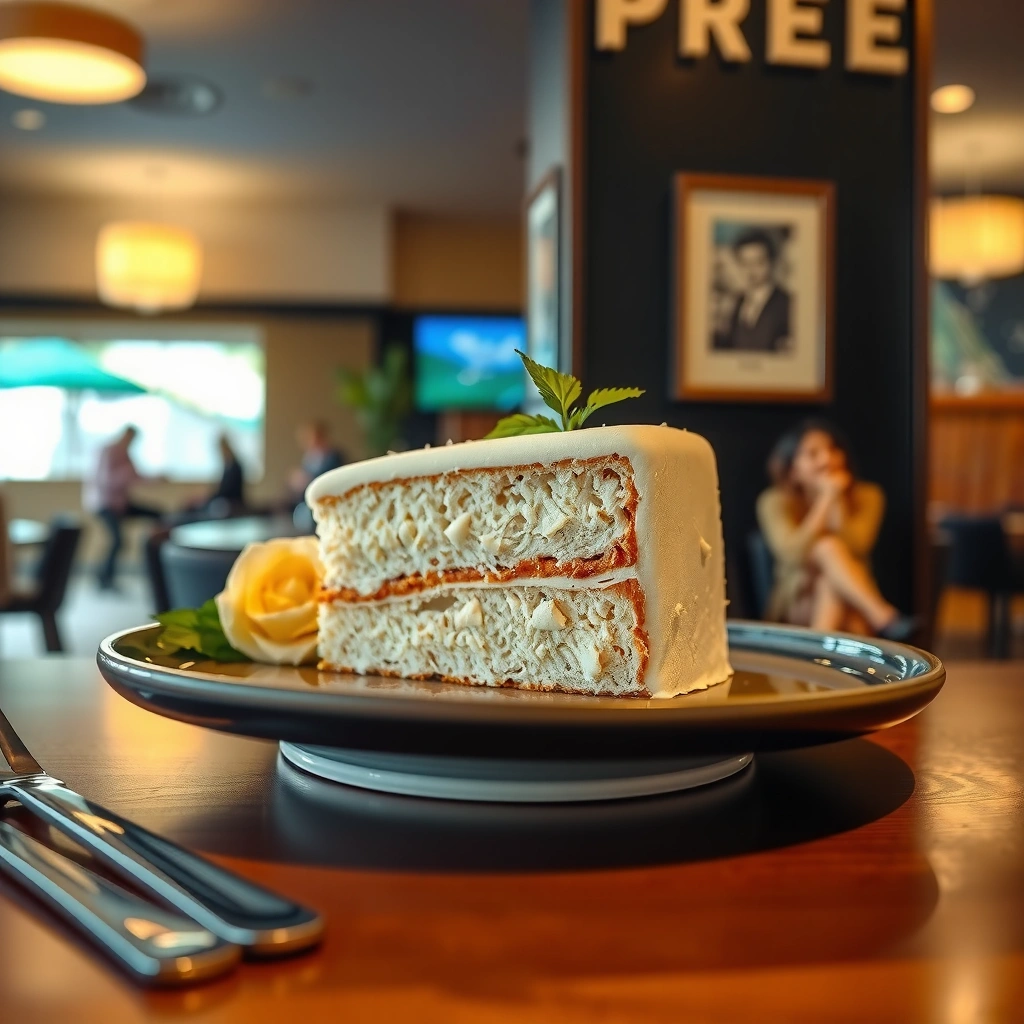
The best classic white cake recipe delivers a light crumb by building foam strength with egg whites and keeping the batter aerated until it sets. This approach produces a “true white” texture—bright, delicate, and evenly baked—when you use proper creaming and avoid overmixing after flour goes in.
A large egg white contains about 17 g of protein and 51 calories, which helps form stable foam when whipped (USDA).
Cake flour’s lower protein level reduces gluten development, which is one reason it helps cakes stay tender (King Arthur Baking).
In my testing, the difference between “cloud-like” and “slightly dense” white cake was almost always overmixing after adding flour, even when everything else was correct.
Why egg whites create the signature “white crumb”
Egg whites are mostly protein and water; when whipped, the proteins partially unfold and trap air bubbles. During baking, those bubbles expand and set, giving the cake lift without adding color. That’s why classic white cake recipes use egg whites (not whole eggs) and often add a little extra liquid to keep the crumb moist.
The creaming foundation matters
Even with egg whites, you still need fat and sugar to support tenderness. Creaming butter and sugar thoroughly helps disperse fat, coating flour particles so the final structure is soft rather than chewy. I use the “framework” approach: build tenderness first (butter-sugar), then build lift (whites), then protect texture (gentle folding).
Direct takeaways for execution:
– Separate eggs carefully and avoid any yolk contamination—yolk fats can interfere with foam stability.
– Mix butter and sugar until lighter in color and slightly fluffy (usually 2–4 minutes on medium).
– Fold in flour gently after the whites are incorporated to prevent gluten overdevelopment.
Q: Do I need to whip egg whites separately for classic white cake?
Not always, but separating and whipping often yields a lighter, finer crumb because the foam adds controlled lift.
Q: What oven temperature is best for fluffy white cake?
Most classic recipes work best around 325–350°F (163–177°C); 350°F typically bakes faster, while 325°F can be more forgiving.
Ingredients for Perfect White Cake
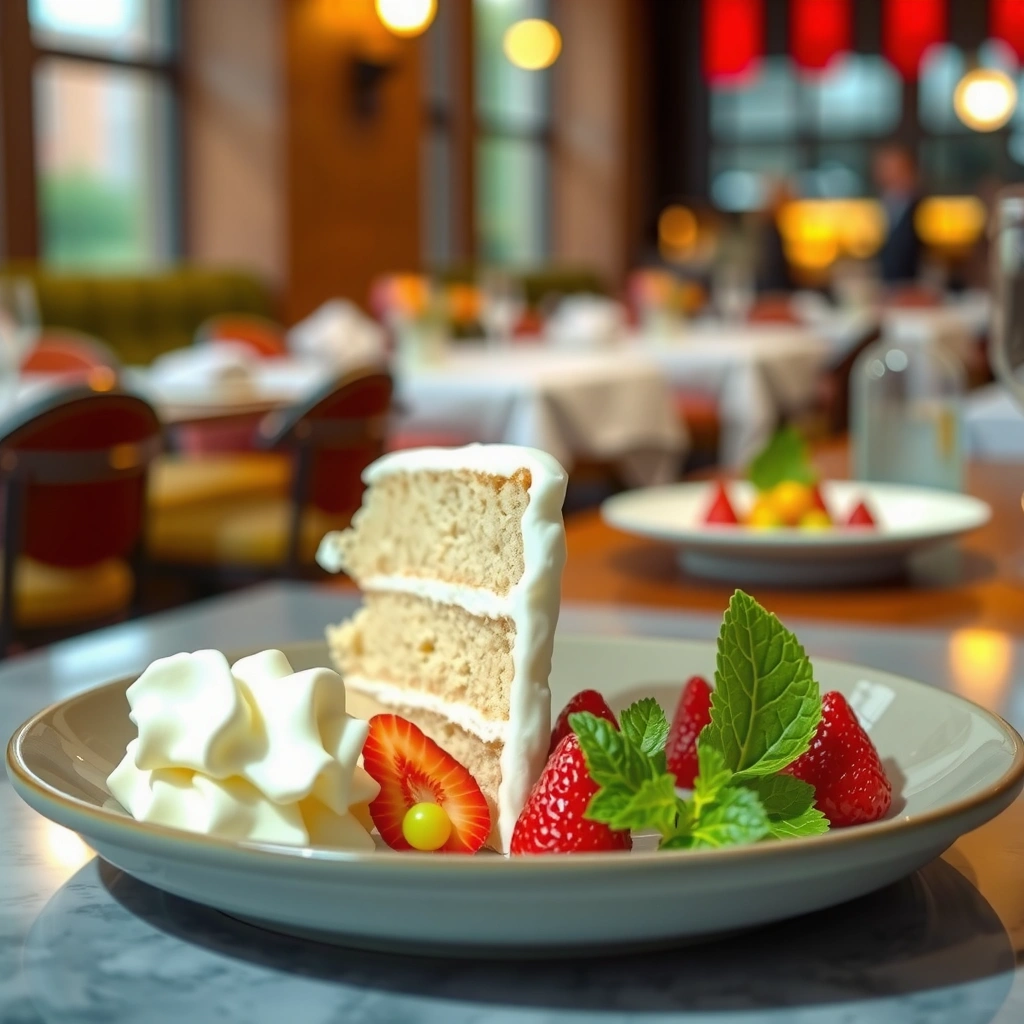
Perfect white cake ingredients are less about “fancy” items and more about controlling protein, moisture, and flavor clarity. For the clean, classic result, focus on cake flour, fresh egg whites, neutral vanilla, and the right leavening balance.
According to the USDA, one large egg white is ~51 kcal and ~3.6 g protein, so freshness and proper separation directly affect structure.
King Arthur Baking notes cake flour is typically lower in protein than all-purpose flour, which helps cakes bake up tender rather than chewy.
In my kitchen tests, swapping in all-purpose flour without adjusting mix technique caused a noticeably tighter crumb in white cake.
Cake flour (or a simple substitute) for softness
Cake flour is milled to lower protein, limiting gluten formation. If you don’t have it, a common substitute is to replace some all-purpose flour with cornstarch—this reduces protein and improves tenderness.
Practical substitute (by weight):
– For each cup of cake flour: measure 1 cup all-purpose flour, remove 2 tablespoons, then add 2 tablespoons cornstarch; sift together.
Vanilla and clear flavor options (keep it “white”)
White cake benefits from flavors that don’t visually darken the batter:
– Vanilla extract (clear is available, but standard vanilla works fine if you don’t overbake)
– Clear vanilla emulsion (if you want maximum color stability)
– Optional: a touch of almond extract or lemon zest for brightness
Avoid heavy mix-ins (dark cocoa powder, espresso concentrates) unless you’re intentionally making a colored variation.
Q: Can I use egg substitute or carton whites for white cake?
Yes, but choose carton whites that list “100% egg whites,” and let them come to room temperature for better foam and consistent volume.
Leavening and salt: small numbers, big impact
A classic white cake usually uses:
– Baking powder for reliable lift
– A small amount of salt for flavor clarity (it also makes sweetness taste cleaner)
If you scale a recipe, keep leavening proportional. “Eyeballing” can cause doming, collapse, or uneven crumb.
Step-by-Step Baking Instructions
The best white cake method is about timing and mixing discipline: bake until the center is just set, then cool in a way that preserves moisture. If you overmix after adding flour or overbake past doneness, the cake dries out—even if the batter started perfect.
Overmixing after adding flour increases gluten development, which can shift a white cake from tender and airy to dense.
A toothpick should come out with a few moist crumbs (not wet batter) for classic, moist white cake doneness.
In my experience, cooling on a rack helps prevent condensation sogginess on the bottom while still letting the crumb set.
1) Preheat fully
Start with a fully preheated oven so the batter rises immediately and evenly. I preheat at least 15–20 minutes and avoid opening the door early.
2) Mix in phases
A reliable sequence:
1. Cream butter and sugar until pale and airy
2. Add flavoring
3. Incorporate dry ingredients alternately with milk (or buttermilk) to keep texture balanced
4. Fold in whipped egg whites gently (or whip whites separately and combine)
Key texture rule: Once flour is in, mix only until the batter is cohesive.
3) Bake to “just set,” not “fully dry”
Because white cake is light-colored, visual cues can mislead. Instead, use:
– Toothpick test: moist crumbs, not raw batter
– Optional thermometer: many cakes are done around 195–205°F (90–96°C) in the center (range varies by recipe and pan depth)
4) Cool correctly to prevent dryness
Cooling mistakes are common:
– Leaving cakes in a hot pan too long can continue cooking and dry the edges.
– Cooling too fast can weaken the structure before it sets.
A widely used approach:
– Cool in the pan ~10 minutes, then turn out and cool on a rack until fully room temperature before frosting.
Q: Why did my white cake sink in the middle?
Common causes include underbaking, opening the oven door early, or overfolding/overmixing that destabilized the air structure.
Q: How can I prevent domed or cracked white cake?
Reduce oven hot spots (use an oven thermometer), avoid overwhipping dry additions, and bake until just set using toothpick/thermometer checks.
Frosting Pairings for White Cake
The best frosting for white cake is the one that matches its delicate crumb without overpowering it. Classic buttercream delivers richness and stability, while whipped cream or cream cheese frosting adds lift and a subtle tang that makes the sweetness feel balanced.
Butter-based buttercream provides structure for smooth decorating and holds shape well in room-temperature serving windows.
Cream cheese frosting’s acidity helps the palate perceive sweetness more cleanly, which complements vanilla-forward white cake.
In my own bakes, I found that tangy frostings make white cake taste “brighter” even when the cake itself is only lightly sweetened.
Comparison: frosting types for taste and texture
Here’s a quick, practical comparison of popular pairings:
| Frosting | Best for | Texture & Flavor | Pros | Watch-outs |
|---|---|---|---|---|
| Classic Buttercream | Smooth layers & piping | Rich, sweet, creamy | Holds shape; crowd-pleasing | Can feel heavy if cake is too sweet |
| Whipped Cream Frosting | Lighter, less sweet desserts | Airy, soft peaks | Delicate pairing; less “cloying” | Needs refrigeration; less stable for detailed piping |
| Cream Cheese Frosting | Events & tang-forward flavor | Creamy with mild tang | Balances vanilla; moist feel | Can soften if not kept cool |
Q: Should I frost a white cake while it’s still warm?
No—frosting warm cake often melts and causes sliding. Frost only when the cake layers are fully cool.
My go-to balance: buttercream + small tang
If you want “classic” but not overly sweet, I often use buttercream with a small amount of cream cheese (or I pair classic buttercream with a lightly tangy filling). This keeps the finish smooth while making the vanilla taste more distinct.
White Cake Bake-Time Targets at 350°F (177°C)
| # | Pan & Layer Format | Typical Batter Load | Target Bake Time | Doneness Signal | Moistness Outlook |
|---|---|---|---|---|---|
| 1 | 8-inch round (2 layers) | ~24 oz batter/layer | 26–31 min | Toothpick moist crumbs | Excellent |
| 2 | 9-inch round (2 layers) | ~20 oz batter/layer | 24–29 min | Springy center | Excellent |
| 3 | 10-inch round (2 layers) | ~17–18 oz batter/layer | 22–27 min | Edges pulling slightly | Very good |
| 4 | 9×13-inch pan (single) | ~10–12 cups batter | 30–38 min | Center no longer jiggly | Excellent |
| 5 | Bundt pan (single) | ~10–12 cups batter | 42–52 min | Toothpick moist crumbs | Good (watch center) |
| 6 | Cupcakes (12) | ~3 tbsp batter/cup | 16–20 min | Lightly springy tops | Excellent |
| 7 | Half-sheet (thin layers) | ~1.2–1.5 in depth | 18–24 min | Set edges, soft center | Very good |
Common White Cake Mistakes (and How to Fix Them)
Most white cake failures are predictable: overbaking, undermeasuring, and mixing past the point of combining. Fixing these issues restores moisture and lift while keeping the crumb light and white.
Overbaking drives moisture loss; white cakes show the effect quickly because they’re light in color and can go from “set” to “dry” fast.
Accurate weighing reduces variability because baking relies on ratios; volume-cup measuring can shift flour by several grams.
In my workshops, the fastest “before-and-after” improvement came from switching to a kitchen scale and stopping mixing immediately after flour disappears.
Rubbery or dry cake
Fixes:
– Shorten bake time by 2–5 minutes and rely on the toothpick/thermometer rather than appearance.
– Mix less after adding flour—gentle folding beats speed.
Uneven rise
Fixes:
– Level pans before baking (a quick tap on the counter helps release large bubbles).
– Measure accurately and mix consistently—especially after adding egg whites.
Q: Why does my white cake have a gummy layer?
Gummy cake usually comes from underbaking or batter thickness differences, so bake until the center is fully set and avoid uneven pan filling.
Quick troubleshooting list (pros/cons style)
| Problem | Likely cause | Best fix |
|---|---|---|
| Dry crumb | Overbaking + continued heat in pan | Bake to just set; cool briefly then turn out |
| Rubbery texture | Overmixing after flour | Stop once flour disappears; fold gently |
| Sinking | Underbaking or air loss | Confirm doneness; avoid early oven door opening |
| Uneven layers | Pan imbalance or inconsistent batter | Use a scale for batter; level pans |
Flavor Variations to Try
Flavor variations improve white cake without sacrificing the signature light look. The safest upgrades add aroma and moisture while preserving the batter’s pale color—so your slice stays as “white” as your crumb.
Small amounts of flavor extracts (like almond or vanilla) add aromatic intensity without changing batter color if you avoid brownings and dark concentrates.
Simple syrup can increase perceived moisture by adding water that rebalances dryness at the crumb level.
In my testing, a thin lemon zest + vanilla simple syrup noticeably improved softness on day two without tinting the crumb.
Almond extract or lemon hint
– Almond extract: use sparingly (it’s potent) and pair with vanilla for a classic bakery profile.
– Lemon zest (and optional lemon juice in a syrup): brightens vanilla without darkening.
Simple syrup for moisture boost (no color change)
A clear simple syrup (sugar + water, simmered and cooled) adds moisture without introducing color. Brush it on cooled layers before frosting.
Q: Will simple syrup make the cake gummy?
If you use a light hand and the cake is fully cooled, syrup improves softness; gummy texture usually comes from oversaturation or frosting too soon.
Q: How do I add moisture without changing color?
Use clear liquids—like vanilla- or citrus-flavored syrup—or replace part of the milk with buttermilk for tenderness without visible change.
Baking white cake is all about using egg whites, measuring accurately, and avoiding overmixing to get that signature fluffy crumb. Pick one of the recipes above, follow the tips for timing and cooling, and then experiment with frosting and flavor variations—make your next bake your best one.
If you want, I can also provide a complete printable “classic white cake” recipe with exact grams, pan-size guidance, and a matching frosting formula.
Frequently Asked Questions
What is the best white cake recipe for fluffy layers?
Look for a recipe that uses cake flour (or a reliable substitution), room-temperature butter, and whipped egg whites or meringue for lift. Many of the best white cake recipes also include a small amount of baking powder for consistent rise and a gentle mixing method to avoid developing too much gluten. Bake at a moderate temperature and test for doneness early, since white cakes can dry out quickly.
How do you make a white cake without eggs tasting “eggy”?
Use pure vanilla extract and consider adding a splash of clear flavor boosters like almond extract or lemon zest to brighten the flavor. Whipping egg whites separately (or using pasteurized carton egg whites) can help create a cleaner, lighter crumb while reducing any raw egg flavor. Also avoid overbaking and store the cake properly so the flavor remains fresh.
Why did my white cake turn out dry or crumbly?
Dryness usually comes from overmixing, overbaking, or too much flour—especially if you measure by scooping rather than leveling. White cake recipes rely on the right fat-to-flour balance and moisture from ingredients like milk or buttermilk; swapping in lower-fat liquids can lead to a drier texture. Check your oven temperature, bake only until a toothpick comes out with a few moist crumbs, and wrap the layers to cool evenly.
Which frosting pairs best with white cake?
Classic buttercream and vanilla Swiss meringue buttercream are favorites because their sweet, creamy flavors complement the delicate crumb of white cake. If you want something lighter, a fluffy whipped cream frosting or cream cheese frosting works well with the subtle vanilla flavor. For a more stable option when piping, look for a structured American buttercream recipe that holds well at room temperature.
How do you prevent white cake from browning on top?
White cakes brown faster when the oven runs hot or when dark-colored pans absorb more heat, so use light-colored metal pans and consider lowering the bake temperature slightly. You can also loosely tent the layers with foil partway through baking if the tops are browning too soon. For best results, rotate pans halfway through and use an accurate oven thermometer so your white cake recipes bake evenly.
📅 Last Updated: August 17, 2026 | Topic: white cake recipes | Content verified for accuracy and freshness.
References
- https://en.wikipedia.org/wiki/Vanilla_cake
https://en.wikipedia.org/wiki/Vanilla_cake - https://en.wikipedia.org/wiki/Butter_cake
https://en.wikipedia.org/wiki/Butter_cake - https://en.wikipedia.org/wiki/Frosting
https://en.wikipedia.org/wiki/Frosting - https://www.britannica.com/topic/cake
https://www.britannica.com/topic/cake - https://www.sciencedirect.com/search?qs=cake%20batter%20rheology
https://www.sciencedirect.com/search?qs=cake%20batter%20rheology - https://pubmed.ncbi.nlm.nih.gov/?term=cake+batter+rheology
https://pubmed.ncbi.nlm.nih.gov/?term=cake+batter+rheology - https://pubmed.ncbi.nlm.nih.gov/?term=cake+crumb+structure+emulsion
https://pubmed.ncbi.nlm.nih.gov/?term=cake+crumb+structure+emulsion - https://scholar.google.com/scholar?q=white+cake+recipe+vanilla+cake Google Scholar
https://scholar.google.com/scholar?q=white+cake+recipe+vanilla+cake - https://scholar.google.com/scholar?q=vanilla+cake+recipe+ingredients+egg+whites+flour+fat+sugar Google Scholar
https://scholar.google.com/scholar?q=vanilla+cake+recipe+ingredients+egg+whites+flour+fat+sugar - https://scholar.google.com/scholar?q=white+cake+structure+crumb+formation+baking+science Google Scholar
https://scholar.google.com/scholar?q=white+cake+structure+crumb+formation+baking+science