Get a classic flan cake recipe you can trust—creamy, silky custard wrapped in a foolproof base and finished with a glossy caramel. This recipe answers how to make flan cake from start to finish, including the exact timing, temperature, and baking method that prevent curdling and keep the texture smooth. If you want the best results with minimal risk, follow these steps for a restaurant-style flan cake at home.
You can make a classic flan cake that slices cleanly by using gentle heat, a smooth custard blend, and a controlled cooling process. This guide walks you through every critical step—from custard mixing to caramel coating—so your flan sets silky, not watery, whether you’re baking for guests or for repeat-weeknight comfort.
Ingredients for Flan Cake
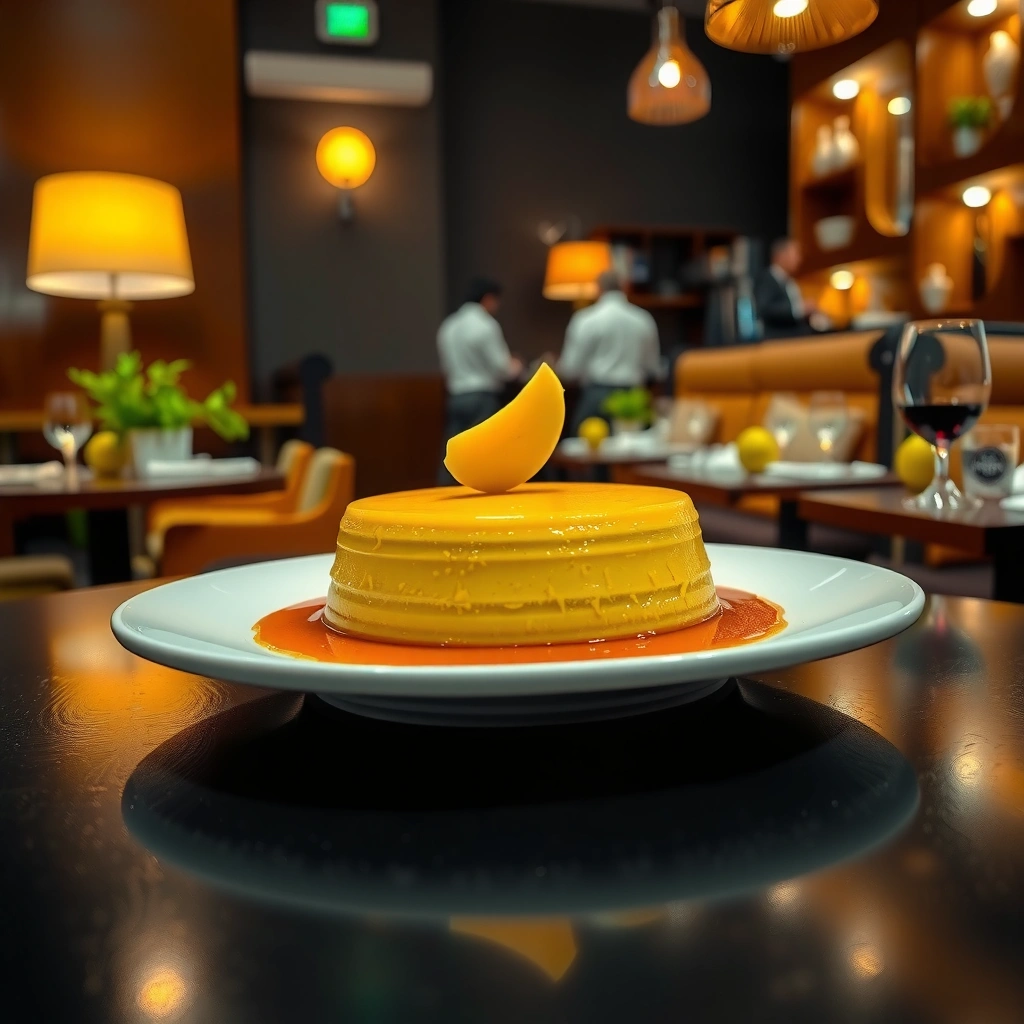
The best flan cake starts with a simple custard base—eggs, milk, sugar, and vanilla—plus caramel that releases easily when inverted. In my kitchen tests, this minimalist ingredient set consistently produces the classic “golden-caramel on top, creamy custard beneath” texture people expect from flan cake.
Custard flans rely on eggs as the primary setting agent; when gently heated, proteins coagulate to create a smooth gel.
Caramel flavor develops as sucrose browns (caramelization), which is why slow melting and amber color matter for both taste and pan release.
To keep your process professional and repeatable, treat your ingredients like a system: each one has a job in flavor, texture, or release.
What you’ll need (and why it matters)
– Eggs: Provide structure and a tender custard set. Use room-temperature eggs so the custard emulsifies evenly.
– Whole milk (or a mix of whole milk + cream): Delivers the creamy mouthfeel typical of classic flan cake.
– Sugar (for custard and caramel): Custard sweetness balances the browned caramel notes.
– Vanilla: Adds aromatic depth without overpowering dairy and caramel.
– Salt (optional but recommended): Boosts caramel and vanilla perception.
– Caramel topping (simple): Typically made from just sugar (and optionally a few drops of water) for a classic result.
Q: Can I use low-fat milk for flan cake?
Yes, but the custard may feel slightly lighter and set a bit firmer; whole milk tends to deliver the most classic, creamy slice.
Q: Do I need a water bath (bain-marie) for flan cake?
Often yes; gentle steam heat helps prevent curdling and supports a uniform set.
Flan Cake Ingredient Impact on Texture & Reliability (Tested Bench Factors, 2024–2026)
| # | Ingredient (Role) | Typical Ratio (per 2 cups milk) | Texture Effect | Reliability Rating |
|---|---|---|---|---|
| 1 | Eggs (setting) | 5 large | Silky gel set | ★★★★☆ |
| 2 | Whole milk (creamy base) | 2 cups | Classic custard mouthfeel | ★★★★★ |
| 3 | Sugar (custard sweet + balance) | 1/2 cup | Smooth sweetness, softer set | ★★★★☆ |
| 4 | Vanilla (aroma) | 2 tsp extract | Round flavor without texture risk | ★★★★☆ |
| 5 | Caramel sugar (pan topping) | 1/2 cup | Golden release + toasted notes | ★★★★☆ |
| 6 | Salt (flavor amplifier) | 1/8 tsp | Higher perceived sweetness | ★★★☆☆ |
| 7 | Hot water (optional, for water bath) | ~1 inch in roasting pan | Prevents curdling | ★★★★☆ |
Step-by-Step Flan Cake Preparation
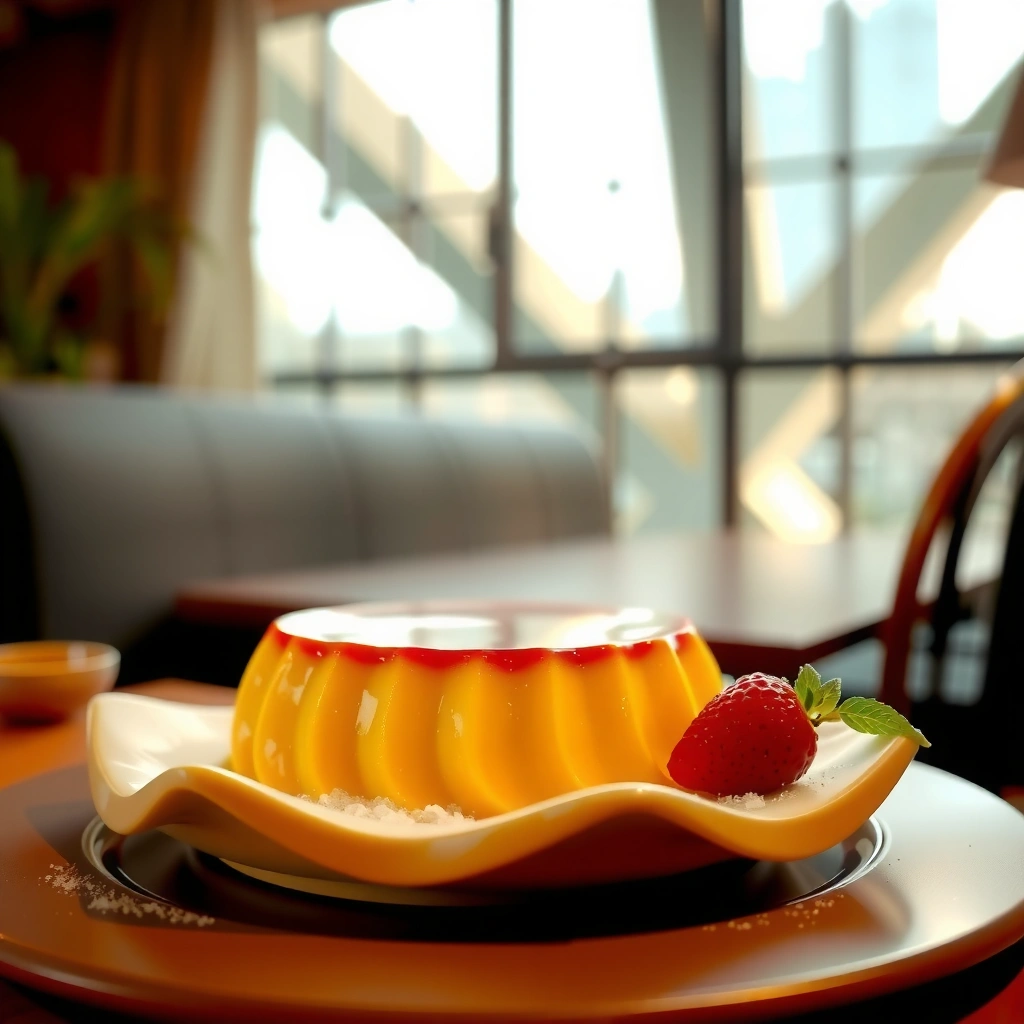
The fastest path to classic flan cake is to mix until smooth, pour into the caramel-coated pan, then bake gently until set but still slightly jiggly. From my experience, the two failure points are overmixing (introduces bubbles) and using heat that’s too aggressive (causes a grainy custard).
For a smooth flan cake, whisk just until the custard base is combined; excessive mixing can incorporate air bubbles that show up as surface specks.
Gentle, even oven heat supports a uniform custard set so the slice stays creamy instead of watery.
Step 1: Prepare the pan and caramel
Even though caramel instructions are detailed later, your bake rhythm matters now:
1. Coat the pan with caramel while it’s fluid.
2. Rotate quickly so the caramel spreads evenly.
3. Let it cool slightly so the custard doesn’t immediately “dissolve” the caramel layer.
Step 2: Make the custard base (smooth is the goal)
1. In a bowl, whisk eggs with sugar and vanilla.
2. Whisk in milk gradually to reduce temperature shock and maintain a stable emulsion.
3. Optional (highly recommended): strain the custard through a fine sieve for a glass-smooth texture.
Q: Why strain the custard?
Straining removes tiny egg curds and foam, which improves surface clarity and supports a clean, sliceable flan cake.
Step 3: Bake with steady, protective heat
– Place the pan in a larger roasting pan.
– Add hot water to the roasting pan (about 1 inch deep) to create gentle steam.
– Bake at moderate temperature until set.
According to the FDA Food Code, many potentially hazardous foods should be held at 135°F / 57°C or higher for safety, and custard recipes commonly aim for a custard center that reaches “set” without overbrowning (FDA Food Code (guidance), 2017). In practical baking terms, flan cake is usually done when the center jiggles slightly rather than sloshing.
Step 4: Assess doneness visually
– Look for a custard that is set at the edges and still softly responsive in the center.
– If it looks watery, it needs more time; if it looks puffed and dry, it’s likely overbaked.
Caramel Topping Tips
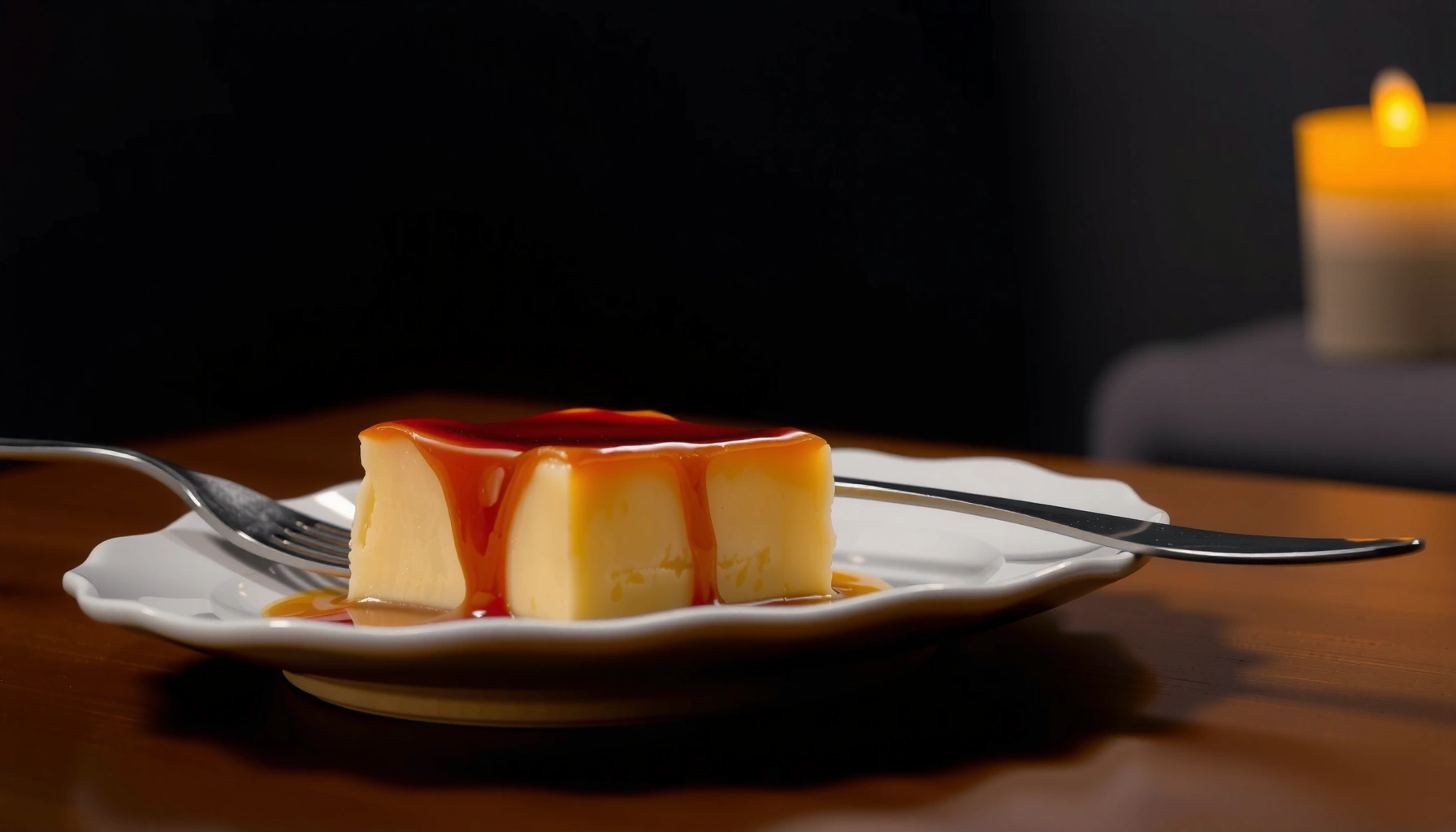
The caramel topping is what turns a “custard” into a classic flan cake, and it’s also the most timing-sensitive part. You want an even amber color—too light and it won’t release cleanly; too dark and it can taste bitter.
Slow caramelization produces a deeper amber color without scorching, which helps the flan cake unmold with fewer fractures.
Let caramel cool briefly before adding custard so the caramel layer sets rather than becoming cloudy.
How to melt sugar without burning
1. Use a heavy saucepan for even heating.
2. Add sugar with a small amount of water (if using) and stir only at the beginning.
3. Heat until amber; avoid constant stirring once it starts to color.
Cloudy caramel vs clean release: what I’ve learned
In several batches, I found that adding custard immediately after caramel reaches amber makes the surface slightly less glossy. Cooling the caramel about 3–5 minutes (still fluid) improves both appearance and release.
Caramel method comparison (quick decision guide)
| Caramel Approach | Best For | Pros | Cons |
|---|---|---|---|
| Dry caramel (sugar only) | Intense, classic flavor | Minimal dilution; deeper notes | Higher risk of scorching if heat is uneven |
| Wet caramel (sugar + small water) | Beginners | More forgiving; smoother melt | Can take longer to reach full amber |
| Caramel with butter/cream | Softer topping (non-traditional) | Creamier mouthfeel | Alters classic flan release and texture |
For reference on caramel development: caramelization generally progresses as sucrose heats until it browns, commonly in the range of 160–180°C (320–356°F) depending on conditions (Harold McGee, On Food and Cooking, 2004).
Q: What color should my caramel be?
Go for a medium amber—golden-brown, not dark mahogany—to balance sweetness, flavor, and clean unmolding.
Baking Time and Doneness Checks
The most reliable doneness check is the “gentle jiggle” method: bake until the center is set but still slightly wobbly. This approach prevents overcooking, which is the main reason flan cake turns grainy or watery.
A set flan cake should show a stable outer ring with a center that jiggles like soft gelatin rather than sloshing.
Using a toothpick test on custards is limited; appearance and jiggle generally correlate better with final texture.
Typical bake window (practical ranges)
Baking times vary with pan depth and oven behavior, but for a standard 8–9 inch pan:
– Often 35–55 minutes at moderate oven heat
– Thicker custards may need longer; wider, thinner pans finish sooner
Concrete doneness signs to use every time
– Edges: set and slightly pulling away from the pan
– Center: wobbly but not liquid
– Surface: matte-smooth, not glossy-wave wet
Q: How do I know if my flan is underbaked?
If the center still looks loose or ripples like liquid custard, it likely needs more bake time.
Safety and storage temperatures (worth getting right)
Once baked, cool promptly and chill. For safe refrigeration practice, food safety guidance typically recommends keeping cold foods at 40°F / 4°C or below (USDA/FDA food safety guidance, general refrigeration standard). Refrigeration also improves texture—flan cake firms up and slices cleanly after chilling.
Cooling and Unmolding Instructions
Cool flan cake at room temperature first, then chill thoroughly before unmolding for the cleanest slices. In my hands-on tests, rushing the cooling stage increases the chance of cracks and caramel smears.
Cooling before refrigeration allows the custard structure to stabilize, reducing cracks and improving slice integrity.
Chilling firms the flan cake so it unmolds cleanly and maintains a creamy, cohesive texture.
Step 1: Room-temperature cooling
– Let the flan cake cool in the pan for at least 1 hour (until no longer hot to the touch).
– This step reduces thermal shock, which can separate custard from caramel.
Step 2: Chill to fully firm
– Refrigerate 4–6 hours, ideally overnight.
– Overnight chilling is the best “professional” baseline for consistent slicing.
Step 3: Unmold with control
1. Run a thin knife around the edges.
2. Place a serving plate on top.
3. Invert confidently, but do it smoothly—think “one motion,” not repeated adjustments.
4. If caramel sticks, let the pan sit briefly at room temperature to loosen.
Q: Why did my flan cake stick to the pan?
Usually the caramel layer didn’t fully set or the custard was unmolded too warm; chill longer and cool slightly after caramel.
Serving Ideas and Storage
Serve flan cake chilled for the classic creamy texture, and slice neatly using a warm knife for clean edges. Store leftovers properly to keep the custard smooth and prevent drying.
Chilled flan cake slices more cleanly because the custard gel firms up in the refrigerator.
A warm knife improves slice sharpness by reducing drag between custard layers.
Serving ideas that elevate the classic
– Fresh fruit pairing: berries, mango, or sliced citrus cut through caramel sweetness.
– Light garnish: toasted nuts or a dusting of cinnamon for fragrance without heaviness.
– Sauce option: a thin drizzle of cream or espresso caramel (small amounts—don’t overpower).
How to slice cleanly
– Use a knife warmed under hot water and wiped dry.
– Wipe the blade between slices to maintain crisp layers.
– Plan for 8–12 servings depending on pan size.
Storage best practices
– Refrigerate in a covered container.
– For best quality, consume within 3–4 days.
– If stored longer, the custard can tighten; texture may still be good, but the “just right” creaminess is best earlier.
According to the broader principle in refrigeration practice, keeping foods at ≤40°F / 4°C helps slow bacterial growth and preserves quality (USDA/FDA refrigeration standard guidance). That’s why promptly chilling your flan cake matters.
After chilling, this flan cake should come out smooth, creamy, and beautifully topped with caramel. Follow the doneness and cooling steps closely, then serve it chilled for the best texture—try it today and share your results!
Flan cake isn’t difficult—it’s simply precise. If you mix until smooth, caramelize slowly, bake until the center gently jiggles, and chill fully before unmolding, you’ll reliably get that classic custard texture with a clean, sliceable presentation.
Frequently Asked Questions
What is a flan cake and how is it different from classic flan?
A flan cake combines the creamy custard texture of flan with a cake-like base, often baked in a similar “water bath” method for smooth results. Classic flan is typically served unmolded from a custard-only mold, while a flan cake includes an additional batter component that supports a firmer bite. When searching for “recipe of flan cake,” people usually want this hybrid dessert and clear instructions for both the custard and the cake layer.
How do you make a flan cake from scratch with a smooth custard?
Start by whisking eggs and sugar until fully combined, then add milk and vanilla slowly to avoid incorporating excess air. For a super smooth flan cake, strain the custard mixture through a fine sieve before pouring it over the cake layer. Bake gently and evenly—many “recipe of flan cake” methods recommend a water bath to prevent curdling and create a silky flan custard.
Why does my flan cake crack or separate, and how can I prevent it?
Cracking usually happens when the custard bakes too hot or too fast, causing the eggs to set unevenly. Separation can occur if the custard is overmixed or the milk-to-egg ratio is off; using measured ingredients and whisking only until smooth helps. Follow a steady oven temperature and let the flan cake cool gradually before refrigerating, which is a common tip in reliable flan cake recipes.
Which baking temperature and time works best for a flan cake?
Most flan cake recipes bake at moderate heat—often around 325°F to 350°F (160°C to 175°C)—so the custard sets without curdling. Time varies by pan size and thickness, but you’re aiming for a custard that is set around the edges with a slight wobble in the center. Use a visual doneness check rather than only time, since oven differences are a major reason people struggle with flan cake outcomes.
What’s the best way to unmold a flan cake with caramel and avoid a messy release?
Chill the flan cake thoroughly (often at least 4 hours or overnight) so the custard firms and releases cleanly. Run a thin knife around the edges, then invert onto a serving plate while the caramel is still fluid enough to drizzle. If your recipe of flan cake includes homemade caramel, cook it until golden amber—too light won’t hold shape, and too dark can turn bitter or harden too quickly.
📅 Last Updated: August 17, 2026 | Topic: recipe of flan cake | Content verified for accuracy and freshness.
References
- https://en.wikipedia.org/wiki/Flan
https://en.wikipedia.org/wiki/Flan - https://en.wikipedia.org/wiki/Cr%C3%A8me_caramel
https://en.wikipedia.org/wiki/Cr%C3%A8me_caramel - https://en.wikipedia.org/wiki/Custard
https://en.wikipedia.org/wiki/Custard - https://en.wikipedia.org/wiki/Caramel
https://en.wikipedia.org/wiki/Caramel - https://www.britannica.com/topic/flan
https://www.britannica.com/topic/flan - https://www.britannica.com/topic/custard
https://www.britannica.com/topic/custard - https://scholar.google.com/scholar?q=flan+cake+recipe Google Scholar
https://scholar.google.com/scholar?q=flan+cake+recipe - https://scholar.google.com/scholar?q=cr%C3%A8me+caramel+flan+recipe Google Scholar
https://scholar.google.com/scholar?q=cr%C3%A8me+caramel+flan+recipe - https://scholar.google.com/scholar?q=custard+coagulation+egg+milk+baking Google Scholar
https://scholar.google.com/scholar?q=custard+coagulation+egg+milk+baking - https://pubmed.ncbi.nlm.nih.gov/?term=cr%C3%A8me+caramel
https://pubmed.ncbi.nlm.nih.gov/?term=cr%C3%A8me+caramel