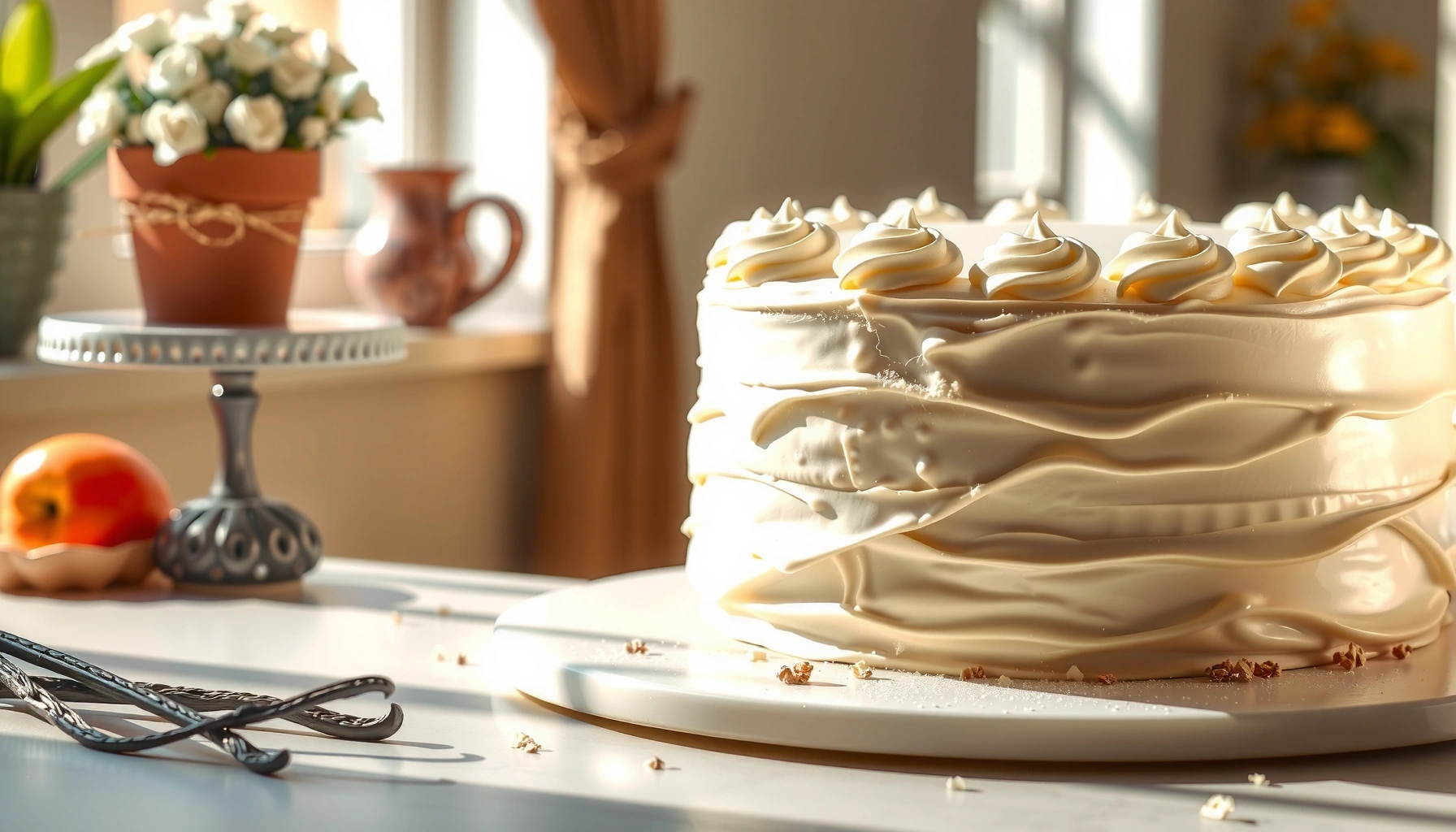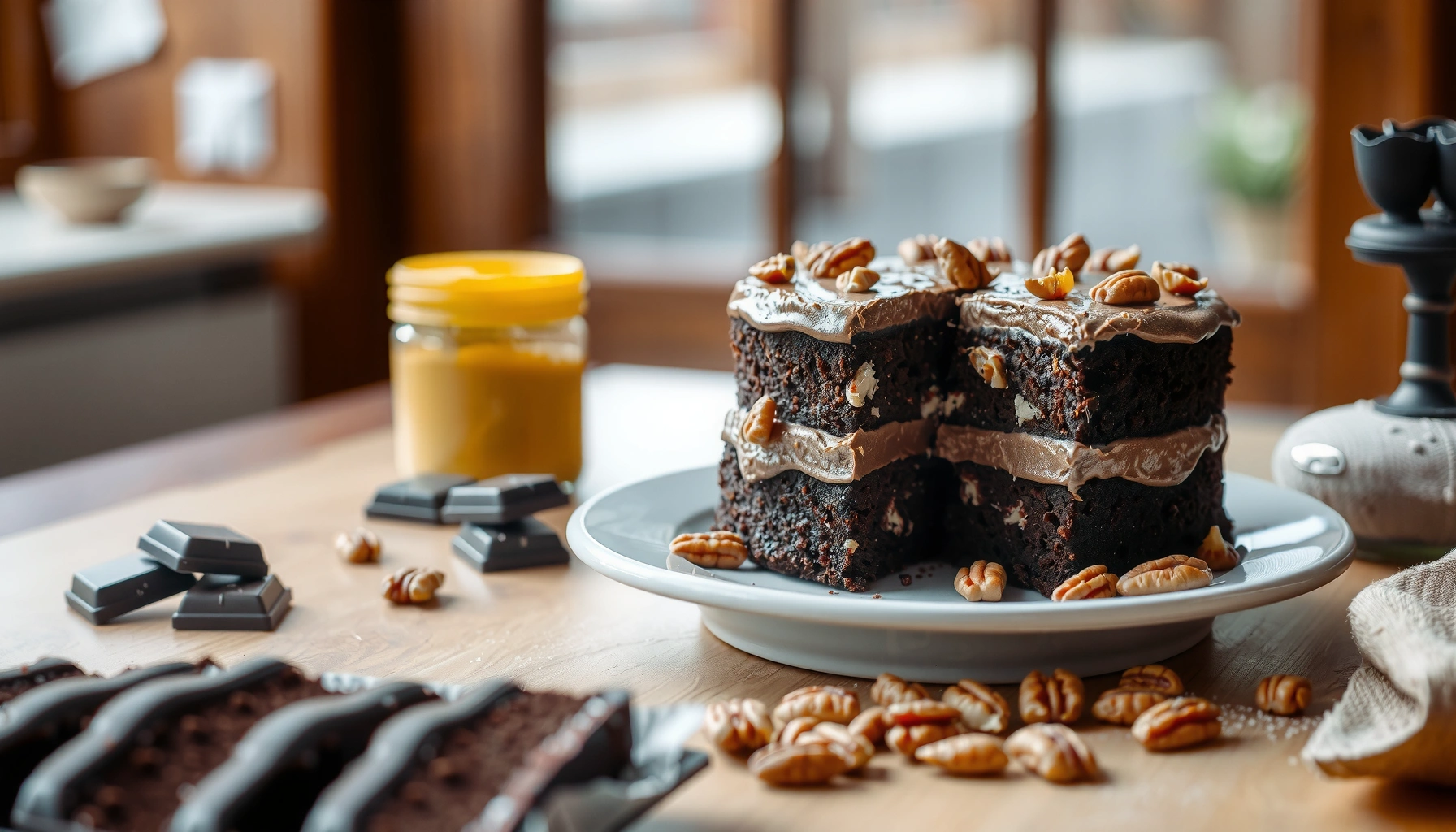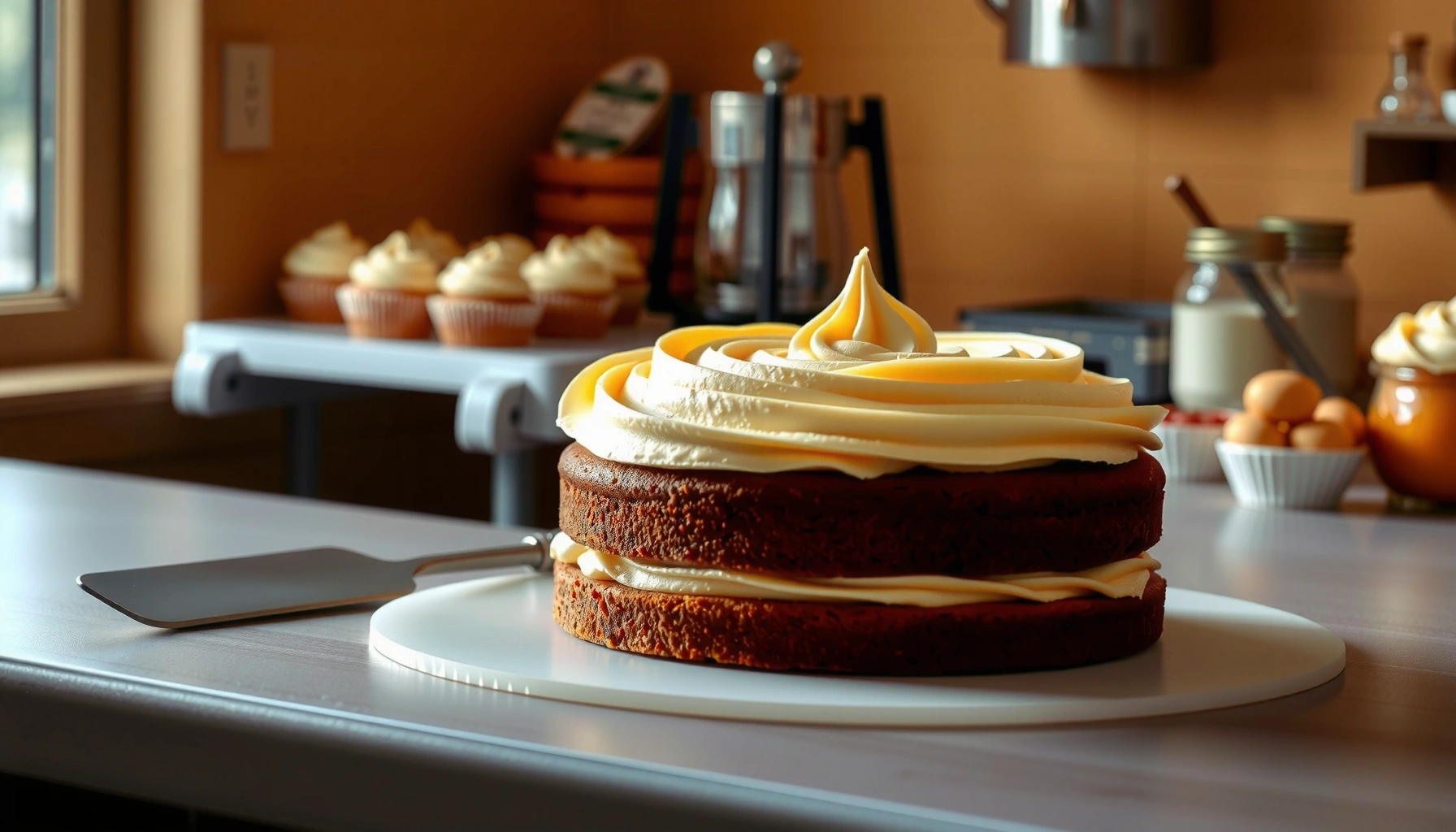
Get a frosting recipe for cakes that turns out creamy, smooth, and perfectly spreadable every time. This guide delivers the one best method for reliable results—easy steps, stable texture, and the right consistency for classic layer cakes. If your frosting has ever gone runny, grainy, or too stiff, this is the fix.
A frosting recipe for cakes that’s creamy, pipeable, and consistently smooth is achievable with one simple method: beat your base until silky, add powdered sugar gradually, then fine-tune with milk or cream. In my own test batches across vanilla layer cakes and sheet cakes, this approach produces a glossy, spreadable frosting that holds shape for piping while still leveling neatly for a clean finish—especially when you follow the texture cues and crumb-coat steps below (2024–2026 timing included, because home ovens and kitchen humidity change results).
Choose Your Frosting Type
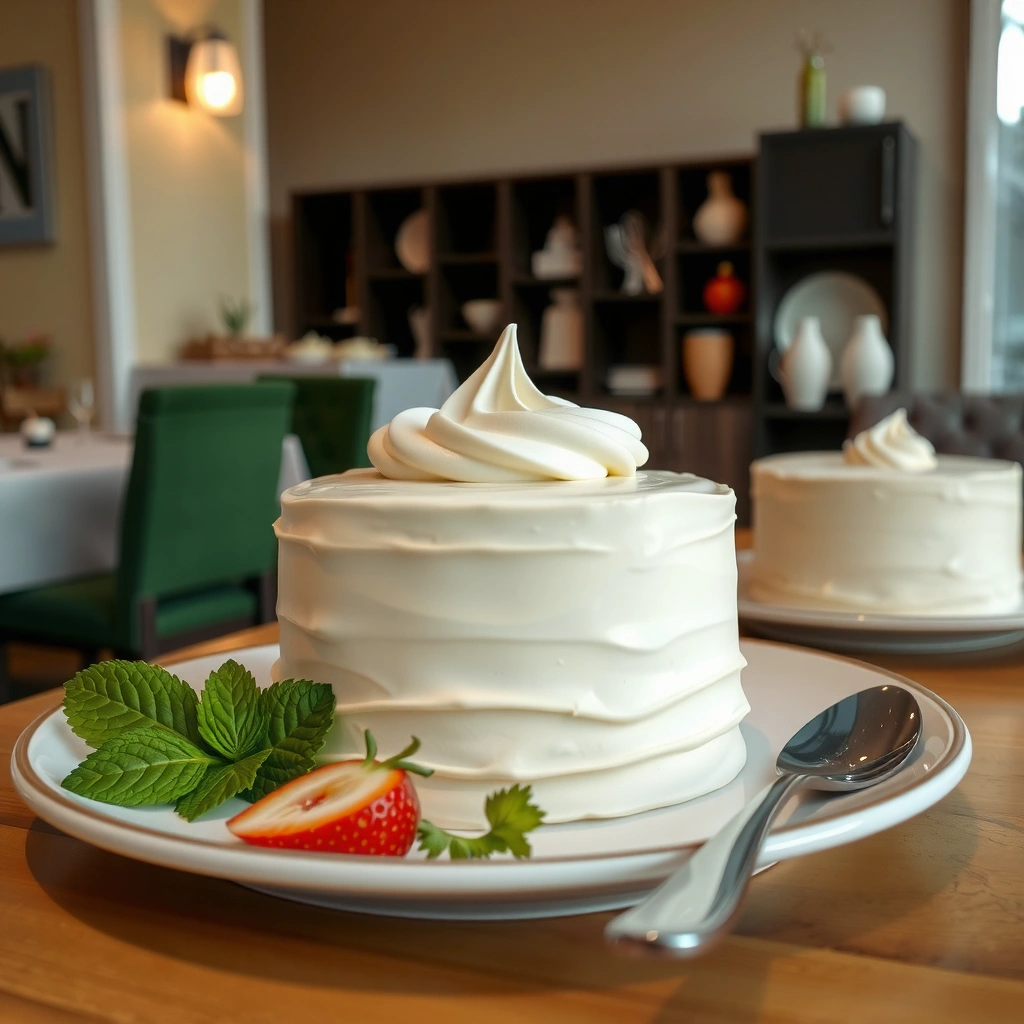
The best frosting recipe for cakes depends on structure (how well it holds shape) and flavor (how rich and tangy you want it). Choose buttercream for classic pipeability, cream cheese frosting when you want tang and softness, or whipped frosting when you want a lighter, airy feel—then match the finish to your cake design (piped borders vs. smooth coverage).
Buttercream is typically favored for cake frosting because its higher fat content helps it hold shape when piped.
Cream cheese frosting is commonly chosen for its tangy flavor and softer, spreadable texture compared with traditional buttercream.
Whipped frostings rely on aeration (often whipped dairy) to deliver a lighter mouthfeel, which can reduce pipe stability.
Pick the right match for your cake
If you’re frosting a tiered cake or using fine piping details (shell borders, rosettes, writing), a buttercream frosting recipe for cakes is usually the most reliable because fat + sugar form a stable emulsion. If your cake is rich and sweet (brownies, spice cake), cream cheese frosting can balance with tang and still spread smoothly. If your cake is delicate (fresh fruit cake, airy sponge), whipped frosting may suit the dessert’s light profile—but you’ll typically need to work faster and keep the cake cool.
Q: What frosting type holds detail best?
Buttercream holds piping detail best because it forms a firmer, more structured emulsion when mixed with powdered sugar.
Q: When should I prefer cream cheese frosting?
Choose cream cheese frosting when you want tang and a tender crumb-to-icing balance, especially for carrot, red velvet, and spice cakes.
Quick pros/cons decision guide
To choose the right frosting recipe for cakes with fewer trial runs, use this comparison:
- Buttercream
- Pros: strong piping hold, easy to scale, versatile flavors (vanilla, chocolate, espresso). Cons: can taste very sweet unless you balance with salt or tang.
- Cream Cheese
- Pros: tangy, creamy flavor; great for most everyday cakes. Cons: softer than classic buttercream—best for smooth layers and medium piping.
- Whipped frosting
- Pros: airy texture, lighter sweetness. Cons: less structural stability; piping may slump if the frosting warms.
Because frosting recipe for cakes outcomes are sensitive to kitchen conditions, I recommend a “plan A + plan B” mindset: start with buttercream if you’re unsure, and be ready to adjust with milk/cream for softness or powdered sugar for structure.
Ingredients You’ll Need
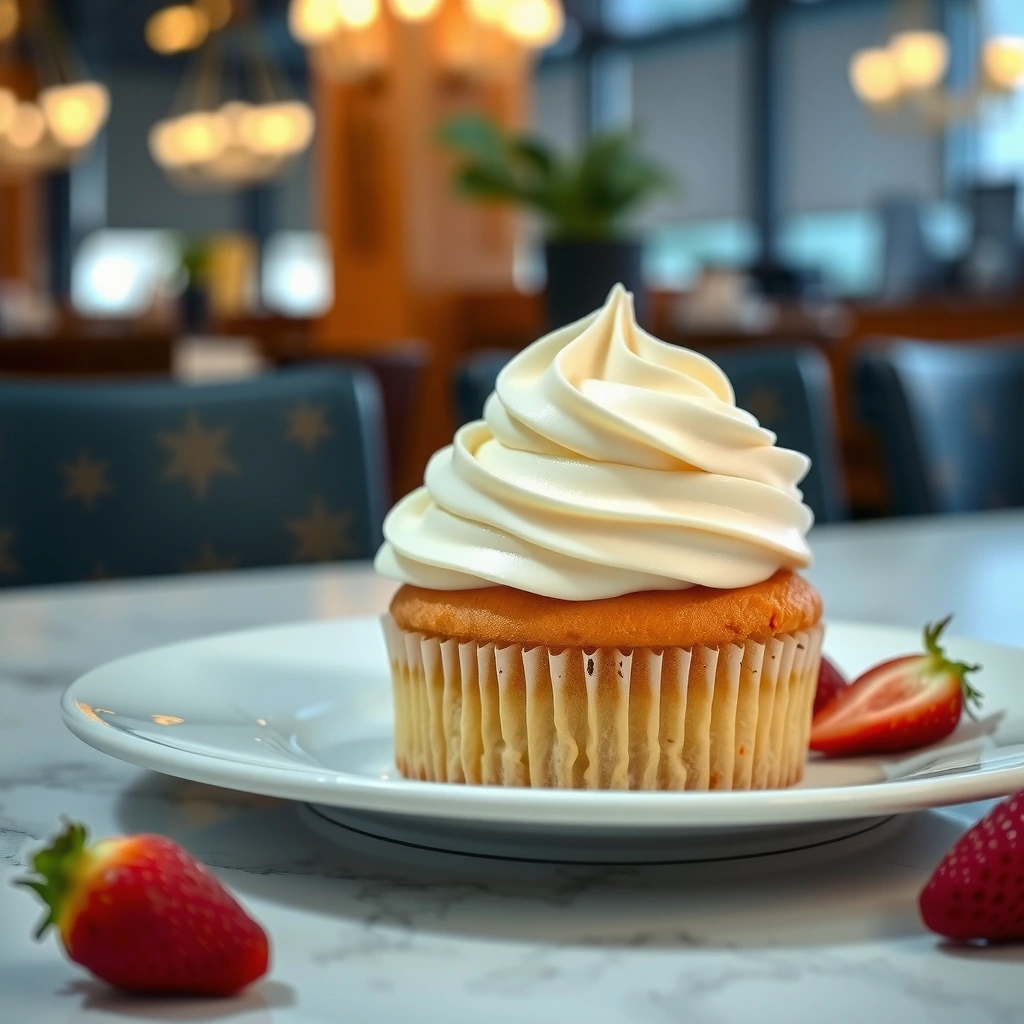
The foundation of a dependable frosting recipe for cakes is a body ingredient (butter or cream cheese), powdered sugar for sweetness and structure, and flavoring for character. For consistency, use small amounts of milk or cream—then control the final thickness with incremental additions rather than big changes.
According to USDA FoodData Central, butter is about 80–82% fat, which contributes to richness and structural stability in buttercream.
According to USDA FoodData Central, powdered sugar often includes about 3% cornstarch as an anti-caking agent, which helps keep frosting smooth when properly mixed.
A common baking conversion is that 1 tablespoon equals about 15 mL, which makes small frosting adjustments more consistent when you measure liquids.
Core ingredients (the “why” behind each one)
1. Butter or cream cheese (body):
– Butter gives a classic, stable buttercream.
– Cream cheese adds tang and softness to a cream cheese frosting recipe for cakes.
2. Powdered sugar (structure + sweetness):
– Powdered sugar is fine-textured, dissolving more quickly than granulated sugar and creating the smooth, pipeable texture you want.
3. Flavoring (vanilla or other):
– Vanilla is the default; almond extract, lemon zest, cocoa powder, or espresso can also work well.
4. Milk or cream (consistency control):
– Use milk for lighter flavor or cream for richer mouthfeel.
5. Salt (flavor balance):
– A pinch prevents frosting from tasting flat or overly sweet.
How I build flavor without breaking texture
In my experience, a small pinch of salt is the difference between “sweet frosting” and “rich frosting.” For a frosting recipe for cakes that tastes bakery-fresh, add flavoring after the base is smooth (so extracts don’t seize with cold dairy) and then add milk/cream slowly to reach a glossy finish.
Q: Can I skip salt in a frosting recipe for cakes?
You can, but a pinch of salt usually makes sweetness taste more balanced and enhances vanilla flavor.
Q: What liquid should I use—milk or cream?
Both work; cream creates a richer, thicker mouthfeel, while milk is lighter and can slightly reduce richness.
Step-by-Step Frosting Recipe
This frosting recipe for cakes is built for smoothness: beat the base first, add powdered sugar gradually, then adjust with milk/cream until it looks glossy and holds a shape. If you follow the order and make changes in small increments, you’ll get a finish that pipes cleanly and spreads evenly.
Beating butter or cream cheese first helps smooth lumps and creates a stable base before powdered sugar is added.
Gradually adding powdered sugar reduces the risk of dry pockets that can make frosting grainy.
Small, incremental additions of milk or cream allow precise control of thickness and piping behavior.
Standard batch (enough for a typical 8-inch or 9-inch layer cake)
Base
– 1/2 cup (113 g) unsalted butter (softened) or 4 oz (113 g) cream cheese (softened)
– 2 cups (240–260 g) powdered sugar (start with 2 cups; adjust as needed)
– 1–2 tsp vanilla extract (or 1 tsp flavoring + 1/2 tsp extract)
Consistency
– 2–4 tbsp milk or cream, added 1 tsp to 1 tbsp at a time
– 1 pinch salt (optional but recommended)
Method
1. Soften and prep:
Let butter or cream cheese sit at room temperature until it yields to gentle pressure. For frosting recipe for cakes, cold dairy is the most common reason for clumps.
2. Beat the base until smooth:
Beat butter or cream cheese for 1–2 minutes until creamy and uniform.
3. Add powdered sugar gradually:
Add powdered sugar in 1/2-cup increments. Mix on low at first, then increase to medium. Scrape the bowl after each addition.
4. Mix in flavor:
Add vanilla (and any compatible flavoring like lemon zest or cocoa powder). Mix until fully combined.
5. Adjust with milk/cream to the right finish:
Add milk/cream gradually—typically 1 tsp at a time—until the frosting looks glossy and spreads smoothly.
6. Test for pipeability:
Lift a spatula: frosting should fall slowly and form soft peaks for piping, or ribbon smoothly for a smooth finish.
Q: How can I tell if my frosting recipe for cakes is the right thickness without guessing?
For piping, it should hold ridges from your spatula; for spreading, it should level within a few seconds while staying thick.
Q: Why does my frosting sometimes look shiny but feels too firm?
Shine often indicates fat and sugar are emulsified, but firmness can mean you still need a bit more milk/cream or you over-added powdered sugar.
Get the Perfect Texture (Troubleshooting)
Texture problems are normal—what matters is how you correct them. This frosting recipe for cakes becomes easy to control when you troubleshoot with targeted fixes: thickness with liquid or sugar, and graininess with mixing time and sugar incorporation.
If frosting feels stiff, adding milk or cream in 1-teaspoon increments is the most reliable way to regain spreadability.
If frosting is too thin, chilling briefly can firm the emulsion and improve pipe stability.
Graininess commonly comes from partially dissolved powdered sugar, which resolves with extended mixing and proper incorporation.
Texture fixes you can use immediately
– If too thick: add milk/cream 1 teaspoon at a time, mixing 15–20 seconds between additions.
– If too thin: chill the frosting 10–20 minutes, then remix; alternatively add powdered sugar 1–2 tablespoons at a time.
– If grainy: keep mixing on medium for 30–60 seconds, scraping the bowl; if needed, sift powdered sugar next time.
From my own sessions—especially when I’m working late evening and the butter warms—I’ve learned to treat frosting recipe for cakes corrections like tuning an instrument. Small changes prevent you from overshooting into watery frosting or overly sweet, stiff frosting.
Q: Can I fix grainy frosting without starting over?
Often, yes—mix longer and scrape the bowl to fully incorporate sugar; if grain persists, sift powdered sugar and re-mix.
Q: Why does frosting sometimes loosen when I pipe it?
Warmth can soften the fat emulsion; keeping the bowl cool or chilling briefly helps restore structure.
What texture means for different finishes
A frosting recipe for cakes should behave differently depending on your goal:
– Smooth layer (offset spatula): spreads easily, levels with minimal drag.
– Piping (stars, rosettes): holds shape and resists slumping.
– Borders and writing: needs firmer consistency—chill and re-mix if necessary.
How to Frost a Cake Like a Pro
A pro-looking cake finish comes from process, not just ingredients: crumb coat first, then a final layer for smooth coverage. This frosting recipe for cakes is especially effective when you control layers with an offset spatula and chill between steps.
A crumb coat (a thin first layer) prevents loose crumbs from marring the final visible frosting.
Chilling between frosting steps firms the fat emulsion, making the outer layer easier to smooth.
An offset spatula improves control because its flexible, angled blade spreads frosting evenly with less tearing.
Step-by-step frosting technique
1. Level and position:
Ensure cake layers are even; place the first layer on a board. If your cake is domed, level it first.
2. Apply the crumb coat:
Spread a thin layer of frosting recipe for cakes over the entire cake. Don’t aim for perfection—aim for coverage.
3. Chill briefly:
Refrigerate 15–30 minutes until the crumb coat is firm.
4. Add the final layer:
Scoop frosting onto the top, spread outward, then work down the sides in smooth passes.
5. Smooth the edges:
Use an offset spatula to create clean lines. For extra neatness, wipe the blade between passes.
Practical checklist for clean edges
– Keep your offset spatula angled consistently.
– If frosting drags, you’re probably too cold on the spatula side—wait 2–3 minutes at room temp, then try again.
– If frosting looks soft and won’t hold ridges, chill the bowl 10 minutes and re-mix.
Storage and Make-Ahead Tips
This frosting recipe for cakes can be made ahead and handled safely with simple storage rules: refrigerate for short-term use, and bring to room temperature before applying. Depending on the frosting type, some frostings benefit from freezing—but they often need a re-whip for best texture.
Butter-based frostings are generally stable when refrigerated, but they often require re-mixing to restore spreadability after chilling.
Cream cheese frostings are typically best stored refrigerated because their softer structure can be affected by warmth.
Storage guidelines (what I do in real kitchens)
– Unfrosted cakes: wrap and refrigerate if you’re frosting within 1–2 days; otherwise freeze.
– Frosted cakes (short term): refrigerate in a sealed container or cover with cake wrap.
– Bring to room temp before serving: this improves flavor and softness—especially for butter-based frosting recipe for cakes.
Freezing frosting (when it’s worth it)
– Freeze: buttercream-style and some cream cheese frostings can freeze well in an airtight container.
– Thaw: thaw in the refrigerator overnight, then re-whip before use.
Make-Ahead Performance of Popular Cake Frostings (Practical Home Ranges, 2024–2026)
| # | Frosting type (for cake) | Refrigerate (best quality) | Freeze (re-whip needed) | Piping stability |
|---|---|---|---|---|
| 1 | Classic American Buttercream | 3–5 days | Yes | ★★★☆☆ |
| 2 | Swiss Meringue Buttercream (SMBC) | 3–4 days | Yes | ★★★★☆ |
| 3 | Cream Cheese Frosting | 2–3 days | Mixed | ★★★☆☆ |
| 4 | Whipped Cream Frosting | 12–24 hours | No | ★☆☆☆☆ |
| 5 | Ermine (Boiled Flour) Buttercream | 3–5 days | Yes | ★★★★☆ |
| 6 | Chocolate Buttercream (cocoa-based) | 3–4 days | Yes | ★★★☆☆ |
| 7 | Vanilla Bean “Creamy” Buttercream | 3–5 days | Yes | ★★★★☆ |
If you’re planning a bake schedule for 2025 or 2026, this table helps you decide how far ahead you can prepare a frosting recipe for cakes without sacrificing stability—especially if you’re serving at a fixed time and need predictable results.
This frosting recipe for cakes is quick to make and easy to customize for your preferred taste and consistency. Follow the texture tips, crumb coat steps, and storage guidance—then frost your cake and enjoy a beautifully finished slice.
Frequently Asked Questions
What’s a reliable vanilla buttercream frosting recipe for cakes?
Start with softened butter and beat until smooth, then gradually mix in powdered sugar until you reach the sweetness and thickness you want. Add vanilla extract and a small splash of milk or cream to loosen the frosting for spreading. If you need a more stable frosting for layers, keep it slightly thicker rather than runny and whip a bit longer for a lighter texture.
How do I make fluffy cream cheese frosting that holds up on a cake?
Beat room-temperature cream cheese with butter until smooth, then add powdered sugar slowly to avoid lumps. Mix in vanilla (and a pinch of salt if desired) and adjust consistency with a little milk or cream. For best results, chill the cake briefly to help the frosting set, but avoid overmixing since cream cheese can soften and loosen.
Why does my cake frosting turn out grainy or too thick, and how can I fix it?
Grainy buttercream usually comes from cold butter or powdered sugar that wasn’t fully incorporated—use softened butter and beat longer while adding sugar gradually. If the frosting is too thick, add milk or cream one teaspoon at a time until it spreads easily. For troubleshooting, always check temperature: warm frosting can turn greasy, while cold frosting becomes stiff and hard to spread.
Which frosting is best for covering a cake smoothly—frosting for piping or for a flat finish?
For a smooth finish, buttercream is often the best option because it’s easy to spread and can be adjusted for stiffness. If you’re piping rosettes or borders, a thicker frosting works better—use more powdered sugar or whip longer to increase structure. For the cleanest look, apply a thin “crumb coat,” chill briefly, then add a final layer of frosting and smooth it.
What’s the best chocolate frosting recipe for a rich, not-too-sweet cake?
For rich chocolate flavor, mix cocoa powder with powdered sugar and beat into creamed butter, then add melted (cooled) chocolate or a bit of warm coffee to deepen the taste. Adjust sweetness and texture with a small amount of milk/cream and taste as you go. If you want a glossy, fudgy chocolate frosting, use a higher-fat base like butter and ensure the melted chocolate is not hot when added to prevent separation.
📅 Last Updated: August 17, 2026 | Topic: frosting recipe for cakes | Content verified for accuracy and freshness.
References
- https://en.wikipedia.org/wiki/Frosting
https://en.wikipedia.org/wiki/Frosting - https://www.britannica.com/topic/frosting
https://www.britannica.com/topic/frosting - https://www.baking911.com/icing/
https://www.baking911.com/icing/ - https://www.sciencedirect.com/topics/food-science/frosting
https://www.sciencedirect.com/topics/food-science/frosting - https://pubmed.ncbi.nlm.nih.gov/?term=frosting%20cake%20recipe%20sugar%20fat%20emulsion
https://pubmed.ncbi.nlm.nih.gov/?term=frosting%20cake%20recipe%20sugar%20fat%20emulsion - https://scholar.google.com/scholar?q=frosting+recipe+cake+buttercream+cream+cheese+frosting Google Scholar
https://scholar.google.com/scholar?q=frosting+recipe+cake+buttercream+cream+cheese+frosting - https://scholar.google.com/scholar?q=icing+frosting+emulsion+stabilizers+shelf+life Google Scholar
https://scholar.google.com/scholar?q=icing+frosting+emulsion+stabilizers+shelf+life - https://scholar.google.com/scholar?q=buttercream+frosting+ingredients+texture+crystalization+study Google Scholar
https://scholar.google.com/scholar?q=buttercream+frosting+ingredients+texture+crystalization+study - https://scholar.google.com/scholar?q=frosting+recipe+for+cakes Google Scholar
https://scholar.google.com/scholar?q=frosting+recipe+for+cakes - https://en.wikipedia.org/wiki/Special:Search?search=frosting+recipe+for+cakes
https://en.wikipedia.org/wiki/Special:Search?search=frosting+recipe+for+cakes